

-
 In stock
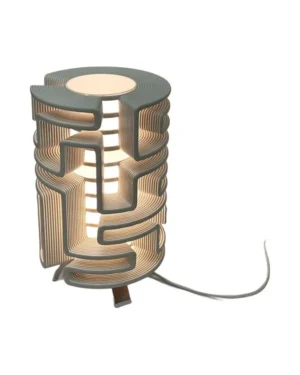
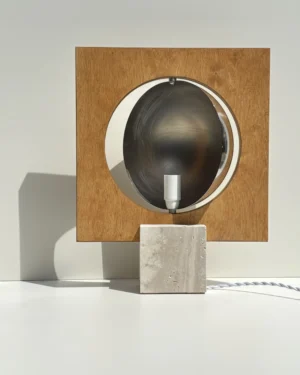
Galileo Lamp 2.0 Table Lamp In Concrete And Plywood
By Edoardo Lietti Studio
€600 -

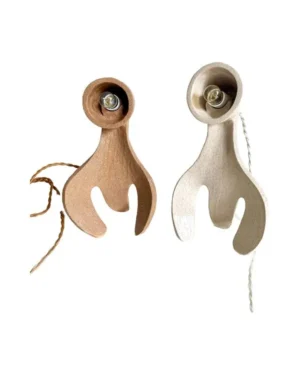
Nuit Table Lamp in Teak Wood
By Studio Indigene
€400 -
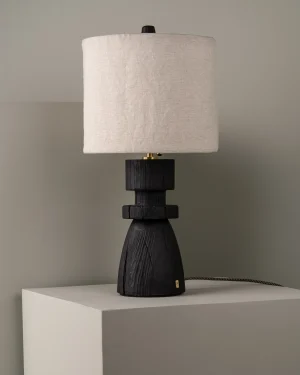
Mezquite Table Lamp in Burned Pinewood and Natural Linen
By Isabel Moncada
€2.925 -
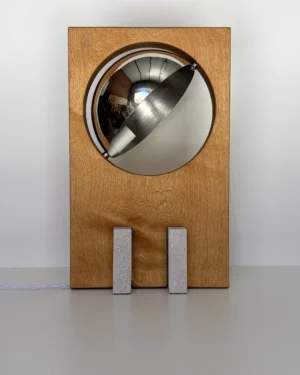
Galileo 2.2 Table Lamp In Marble And Plywood
By Edoardo Lietti Studio
€750 -
 In stock
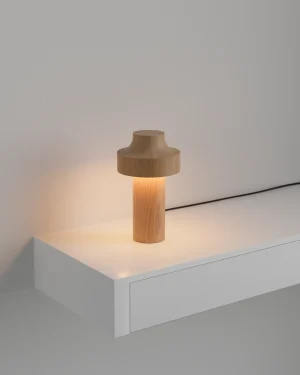
Monolith Table Lamp in Mexican Red Oak
By Sergio Enríquez Industrial Design Office
€800 -
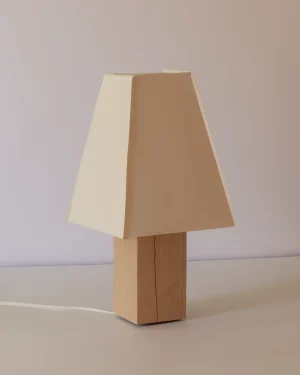
PL – 1 Table Lamp in Beech Wood and Paper
By Sergio Enríquez Industrial Design Office
€1.500 -
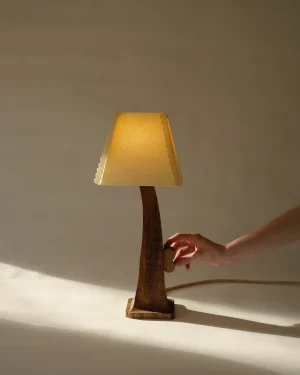
Sprout Table Lamp In Cotton And Natural Oak
By Basia Pruszyńska
€2.000 -
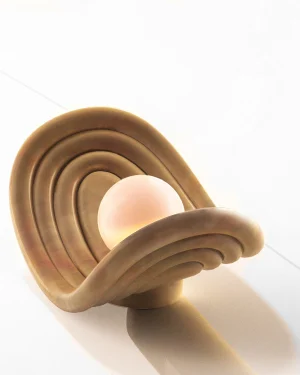
Pearl Table Lamp
By Alter Ego Studio
€4.790 - €8.700 This product has multiple variants. The options may be chosen on the product page -

Amar Table Lamp in Wenge Wood and Pau Ferro
By Brett Paulin
€2.267 -

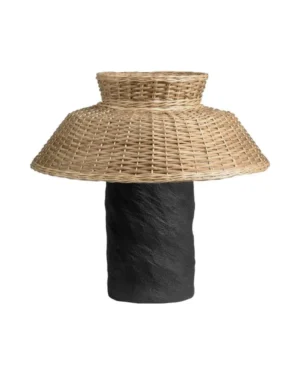
Black Wool Table Lamp in Biocomposite
By PletoStudio
€700 -
 In stock
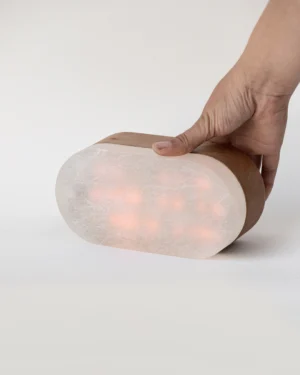
Cumulo Table Lamp in Alabaster and Oak Wood
By Valentine Maurice
€900 -

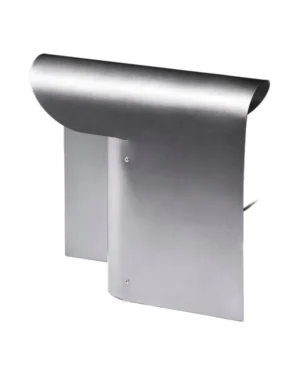
Tenfold Table Lamp in Aluminum and Mahogany Wood
By Luft Tanaka Studio
€3.900 -
 In stock
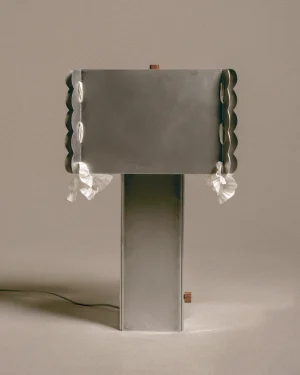
Serwetka Table Lamp in Aluminum and Cherry Wood
By Basia Pruszyńska
€1.900 -
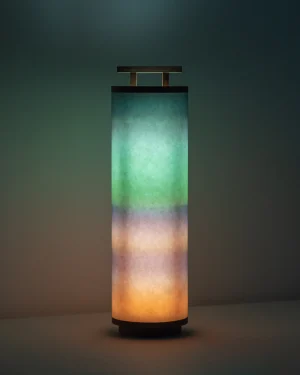 In stock
Torii G Pala Table Lamp in Washi Paper and Walnut
By Prangé
€1.232 -
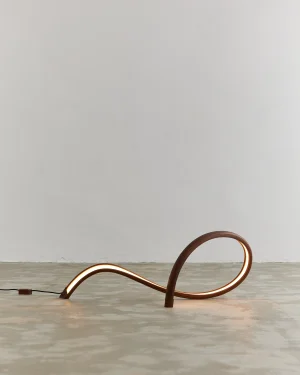 In stock
Maré Table Lamp in Walnut Wood
By Poémia
€3.600 -

Bells and Whistles Table Lamp in Aluminum
By Toro Manifesto
€2.100 -

Galaxy Table Lamp in Parota Wood and Brass
By Isabel Moncada
€2.925 -
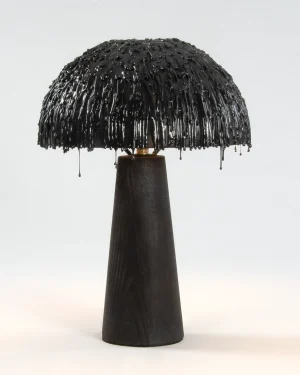
Leaky Lamp I Table Lamp in Ash Wood and Bioplastic
By Pablo Ejarque-González
€1.050 -
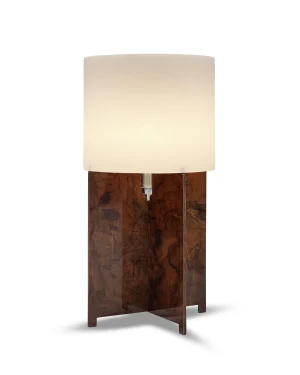 In stock
Lumix Table Lamp in Walnut Wood
By Pablo Sinan Design
€550 -
 In stock
SONIAH Table Lamp in ZTISTA Biocomposite
By FAINA
€3.000 This product has multiple variants. The options may be chosen on the product page -
 In stock
Yunseul Table Lamp In Ash Wood
By Woohyun Han
€550 -
 In stock
Lumix Table Lamp in Poplar Wood
By Pablo Sinan Design
€550 -

Falcon Table Lamp in Brass and Walnut Wood
By Nathan Chintala
€1.914 -
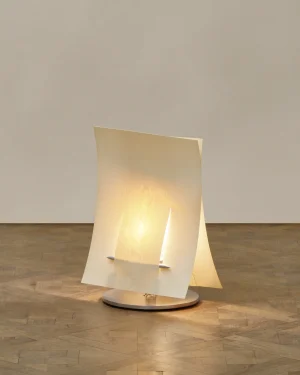
Soft Ply Table Lamp Series in Wood and Aluminum
By Sheyang Li
€785 -

Wool Smola Table Lamp in Biocomposite
By PletoStudio
€800 -
 In stock
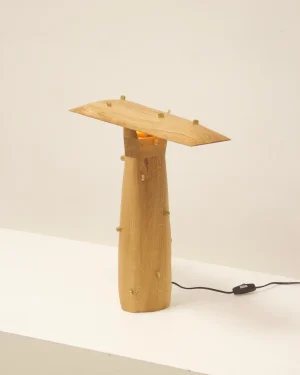
Présence Table Lamp In Oak And Brass
By Vital Lainé
€1.500 -

Tenfold Low Table Lamp in Aluminum
By Luft Tanaka Studio
€3.000 -
 In stock
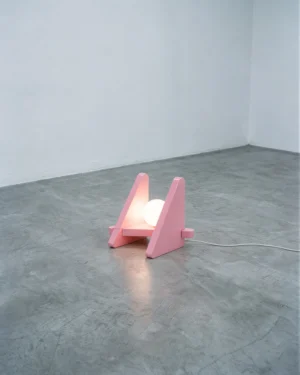
La Lampe Table Lamp in Wood
By Olive®
€325 -
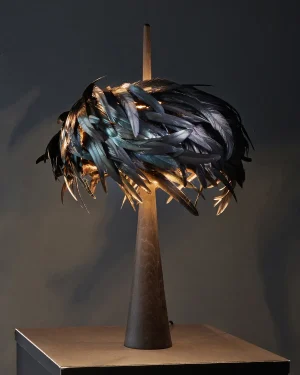
Luna Nova Table Lamp in Oak Wood
By HEIKE BUCHFELDER
€3.294 -
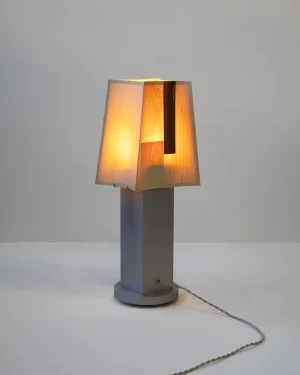
Soft Ply Table Lamp in Birch, Willow and Aluminum
By Sheyang Li
€1.000 -
 In stock
Practice Table Lamp – Square in Orange Plywood
By Studio Fabius Clovis
€632 -
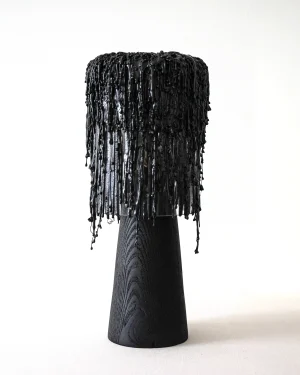
Leaky Lamp III Table Lamp in Ash Wood and Biomaterial
By Pablo Ejarque-González
€1.085 -
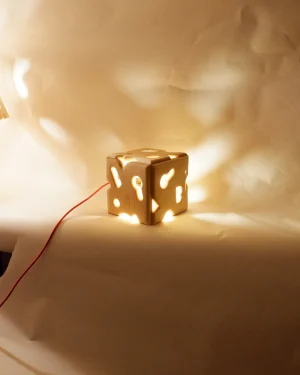
Cut Out Light Cube Table Lamp in Pine Wood
By Josh Page Studio
€310 -

Marici Table Lamp in Solid Oak
By Brett Paulin
€2.267 -
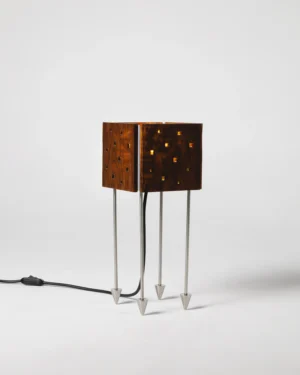 In stock
Prisma Massiva Table Lamp in Imbuia Wood, Resin & Steel
By DONÓ Design
€1.602 -
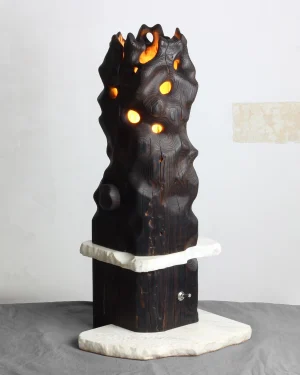
Volcano Table Lamp
By Gábor Góbi
€3.290 -

The Mammal Table Lamp in Walnut Wood
By CHANDLER MCLELLAN
€1.155 -
 In stock
Curvita Table Lamp in Solid Wood
By Laluz Handcraft
€2.470 -
 In stock
Lampe De Table Gavrinis En Chêne Massif
By Vital Lainé
€1.200 -

Cypress Table Lamp in Wood
By Studio Kloak
€2.000 -
 In stock
Faro Table Lamp in Concrete and Glass
By AaltoAalto Studio
€1.600 -
 In stock
N2 Panel Table Lamp In Walnut And Steel
By Aaron Scott
€1.200 -

Ss1 Table Lamp In Cherry Wood And Acrylic
By Aaron Scott
€2.650 -
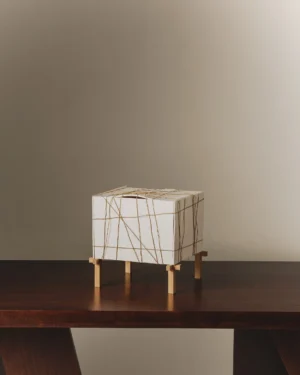 In stock
Fardo Table Lamp in Porcelain, Oak Wood and Rope
By Mike Hausmann
€2.800 -

Owca Small Table Lamp In Cotton And Oak Wood
By Basia Pruszyńska
Price Upon Request -

Leaky Lamp II Table Lamp in Oak and Glass
By Pablo Ejarque-González
€895 -
 Sold
Soft Ply No. 2 Table Lamp in Wood and Steel
By Sheyang Li
Price Upon Request -

Cork X Lamp 01 Table Lamp in Cork and Glass
By Robert Megel
Price Upon Request -
 Sold
Soft Ply No. 1 Table Lamp in Wood and Steel
By Sheyang Li
Price Upon Request -

Lámpara Regina Table Lamp In Wood
By Daniel Orozco Estudio
Price Upon Request -
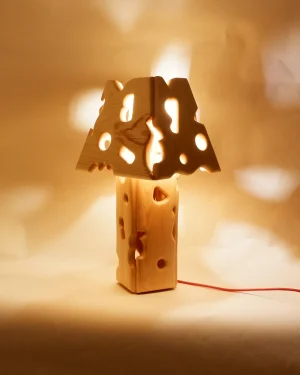
Cut Out Table Lamp In Pine Wood
By Josh Page Studio
€375 - €745 This product has multiple variants. The options may be chosen on the product page -
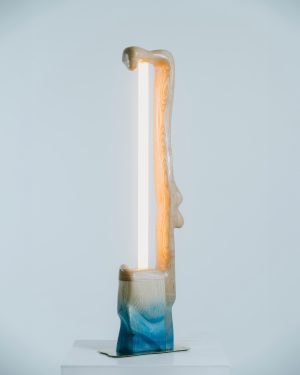 Sold
Blueprint Table Lamp in Ash Wood and Brass
By Studio Kloak
€1.200 -

Acid Table Lamp In Birch Plywood And Teak Wood
By Josh Page Studio
€375 - €810 This product has multiple variants. The options may be chosen on the product page
Wooden table lamps bring a warmer, quieter kind of light source into a room, their bases turned, carved or joined by hand from solid timber rather than cast in metal or blown in glass. Independent studios and workshops work mostly in oak, teak and ash, choosing a species for the way its grain, density and natural tone will carry through the finished form. Set beside the wider range of table lamps, these pieces read as the least industrial of the group, each one keeping some trace of the tree it came from.
What gives these bases their character
Oak is dense and ring-marked, heavy enough to anchor a lamp on a console without a weighted foot added underneath. It darkens slightly with age and handling, and takes an oil or wax finish well. Teak carries natural oils that make it resistant to damp air and slow to dry out, which is part of why it has long been used for pieces that live near windows or bathrooms. Ash is lighter in both color and weight, with a straighter, more even grain that favors turned, simple forms over heavily carved ones.
How studios shape and finish the wood
Wood and cabinetmaking joins sections with mortise, tenon or dowel, useful where a base is built from several pieces rather than one block. Woodturning shapes a single length on a lathe into a tapered, cylindrical or bulbous column, the fastest route to a clean, symmetrical form. Wood carving removes material by hand or chisel to leave a more sculptural, asymmetrical body, and lacquering can seal any of these in a matte black, ivory, cobalt blue or natural finish, letting color sit over the grain without hiding the material underneath. Depending on the studio's process, a wooden table lamp may exist as an open edition, a limited run, or a unique piece turned or carved one at a time.
Choosing a wooden table lamp
Start with the surface it will stand on. A heavy oak base suits a wide console or sideboard with room to spare on either side; a slimmer, turned ash form sits more easily on a narrow side table or nightstand. Height matters relative to what's nearby: a lamp read at a seated height should clear the arm of a sofa or the edge of a headboard, not sit below it.
- Match the finish to the room's other wood tones, rather than to the furniture's color alone.
- Leave clearance around the base for the cord and for the shade to swing without catching on a wall.
- Pair a carved or turned wooden table lamp with a plain shade if the base itself is the detail worth noticing.
For a cooler, harder-edged alternative in the same category, metal table lamps offer a comparable range of forms in aluminum and brass.
Where wood suits a room
These lamps sit naturally in living rooms, studies and bedrooms, anywhere a surface is already carrying other wooden pieces. A turned base reads well beside wooden tables or against a run of wooden furniture, picking up the same grain and tone without matching it exactly. In a room built mostly from harder materials, stone, glass or steel, a single wooden base can soften the balance without changing the palette.
Living with a wooden base
Keep wood away from direct, prolonged sun, which will lighten or uneven its color over years. Wipe with a dry or barely damp cloth rather than any wet cleaner, and keep the base away from standing water near a sink or tub. An occasional light oiling keeps oak and ash from drying out; teak generally needs little more than a wipe, having enough natural oil of its own. The full range of species, finishes and forms sits under every wood piece on ADORNO, for anyone comparing beyond lighting alone.
How do I choose a wooden table lamp?
Match the wood tone to nearby furniture, oak and ash lean pale and grain-forward, teak reads darker and warmer. Consider the base's footprint against the surface it will sit on, and whether the shade casts light up, down or sideways.
How do I care for a wooden table lamp?
Keep it away from direct sun and damp, which cause fading and warping, and dust with a dry or barely damp cloth. An occasional wipe of furniture oil keeps oak, ash or teak from drying out.
What size table lamp should I get?
A table lamp typically stands between knee and shoulder height when seated nearby, roughly 24 to 34 inches, so the bulb sits below eye level. Check the base width against the surface so it does not overhang.
Which rooms suit wooden table lamps?
Living rooms, bedrooms and studies all take well to wood's warmth, especially beside upholstery, linen or other natural materials. The grain softens a room that leans heavy on metal, glass or stone.
Will the wood grain and color vary between lamps?
Yes, wood is a natural material, so grain pattern, knots and tone shift piece to piece even within the same species. Chat with the maker on the piece's page to confirm what a specific lamp looks like.
How does shipping, returns and authenticity work on ADORNO?
Shipping is insured and worldwide, with a 14-day return policy that excludes made-to-order pieces. Every lamp arrives with a certificate of authenticity, backed by a lowest-price guarantee.