










-
 In stock
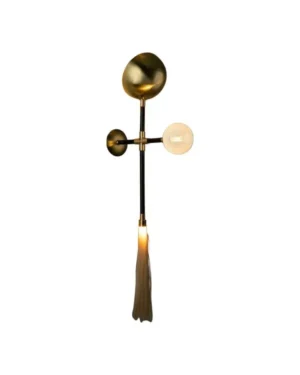
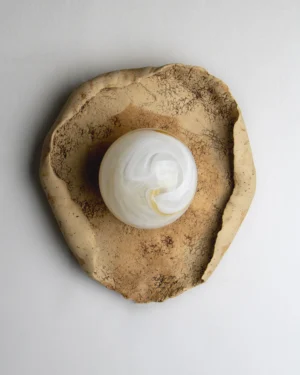
Asea No. 41 Pearl Wall Sconce in Stoneware and Blown Glass
By Ceren Gürkan
€1.000 -

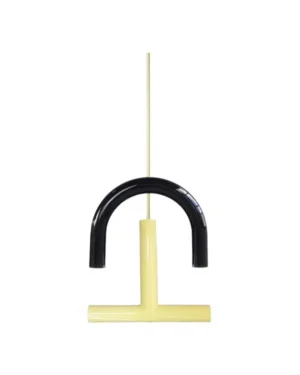
Trn / Model D1 Pendant Lamp in Ceramic
By Pani Jurek STUDIO
€1.080 This product has multiple variants. The options may be chosen on the product page -
 In stock
Coral Table Lamp in Clay and Ceramic
By Dzovag Kotchian
€900 -
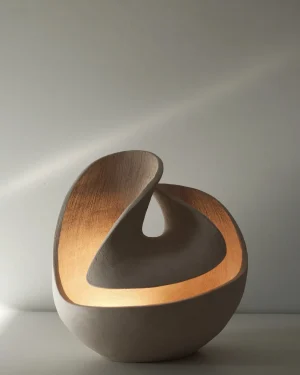
Athari Table Lamp in Ceramic
By Andrei Clontea STUDIO
€900 -

Trn / Model D2 Pendant Lamp in Ceramic
By Pani Jurek STUDIO
€1.080 This product has multiple variants. The options may be chosen on the product page -

Trn / Model E1 Pendant Lamp in Ceramic
By Pani Jurek STUDIO
€1.430 This product has multiple variants. The options may be chosen on the product page -

Strikha Table Lamp in Clay
By FAINA
€1.820 -

Mātra Table Lamp in Ceramic
By Andrei Clontea STUDIO
€800 -

Trn / Model A1 Pendant Lamp in Ceramic
By Pani Jurek STUDIO
€470 This product has multiple variants. The options may be chosen on the product page -

Trn / Model C2 Pendant Lamp in Ceramic
By Pani Jurek STUDIO
€880 This product has multiple variants. The options may be chosen on the product page -

Trn / Model B2 Pendant Lamp in Ceramic
By Pani Jurek STUDIO
€625 This product has multiple variants. The options may be chosen on the product page -
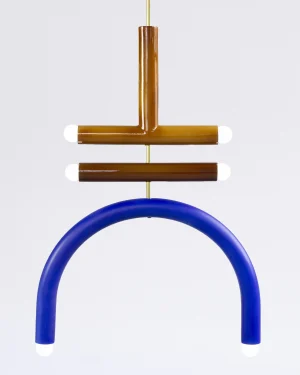
Trn / Model F2 Pendant Lamp in Ceramic
By Pani Jurek STUDIO
€1.600 This product has multiple variants. The options may be chosen on the product page -
 In stock
B.a.r.e Series Table Lamp in Brick, Copper and Plastics
By Lucas Muñoz Muñoz
€300 -
 In stock
Astēri Table Lamp in Clay
By Andrei Clontea STUDIO
€1.200 -

Ombrellina Table Lamp in Earthenware
By mattina moderna
€655 This product has multiple variants. The options may be chosen on the product page -
 In stock
Caterina Table Lamp in Earthenware
By mattina moderna
€585 This product has multiple variants. The options may be chosen on the product page -
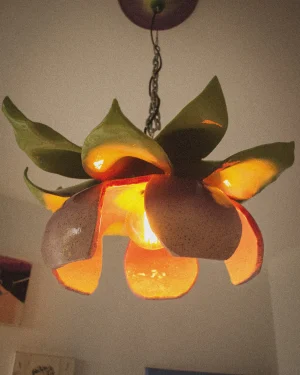
Amaryllis Ceiling Lamp in Glazed Ceramic
By UAU Studio
€1.300 -
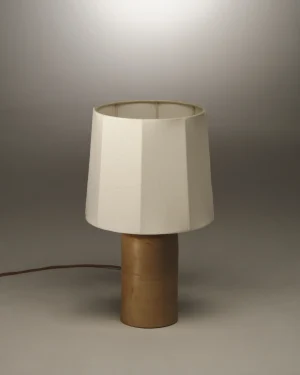
Sonora Small Table Lamp In Terracotta And Linen
By NASSI LAMPS
€1.028 This product has multiple variants. The options may be chosen on the product page -

Onda Sconce in Raku White Ceramic
By arrived aliens
€2.200 -
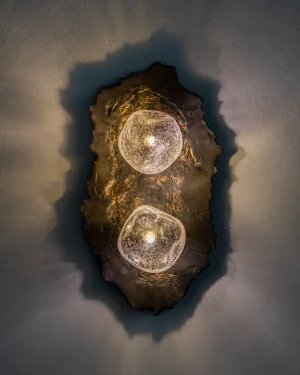
Asea No. 25 Wall Sconce in Blown Glass and Stoneware
By Ceren Gürkan
€1.100 -
 In stock
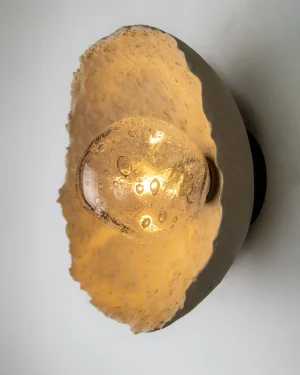
Asea No. 23 Wall Sconce in Stoneware and Blown Glass
By Ceren Gürkan
€800 -

Trn / Model C1 Pendant Lamp in Ceramic
By Pani Jurek STUDIO
€880 This product has multiple variants. The options may be chosen on the product page -
 In stock
B.A.R.E Series ‘Tall’ Floor Lamp in Brick and Copper
By Lucas Muñoz Muñoz
€780 -
 In stock
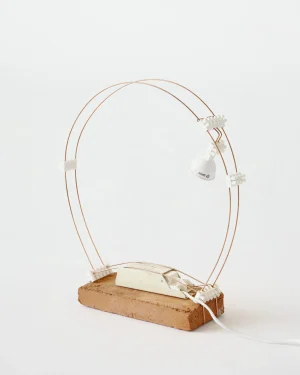
B.A.R.E Series ‘Small Circular’ Table Lamp in Brick and Copper
By Lucas Muñoz Muñoz
€225 -

Trn / Model B3 Pendant Lamp in Ceramic
By Pani Jurek STUDIO
€625 This product has multiple variants. The options may be chosen on the product page -
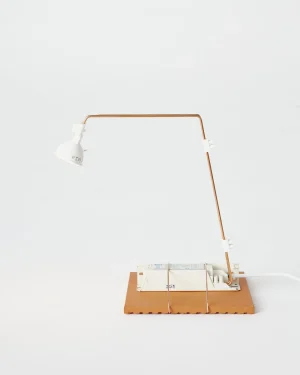 In stock
B.A.R.E Series ‘Small Simple’ Table Lamp in Brick and Copper
By Lucas Muñoz Muñoz
€150 -
 In stock
B.A.R.E Series Table Lamp in Brick and Copper
By Lucas Muñoz Muñoz
€250 -

Trn / Model F3 Pendant Lamp in Ceramic
By Pani Jurek STUDIO
€1.600 This product has multiple variants. The options may be chosen on the product page -

Rakis Lite Table Lamp – Black Stoneware Ceramic
By Catalin Filip
€455 -
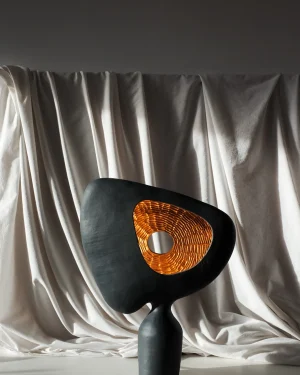
Olethros Table Lamp in Stoneware
By Andrei Clontea STUDIO
€1.000 -

Pendulū Table Lamp In Ceramics And Gold-leaf
By Catalin Filip
€950 -
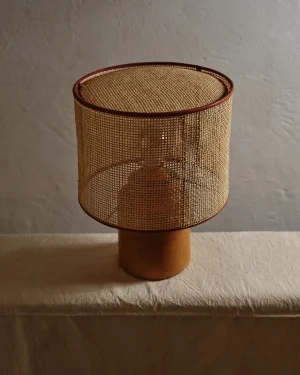
Sonora Rattan Table Lamp In Clay And Textiles
By NASSI LAMPS
€840 -
 In stock
Asea No. 7 Wall Sconce in Stoneware and Brass
By Ceren Gürkan
€900 -
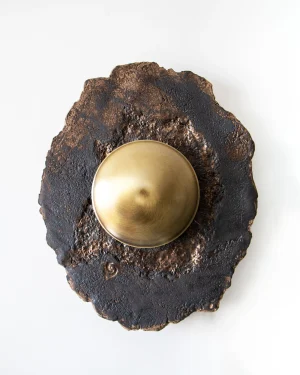 In stock
Asea No. 10 Wall Sconce in Stoneware and Brass
By Ceren Gürkan
€900 -
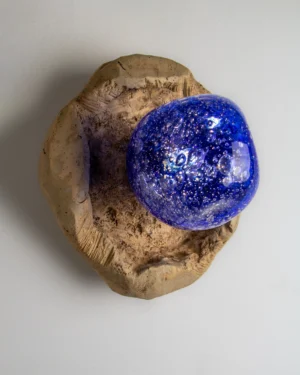 In stock
Asea No.13 Wall Sconce in Stoneware and Blown Glass
By Ceren Gürkan
€1.300 -
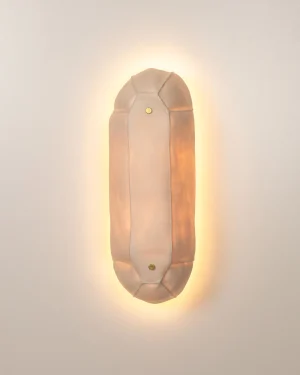
Kawa Series 01 Wall Sconce in Porcelain and Brass
By Luft Tanaka Studio
€1.600 -
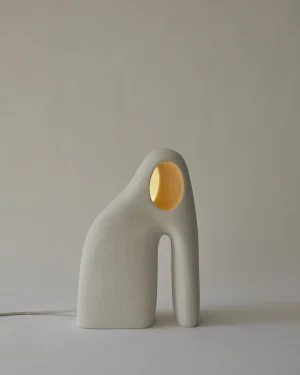
Nomad Ⅱ:02 Table Lamp in Stoneware
By SK - Sofia Karnukaeva
€2.480 -
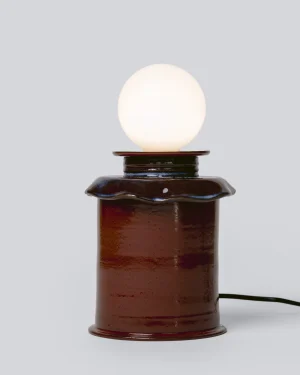
Baby Tutu Table Lamp in Glazed Stoneware
By Slō
€750 -

Nomad Ⅱ:09 Table Lamp in Ceramics and Stoneware
By SK - Sofia Karnukaeva
€2.780 -
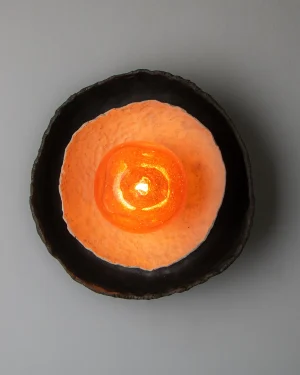
Asea No. 26 Red Wall Sconce in Blown Glass and Stoneware
By Ceren Gürkan
€1.100 -

Knotto_01 Table Lamp In Glazed Stoneware And Synthetic Fibers
By Catalin Filip
€800 -
 In stock
Navazi Table Lamp in Ceramic
By SVITANOK
€440 - €670 This product has multiple variants. The options may be chosen on the product page -

Fat Op No. 001 Floor Lamp in Ceramic
By Pani Jurek STUDIO
€1.539 -
 In stock
La Bergère Table Lamp In Glazed Ceramic
By Mina Wright
€686 -
 In stock
Asea No.40 Wall Sconce In Stoneware And Blown Glass
By Ceren Gürkan
€1.200 -

El Joyero De Odette Table Lamp In Stoneware
By Mina Wright
€810 -
 In stock
Coral Wall Sconce in Clay
By Dzovag Kotchian
€900 -
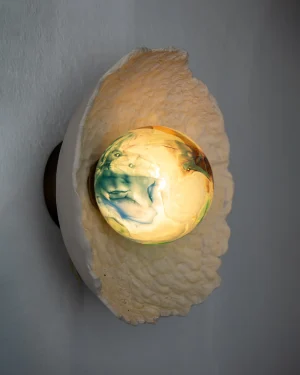 In stock
Asea No. 17 Wall Sconce in Stoneware and Blown Glass
By Ceren Gürkan
€900 -
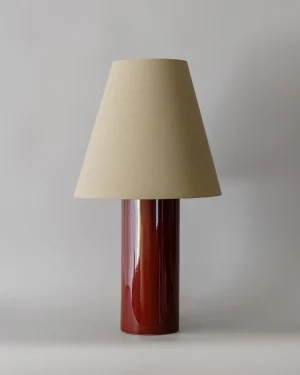
Giro Table Lamp in Ceramics and Cotton
By mattina moderna
€495 This product has multiple variants. The options may be chosen on the product page -

Black Wool Table Lamp in Biocomposite
By PletoStudio
€700 -

The Mesia Table Lamp in Ceramics and Glass
By Luis Gimeno Design
€1.400 This product has multiple variants. The options may be chosen on the product page -

Conic 01 Wall Sconce in Porcelain and Stainless Steel
By Hanna Fastrich
€1.390 -
 In stock
Tl-1 Earth Table Lamp In Cellulose Acetate
By Juba Concepts
€740 -
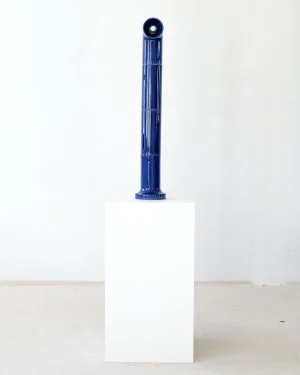
Slim Op Four Piece Floor Lamp in Ceramics and Porcelain
By Pani Jurek STUDIO
€1.045 This product has multiple variants. The options may be chosen on the product page
Ceramic lamps are shaped from fired clay, built up by hand or thrown on a wheel, then sealed with a glaze that is set hard in a kiln. The base carries the weight and the bulk of the form, while a shade or a diffuser does the work of softening the light that comes through it. Studios working in stoneware and earthenware favor the material for this reason: it holds a shape, takes color unevenly in a way that reads as depth rather than flaw, and stays cool to the touch even after hours of use.
What clay and glaze bring to a lamp
Clay is dense and matte before it is fired, and glaze is what turns it reflective, textured or chalky depending on the minerals in the mix and the temperature of the kiln. A raku-fired surface will crackle and smoke unevenly by design, so no two bases come out the same. A glossier stoneware glaze, by contrast, gives a steadier, repeatable surface that suits a pair or a row of matching lamps.
Because the body is solid clay rather than a shell, ceramic lamps carry real weight. That is useful on a side table or a sideboard where a lighter base might tip, and it is part of why the material has stayed in use for lighting across centuries of pottery and design.
The range of finishes, colors and editions
Within ceramic lighting the finish does most of the talking. Expect matte and glossy glazes, raw unglazed clay left visibly textured, and raku work with its smoked, cracked surface. Color runs from black, brown and beige through to cobalt blue, denim, green, light yellow and lilac, often applied unevenly on purpose so the base reads as handled rather than printed.
- Hand-building and wheel-thrown forms, sculpted bases, and glazing as a finishing step
- Minimalist, contemporary, mid-century modern, art deco, boho chic and coastal styles, all working with the same clay body
- Open editions alongside limited runs and unique, one-off pieces where a studio works entirely by hand
A piece sold as a limited edition or a unique piece will usually show more variation in glaze and form than an open edition, since each one has passed through fewer hands and less standardization.
How to choose a ceramic lamp
Start with scale. A tall, narrow base reads well on the floor or on a low console, while a squat, rounded form sits more naturally on a side table at seated height. Measure the shade against the surface it will stand on so the light falls where you actually sit or work, not above it.
Finish matters as much as shape. A matte, earthy glaze in brown or beige suits a room built around wood and linen, while a glossy cobalt or green base reads as a deliberate accent against plainer surroundings. If you are placing more than one lamp in the same room, an open edition in a repeatable glaze will match more predictably than a raku or hand-sculpted piece.
Where ceramic lamps sit well
These lamps suit the rooms where people pause rather than pass through: a living room corner, a bedside table, a reading chair. A pair flanking a sofa or a bed gives even, low light without competing with an overhead fixture, and the weight of the base keeps them steady on soft furnishings like upholstered side tables.
For broader lighting choices in the same vein, the full range of living room lamps covers other materials built for the same kind of seated, close-range light, and ceramic lighting extends the material into pendants and sconces beyond the table lamp form.
Caring for a ceramic lamp
Dust with a dry or barely damp cloth; standing water or abrasive cleaners can dull a glaze or work into any hairline crackle left by raku firing. Keep the base away from sharp knocks, since fired clay is hard but not flexible and will chip rather than bend. If the cord or socket ever needs attention, that is a job for an electrician rather than for the ceramic body itself.
For comparison, metal lamps offer a different weight and upkeep entirely, while the wider world of lamps on ADORNO and the full catalog of ceramic pieces show how the same clay and glaze techniques carry across other kinds of lighting and objects.
How do I choose a ceramic lamp?
Match the base to the light it gives: a dense stoneware body softens the glow, while a thinner glazed shell lets more light pass through. Consider the glaze color and texture against the room's existing palette.
How do you care for a ceramic lamp?
Dust the body with a dry or barely damp cloth and keep it away from sudden temperature swings, which can stress the glaze. Avoid abrasive cleaners, as they dull the glaze's surface over time.
What size and height should a ceramic lamp be?
Table lamps typically sit between 20 and 34 inches tall, bringing light to eye level when seated. For floor lamps, look for a base heavy enough at the foot to keep the ceramic form stable.
Which rooms suit ceramic lamps?
Their weight and texture work well on side tables, consoles and sideboards in living rooms and bedrooms, where the glaze catches both daylight and lamplight. Bathrooms and kitchens with humidity are less suited to unglazed or raku-fired pieces.
Can I order a custom ceramic lamp through ADORNO?
Some makers take custom requests for glaze color, size or wiring. Chat with the maker on the piece's page to ask directly.
What are ADORNO's shipping and return policies?
Shipping is insured and sent worldwide. Returns are accepted within 14 days, except for made-to-order pieces, and every lamp arrives with a certificate of authenticity.