


















-
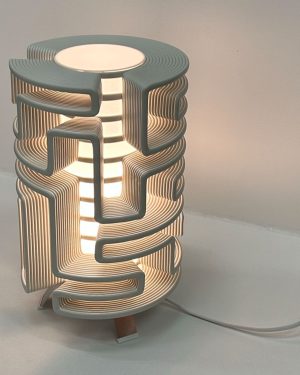
Maze Table Lamp in Recycled Plastic
By Stijn van Aardenne
€227 -
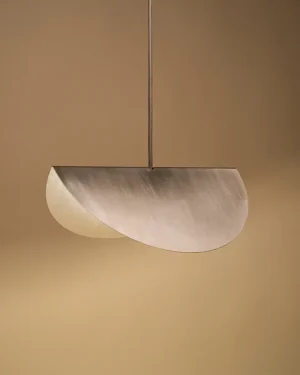
Two Circles Pendant Lamp in Stainless Steel
By Georgiev Kiril
€490 -
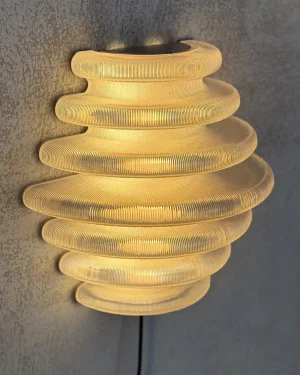
Hive Wall Lamp In Recycled Plastic And Stainless Steel
By Stijn van Aardenne
€805 -
 In stock
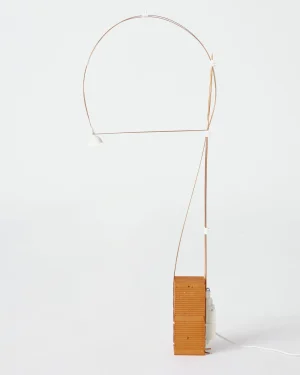
B.A.R.E Series Table Lamp in Brick and Copper
By Lucas Muñoz Muñoz
€250 -
 In stock
“Object 02” Wall Lamp from the “Hotel” Collection
By Hot Wire Extensions
€1.145 This product has multiple variants. The options may be chosen on the product page -
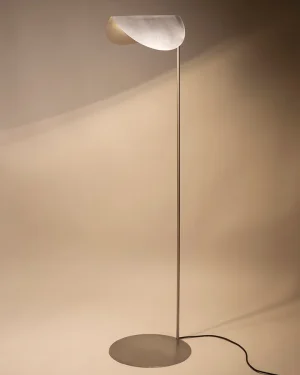
Two Circles No. 1 Floor Lamp in Stainless Steel
By Georgiev Kiril
€995 -
 In stock
Object 09 Sconce in Nylon and Sand
By Hot Wire Extensions
€1.145 - €1.163 This product has multiple variants. The options may be chosen on the product page -
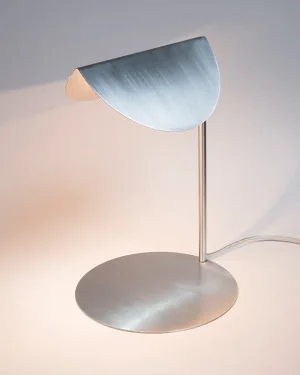
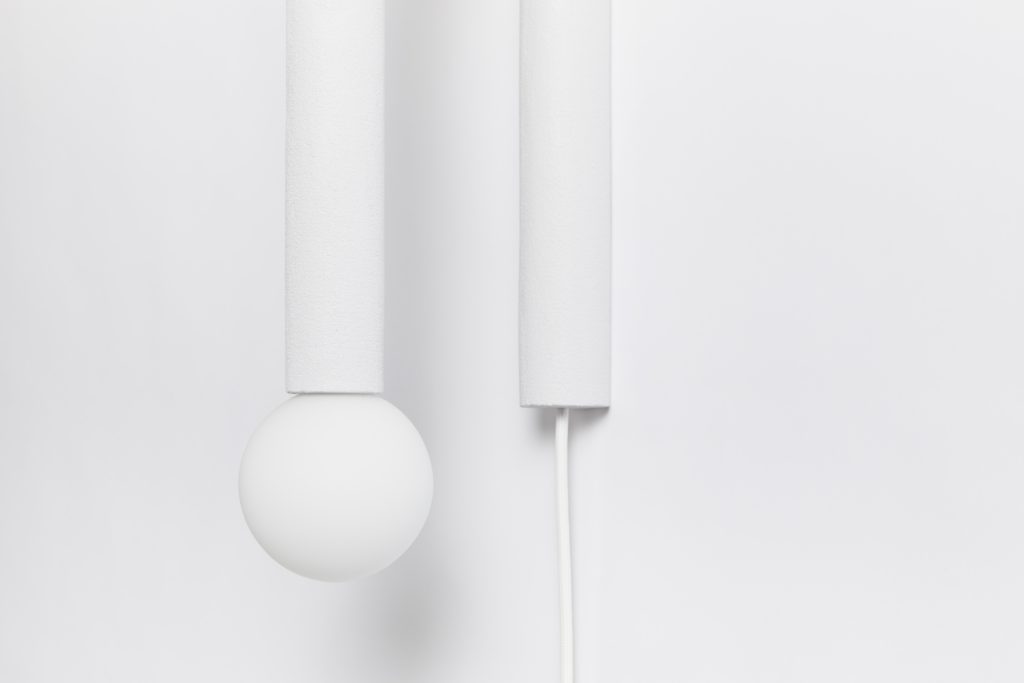
Two Circles Table Lamp in Stainless Steel
By Georgiev Kiril
€690 -
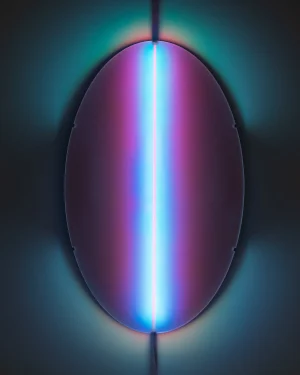 In stock
Aurora Frosted Wall Sconce in Acrylic and Aluminum
By Catrinel Sabaciag
€1.352 -
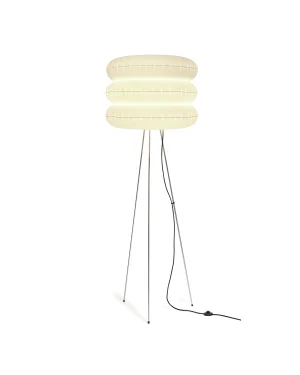 In stock
Big Puff Tripod Floor Lamp in Polyurethane and Steel
By PUFF-BUFF
€800 -
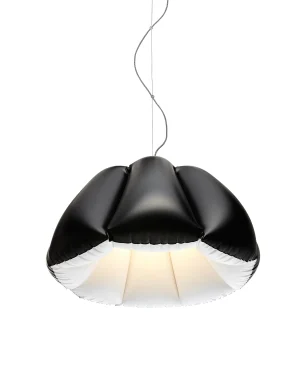 In stock
Orca Pendant Lamp in Galvanised Steel and PVC
By PUFF-BUFF
€430 -
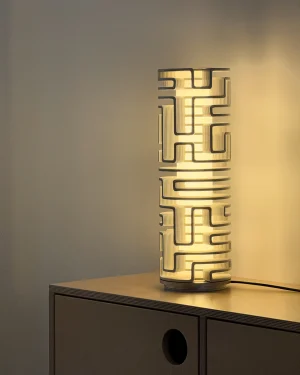
Maze Medium Table Lamp in Recycled Plastic
By Stijn van Aardenne
€579 -
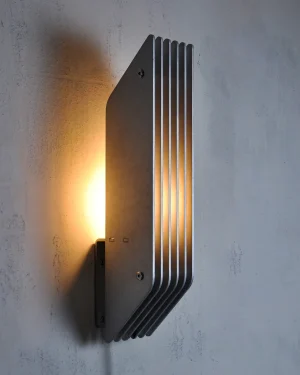 In stock
Rln460 Wall Lamp in Matte Aluminium
By MLK Furniture
€390 -
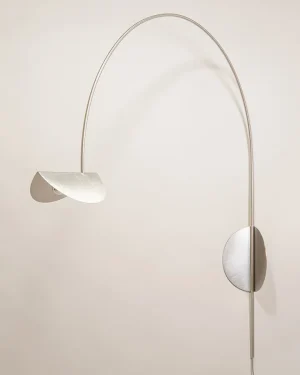
Wall Lamp 1 in Stainless Steel
By Georgiev Kiril
€1.250 -
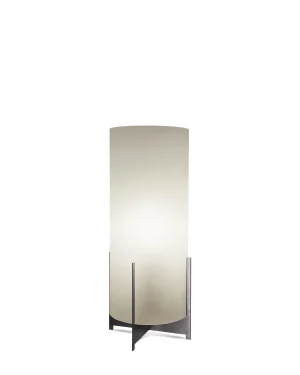 In stock
Lumix Floor Lamp in Stainless Steel and Polycarbonate
By Pablo Sinan Design
€510 -
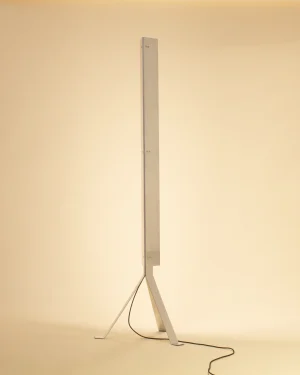
L1 High Floor Lamp in Aluminum
By Luiz Solano
€1.200 -
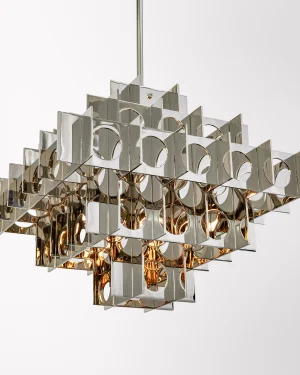
Tenfold 5 T Pendant Lamp in Stainless Steel and Aluminum
By Luft Tanaka Studio
€4.440 - €11.000 This product has multiple variants. The options may be chosen on the product page -
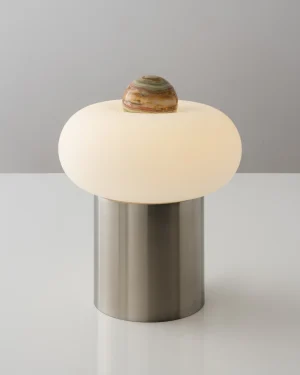 In stock
Capsula 01 Table Lamp in Blown Glass and Onyx
By Noiro Studio
€1.100 -
 In stock
Sigil Tower Floor Lamp in Stainless Steel and Alabaster
By Nitush and Aroosh
€4.150 -
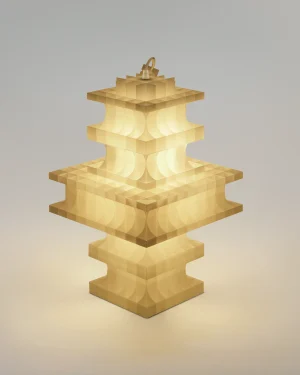
Citadel Large Lantern Light Sculpture
By Ultramar Studio
€1.125 -

Pill1200 Floor Lamp in Stainless Steel
By MLK Furniture
€1.690 -
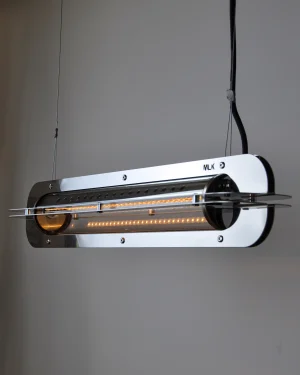
Pill600 Pendant Lamp in Mirror Stainless Steel
By MLK Furniture
€1.090 -
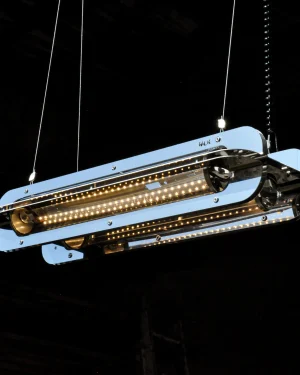
Pill600x2 Pendant Lamp in Mirror Stainless Steel
By MLK Furniture
€1.890 -
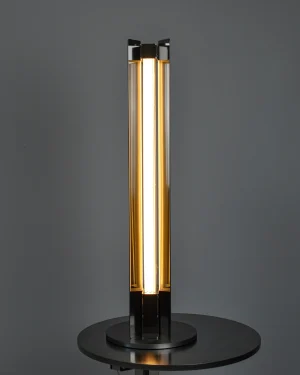 In stock
Ne600/145 – Mat Stainless Steel & Acrylic Lamp
By MLK Furniture
€990 -
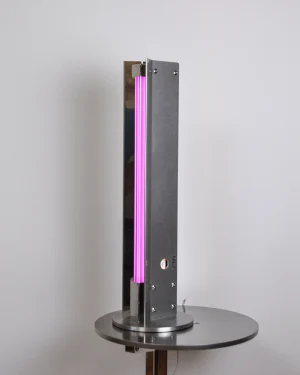
Ne600/145 Floor Lamp in Stainless Steel and Purple Acrylic
By MLK Furniture
€1.090 -
 In stock
Handrail Table Lamp in Stainless Steel
By studio re.d
€440 -
 In stock
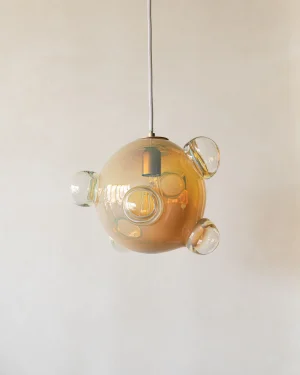
Bubble Pendant Lamp (Large) in Blown Glass
By Sticky Glass
€4.318 This product has multiple variants. The options may be chosen on the product page -
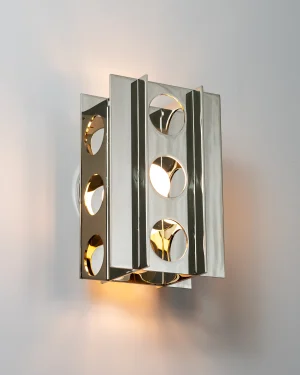
Tenfold 3T Mirror Wall Sconce in Steel and Aluminum
By Luft Tanaka Studio
€1.540 -
 In stock
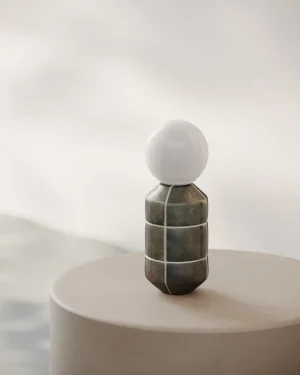
Navazi Table Lamp in Ceramic
By SVITANOK
€440 - €670 This product has multiple variants. The options may be chosen on the product page -
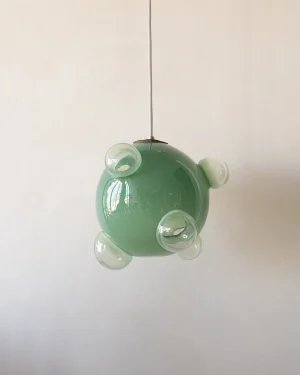 In stock
Bubble Pendant Lamp (Small) in Glass
By Sticky Glass
€2.480 This product has multiple variants. The options may be chosen on the product page -
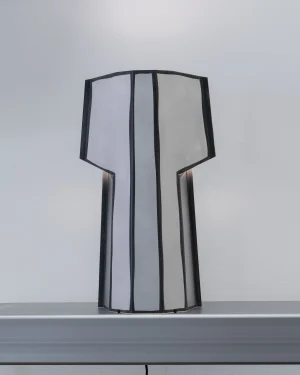 In stock
Hex Table Lamp in Aluminum
By STUDIO GUILTY
€492 -
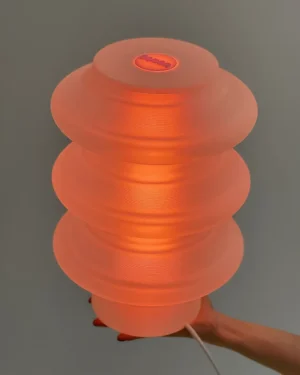 In stock
Blampa30 Table Lamp in Bio Plastic
By BLUBA Studio
€203 This product has multiple variants. The options may be chosen on the product page -
 In stock
Object 12 Sconce in Nylon and Sand
By Hot Wire Extensions
€1.145 - €1.355 This product has multiple variants. The options may be chosen on the product page -
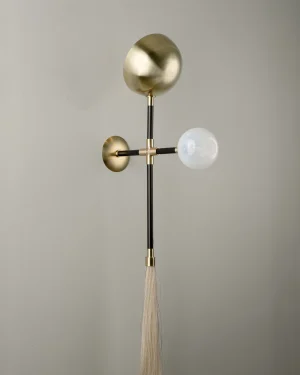
Gogo Wall Sconce in Brass, Blown Glass and Natural Fibers
By Isabel Moncada
€2.880 - €4.036 This product has multiple variants. The options may be chosen on the product page -
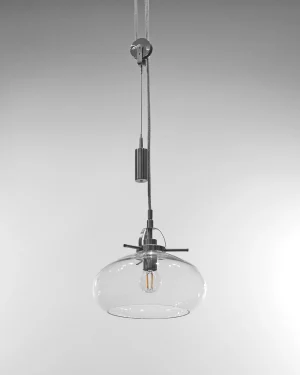
Art Deco Pendant Lamp with Weight in Glass and Steel
By Szostak Atelier
€1.400 -
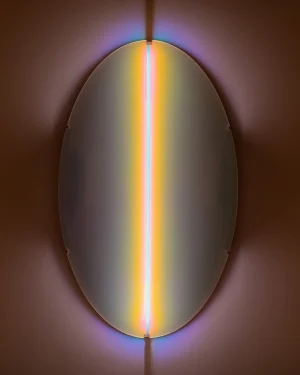
Aurora Gloss Wall Sconce in Acrylic and Aluminum
By Catrinel Sabaciag
€1.341 -
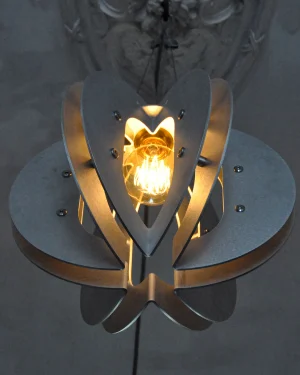 In stock
D300 Lampion Pendant Lamp in Matte Aluminum
By MLK Furniture
€390 -
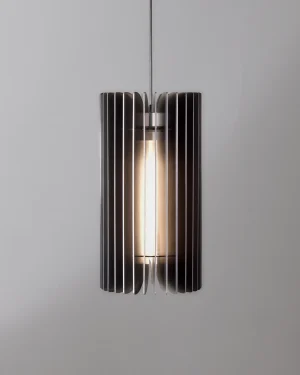
Bare Barrel – Metal Pendant Lamp
By Jochen Lavéno Mangelsdorff Studio & Objects
€760 - €920 This product has multiple variants. The options may be chosen on the product page -
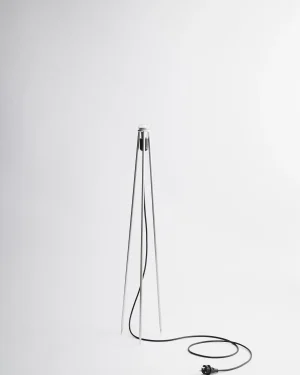
Trilight 100 Floor Lamp in Aluminum
By Obscure Objects
€760 -
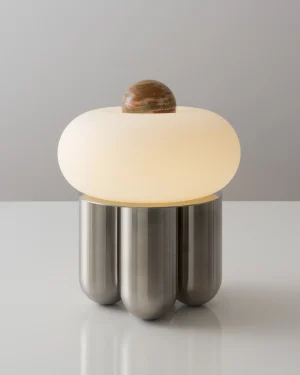
Capsula Table Lamp in Blown Glass, Onyx and Stainless Steel
By Noiro Studio
€1.320 -

Lasso Floor Lamp in Stainless Steel and Glass
By Nitush and Aroosh
€2.850 -
 In stock
Object 07 Sconce in Nylon and Sand
By Hot Wire Extensions
€1.145 This product has multiple variants. The options may be chosen on the product page -
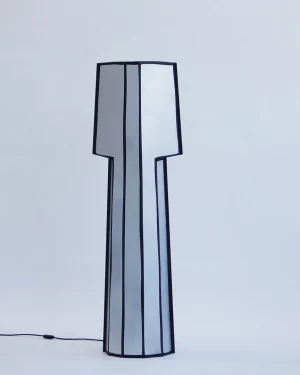
Hex Floor Lamp in Aluminum
By STUDIO GUILTY
€1.256 -
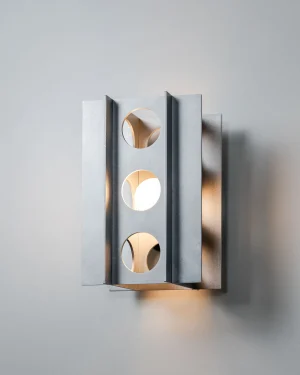
Tenfold 3T Satin Wall Sconce in Steel and Aluminum
By Luft Tanaka Studio
€865 -
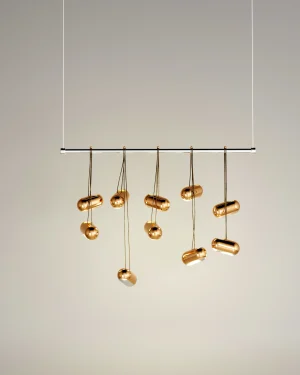
Tere Chandelier in Stainless Steel, Bronze and Acrylic Resin
By Design VA
€12.432 -
 In stock
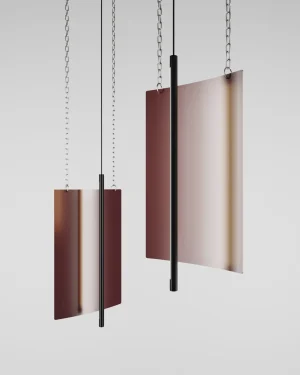
Svitlotin Olive Pendant Lamp in Stainless Steel
By SVITANOK
€890 - €960 This product has multiple variants. The options may be chosen on the product page -
 In stock
Custom Wine Red Ceiling Lamp in Steel
By SVITANOK
€890 - €1.150 This product has multiple variants. The options may be chosen on the product page -
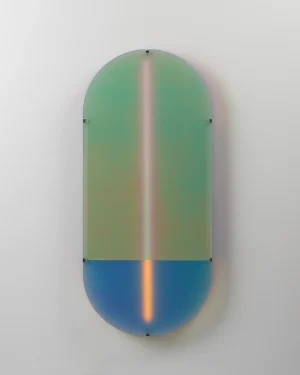
Totem Wall Sconce in Aluminum and Acrylic Glass
By Catrinel Sabaciag
€1.326 -
 In stock
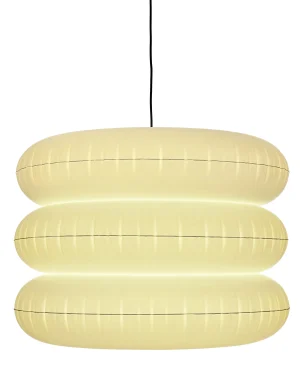
Big Puff Pendant Lamp in Polyurethane
By PUFF-BUFF
€550 -

Bella Pupa Floor Lamp in PVC and Stainless Steel
By PUFF-BUFF
€2.130 -
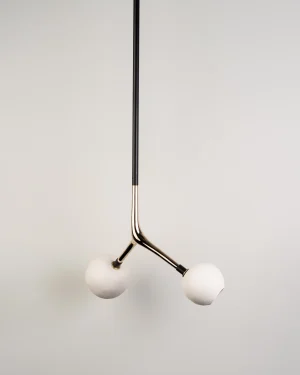
Dupla Pendant Lamp in Bronze, Brass and Glass
By Isabel Moncada
€3.217 - €3.744 This product has multiple variants. The options may be chosen on the product page -
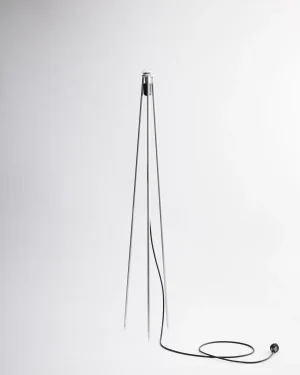
Trilight 130 Floor Lamp in Aluminum
By Obscure Objects
€800 -
 In stock
Crush On You Floor Lamp in 3D Printed PLA
By M’ama edizioni
€380 -
 In stock
“Random Light”
By Hot Wire Extensions
€1.250 This product has multiple variants. The options may be chosen on the product page
Futuristic lamps bring forward shapes and surfaces that look ahead rather than back: smooth stainless steel, anodized aluminum, molded recycled plastic, nylon and polyurethane formed by digital processes rather than a hand at a bench. Studios working in these materials lean on 3D printing, CNC milling, laser cutting and digital fabrication alongside traditional metalwork, so a single shade can have the geometric precision of a machined part and still carry the sheen of a hand-anodized finish. The result sits closer to an object from a lab or a spacecraft than to a traditional table lamp, and that is exactly the point.
What makes a lamp read as futuristic
Form comes before ornament. Surfaces are smooth, edges are often sharp or exaggeratedly rounded, and the silhouette tends toward geometric solids, cones, discs, spheres, rather than historical references. Color plays a supporting role: off-white, cream, white, black and gray keep the focus on shape, while the occasional aqua or copper tone adds a cooler or warmer accent without softening the look.
Metal and stainless steel dominate the category because they hold a crisp line and take a mirror or brushed finish well. Aluminum, often anodized, does the same job at lower weight and in a wider color range. Recycled plastic, polyurethane and nylon bring a different quality, a matte or satin surface, often made with 3D printing or other digital fabrication, that reads as engineered rather than decorative. Sandstone appears occasionally as a grounding counterpoint, its texture and weight offsetting the glossier metals and plastics nearby.
The range found among futuristic lamps
- Materials: stainless steel, aluminum, recycled plastic, polyurethane, nylon, recycled material, sandstone
- Finishes and colors: off-white, cream, transparent, white, black, aqua, gray, copper
- Techniques: metalwork, 3D printing, digital fabrication, CNC milling, anodizing, laser cutting
- Editions: open editions and unique pieces, depending on the studio and the process used
Because many of these lamps are produced through digital fabrication or small production runs rather than purely by hand, some are offered as open editions, repeatable within the limits of the process, while others are unique pieces where a finish or a cast varies piece to piece. Either way, the making leaves a visible trace, a seam line, a tool mark, a slight variation in anodized color, that is part of the object rather than a flaw in it.
Choosing scale, height and placement
Start with what the lamp needs to do. A task lamp for a desk or reading chair should sit low enough that the light source falls just above eye level when seated, while a floor-standing piece needs enough footprint or weight at the base to feel stable rather than top-heavy. Scale matters more with geometric, sculptural forms than with traditional shades, since an oversized disc or cone can dominate a small room, and an undersized one can get lost against a plain wall.
Finish should answer to the room's other metals and surfaces. A brushed or matte aluminum base sits more quietly next to wood and textile than a polished chrome one, which throws reflections and draws the eye. Transparent or pale finishes work well where a lamp needs to read as light rather than object, letting the form recede after dark.
Where these lamps work
A sculptural steel or aluminum lamp earns its place as a focal point in a living room, standing on its own rather than competing with other objects nearby, an approach explored further among living room lamps. In a study or bedroom, a smaller nylon or polyurethane piece can sit on a desk or nightstand without demanding attention until it is switched on. For anyone assembling a fuller scheme, the same geometric language carries across futuristic pieces beyond lighting, including seating and furniture built from the same materials and processes.
Care for metal, plastic and stone surfaces
Stainless steel and anodized aluminum need only a soft cloth and mild soap; abrasive cleaners dull the anodized layer and should be avoided. Recycled plastic, polyurethane and nylon resist moisture well but can scratch, so a damp microfiber cloth is safer than anything gritty. Sandstone, where used, is porous and should stay away from standing liquids, which it will absorb and stain. For a wider view of finishes and techniques across the category, the full range of lamps and metal lamps on ADORNO shows how these same materials behave outside the futuristic style, alongside more pared-back contemporary lamps for comparison.
How do I choose a futuristic lamp?
Look at the material and form first: molded plastics and polished metals read sharply under direct light, while matte or anodized finishes soften it. Match the silhouette to how much visual weight the room can take.
What materials are futuristic lamps usually made from?
Stainless steel, aluminum, nylon and recycled plastics dominate, often shaped by CNC milling, 3D printing or digital fabrication. Metal surfaces may be anodized for color, so wipe with a dry or slightly damp cloth and keep away from abrasive cleaners.
What size lamp should I get for my space?
Table and desk lamps generally sit 12 to 24 inches tall, while floor lamps run from 50 to 65 inches. A piece's exact dimensions are listed on its own page, or you can chat with the maker to confirm fit.
Which rooms suit a futuristic lamp?
Their sculptural, often industrial forms sit well in living rooms, studies and entryways where they can stand as a visual anchor rather than disappear into the background. Smaller versions also work as directional desk or bedside light.
Can I order a custom size or finish?
Some studios take custom requests on finish, scale or wiring. Chat with the maker on the piece's page to ask directly, since options vary by studio and material.
What are ADORNO's shipping and return policies?
Shipping is insured and worldwide. Returns are accepted within 14 days, except for made-to-order pieces, and every lamp arrives with a certificate of authenticity plus ADORNO's lowest-price guarantee.