












-
10% off
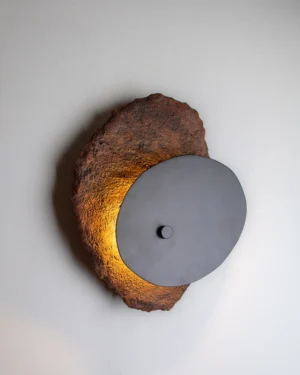
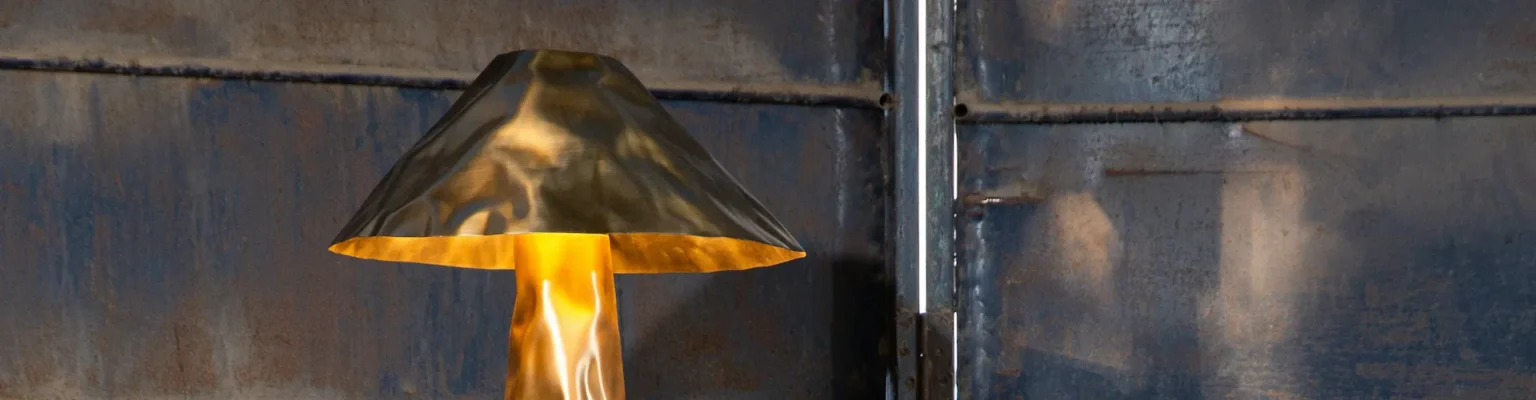
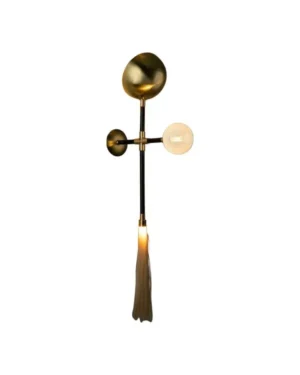
Asea No. 1 Cherry Dark Wall Sconce in Stoneware and Metal
By Ceren Gürkan
€1.000€900 -
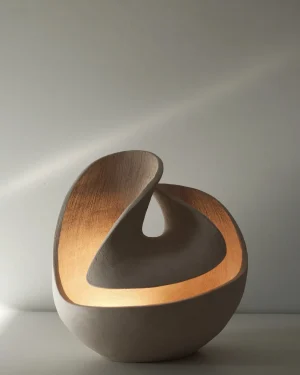
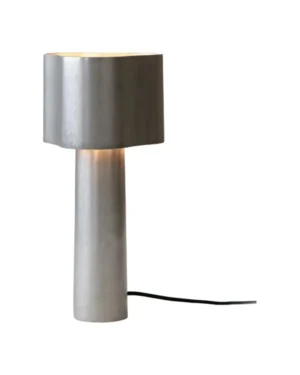
Athari Table Lamp in Ceramic
By Andrei Clontea STUDIO
€900 -
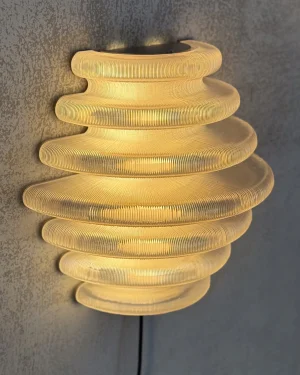
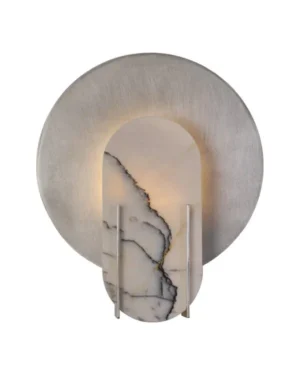
Hive Wall Lamp In Recycled Plastic And Stainless Steel
By Stijn van Aardenne
€805 -

Deas Floor Lamp In Aluminum And Rattan
By Calen Knauf Studio
€1.360 -
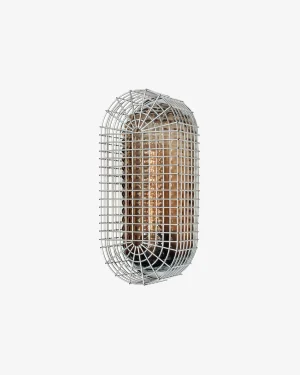
Chastity Wall Sconce In Stainless Steel And Handblown Glass
By Studio S II
€1.980 -

Onda Sconce In Raku White Ceramic
By arrived aliens
€2.200 -
 In stock
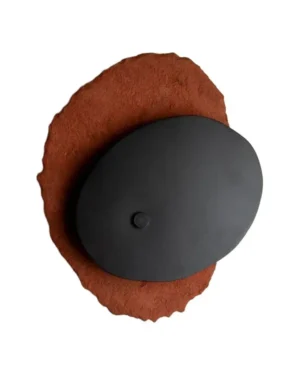
Coral Wall Lamp – Clay Sconce
By Dzovag Kotchian
€900 -
 In stock
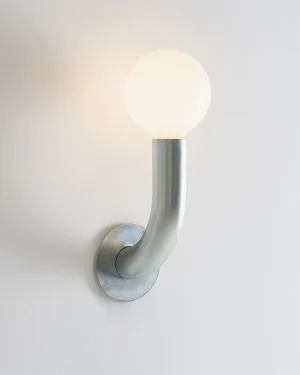
Curva Wall Sconce in Zinc
By Cultivado em Casa
€512 -

Lightpulse Wall Lamp in Oak Wood and Acrylic
By Studio Lampent
€1.400 -
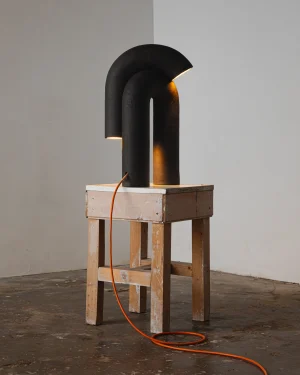
Pendulū Table Lamp In Ceramics And Gold-leaf
By Catalin Filip
€950 -
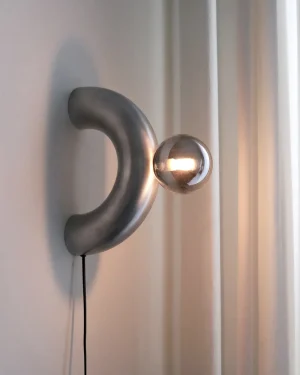
Arcora Toplight Wall Sconce in Aluminum
By HEAKO
€1.650 -
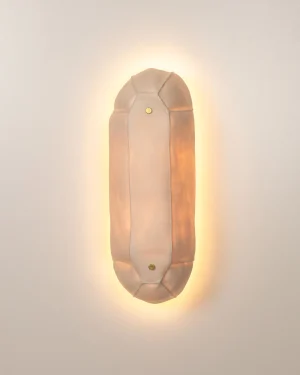
Kawa Series 01 Wall Sconce in Porcelain and Brass
By Luft Tanaka Studio
€1.600 -
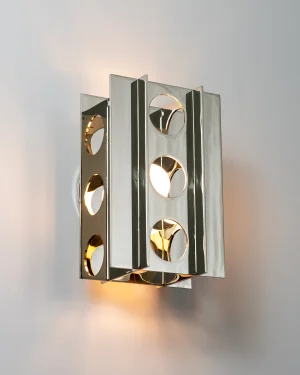
Tenfold 3T Mirror Wall Sconce in Steel and Aluminum
By Luft Tanaka Studio
€1.540 -
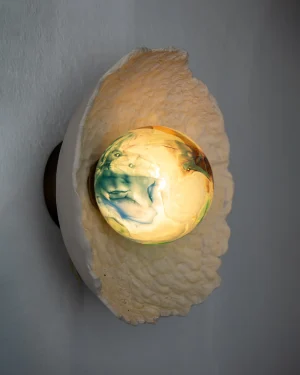 In stock
Asea No. 17 Wall Sconce In Stoneware And Blown Glass
By Ceren Gürkan
€900 -
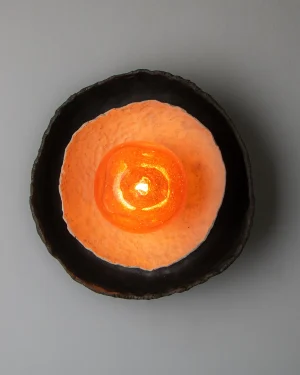
Asea No. 26 Red Wall Sconce in Blown Glass and Stoneware
By Ceren Gürkan
€1.100 -
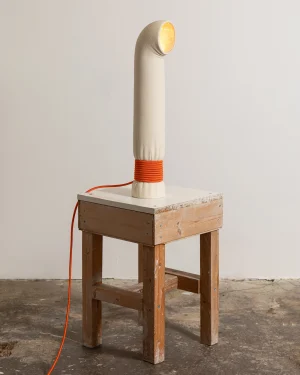
Knotto_01 Table Lamp In Glazed Stoneware And Synthetic Fibers
By Catalin Filip
€800 -
 In stock
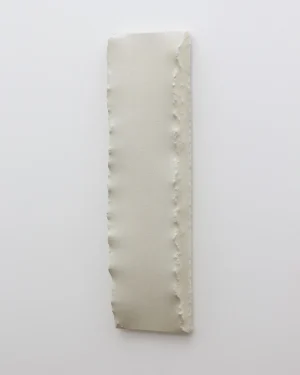
Edges 20-75 T8-60 Wall Sconce In Paper Pulp
By David Čáp
€400 -
 In stock
La Bergère Table Lamp In Glazed Ceramic
By Mina Wright
€686 -

Edges 20-105 T8-90 Wall Sconce In Paper Pulp
By David Čáp
€500 -
 In stock
Asea No.40 Wall Sconce In Stoneware And Blown Glass
By Ceren Gürkan
€1.200 -
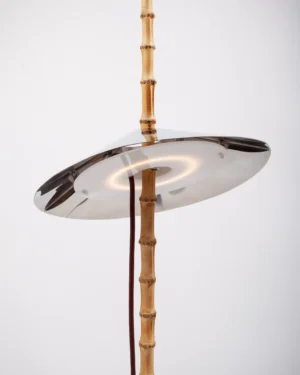
7plates Floor Lamp In Stainless Steel, Bamboo And Aluminum
By Calen Knauf Studio
€1.918 -

El Joyero De Odette Table Lamp In Stoneware
By Mina Wright
€810 -
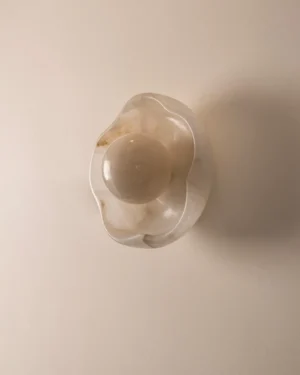
Flower Wall Sconce In Alabaster
By Harshita Jhamtani Designs
€700 -
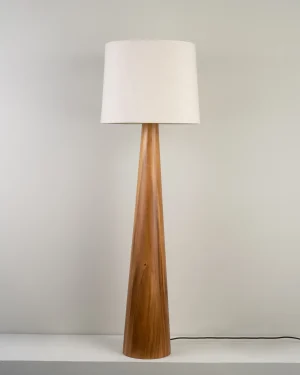
Malva Floor Lamp in Parota Wood
By Isabel Moncada
€3.802 -
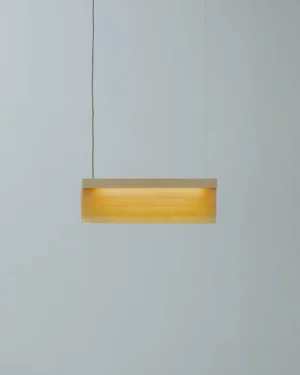
Cenit S Pendant Lamp In Ash Wood And Celium
By Natural Urbano - Sebastián Beltrán
€740 -
 In stock
Asea No. 12 Green Wall Sconce In Stoneware And Blown Glass
By Ceren Gürkan
€800 -
 In stock
Sigil Crest Wall Sconce in Stainless Steel and Selenite
By Nitush and Aroosh
€1.800 -
 In stock
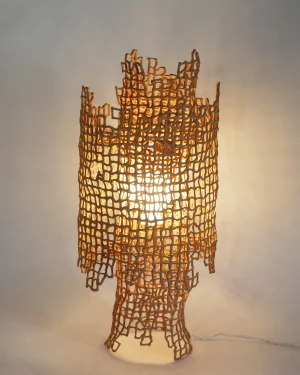
Coral Lamp – Clay Table Lamp (big)
By Dzovag Kotchian
€2.600 -
 In stock
Edges Ellipse 36-96 T8-60 Wall Sconce In Paper Pulp
By David Čáp
€550 -
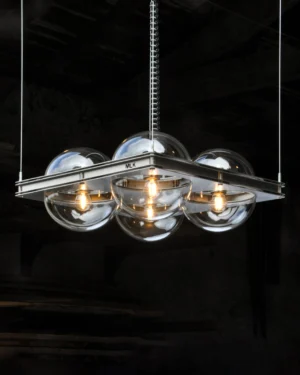
Bbl200x04 Pendant Lamp In Stainless Steel And Acrylic
By MLK Furniture
€2.400 -
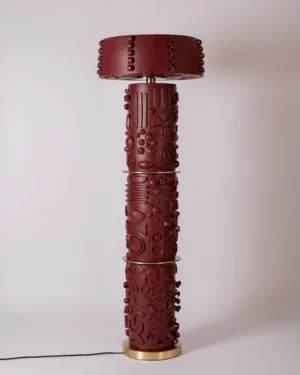
Sculpt Floor Lamp In Hand-built Stoneware
By Harshita Jhamtani Designs
€7.880 -

Ads200 Wall Lamp – Matte Stainless Steel
By MLK Furniture
€590 -
 In stock
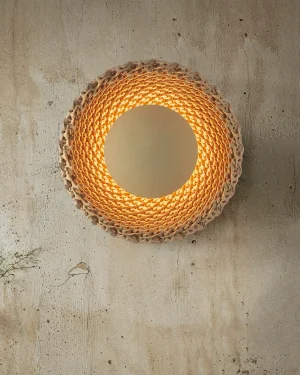
Sun V2-b – 3d Printed Wall Lamp
By Rollo Studio
€6.049 -

The Mesia Table Lamp In Ceramics And Glass
By Luis Gimeno Design
€1.600 -

Exélixi Floor Lamp In Bio Plastic
By Julie Mallet Studio
€1.958 -
 In stock
Voguing No. 2 Floor Lamp in Cast Aluminum
By BY JAMPS
€2.500 -
 In stock
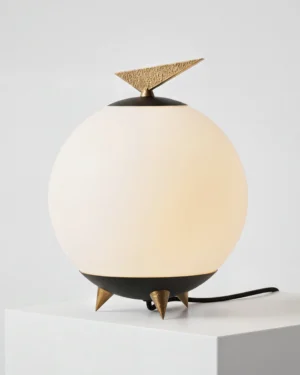
Eoni Table Lamp In Steel, Brass And White Glass
By Balance Lamp
€410 -
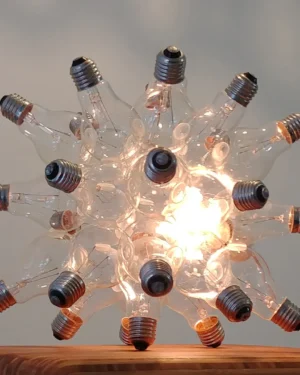 In stock
“spare” Table Lamp Constructed From 26 Lightbulbs
By JAN PAUL
€220 -
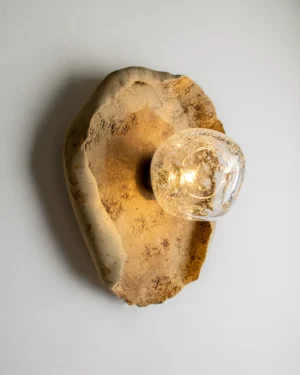 In stock
Asea No. 41 Wall Sconce in Stoneware and Blown Glass
By Ceren Gürkan
€1.000 -
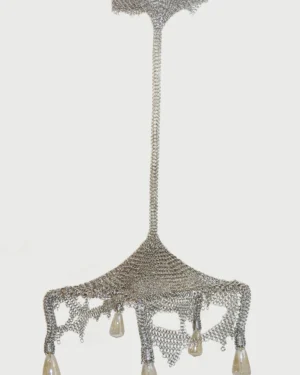
Chainmail Cobweb Chandelier In Glass And Steel
By Panorammma Atelier
€4.250 -
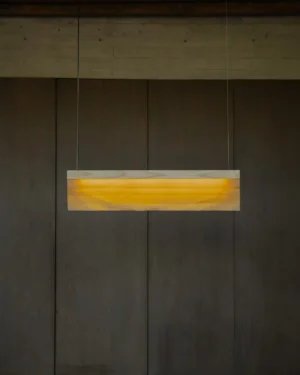
Cenit L Pendant Lamp In Ash Wood And Celium
By Natural Urbano - Sebastián Beltrán
€895 -
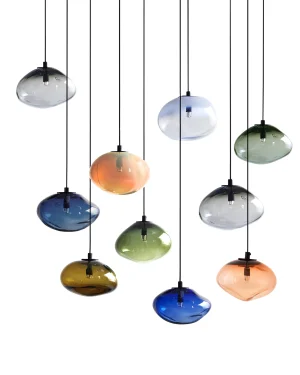
10 Starglow Pendant Lamp In Blown Glass
By ELOA - Unique Lights
€12.980 - €13.270 -
 In stock
Onda Cosmic Wall Sconce In Glazed Ceramic
By arrived aliens
€2.200 -
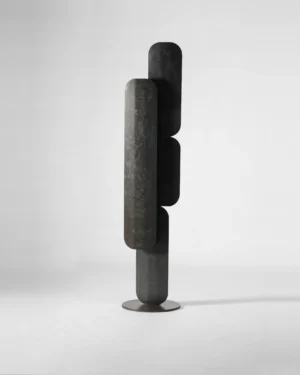
Nucleation Floor Lamp in Steel
By Drusch Design
€2.760 -
 In stock
Nova Wall Sconce in Blown Glass and Steel
By Ceren Gürkan
€700 -
 In stock
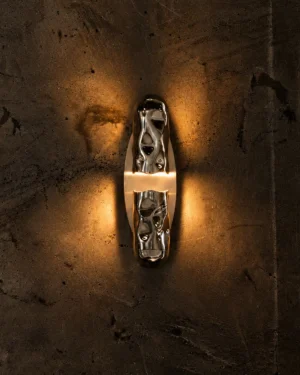
Vela Wall Sconce In Stainless Steel
By Nitush and Aroosh
€700 -
 In stock
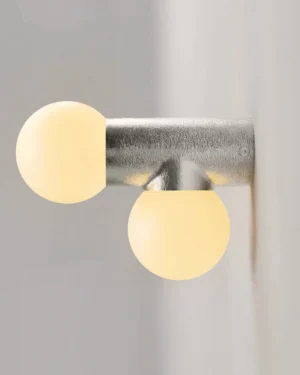
Pp02 Wall Lamp In Stainless Steel And Frosted Glass
By Balance Lamp
€245 -
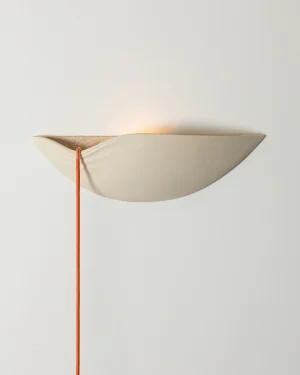
Loma Wall Sconce In Stoneware
By Catalin Filip
€450 -
 In stock
Herbarium Mini Lunaria Annua Wall Sconce In Glass And Plywood
By Mateusz Wappa
€1.200 -
 In stock
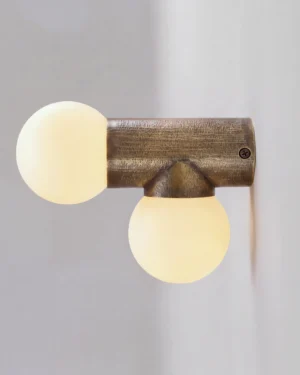
Pp04 Wall Lamp In Brass And Frosted Glass
By Balance Lamp
€310 -
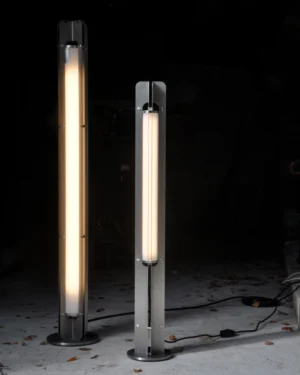
Pill600-70 Floor Lamp In Stainless Steel
By MLK Furniture
€1.490 -

Fractical Neon Table Lamp In Glass
By Dace Sūna
€1.000 -
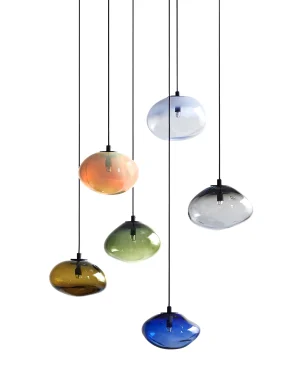
6 Starglow Pendant Lamp In Blown Glass
By ELOA - Unique Lights
€7.750 - €8.040 -
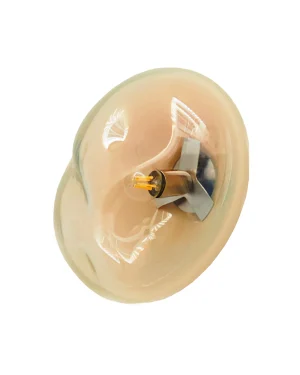
Haumea Amorph Wall Sconce In Amber Blown Glass
By ELOA - Unique Lights
€2.330 - €4.085
Hallway lamps bring together hand-thrown ceramic, blown glass and worked metal, pieces that studios finish in open runs, limited editions or as one-off pieces. Because a hallway is seen in passing, in daylight and after dark, these lamps are built to hold a presence lit and unlit: a glaze that catches low sun, a bubble suspended in glass, a patinated metal base that darkens with handling.
What defines a hallway lamp
Ceramic and stoneware bodies are hand-built or thrown on a wheel, then glazed in white, off-white, beige or bronze tones that read warm under tungsten light. Blown glass carries its transparency and faint color into a room without a window, softening the edges of a narrow corridor. Aluminum, brass and stainless steel bring a cooler, more architectural line, and a patinated or brushed metal surface will shift tone slowly as it is touched and aged.
The range of materials, finishes and editions
Lamps in this room category draw on a wide set of techniques. The common threads:
- Materials: ceramic, stoneware, clay, aluminum, brass, stainless steel, blown glass
- Finishes and colors: glaze, patination, white, off-white, brown, black, silver, bronze, transparent
- Ways of making: hand-building, glassblowing, metalwork, glazing, 3D printing, papermaking
- Editions: open runs, limited editions and one-off pieces
Styles range from contemporary and Scandinavian lines to more eclectic, organic or biophilic forms, and the material usually signals the style before any ornament does: a raw clay body reads differently from a polished steel shade. Anyone drawn to worked metal specifically can look through metal lamps, or narrow by line with contemporary lamps.
How to choose a hallway lamp
Scale matters more in a corridor than in an open room, since a hallway lamp is usually seen close and from one angle rather than across a space. A console or shelf height is the usual starting point: a lamp should sit low enough not to crowd a mirror or artwork hung above it, and tall enough to throw light across the surface it stands on.
Finish decides how much light spreads and how much stays contained. A translucent glass or thin ceramic shade will wash light sideways along a wall, useful where a hallway has no other fixture. A denser stoneware or metal shade throws a tighter pool, better suited to lighting a single surface, a bowl for keys, a stack of mail, without flooding the whole passage.
Where these lamps sit well
Hallways, entryways and the narrow runs between rooms are the obvious places, anywhere a surface, shelf or console needs a point of light rather than an overhead wash. The same qualities, compact footprint, a glaze or patina that holds up to being seen up close, carry these lamps into bedrooms and living rooms too. For a fuller picture of lighting built for this kind of space, see hallway lighting, or look at everything placed in this room at every hallway piece on ADORNO.
Care
Ceramic and stoneware should be dusted rather than wiped with anything abrasive, since a glaze can dull with harsh cleaners. Glass benefits from a soft, dry cloth to avoid streaking. Metal finishes left unlacquered, brass and copper especially, will darken and spot over time; this patina is part of how the material behaves and not a fault to be polished away unless a brighter finish is wanted. For the wider set of lamps a hallway can hold, the full lamps range and the related hallway decor are worth a look alongside these pieces.
How do I choose a lamp for my hallway?
Think about how the space is used, in passing and in both light conditions, then let the material decide the style: ceramic and glass read warm, metal reads architectural. A piece that holds presence unlit works hardest in a corridor.
What materials are hallway lamps made from and how do I care for them?
Ceramic and stoneware bodies are glazed and wipe clean with a dry cloth, while blown glass needs only occasional dusting. Brass, aluminum and steel bases can be left to patinate naturally or polished to keep their original tone.
What size or height works best for a hallway lamp?
A hallway lamp usually sits on a console or wall ledge, so proportion matters more than footprint since the space is narrow and walked through. The maker can confirm exact dimensions on the piece's page through Chat with the maker.
Can a hallway lamp be used in other rooms?
Yes, the same forms suit a bedside table, a living room console or a bedroom shelf, since the material and light quality that work in a corridor carry over easily.
What is ADORNO's shipping and return policy for lamps?
Shipping is insured and sent worldwide. Returns are accepted within 14 days, except for made-to-order pieces, which are excluded.
How do I know a hallway lamp is authentic and fairly priced?
Every lamp arrives with a certificate of authenticity, and ADORNO offers a lowest-price guarantee so you can buy with confidence.