








-
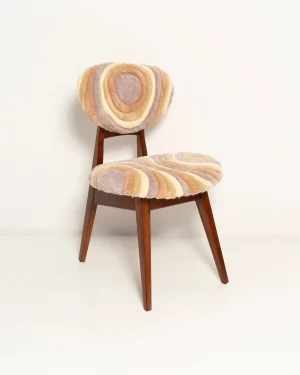
Mid Century Mushroom Chair Hand Tufting Beige Wool
By Vintola Studio
€1.600 -
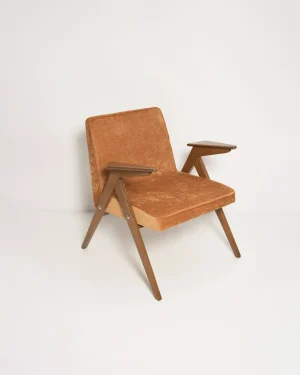
1960s Upholstered Armchair
By Vintola Studio
€1.300 -

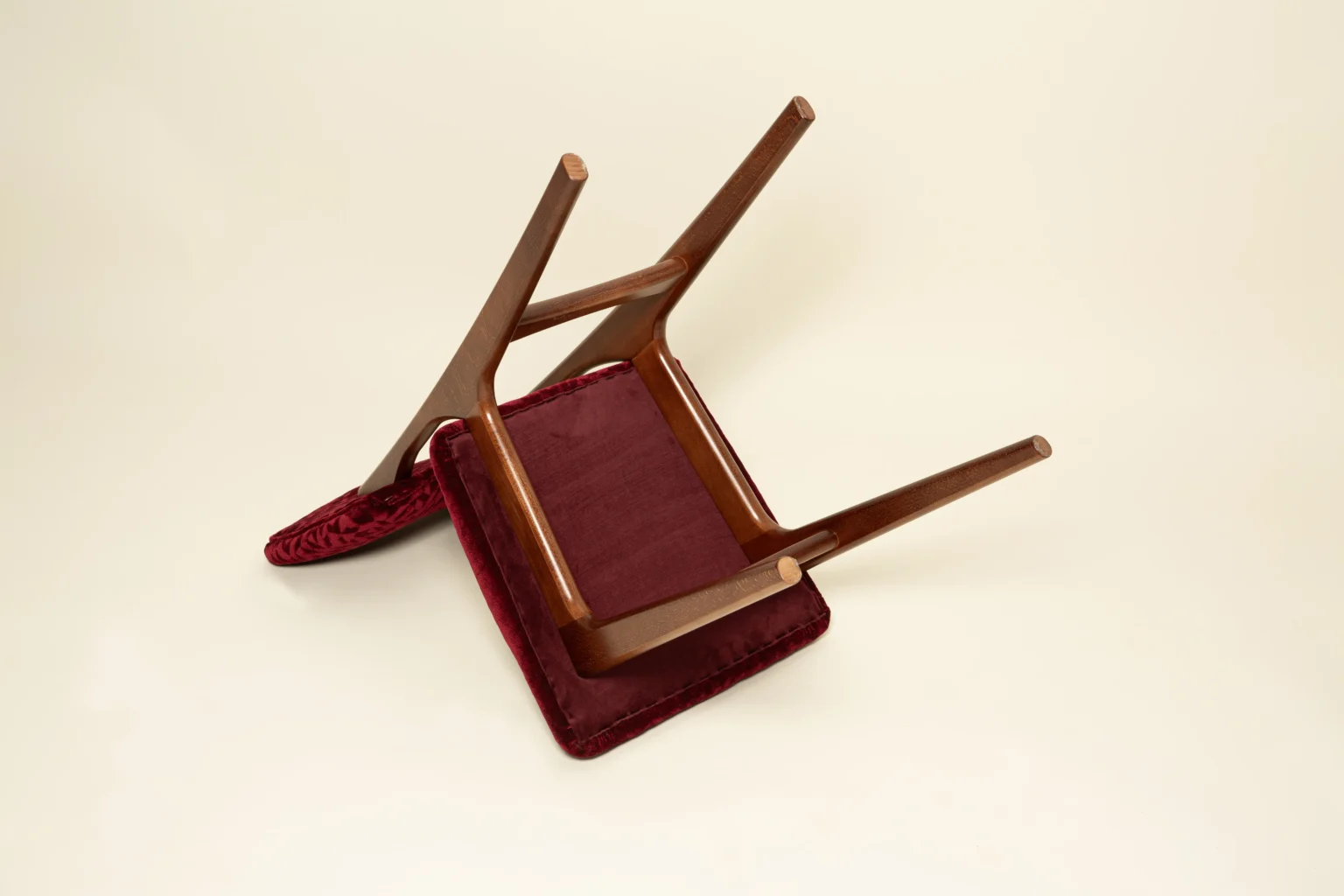
Mid-century Heart Chair In Plushy Bordeaux, Dedar,europe, 1960s
By Vintola Studio
€1.050 -

Vintola Studio Dining Chair, Casamance Nimbus Leopard Fabric
By Vintola Studio
€1.400 -
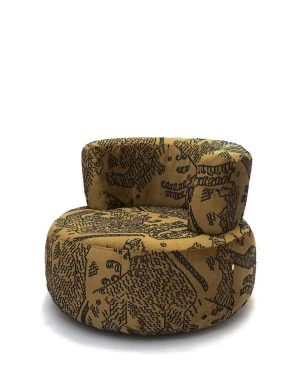
Object051 – Dedar Fabric Armchair
By NG DESIGN
€2.095 -
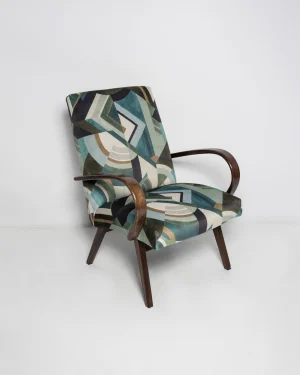 In stock
Armchair Designed By Jaroslav Šmidek
By Vintola Studio
€1.800 -
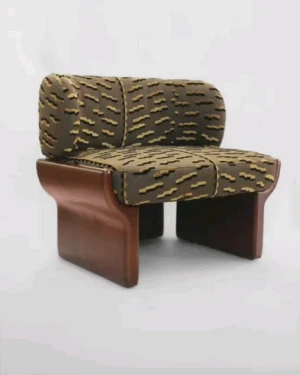
Lucky Armchair Tiger Mountain
By Alter Ego Studio
€5.220 -
 In stock
Vintola Dining Chair, Tiger Mountain Velvet – Dedar, Walnut Wood
By Vintola Studio
€1.400 -
 In stock
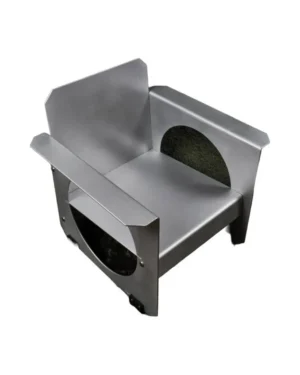
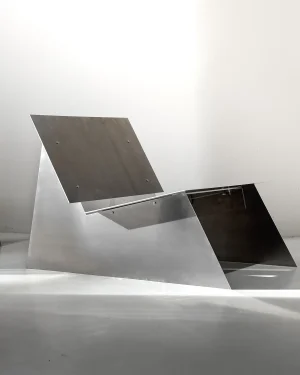
Aluminium Lounge Chair
By case studios
€1.571 -
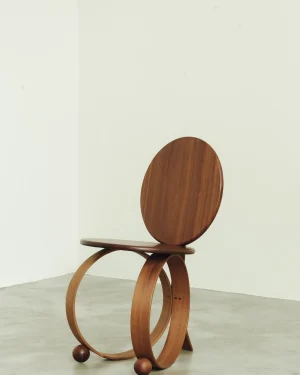
Yara – Bent Wood Chair
By PROSA
€3.200 -
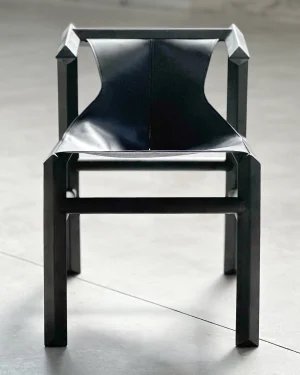
1901 – Black Leather And Wood Dining Chair
By espina corona
€890 -

1908 – Solid Wood & Leather Lounge Chair
By espina corona
€1.450 -
Lucky Armchair
By Alter Ego Studio
€5.220 This product has multiple variants. The options may be chosen on the product page -
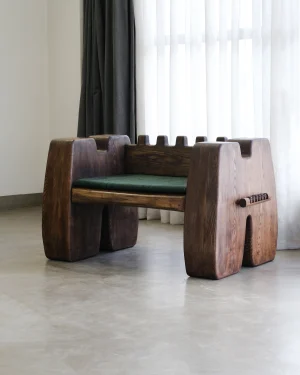
Takhat Armchair
By Shivangi Vasudeva
€5.000 -
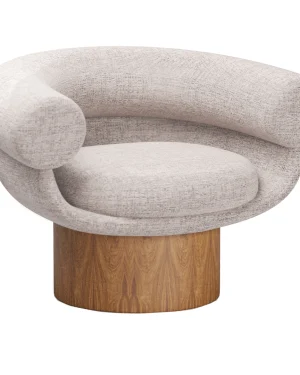
Bowl Armchair
By Alter Ego Studio
€5.500 - €5.550 This product has multiple variants. The options may be chosen on the product page -
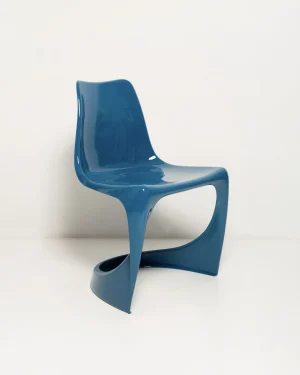
Sea Blue Cado Chair
By Vintola Studio
€900 -
 In stock
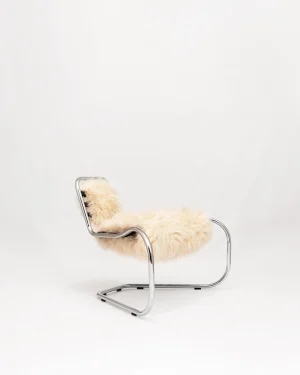
Curvy – Steel & Fur Armchair
By Luca Pasqualotti Architect
€3.885 This product has multiple variants. The options may be chosen on the product page -
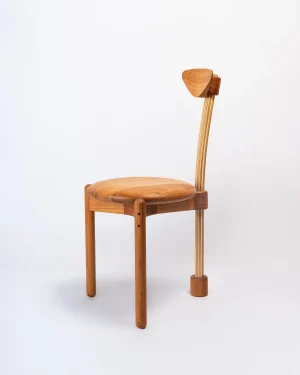
Pipa – Peroba Do Campo Wood Chair
By Estúdio Simbiose
€1.450 -
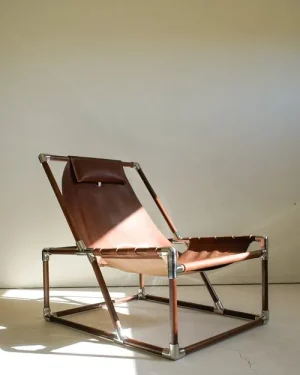
Marina Sling – Lounge Chair
By CHANDLER MCLELLAN
€2.588 -
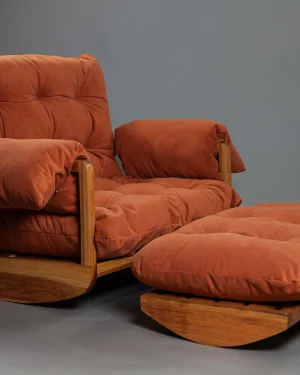
The Laziness Armchair
By am.o atelier
€3.130 -
 In stock
Pneumatic Chair 2
By Szostak Atelier
€5.990 This product has multiple variants. The options may be chosen on the product page -
 In stock
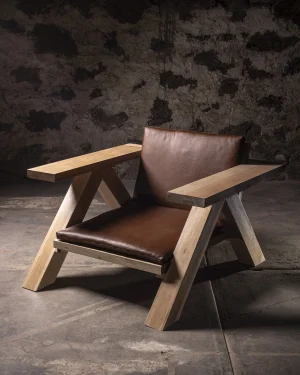
Pierre – Sucupira Armchair
By Tiago Curioni
€4.200 -
 In stock
Ttr – Oak Lounge Chair
By NO AGE STUDIO
€2.500 -
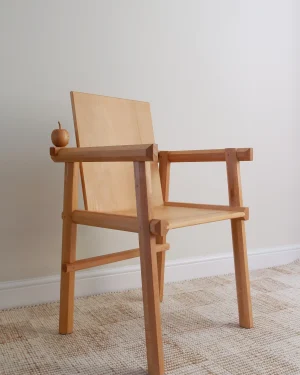
Apple Chair – Beech Wood Arm Chair
By Josh Page Studio
€1.710 -
 In stock
Vintola Dining Chair, Jacquard Velvet, Vintola Studio
By Vintola Studio
€1.400 -
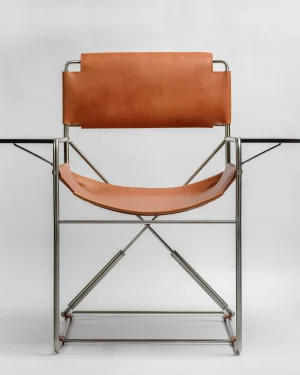
Pneumatic Chair – Unique Piece
By Szostak Atelier
€9.000 -

Jell – Asymmetric Armchair
By Alter Ego Studio
€7.220 -
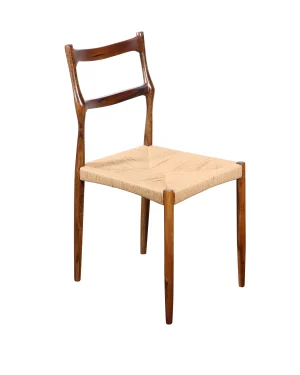 In stock
Liviana – Carved Wood Slatted Dining Chair With Woven Rush Seat
By Costantini Design
€2.450 -
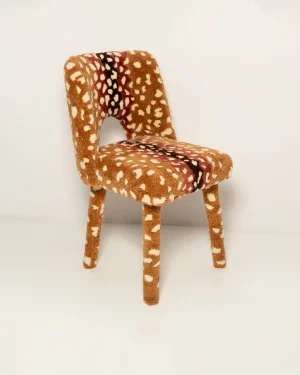 In stock
Bambi Wool Chair
By Vintola Studio
€1.600 -
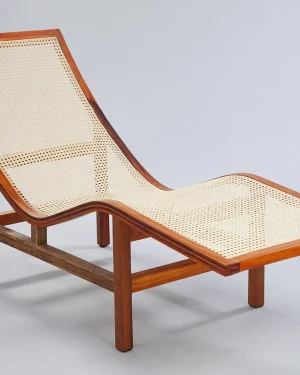
Chaise Sossego
By am.o atelier
€2.956 -

Mid Century Mushroom Chair, Amoir Fou, Dedar, By J. Kedziorek, 1960s
By Vintola Studio
€1.050 -
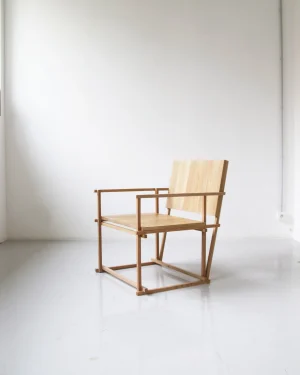
Arles Armchair
By Lahana Alice
€1.390 -
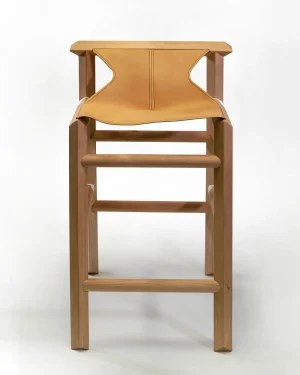
1903 – Cognac Leather And Wood Barstool
By espina corona
€890 -
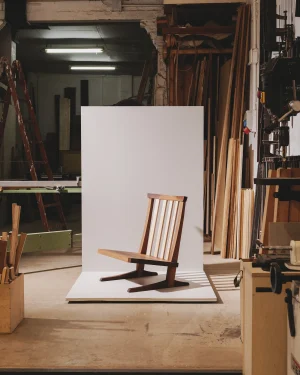
Carme Low Chair
By Mike Hausmann
€4.200 -
 In stock
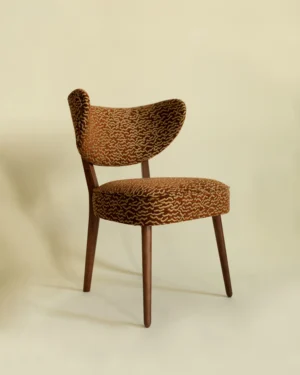
Dining Chair, Le Chant Des Dunes Pierre Frey, Walnut Wood, Vintola Studio
By Vintola Studio
€1.400 -

Rian Bullhorn Chair
By Semigood Design
€3.229 This product has multiple variants. The options may be chosen on the product page -
 In stock
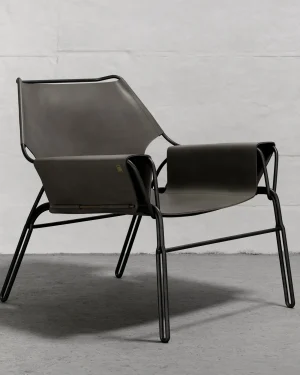
Perfidia_02 – Thick Leather Sling Lounge Chair In Black Steel
By ANDEAN
€4.542 This product has multiple variants. The options may be chosen on the product page -
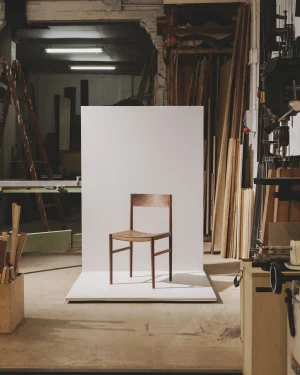
Fina Chair
By Mike Hausmann
€1.850 - €1.950 This product has multiple variants. The options may be chosen on the product page -
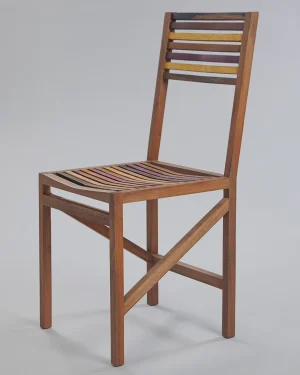
Moza Chair
By am.o atelier
€1.052 -
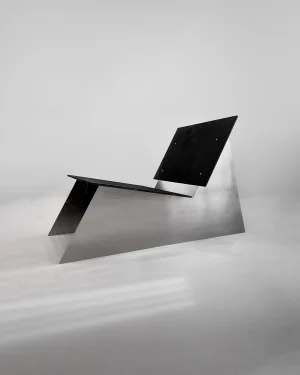 In stock
Aluminium Blackwood Lounge Chair
By case studios
€1.571 -
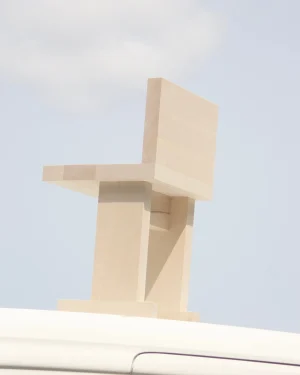 In stock
Trestle Chair
By Vital Lainé
€1.000 -
 In stock
Dining Chair, Leopard Velvet By Edmond Petit, Walnut Wood
By Vintola Studio
€1.300 -
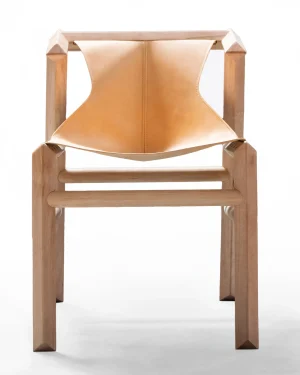
1901 – Cognac Leather And Wood Dining Chair
By espina corona
€890 -
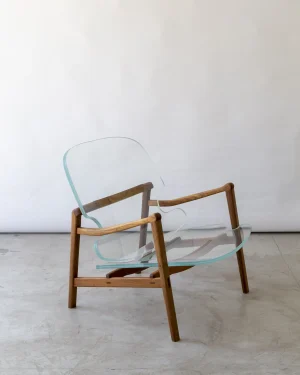
Serena – Glass & Wood Armchair
By PROSA
€6.000 -
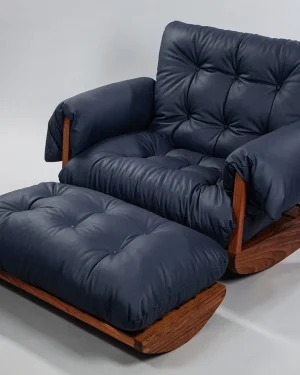
The Laziness Armchair In Leather
By am.o atelier
€3.728 -
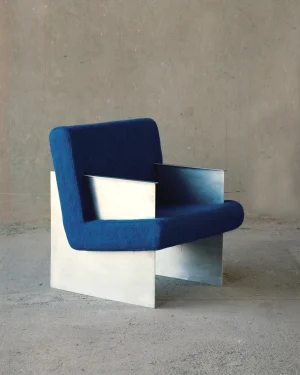
Sword Armchair
By Around the Studio
€3.900 -
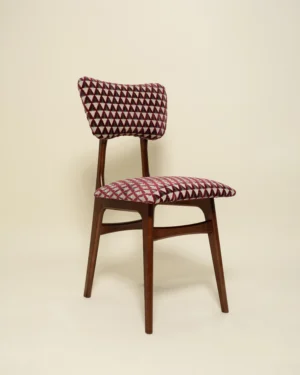
Mid Century Butterfly Chair, Amuleto Rubino, Dedar, 1960
By Vintola Studio
€1.050 -
 In stock
Vintola Dining Chair, Camel Boucle, Walnut Wood, Vintola Studio
By Vintola Studio
€1.200 -
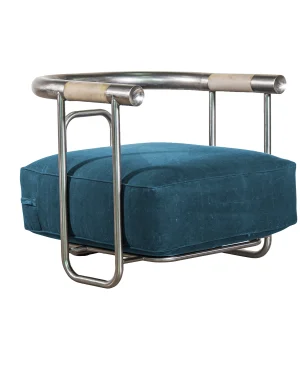
Baby Bull – Steel & Wax Canvas Lounge Chair
By Costantini Design
€9.850 -
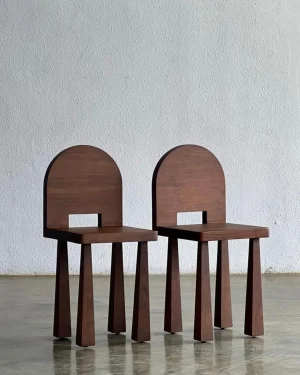
Luna – Teak Dining Chair
By STUDIO KALLANG
€1.025 -
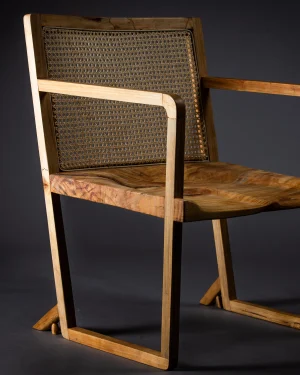
Tree – Wood And Rattan Rustic Designarmchair
By am.o atelier
€1.754 -

The Andes Huntsman Chair
By CHANDLER MCLELLAN
€3.695 -

“your Skin” Chair
By Tributo
€2.180 -
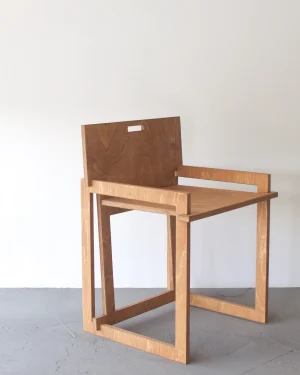
Sedia Quadra Natural
By Edoardo Lietti Studio
€790
Mid-century modern chairs take their shape from a design period that favored tapered legs, exposed joinery and forms pared down to what the body needs. Studios working in beech, walnut and oak pair solid wood frames with upholstery in wool, cotton, leather or viscose, often finishing seats by hand through traditional upholstery or weaving. The result sits lighter than earlier chair traditions, with legs that angle outward and backs that curve rather than square off.
What defines the mid-century modern chair
The style grew out of a move toward honest materials and visible structure. Legs taper and splay rather than stand straight, seat shells curve to follow the spine, and wood is left to show its grain instead of being painted over. Where metal appears, it is usually a thin frame or leg rather than a full structure, keeping the wood as the dominant material.
Color stays restrained: warm wood tones in amber and cognac, upholstery in beige, brown, black or green, occasionally brightened with a single accent shade. Nothing is loud. The palette is built to age alongside the wood rather than compete with it.
Materials, finishes and techniques found here
Within mid-century modern chairs on ADORNO, the range runs across a handful of consistent approaches:
- Frames in beech wood, walnut or mixed hardwoods, shaped through wood and cabinetmaking
- Seats and backs upholstered in leather, wool, cotton or textile blends, built up through upholstery, tufting or textilework
- Woven cane, cord or rush seats finished by hand
- Metalwork details on legs or frames, usually brass or blackened steel
- Open editions alongside occasional unique pieces, depending on the studio's way of working
Finishes tend toward oiled or lightly lacquered wood that lets the grain stay visible, rather than high gloss that hides it.
How to choose a mid-century modern chair
Scale matters more than style once a chair leaves the showroom. A dining chair needs a seat height that clears the underside of a table by roughly the width of a hand, while a lounge chair sits lower and leans back further, built for staying rather than passing through. Measure the depth of the seat against how the chair will be used: shallow seats suit upright dining, deeper ones suit reading or resting.
Look at the leg stance, too. Splayed, tapered legs read as lighter and work well in smaller rooms, while a chair with a wider base reads heavier and anchors larger spaces. Wood tone should sit near, not necessarily match, existing furniture; a cognac walnut frame will warm a room with cooler tones already in it.
Where these chairs sit well
Dining rooms take to mid-century modern chairs around a wood or stone table, where tapered legs keep sightlines open underneath. Paired or grouped, they read as a set without needing to match exactly. In a living room, a single upholstered lounge chair with a wood frame works as a reading spot or a second seat beside a sofa, especially where the room already leans toward living room chairs with a quieter profile.
Studies and home offices benefit from the same restraint: a wood-framed chair with a woven or leather seat holds up to daily use without dominating a small room. For anyone furnishing a full room in this period's language, a chair rarely stands alone; it tends to sit alongside a sideboard, a lamp or a side table from the wider mid-century modern furniture range.
Caring for wood and upholstery
Solid wood frames prefer stable humidity; sudden swings can open joints at the leg or armrest over time. Dust with a dry or barely damp cloth, and feed the wood with oil occasionally if the finish calls for it, rather than leaving it to dry out under direct sun.
Leather seats benefit from a conditioner every so often to stop the surface from stiffening, while woven cane or textile upholstery should stay away from prolonged damp. Vacuum fabric seats on a low setting rather than scrubbing, which can wear the weave thin.
For a broader look at the period across other rooms, the full set of mid-century modern pieces on ADORNO spans seating, lighting and storage, while the wider chairs category covers every style working in wood and upholstery beyond this one.
How do I choose a mid-century modern chair?
Look for tapered legs, gentle curves and a clear joint between frame and seat. Match the wood tone, walnut, beech or oak, to existing furniture, then check that the upholstery suits daily use.
What materials are mid-century modern chairs made from?
Most pair a solid wood frame, often walnut or beech, with a seat in leather, wool or woven textile. Wood ages to a deeper tone over time; fabric and leather need regular cleaning to resist wear.
How do I care for the wood and upholstery?
Wipe wood frames with a dry or barely damp cloth and keep them from direct heat, which dries and cracks the grain. Vacuum textile and wool seats regularly and treat leather with a conditioner once or twice a year.
What size and seat height should I expect?
Seat heights generally sit between 17 and 19 inches, standard for dining and desk use, while lounge versions sit lower for a more reclined angle. Armrest height and seat depth vary by frame design.
Which rooms suit mid-century modern chairs?
They work as dining seating, desk chairs or accent pieces in a living room, where their open legs and light frames keep a room feeling uncluttered. Pair singly as a reading chair or in sets around a table.
What are ADORNO's shipping, returns and authenticity policies?
Shipping is insured and worldwide. Returns are accepted within 14 days, excluding made-to-order pieces, and each chair ships with a certificate of authenticity. ADORNO also offers a lowest-price guarantee.