-
 In stock
Altar – Emperador Incense Holder
By CARRARA
€120 -
 In stock
Altar – Marquina Incense Holder
By CARRARA
€120 -
 In stock
Altar – Onyx Incense Holder
By CARRARA
€120 -
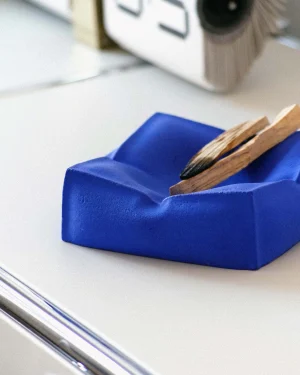 In stock
Pillow Tray Ultramarine – Design Tray
By julius.works
€120 -
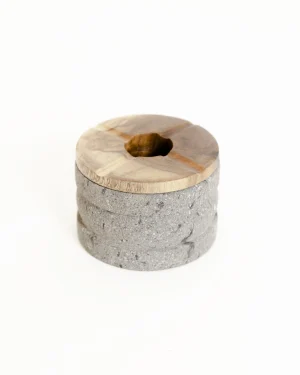
Ring Ashtray
By Daniel Orozco Estudio
€175 This product has multiple variants. The options may be chosen on the product page -
 In stock
Totem – Onyx & Marquina Checkered Tray
By CARRARA
€180 -

Trinket Tray
By Six Dots Design
€42 -
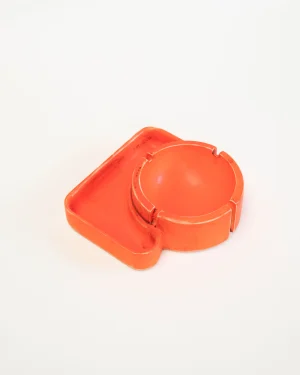
Brasa 04 – Plaster Tray
By Pierre Klein
€120 This product has multiple variants. The options may be chosen on the product page -
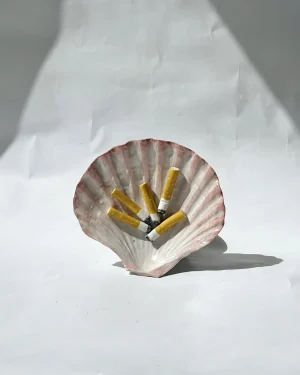
Scallop Ashtray
By Sugoi Studio
€245 -
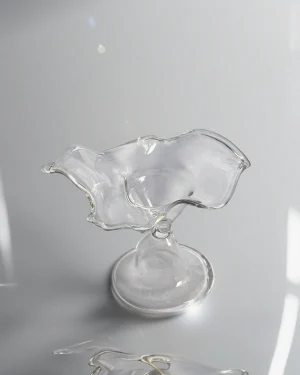 In stock
Myth Ashtray – Handcrafted Blown Glass
By PIA GLASSWORKS
€200 -
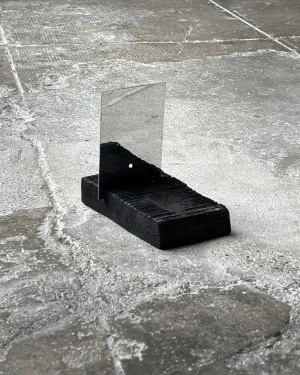 Sold
SoldBurned Wood Incense Holder
By case studios
€90 -
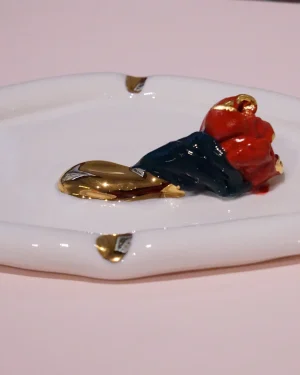 In stock
Post Modern Inspired Lips With A Rose Porcelain Ashtrays
By Hania Jneid
€550 -
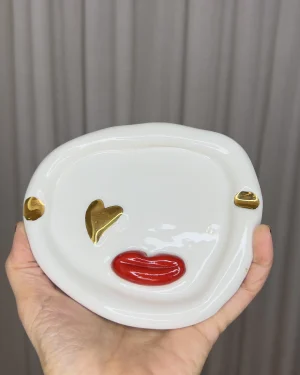 In stock
Post Modern Inspired Porcelain Lips Ashtray
By Hania Jneid
€400 -
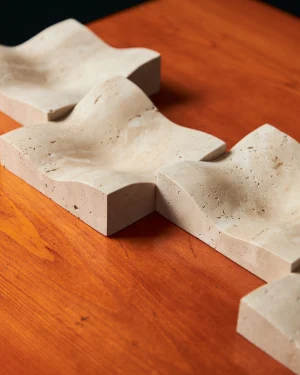 In stock
Ashen – Marble Ashtray / Catch All Tray
By Boo Design Studio
€162 -
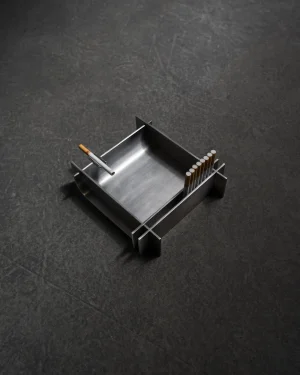 In stock
Wrp-004 Stainless Steel Ashtray
By NAVE
€250 -
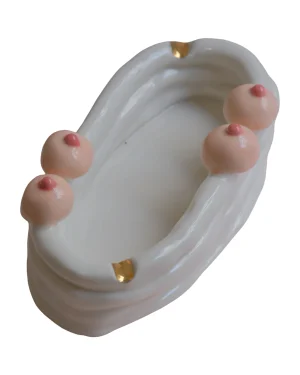 In stock
Hot! – Porcelain Ashtray
By Hania Jneid
€600 -
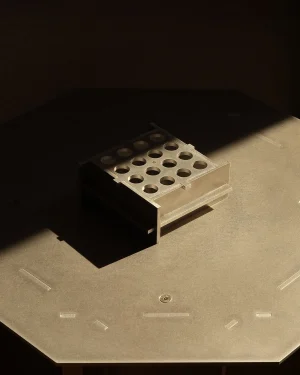
Regolith – Aluminum Ashtray & Incense Burner
By BUREAU OF ENTROPY
Price Upon Request -
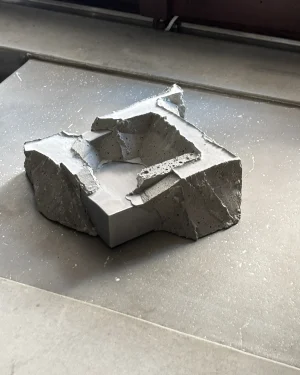 Sold
SoldStainless Steel & Concrete Tray
By case studios
€119 -
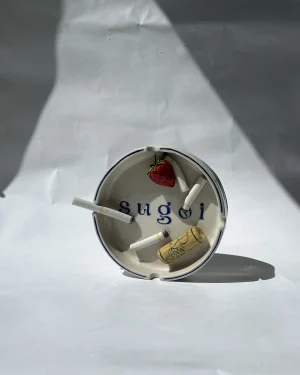
Strawberry Ashtray
By Sugoi Studio
€380 -
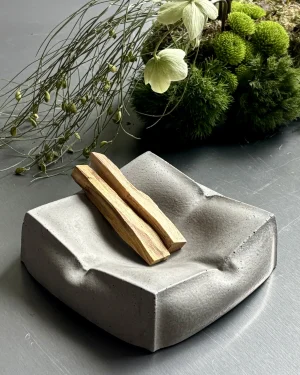
Pillow Tray Raw – Concrete Design Tray
By julius.works
€90 -
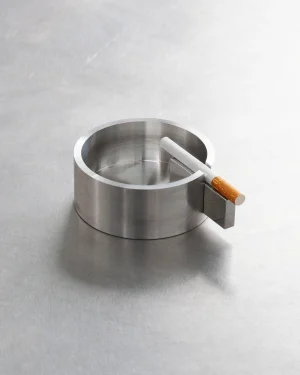
Ash Tray – Solid Aluminum
By PRACTICE
€150 -
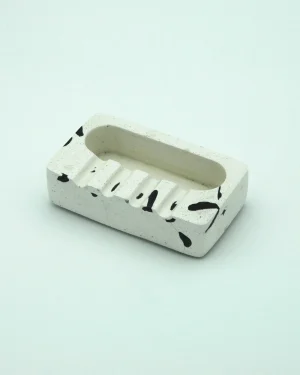
Brasa 01 – Terrazzo Ashtray
By Pierre Klein
€75 - €100 This product has multiple variants. The options may be chosen on the product page -
 In stock
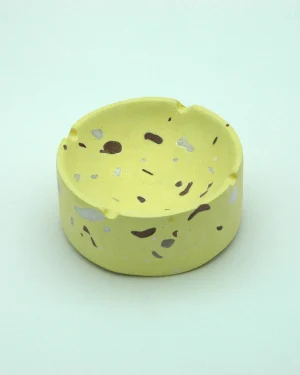
Brasa 02 – Terrazzo Ashtray
By Pierre Klein
€100 This product has multiple variants. The options may be chosen on the product page -
 In stock
Brasa 03 – Terrazzo Ashtray
By Pierre Klein
€155
Designer Ashtrays
Ashtrays have reemerged as objects of interest within contemporary interiors. Once purely functional, today’s ashtrays sit closer to functional art, where form, material, and presence carry equal weight. Even when not in use, a well-designed ashtray holds its place as a sculptural object, contributing to the atmosphere of a room.
Across decor collections, ashtrays appear in a wide range of materials and forms. From heavy glass ashtrays that catch and refract light to carved stone pieces and expressive ceramics, each reflects a different approach to surface and structure. Many designs favor weight and tactility, grounding the object while allowing subtle shifts in texture and reflection.
Glass Ashtrays
Glass ashtrays remain among the most recognizable forms. Their clarity and weight create a sense of permanence, while colored or textured glass introduces variation. Placed on a coffee table or side table, they interact with light throughout the day, shifting in tone and depth.
Ceramic and Sculptural Ashtrays
Ceramic ashtrays often move further into sculptural territory. Glazed surfaces, irregular edges, and layered forms position them alongside vases and sculptural objects. These pieces work as standalone accents within a living room or alongside table lamps, where material contrast becomes more pronounced.
Ashtrays as Decorative Objects
Beyond function, ashtrays now operate as part of a broader decorative language. They sit comfortably within eclectic interiors, where layered objects build character, or within more restrained minimalist spaces, where a single object carries visual weight. In both cases, scale, material, and placement determine how the piece reads within the room.
They also align with a renewed interest in small, intentional objects, items chosen not only for use but for how they complete a surface. Styled with trays, decor, or placed alongside books and lighting, ashtrays help define the composition of a table or shelf.
Materials and Craft
Designers approach ashtrays through material exploration. Glass allows for clarity and reflection, ceramics for variation and glaze, and stone for weight and permanence. Many pieces are produced in small batches or as unique works, emphasizing surface detail and craftsmanship. This places ashtrays within the wider field of collectible design, where everyday objects take on new significance.
Where to Place Ashtrays
Ashtrays work best where they can interact with other elements. In a living room, they sit naturally on coffee tables or side tables. In an outdoor space, they add a functional and visual anchor to seating areas. Even within a bedroom or entryway, they can function as small sculptural accents.
Explore Designer Ashtrays
Browse ADORNO’s selection of ashtrays to find glass, ceramic, and sculptural designs by independent studios. Whether used functionally or as part of a curated surface, these objects bring material presence and considered detail into contemporary interiors.