-
 In stock
Cupboard
By Studio Victor Hahner
Price Upon Request -

Eoli Credenza In White Onyx, Postmodern Sideboard/cabinet
By Panorammma Atelier
€24.900 -
 In stock
Infinite Aya Console
By TheUrbanative
-

Nasara Console
By TheUrbanative
Price Upon Request -

Phloem, Oak Wood Carved Credenza
By CMX | Furniture
€15.086 -
 In stock
Phloem, Parota Wood Carved Credenza – Cabinet
By CMX | Furniture
€15.086 -
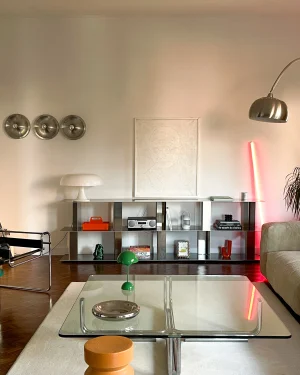
Stack 086
By studio MOTO
€2.725 -
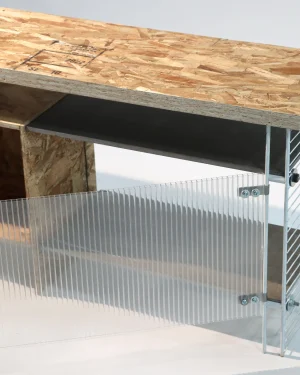 In stock
Two Halves – Upcycled Credenza
By Nolan Talbot-Kelly
€2.600 -
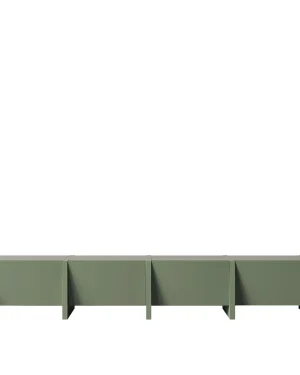
Bevel Low Console
By hermhaus
€3.405 - €4.024 This product has multiple variants. The options may be chosen on the product page -
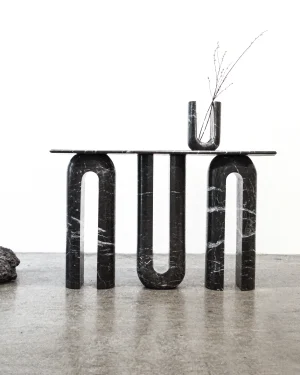 In stock
Lago – Marble Console
By Studio Ayres
€5.240 -

Abrigo Credenza – Handwoven Wood Cylinders/ Cotton Threads
By YANKATU
Price Upon Request -
 In stock
Cabinet From The 1+1+1 Series
By AaltoAalto Studio
€2.600 -
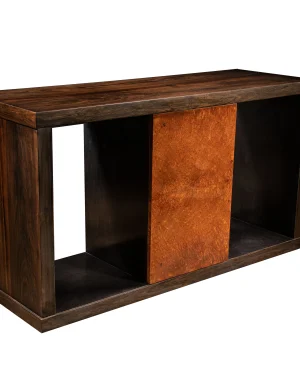
Bertolucci – Exotic Wood / Bronze Credenza
By Costantini Design
€8.147 This product has multiple variants. The options may be chosen on the product page -
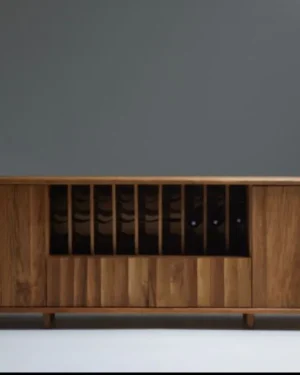
Cava Salomón – Wine Cabinet
By Kresta Studio
€3.750 -
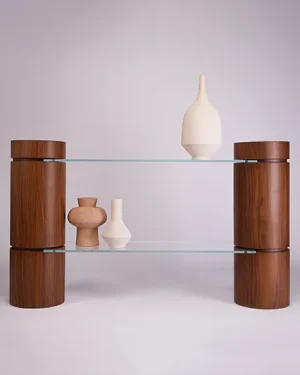
Cylinder Modular Shelving Unit
By Donna Maria Feghali
€2.650 -
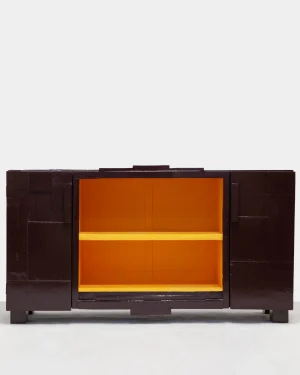 In stock
Practice Semi-open Credenza
By Studio Fabius Clovis
€8.900 -

Doressā – Wooden Credenza
By Moneo Brock Studio
€10.000 -
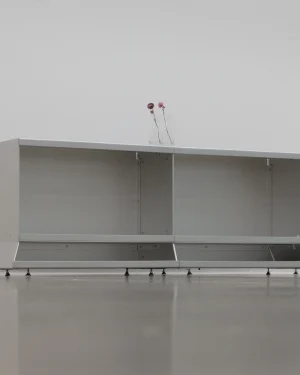 In stock
Aluminum Bench With Storage
By andykim.global
€2.217 -
 In stock
Marbelicious – Green Marble Storage Console
By Millim Studio
€9.250 -
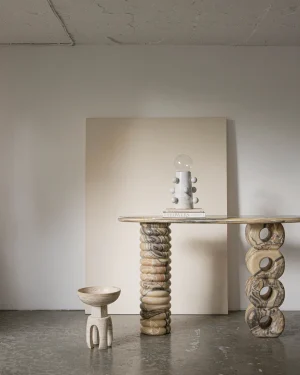
Lucrecia – Marble Console
By Studio Ayres
Price Upon Request -

Stack 131 – Raw Aluminium
By studio MOTO
€3.360 -

Salomón Credenza – Solid Rosa Morada Wood
By Kresta Studio
€2.500 -

Rima Credenza
By Peca Mobiliario
€5.455
Credenzas, originally used for food preparation and storage, have evolved into sophisticated furniture pieces combining utility with decorative appeal. Originating from Italy, these versatile pieces have become a staple in modern interior design, known for their sleek form and practicality. Today, credenzas are valued for their blend of style, storage efficiency, and artistic expression.
Origins of Credenza Design
- Evolved from 14th-century Italian dining room furniture used for serving food.
- Influenced by the Renaissance period, embodying elegance and craftsmanship.
- Transitioned from traditional to contemporary designs, influenced by various design movements.
- Modern credenzas incorporate a blend of historical elements and innovative design techniques.
Components of Credenzas
- Wood: Predominantly used material, ranging from classic hardwoods to modern engineered varieties.
- Metal Accents: Often used for handles and legs, adding a contemporary touch.
- Glass: Used in door panels for a modern aesthetic, allowing display of items inside.
- Finishes: Including veneers, lacquers, and paints to enhance the visual appeal.
Techniques in Credenza Design
- Woodworking: Expert craftsmanship for robust construction and intricate details.
- Modern Fabrication: Utilizing advanced techniques for precision and innovative designs.
- Sustainable Practices: Emphasizing eco-friendly materials and production methods.
- Customization: Tailoring design elements to client preferences and contemporary trends.
Current Uses of Credenzas
- Storage Solutions: Offering ample space for organization in homes and offices.
- Design Statement: Serving as a focal point in interior design, blending functionality with artistry.
- Versatility: Adaptable for various settings, from traditional dining rooms to modern living spaces.
- Benefits: Enhancing interior aesthetics while providing practical storage and display options.
The Essence of Credenzas
Credenzas represent a fascinating intersection of art, design, and functionality. They reflect a journey from practical dining room furniture to iconic design pieces in modern interiors. Each credenza, with its unique style and craftsmanship, tells a story of evolution, creativity, and functionality.