
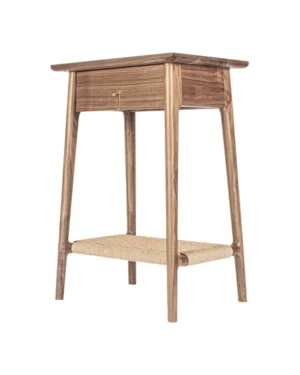
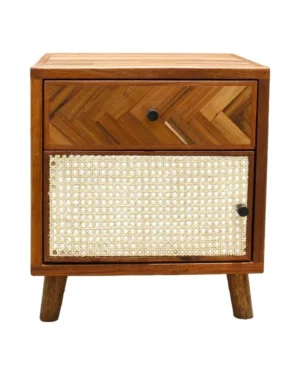
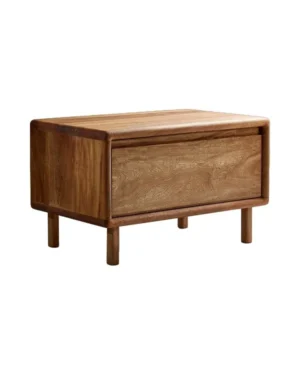
-
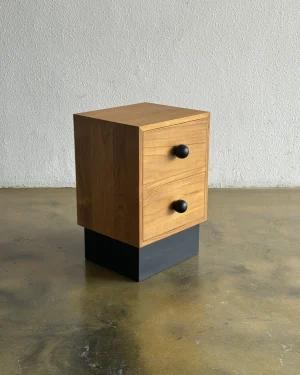
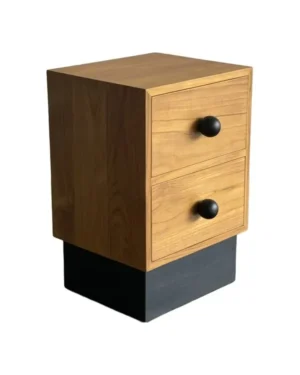
Mamun Nightstand in Solid Teak
By STUDIO KALLANG
€1.450 -
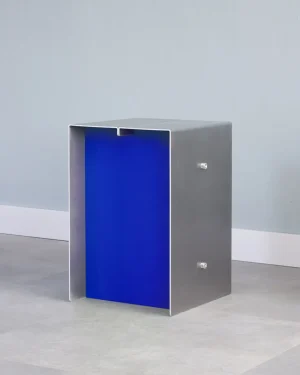
Core Aluminum Side Table / Stool
By Lisanne Meester
€399 -
Black Friday −10%
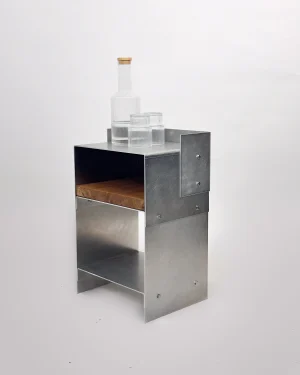
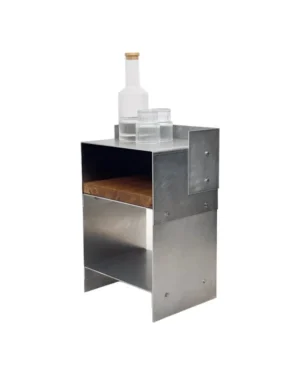
Matted Aluminium Nightstand In Aluminum And Oak
By case studios
€690 (−10% applied at checkout) -

A_Forma Nightstand in MDF
By AROUND
€400 -
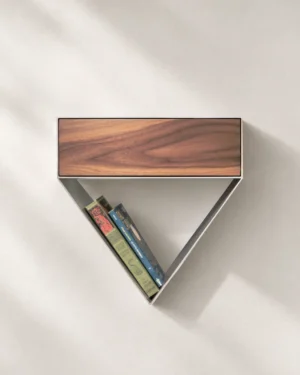
Agave – Nightstand
By Atelier Nienē
€1.300 -
 In stock
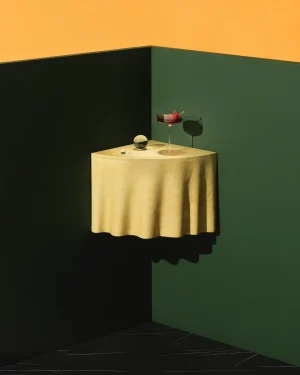
DUK x Reishi Edition Wall-Mounted Corner Table
By Studio TOOJ
€2.900 -

White Moth Pair Nightstand In White Onyx
By Panorammma Atelier
€8.900 -
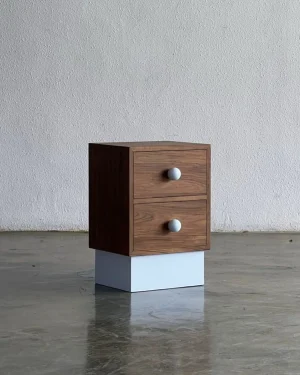
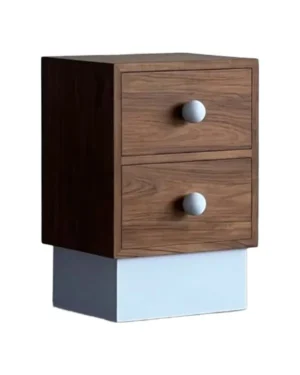
Mamun Dusty Blue Nightstand in Solid Teak
By STUDIO KALLANG
€1.450 -
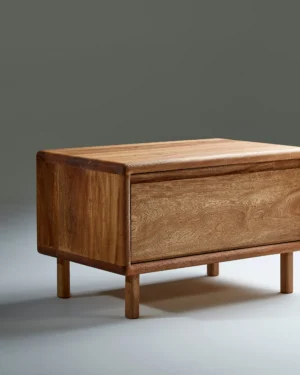
Salomón Nightstand in Rosa Morada Wood
By Kresta Studio
€940 -
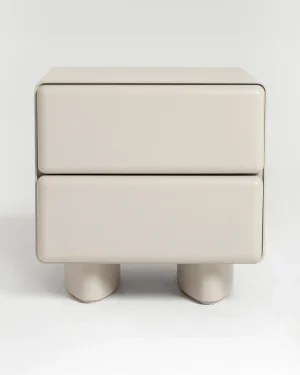
Tombul Nightstand in Oak Veneer
By Yet Design Studio
€1.830 - €2.025 -
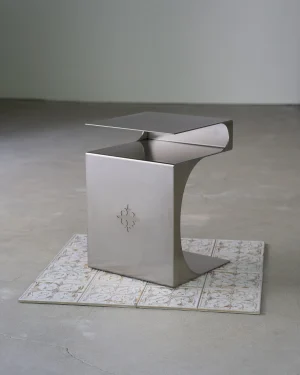 In stock
Undress House Nightstand in Stainless Steel
By Undress House
€1.600 -
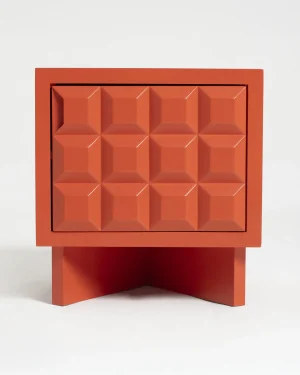
Karo Nightstand in MDF
By Yet Design Studio
€1.800 -
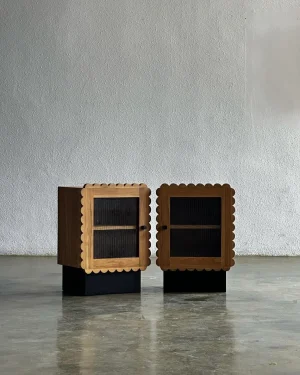
Mamun No. 2 Nightstand in Teak and Fluted Glass
By STUDIO KALLANG
€1.580 -
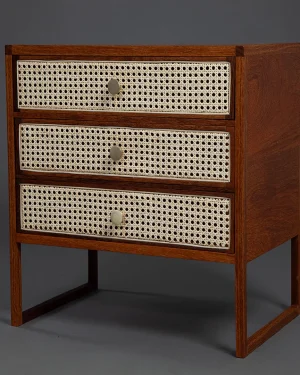
The Square Nightstand in Hardwood and Rattan
By am.o atelier
€1.579 -
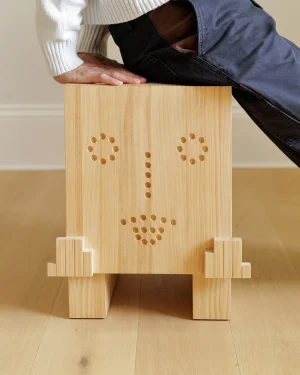
Furniture Friends Pino Nightstand in Pine Wood
By STUDIO FP
€2.420 -

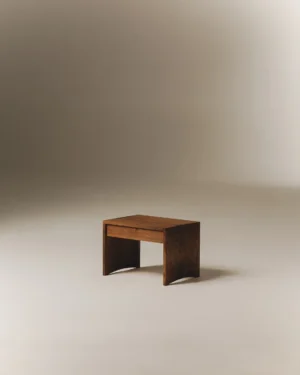
Night Log Nightstand In Lacquered Reclaimed Wood
By Panorammma Atelier
€3.500 -
 In stock
Axel Drawer Nightstand In Solid Chestnut
By Mike Hausmann
€2.500 -
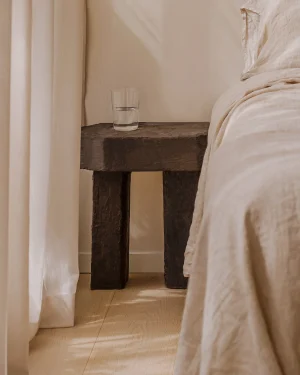
Ruins Nightstand in Resin
By Szymon Keller
€3.546 -

KIKI Nightstand in Oak Wood
By N I S H
€4.500 -

Olo Nightstand In Calcite, Marble And Onyx
By Panorammma Atelier
€2.990 -
 In stock
Eclipse Olo Nightstand In White Onyx
By Panorammma Atelier
€2.790 - €3.480 -
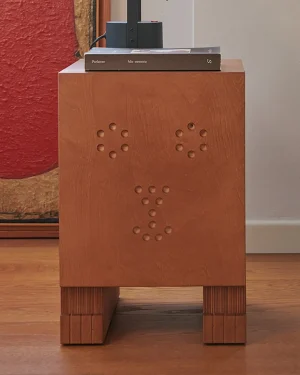
Furniture Friends Petside Nightstand in Birch
By STUDIO FP
€2.500 -
 In stock
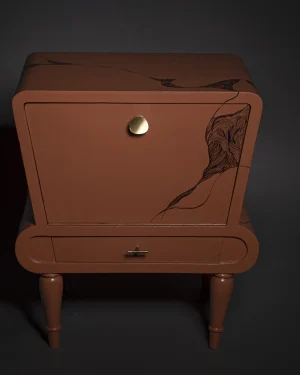
Harmony Nightstand in Oak Wood
By WOODTALES by Foteini Noti
€540 -
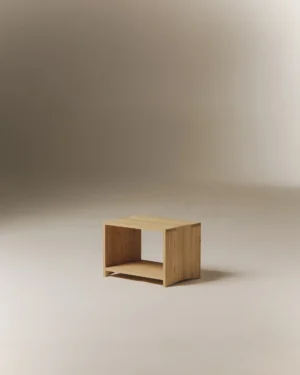 In stock
Axel Open Nightstand In Solid Chestnut
By Mike Hausmann
€2.500 -
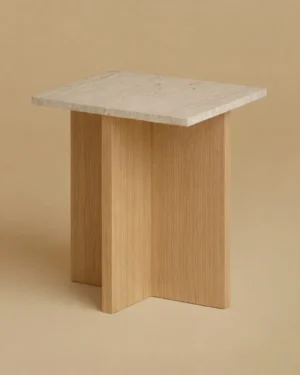
Tinos Nightstand in Travertine and Oak
By Lebanto
€2.500 -

White Moth Nightstand In White Onyx
By Panorammma Atelier
€4.200 -
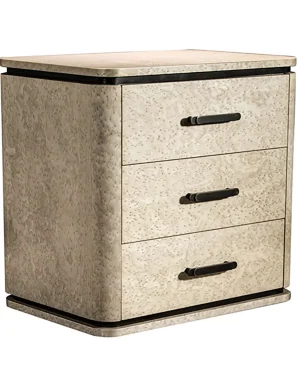
Elena Nightstand In Birdseye Maple And Bronze
By Costantini Design
€6.600 -
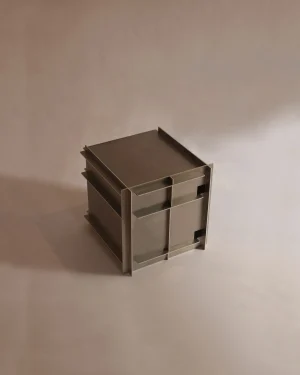
Cohesion Unit Nightstand in Brushed Aluminum
By BUREAU OF ENTROPY
Price Upon Request -
 Sold
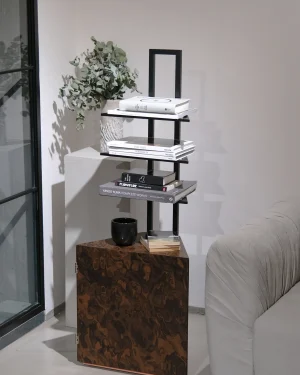
Atrium – Wood / Metal Bookshelf
By Studio Mohs
€3.850 -
 Sold
Rian Nightstand In Walnut, Paper Rope And Brass
By Semigood Design
€7.345
Designer Nightstands
A nightstand is the last surface you touch at night and the first in the morning. It holds a lamp, a book, a glass of water and a phone, all within reach of someone half asleep. Because it lives so close to the bed, it is seen up close and used by feel. That is why studios pay attention to the edge of the top, the pull of a drawer and the way a surface feels under the hand.
Every nightstand on ADORNO is made by an independent designer, studio or gallery, in open editions, limited runs and unique pieces. They come in oak, walnut, teak, ash and chestnut, aluminum, steel and brass, marble, onyx and travertine. Prices start around €400 and reach five figures for unique work. Most pieces are made to order, with lead times on each product page.
Choosing a Nightstand
- Nightstands with drawers keep chargers, glasses and medicine out of sight. One drawer suits a small bedside table, and two or three drawers turn it into a small chest.
- Open nightstands with a shelf or cubby keep books in view and feel lighter beside a low bed.
- Small and narrow nightstands of 30–40 cm (12–16 in) wide fit beside a bed pushed close to a wall or into a small bedroom.
- Tall nightstands suit high beds and box springs, so the top stays level with the mattress.
- Round nightstands and pedestal forms soften the corner of the bed and ease movement in tight rooms.
- Pairs: Nightstands are often bought in pairs, one on each side. A matching pair gives symmetry, while two different pieces in the same material feel more relaxed.
Getting the Right Nightstand Size
- Height: Match the top of the mattress or sit up to 5 cm (2 in) below it, usually 55–70 cm (22–28 in).
- Width: 40–60 cm (16–24 in) suits most beds. A king or super king can take a wider nightstand of 60–75 cm (24–30 in).
- Depth: 35–45 cm (14–18 in) leaves room for a lamp and a book without blocking the path.
- Gap: Leave 5–10 cm (2–4 in) between the nightstand and the bed frame.
- Lamp: With a table lamp on top, the bottom of the shade should sit close to eye level when you're sitting up in bed.
Materials, Styles and Color
- Wooden nightstands come in oak, walnut, teak and chestnut, and they make up most of the collection. A solid wood nightstand takes drawers and joinery and warms a bedroom.
- Marble and onyx nightstands bring veining and, in onyx, a translucent glow under a lamp.
- Metal nightstands in aluminum, steel and brass stay slim and hard-edged.
Color runs from black and white nightstands through natural and dark wood. For style, browse minimalist, modern, contemporary and mid-century modern nightstands. For everything in one place, see bedroom nightstands.
Care by Material
- Wood: Dust regularly, oil occasionally, and use a coaster under glasses.
- Marble and onyx: Seal as recommended, and wipe up water rings and spills at once.
- Metal: Wipe with a dry or lightly damp cloth. Let brass patina, or polish it occasionally.
To complete the bedroom, add a table lamp, or see side tables for a lighter bedside option.
How do I choose the right nightstand?
Match the height to the top of your mattress, and decide between drawers for storage or an open shelf for books kept in view. Small rooms suit narrow or round forms that ease movement beside the bed.
What is the standard height for a nightstand?
Most nightstands sit level with or slightly below the top of the mattress, so a lamp or glass stays within easy reach from a lying position. Taller beds and box springs call for taller nightstands.
What materials are nightstands made from, and how do I care for them?
Oak, walnut, teak, ash and chestnut age with handling and light, and take an occasional wipe with a dry or slightly damp cloth. Marble, onyx and travertine mark and stain, so spills and rings need prompt wiping.
Do I need one nightstand or two?
A single nightstand suits a bed with one open side or a wall on the other. Beds open on both sides often take a pair, matched for symmetry or mixed for two different heights and functions.
Can nightstands be used outside the bedroom?
Yes, a small or narrow nightstand works as a side table in an entryway, beside a sofa or armchair, or next to a daybed, anywhere a lamp or a few small objects need a surface within reach.
How does buying a nightstand through ADORNO work, including shipping and returns?
Shipping is insured and worldwide, each piece arrives with a certificate of authenticity, and ADORNO offers a lowest-price guarantee. Returns are accepted within 14 days, except on made-to-order pieces; for custom requests, chat with the maker on the piece's page.
What is the difference between a nightstand and a bedside table?
None, in practice. A nightstand, bedside table and night table are the same piece: a small table or cabinet beside the bed. "Nightstand" is more common in the US, and "bedside table" in the UK and Europe.
How wide should a nightstand be?
Most nightstands are 40–60 cm (16–24 in) wide. In a small bedroom, a narrow nightstand of 30–40 cm (12–16 in) works. Beside a king bed, a wider piece of 60–75 cm (24–30 in) keeps the proportions balanced.
Do nightstands have to match?
No. A matching pair gives a formal, symmetrical look. Two different nightstands work well if they share a height, a material or a color.
How do I decorate a nightstand?
Keep it to a lamp, one or two books and a small dish for jewelry or a glass. Leave room to set down a phone or a cup, and use a drawer for everything else.