


















-
 In stock
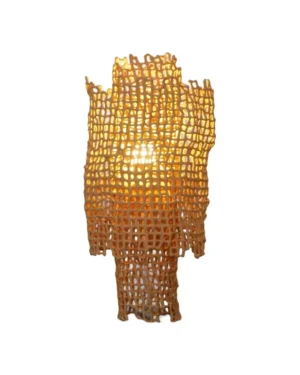
Object 02 Sconce in Nylon and Sand
By Hot Wire Extensions
€1.460 This product has multiple variants. The options may be chosen on the product page -
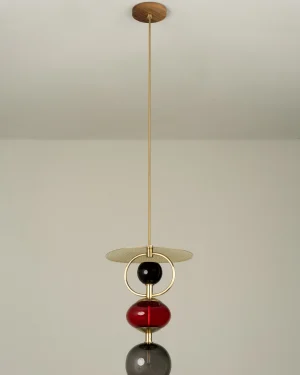
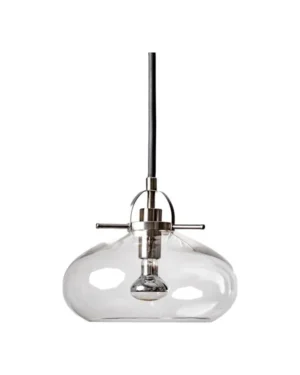
Vitrea Pendant Lamp in Glass and Brass
By Isabel Moncada
€3.802 This product has multiple variants. The options may be chosen on the product page -
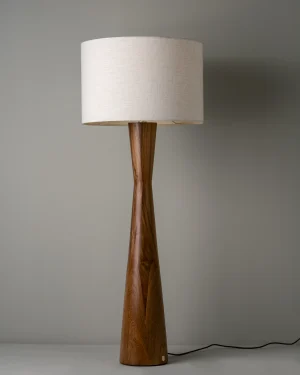
Sabina Floor Lamp in Parota Wood
By Isabel Moncada
€3.802 -
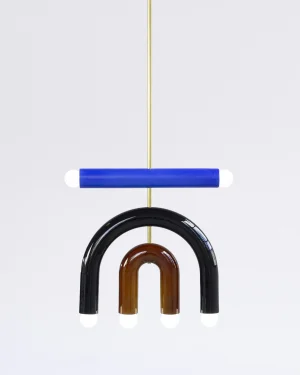
Trn / Model D1 Pendant Lamp in Ceramic
By Pani Jurek STUDIO
€1.080 This product has multiple variants. The options may be chosen on the product page -

Trn / Model A1 Pendant Lamp in Ceramic
By Pani Jurek STUDIO
€470 This product has multiple variants. The options may be chosen on the product page -
 In stock
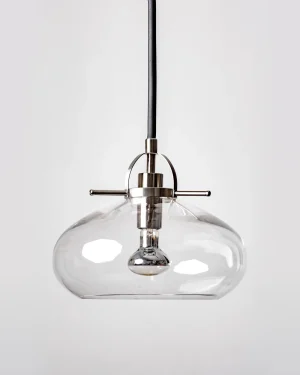
Art Deco Pendant Lamp in Glass and Stainless Steel
By Szostak Atelier
€1.000 This product has multiple variants. The options may be chosen on the product page -

Strikha Table Lamp in Clay
By FAINA
€1.820 -

Arc Table Lamp in Stainless Steel
By Paul Coenen
€479 -
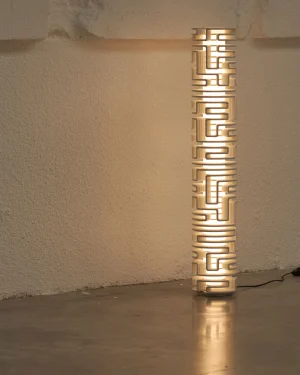
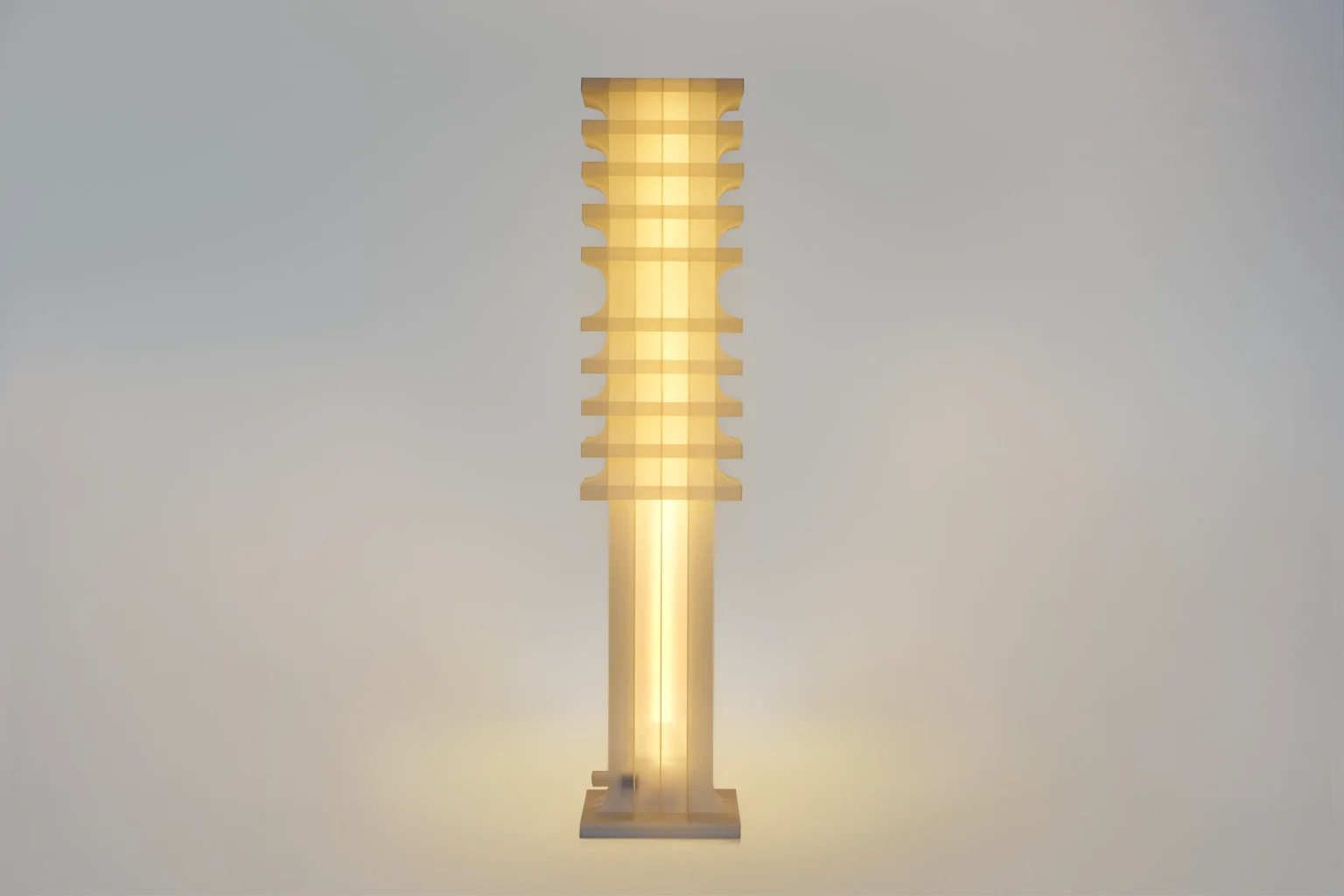
Maze Floorstander Floor Lamp in Recycled Plastic
By Stijn van Aardenne
€1.447 -
 In stock
Thalie Vi Table Lamp Sheer Fabric
By Atelier Alz
€200 - €300 This product has multiple variants. The options may be chosen on the product page -
 In stock
O.f.i.s Series Table Lamp in Pipe, Rod And Brick
By Lucas Muñoz Muñoz
€280 -

Trn / Model D2 Pendant Lamp in Ceramic
By Pani Jurek STUDIO
€1.080 This product has multiple variants. The options may be chosen on the product page -
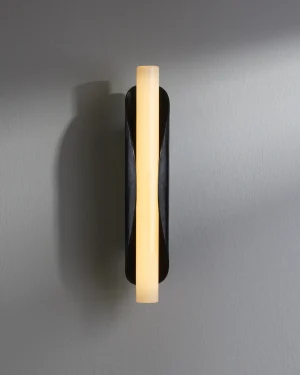
Taco De Luz Wall Sconce in Black Patinated Brass
By Studio Aristotelis Barakos
€980 -
 In stock
Astēri Table Lamp in Clay
By Andrei Clontea STUDIO
€1.200 -
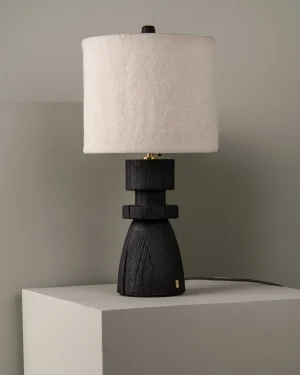
Mezquite Table Lamp in Burned Pinewood and Natural Linen
By Isabel Moncada
€2.925 -
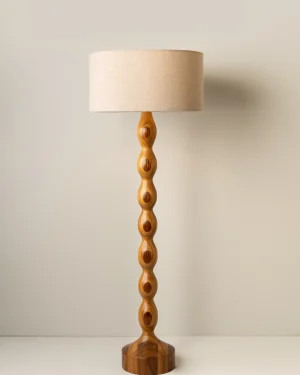
Tamarindo Floor Lamp in Parota Wood and Natural Fibers
By Isabel Moncada
€3.802 -
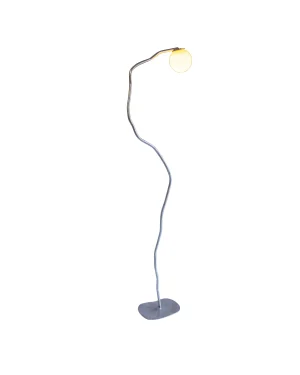
Free Form Floor Lamp in Aluminum
By Six Dots Design
€1.400 -
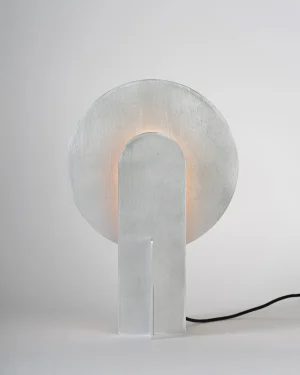
Aurora Table Lamp in Aluminum
By Hasik Design Studio
€700 -
 In stock
Y30 Ceiling Lamp in Blown Glass and Brass
By Clara Viladecans
€786 This product has multiple variants. The options may be chosen on the product page -
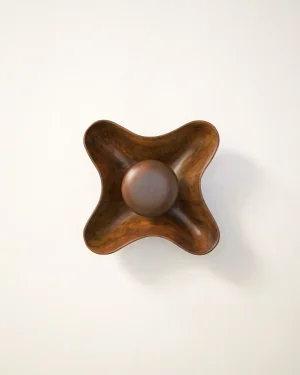
Compass Sconce in Teak Wood
By Studio Indigene
€550 -
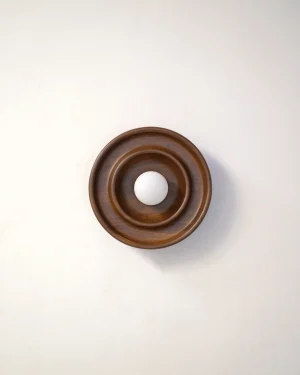
Discus Sconce in Teak Wood
By Studio Indigene
€450 -
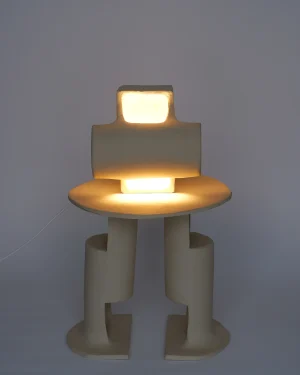
Accre Table Lamp in Ceramic
By Ia Kutateladze
€580 This product has multiple variants. The options may be chosen on the product page -
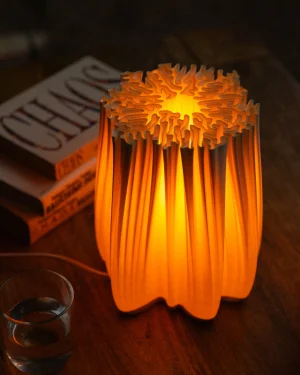 In stock
S X 1 Table Lamp In Ivory White Bio Polymer
By diploria studio
€235 -
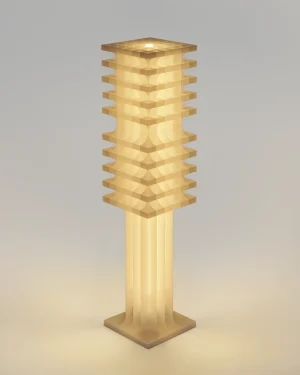
Citadel Floor Lamp in 3D Printed PLA
By Ultramar Studio
€1.260 -
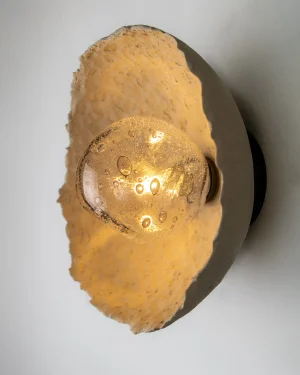 In stock
Asea No. 23 Wall Sconce in Stoneware and Blown Glass
By Ceren Gürkan
€800 -

Paten Wall Sconce in Teak Wood
By Studio Indigene
€450 -

Rotonda Table Lamp in Resin
By Adrian Cruz
€2.420 -

Trn / Model B2 Pendant Lamp in Ceramic
By Pani Jurek STUDIO
€625 This product has multiple variants. The options may be chosen on the product page -

Trn / Model B3 Pendant Lamp in Ceramic
By Pani Jurek STUDIO
€625 This product has multiple variants. The options may be chosen on the product page -
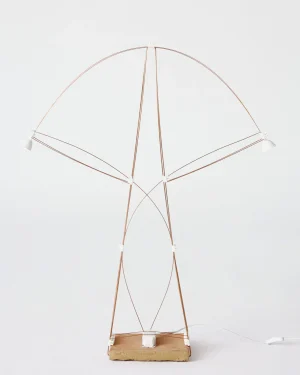 In stock
B.a.r.e Series Table Lamp in Brick, Copper and Plastics
By Lucas Muñoz Muñoz
€300 -
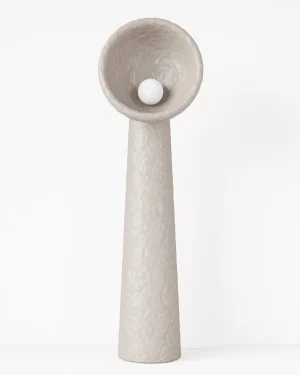 In stock
Soniah Floor Lamp in ZTISTA
By FAINA
€7.000 This product has multiple variants. The options may be chosen on the product page -
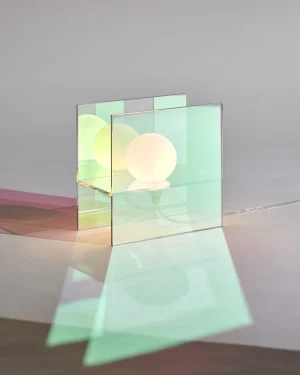 In stock
Euphoria Table Lamp in Coloured Glass
By Studio Monsoleil
€800 -
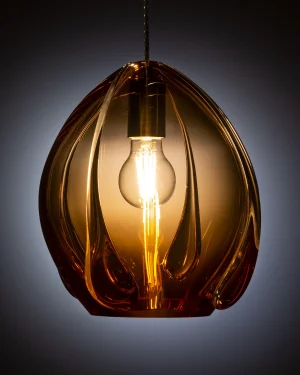
Glass Drops Fire Opal Pendant Lamp in Blown Glass
By Georgiev Kiril
€1.050 -
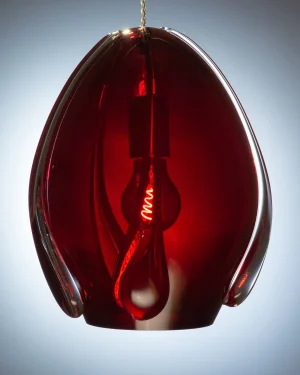
Glass Drop Pendant Lamp in Blown Glass
By Georgiev Kiril
€1.050 -
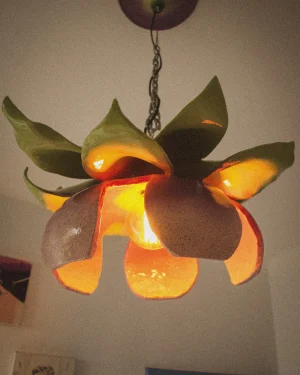
Amaryllis Ceiling Lamp in Glazed Ceramic
By UAU Studio
€1.300 -

Nuit Table Lamp in Teak Wood
By Studio Indigene
€400 -
 In stock
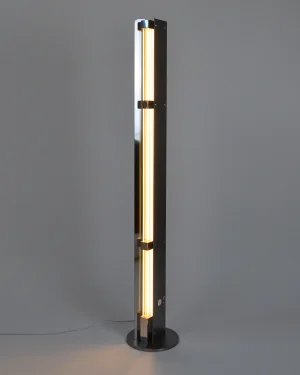
Ne1200/145 Floor Lamp in Acrylic and Stainless Steel
By MLK Furniture
€1.490 -
 In stock
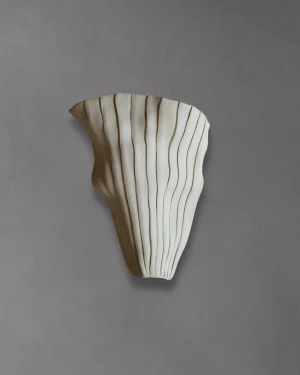
Tenderness Wall Sconce in Stoneware
By Studio Ēeme
€750 - €800 This product has multiple variants. The options may be chosen on the product page -
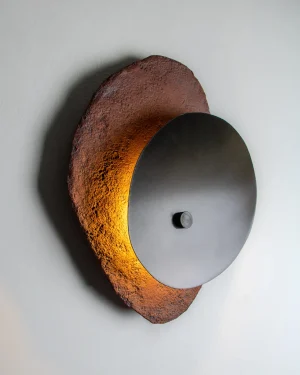
Asea No.1 Cherry Wall Sconce in Stoneware and Metal
By Ceren Gürkan
€1.000 -
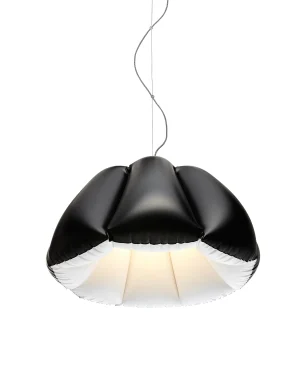 In stock
Orca Pendant Lamp in Galvanised Steel and PVC
By PUFF-BUFF
€430 -

Chloé Table Lamp in Reflective Fabric
By Atelier Alz
€300 -
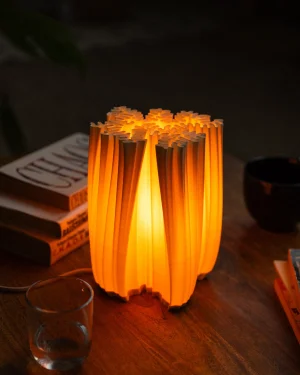 In stock
S 2 Table Lamp in Bio Plastic
By diploria studio
€215 -
 In stock
L’Été Ceramic Wall Light
By Katia Langeard
€350 This product has multiple variants. The options may be chosen on the product page -
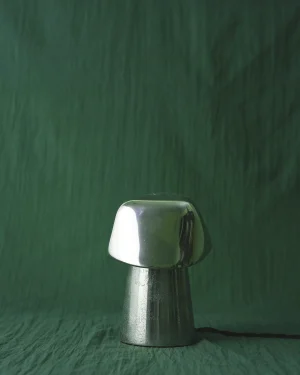
Iris Table Lamp in Aluminum
By MANUHITA
€295 This product has multiple variants. The options may be chosen on the product page -
 In stock
S 1 Table Lamp In Bio Polymer
By diploria studio
€215 -

Kalia Table Lamp in Glass and Resin
By Justyna Poplawska
€536 -
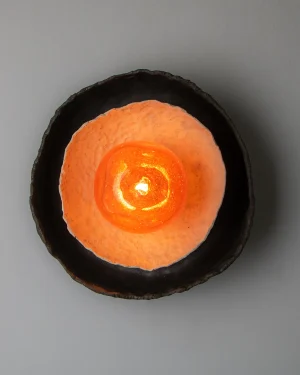
Asea No. 26 Red Wall Sconce in Blown Glass and Stoneware
By Ceren Gürkan
€1.100 -
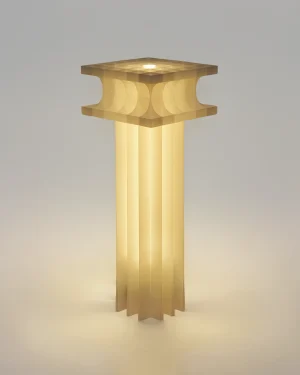
Citadel Table Lamp in 3D printed PLA
By Ultramar Studio
€990 -

Luminária Luz Sobre Mão Table Lamp in Paper Pulp
By Sandro Vieira studio
€410 -
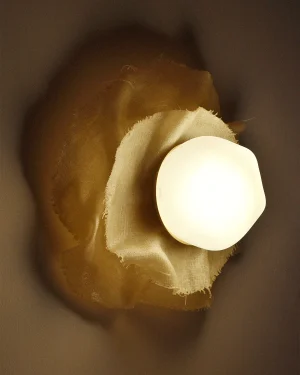
Liora II Wall Sconce in Glass, Brass and Fabric
By Atelier Alz
€350 -
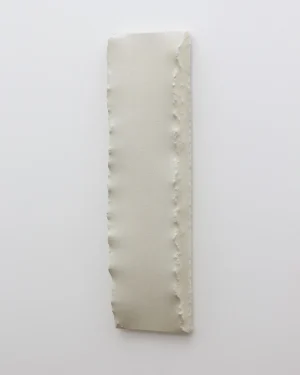 In stock
Edges 20-75 T8-60 Wall Sconce in Paper Pulp
By David Čáp
€400 -
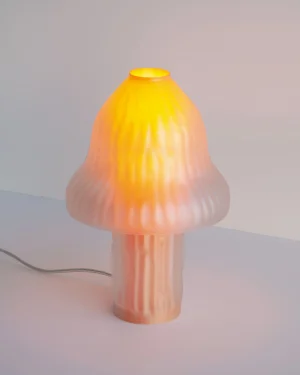
Lampamodelé Table Lamp in 3D Printed PLA
By BehaghelFoiny Studio
€99 -
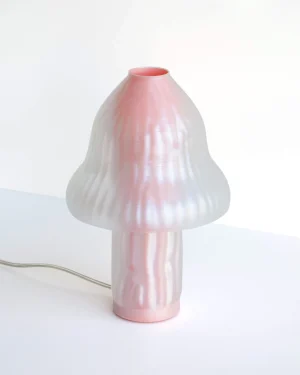
Lampamodelé Pink Table Lamp in 3D Printed PLA
By BehaghelFoiny Studio
€99 -
 In stock
Axile Table Lamp in Bio Plastic
By Errance.
€335
Modern lamps on ADORNO strip the fixture down to what a light actually needs: a stable base, a joint that moves, a shade that directs or diffuses. Independent studios build them from brass, steel, stoneware and blown glass, working by hand at the wheel or the bench, or guiding digital tools through metalwork and fabrication. The result favors clean geometry and honest material over ornament, so the lamp reads as sculpture in daylight and as pure light after dark.
What defines a modern lamp
A modern lamp keeps its parts visible: the arm, the joint, the base, each doing one job without disguise. Lines run straight or curve once, rarely twice, and color tends toward a single glaze, a raw metal finish or a clear or lightly tinted glass rather than pattern. Where older lamp styles hide their wiring and bulk under fabric or carved wood, these pieces let the structure carry the design.
That restraint does not mean plain. A cobalt blue glaze, a denim-toned shade or a lilac base can sit inside a strict geometric body and still read as considered rather than decorative, because the color is doing the only ornamental work in the piece.
Materials and techniques behind the range
The range changes as studios rotate through, but the working methods stay consistent. Hand-building and glazing shape stoneware and ceramic bases that hold heat differently from metal and feel warmer to the hand. Metalwork turns brass, copper, steel and aluminum into arms, shades and bases that take a brushed, polished or matte finish and carry weight without bulk.
Glassblowing produces shades with the kind of irregularity a mold cannot fake, a bubble or a thinning at the lip that scatters light rather than aiming it. Woodturning brings solid oak or walnut into the mix as a base or stem, where the grain shows through a clear finish and ages toward a deeper tone over years in daylight. Editions range from open runs to limited editions and unique pieces, a distinction worth checking against the specific lamp rather than assumed from material alone.
- Brass, steel and aluminum for structural arms and bases with a metal finish
- Glazed stoneware and ceramic for bases that hold color without reflecting it
- Blown glass for shades that catch and scatter rather than block light
- Oak, walnut and other solid wood for stems and bases that darken with age
Choosing a modern lamp
Scale decides whether a lamp disappears into a room or anchors it. A table lamp should sit at roughly shoulder height when seated beside it, so the bulb sits below eye level and the light falls without glare. A floor lamp reads differently: tall enough to clear a sofa arm, with a base wide enough that it will not tip on a rug.
Finish matters as much as form. A polished brass arm throws small reflections across a room at night, while a matte steel or stoneware base stays quiet and lets the shade do the work. Place a lamp where its arm or shade has room to pivot, since many modern designs rely on that movement to redirect light rather than relying on a dimmer.
Rooms modern lamps suit
A pair of ceramic or glass table lamps works well flanking a bed or a sofa, where their glazed or blown surfaces catch low evening light. A single floor lamp with a steel or brass arm can stand beside a reading chair and bend toward the page without crowding it. For a shared space, see the broader range of living room lamps, where scale and finish matter most against existing furniture.
Caring for modern lamps
Metal arms and bases need only a dry cloth and occasional polish if the finish is lacquered brass or copper, which will dull with handling but can be brought back. Glazed stoneware and ceramic wipe clean with a damp cloth; avoid abrasive cleaners, which can scratch the glaze and dull its color. Blown glass shades should be dusted rather than scrubbed, since repeated pressure on a thin lip can crack it.
For the full range of finishes and forms, the lamps category covers every material at once, while every modern piece on ADORNO extends the same restraint into furniture and objects. Those drawn specifically to metal can start with metal lamps, and those who prefer a warmer, handmade surface should look at ceramic lamps. For lighting beyond lamps in the same restrained style, modern lighting covers pendants, sconces and floor fixtures built the same way.
How do I choose a modern lamp?
Start with the form you want to see in daylight, then check the light it throws after dark. Clean lines in metal, glass or ceramic pair with most modern rooms without competing for attention.
What materials are modern lamps usually made from?
Brass, steel and aluminum for sharp, geometric bodies, blown glass for soft diffused light, and glazed ceramic or stoneware for matte, grounded forms. Each ages differently, so check the specific material before buying.
How do I care for a modern lamp?
Wipe metal with a dry cloth to avoid water spots, dust glass and ceramic gently, and keep wiring away from damp areas. Avoid harsh cleaners on glazed or painted finishes.
What size or height should a modern lamp be?
Table lamps generally sit between 24 and 34 inches tall, floor lamps between 58 and 65 inches. Proportions vary by maker, so confirm exact dimensions with the maker on the piece's page.
Which rooms suit modern lamps?
Their clean forms work in living rooms, studies and bedrooms where the lamp itself becomes a focal object. A single sculptural lamp can anchor a reading corner or a console.
How does buying from ADORNO work?
Shipping is insured and worldwide. Returns are accepted within 14 days, except made-to-order pieces, and every lamp comes with a certificate of authenticity plus a lowest-price guarantee.