






-
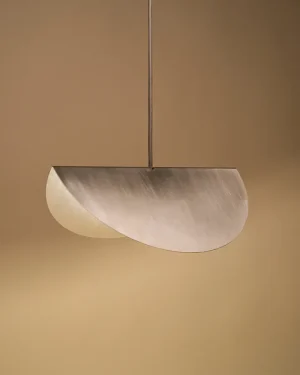
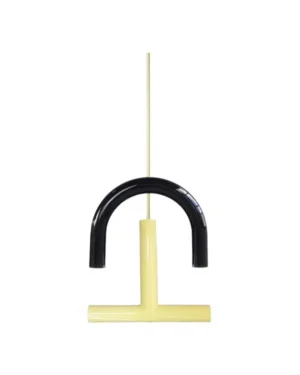
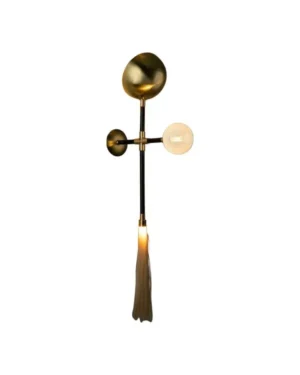
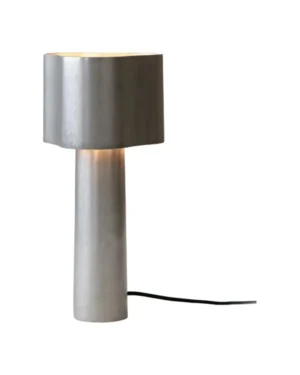
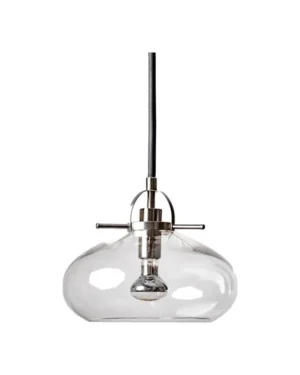
Two Circles Pendant Lamp in Stainless Steel
By Georgiev Kiril
€490 -
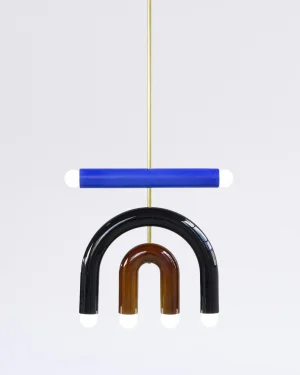
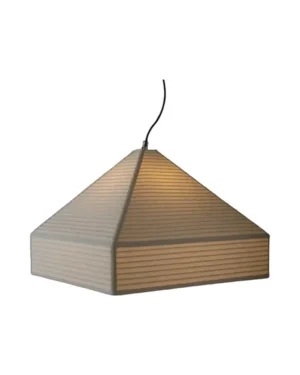
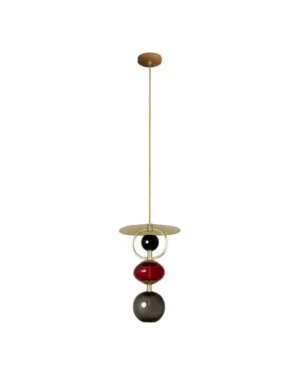
Trn / Model D1 Pendant Lamp in Ceramic
By Pani Jurek STUDIO
€1.080 This product has multiple variants. The options may be chosen on the product page -
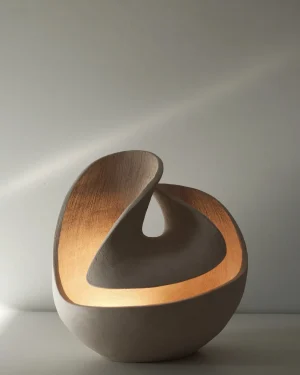
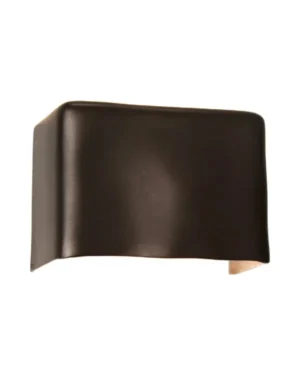
Athari Table Lamp in Ceramic
By Andrei Clontea STUDIO
€900 -
15% off
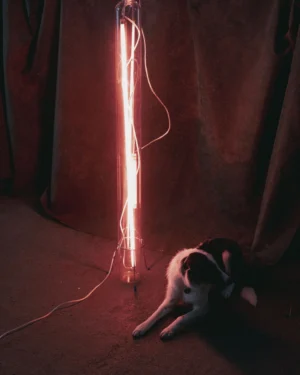
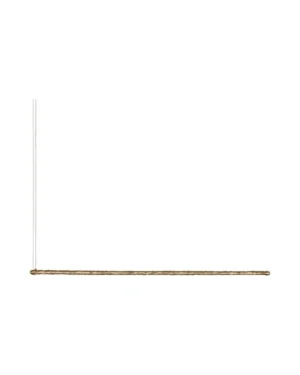
Äther Wall Lamp In Borosilicate Glass
By TUNK I Busra Tunc
€850€723 -
 In stock
Thalie Vi Table Lamp Sheer Fabric
By Atelier Alz
€200 - €300 This product has multiple variants. The options may be chosen on the product page -
 In stock
O.f.i.s Series Table Lamp in Pipe, Rod And Brick
By Lucas Muñoz Muñoz
€280 -

Trn / Model D2 Pendant Lamp in Ceramic
By Pani Jurek STUDIO
€1.080 This product has multiple variants. The options may be chosen on the product page -

Strikha Table Lamp in Clay
By FAINA
€1.820 -
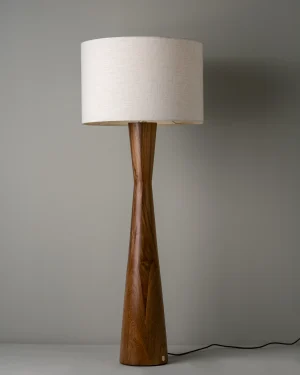
Sabina Floor Lamp in Parota Wood
By Isabel Moncada
€3.802 -
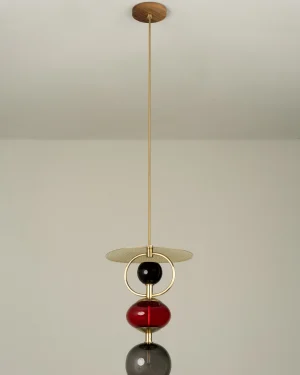
Vitrea Pendant Lamp in Glass and Brass
By Isabel Moncada
€3.802 This product has multiple variants. The options may be chosen on the product page -
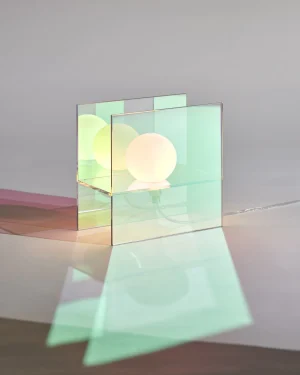 In stock
Euphoria Table Lamp in Coloured Glass
By Studio Monsoleil
€800 -

Mātra Table Lamp in Ceramic
By Andrei Clontea STUDIO
€800 -

Nuit Table Lamp in Teak Wood
By Studio Indigene
€400 -

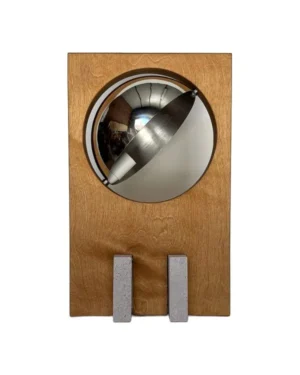
Arc Table Lamp in Stainless Steel
By Paul Coenen
€479 -
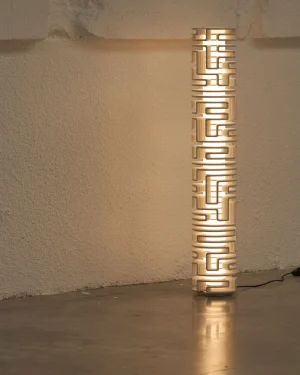
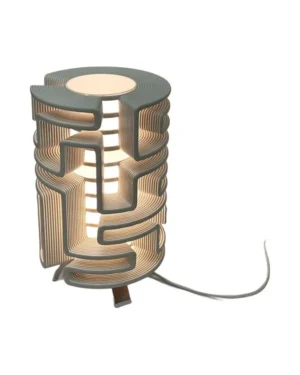
Maze Floorstander Floor Lamp in Recycled Plastic
By Stijn van Aardenne
€1.447 -
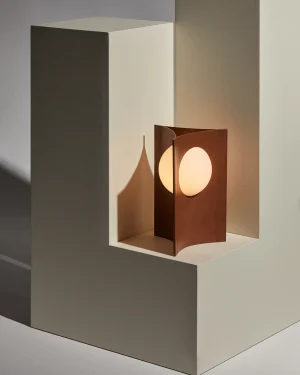
Hecate Table Lamp in Leather and Glass
By Studio Aristotelis Barakos
€480 This product has multiple variants. The options may be chosen on the product page -
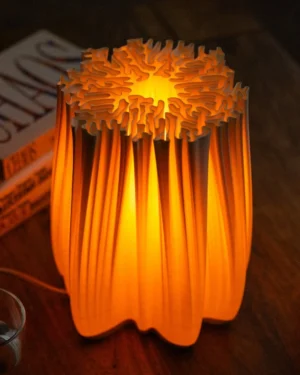 In stock
S X 1 Table Lamp In Ivory White Bio Polymer
By diploria studio
€275 -
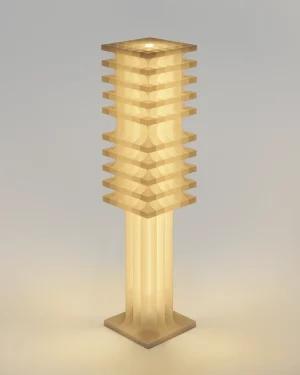
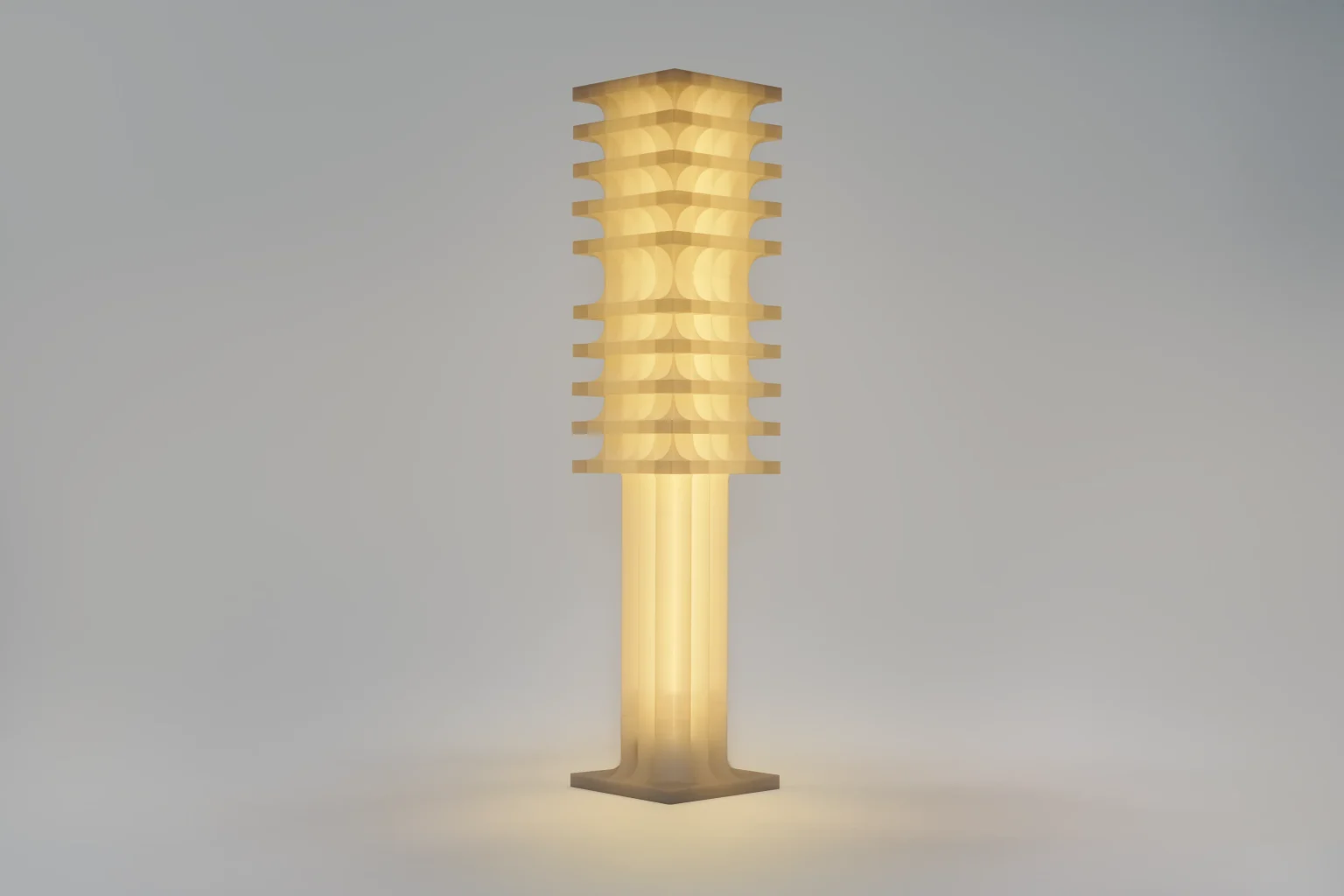
Citadel Floor Lamp in 3D Printed PLA
By Ultramar Studio
€1.400 -

Pleated Sconce In Stainless Steel And Polyester
By BOTHI
€330 This product has multiple variants. The options may be chosen on the product page -

Hoja Table Lamp in Steel
By Natural Urbano - Sebastián Beltrán
€335 -

Trn / Model A1 Pendant Lamp in Ceramic
By Pani Jurek STUDIO
€470 This product has multiple variants. The options may be chosen on the product page -

Trn / Model C2 Pendant Lamp in Ceramic
By Pani Jurek STUDIO
€880 This product has multiple variants. The options may be chosen on the product page -

Rotonda Table Lamp in Resin
By Adrian Cruz
€2.420 -

Trn / Model B2 Pendant Lamp in Ceramic
By Pani Jurek STUDIO
€625 This product has multiple variants. The options may be chosen on the product page -
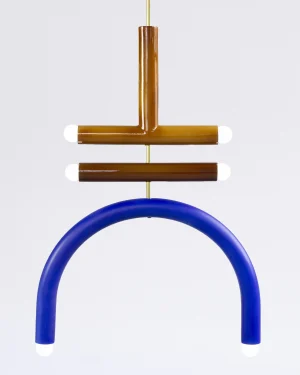
Trn / Model F2 Pendant Lamp in Ceramic
By Pani Jurek STUDIO
€1.600 This product has multiple variants. The options may be chosen on the product page -
 In stock
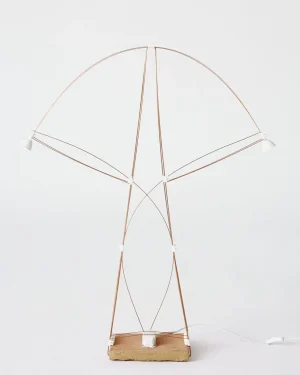
B.a.r.e Series Table Lamp in Brick, Copper and Plastics
By Lucas Muñoz Muñoz
€300 -
 In stock
Astēri Table Lamp in Clay
By Andrei Clontea STUDIO
€1.200 -
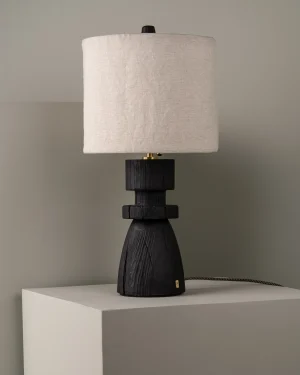
Mezquite Table Lamp in Burned Pinewood and Natural Linen
By Isabel Moncada
€2.925 -

Ombrellina Table Lamp in Earthenware
By mattina moderna
€655 This product has multiple variants. The options may be chosen on the product page -
 In stock
Caterina Table Lamp in Earthenware
By mattina moderna
€585 This product has multiple variants. The options may be chosen on the product page -
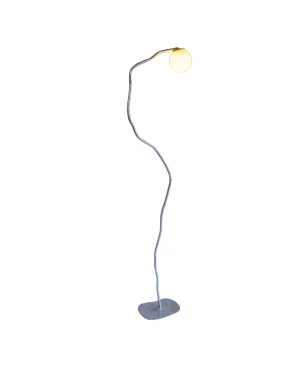
Free Form Floor Lamp in Aluminum
By Six Dots Design
€1.400 -
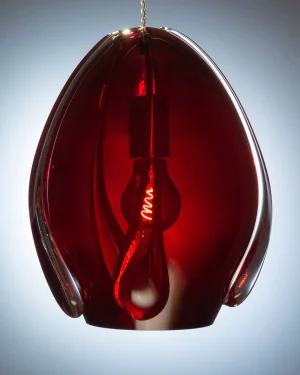
Glass Drop Pendant Lamp in Blown Glass
By Georgiev Kiril
€1.050 -
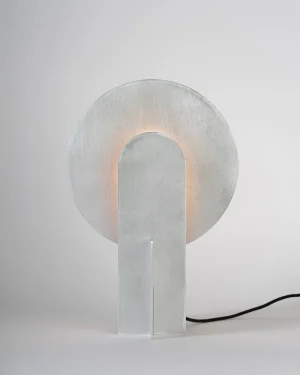
Aurora Table Lamp in Aluminum
By Hasik Design Studio
€700 -
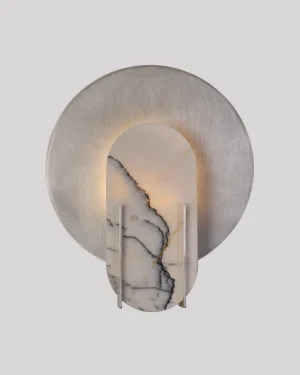
Alice Wall Lamp in Illuminated Marble
By Hasik Design Studio
€1.225 -
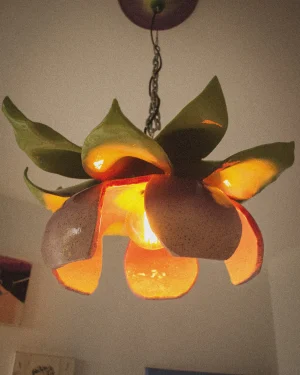
Amaryllis Ceiling Lamp in Glazed Ceramic
By UAU Studio
€1.300 -
 In stock
Y30 Ceiling Lamp in Blown Glass and Brass
By Clara Viladecans
€786 This product has multiple variants. The options may be chosen on the product page -
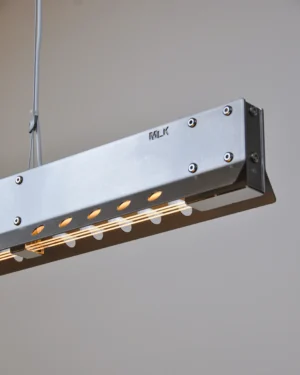
Ne1250/145 Pendant Lamp In Steel And Acrylic
By MLK Furniture
€1.390 -
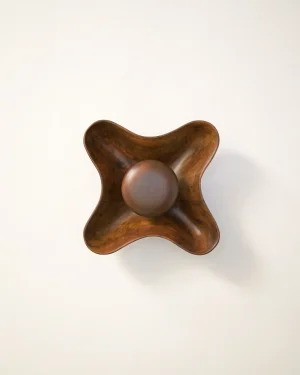
Compass Sconce in Teak Wood
By Studio Indigene
€550 -

Onda Sconce in Raku White Ceramic
By arrived aliens
€2.200 -
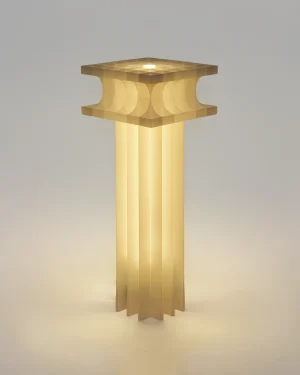
Citadel Table Lamp in 3D printed PLA
By Ultramar Studio
€1.100 -
 In stock
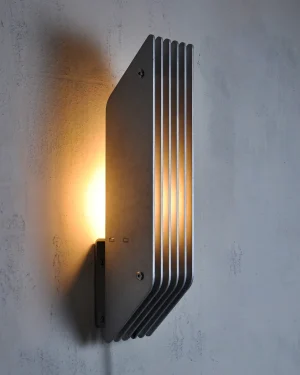
Rln460 Wall Lamp in Matte Aluminium
By MLK Furniture
€390 -
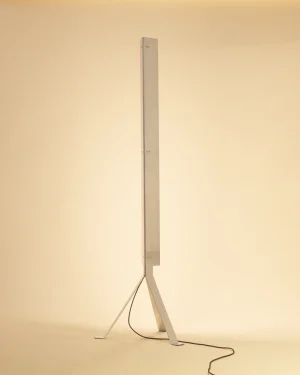
L1 High Floor Lamp in Aluminum
By Luiz Solano
€1.200 -
 In stock
Sluren Table Lamp in Blown Glass
By Sara Sjöbäck
€1.450 - €1.850 This product has multiple variants. The options may be chosen on the product page -
 In stock
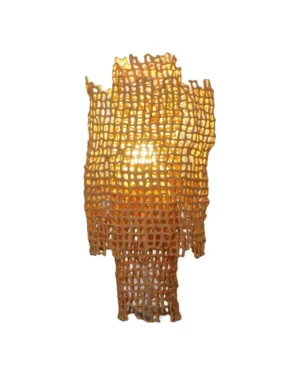
Object 02 Sconce in Nylon and Sand
By Hot Wire Extensions
€1.460 This product has multiple variants. The options may be chosen on the product page -
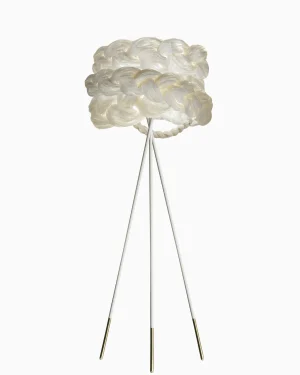
The Bride Floor Lamp in Paper
By Mammalampa
€609 -
 In stock
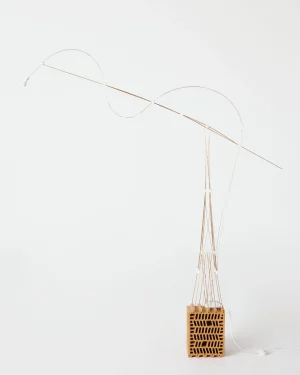
B.A.R.E Series ‘Tall’ Floor Lamp in Brick and Copper
By Lucas Muñoz Muñoz
€780 -
 In stock
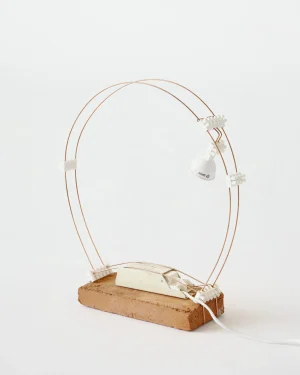
B.A.R.E Series ‘Small Circular’ Table Lamp in Brick and Copper
By Lucas Muñoz Muñoz
€225 -
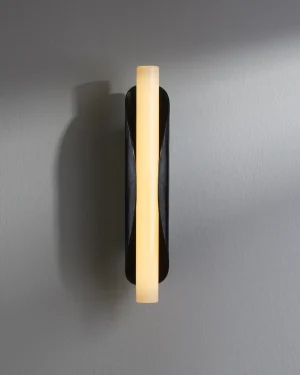
Taco De Luz Wall Sconce in Black Patinated Brass
By Studio Aristotelis Barakos
€980 -

Trn / Model B3 Pendant Lamp in Ceramic
By Pani Jurek STUDIO
€625 This product has multiple variants. The options may be chosen on the product page -
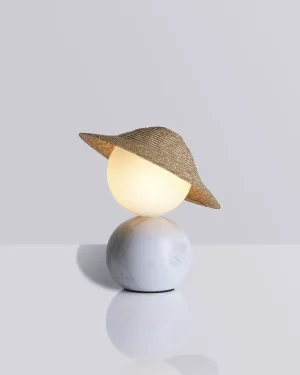 In stock
Théros 0.2 Table Lamp in Blown Glass and Marble
By Studio Aristotelis Barakos
€950 -
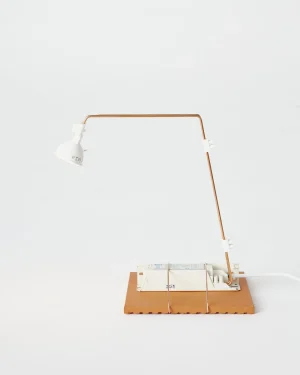 In stock
B.A.R.E Series ‘Small Simple’ Table Lamp in Brick and Copper
By Lucas Muñoz Muñoz
€150 -
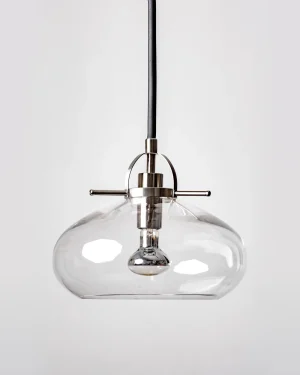 In stock
Art Deco Pendant Lamp in Glass and Stainless Steel
By Szostak Atelier
€1.000 This product has multiple variants. The options may be chosen on the product page -
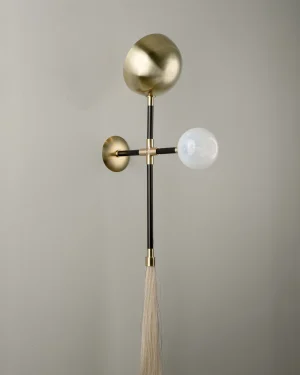
Gogo Wall Sconce in Brass, Blown Glass and Natural Fibers
By Isabel Moncada
€2.880 - €4.036 This product has multiple variants. The options may be chosen on the product page -
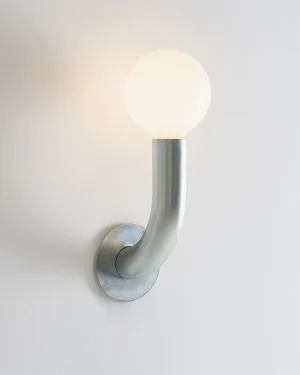 In stock
Curva Wall Sconce in Zinc
By Cultivado em Casa
€512 This product has multiple variants. The options may be chosen on the product page
Minimalist lamps strip the fixture down to what the light needs: a base, a stem, a shade or diffuser, and little else. Studios working this way favor brass, steel, ceramic and natural fiber over ornament, letting the material's own surface, a glaze, a brushed metal, a woven reed, carry the design. The forms come from hand-building, metalwork, glazing and other direct ways of making, so the restraint is a result of process, not just style.
What defines a minimalist lamp
A minimalist lamp reads as a single gesture rather than a collection of parts. A cylinder of turned brass, a dome of hand-thrown stoneware, a cone of spun steel: the silhouette does the work that trim and pattern do elsewhere. Joints are hidden or kept flush, switches sit close to the base, and cords run in a straight line instead of a decorative coil.
Color tends toward the material's own range, beige clay, black or brushed steel, warm brass, rather than printed pattern. Where color is added, it usually comes as a single glaze or powder coat across the whole piece, not as a motif.
Materials and finishes on ADORNO
Among lamps built this way, the recurring materials are brass and steel worked by metalwork, ceramic and clay shaped by hand-building and finished with glaze, and natural fiber pieces that bring a woven, textile quality to an otherwise hard-edged room. Finishes run from raw and matte to polished and glazed, and editions range from open runs to limited editions and unique pieces, so the same silhouette can exist as a small batch or as a one-off.
- Brass and steel bases, often left raw or lightly brushed so they darken slowly with handling
- Hand-built ceramic and stoneware shades, glazed in a single solid color
- Natural fiber shades that soften the light and add texture without pattern
For a broader view of metal bases and shades, metal lamps gather brass, steel and aluminum work across several styles, while ceramic lamps cover the hand-built and glazed side of the same restraint.
Choosing one for a room
Scale matters more than decoration here, since there is nothing else to soften a lamp that sits too large or too small for its table. A reading lamp should put light where a hand or a book falls; an ambient lamp can sit taller and throw light upward or sideways across a wall. Measure the surface it will stand on and leave room around the base so the form still reads as a single shape, not a crowded one.
Placement follows function: a slim brass or steel lamp suits a desk or console where floor space is tight, while a wider ceramic base holds its own on a low table or sideboard. For sitting rooms and bedrooms, pieces gathered under living room lamps show how the same restrained forms work at a larger scale, beside a sofa or armchair.
Care by material
Brass and steel darken and pick up small marks with handling; a dry cloth keeps the surface even, and occasional polishing will bring brass back toward its original warmth if a brighter finish is wanted. Glazed ceramic wipes clean with a damp cloth and should be kept away from sudden temperature changes, which can crack the glaze. Natural fiber shades hold dust, so a soft brush or the brush attachment of a vacuum, used gently, keeps them from dulling.
Keep any lamp's bulb and wattage within what the fixture is rated for, since the pared-down shades on these pieces sit closer to the bulb than a heavily shaded design would. For the full range of pared-down lighting beyond lamps, minimalist lighting includes pendants and wall fixtures built on the same principles, and the complete set of lamps on ADORNO sits under all lamps, with the wider style shown across every minimalist piece on ADORNO.
How do I choose a minimalist lamp?
Look at the base shape and the material first, since a minimalist lamp carries its form with little else to hide behind. Match its proportions to the surface it will sit on, and let the light it casts, not the decoration, guide the choice.
What materials are minimalist lamps made from and how do I care for them?
Common choices are brass, steel, stainless steel, ceramic and glaze. Wipe metal with a dry or slightly damp cloth to avoid water spots, and dust glazed ceramic gently, keeping it away from sudden temperature changes that can cause cracking.
What size or height should a minimalist lamp be?
A table lamp usually sits between 12 and 28 inches tall, while floor lamps run from 50 to 65 inches to clear eye level when seated. Check the maker's listed dimensions, or chat with the maker on the piece's page to confirm.
Which rooms suit minimalist lamps?
Their plain forms sit well anywhere light needs to read as a shape in its own right: a reading corner, a desk, a bedside table or a hallway with little else on it. Living rooms and bedrooms take them easily since the form carries both lit and unlit.
Can I get a minimalist lamp custom made or in a different finish?
Some studios take custom requests for finish, size or wiring, others do not. Chat with the maker on the piece's page to ask directly, since this varies by studio and changes over time.
What are ADORNO's shipping, returns and authenticity policies?
Shipping is insured and worldwide. Returns are accepted within 14 days, except made-to-order pieces. Every piece comes with a certificate of authenticity, and ADORNO offers a lowest-price guarantee.