
-
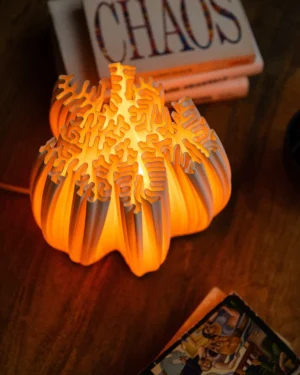 In stock
S 3 Table Lamp in Biopolymer
By diploria studio
€275 -
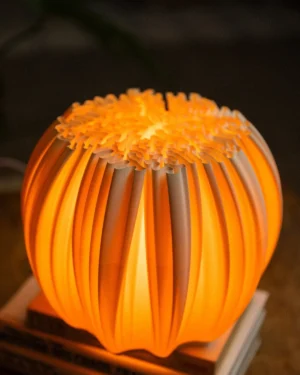 In stock
S X 3 Table Lamp in Biopolymer
By diploria studio
€295 -
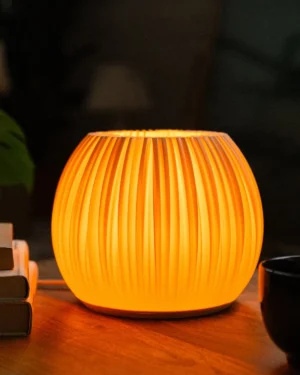 In stock
B 1 Table Lamp in Biopolymer
By diploria studio
€275 -
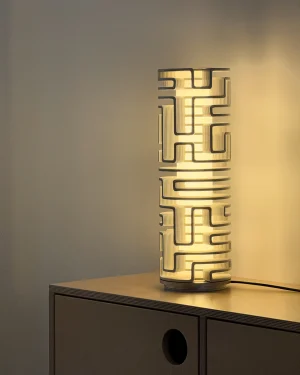
Maze Medium Table Lamp in Recycled Plastic
By Stijn van Aardenne
€579 -
 In stock
S 1 Table Lamp In Bio Polymer
By diploria studio
€245 -
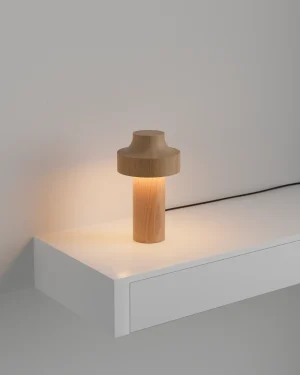 In stock
Monolith Table Lamp in Mexican Red Oak
By Sergio Enríquez Industrial Design Office
€800 -
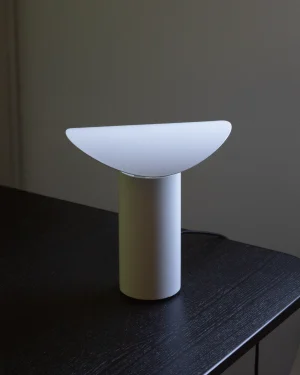
Beam Table Lamp in Steel
By Sergio Enríquez Industrial Design Office
€600 -
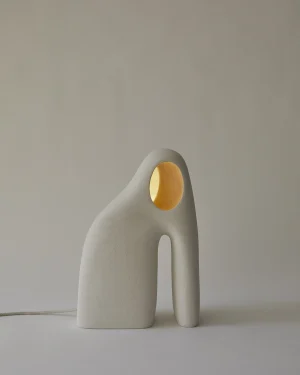
Nomad Ⅱ:02 Table Lamp in Stoneware
By SK - Sofia Karnukaeva
€2.480 -
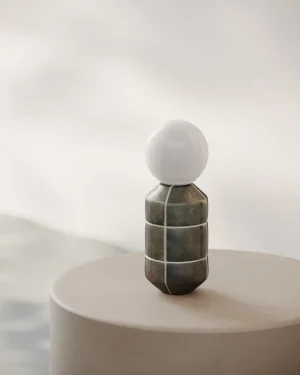 In stock
Navazi Table Lamp in Ceramic
By SVITANOK
€440 - €670 This product has multiple variants. The options may be chosen on the product page -
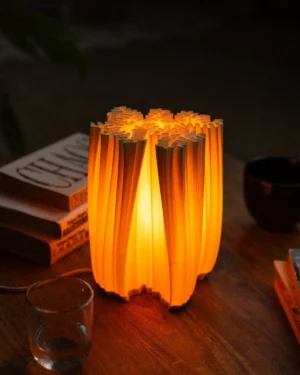 In stock
S 2 Table Lamp In Bio Polymer
By diploria studio
€245 -
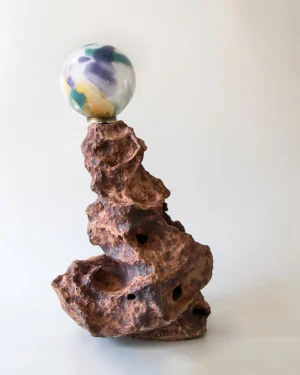 In stock
Abyss No. 28 Table Lamp in Stoneware
By Ceren Gürkan
€1.400 -
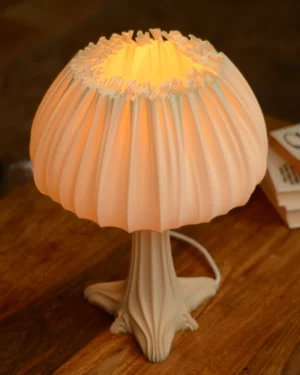 In stock
M 2 Table Lamp In Bio Polymer And Sand
By diploria studio
€395 -
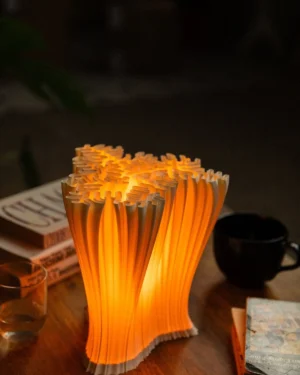 In stock
S 4 Table Lamp In Bio Polymer
By diploria studio
€275 -
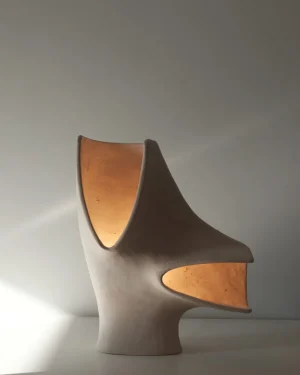
Taruh Table Lamp in Clay
By Andrei Clontea STUDIO
€900 -
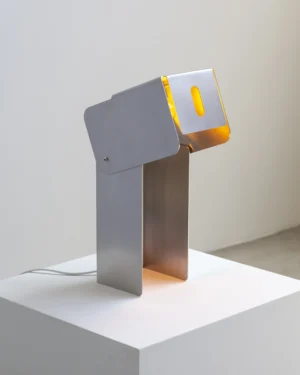 In stock
Tauri Table Lamp In Stainless Steel
By T44 design studio
€230 This product has multiple variants. The options may be chosen on the product page -
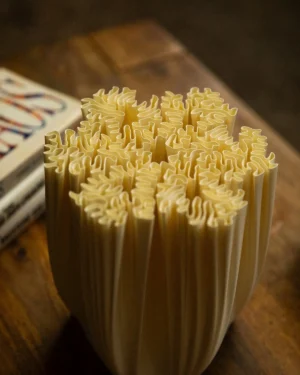 In stock
S X 2 Table Lamp in Biopolymer
By diploria studio
€295 -

Layers Bedside Lamp In Glazed Ceramic
By Katia Langeard
€750 -
 In stock
SONIAH Table Lamp in ZTISTA Biocomposite
By FAINA
€3.000 This product has multiple variants. The options may be chosen on the product page -
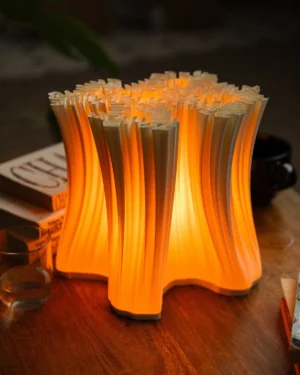 In stock
S 6 Table Lamp In Bio Polymer
By diploria studio
€295 -
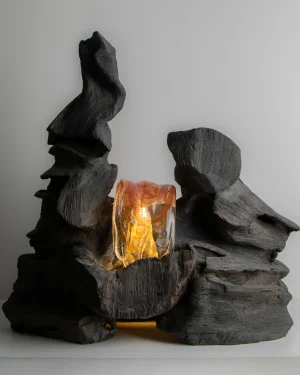 In stock
Abyss No. 33 Table Lamp in Stoneware
By Ceren Gürkan
€2.200 -

Moon Sixteen – Alabaster Table Lamp
By A.D.U. Studios
€1.240 -
 In stock
Abyss No. 31 Table Lamp in Stoneware and Glass
By Ceren Gürkan
€1.400 -
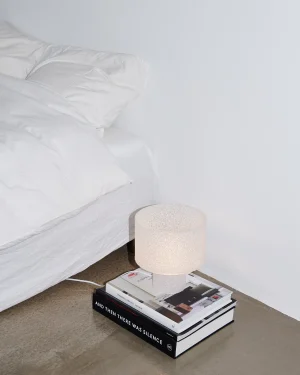 In stock
December Table Lamp
By 91-92
€235 - €419 This product has multiple variants. The options may be chosen on the product page -
 In stock
Abyss No. 4 Table Lamp in Stoneware
By Ceren Gürkan
€1.600 -
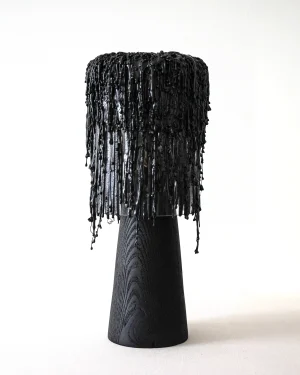
Leaky Lamp III Table Lamp in Ash Wood and Biomaterial
By Pablo Ejarque-González
€1.085 -
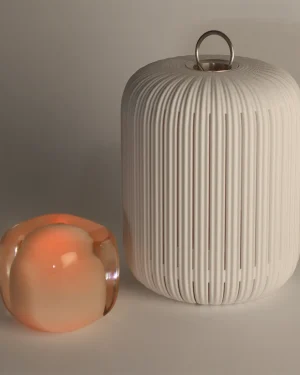 In stock
Lullaby and Promenade High Table Lamp in Resin
By BDCI
€2.200 This product has multiple variants. The options may be chosen on the product page -
 In stock
Soul Table Lamp in Handblown Glass
By Ceren Gürkan
€700 -
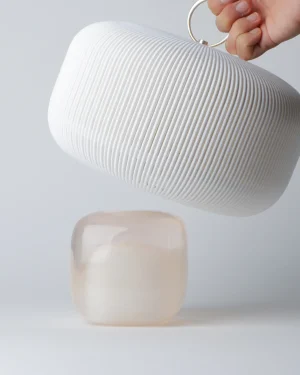 In stock
Lullaby And Promenade Low Table Lamp in Resin
By BDCI
€2.200 This product has multiple variants. The options may be chosen on the product page -
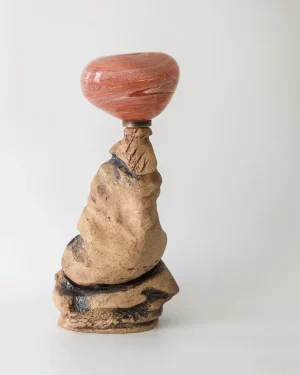 In stock
Abyss No. 8 Table Lamp in Stoneware
By Ceren Gürkan
€1.500 -
 In stock
Abyss No. 23 Table Lamp in Stoneware
By Ceren Gürkan
€2.500 -

Zm Sofia Table Lamp in Cantera Stone
By Daniel Orozco Estudio
€833 -
 In stock
Abyss No. 12 Table Lamp in Stoneware
By Ceren Gürkan
€1.800 -
 In stock
Abyss No. 34 Table Lamp in Stoneware
By Ceren Gürkan
€1.700 -
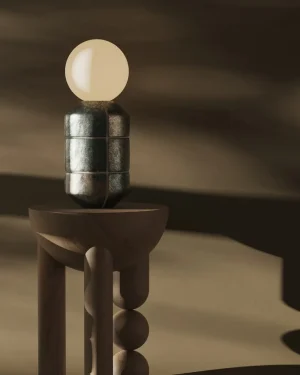
Navazi Table Lamp in Glazed Ceramic
By SVITANOK
€590 - €890 This product has multiple variants. The options may be chosen on the product page -
 In stock
Lullaby And Hygge Standing Table Lamp in Resin
By BDCI
€1.550 This product has multiple variants. The options may be chosen on the product page -
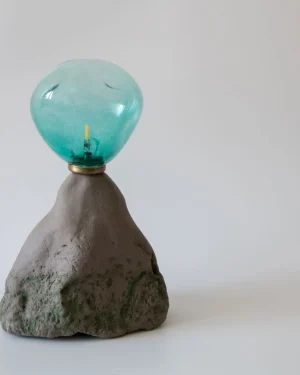 In stock
Abyss No. 7 Table Lamp in Stoneware
By Ceren Gürkan
€1.100 -
 In stock
Abyss No. 27 Table Lamp in Stoneware
By Ceren Gürkan
€1.900 -

Umbra Table Lamp in Alabaster
By Luis Gimeno Design
€1.600 - €2.000 This product has multiple variants. The options may be chosen on the product page -
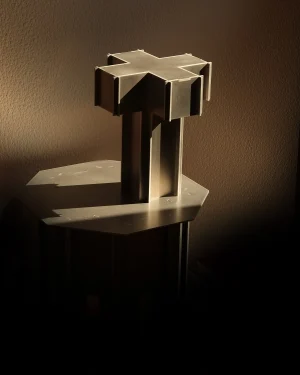
The Writer’s Beacon Table Lamp in Aluminum
By BUREAU OF ENTROPY
Price Upon Request -
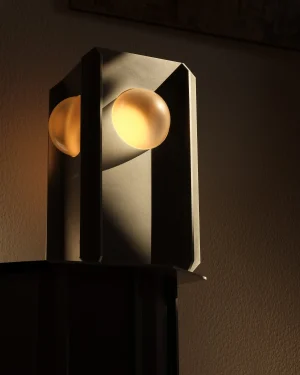
Orbital Array Table Lamp in Aluminum
By BUREAU OF ENTROPY
Price Upon Request -
 In stock
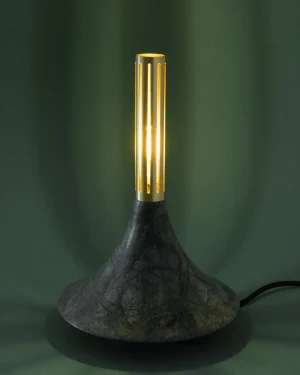
Dervish Table Lamp in Marble and Brass
By Boo Design Studio
€475 -
 In stock
B. S. P Series Table Lamp in Recycled Plastic
By Atelier SOHN
Price Upon Request -
 In stock
Abyss No. 20 Table Lamp in Stoneware
By Ceren Gürkan
€1.600 -
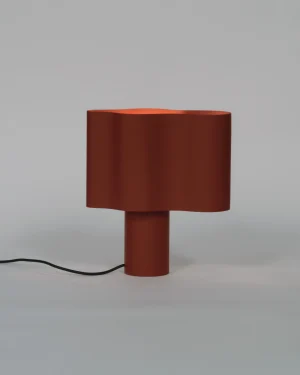
Lake Table Lamp In Steel
By Natural Urbano - Sebastián Beltrán
€330 This product has multiple variants. The options may be chosen on the product page -
 Sold
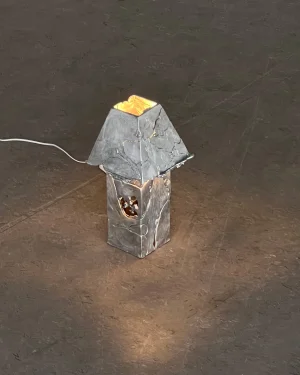
SoldElemental Patchwork Table Lamp in Cast Aluminum
By Sheyang Li
Price Upon Request -
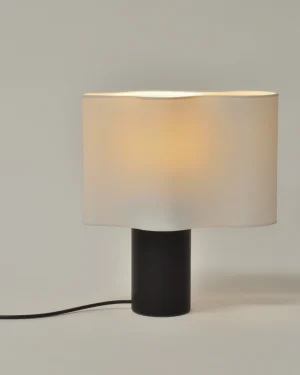
Lake Table Lamp In Steel And Textile
By Natural Urbano - Sebastián Beltrán
€330 This product has multiple variants. The options may be chosen on the product page -
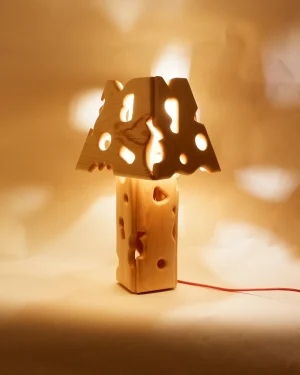
Cut Out Table Lamp In Pine Wood
By Josh Page Studio
€375 - €745 This product has multiple variants. The options may be chosen on the product page -
 Sold
SoldAbyss No. 24 Table Lamp in Stoneware
By Ceren Gürkan
€1.700
Designer Bedside Lamps for Modern Bedrooms
A bedside lamp does quieter work than any other light in the house. It must be bright enough to read by, soft enough to leave on while someone else sleeps, and easy to switch off without fully waking up. It also sits at eye level, half a meter from your face, for a third of your life — which makes it one of the few pieces of lighting you actually look at closely.
At ADORNO, every bedside lamp is made by an independent designer, studio or gallery. These are not mass-produced nightstand lamps but limited editions, small batch runs and unique pieces, where the glaze, the turning of the wood or the translucency of the stone is the point. A hand-thrown ceramic bedside lamp or a piece of carved alabaster changes character entirely once it is lit — something a molded shade cannot do.
Browse the full table lamps collection for pieces that move between the nightstand, the console and the sideboard.
Choosing the Right Bedside Lamp
Scale is the decision that matters most, and it depends on your bed as much as your nightstand.
- Height: Roughly 40–60 cm suits a standard bed and nightstand. The practical test beats the number: sitting up in bed, the bottom edge of the shade should fall between your chin and your eyes, so the bulb never enters your line of sight. Low platform beds and floating shelves usually call for small bedside lamps under 35 cm; tall bedside lamps work best with a high headboard or a low nightstand.
- Width: Keep the widest point of the lamp narrower than the surface it stands on, and leave room for a book, a glass of water and a phone. A base of about 10–16 cm across is usually enough.
- Switch: Reachable in the dark, without leaning. An inline cord switch halfway down the cable is often more practical than one on the base. Touch bedside lamps and dimmable models remove the fumbling altogether.
- One or a pair: Two matching nightstand lamps give a symmetrical, restful room; two related pieces in the same material at slightly different heights feel more collected and less staged. Many ADORNO pieces are made to order, so a second lamp from the same studio can often be arranged — ask our curation team.
- Cordless options: Rechargeable and wireless designs move from the bedside to the bath, the balcony or a guest room, and they solve rooms where the socket is in the wrong place.
- Electrical fit: Pieces ship internationally from designers' studios, so check the plug type and voltage before ordering.
If the nightstand itself is still undecided, our nightstands are worth looking at alongside the lamp — surface height and lamp height are one decision, not two.
How a Bedside Lamp Should Be Lit
Bedside lighting is the one place where less output is better. The aim is a pool of warm light, not an evenly lit room.
- Brightness: Around 100–300 lumens is comfortable for ambient bedside light. For bedside reading lamps, look for 250–450 lumens reaching the page, ideally with the light directed down and slightly forward.
- Color temperature: 2200–2700 K. Warm, amber-leaning light in the evening interferes least with winding down; anything cooler than 3000 K starts to feel like a bathroom.
- Dimming: The single most useful feature a bedside lamp can have. One lamp then covers reading, conversation and the last five minutes before sleep. Check that lamp, bulb and dimmer are compatible.
- Shade and diffusion: An opaque or deep shade keeps the source hidden and throws light downward, which suits reading. Alabaster, stoneware, resin and blown glass glow rather than beam, which suits a low night lamp left on for a child or a light sleeper.
- Bulb type: Integrated LED gives a slim, sealed form but cannot be replaced. A standard E14 or E27 socket lets you choose your own warmth and swap the bulb later — often the better option at the bedside, where taste in light is personal.
When the Answer Isn't a Table Lamp
A nightstand is not the only place to put bedside light, and clearing the surface often improves the room.
- Wall lamps mounted beside the headboard free the whole nightstand and direct light onto the page rather than into the room — the usual solution in small bedrooms.
- Floor lamps work where the bed sits away from a wall, or where a reading chair needs its own light.
- Ceiling and pendant lamps hung low on either side of the bed do the job of a pair of lamps without occupying a surface.
Layering two or three of these, all dimmable, is what makes a bedroom feel finished rather than simply illuminated.
Nightstand Lighting Made to Last
Bedside lamps are used every single day, which is a strong argument for buying one properly made.
ADORNO brings together bedroom lighting from independent studios and makers across Europe, Latin America, Asia and beyond — limited editions, small-batch production and unique pieces. Choosing this kind of lighting supports specialist craftsmanship and small-scale making and puts an object in the bedroom that will not appear in every other apartment.
Explore the full collectible lighting collection to find a piece that suits your bedroom or tell our curation team what you are looking for and we will search the catalogue with you.
What is a bedside lamp?
A bedside lamp is a small table lamp placed on a nightstand or shelf next to the bed, made for low, warm light rather than full room illumination. It usually covers three jobs: reading before sleep, finding your way at night, and adding character to the surface it stands on.
What is the difference between a bedside lamp and a table lamp?
Bedside lamps are a type of table lamp, defined by scale and quality of light rather than by category. A bedside lamp is typically 40–60 cm tall, warm, dimmable, easy to switch off by feel, and modest in output. A general table lamp can be far larger and brighter because nothing about it has to be usable half-asleep. Many sculptural pieces work in both roles; a tall, wide-shaded lamp designed for a console rarely works the other way around.
How tall should a bedside lamp be?
Between 40 and 60 cm for a standard bed and nightstand. Rather than measuring the lamp alone, sit on the edge of the bed: the bottom of the shade should sit between your chin and your eyes so the bulb stays hidden. Low beds and low nightstands need smaller lamps — 25–35 cm is often right.
What size lamp should I choose for my nightstand?
Keep the lamp narrower than the nightstand and leave usable surface beside it. As a rule of thumb, the widest point of the lamp should be no more than about two-thirds the depth of the nightstand, with a base around 10–16 cm across. If the lamp overhangs the edge or you have to move it to put a book down, it is too big.
How bright should a bedside lamp be?
Less than most people expect. Around 100–300 lumens is right for ambient bedside light, and 250–450 lumens for reading in bed with the light aimed at the page. Dimmability matters more than maximum output, because the same lamp has to serve reading and the minute before sleep.
What is the best light color for a bedroom?
Warm, between 2200 K and 2700 K. Amber-toned light in the evening is easier on the eyes and less stimulating than neutral or cool white. Where a very low night light is needed — for a child, or for moving around at night — the softest, warmest setting available is preferable to a brighter cool one.
Do you need two matching bedside lamps?
Not necessarily. A matching pair gives a calm, symmetrical bedroom and is the safe choice with a formal headboard. Two pieces sharing a material or a maker but differing in form often looks better in a collected interior. Since much of ADORNO's catalogue is made to order, a second piece from the same studio can frequently be arranged — contact the curation team to check.
Do you have cordless or rechargeable bedside lamps?
Yes. Several designers make wireless and rechargeable lighting, which is useful when the socket is in the wrong place, when you want to carry the light to another room, or on a nightstand where a trailing cable spoils the piece. Availability changes as pieces are one-off or limited, so browse the current Battery-Operated Lights selection or ask us for a specific request.
What materials make the best bedside lamps?
Ceramic, stoneware, alabaster, marble, hand-blown glass, brass, steel and solid wood. All age well, all feel substantial at close range, and each handles light differently — stone and alabaster glow from within, opaque ceramic and metal shades throw a defined pool of light downward for reading.
Can a bedside lamp be used elsewhere in the house?
Yes, and most are better for it. The same scale suits a console table, a desk, a bathroom shelf, a windowsill or a hallway. A dimmable bedside lamp on a dining sideboard is one of the simplest ways to soften a room in the evening.
Are designer bedside lamps worth it?
A bedside lamp is switched on and off every day and sits within arm's reach, so material quality and light quality are noticed constantly. A well-made piece in ceramic, stone or glass also functions as a sculptural object during daylight hours, which mass-produced nightstand lamps rarely do. Buying from independent studios means the piece is made in small numbers by the person who designed it.