








-

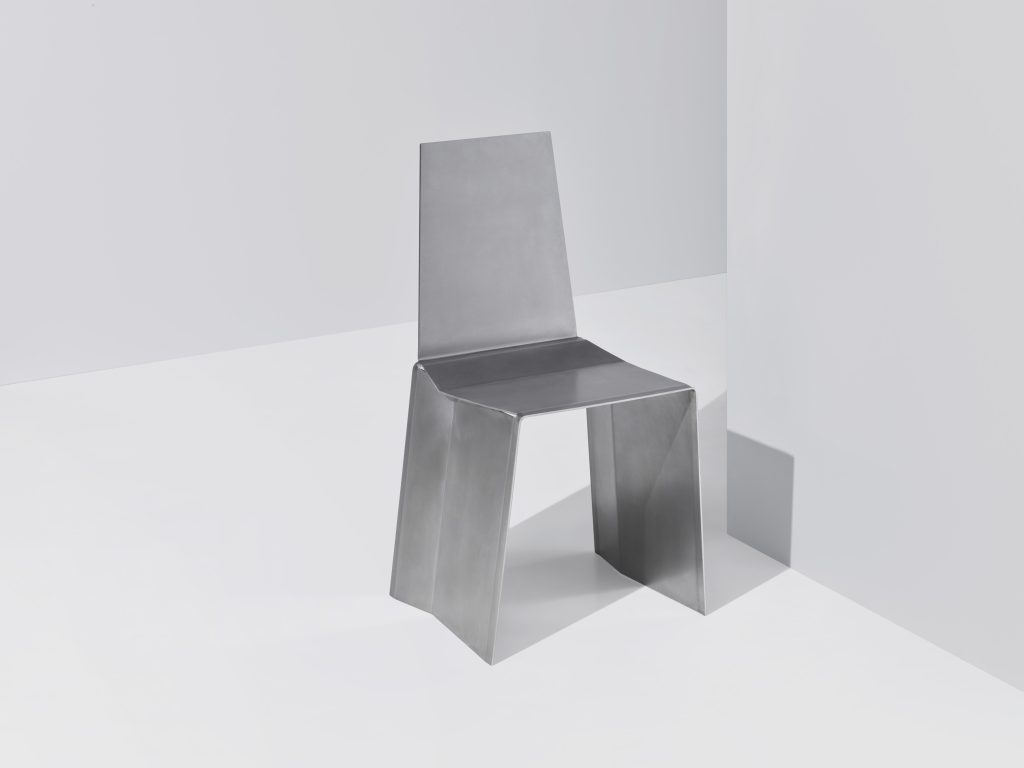
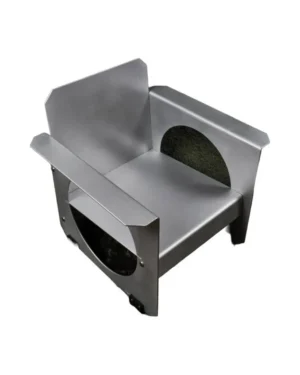
Camber – Stainless Steel Chair
By Paul Coenen
€1.121 -
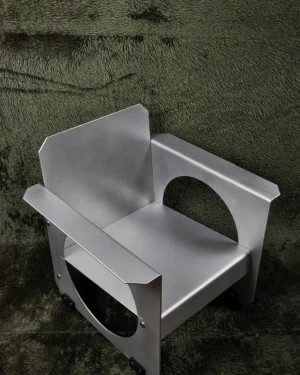
D400 Armchair – Matte Aluminium
By MLK Furniture
€2.290 -
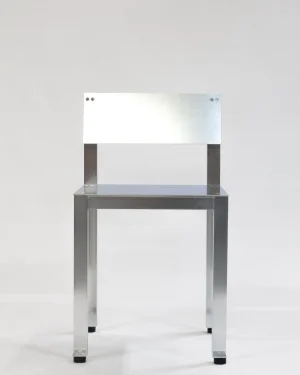
Canto – Aluminum Dining Chair
By Luiz Solano
€840 -
 In stock
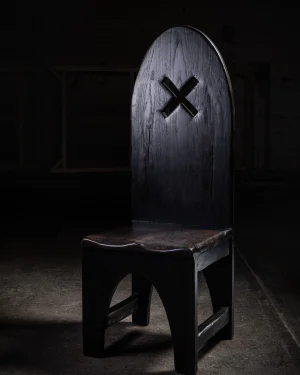
The X Chair
By NO AGE STUDIO
€2.500 -
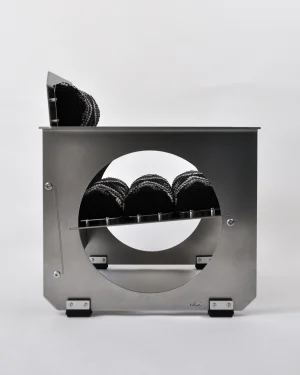
D400 Armchair – Black Mamba – Matte Stainless Steel
By MLK Furniture
€7.590 -
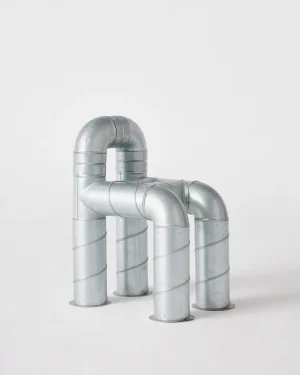
O.F.I.S Series, Steel Chair
By Lucas Muñoz Muñoz
€1.200 -

O.f.i.s Series, Tubular Armchair
By Lucas Muñoz Muñoz
€18.000 -
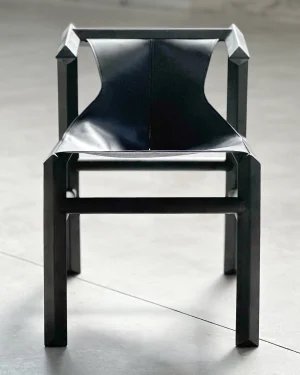
1901 – Black Leather And Wood Dining Chair
By espina corona
€890 -

1908 – Solid Wood & Leather Lounge Chair
By espina corona
€1.450 -

Harakiri – Aluminum And Damascus Steel Chair
By ORFEO STUDIO
€4.918 -
 In stock
Pneumatic Chair 2
By Szostak Atelier
€5.990 This product has multiple variants. The options may be chosen on the product page -

Sitting Bull – Stainless Steel Accent Chair
By ORFEO STUDIO
€5.800 - €6.200 This product has multiple variants. The options may be chosen on the product page -
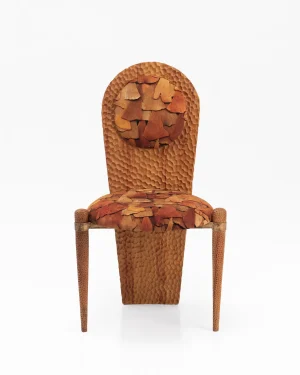
Naughty By Nature – Sculptural Chair
By Odditi
€1.180 -
 In stock
Pierre – Sucupira Armchair
By Tiago Curioni
€4.200 -
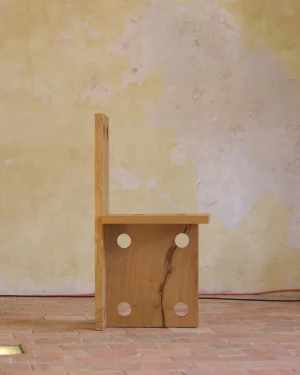
Sensitive Wood – Domino Chair
By Vital Lainé
€1.000 -

Case – Armchair With Natural Stone And Stainless Steel
By Alter Ego Studio
€5.920 -
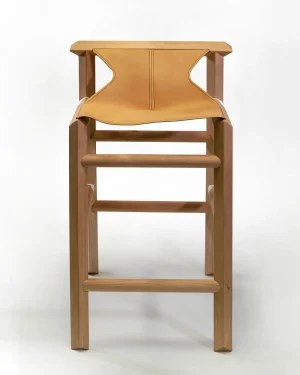
1903 – Cognac Leather And Wood Barstool
By espina corona
€890 -
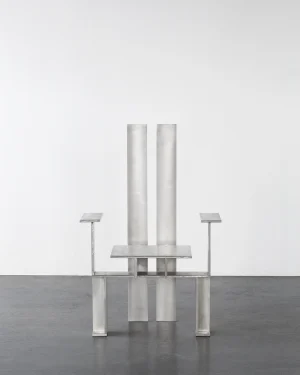
Relatively Comfy Armchair
By Thomas Gayet
€2.900 -

Bo Armchair
By Giácomo Tomazzi Studio
€3.550 -
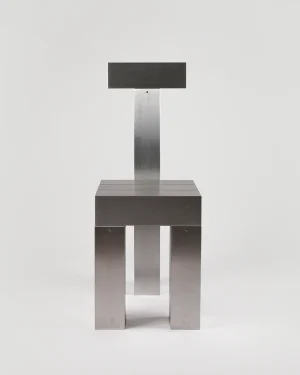
Garriga Chair
By Lucas Cambier
€3.500 -
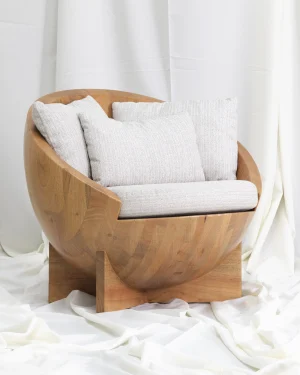 In stock
Sanctuary – Wood Cocoon Lounge Chair
By Laluz Handcraft
€6.372 -

Rounded Edges Aluminum Chair
By LESORR
€1.273 This product has multiple variants. The options may be chosen on the product page -
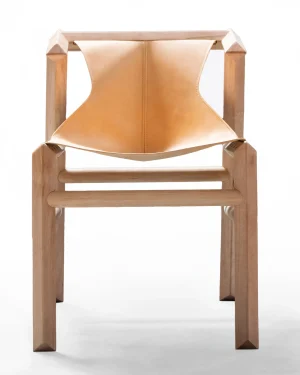
1901 – Cognac Leather And Wood Dining Chair
By espina corona
€890 -
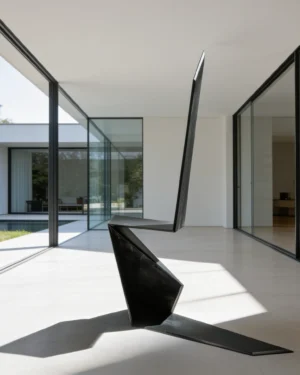
Dark Side – Aluminum Chair
By ORFEO STUDIO
€5.082 -
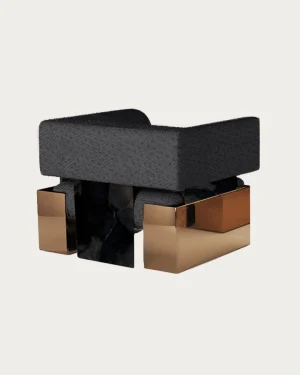
Case Armchair – Small
By Alter Ego Studio
€6.300 -
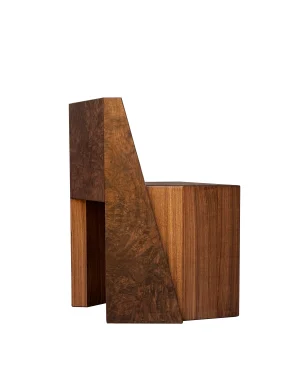
Koza – Accent Chair
By Pablo Sinan Design
€2.000 -
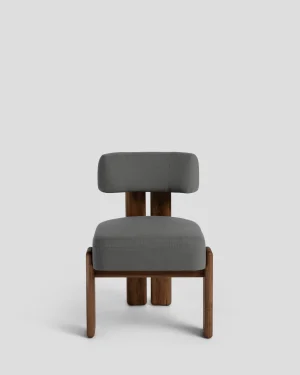
De La Paz Dining Chair
By Comité de Proyectos
€2.380 -
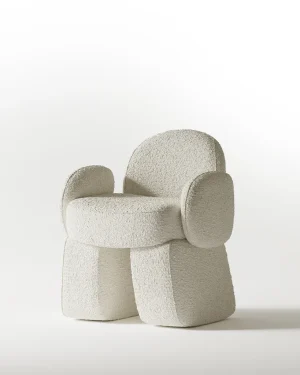
And Armchair
By hermhaus
€2.379 This product has multiple variants. The options may be chosen on the product page -

Red Chair 1901
By espina corona
€890 -
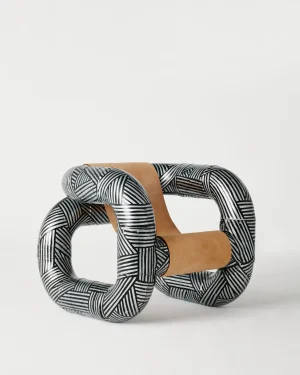
O.F.I.S Series, Tubular Armchair, Anitgoon Edition
By Lucas Muñoz Muñoz
€28.000 -
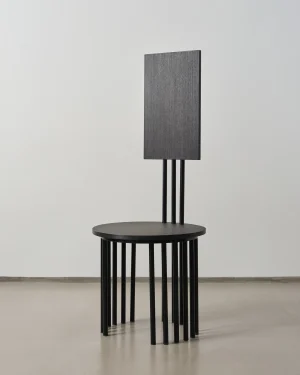
Reina Chair
By Studio Mohs
€1.614 -
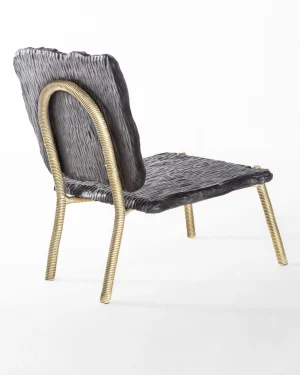
Lascas Chair
By Carol Gay
€8.500 -

1907 Wood And Felted Wool Lounge Chair
By espina corona
€1.050 -
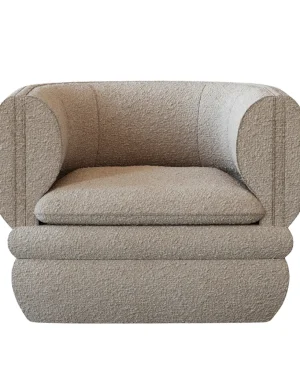
Paus Armchair
By hermhaus
€3.630 This product has multiple variants. The options may be chosen on the product page -
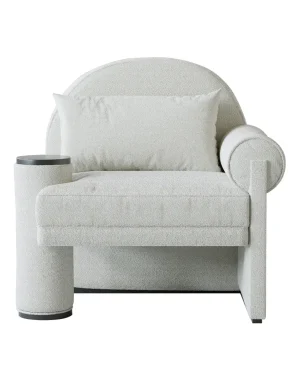
Moon Armchair & Coffee Table
By hermhaus
€3.030 This product has multiple variants. The options may be chosen on the product page -
 In stock
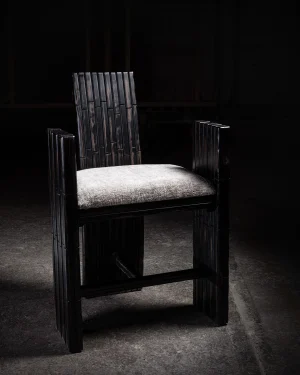
Mr. B – Oak Armchair
By NO AGE STUDIO
€1.500 - €2.300 This product has multiple variants. The options may be chosen on the product page -
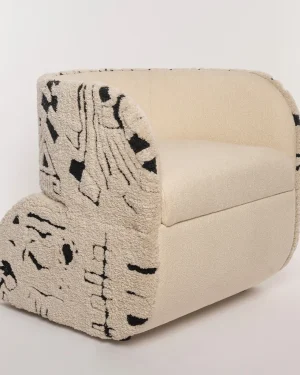
Horn – Hand Woven Armchair
By hermhaus
€4.850 -
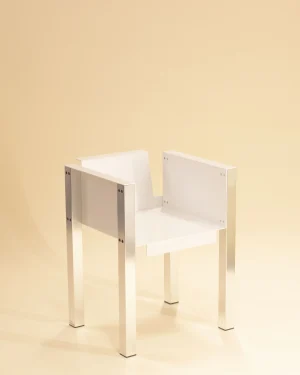
A2 – Aluminum Armchair
By Luiz Solano
€1.250 -
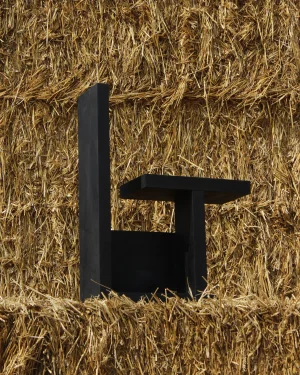 In stock
Mutation Chair – Maple
By Vital Lainé
€900 -

Trigon Chair
By Mokko
€3.280 - €4.410 This product has multiple variants. The options may be chosen on the product page -
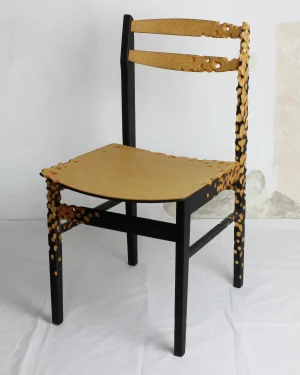
N1 Chair
By Gábor Góbi
€1.990 -

Black Lounge Chair – 1907
By espina corona
€1.120 -
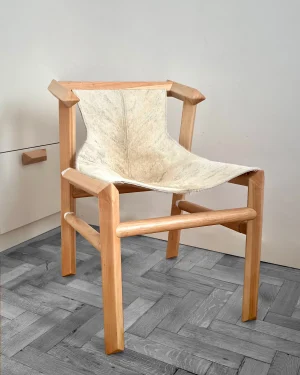
Hairy Leather Dining Chair
By espina corona
€990 -

Fos Leonor Bamboo Chair
By Daniel Orozco Estudio
€2.306 -
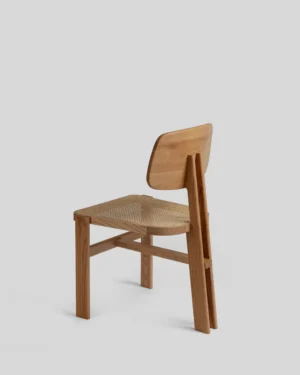
Joy Chair
By Juskani Alonso
€1.950 -
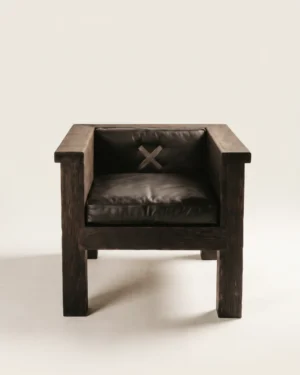 In stock
Tephra Lounge Chair In Leather And Oak
By NO AGE STUDIO
€2.730 -
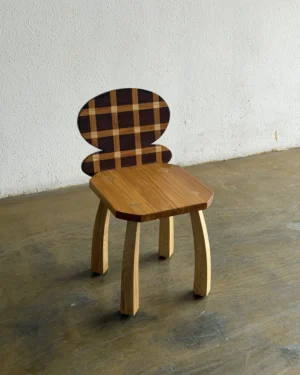
Bend Chair
By STUDIO KALLANG
€2.900 -
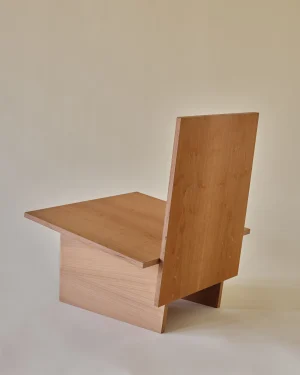 Sold
SoldDon – Minimalist Cherry Plywood Lounge Chair
By Mock Studio
€1.200 -
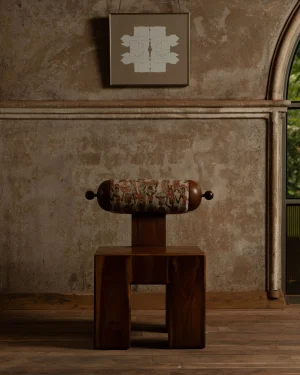
Akeru Chair / Numbered Edition Of 10
By WANNAS
Price Upon Request -
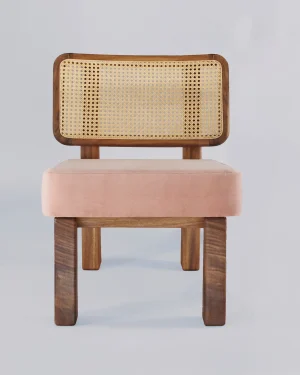
Colima Low Chair
By Comité de Proyectos
Price Upon Request -

Rian High Back Chair
By Semigood Design
€3.229 This product has multiple variants. The options may be chosen on the product page -

“standard” Chair
By Tributo
€1.263 -
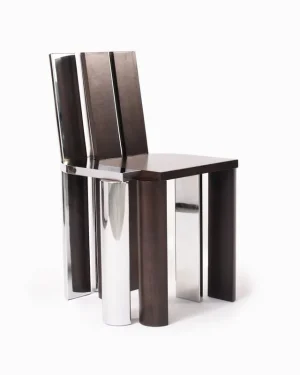
DV Chair – Chrome Edition
By Studio S II
Price Upon Request -

Cocar Chair: Handmade In Brazill With Braided Tucumã Straw And Cabreúva Wood
By YANKATU
€4.100
Brutalist chairs are built from mass rather than ornament, favoring raw aluminum, welded steel and solid oak or walnut over polish and padding. The studios working in this style leave tool marks, weld seams and grain visible, letting the making process remain part of the finished object. Forms tend toward thick slabs, angular blocks and cantilevered planes that read as sculpture before they read as seating.
What defines a brutalist chair
Weight and honesty of material set this style apart from lighter, more decorative seating. A brutalist chair carries its structure on the outside: a steel frame stays exposed, a wood seat keeps its saw lines, a leather sling hangs from visible joinery rather than hidden upholstery. Color stays close to the material itself, so black, dark brown, beige and natural wood tones dominate over applied finishes.
The style shares ground with neo-industrial and radical design in its refusal to disguise structure, though brutalist pieces tend toward heavier mass and fewer moving parts. Where a contemporary chair might soften its edges, a brutalist one keeps them.
Materials and techniques found here
Within brutalist design on ADORNO, chairs appear in a narrow but telling range of materials: aluminum and stainless steel worked through metalwork and welding, oak and walnut shaped through cabinetmaking and joinery, leather stretched and stitched by hand. Some frames carry a patinated finish that darkens or bronzes the metal over time, deepening rather than fading. Editions run from open production to limited runs and, occasionally, one-off pieces, so the same silhouette can exist as both a repeatable design and a singular object.
- Metal chairs in welded steel or aluminum, often left unpainted so the surface can oxidize or patinate with handling
- Wood chairs in oak or walnut, joined rather than screwed, showing the grain through an oiled or waxed finish
- Leather seats and slings set into metal or wood frames, aging through use rather than staying static
How to choose a brutalist chair
Scale matters more here than in most seating. A brutalist chair reads as a block in a room, so measure the space around it, not just the seat height, and leave enough clearance that its mass has room to register. Standard seat heights still apply for comfort, but the proportions above the seat, the arm thickness, the backrest angle, carry most of the visual weight.
Finish should match how the piece will be touched daily. A waxed oak frame will show fingerprints and water rings over time, while a patinated steel frame will keep darkening with handling, which some owners want and others do not. Leather upholstery softens and marks with use, taking on a worn character rather than staying pristine.
Where it suits a room
These chairs anchor rather than fill a room, which makes them suited to spaces with few other strong forms nearby. A single brutalist chair works as an accent seat in a living room, paired with lighter furniture so it stays the dominant shape. In dining settings, the same weight and material honesty can carry a full set of dining room chairs around a plain table without competing with it. For rooms built around steel or concrete, a chair from this range continues the material language already on the walls and floor rather than contrasting with it.
Caring for raw materials
Oiled or waxed wood frames benefit from reapplication every so often to keep the surface from drying and cracking, especially in heated interiors. Unlacquered metal will continue to patinate with air and handling; a dry cloth slows this, while leaving it alone lets the surface keep changing. Leather should be kept from direct sun and conditioned occasionally so it does not stiffen or crack at the folds.
For the wider range of seating built on these same principles, see brutalist seating and metal chairs, or step back to all chairs to compare against other styles and materials.
How do I choose a brutalist chair?
Look at mass and material first: cast aluminum and welded steel read heavy and architectural, while oak or walnut versions soften the style. Match the weight of the piece to the scale of the room around it.
What materials are brutalist chairs made from?
Most are worked in aluminum, steel or stainless steel, often welded or cast, with some studios building in solid oak or walnut through joinery. Leather sometimes appears as a seat or upholstery contrast.
How do I care for a brutalist chair?
Metal pieces need a dry cloth and occasional wax to resist fingerprints and moisture; patinated surfaces should not be polished, since the uneven finish is intentional. Wood versions want stable humidity and regular oiling.
What size and seat height should I expect?
Brutalist chairs generally follow standard seat heights of around 17 to 18 inches, though the sculptural forms can feel visually larger than their footprint. Check each listing or chat with the maker for exact dimensions.
Which rooms suit brutalist chairs best?
Their raw material and strong geometry carry weight in living rooms, entryways and dining spaces where one chair can anchor the composition. They tend to work best against plain walls or alongside natural materials like stone and wood.
How does shipping, returns and authenticity work at ADORNO?
Shipping is insured and worldwide. Returns are accepted within 14 days, except for made-to-order pieces, and every piece arrives with a certificate of authenticity, backed by a lowest-price guarantee.