-
 In stock
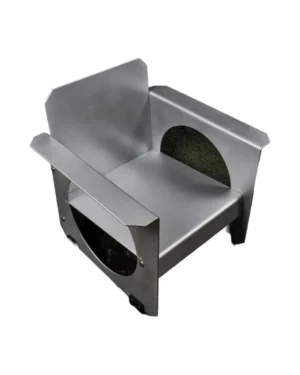
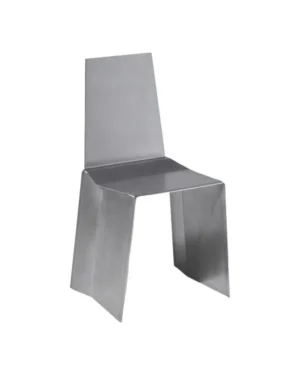
Camber – Stainless Steel Chair
By Paul Coenen
€1.121 -
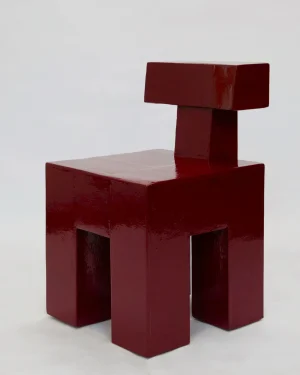
The Practice Chair
By Studio Fabius Clovis
€2.200 This product has multiple variants. The options may be chosen on the product page -
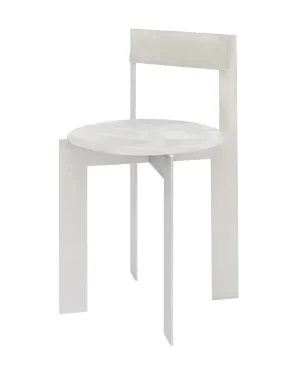
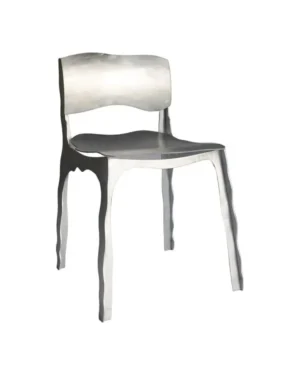
Object111 – Aluminum Chair
By NG DESIGN
€333 -

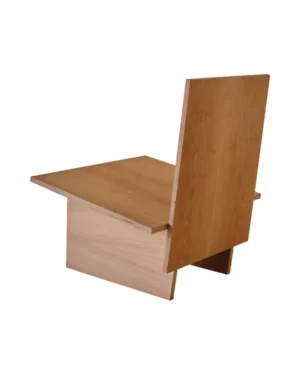
Lumbarchair Accent Chair
By FlatFlat
€429 -
 In stock
Loungechair
By FlatFlat
€515 -
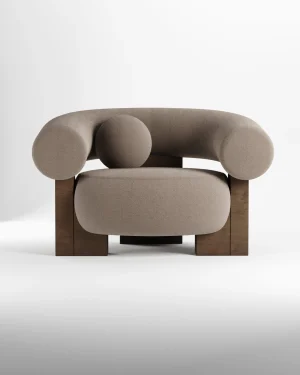
Cassette – Upholstered Lounge Chair
By Alter Ego Studio
€5.860 -

Twisted – Velvet Armchair
By Deya
€4.302 -
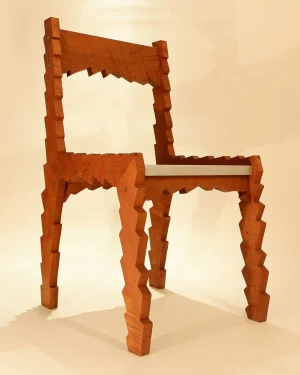
Shocking Chair – Stained Oak Wood Dining Chair
By Josh Page Studio
€940 -
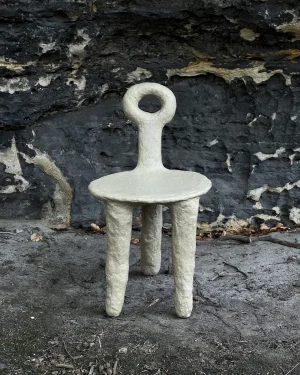
Sandstone Chair
By David Čáp
€1.000 -

A_forma Chair
By AROUND
€900 -
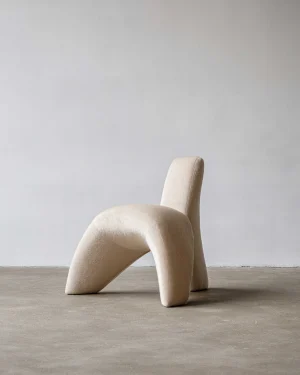
Sokil Armchair
By ZEMNA
€1.780 -
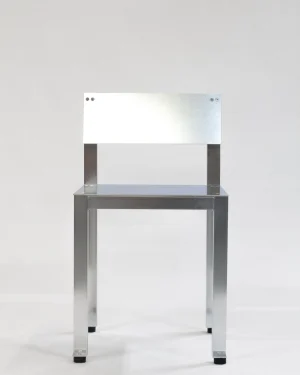 In stock
Canto – Aluminum Dining Chair
By Luiz Solano
€840 -

Dessert – Steel Chair
By SALAK Studio
€790 -

Vaga Chair
By Rosana Sousa
€2.820 -

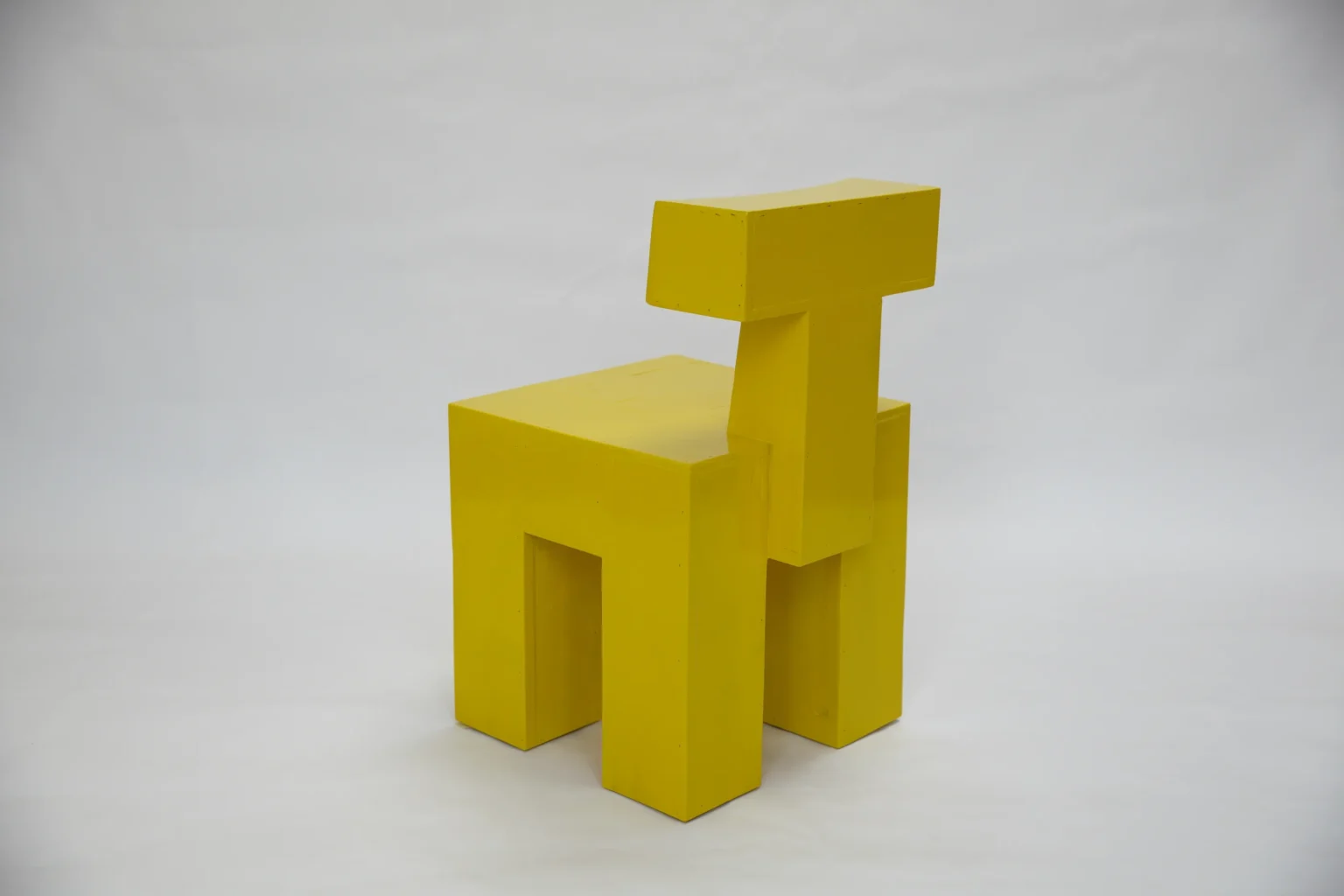
Bold Shkam Chair – Yellow
By SHAPE & SHADE
€333 -

010 – Lounge Chair
By OFAA
€3.000 -
 In stock
Núcleo Massiva — Ebony Wood And Resin Chair
By DONÓ Design
€2.271 -
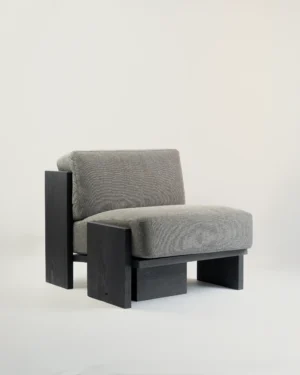 In stock
Brut Lounge Chair | Re-enchantment
By małe dobra
€1.500 -
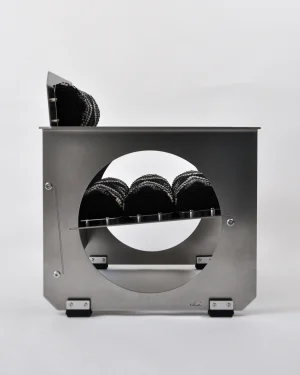
D400 Armchair – Black Mamba – Matte Stainless Steel
By MLK Furniture
€7.590 -

Arco Massiva — Ebony Wood, Cast Aluminum And Velvet Chair
By DONÓ Design
€2.729 -

Kut – Accent Chair
By SABAN FURKAN
€3.400 -
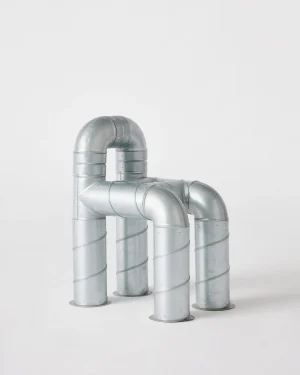 In stock
O.F.I.S Series, Steel Chair
By Lucas Muñoz Muñoz
€1.200 -
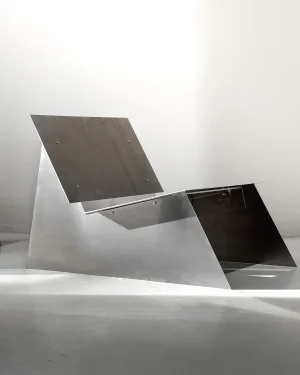 In stock
Aluminium Lounge Chair
By case studios
€1.571 -
 In stock
Heimatlos Chair
By em ef studio
€1.600 -
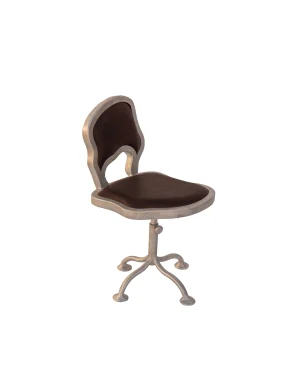
Office Chair
By Six Dots Design
€2.450 -
 In stock
Vintola Dining Chair, Tiger Mountain Velvet – Dedar, Walnut Wood
By Vintola Studio
€1.400 -
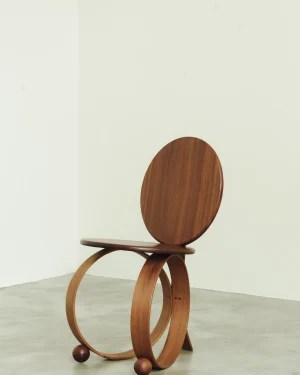
Yara – Bent Wood Chair
By PROSA
€3.200 -

Bend – Upholstered Armchair
By Alter Ego Studio
€4.880 -
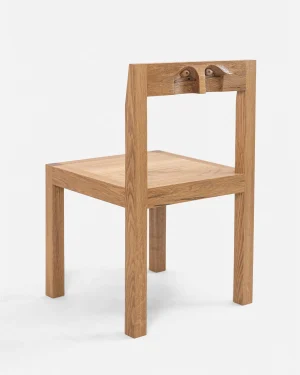
Stele – Oak Wood Chair
By Molor Tumen-Ulzii
€3.000 -
 In stock
Ciénega Chair
By Tana Karei
€2.397 -
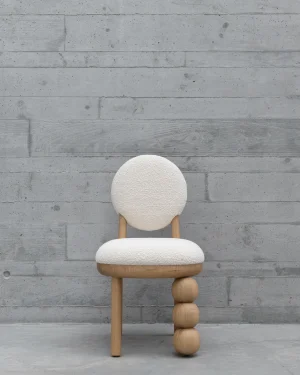
The Three Ball Leg Chair
By Joana Teixeira
€2.200 -
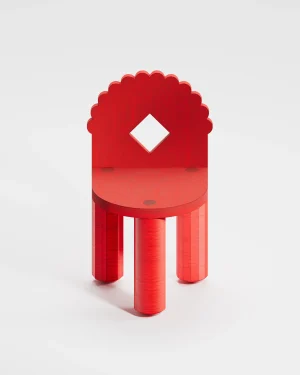
Bold Shkam Chair – Red
By SHAPE & SHADE
€333 -

Jell – Asymmetric Armchair
By Alter Ego Studio
€7.220 -
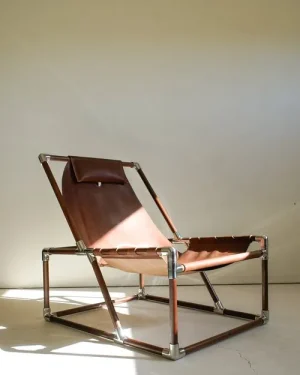
Marina Sling – Lounge Chair
By CHANDLER MCLELLAN
€2.588 -
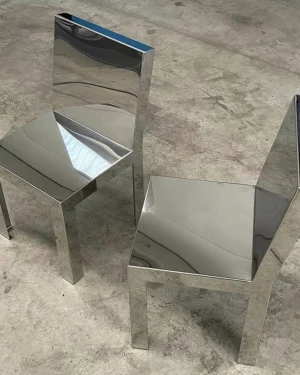 In stock
Sedia 1 – Mirror Polished Stainless Steel Chair
By Julia Chiaramonti
€5.500 -
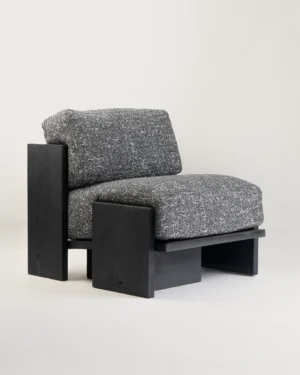 In stock
Brut Lounge Chair | 2.0 Edition
By małe dobra
€1.500 -
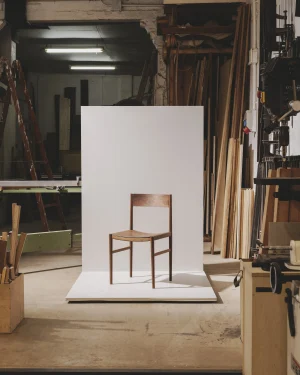
Ash Fina Chair
By Mike Hausmann
€2.400 -
5% off

Armchair Tobo
By Alter Ego Studio
€4.220€4.010 This product has multiple variants. The options may be chosen on the product page -
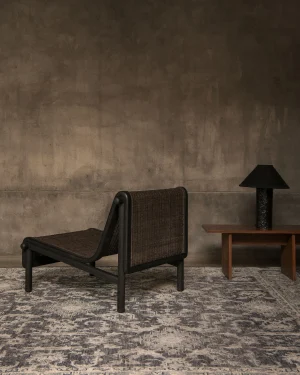
Rahi Lounge Chair
By Project 810
€1.500 This product has multiple variants. The options may be chosen on the product page -
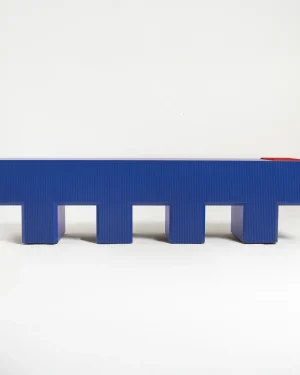
Lego Bench With Storage Slot
By Yet Design Studio
€2.990 This product has multiple variants. The options may be chosen on the product page -

Ruva Chair
By AEXIO
€825 -
 In stock
Kafka Sofa
By Arbore x Cezar Moldovan
€16.200 -
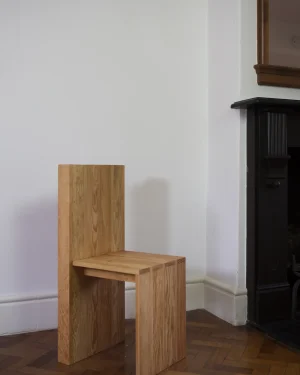
La Curva – Minimalist Wood Chair
By Jaclyn Pappalardo
€940 -
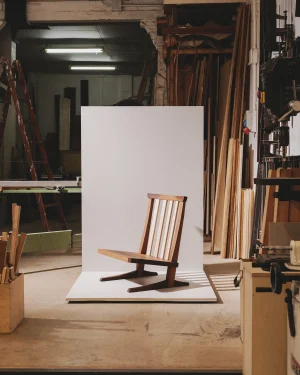
Naka Chair
By Mike Hausmann
€6.280 -
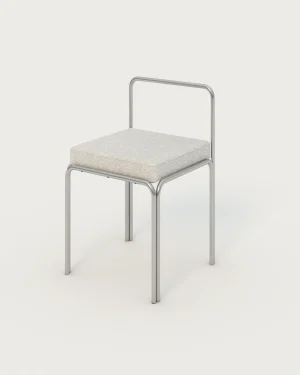
Sali – Upholstered Chair
By SALAK Studio
€620 This product has multiple variants. The options may be chosen on the product page -

Voron Chair
By ZEMNA
€7.400 -

Sitting Bull – Stainless Steel Accent Chair
By ORFEO STUDIO
€5.800 - €6.200 This product has multiple variants. The options may be chosen on the product page -
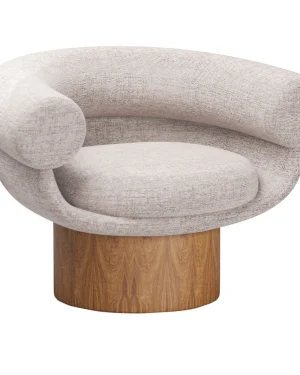
Bowl Armchair
By Alter Ego Studio
€5.500 - €5.550 This product has multiple variants. The options may be chosen on the product page -

Cas Chair
By Daniel Couttolenc
€2.250 - €2.450 This product has multiple variants. The options may be chosen on the product page -

Blotti Daybed
By Marie-Marie Defour
€7.000 -

Rounded Edges Aluminum Chair
By LESORR
€1.273 This product has multiple variants. The options may be chosen on the product page -
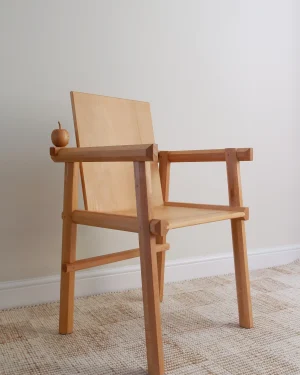
Apple Chair – Beech Wood Arm Chair
By Josh Page Studio
€1.710 -
 In stock
F20 – Armchair
By FabBRICK
€3.965 - €5.044 This product has multiple variants. The options may be chosen on the product page -
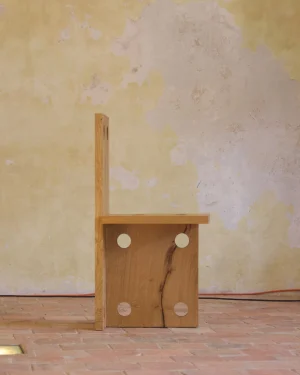 In stock
Sensitive Wood – Domino Chair
By Vital Lainé
€1.000
Minimalist chairs reduce seating to its working parts: a seat, a back, legs or a single bent plane, with no extra molding or ornament. Studios working this way favor oak, pine, plywood, aluminum and stainless steel, often leaving the material visible rather than hidden under upholstery. The result is a chair that reads as one clear gesture, made by joinery, metalwork or hand-building rather than by decoration.
What defines a minimalist chair
A minimalist chair is defined by restraint in both line and finish. Wood pieces tend to keep straight or gently tapered legs, visible joints, and a seat shaped only as much as sitting requires. Metal pieces, in aluminum or stainless steel, often rely on a single bent or welded form, letting the material's own sheen stand in for ornament.
Color stays quiet too: off-white, beige, black, and the natural tones of oak or pine show up far more often than saturated hues. Where color does appear, it tends to sit in a textile seat pad, in burgundy, light blue or yellow, rather than across the whole frame. Textile, where used, is usually a plain weave that reads as a single flat tone rather than a pattern.
The range of materials and editions on ADORNO
On ADORNO, minimalist chairs appear in solid oak and pine, in pressed or bent plywood, and in welded or folded aluminum and stainless steel. Some are built by wood and cabinetmaking, with mortise-and-tenon joints left visible at the corners of a seat frame. Others come from metalwork, where a single sheet or rod is bent, welded and ground smooth, or from upholstery and textilework, where a seat pad in beige, brown or off-white textile softens an otherwise bare frame.
Editions vary by studio and by piece. Some chairs are produced as open editions, made to a repeatable template; others exist as limited editions in small runs, or as unique pieces finished individually by hand. None of this changes the underlying logic of the design, only how many versions of it exist.
How to choose a minimalist chair
Start with scale: a chair with slim legs and a narrow back reads lighter in a small room than a solid block of oak, even at the same height. Standard seat height sits around 45 centimeters, so measure against a table or desk before deciding on a dining or office chair.
Finish matters as much as form. A raw or lightly oiled oak chair will darken and show marks over years; a painted or powder-coated metal one holds its color longer but shows chips rather than patina. Decide placement before finish: a chair that moves daily, in a kitchen or workspace, benefits from a more forgiving surface than one kept mostly for sitting quietly in a corner.
- For dining tables, match seat height and legroom to the table, not just the style.
- For desks and reading corners, prioritize a back height that supports the shoulders.
- For occasional seating, a lighter, more sculptural frame tends to suit smaller rooms better than a solid wood block.
Where minimalist chairs work
These chairs suit living room settings where a single clean silhouette can stand against soft furnishings without competing for attention. They also work well at a dining table, repeated around the same surface, where their plain lines let the table and tableware carry the visual weight.
Caring for wood and metal finishes
Oak and pine chairs should stay away from direct heat and standing water, which can warp joints or dull a waxed surface; an occasional wipe with a dry or barely damp cloth is usually enough. Wooden chairs left unfinished will darken slightly with light and handling, which is normal aging rather than damage.
Aluminum and stainless steel frames, found among metal chairs, resist moisture well but can show fingerprints and light scratches on a polished surface; a soft cloth keeps the finish even. For the full range of pieces built around this style, see every minimalist design on ADORNO, or start from all chairs and narrow by material or room from there.
How do I choose a minimalist chair?
Look at the line first: a single material, a clear silhouette, joints or welds left visible rather than hidden. Wood suits warmth and daily use, aluminum or steel suit a cooler, sharper read.
What materials are minimalist chairs usually made from?
Oak, pine and plywood appear most often, alongside aluminum and stainless steel, sometimes paired with plain textile upholstery. Each material is left close to its natural state rather than disguised.
How do I care for a wood or metal minimalist chair?
Wipe wood with a dry or slightly damp cloth and keep it from direct heat so it does not crack. Metal needs only occasional dusting and a dry wipe if it gets wet.
What size and seat height should I expect?
Most minimalist chairs follow standard dining or desk height, around 17 to 19 inches to the seat, built to sit comfortably at a standard table. Exact dimensions vary by piece and maker.
Which rooms suit minimalist chairs best?
Their plain lines work in dining rooms, home offices and living rooms where one quiet piece can carry a space without competing with other furniture or art.
How does shipping, returns and authenticity work on ADORNO?
Shipping is insured and worldwide, with 14 days to return a piece unless it is made to order. Every piece ships with a certificate of authenticity and ADORNO's lowest-price guarantee.