








-
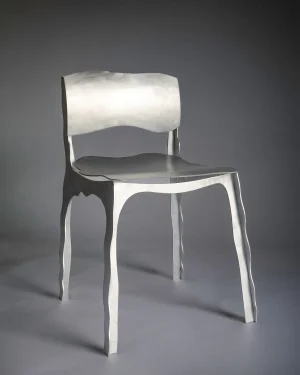
Contemporary Vanity Chair V2
By Six Dots Design
€920 -
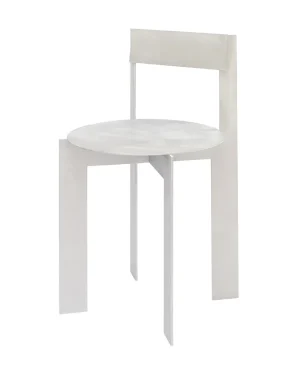
Object111 – Aluminum Chair
By NG DESIGN
€333 -
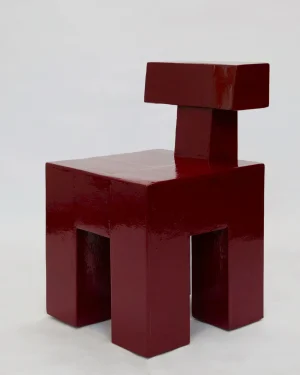
The Practice Chair
By Studio Fabius Clovis
€2.200 This product has multiple variants. The options may be chosen on the product page -
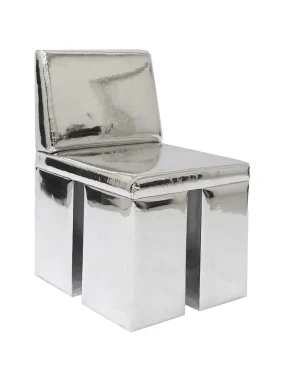
Object106 – Upholstered Chairs
By NG DESIGN
€585 - €1.115 This product has multiple variants. The options may be chosen on the product page -
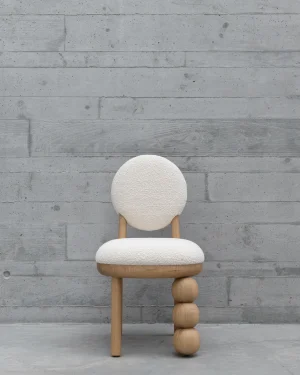
The Three Ball Leg Chair
By Joana Teixeira
€2.200 -

Lumbarchair Accent Chair
By FlatFlat
€429 -
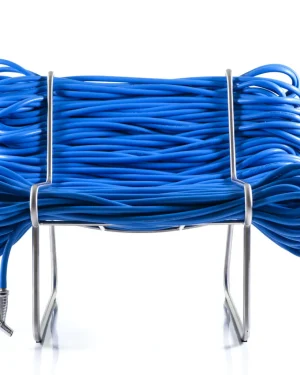
Super Jardim Armchair
By Cultivado em Casa
€4.549 This product has multiple variants. The options may be chosen on the product page -
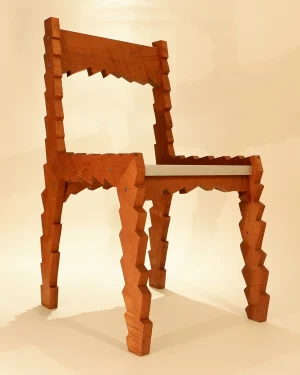
Shocking Chair – Stained Oak Wood Dining Chair
By Josh Page Studio
€940 -
 In stock
Splitted Dining Chair
By Teun Zwets
€1.765 This product has multiple variants. The options may be chosen on the product page -
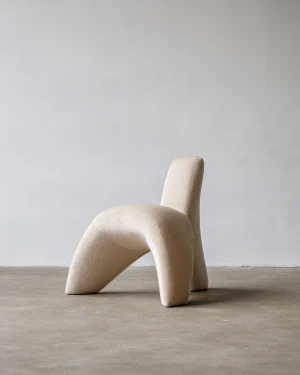
Sokil Armchair
By ZEMNA
€1.780 -
 In stock
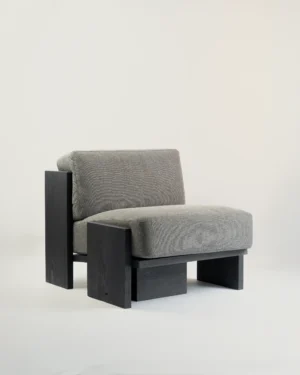
Brut Lounge Chair | Re-enchantment
By małe dobra
€1.500 -
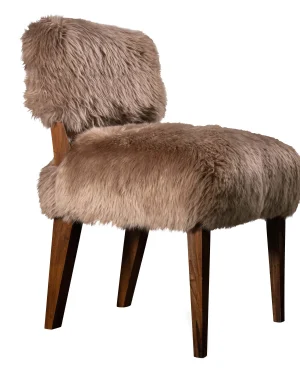
Bruno Ovino – Modern Dining Chair In Exotic Wood And Sheepskin
By Costantini Design
€1.748 -

Mid-century Heart Chair In Plushy Bordeaux, Dedar,europe, 1960s
By Vintola Studio
€1.050 -
 In stock
Loungechair
By FlatFlat
€515 -

Lapis – Lounge Foam Chair
By Pablo Octavio
€3.100 This product has multiple variants. The options may be chosen on the product page -
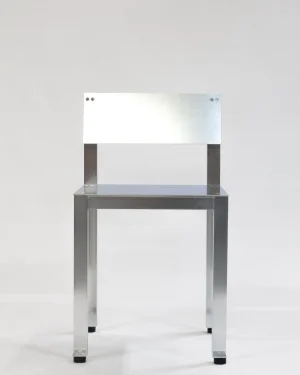
Canto – Aluminum Dining Chair
By Luiz Solano
€840 -

Dessert – Steel Chair
By SALAK Studio
€790 -

A_forma Chair
By AROUND
€900 -
5% off

Armchair Tobo
By Alter Ego Studio
€4.220€4.010 This product has multiple variants. The options may be chosen on the product page -

Vintola Studio Dining Chair, Casamance Nimbus Leopard Fabric
By Vintola Studio
€1.400 -

010 – Lounge Chair
By OFAA
€3.000 -

Bold Shkam Chair – Yellow
By SHAPE & SHADE
€333 -
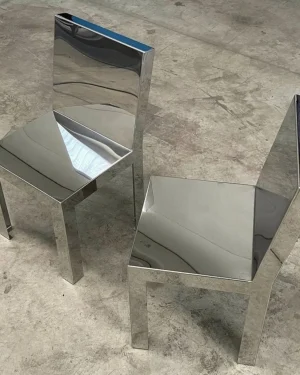
Sedia 1 – Mirror Polished Stainless Steel Chair
By Julia Chiaramonti
€5.500 -
 In stock
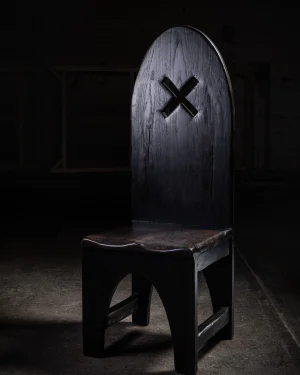
The X Chair
By NO AGE STUDIO
€2.500 -
 In stock
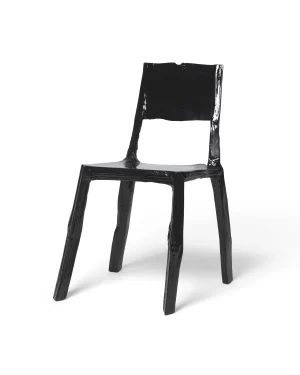
Splitted Dining Chair Black
By Teun Zwets
€1.765 -
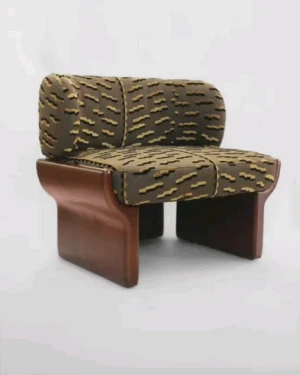
Lucky Armchair Tiger Mountain
By Alter Ego Studio
€5.220 -

Katamaran Rocking Chair
By Viktor Palnychenko
€4.400 -
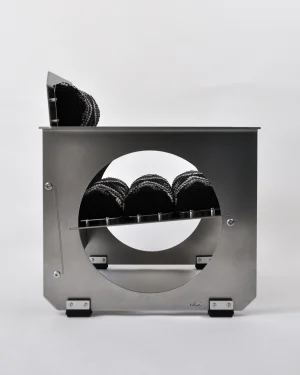
D400 Armchair – Black Mamba – Matte Stainless Steel
By MLK Furniture
€7.590 -

Arco Massiva — Ebony Wood, Cast Aluminum And Velvet Chair
By DONÓ Design
€2.729 -

Kut – Accent Chair
By SABAN FURKAN
€3.400 -
 In stock
Vintola Dining Chair, Tiger Mountain Velvet – Dedar, Walnut Wood
By Vintola Studio
€1.400 -
 In stock
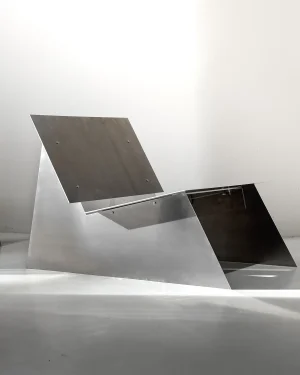
Aluminium Lounge Chair
By case studios
€1.571 -
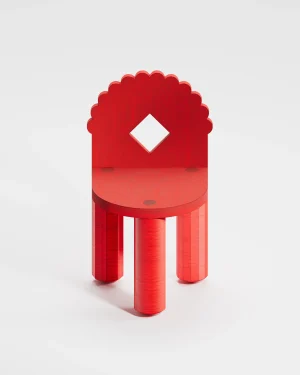
Bold Shkam Chair – Red
By SHAPE & SHADE
€333 -

Binario II – Accent Chair
By SABAN FURKAN
€3.600 -
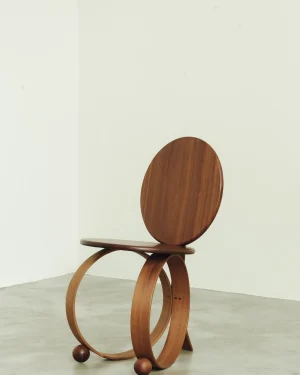
Yara – Bent Wood Chair
By PROSA
€3.200 -
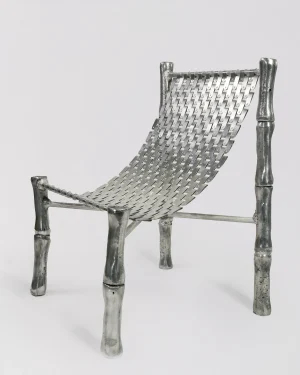
Bone Chair – Aluminum Lounge Chair
By BY JAMPS
€4.000 -

Estratos Chair
By Aldo Montes de Oca
€2.500 -
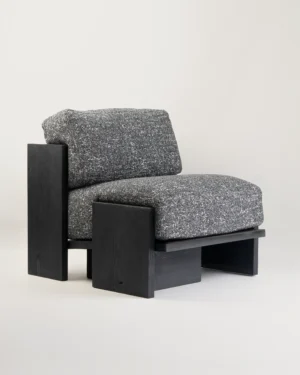 In stock
Brut Lounge Chair | 2.0 Edition
By małe dobra
€1.500 -
 In stock
Block Lounge
By Heaps & Woods
€4.250 - €4.475 This product has multiple variants. The options may be chosen on the product page -

Eocene – Lounge Chair
By Epoche Studio
€5.875 -
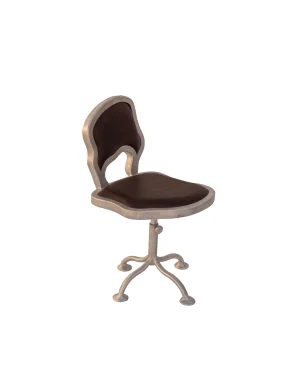
Office Chair
By Six Dots Design
€2.450 -
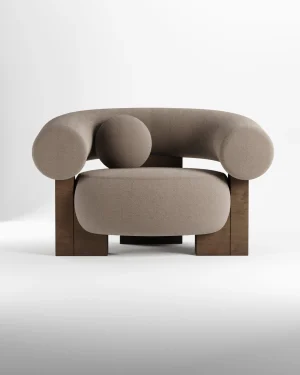
Cassette – Upholstered Lounge Chair
By Alter Ego Studio
€5.860 -
Lucky Armchair
By Alter Ego Studio
€5.220 This product has multiple variants. The options may be chosen on the product page -
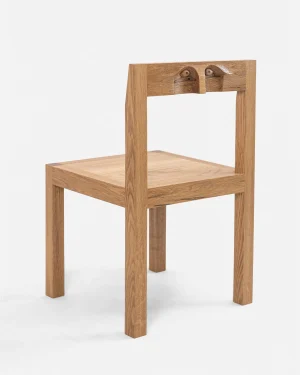
Stele – Oak Wood Chair
By Molor Tumen-Ulzii
€3.000 -
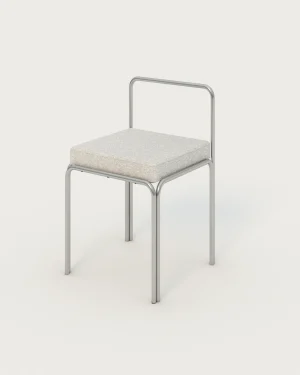
Sali – Upholstered Chair
By SALAK Studio
€620 This product has multiple variants. The options may be chosen on the product page -
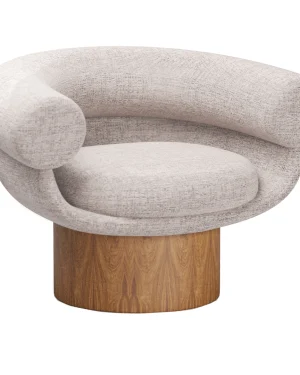
Bowl Armchair
By Alter Ego Studio
€5.500 - €5.550 This product has multiple variants. The options may be chosen on the product page -
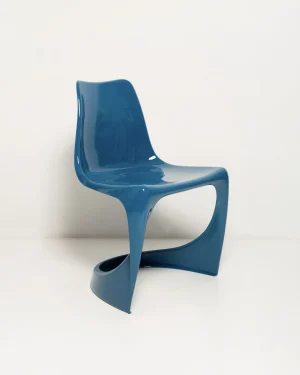
Sea Blue Cado Chair
By Vintola Studio
€900 -

Cas Chair
By Daniel Couttolenc
€2.250 - €2.450 This product has multiple variants. The options may be chosen on the product page -
 In stock
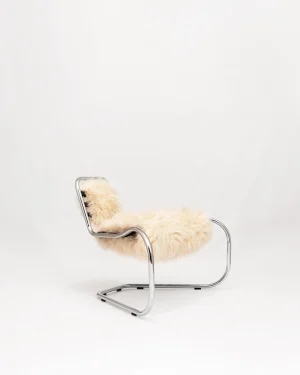
Curvy – Steel & Fur Armchair
By Luca Pasqualotti Architect
€3.885 This product has multiple variants. The options may be chosen on the product page -
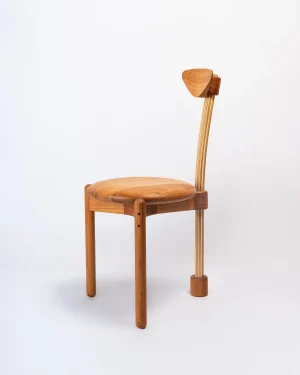
Pipa – Peroba Do Campo Wood Chair
By Estúdio Simbiose
€1.450 -

Lapis – Lounge Chair With Ottoman
By Pablo Octavio
€4.150 This product has multiple variants. The options may be chosen on the product page -
 In stock
F20 – Armchair
By FabBRICK
€3.965 - €5.044 This product has multiple variants. The options may be chosen on the product page -

Voron Chair
By ZEMNA
€7.400 -

Bo Armchair
By Giácomo Tomazzi Studio
€2.300
Modern chairs on ADORNO bring together seating built on a shared set of principles: clean geometry, visible structure, and materials left honest rather than disguised. The studios working in this idiom favor aluminum, steel and oak wood over ornament, and they lean on metalwork, cabinetmaking, upholstery and welding to get a frame or a shell to hold its line. Some pieces come from open editions produced in small runs, others stand as unique pieces, each one slightly different by the maker's hand.
What sets a modern chair apart
A modern chair reads as a single gesture rather than a set of parts. Legs, seat and back tend to share one material or one finish, so the eye follows an unbroken line instead of a joint. Where older chairs hid their frame under padding, modern chairs in metal or wood often leave the structure visible, letting the material itself carry the design.
Proportion does most of the work. A seat pitched slightly back, a backrest angled to meet the spine, armrests set just below elbow height: these small adjustments separate a chair that is comfortable to live with from one that only photographs well.
Materials, finishes and techniques found here
Aluminum and steel chairs are shaped by welding or laser cutting, then finished in matte black, bronze or a raw metal left to show its own grain of use. Wood pieces, in oak or walnut, come from cabinetmaking traditions that favor steam-bent or jointed frames over glued panels, so the chair ages by developing a patina rather than wearing out. Leather and textile seats add upholstery and tufting to the mix, softening a metal or wood frame with color ranges that run from off-white and beige to apple green, yellow and light blue.
- Metal frames: aluminum or steel, welded or laser-cut, left raw or finished in black or bronze
- Wood frames: oak or walnut, worked through cabinetmaking into bent or jointed forms
- Upholstered seats: leather or textile, finished by hand through tufting or stitched panels
- Editions: open editions for repeat pieces, unique pieces where no two chairs match exactly
Anyone drawn to a narrower palette of material and line can look through the full range of modern design across every category, where the same clarity of form carries into tables, lighting and other seating.
Choosing a chair: scale, height, finish
Start with the room it has to fit. A chair meant to pull up to a table needs a seat height close to standard dining proportions and arms, if any, low enough to slide under the tabletop. A chair meant to stand alone in a corner has more room to be sculptural, since it is read from a distance rather than used at close range.
Match the finish to how the piece will be touched. Raw or lacquered metal and sealed wood resist daily handling well, while open-grain wood and pale textile show marks faster and need more consistent care. Where several modern chairs sit around one table, keeping the frame material consistent across the set, even if the seat colors vary, keeps the group from feeling assembled rather than chosen.
Where modern chairs fit
Dining spaces take well to chairs with a firm, upright seat and a frame that can be wiped down after use; a set from the dining room chairs range tends to work this way. Living rooms call for a lower, more generous seat, often upholstered, where comfort over a longer sit matters more than a strict table height; the living room chairs range leans in that direction. A single sculptural chair in aluminum or steel can also stand on its own as an accent piece in an entryway or study, doing the work of a small sculpture as much as a seat.
Caring for metal, wood and upholstered surfaces
Metal chairs ask for little beyond a dry cloth and the occasional check of welded joints and fixings. Oak and walnut frames benefit from a stable room humidity and an occasional oiling or waxing, which keeps the grain from drying out and cracking at the joints. Leather seats soften and darken slightly with use and should be kept away from direct heat, while textile upholstery holds its color better out of strong, direct sunlight.
For a broader look at frame material on its own, the metal chairs range sits alongside the full chairs category, where modern pieces sit next to other styles working in the same materials and techniques.
How do I choose a modern chair?
Start with how the chair will be used, dining, lounging, or accent seating, then let material and silhouette follow. Aluminum and steel frames read sharp and light, while oak, walnut, and upholstered forms carry more visual weight.
What materials are modern chairs made from?
Most are built from aluminum, steel, or wood such as oak and walnut, sometimes paired with leather or textile upholstery. Metal frames stay cool and linear, while wood warms and shifts tone with age.
How do I care for a modern chair?
Wipe metal frames with a dry or barely damp cloth to avoid water spotting, and keep wood out of direct sun to limit fading and drying. Leather and textile upholstery benefit from regular dusting and occasional conditioning.
What size and seat height should I look for?
Dining chairs generally sit between 17 and 19 inches at the seat, allowing clearance under most tables, while lounge chairs sit lower for a reclined posture. The maker can confirm exact measurements on the piece's page.
Which rooms suit modern chairs?
Dining rooms, living rooms, and home offices all take modern chairs well, since the style ranges from upright dining forms to deeper lounge silhouettes. Choose scale and material to match the room's existing weight and light.
How does shipping, returns, and authenticity work at ADORNO?
Shipping is insured and worldwide, with a 14-day return policy on all but made-to-order pieces. Every piece arrives with a certificate of authenticity, backed by ADORNO's lowest-price guarantee.