







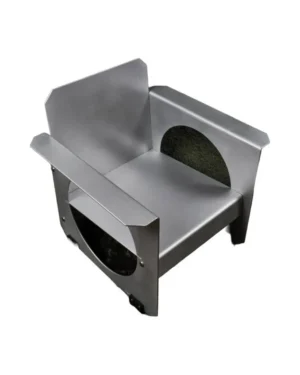

-
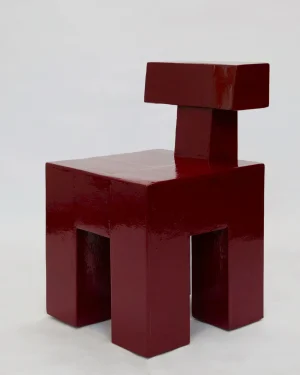
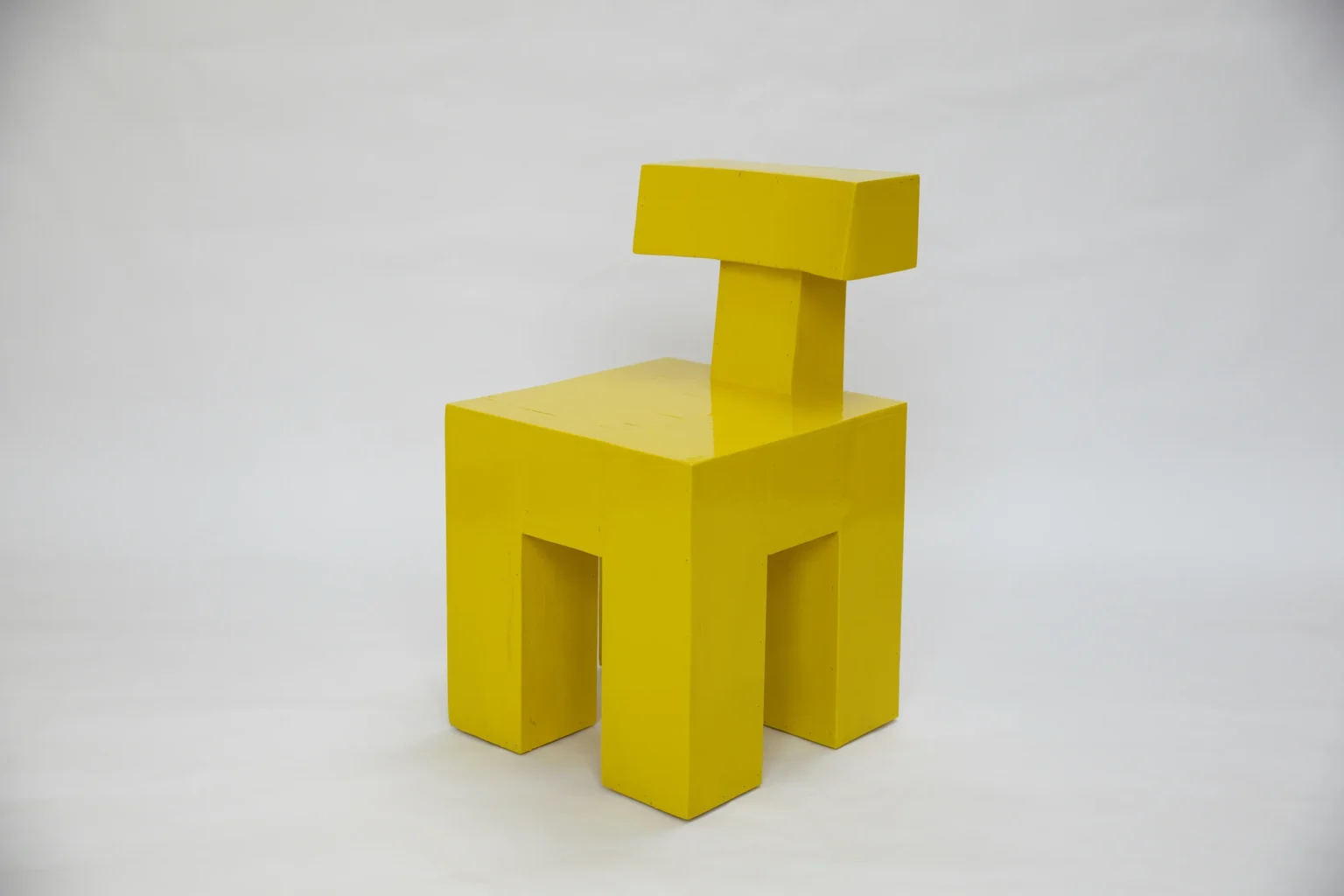
The Practice Chair
By Studio Fabius Clovis
€2.200 This product has multiple variants. The options may be chosen on the product page -
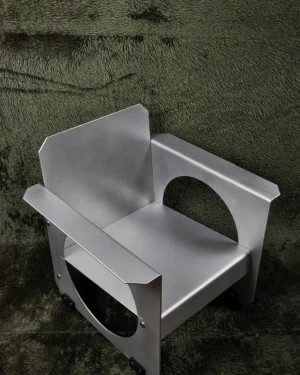
D400 Armchair – Matte Aluminium
By MLK Furniture
€2.290 -

Bold Shkam Chair – Yellow
By SHAPE & SHADE
€333 -
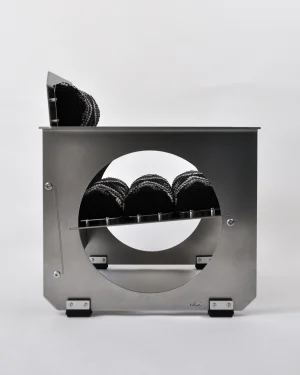
D400 Armchair – Black Mamba – Matte Stainless Steel
By MLK Furniture
€7.590 -
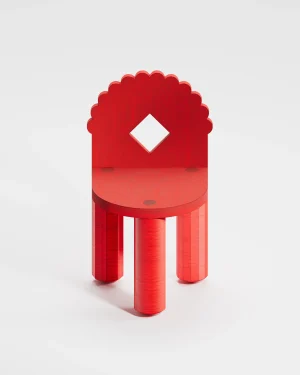
Bold Shkam Chair – Red
By SHAPE & SHADE
€333 -
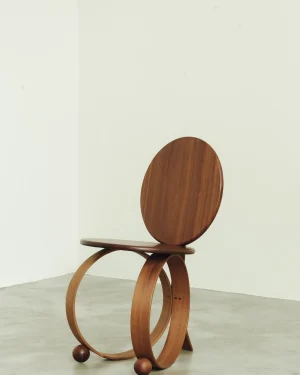
Yara – Bent Wood Chair
By PROSA
€3.200 -

Heimatlos Chair
By em ef studio
€1.600 -

Sitting Bull – Stainless Steel Accent Chair
By ORFEO STUDIO
€5.800 - €6.200 This product has multiple variants. The options may be chosen on the product page -
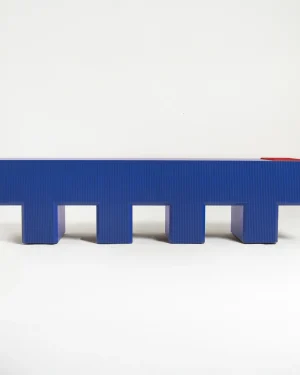
Lego Bench With Storage Slot
By Yet Design Studio
€2.990 This product has multiple variants. The options may be chosen on the product page -
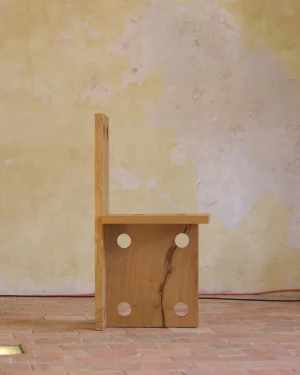
Sensitive Wood – Domino Chair
By Vital Lainé
€1.000 -
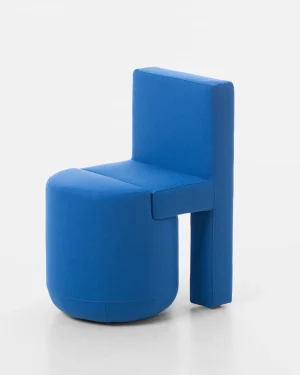 In stock
Fossil Dining Chair
By oitoproducts
€1.534 -
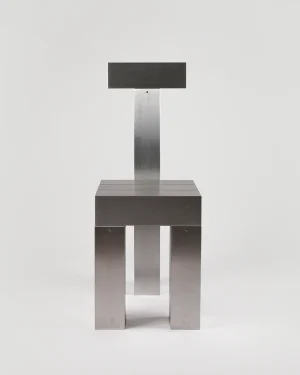
Garriga Chair
By Lucas Cambier
€3.500 -
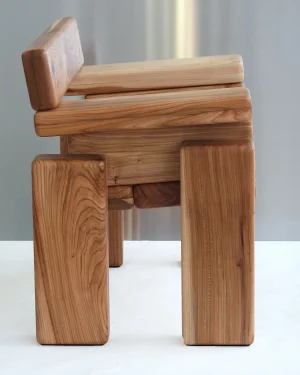 In stock
Timber – Elm Wood Armchair
By Studio Onno Adriaanse
€3.719 -

Bold Shkam Chair – Blue
By SHAPE & SHADE
€333 -
 In stock
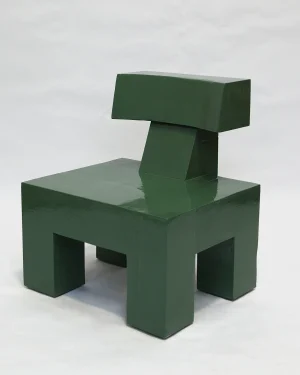
Practice Lounge Chair
By Studio Fabius Clovis
€2.895 -

Birch Chair
By Petra Madalena
€1.120 -
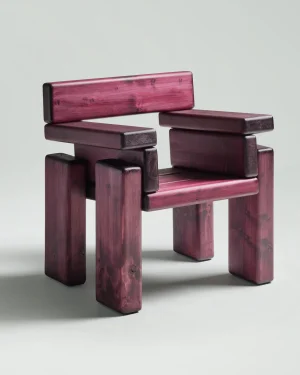
Timber – Pine Armchair
By Studio Onno Adriaanse
€3.224 -
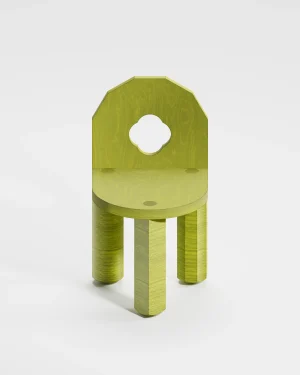
Bold Shkam Chair – Green
By SHAPE & SHADE
€333 -
 Sold
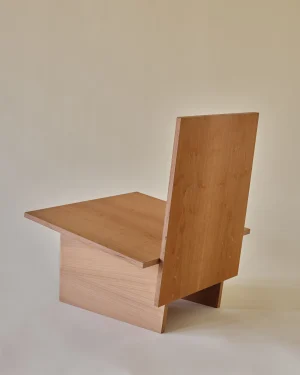
SoldDon – Minimalist Cherry Plywood Lounge Chair
By Mock Studio
€1.200
Geometrical chairs build seating around straight lines, repeated angles and pared volumes rather than curved, organic forms. Studios working in metal, plywood and lacquered wood favor this approach because flat panels, bent tubing and welded frames hold a geometric line more cleanly than molded shapes. The result is a chair that reads as a drawing first, a seat second.
What shapes a geometrical chair
Most pieces in this shape start from a small set of forms: the cube, the triangle, the cylinder, the flat plane. A seat might be a single bent sheet of steel, a backrest a stack of plywood layers, legs a grid of square-section aluminum. Joinery and metalwork both lend themselves to this kind of construction, since a mortise, a weld or a rivet can hold two flat surfaces at a precise angle without disguising the junction.
Some studios lean toward a brutalist or neo-industrial reading, leaving welds visible and edges square. Others soften the geometry with a radical or eclectic approach, pairing a rigid frame with a rounded cushion or a bright lacquer finish. Either way, the structure stays legible: you can trace how the chair was built just by looking at it.
The range of materials and finishes
Wood, plywood, aluminum and stainless steel turn up most often, sometimes finished in lacquer, sometimes left as birch veneer or natural cherry wood. Color plays a large part in how geometric a chair feels: black, off-white and beige keep the lines quiet, while burgundy, yellow and light blue push the shape forward. Finishes range from a flat matte lacquer to a brushed metal surface that catches light along every edge.
Editions vary by studio. Some geometrical chairs come from open runs, made to a standing specification; others are produced in limited editions tied to a particular batch of material, or exist as unique pieces where no two frames are quite the same. None of this changes the underlying logic of the shape, only how many examples of it exist.
Choosing a chair for scale and placement
Because geometrical chairs rely on sharp lines, scale matters more than it does with softer seating. A chair with a tall, flat backrest can dominate a small room, while a low, boxy frame disappears against a large table. Measure the space where the chair will sit, including the clearance needed to pull it out, before settling on proportions.
Seat height should still follow ordinary rules: around 45 to 48 centimeters for dining use, lower for a lounge chair meant to be sat deep into. Finish is worth testing in the room itself, since a glossy lacquer or polished metal surface reflects light differently depending on the wall color and the direction of the windows.
- Pair angular wood or plywood chairs with other wooden chairs or warm oak and walnut surfaces to soften the geometry.
- Use metal-framed pieces where you want the structure to stay visible against plaster, concrete or stone.
- Group several of the same geometrical chairs around a table for a consistent line, or mix one in as a counterpoint to curved seating elsewhere in the room.
Where these chairs sit in a room
Dining spaces take to geometrical chairs easily, since a repeated angular form around a table reinforces the table's own lines. A set of dining room chairs built this way reads as a single composition rather than individual seats. In a living room, a single sculptural example can work as an accent piece, set apart from softer upholstered seating.
Home offices and reading corners also suit the shape, particularly chairs built from steel or aluminum that carry weight without visual bulk. For a broader sense of how this shape extends beyond seating, the full range of geometrical furniture on ADORNO includes tables and storage pieces built on the same angular logic.
Caring for metal, wood and lacquer finishes
Wood and plywood chairs should stay away from direct heat and damp, since repeated swelling and drying can loosen joints over time; a light wax or oil keeps the surface even. Lacquered pieces need only a soft, dry cloth, as solvents can dull or strip the finish. Metal frames in aluminum or stainless steel resist rust well but benefit from an occasional wipe to remove fingerprints and keep welded joints visible rather than clouded with residue.
For the full spread of angular seating, including benches, stools and lounge pieces, see geometrical seating, or step back to the complete range of chairs on ADORNO. Every geometrical chair, alongside lighting and tables in the same shape, is gathered on the geometrical shape page.
How do I choose a geometrical chair?
Look at the shapes already in the room, angular lines pair well with soft furnishings, while curved geometric forms balance a space full of straight edges. Consider whether the chair needs to carry weight daily or stand as an accent piece.
What materials are geometrical chairs usually made from?
Wood, plywood, metal, aluminum and stainless steel are common, sometimes finished with lacquer or veneer. Each material shapes the geometry differently: metal holds sharp angles, wood softens them with grain and warmth.
How do I care for a geometrical chair?
Wood and plywood want a dry, stable room and an occasional wipe with a damp cloth, away from direct heat. Metal and aluminum frames need only dusting, with a dry cloth to prevent water spots on polished surfaces.
What is the standard height for a geometrical chair?
Seat heights typically sit between 17 and 19 inches, matching standard table and desk heights. The maker can confirm exact dimensions through Chat with the maker on the piece's page.
Which rooms suit geometrical chairs?
Their defined lines work well in dining rooms and studies, where they read as both seating and sculpture. In a living room, one placed against plainer furniture becomes a visual anchor rather than disappearing into it.
What are ADORNO's shipping and return policies?
Shipping is insured and sent worldwide. Returns are accepted within 14 days, except for made-to-order pieces, and every chair arrives with a certificate of authenticity.