-
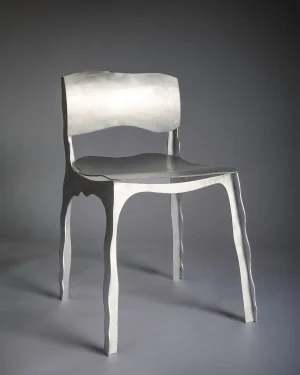
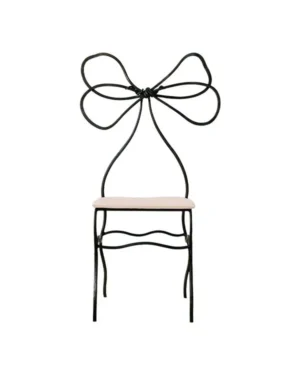
Contemporary Vanity Chair V2
By Six Dots Design
€920 -
 In stock
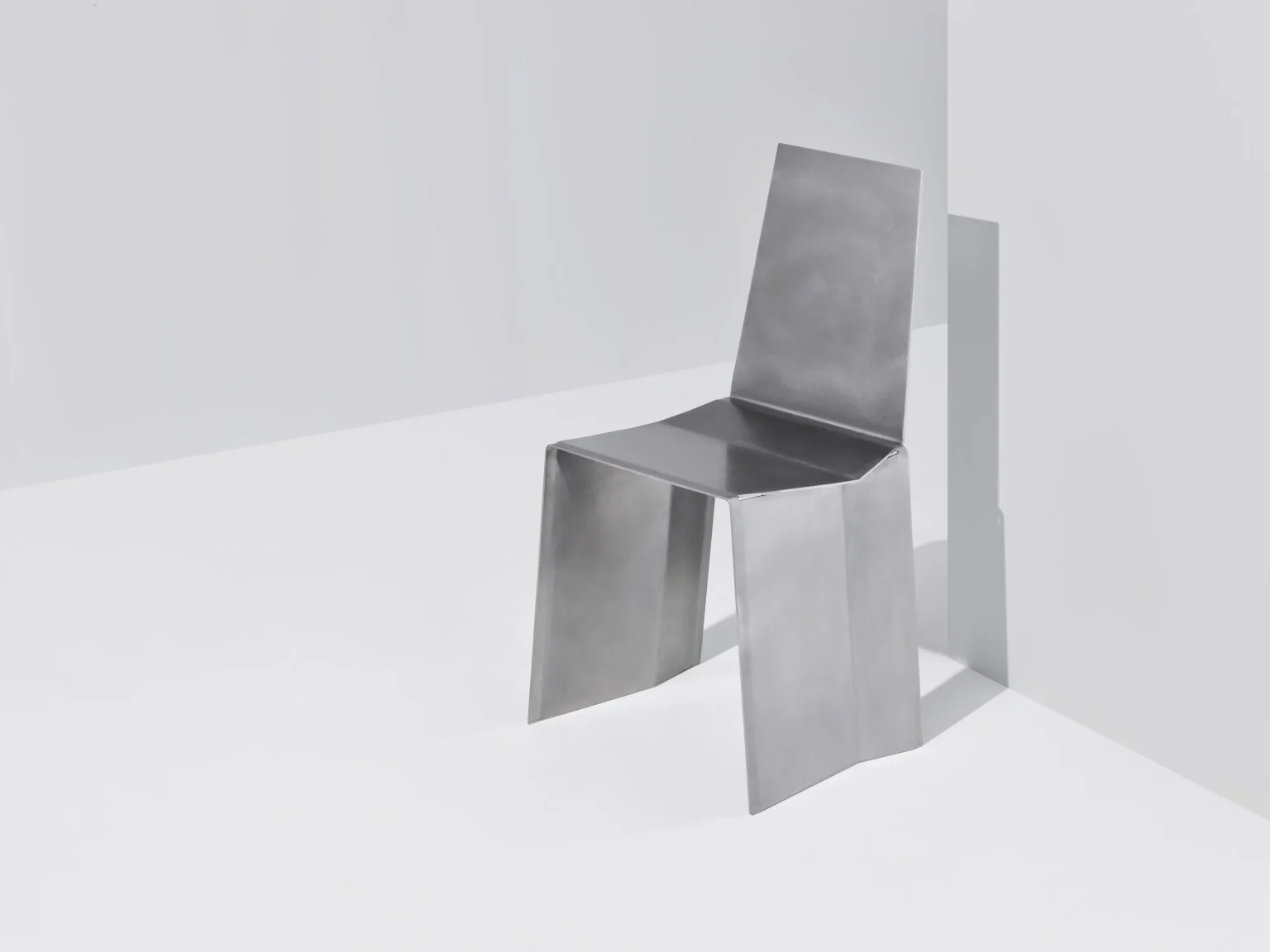
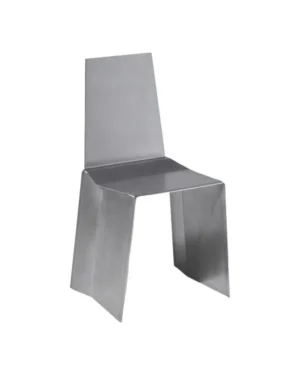
Camber – Stainless Steel Chair
By Paul Coenen
€1.121 -
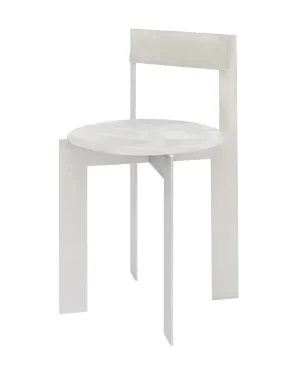
Object111 – Aluminum Chair
By NG DESIGN
€333 -

Dark Side – Aluminum Chair
By ORFEO STUDIO
€5.082 -

Honey – Squiggle Oak Wood Chair
By Deya
€1.492 -
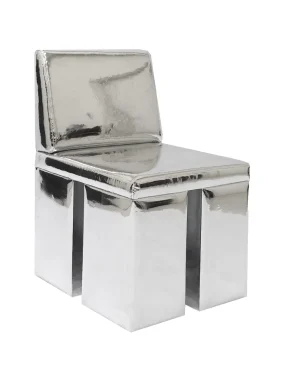
Object106 – Upholstered Chairs
By NG DESIGN
€585 - €1.115 This product has multiple variants. The options may be chosen on the product page -
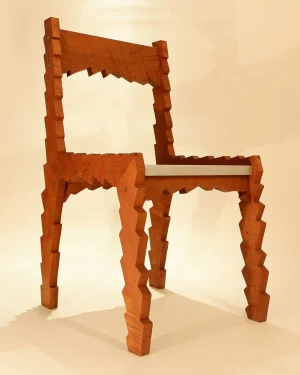
Shocking Chair – Stained Oak Wood Dining Chair
By Josh Page Studio
€940 -
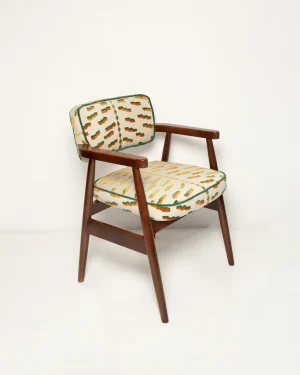 In stock
Classic Dining Chair
By Vintola Studio
€1.250 -
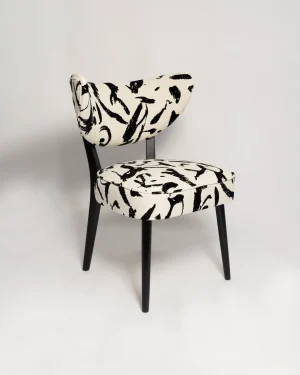
Retro Dining Chair
By Vintola Studio
€1.200 -

Sandstone Chair
By David Čáp
€1.000 -

Sokil Armchair
By ZEMNA
€1.780 -
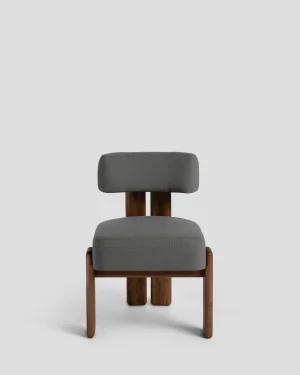
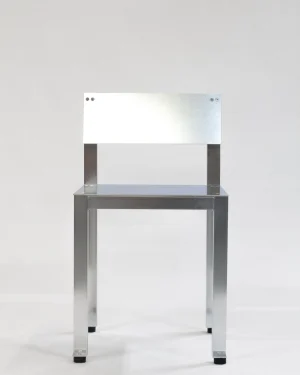
De La Paz Dining Chair
By Comité de Proyectos
€2.380 -
 In stock
Canto – Aluminum Dining Chair
By Luiz Solano
€840 -

Dessert – Steel Chair
By SALAK Studio
€790 -

Vaga Chair
By Rosana Sousa
€2.820 -

Bold Shkam Chair – Yellow
By SHAPE & SHADE
€333 -
 In stock
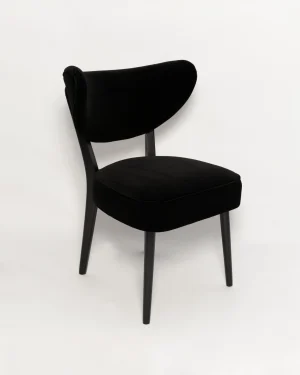
Núcleo Massiva — Ebony Wood And Resin Chair
By DONÓ Design
€2.271 -
 In stock
Retro Dining Chair
By Vintola Studio
€1.160 - €1.200 This product has multiple variants. The options may be chosen on the product page -

Arco Massiva — Ebony Wood, Cast Aluminum And Velvet Chair
By DONÓ Design
€2.729 -
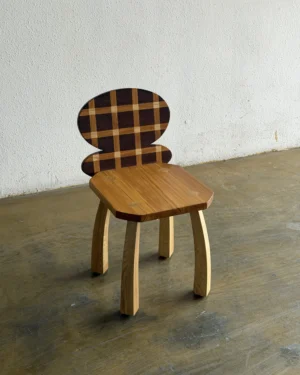
Bend Chair
By STUDIO KALLANG
€2.900 -
 In stock
Vintola Dining Chair, Tiger Mountain Velvet – Dedar, Walnut Wood
By Vintola Studio
€1.400 -
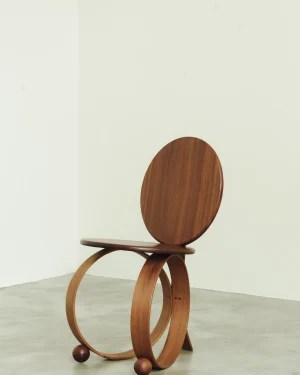
Yara – Bent Wood Chair
By PROSA
€3.200 -
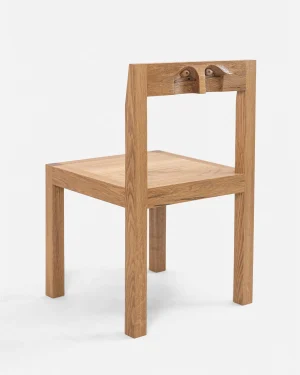
Stele – Oak Wood Chair
By Molor Tumen-Ulzii
€3.000 -
 In stock
Ciénega Chair
By Tana Karei
€2.397 -

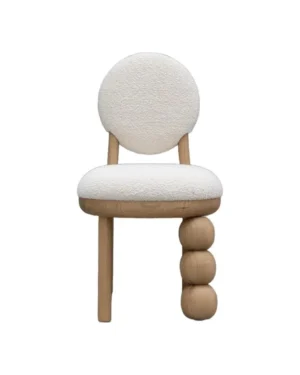
The Three Ball Leg Chair
By Joana Teixeira
€2.200 -
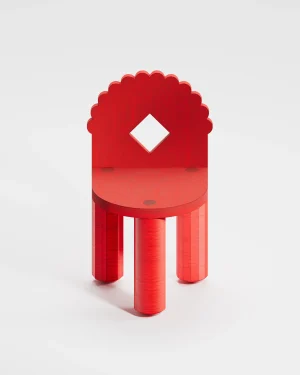
Bold Shkam Chair – Red
By SHAPE & SHADE
€333 -

J O H N | Chair | Stainless Steel
By N I S H
€1.250 - €1.500 This product has multiple variants. The options may be chosen on the product page -
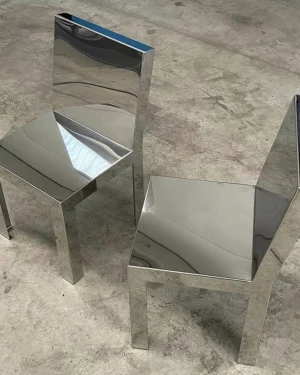 In stock
Sedia 1 – Mirror Polished Stainless Steel Chair
By Julia Chiaramonti
€5.500 -
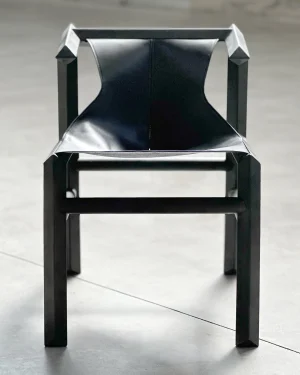
1901 – Black Leather And Wood Dining Chair
By espina corona
€890 -
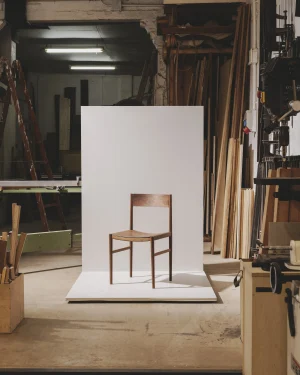
Ash Fina Chair
By Mike Hausmann
€2.400 -
 In stock
Lille Split Chair
By Thomas Gayet
€2.300 -
 In stock
Sea Blue Cado Chair
By Vintola Studio
€900 -

Ruva Chair
By AEXIO
€825 -
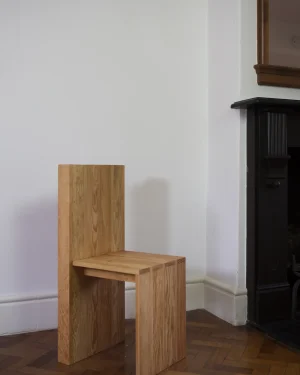
La Curva – Minimalist Wood Chair
By Jaclyn Pappalardo
€940 -
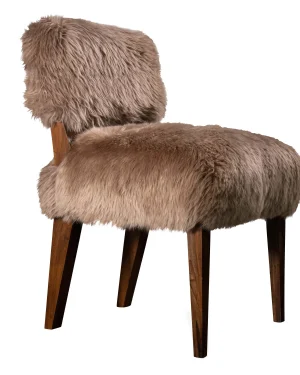 In stock
Bruno Ovino – Modern Dining Chair In Exotic Wood And Sheepskin
By Costantini Design
€1.748 -
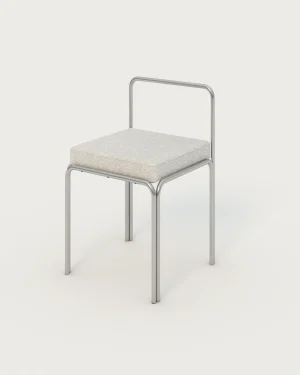
Sali – Upholstered Chair
By SALAK Studio
€620 This product has multiple variants. The options may be chosen on the product page -
 In stock
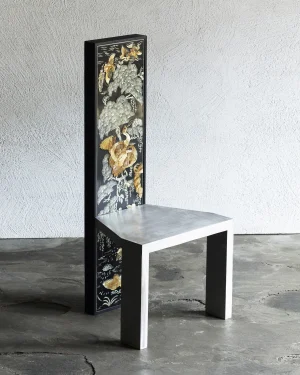
Narrative 001 – Stainless Steel / Wood Chair
By STUDIO KIMBYUNGSUB
€8.000 -
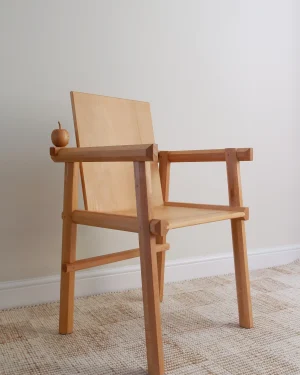
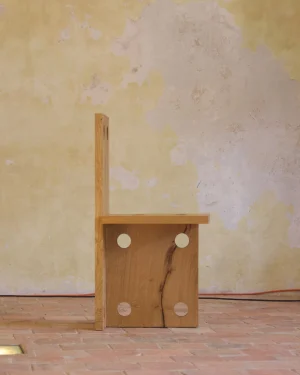
Apple Chair – Beech Wood Arm Chair
By Josh Page Studio
€1.710 -
 In stock
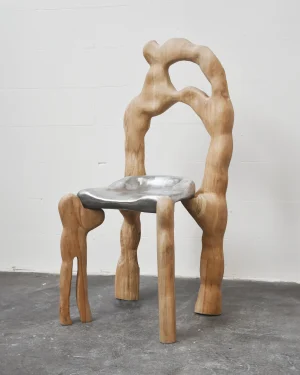
Sensitive Wood – Domino Chair
By Vital Lainé
€1.000 -
 In stock
Tpf Series (the Parasitic Factors) _no.03
By Sai.E Studio
€6.500 -
 In stock
Post & Rung Chair
By Luke Crouch Studio
€1.550 -
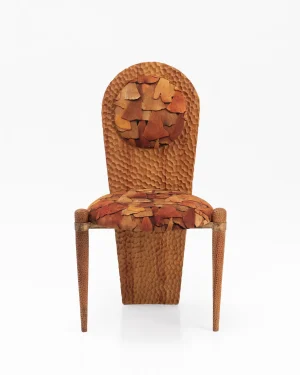
Naughty By Nature – Sculptural Chair
By Odditi
€1.180 -
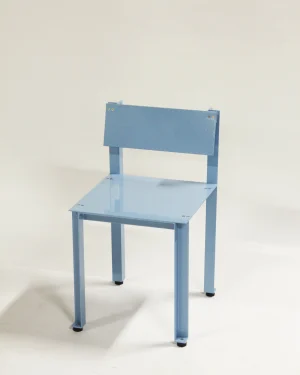
Colored Canto Aluminum Chair
By Luiz Solano
€1.000 This product has multiple variants. The options may be chosen on the product page -

Poppy – Sculptural Oak Chair
By Deya
€1.640 -

Emma Chair
By Tana Karei
€2.050 -
 In stock
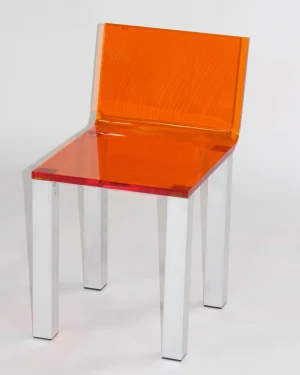
Acrilar – Acrylic Chair I
By Luiz Solano
€840 This product has multiple variants. The options may be chosen on the product page -
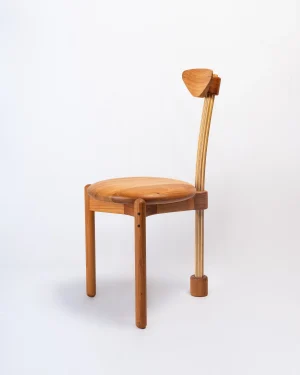
Pipa – Peroba Do Campo Wood Chair
By Estúdio Simbiose
€1.450 -
 In stock
Vintola Dining Chair, Jacquard Velvet, Vintola Studio
By Vintola Studio
€1.400 -
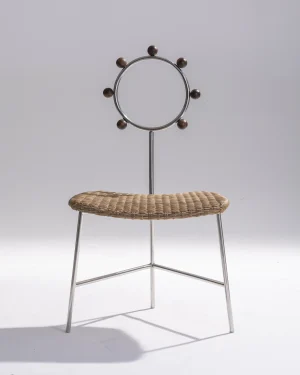
Sol – Stainless Steel And Wicker Chair
By Giácomo Tomazzi Studio
€1.350 -
 In stock
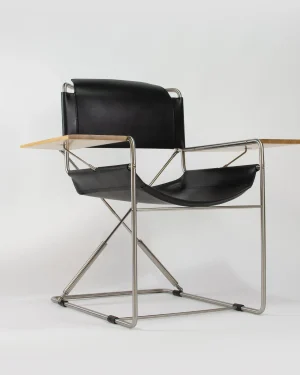
Pneumatic Chair 2
By Szostak Atelier
€5.990 This product has multiple variants. The options may be chosen on the product page -
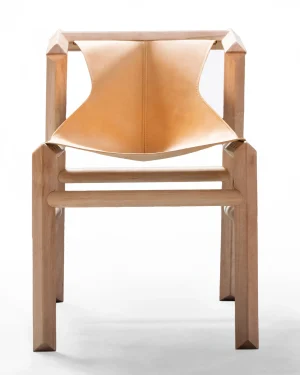
1901 – Cognac Leather And Wood Dining Chair
By espina corona
€890 -
 In stock
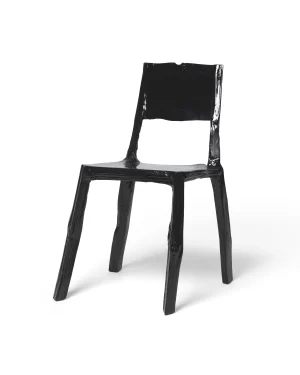
Splitted Dining Chair Black
By Teun Zwets
€1.765 -

Fly Chair
By Tiago Curioni
€1.920 -

Glitch – Stainless Steel Chair
By Nama Home
€3.630
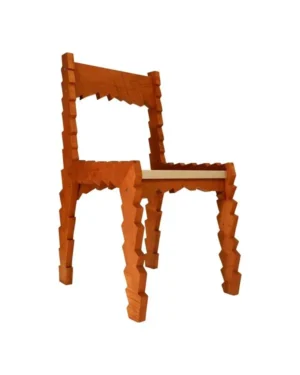
Dining room chairs are built for repeated use at a table: a stable base, a seat height that meets a standard tabletop, and a frame strong enough to be pulled out and pushed in meal after meal. On ADORNO the pieces come from studios working in wood, metal and upholstery, pairing joinery or metalwork frames with woven or cushioned seats. Some are produced in open runs, others in limited editions or as one-off pieces, so the construction and finish vary more than the basic proportions do.
What the material tells you
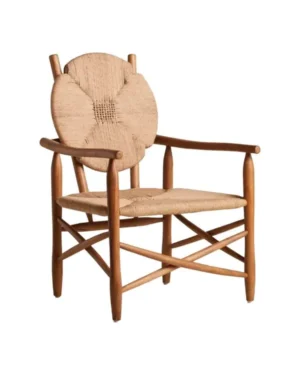
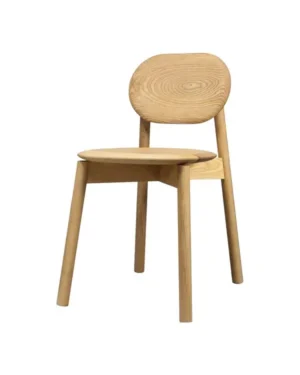
Wood remains the most common choice for a dining chair frame, chosen for the way oak, walnut or ash take a seat joint and carry weight without flexing. Through wood and cabinetmaking, a chair back and legs are shaped, steamed or laminated to hold their line for years, and the surface ages into a deeper, warmer tone with handling and light.
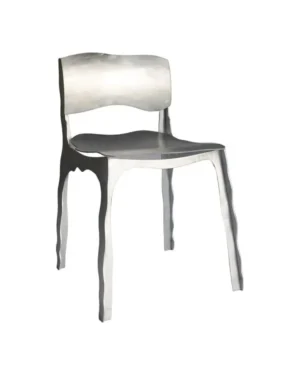
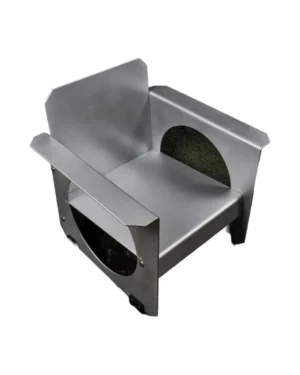
Metal frames, worked in aluminum or stainless steel, answer a different brief: thinner sections, a colder touch, and a silhouette that reads as more graphic against a table. Metalwork lets a studio bend a single continuous line into arms and legs, or weld separate pieces into a frame that stays rigid under daily use. Left raw, aluminum and stainless steel resist rust in a way that untreated steel does not, which matters in a room that sees spills.
Upholstery, color and texture
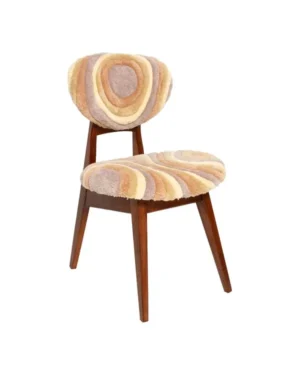
Seats and backs in cotton, viscose or polyester bring the textile side of the chair, applied through upholstery or textilework over a padded shell. Color runs from quiet neutrals, beige, off-white, sand and light brown, through to black, green, red and violet for a chair meant to stand out against a plain table. Textured weaves show less wear around a seat edge than flat ones, a practical point for chairs in daily use.
Styles found here
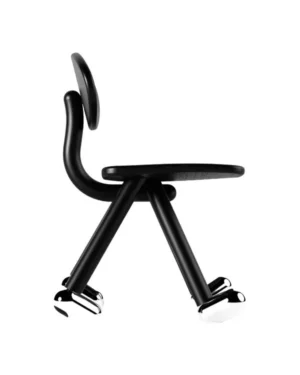
The range spans several ways of approaching a dining chair: mid-century modern forms with tapered legs and gentle curves, minimalist frames reduced to their working lines, brutalist pieces that keep visible joints and raw surfaces, and more eclectic or futuristic shapes built around a sculptural seat or an unexpected material pairing. Editions range from open runs to limited editions and unique pieces, so the same silhouette can exist as a small, numbered batch or as a chair made once.
Choosing a dining chair
Seat height should clear the underside of the table by roughly twelve inches to leave knee room, and armrests, where a chair has them, need to slide under the tabletop edge without catching. Scale matters around a table meant for daily use: a chair that reads as generous on its own can crowd a narrow dining room once six or eight are set side by side.
- Match the frame material to how the room is used: wood for a table that sees daily family meals, metal or lacquered finishes for a room that takes more formal entertaining.
- Keep upholstery tone close to the floor or table finish if the chairs will be seen in a row, and let one or two accent colors carry the contrast instead.
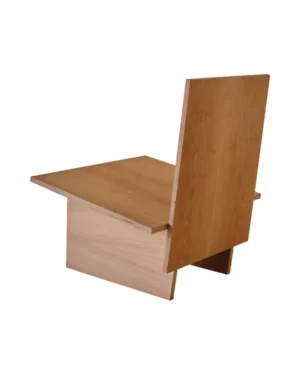
- Check that a chair's depth suits the room: a plywood or metal frame with a slim profile keeps a small dining room from feeling tight.
Living with and caring for the chairs
Wood frames benefit from an occasional wipe with a damp cloth and a yearly feed of oil or wax, kept away from direct heat sources that dry and crack joinery over time. Metal frames need little beyond dusting, though stainless steel holds its finish longer than aluminum in rooms with heavy daily use. Textile seats should be vacuumed regularly and spot-cleaned promptly, since cotton and viscose both mark more readily than synthetic weaves such as polyester.
For the wider set of seating options for a table, see chairs across every material and style, or look at every piece made for the dining room beyond seating alone. Those drawn to a single material can narrow further to wooden chairs or metal chairs, while tables, storage and lighting for the same room sit under dining room furniture.
How do I choose a dining room chair?
Start with the frame material and how it meets the floor, then check the seat height against your table. A chair that carries weight well and sits at a comfortable height will serve daily use longer than one chosen on looks alone.
What materials are dining room chairs made from, and how do I care for them?
Common choices are solid wood, metal and upholstered textile. Wipe wood and metal frames with a dry cloth and keep them away from direct heat, and vacuum or spot-clean fabric and cotton upholstery to keep fibers from matting.
What is the standard height for a dining room chair?
Most dining chairs sit between 17 and 19 inches from floor to seat, leaving about 10 to 12 inches of clearance under a standard-height table. Check a chair's listing for its exact seat height before ordering.
Can dining room chairs be used in other spaces?
Yes, a well-made dining chair works equally at a desk, in an entryway or pulled up as extra seating in a living room. Frame and upholstery choice matter more for comfort than the room it was designed for.
Does ADORNO ship dining room chairs worldwide, and what if I need to return one?
Shipping is insured and reaches customers worldwide. Pieces can be returned within 14 days of delivery, though made-to-order chairs are excluded from returns.
Are the dining room chairs on ADORNO authentic, and can I order a custom piece?
Every chair comes with a certificate of authenticity, and ADORNO offers a lowest-price guarantee. For sizing, finish or custom requests on a specific chair, use Chat with the maker on that piece's page.