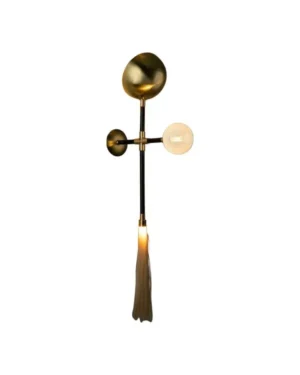
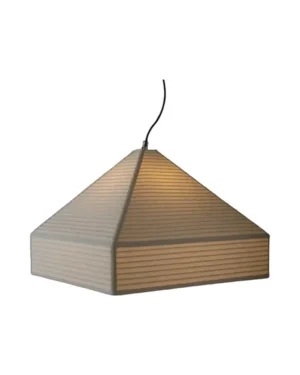
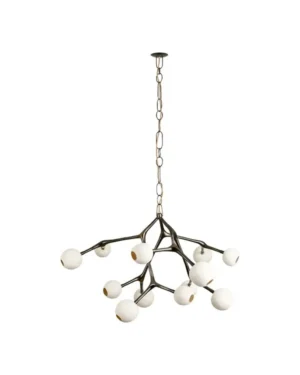
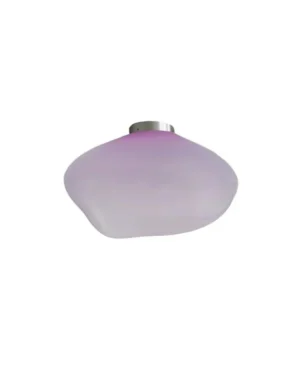





-

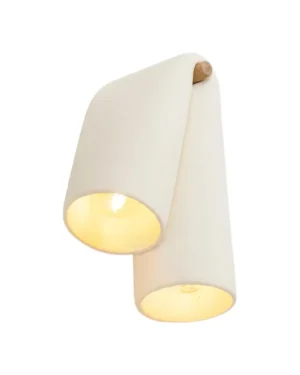
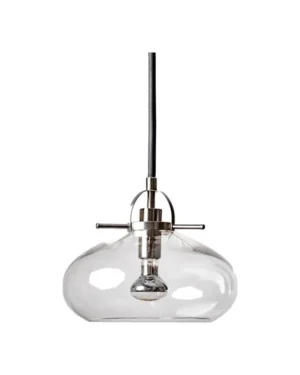
Trn / Model E1 Pendant Lamp in Ceramic
By Pani Jurek STUDIO
€1.430 -
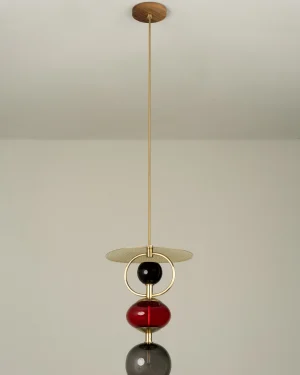
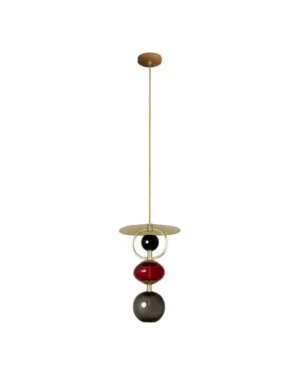
Vitrea Pendant Lamp in Glass and Brass
By Isabel Moncada
€3.802 -
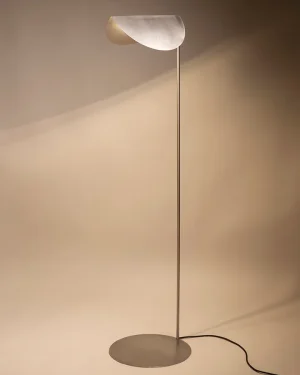
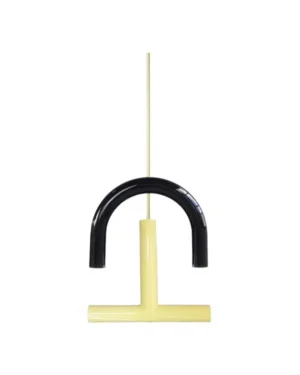
Two Circles No. 1 Floor Lamp in Stainless Steel
By Georgiev Kiril
€995 -
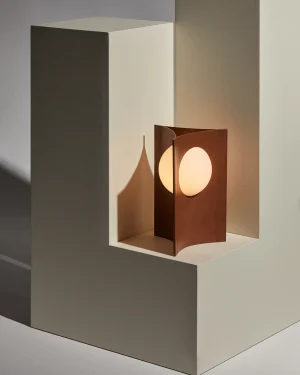
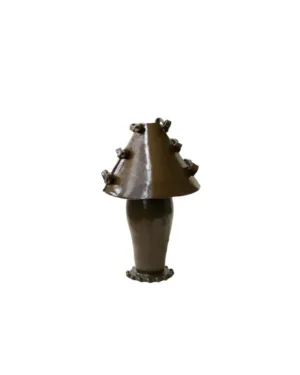
Hecate Table Lamp in Leather and Glass
By Studio Aristotelis Barakos
€480 -

Trn / Model C2 Pendant Lamp in Ceramic
By Pani Jurek STUDIO
€880 -
 In stock
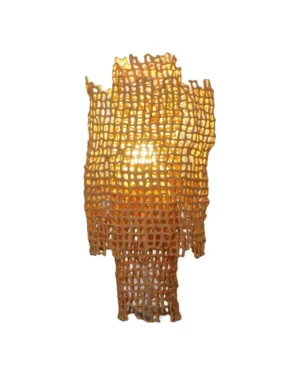
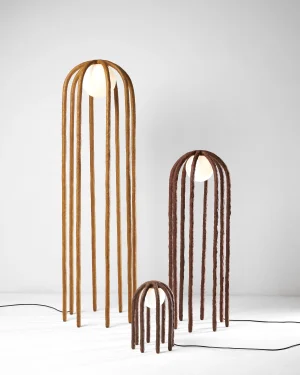
Açafrão and Urucum Floor Lamp in Anatto and Saffron
By Cultivado em Casa
€1.234 - €2.971 -
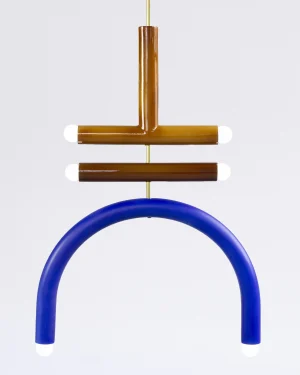
Trn / Model F2 Pendant Lamp in Ceramic
By Pani Jurek STUDIO
€1.600 -
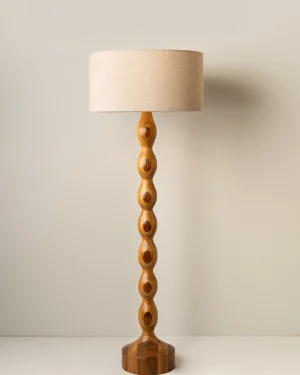
Tamarindo Floor Lamp in Parota Wood and Natural Fibers
By Isabel Moncada
€3.802 -
 In stock
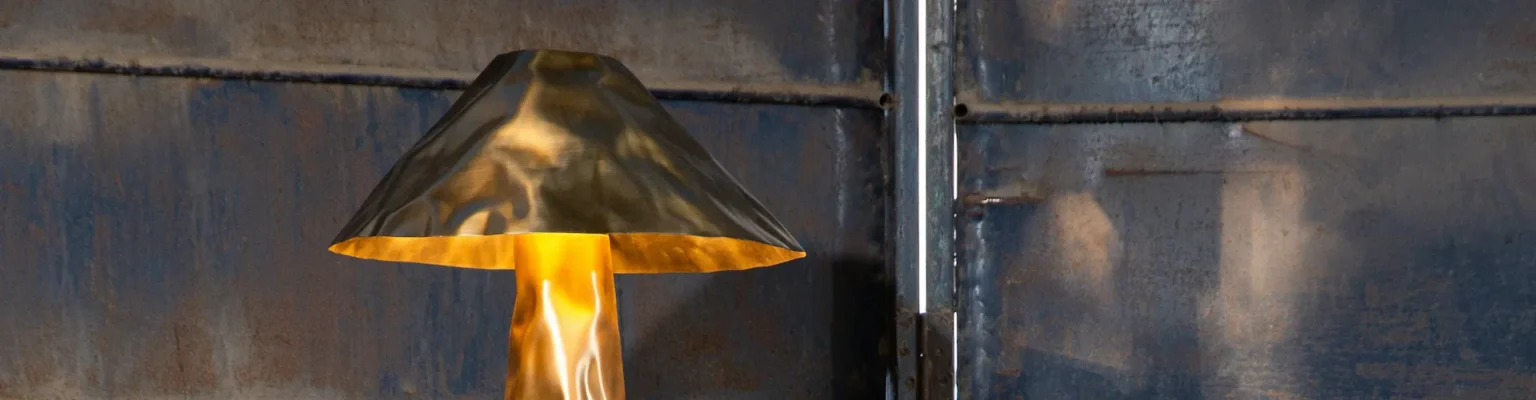
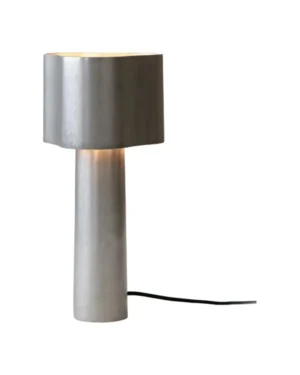
Mushroom Floor Lamp in Stainless Steel
By Nitush and Aroosh
€2.500 -

Trn / Model C1 Pendant Lamp in Ceramic
By Pani Jurek STUDIO
€880 -
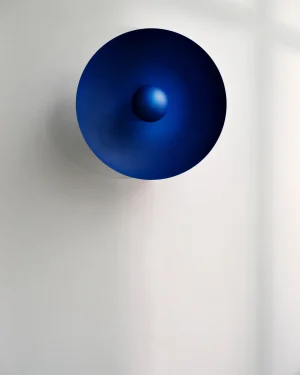 In stock
Blue Moon Wall Lamp in Aluminum
By Anne Nowak
€1.675 -
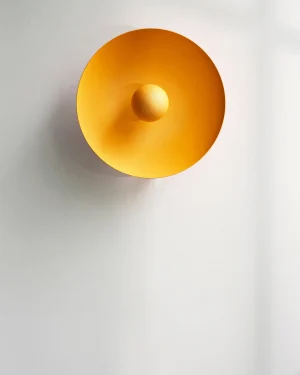 In stock
Sun Wall Lamp in Aluminum
By Anne Nowak
€1.340 -
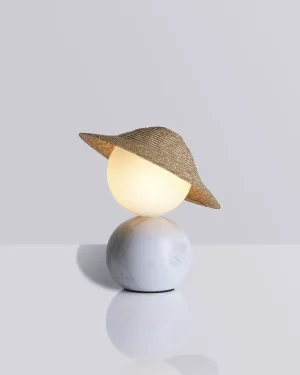 In stock
Théros 0.2 Table Lamp in Blown Glass and Marble
By Studio Aristotelis Barakos
€950 -
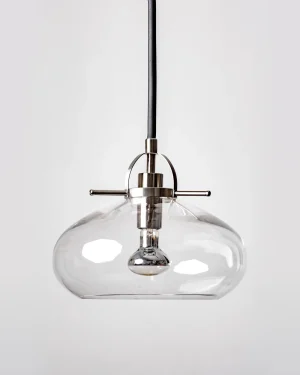 In stock
Art Deco Pendant Lamp in Glass and Stainless Steel
By Szostak Atelier
€1.000 -
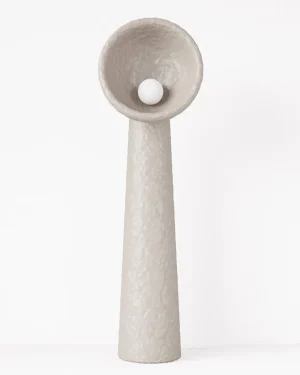 In stock
Soniah Floor Lamp in ZTISTA
By FAINA
€7.000 -
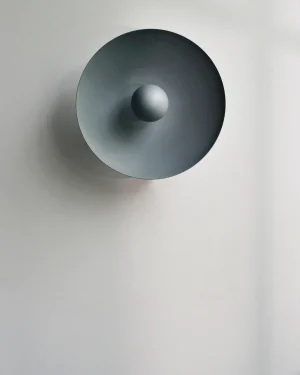 In stock
Grey Moon Wall Lamp in Aluminum
By Anne Nowak
€1.675 -
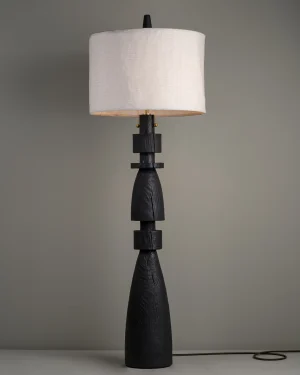
Mezquite Floor Lamp in Pinewood, Linen and Brass
By Isabel Moncada
€4.095 -
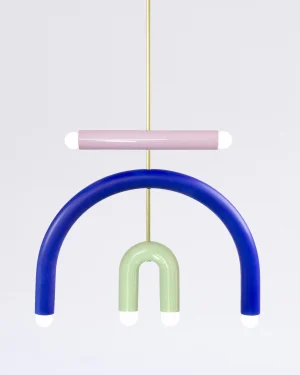
Trn / Model F3 Pendant Lamp in Ceramic
By Pani Jurek STUDIO
€1.600 -

Falcon Floor Lamp in Brass and Oak Wood
By Nathan Chintala
€2.105 -
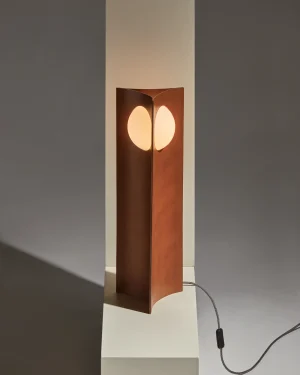
Hecate Floor Lamp in Brown Leather
By Studio Aristotelis Barakos
€610 -
 In stock
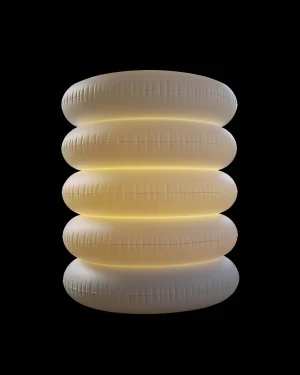
Big Puff Floor Lamp in Polyurethane
By PUFF-BUFF
€690 -
 In stock
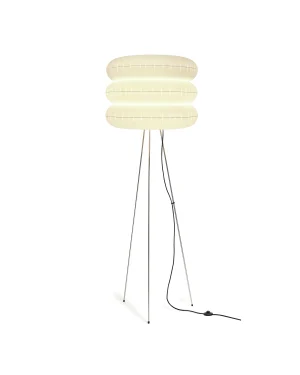
Big Puff Tripod Floor Lamp in Polyurethane and Steel
By PUFF-BUFF
€800 -
 In stock
Handrail Table Lamp in Stainless Steel
By studio re.d
€440 -

Lasso Floor Lamp in Stainless Steel and Glass
By Nitush and Aroosh
€2.850 -
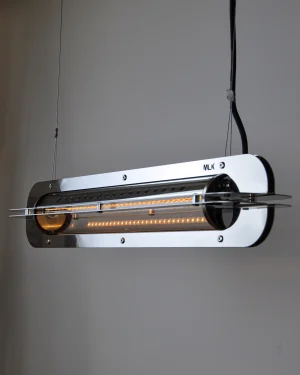
Pill600 Pendant Lamp in Mirror Stainless Steel
By MLK Furniture
€1.090 -
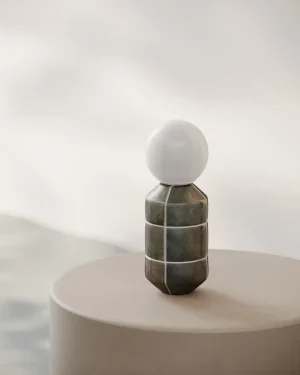 In stock
Navazi Table Lamp in Ceramic
By SVITANOK
€440 - €670 -

Fat Op No. 001 Floor Lamp in Ceramic
By Pani Jurek STUDIO
€1.539 -
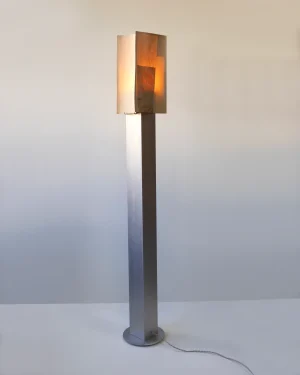
Soft Ply Floor Lamp in Wood and Aluminum
By Sheyang Li
€1.364 -
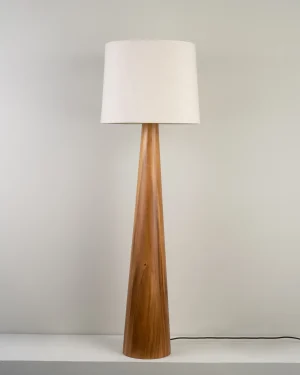
Malva Floor Lamp in Parota Wood
By Isabel Moncada
€3.802 -
 In stock
Svitlotin Olive Pendant Lamp in Stainless Steel
By SVITANOK
€890 - €960 -

Trn / Model A2 Pendant Lamp in Ceramic
By Pani Jurek STUDIO
€470 -

Patagonia Pendant Lamp in Black Wood
By espina corona
€350 -
 In stock
Svitlotin Blue Ceiling Lamp in Metal
By SVITANOK
€890 - €1.150 -
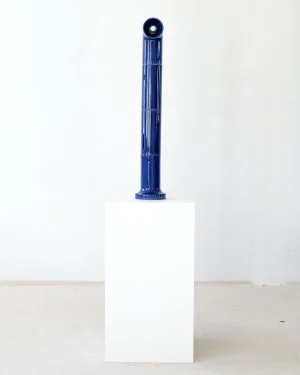
Slim Op Four Piece Floor Lamp in Ceramics and Porcelain
By Pani Jurek STUDIO
€1.045 -

Pill1200 Floor Lamp in Stainless Steel
By MLK Furniture
€1.690 -
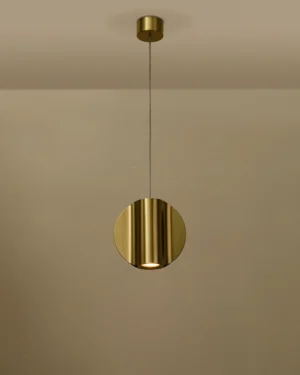 In stock
Pétale Pendant Lamp in Brass
By Studio Aristotelis Barakos
€850 -
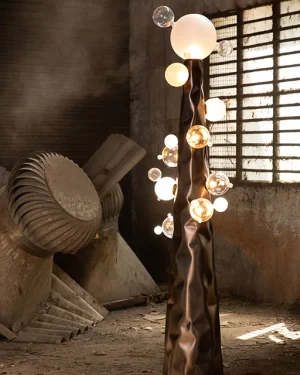 In stock
Molecule Floor Lamp in Stainless Steel and Blown Glass
By Nitush and Aroosh
€4.850 -
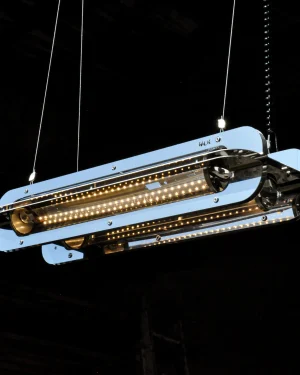
Pill600x2 Pendant Lamp in Mirror Stainless Steel
By MLK Furniture
€1.890 -
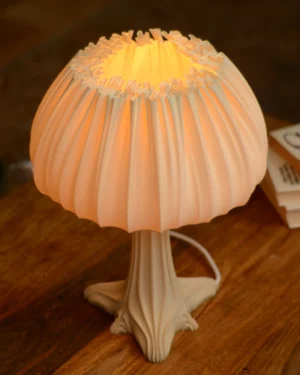 In stock
M 2 Table Lamp In Bio Polymer And Sand
By diploria studio
€395 -

Fat Op No. 001 Four Piece Floor Lamp in Ceramic
By Pani Jurek STUDIO
€2.313 -
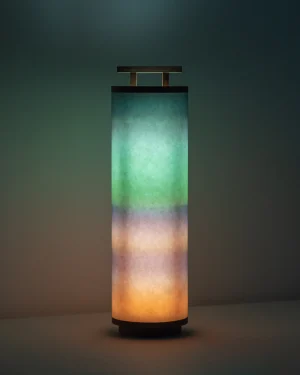 In stock
Torii G Pala Table Lamp in Washi Paper and Walnut
By Prangé
€1.232 -
 In stock
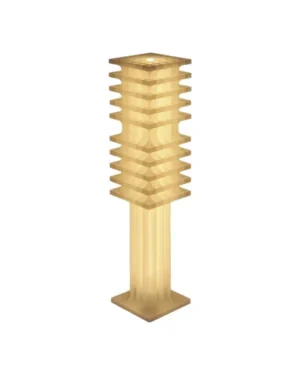
Sigil Tower Floor Lamp in Stainless Steel and Alabaster
By Nitush and Aroosh
€4.150 -
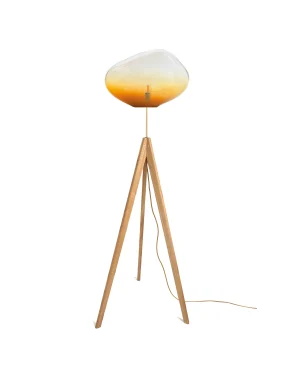
Statix Amber Iridescent Floor Lamp in Blown Glass
By ELOA - Unique Lights
€6.360 - €6.910 -
 In stock
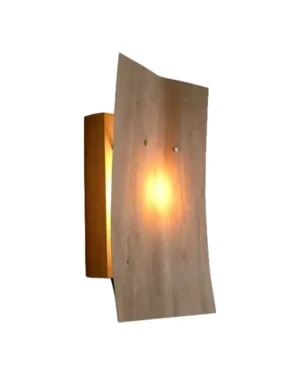
Mujo M Reol Wall Sconce in Walnut Wood and Washi Paper
By Prangé
€1.706 -
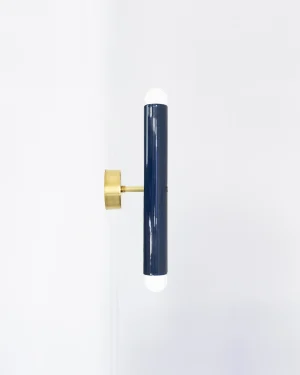 In stock
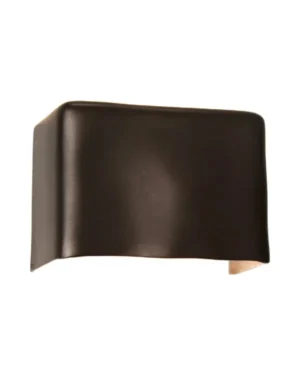
Trn Wall Sconce in Glazed Ceramic
By Pani Jurek STUDIO
€470 -
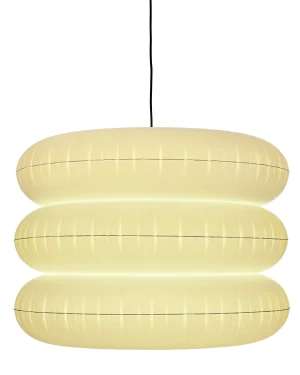 In stock
Big Puff Pendant Lamp in Polyurethane
By PUFF-BUFF
€550 -

Fat Op No. 002 Four Piece Floor Lamp in Ceramic
By Pani Jurek STUDIO
€2.313 -
 In stock
Mujo P Iver Wall Sconce in Walnut Wood and Washi Paper
By Prangé
€948 -
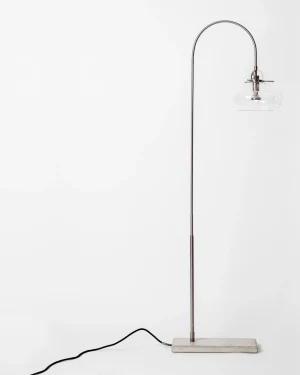
Art Deco Floor Lamp in Glass, Stainless Steel and Concrete
By Szostak Atelier
€2.100 -
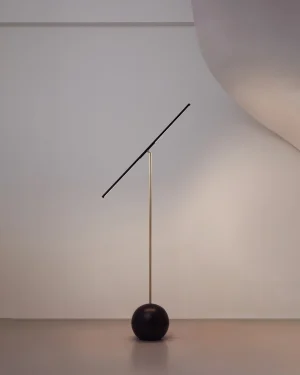 In stock
T-Lamp Floor Lamp in Aluminum, Brass and Oak Wood
By HEAKO
€3.850 -

The Queen Double Floor Lamp in Gold-leaf and Rust Steel
By Mammalampa
€1.151 -
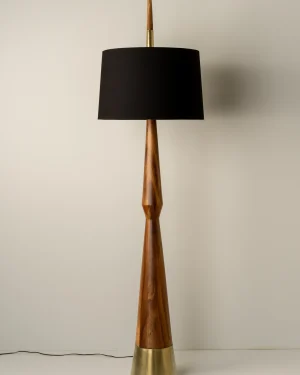
Apolo Floor Lamp in Parota Wood and Fiberglass
By Isabel Moncada
€6.435 -
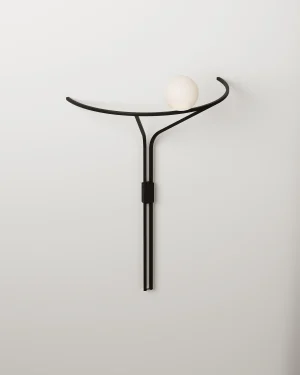 In stock
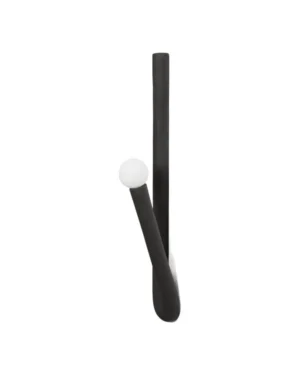
Na Linii Wall Sconce in Steel
By SVITANOK
€1.050 -
 In stock
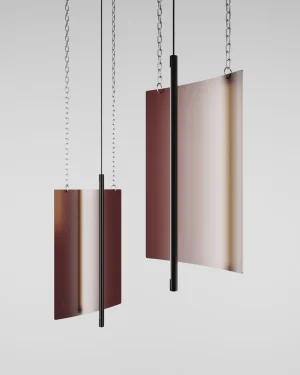
Custom Wine Red Ceiling Lamp in Steel
By SVITANOK
€890 - €1.150
Mid-century modern lamps carry the proportions of a design period that favored solid wood bases, pared-back brass or steel fittings and shades in paper, linen or blown glass. The studios working in this style turn walnut and oak on a lathe, bend steel rod into tripod legs or hand-blow glass into rounded globes, letting the material and the joinery do the talking rather than applied decoration. Each lamp is made by an independent designer or studio, in open editions, limited editions or as a unique piece.
What defines a mid-century modern lamp
The silhouette is the clearest signal: tapered legs, visible joints, a base that narrows toward the floor instead of flaring out. Warmth comes from the choice of material — walnut or oak left with a visible grain, brass or steel given a low-sheen finish rather than a mirror polish. Shades tend to be simple geometric drums, cones or globes, in paper, fabric or hand-blown glass, so the light reads soft and diffused rather than pointed.
Materials and finishes in the range
Brass and steel appear often, worked by hand into slim arms and three-footed bases, sometimes paired with a turned wood foot or stem. Ceramic and glazed stoneware bring rounder, heavier forms, their surfaces ranging from a matte clay finish to a glossy glaze in cobalt blue, green or a warm light yellow. Hand-blown glass shades carry small bubbles and uneven thickness from the pipe, while painted steel and polyurethane bases show up in black, beige and brown for a flatter, more graphic look. Those drawn to metalwork can look through lamps worked in metal, and anyone who prefers a thrown, glazed surface will find more in lamps thrown in ceramic.
How to choose a mid-century modern lamp
Start with where the light needs to fall and how low or high that point sits. A table lamp for reading should put its shade roughly at eye level when seated; a floor lamp arcing over a sofa needs enough reach that the light clears the armrest. Scale the base to the surface it sits on — a wide ceramic lamp can dominate a narrow console, while a slim brass stem disappears on a large sideboard.
- Match the finish to nearby metal: brass with brass hardware, blackened steel with darker frames.
- Choose a shade material by the quality of light wanted — linen and paper soften it, glass lets more through.
- Leave clearance around the base so cords and switches stay reachable.
Pairing matters as much as the single piece. Mid-century modern lamps were designed alongside wood-framed sofas and chairs, so they tend to sit comfortably among the pieces found in mid-century modern furniture and mid-century modern seating, picking up the same tapered legs and warm tones.
Where these lamps sit in a room
A turned wood or glazed ceramic table lamp reads naturally on a sideboard or side table in a seating area, where its warmth softens a room built around straight lines. Floor lamps with a tripod base work well beside a reading chair, throwing light down without taking up much floor space. For a living space built around low furniture and open shelving, living room lamps in this style keep the scale consistent with the rest of the room.
Caring for the materials
Solid wood bases benefit from an occasional wipe with a dry cloth and, for oiled finishes, a light reapplication of oil once or twice a year; keep them out of direct sun, which dries and fades the grain unevenly. Brass left unlacquered will darken and spot over time — this patina is normal and can be left alone or buffed back with a soft cloth and mild polish. Glass shades should be dusted rather than wiped with abrasive cloths, which can scratch a hand-blown surface, and ceramic bases wiped clean with a damp cloth rather than soaked. For the wider spread of forms and materials within this style, the full range sits under every mid-century modern piece on ADORNO, with the complete set of shapes and finishes gathered under all lamps.
What should I look for in a mid-century modern lamp?
Look for brass, walnut or stoneware bases paired with a simple geometric shade, cone, drum or globe. The style favors warm materials and clean lines over ornament, so choose a piece that reads honestly in daylight and unlit.
What materials are mid-century modern lamps made from?
Brass, walnut, oak, ceramic and blown glass are common, often paired within one lamp. Wipe metal with a dry cloth, oil wood occasionally, and avoid harsh cleaners on glazed or painted surfaces.
What size lamp do I need for a table or floor?
A table lamp usually sits low enough to clear a shade above eye level when seated, while floor lamps rise close to standing eye height, casting light down rather than glare across a room.
Which rooms suit mid-century modern lamps?
Living rooms and studies suit them best, where a brass or wood base can sit at reading height beside a chair. Bedrooms take a smaller ceramic or glass table lamp for a softer glow.
Does ADORNO ship mid-century modern lamps worldwide?
Shipping is insured and arrives worldwide. Returns are accepted within 14 days, though made-to-order pieces are excluded.
Can I order a custom mid-century modern lamp?
Some makers offer variations in finish or size; chat with the maker directly on the piece's page to confirm what's possible.