-
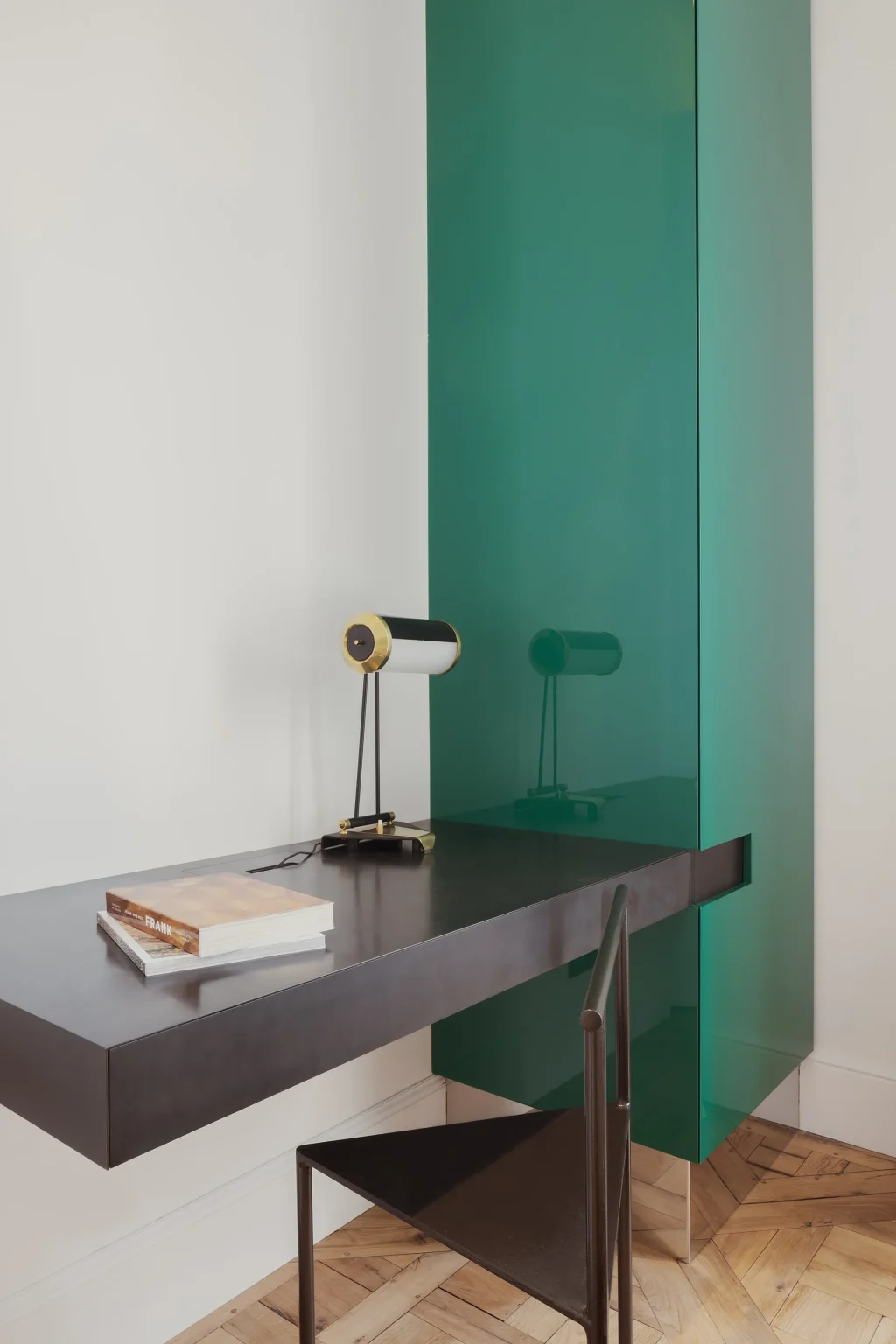
 In stock
Pe 02 Table Lamp In Polished Aluminum
By BuRRo
€110 -
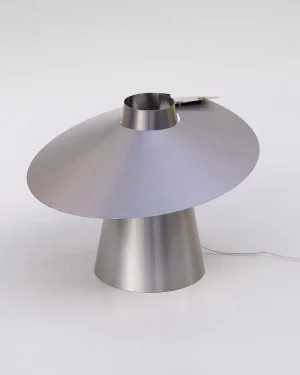 In stock
Pa 02 Table Lamp In Polished Aluminum
By BuRRo
€110 -
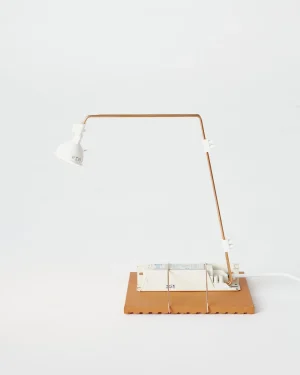 In stock
B.A.R.E Series ‘Small Simple’ Table Lamp in Brick and Copper
By Lucas Muñoz Muñoz
€150 -
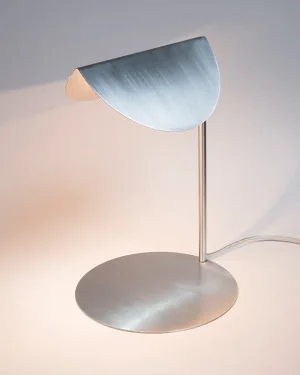
Two Circles Table Lamp in Stainless Steel
By Georgiev Kiril
€690 -

Rakis Lite Table Lamp – Black Stoneware Ceramic
By Catalin Filip
€455 -
 In stock
Pivot Table Lamp In Aluminum And Brass
By Stem
€1.155 - €1.700 This product has multiple variants. The options may be chosen on the product page -
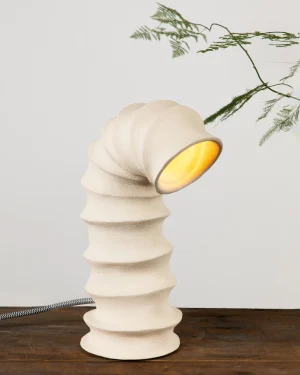
Rakis Lite – Table Lamp In White Stoneware
By Catalin Filip
€455 -
 In stock
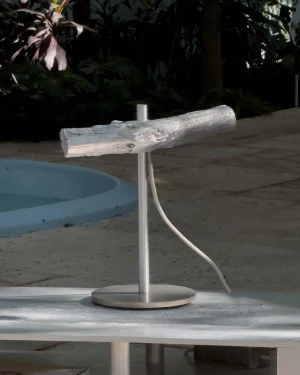
Aluminum Veneer Table Lamp in Cast Aluminum
By Bureau.parso
€1.400 -
 In stock
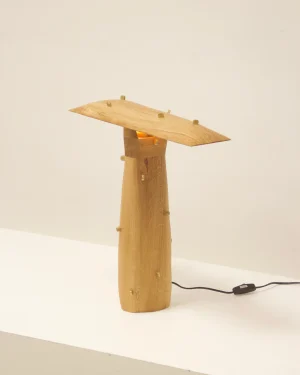
Présence Table Lamp In Oak And Brass
By Vital Lainé
€1.500 -
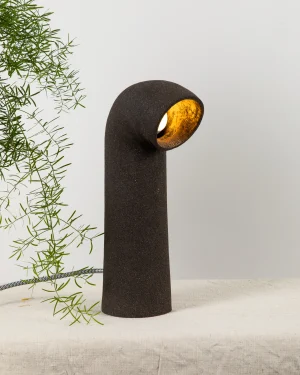
Melo C Table Lamp In Black Ceramic
By Catalin Filip
€270 This product has multiple variants. The options may be chosen on the product page -
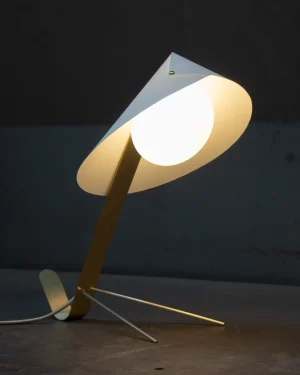
Mantis Table Lamp in Layered Paper
By MESEME by Riya Panchal
€365 -

Melo M Table Lamp In Ceramic
By Catalin Filip
€455 -
 In stock
Ic 1 Table Lamp In Resin, Foam And Natural Fibers
By Studio Josha
€3.700 -
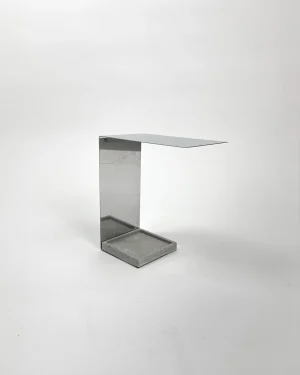 Sold
SoldLinee Table Lamp in Stainless Steel and Concrete
By case studios
€199 -
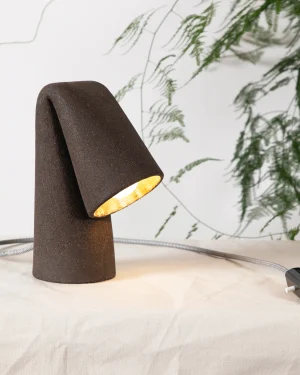
Melo Fold Table Lamp In Ceramic
By Catalin Filip
€290 This product has multiple variants. The options may be chosen on the product page -
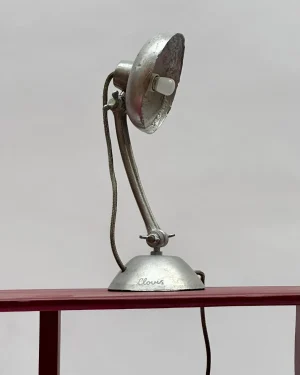 Sold
SoldCollectible Table Lamp ‘tintin’ in Tin
By Studio Fabius Clovis
Price Upon Request
Designer Desk Lamps for Contemporary Workspaces
A well-designed desk lamp supports focused work, improves visual comfort, and adds character to the workspace. Unlike conventional office lighting, designer desk lamps combine practical illumination with considered form, material and craftsmanship, creating objects that remain relevant beyond passing trends.
At ADORNO, every desk lamp is created by independent designers whose work explores materiality, form and contemporary making. Rather than producing interchangeable lighting, these studios create limited collections and handcrafted pieces that reflect their individual approach to design.
Whether placed in a home office, studio, library or creative workspace, a designer desk lamp can provide focused illumination while contributing to the visual identity of the room.
Choosing the Right Desk Lamp
Selecting the best desk lamp depends on both practical requirements and the atmosphere you want to create. Consider:
- Height: Around 35–50 cm is a practical range for many desk lamps. Compact designs under 35 cm work well on smaller desks or shelves, while taller lamps can provide broader coverage. The ideal height ultimately depends on the shade, arm movement and where the light falls on the work surface.
- Placement: Position the lamp on the opposite side to your writing hand so your arm casts no shadow.
- Reach: An adjustable desk lamp with a jointed or pivoting arm suits changing tasks and allows you to direct light where it is needed. A fixed form offers a more sculptural presence and can work well where the lamp is as much a decorative object as a source of task lighting.
- Base footprint: A base measuring around 12–18 cm across is generally compact enough for most desks without taking up excessive workspace. Larger or heavier bases can be useful for lamps with long or adjustable arms, where additional stability is needed.
- Cordless options: Rechargeable and portable desk lamps free the piece from an outlet — useful on a console, a dining table or a desk in the middle of a room.
- Electrical fit: As pieces ship internationally from designers’ studios, always check the plug type and voltage compatibility before purchasing.
A small desk lamp may suit compact workstations or bedside desks, while larger statement pieces can anchor executive desks or creative studios. If flexibility is important, an adjustable desk lamp offers greater control over light direction without compromising aesthetics.
Desk Light Specifications
When lighting specifications aren't immediately available, these are the details worth checking before choosing a desk lamp.
- Brightness: Around 450–800 lumens is a useful range for a desk lamp intended for reading, writing and general task lighting. Smaller or primarily decorative lamps may provide less, while lamps designed for detailed creative work may benefit from higher output. The distance between the light source and work surface, as well as the shade and diffuser, also affects how bright the workspace feels.
- Color temperature: Around 2700–3000K produces warm, comfortable light suited to reading and evening use. Around 4000K offers a more neutral appearance that can work well for drawing, model-making and detailed tasks.
- Color rendering: A CRI of 90 or above is a useful benchmark when accurate color rendering matters, particularly for creative work and material selection.
- Dimming: Dimmability allows the light level to be adjusted according to the task and time of day. Check that the lamp, bulb and dimmer are compatible.
- Glare: When seated, position the lamp so that the light source is shielded from direct view and does not create distracting reflections on your screen or work surface.
- Integrated LED vs replaceable bulb: Integrated LED offers efficient, long-lasting illumination built into the lamp's design. Lamps with standard sockets such as E14 or E27 use replaceable bulbs, giving you the flexibility to change the light source over time.
Designer Lighting Made to Last
Well-considered lighting is designed to accompany everyday life for years rather than seasons.
ADORNO brings together designer desk lamps made by independent studios and makers, from limited editions to small-batch and unique pieces. Choosing this kind of lighting supports smaller-scale production and specialist craftsmanship while introducing distinctive objects into contemporary interiors.
For collectors, architects and design enthusiasts alike, a designer desk lamp can be more than a source of illumination. It is a considered object that brings function, material richness and lasting character to the workspace. Explore ADORNO's full collectible lighting collection to find a piece that fits your work and your interior.
What is a desk lamp?
A desk lamp is a task light designed to provide focused illumination for working, reading, writing, or creative activities. Designer desk lamps also contribute to the visual identity of a workspace through thoughtful craftsmanship and material selection.
What is the difference between a desk lamp and a bedside lamp?
Both can provide light from a surface, but they are typically designed for different purposes. A desk lamp directs light onto a defined work area, often with an adjustable arm or shade and enough output for reading and detailed tasks. A bedside lamp generally provides softer, more diffuse illumination for relaxing and evening use, often with a warmer color temperature around 2700–3000K.
Some sculptural lamps can work equally well in both settings, particularly when paired with a warm, dimmable bulb.
Are LED desk lamps better?
LED desk lamps are valued for their energy efficiency, long lifespan and low maintenance. Many contemporary designer desk lamps integrate LED technology while maintaining refined aesthetics and high-quality color rendering. An integrated LED module is not replaced like a standard bulb, while a lamp with a standard socket allows you to change the bulb when needed.
How tall should a desk lamp be?
Many desk lamps fall within a 35–50 cm height range, although the ideal size depends on the desk, shade design, arm movement and intended use. When seated, positioning the lamp so that the light source is shielded from direct view can help reduce glare and distracting reflections.
What materials are best for designer desk lamps?
There is no single best material for a desk lamp — the right choice depends on the desired balance of durability, weight, light diffusion and visual character. Ceramic, brass, aluminum, steel, wood and hand-blown glass are commonly used in designer lighting, each bringing different qualities to a workspace. Ceramic and glass can create softer, more sculptural forms, while brass, steel and aluminum (metals) lend themselves to precise or architectural designs. Oak wood, ash and walnut introduce natural grain and warmth, while stone, terracotta and reclaimed brick can add weight and texture. For a collectible desk lamp, the material is often as important to the character of the piece as its form.
What should I look for when buying a modern desk lamp?
Consider brightness, glare, color temperature, scale, adjustability, bulb or LED type, material quality and electrical compatibility. A well-designed desk lamp should provide comfortable illumination while working naturally with the proportions and character of your workspace.
Can a desk lamp be used outside an office?
Yes. Designer desk lamps can also work in bedrooms, reading corners, libraries, living rooms, hospitality spaces and creative studios, particularly where focused or decorative lighting is needed.
How much light should a desk lamp provide?
For reading, writing and general task lighting, around 450–800 lumens is a useful range for many desk lamps. The amount of light reaching the work surface also depends on the lamp's distance, shade and diffuser. A CRI of 90 or above is a useful benchmark when accurate color rendering matters. Sculptural lamps intended primarily as accent lighting may provide less output and work best alongside other light sources.
What is the best desk lamp for eye strain?
Look for a lamp that provides low-glare, adjustable illumination without creating strong reflections or contrast between the work surface and surrounding room. A well-designed shade or diffuser can keep the light source out of direct view, while dimming allows you to adjust brightness to the task and time of day. A 2700–3000K color temperature can feel comfortable for evening use, while neutral light can be suitable for daytime work. A CRI of 90+ is useful when accurate color rendering is important.
Do you have cordless or rechargeable desk lamps?
Yes. Some designers create cordless and rechargeable lighting for greater flexibility, allowing lamps to be moved between workspaces, reading areas and other settings. Browse cordless and battery-operated lights to explore the pieces currently available, or contact ADORNO's curation team for a specific request.