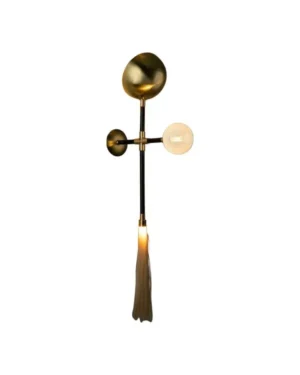








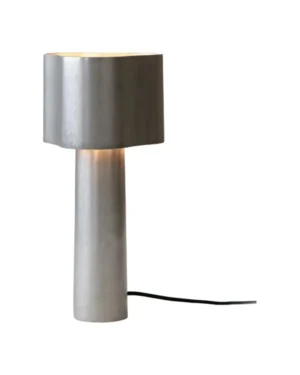

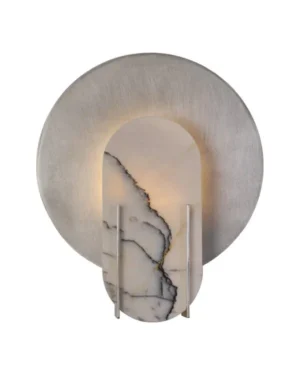

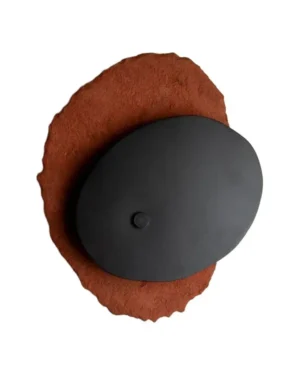


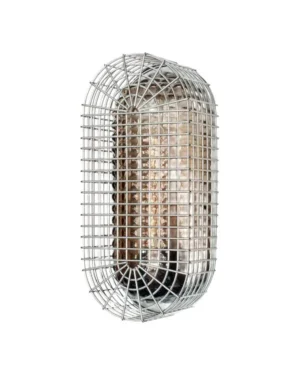

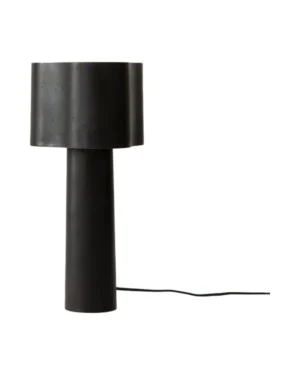
-

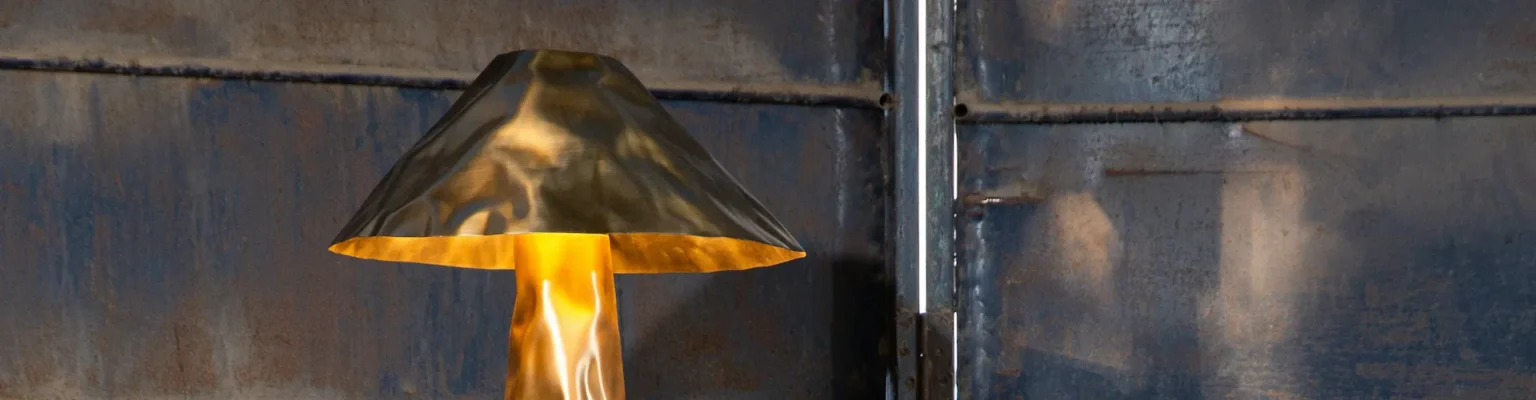
Coral Lamp – Clay Table Lamp
By Dzovag Kotchian
€900 -
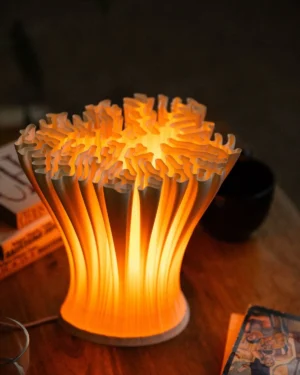 In stock
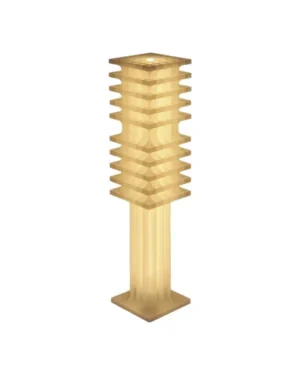
S 5 Table Lamp In Ivory White Bio Polymer
By diploria studio
€295 -
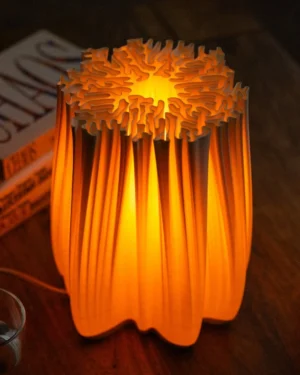 In stock
S X 1 Table Lamp In Ivory White Bio Polymer
By diploria studio
€275 -
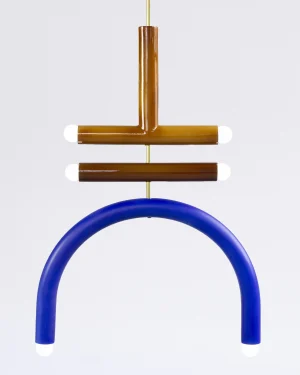
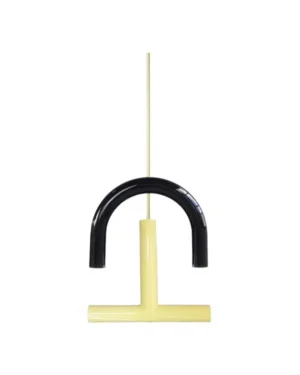
Trn / Model F2 Pendant Lamp in Ceramic
By Pani Jurek STUDIO
€1.600 -

Deas Floor Lamp In Aluminum And Rattan
By Calen Knauf Studio
€1.360 -

Onda Sconce In Raku White Ceramic
By arrived aliens
€2.200 -
 In stock
S 1 Table Lamp In Bio Polymer
By diploria studio
€245 -
 In stock
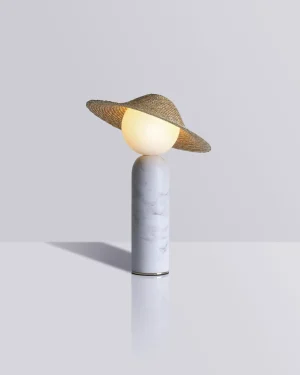
Théros 0.3 Table Lamp In Borosilicate Glass
By Studio Aristotelis Barakos
€1.100 -
 In stock
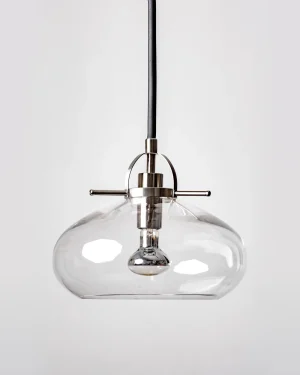
Art Deco Pendant Lamp in Glass and Stainless Steel
By Szostak Atelier
€1.000 -
 In stock
Coral Wall Lamp – Clay Sconce
By Dzovag Kotchian
€900 -
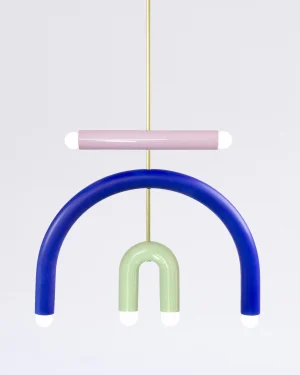
Trn / Model F3 Pendant Lamp in Ceramic
By Pani Jurek STUDIO
€1.600 -
 In stock
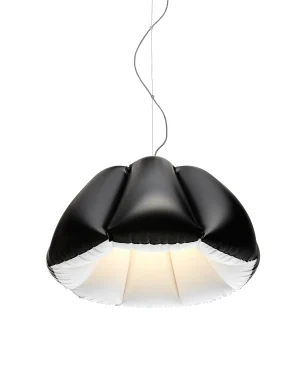
Orca Pendant Lamp in Galvanised Steel and PVC
By PUFF-BUFF
€430 -
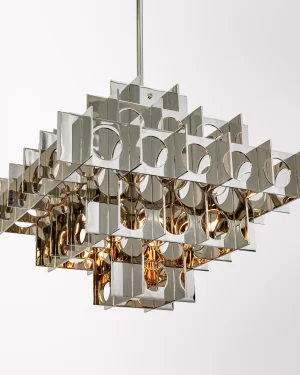
Tenfold 5 T Pendant Lamp in Stainless Steel and Aluminum
By Luft Tanaka Studio
€4.440 - €11.000 -
 In stock
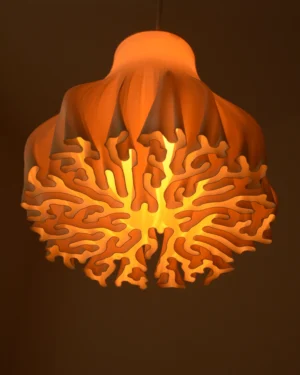
H 1 Pendant Lamp In Bio Polymer
By diploria studio
€295 - €495 -
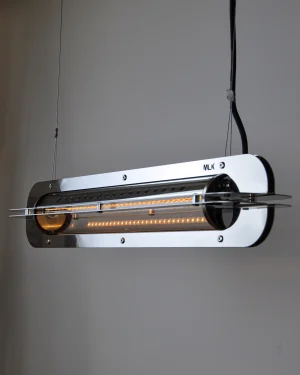
Pill600 Pendant Lamp In Mirror Stainless Steel
By MLK Furniture
€1.090 -
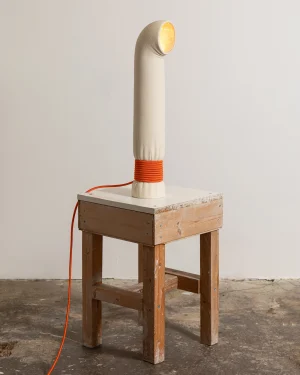
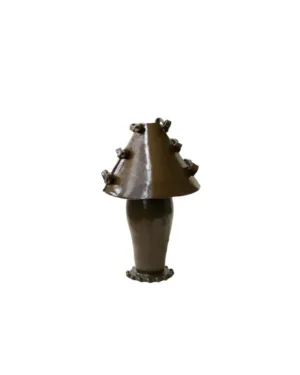
Knotto_01 Table Lamp In Glazed Stoneware And Synthetic Fibers
By Catalin Filip
€800 -
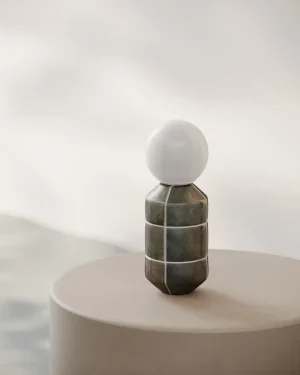 In stock
Navazi Table Lamp in Ceramic
By SVITANOK
€440 - €670 -
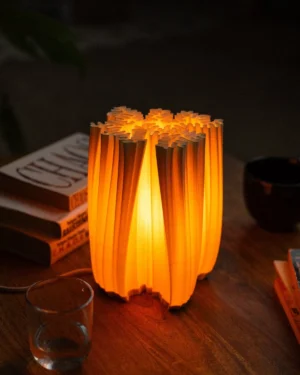 In stock
S 2 Table Lamp In Bio Polymer
By diploria studio
€245 -

Patagonia Pendant Lamp In Wood
By espina corona
€650 -
 In stock
La Bergère Table Lamp In Glazed Ceramic
By Mina Wright
€686 -
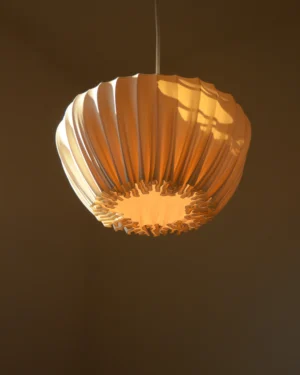
M 2 H Pendant Lamp In Bio Polymer
By diploria studio
€295 -
 In stock
Asea No.40 Wall Sconce In Stoneware And Blown Glass
By Ceren Gürkan
€1.200 -
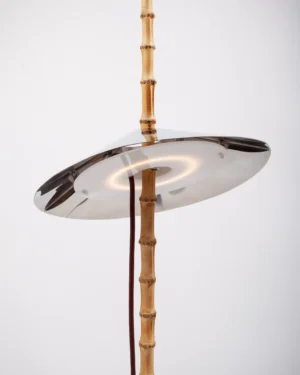
7plates Floor Lamp In Stainless Steel, Bamboo And Aluminum
By Calen Knauf Studio
€1.918 -
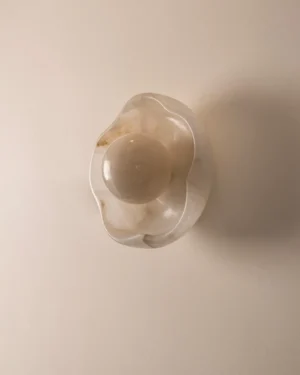
Flower Wall Sconce In Alabaster
By Harshita Jhamtani Designs
€700 -
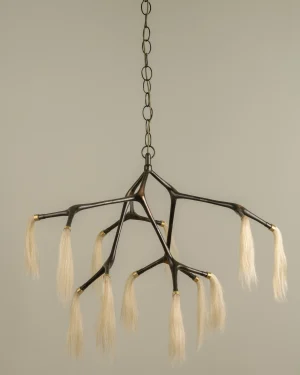
Maratus Horsehair Chandelier in Bronze
By Isabel Moncada
€33.345 -
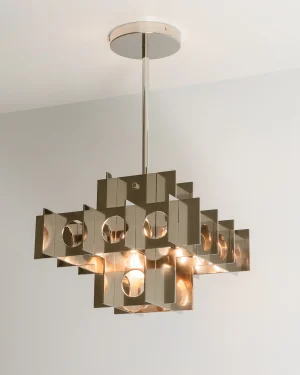
Tenfold 3 T B Pendant Lamp in Stainless Steel and Aluminum
By Luft Tanaka Studio
€2.895 - €8.675 -
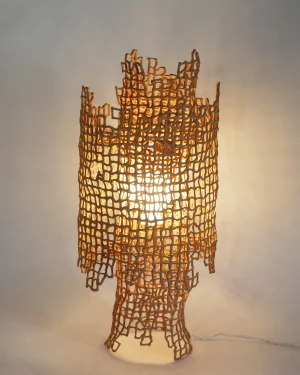 In stock
Coral Lamp – Clay Table Lamp (big)
By Dzovag Kotchian
€2.600 -
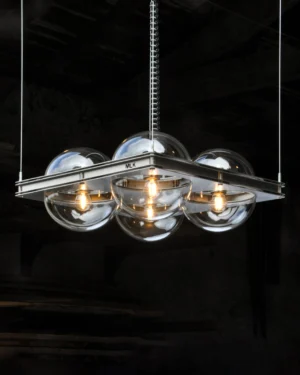
Bbl200x04 Pendant Lamp In Stainless Steel And Acrylic
By MLK Furniture
€2.400 -
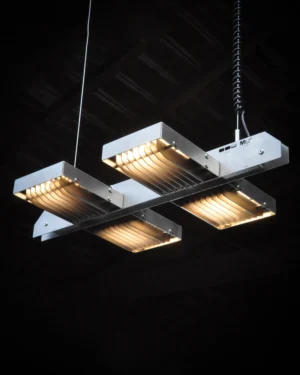
Ads200x04 Pendant Lamp In Matte Steel
By MLK Furniture
€2.400 -
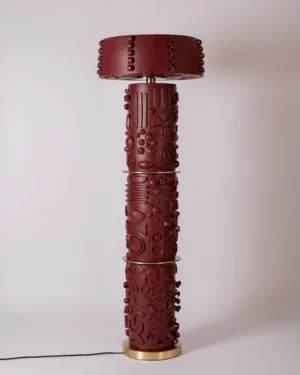
Sculpt Floor Lamp In Hand-built Stoneware
By Harshita Jhamtani Designs
€7.880 -
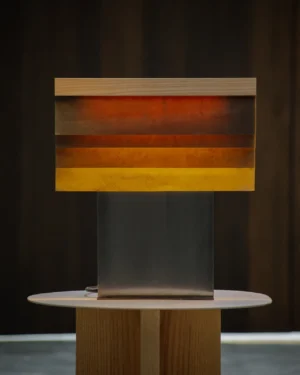
Cenit Table Lamp In Ash Wood And Celium
By Natural Urbano - Sebastián Beltrán
€510 -
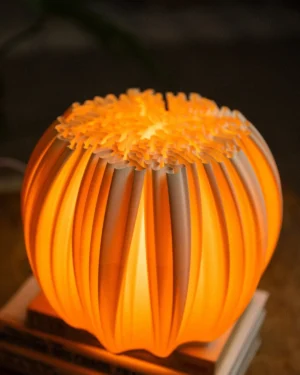 In stock
S X 3 Table Lamp In Biopolymer
By diploria studio
€295 -
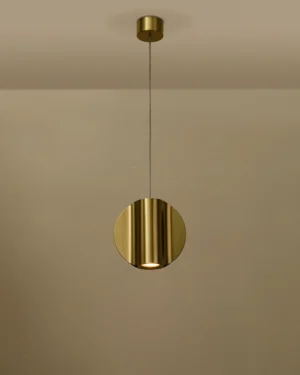 In stock
Pétale Pendant Lamp in Brass
By Studio Aristotelis Barakos
€850 -
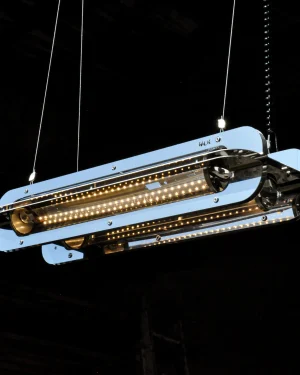
Pill600x2 Pendant Lamp In Mirror Stainless Steel
By MLK Furniture
€1.890 -
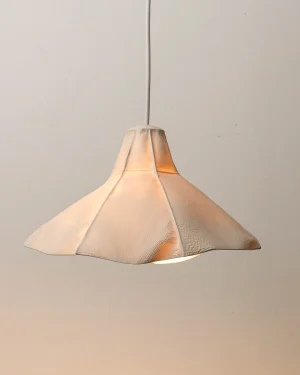
Kawa Series 04 – Ceramic Pendant Lamp
By Luft Tanaka Studio
€1.600 -

Exélixi Floor Lamp In Bio Plastic
By Julie Mallet Studio
€1.958 -
 In stock
Large Pendant Lamp in Blown Glass and Textiles
By SVITANOK
€375 - €500 -
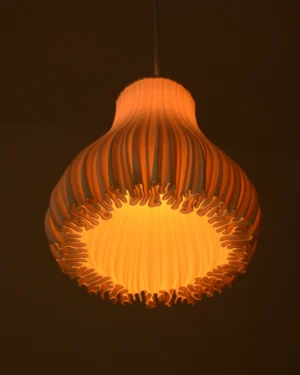 In stock
H 2 Pendant Lamp In Bio Polymer
By diploria studio
€295 - €495 -
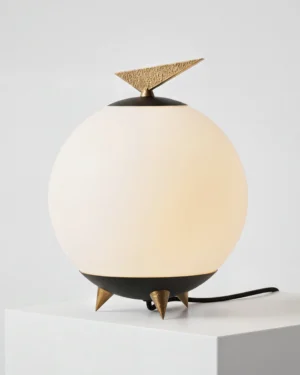 In stock
Eoni Table Lamp In Steel, Brass And White Glass
By Balance Lamp
€410 -
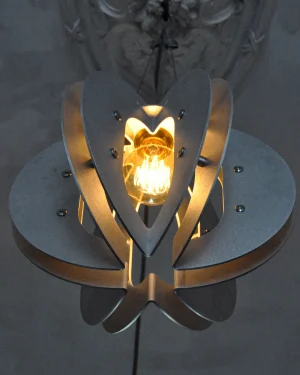
D300 Lampion Pendant Lamp In Matte Aluminum
By MLK Furniture
€390 -
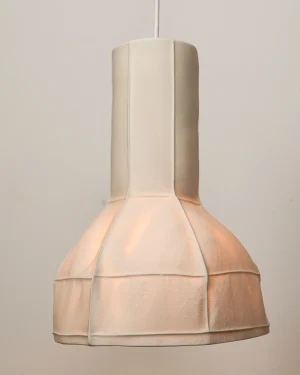
Kawa Series 05 Pendant Lamp in Porcelain and Ceramic
By Luft Tanaka Studio
€1.375 -
 In stock
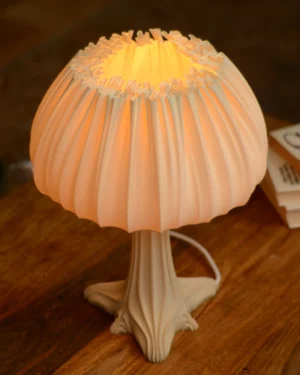
M 2 Table Lamp In Bio Polymer And Sand
By diploria studio
€395 -
 In stock
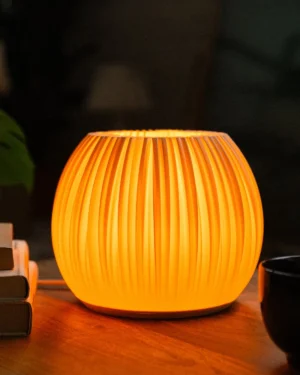
B 1 Table Lamp In Biopolymer
By diploria studio
€295 -

Rakis Floor Lamp In Ceramic
By Catalin Filip
€1.900 -
 In stock
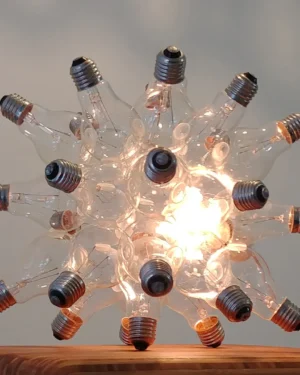
“spare” Table Lamp Constructed From 26 Lightbulbs
By JAN PAUL
€220 -
 In stock
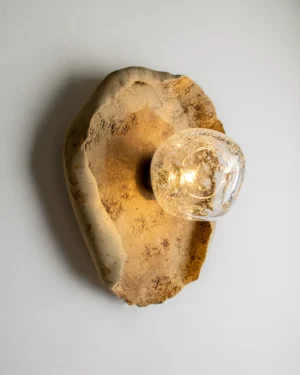
Asea No. 41 Wall Sconce in Stoneware and Blown Glass
By Ceren Gürkan
€1.000 -
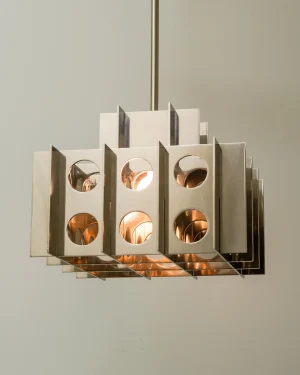
Tenfold 3 T A Pendant Lamp in Stainless Steel and Aluminum
By Luft Tanaka Studio
€2.895 - €8.675 -
 In stock
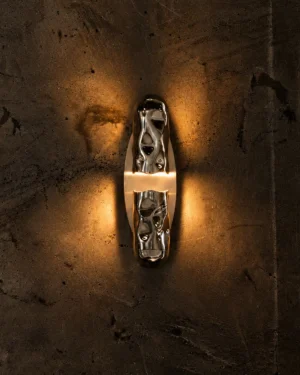
Onda Cosmic Wall Sconce In Glazed Ceramic
By arrived aliens
€2.200 -
 In stock
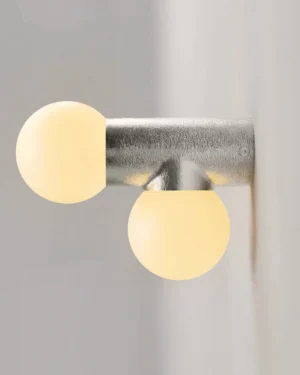
Vela Wall Sconce In Stainless Steel
By Nitush and Aroosh
€700 -
 In stock
Pp02 Wall Lamp In Stainless Steel And Frosted Glass
By Balance Lamp
€245 -
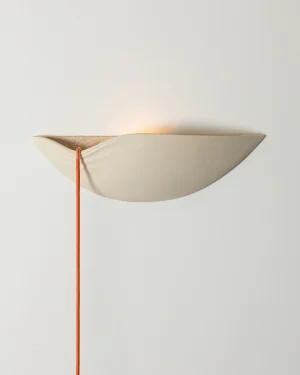
Loma Wall Sconce In Stoneware
By Catalin Filip
€450 -
 In stock
Herbarium Mini Lunaria Annua Wall Sconce In Glass And Plywood
By Mateusz Wappa
€1.200 -
 In stock
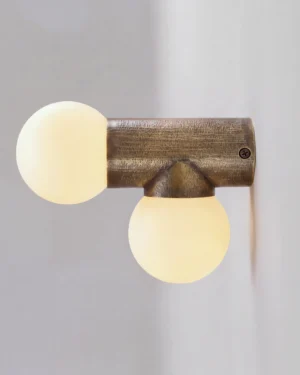
Pp04 Wall Lamp In Brass And Frosted Glass
By Balance Lamp
€310 -
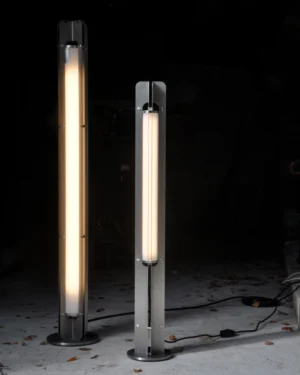
Pill600-70 Floor Lamp In Stainless Steel
By MLK Furniture
€1.490
Dining room lamps sit low over a table, close enough to warm the plates and faces beneath them, and far enough from any ceiling fixture to carry its own mood after dark. On ADORNO they come from independent studios working in hand-thrown ceramic and stoneware, hand-blown glass, and worked brass, steel or aluminum, each one shaped to hold light rather than hide it. A glaze, a bubble in blown glass or a seam in metal reads differently once the bulb is lit, which is why these pieces are judged by both their daylight form and their evening glow.
What Shapes a Dining Room Lamp
Ceramic and stoneware bodies are built by hand or thrown on a wheel, then fired and glazed in tones from chalky white and ivory to deep terracotta and cobalt blue. The clay absorbs light unevenly, so a shade or base often glows warmer at its thinnest point and stays dense where the wall thickens.
Glass behaves the opposite way: hand-blown forms let light pass through evenly or scatter it through trapped air bubbles and tinted batches, while cooler aluminum, steel and brass bodies tend to direct and focus a beam rather than diffuse it. Metal surfaces also carry their own patina over time, brass dulling to a softer gold, raw steel darkening slightly with handling.
Materials, Finishes and Editions Found Here
The range on dining room and other lamps on ADORNO spans clay and stoneware bodies, bioplastic shades made through biofabrication, and metalwork in steel, aluminum and brass finished by hand or by machine. Glazing and glassblowing remain the two techniques most tied to this room, since both let a single piece carry color, texture and translucency at once.
Newer studios add 3D printing, digital fabrication and generative design to the mix, producing shapes that hand tools could not easily repeat, often in open editions. Where a piece is made in a small run or as a one-off, it is noted as a limited edition rather than an open one, so the making process stays visible in the finish itself.
Choosing Scale, Height and Placement for a Table
A pendant-style dining lamp should sit roughly 70 to 80 centimeters above the tabletop, low enough to pool light over the plates without blocking sightlines across the table. Table-top versions, sized for a sideboard or the center of a long table, need a footprint that leaves room for serving dishes and does not compete with the height of glassware.
- Pick a warmer ceramic or terracotta finish for a room with wood furniture and soft textiles.
- Choose glass or polished metal where the table already carries strong color or pattern.
- Match the lamp's scale to the table's length rather than the room's total size.
Dining room lamps also extend past the table itself: a pair on a sideboard, a single piece by a serving cart, or fixtures that pick up from the wider range of dining room lighting and overlap with pieces built for a contemporary dining or living space.
Caring for Ceramic, Glass and Metal Lamps
Ceramic and stoneware should be dusted with a dry or barely damp cloth, since standing water can seep into an unglazed base and stain it. Glass only needs a soft cloth and a glass-safe cleaner, applied once the lamp is unplugged and cool.
Metal bodies in brass, steel or aluminum benefit from an occasional wipe with a dry cloth to keep tarnish even rather than patchy, and from being kept away from wet glass rings. For other rooms, the same care applies to metal lamps and to the wider set of pieces gathered under everything made for the dining room, where lamps sit alongside benches, candelabras and vases from the same studios.
How do I choose a dining room lamp?
Match the lamp's material to how much light you want diffused or focused: ceramic and stoneware glow unevenly and warmly, blown glass spreads light evenly, and metal bodies direct a sharper beam.
What height should a dining room lamp hang at?
A dining lamp should sit low enough to warm the table and faces beneath it, yet clear of sightlines across the table, so it reads as its own source of light rather than a ceiling fixture.
How do I care for ceramic, glass or metal lamps?
Wipe ceramic and glass with a soft, dry cloth and avoid sudden temperature changes; metal bodies can be dusted and will darken or dull slightly with handling over time, which is normal.
Can dining room lamps work in other rooms too?
Yes, the same forms suit a console, sideboard or bedside table; scale and brightness matter more than room labels, so consider the light it throws before placing it elsewhere.
Are these dining room lamps made in limited editions?
Some are produced as open editions and others as limited runs or one-offs; the maker can confirm the edition and process for any specific piece via Chat with the maker on its page.
What are ADORNO's shipping and return policies?
Shipping is insured and worldwide. Returns are accepted within 14 days, excluding made-to-order pieces, and every lamp arrives with a certificate of authenticity and ADORNO's lowest-price guarantee.