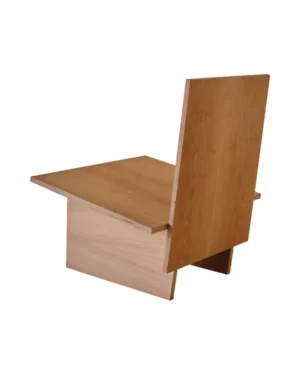
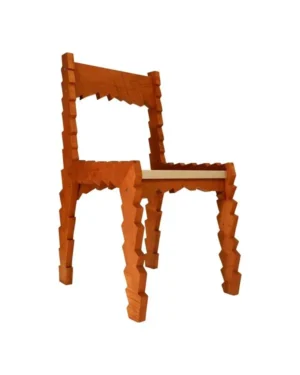
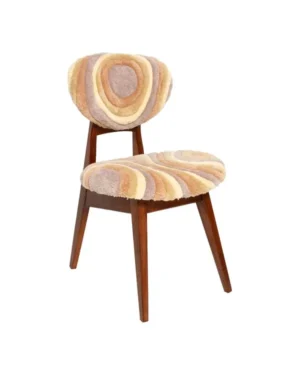
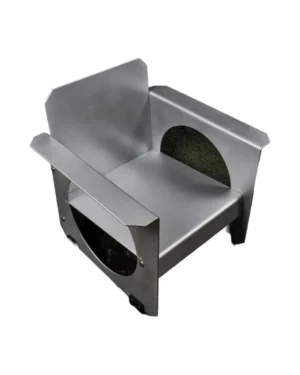
-
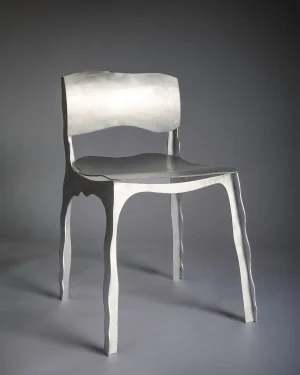
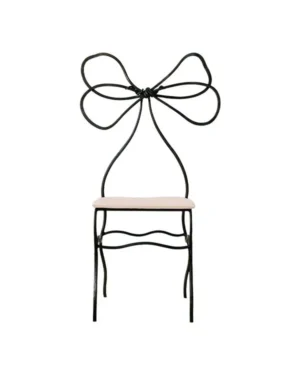
Contemporary Vanity Chair V2
By Six Dots Design
€920 -
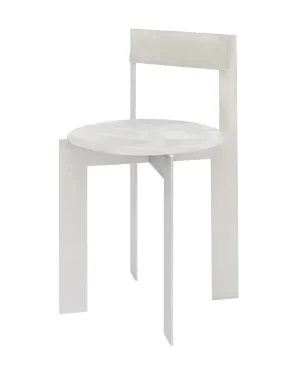
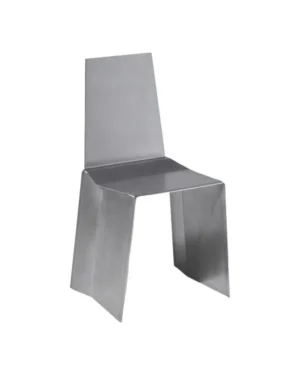
Object111 – Aluminum Chair
By NG DESIGN
€333 -

Lumbarchair Accent Chair
By FlatFlat
€429 -
 In stock
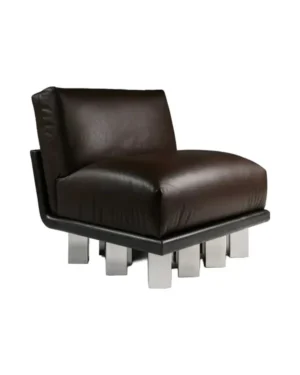
Loungechair
By FlatFlat
€515 -
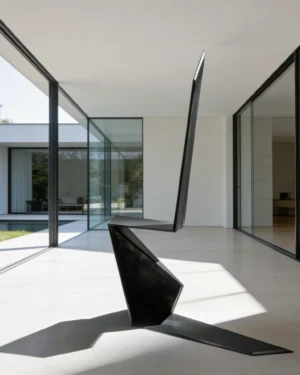
Dark Side – Aluminum Chair
By ORFEO STUDIO
€5.082 -
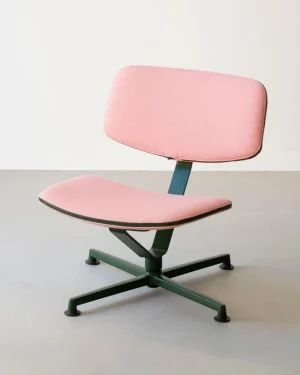 In stock
Arba – Aluminum & Steel Lounge Chair
By raawii
€1.276 This product has multiple variants. The options may be chosen on the product page -
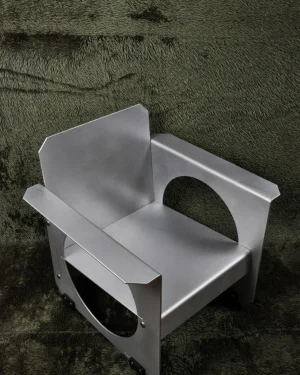
D400 Armchair – Matte Aluminium
By MLK Furniture
€2.290 -
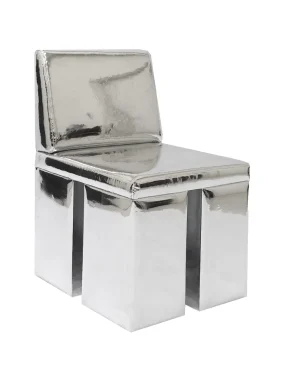
Object106 – Upholstered Chairs
By NG DESIGN
€585 - €1.115 This product has multiple variants. The options may be chosen on the product page -

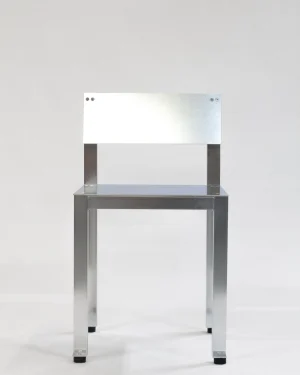
Xb-70 V Armchair
By Mantas Lesauskas
€2.400 -
 In stock
Canto – Aluminum Dining Chair
By Luiz Solano
€840 -

010 – Lounge Chair
By OFAA
€3.000 -

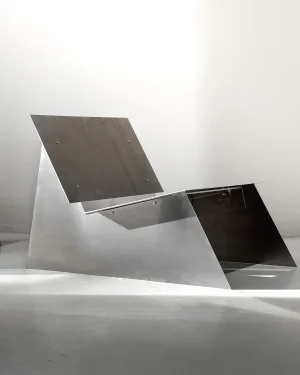
Arco Massiva — Ebony Wood, Cast Aluminum And Velvet Chair
By DONÓ Design
€2.729 -
 In stock
Aluminium Lounge Chair
By case studios
€1.571 -
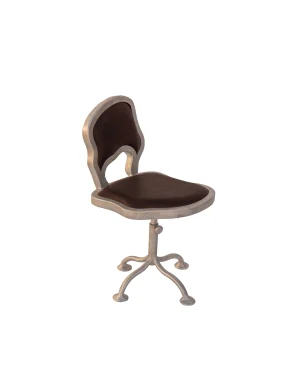
Office Chair
By Six Dots Design
€2.450 -
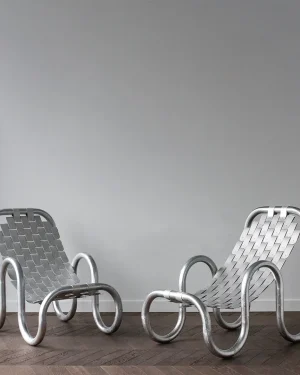
Chainlink – Outdoor Chair
By BY JAMPS
€1.250 -
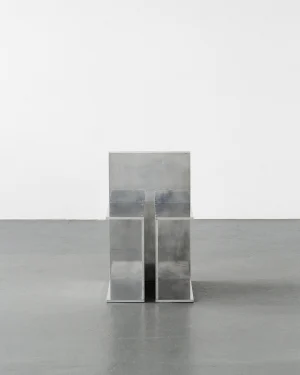 In stock
Lille Split Chair
By Thomas Gayet
€2.300 -
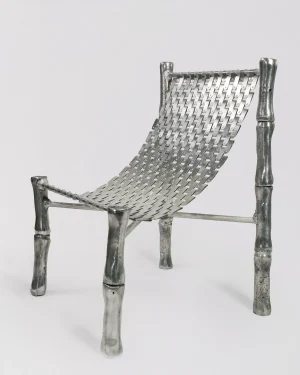 In stock
Bone Chair – Aluminum Lounge Chair
By BY JAMPS
€4.000 -

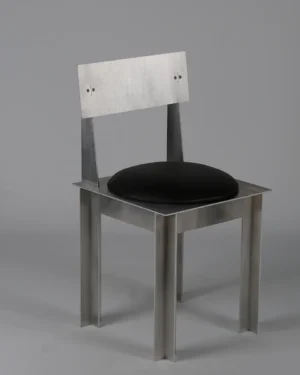
Ripple Chair
By LMNOH
€1.250 -
 In stock
Plus Chair
By 301 Design Studio
€1.000 -

Rounded Edges Aluminum Chair
By LESORR
€1.273 This product has multiple variants. The options may be chosen on the product page -
 In stock
F20 – Armchair
By FabBRICK
€3.965 - €5.044 This product has multiple variants. The options may be chosen on the product page -
 In stock
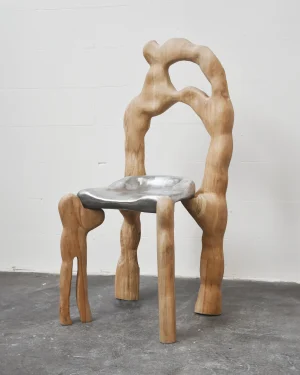
Tpf Series (the Parasitic Factors) _no.03
By Sai.E Studio
€6.500 -
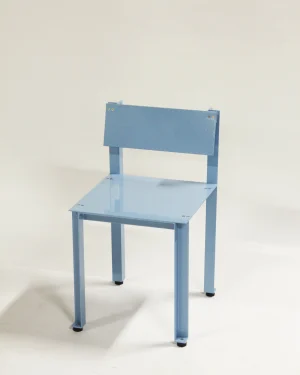
Colored Canto Aluminum Chair
By Luiz Solano
€1.000 This product has multiple variants. The options may be chosen on the product page -
 In stock
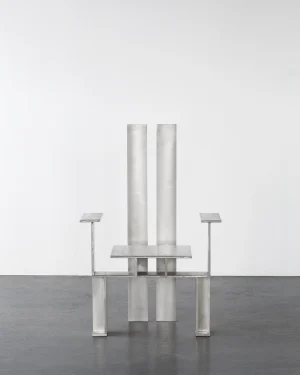
Relatively Comfy Armchair
By Thomas Gayet
€2.900 -
 In stock
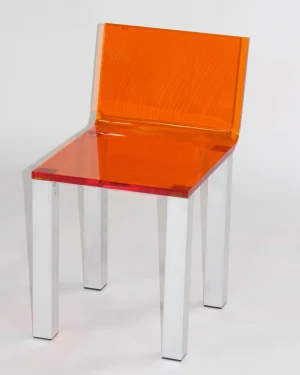
Acrilar – Acrylic Chair I
By Luiz Solano
€840 This product has multiple variants. The options may be chosen on the product page -
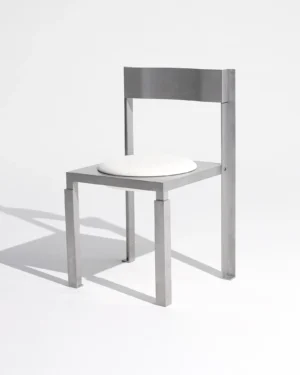
Strut Chair
By Yet Design Studio
€1.250 -
 In stock
Bells And Whistles Armchair
By Toro Manifesto
€7.975 -
 In stock
Tpf Series (the Parasitic Factors) _no.01
By Sai.E Studio
€4.800 -
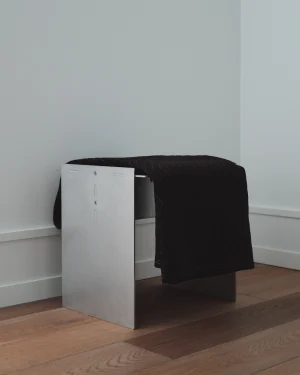
Flat Metals – Seat 01
By Estudio Material
€900 -
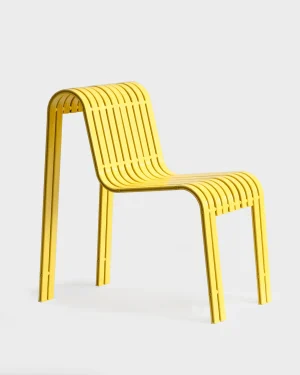
Slide Chair
By Studio Yann Gandon
€1.250 -
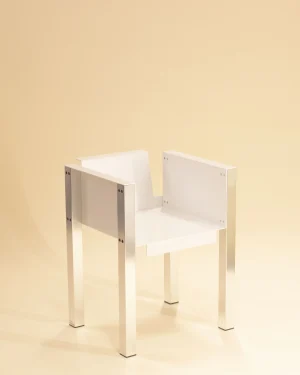
A2 – Aluminum Armchair
By Luiz Solano
€1.250 -
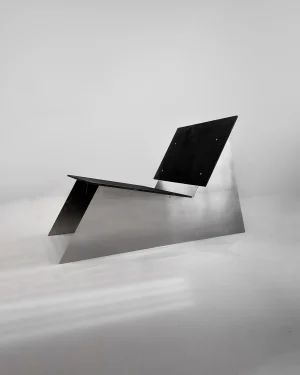 In stock
Aluminium Blackwood Lounge Chair
By case studios
€1.571 -
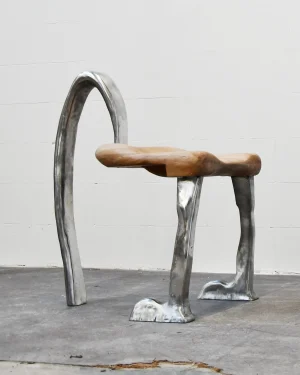 In stock
Tpf Series (the Parasitic Factors) _no.02
By Sai.E Studio
€5.200 -
 In stock
Organ Stool
By andykim.global
€3.100 -

Dream Chair
By Six Dots Design
€1.500 -
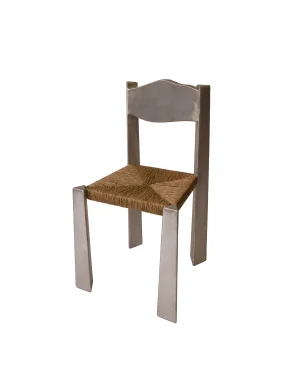
‘woven Chair’ – Aluminum & Paper Cord Chair
By Six Dots Design
€2.375 -
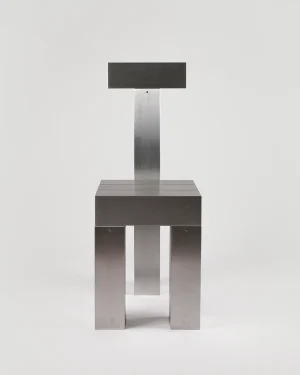
Garriga Chair
By Lucas Cambier
€3.500 -

Harakiri – Aluminum And Damascus Steel Chair
By ORFEO STUDIO
€4.918 -
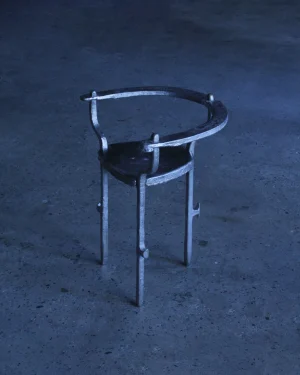 In stock
Aluminum Chair
By kyunchul kim
€1.300 -
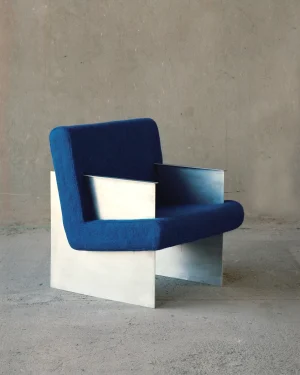
Sword Armchair
By Around the Studio
€3.900 -
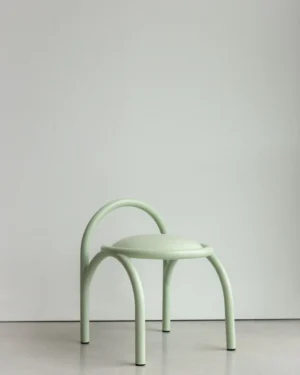 In stock
La Chaise — Tubes Collection
By Olive®
€1.100 -
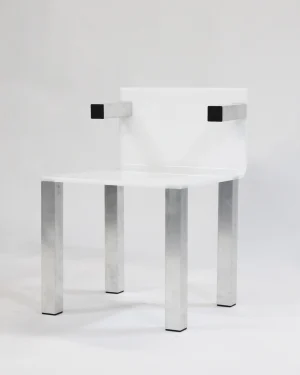
Acrilar – Acrylic Chair With Aluminum Armrest
By Luiz Solano
€1.250 -
 In stock
Alux Chair
By Spero Furniture
€530 -
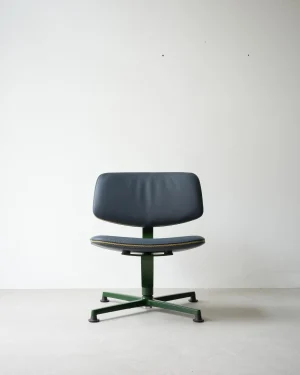 In stock
Arba – Steel & Leather Lounge Chair
By raawii
€1.596 -
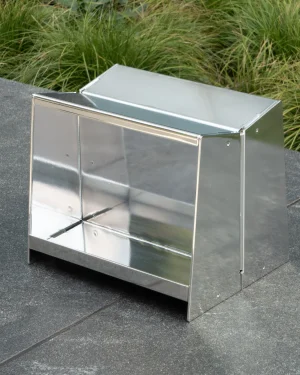 In stock
Garden Stool – Chrome Plated Aluminum
By andykim.global
€1.110 -
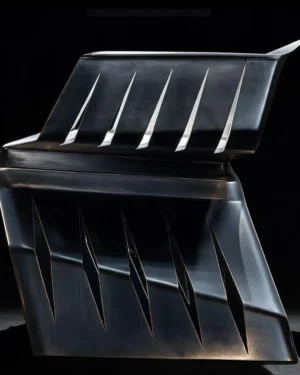
Haereticus Chair
By ORFEO STUDIO
€4.672 -
 Sold
La Linea – Accent Chair
By Mike Wirthensohn
€2.800 -
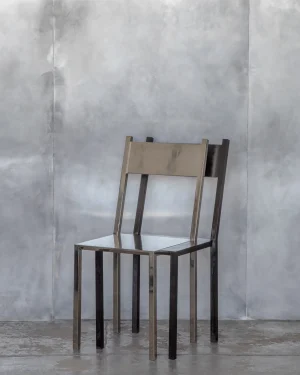 In stock
Double Vision (DV) Chair
By Studio S II
Price Upon Request -

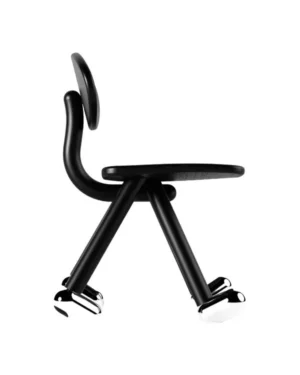
The Walky Chair
By Design VA
€3.995 - €5.740 This product has multiple variants. The options may be chosen on the product page -
 In stock
“Lost in Transition”, Urban Chair
By T SAKHI Tessa & Tara Sakhi
Price Upon Request -
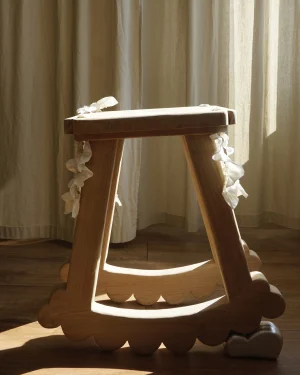
Halinka Stool
By Basia Pruszyńska
Price Upon Request -
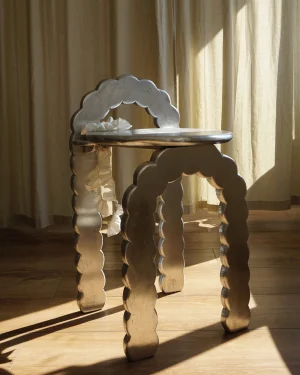
Roman Chair
By Basia Pruszyńska
Price Upon Request -
 In stock
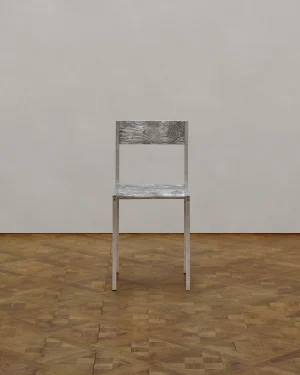
Aluminum Veneer Chair
By Bureau.parso
Price Upon Request -
 In stock
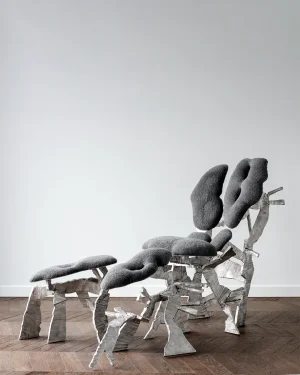
Insect Lounger – Recycled Cast Aluminum
By BY JAMPS
Price Upon Request
Aluminum chairs take their character from a metal that is light, resistant to rust, and able to hold a sharp edge or a soft curve with equal ease. Studios working in cast aluminum, raw aluminum, and polished or matte finishes use metal casting, sand casting, and laser cutting to shape seats that carry weight without looking heavy. Across the range sit open editions produced in steady runs alongside limited editions and unique pieces finished by hand in bronze-toned patina.
What Defines Aluminum as a Seating Material
Aluminum does not rust the way steel or iron does. A thin oxide layer forms on contact with air and seals the surface beneath it, which is why raw aluminum chairs develop a soft, silvery haze rather than pitting or flaking. The metal is also roughly a third the weight of steel for a comparable amount of material, so a chair with a substantial profile can still be moved with one hand. Designers lean on this combination of strength and lightness to build cantilevered seats, perforated backs, and frames with almost no visible support.Finishes, Techniques, and Editions Found Here
Within aluminum pieces across ADORNO, the material appears in several states. Cast aluminum is poured into a mold and ground smooth, giving rounded, almost liquid forms. Raw aluminum keeps the tool marks and matte surface of the casting or extrusion process, favored by studios working in a neo-industrial or radical register. Bronze and amber patination, applied by hand, pushes the metal toward warmer, aged tones, while reflective or silver polishing does the opposite and turns a seat into a mirror. Technique and finish decide which category a piece sits in:- Sand-cast and metal-cast frames, usually left raw or lightly polished
- Laser-cut sheet aluminum, bent or welded into seat shells
- Patinated surfaces in bronze, amber, or beige tones
- Open editions for everyday use alongside limited editions and unique, hand-finished pieces
Choosing an Aluminum Chair for Scale and Placement
Seat height and depth matter more with aluminum than with upholstered forms, since the metal rarely hides a frame that is too large or too small for its setting. Measure the table or desk a chair will sit at, and leave enough clearance for the arms or sculptural details that aluminum designs often carry. A polished or reflective finish catches light and reads as a focal point even in a small grouping, while a matte or raw surface recedes and lets other furniture carry the room. If several aluminum chairs are placed together, consistency of finish, rather than identical form, is usually what keeps the group coherent.Where Aluminum Chairs Work Best
Dining settings suit aluminum well, since the metal shrugs off daily use and spills wipe away without staining. A set of dining chairs in cast or raw aluminum pairs easily with wood, stone, or glass tabletops, trading warmth for durability. The same lightness that makes the chairs easy to carry also makes them practical for living room seating that gets rearranged often, and for studios or offices where a chair needs to move without scraping a floor. Outdoor and covered spaces benefit most from the material's resistance to corrosion, provided the finish is sealed rather than left to oxidize unevenly.Caring for Aluminum Seating
Routine care is light. A damp cloth and mild soap remove most marks, and abrasive pads should be avoided since they scratch through polished or anodized layers. Raw aluminum will darken slightly over years of handling, a natural change rather than damage, while patinated or painted surfaces hold their tone longer out of direct sun. For a broader look at the metal across other pieces, the full range of aluminum furniture and aluminum seating on ADORNO shows how the same casting and finishing methods carry from chairs into tables, benches, and lounge forms, and the wider chairs category sets aluminum designs alongside wood, upholstery, and other metals for comparison.How do I choose an aluminum chair?
Consider finish and weight first: cast aluminum feels solid and sculptural, sheet or tube forms sit lighter. Match the finish, raw, matte or reflective, to the room's light and other metal tones nearby.
Is aluminum a good material for chairs?
Yes, aluminum resists rust, holds up outdoors and in, and stays light enough to move easily. It will not warp or crack the way wood can, and most finishes age with little more than a wipe down.
How do I clean and care for an aluminum chair?
Wipe with a damp cloth and mild soap, then dry to avoid water spotting. Avoid abrasive pads on polished or reflective finishes, since they can scratch the surface permanently.
What size and seat height should an aluminum chair be?
Dining chairs typically suit seat heights around 18 inches to clear standard table heights, while lounge chairs sit lower for a more relaxed angle. Check each listing or chat with the maker for exact measurements.
Which rooms suit aluminum chairs?
Their resistance to moisture and temperature change makes them suited to kitchens, dining rooms, balconies and covered outdoor spaces, while polished or patinated finishes also read well in living rooms and studies.
Does ADORNO ship aluminum chairs worldwide and offer returns?
Shipping is insured and worldwide. Returns are accepted within 14 days, except on made-to-order pieces, and each chair arrives with a certificate of authenticity.