

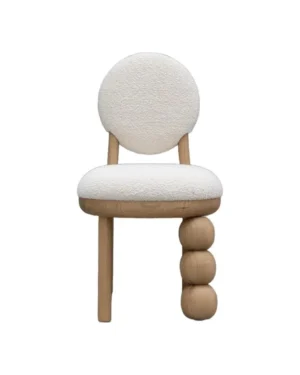
-
 In stock
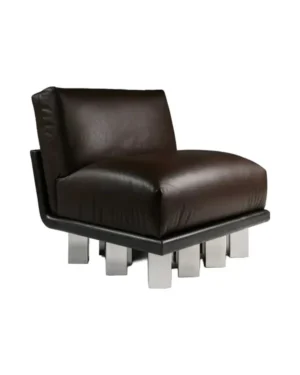
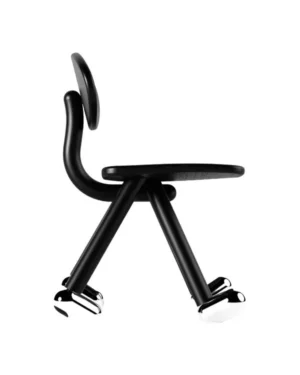
Zampa
By Jonathan Bocca
€2.700 -
 In stock
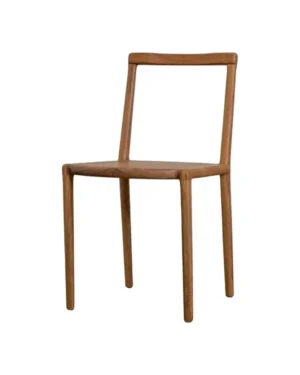
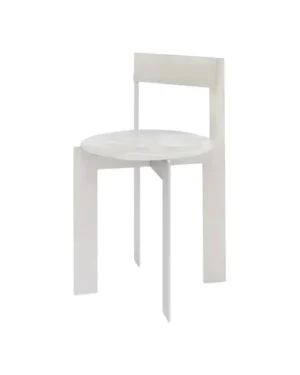
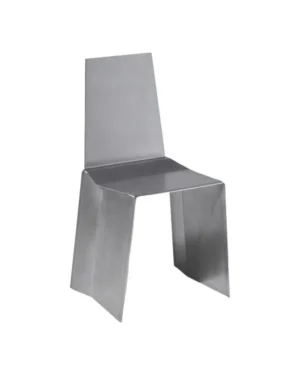
Camber – Stainless Steel Chair
By Paul Coenen
€1.121 -

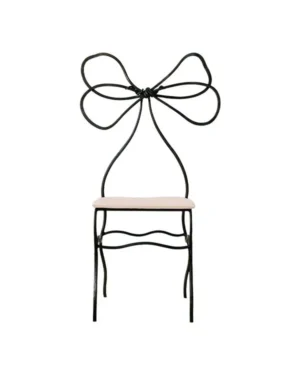
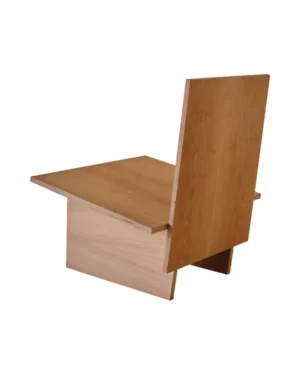
The Practice Chair
By Studio Fabius Clovis
€2.200 This product has multiple variants. The options may be chosen on the product page -
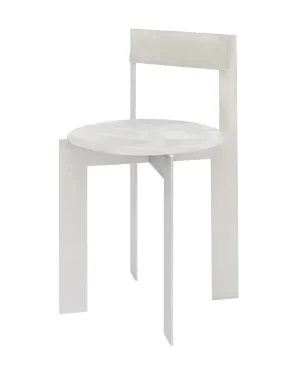
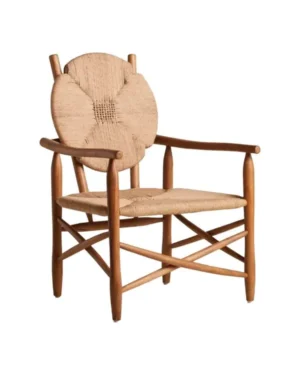
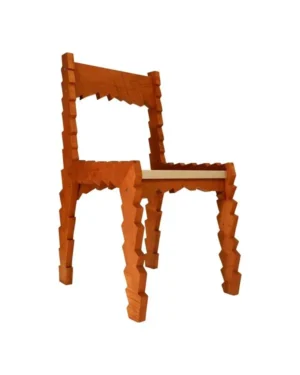
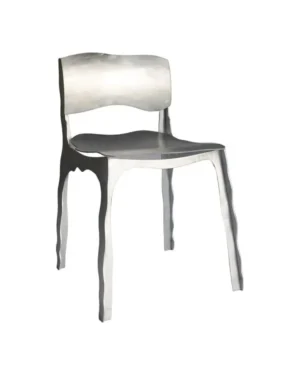
Object111 – Aluminum Chair
By NG DESIGN
€333 -
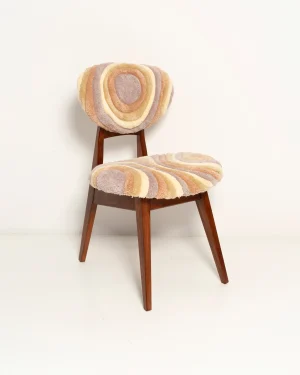
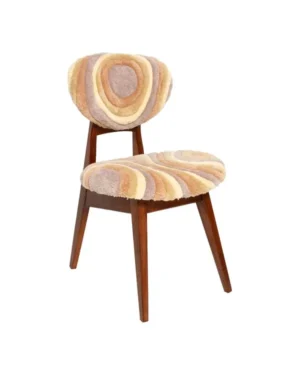
Mid Century Mushroom Chair Hand Tufting Beige Wool
By Vintola Studio
€1.600 -

Lumbarchair Accent Chair
By FlatFlat
€429 -
 In stock
Loungechair
By FlatFlat
€515 -
 In stock
“your Skin” Chair
By Tributo
€2.180 -
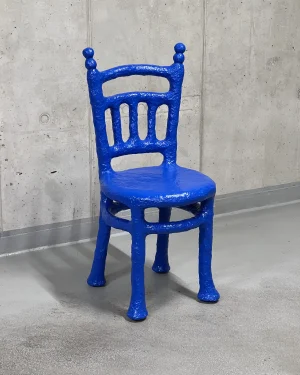
Blue Papier-mâché Chess Chair
By David Čáp
€1.000 -

Mineral Yeti Armchair
By Vincent Mazenauer
€5.400 -
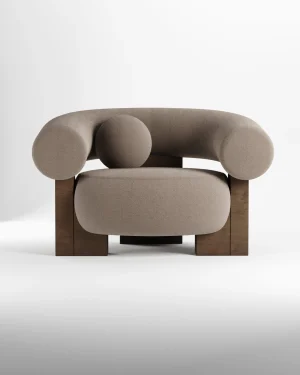
Cassette – Upholstered Lounge Chair
By Alter Ego Studio
€5.860 -
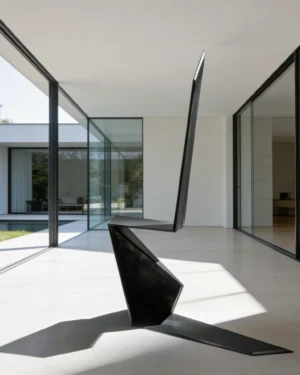
Dark Side – Aluminum Chair
By ORFEO STUDIO
€5.082 -

Honey – Squiggle Oak Wood Chair
By Deya
€1.492 -

Invisible Chair No. 1 – Steel Wall Chair
By lee hyokk
€2.070 -
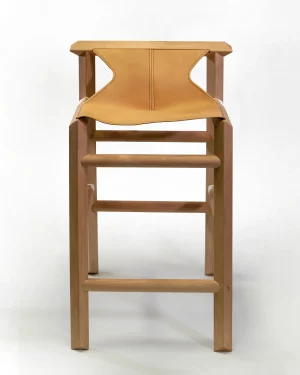
1903 – Cognac Leather And Wood Barstool
By espina corona
€890 -
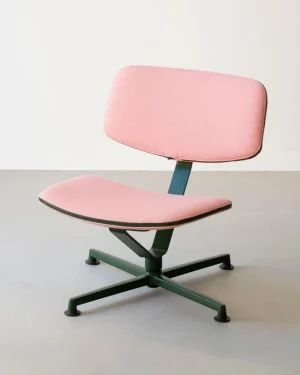 In stock
Arba – Aluminum & Steel Lounge Chair
By raawii
€1.276 This product has multiple variants. The options may be chosen on the product page -
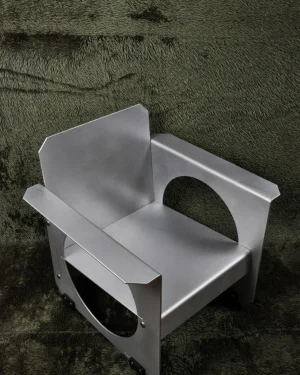
D400 Armchair – Matte Aluminium
By MLK Furniture
€2.290 -
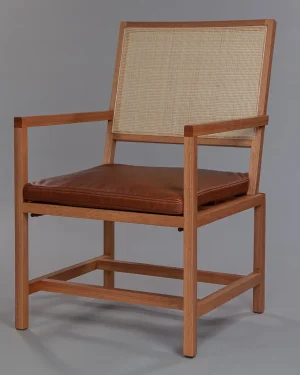
Nº2 Armchair – Jequitibá And Sucupira Wood
By am.o atelier
€1.842 -
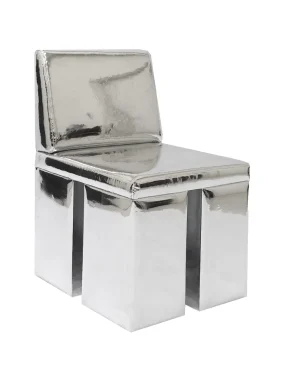
Object106 – Upholstered Chairs
By NG DESIGN
€585 - €1.115 This product has multiple variants. The options may be chosen on the product page -
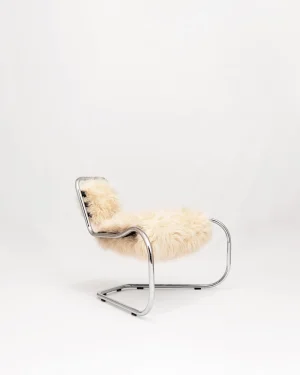 In stock
Curvy – Steel & Fur Armchair
By Luca Pasqualotti Architect
€3.885 This product has multiple variants. The options may be chosen on the product page -

Twisted – Velvet Armchair
By Deya
€4.302 -

The Andes Huntsman Chair
By CHANDLER MCLELLAN
€3.695 -
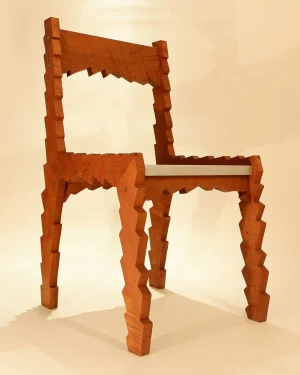
Shocking Chair – Stained Oak Wood Dining Chair
By Josh Page Studio
€940 -
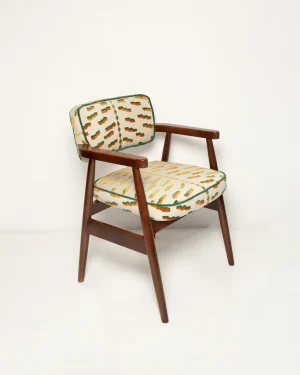 In stock
Classic Dining Chair
By Vintola Studio
€1.250 -
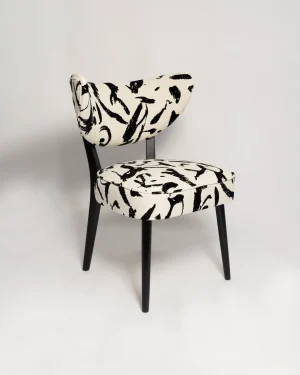
Retro Dining Chair
By Vintola Studio
€1.200 -

Sandstone Chair
By David Čáp
€1.000 -
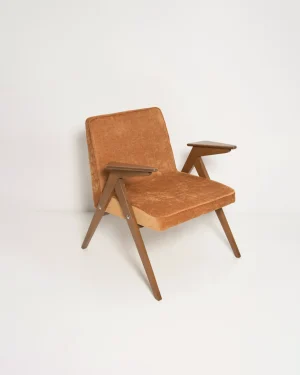
1960s Upholstered Armchair
By Vintola Studio
€1.300 -
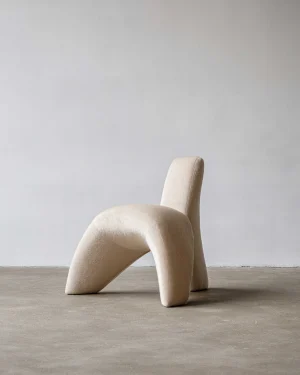
Sokil Armchair
By ZEMNA
€1.780 -

“quantum” Chair
By Adrian Cruz
€9.200 -

Dessert – Steel Chair
By SALAK Studio
€790 -

Vaga Chair
By Rosana Sousa
€2.820 -
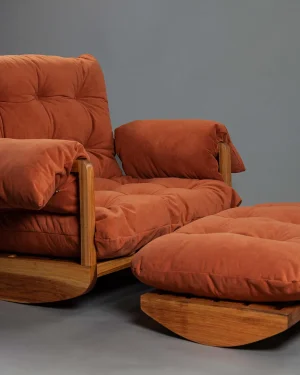
The Laziness Armchair
By am.o atelier
€3.130 -
 In stock
Aluminium Lounge Chair
By case studios
€1.571 -

Lapis – Lounge Chair With Ottoman
By Pablo Octavio
€4.150 This product has multiple variants. The options may be chosen on the product page -

010 – Lounge Chair
By OFAA
€3.000 -
 In stock
Núcleo Massiva — Ebony Wood And Resin Chair
By DONÓ Design
€2.271 -
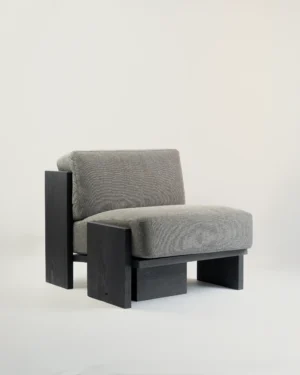 In stock
Brut Lounge Chair | Re-enchantment
By małe dobra
€1.500 -
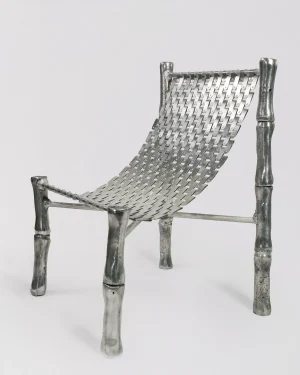 In stock
Bone Chair – Aluminum Lounge Chair
By BY JAMPS
€4.000 -
 In stock
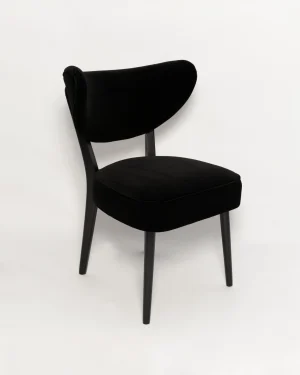
Retro Dining Chair
By Vintola Studio
€1.160 - €1.200 This product has multiple variants. The options may be chosen on the product page -

Ripple Chair
By LMNOH
€1.250 -

Lapis – Lounge Foam Chair
By Pablo Octavio
€3.100 This product has multiple variants. The options may be chosen on the product page -
 In stock
Gi Armchair
By PROSA
€1.900 This product has multiple variants. The options may be chosen on the product page -

D400 Armchair – Black Mamba – Matte Stainless Steel
By MLK Furniture
€7.590 -

Arco Massiva — Ebony Wood, Cast Aluminum And Velvet Chair
By DONÓ Design
€2.729 -

High Heels – Oak Wood And Fabric Armchair
By Deya
€5.180 -
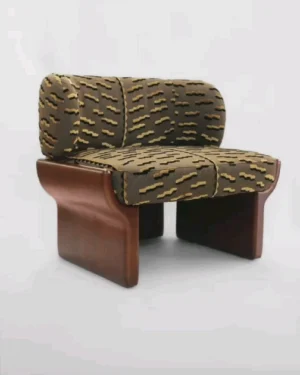
Lucky Armchair Tiger Mountain
By Alter Ego Studio
€5.220 -
 In stock
Be Careful Chair
By Ryan Mercer
€2.537 -
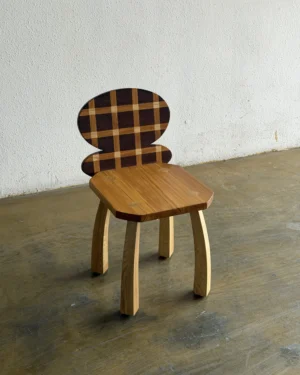
Bend Chair
By STUDIO KALLANG
€2.900 -

Icpalli
By Kresta Studio
€1.930 -

Super Jardim Armchair
By Cultivado em Casa
€4.549 This product has multiple variants. The options may be chosen on the product page -

O.f.i.s Series, Tubular Armchair
By Lucas Muñoz Muñoz
€18.000 -

Kut – Accent Chair
By SABAN FURKAN
€3.400 -
 In stock
O.F.I.S Series, Steel Chair
By Lucas Muñoz Muñoz
€1.200 -

Ginkgo Chair
By Luke Crouch Studio
€2.550
Living room chairs on ADORNO gather pieces built for the rooms where people sit longest: frames in oak, walnut, aluminum or stainless steel, seats upholstered in wool, leather or textile, each made by an independent studio working in wood and cabinetmaking, metalwork, leatherwork or upholstery. What unites them is less a single material than a shared brief, seating meant to hold its shape through years of daily use and to read well from every angle in a room people linger in.
What sets a living room chair apart
A dining chair is built for a table height and a short sit. A living room chair carries more weight in the room itself: it anchors a corner, faces a sofa, or stands alone near a window. Seat depth, back angle and arm height all shift to support longer sitting, and the frame has to look settled rather than temporary.
Because these chairs sit in view most of the day, finish matters as much as structure. A walnut frame darkens slightly with light over years; leather softens and takes on a patina where hands and forearms rest; wool upholstery holds color better than it holds a sharp edge, so it reads warmer as it wears.
Materials, techniques and editions on ADORNO
The range found under living room chairs changes as pieces sell and new work arrives, but the kinds of making stay consistent:
- Wood and cabinetmaking in oak, walnut or other solid timbers, often left with an oiled or waxed finish that shows the grain.
- Metalwork in aluminum or stainless steel, welded or bent into frames that stay cool to the touch and hold a sharp line.
- Leatherwork, upholstery and textilework, including tufted seats and wool or cotton weaves in beige, brown, cognac, off-white and deeper greens.
- Occasional papier-mâché or wood-carved details on sculptural pieces, usually from studios working in open editions, limited runs or one-off pieces.
Color tends to follow material rather than trend: black and stainless steel for a harder edge, beige, brown and off-white for upholstered pieces meant to sit quietly, cognac leather where the studio wants the chair to age visibly.
Choosing a chair for scale and placement
Start with the room, not the chair. A low, wide seat suits a chair meant to pair with a sofa and low table; a narrower, upright frame works better as a single accent chair near a bookshelf or window. Arm height should roughly match or sit just below a nearby sofa arm so the pieces read as one grouping rather than two unrelated heights.
Leave enough clearance behind the chair for someone to walk past or for the chair to swivel, if it does. In smaller rooms, a chair in minimalist or mid-century lines with slim legs will take up less visual space than a heavy upholstered frame, even at the same footprint.
Living with wood, metal and upholstered seating
Wood frames want occasional oil or wax and a spot away from direct radiator heat, which dries and cracks timber over time. Leather benefits from a conditioner every year or two and from staying out of direct sun, which dries and fades hide faster than almost any other finish. Wool and textile upholstery should be vacuumed regularly and spot-cleaned rather than soaked, since heavy wetting can shift the weave.
Stainless steel and aluminum ask for little beyond a wipe with a soft cloth; neither rusts, though aluminum can show light scratches over years of handling. For a fuller sense of what pairs with a given chair, the full range of chairs, the living room seating on ADORNO, or the broader pieces made for the living room all sit alongside these chairs in scale and material, which makes them a useful starting point when building out a single room.
How do I choose a living room chair?
Start with how the chair will be used, reading, conversation, or an accent next to a sofa, then weigh frame and upholstery against the room's existing materials and tones.
What materials are living room chairs usually made from?
Common choices are wood frames such as walnut, upholstery in leather, wool or textile, and metal or aluminum bases, each chosen for how it looks and wears over time.
How do I care for a wood or upholstered chair?
Wood should stay away from direct heat and gets an occasional wipe with a dry cloth; leather and textile benefit from regular dusting and prompt attention to spills.
What size chair fits a living room?
Seat heights typically sit between 17 and 19 inches, with arm height and depth depending on the frame; the maker can confirm exact dimensions with Chat with the maker on the piece's page.
Can living room chairs work in other rooms too?
Yes, many chairs move easily between a living room, a bedroom corner or a study, since comfort and proportion matter more than the room's label.
How does shipping, returns and authenticity work on ADORNO?
Shipping is insured and worldwide, returns are accepted within 14 days except on made-to-order pieces, and every chair arrives with a certificate of authenticity.