









-
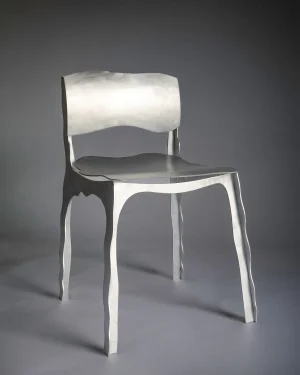
Contemporary Vanity Chair V2
By Six Dots Design
€920 -

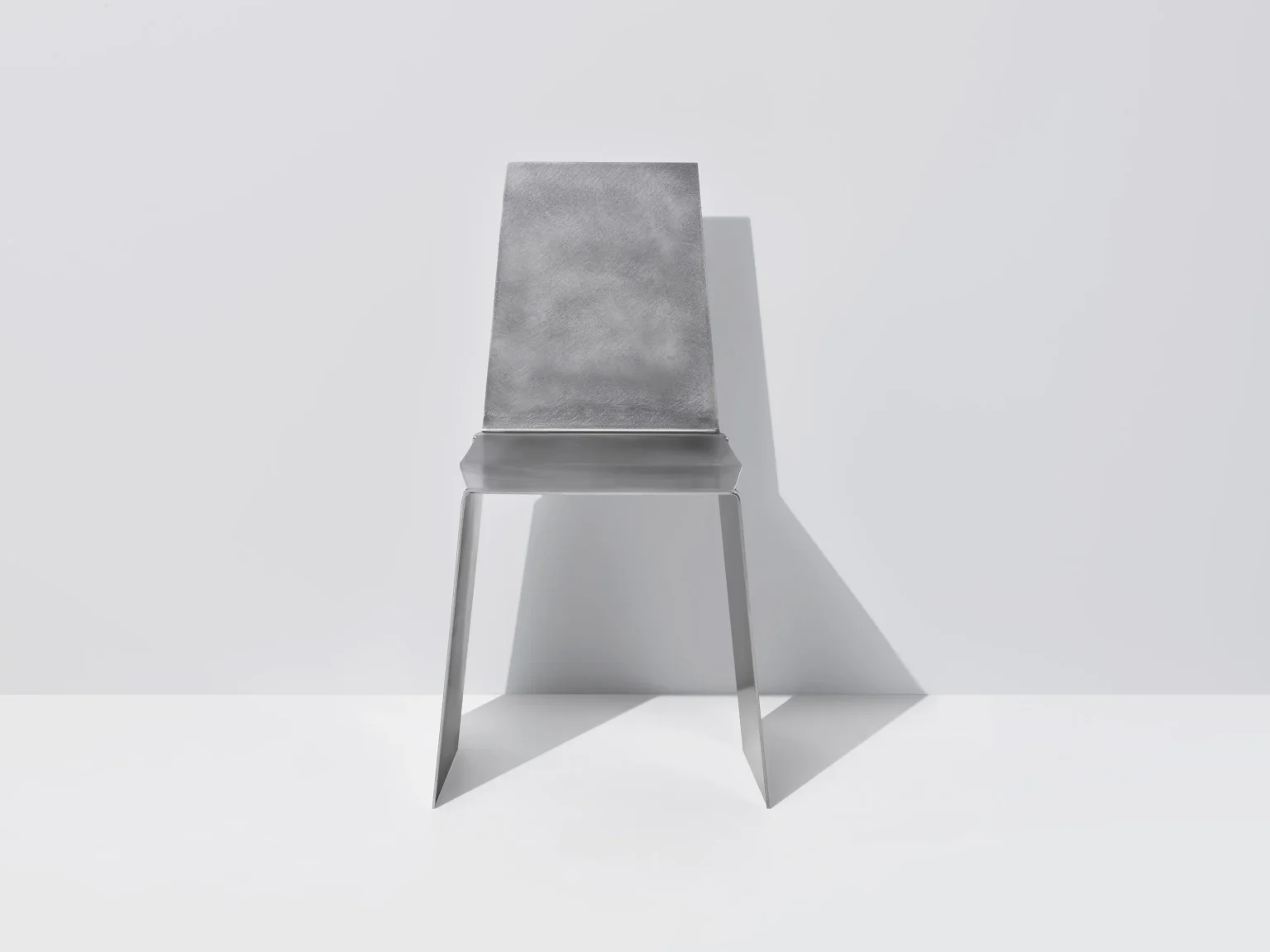
Camber – Stainless Steel Chair
By Paul Coenen
€1.121 -
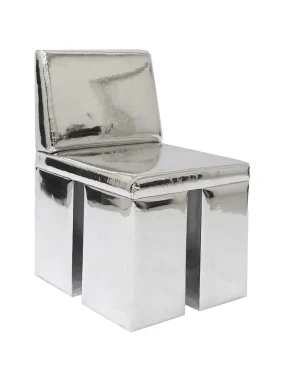
Object106 – Upholstered Chairs
By NG DESIGN
€585 - €1.115 This product has multiple variants. The options may be chosen on the product page -
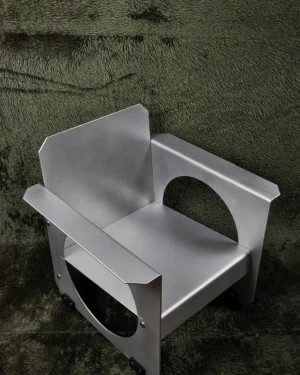
D400 Armchair – Matte Aluminium
By MLK Furniture
€2.290 -
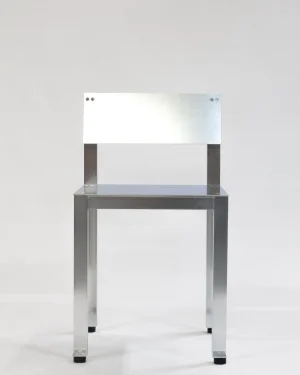
Canto – Aluminum Dining Chair
By Luiz Solano
€840 -
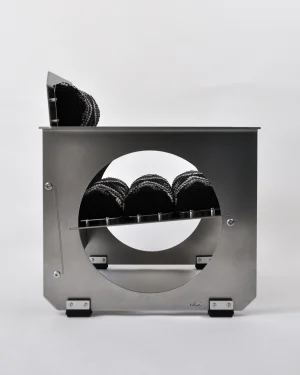
D400 Armchair – Black Mamba – Matte Stainless Steel
By MLK Furniture
€7.590 -
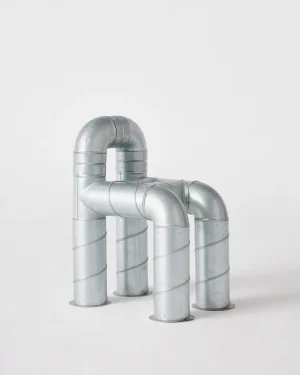
O.F.I.S Series, Steel Chair
By Lucas Muñoz Muñoz
€1.200 -

O.f.i.s Series, Tubular Armchair
By Lucas Muñoz Muñoz
€18.000 -
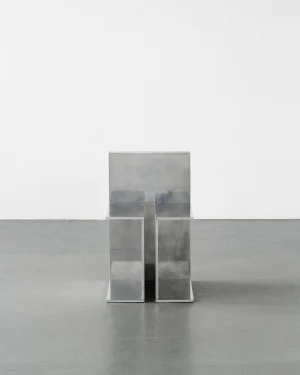
Lille Split Chair
By Thomas Gayet
€2.300 -
 In stock
Pneumatic Chair 2
By Szostak Atelier
€5.990 This product has multiple variants. The options may be chosen on the product page -
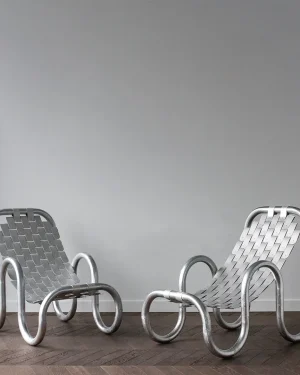
Chainlink – Outdoor Chair
By BY JAMPS
€1.250 -
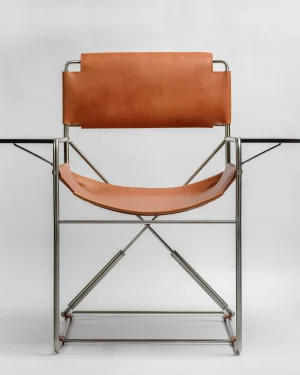
Pneumatic Chair – Unique Piece
By Szostak Atelier
€9.000 -

Jell – Asymmetric Armchair
By Alter Ego Studio
€7.220 -
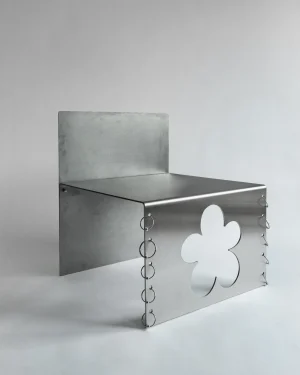
Pierced Cosmic Flower Chair
By LAÔMA ATELIER
€983 -
 In stock
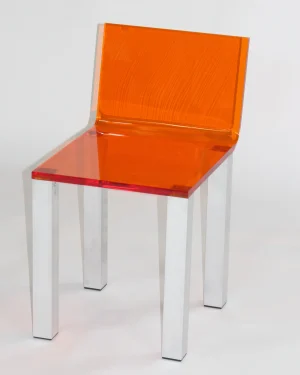
Acrilar – Acrylic Chair I
By Luiz Solano
€840 This product has multiple variants. The options may be chosen on the product page -
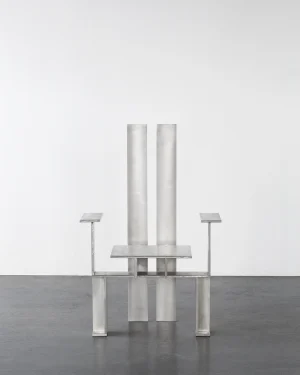
Relatively Comfy Armchair
By Thomas Gayet
€2.900 -
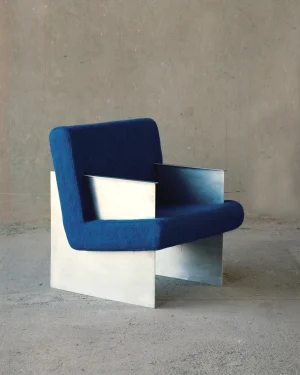
Sword Armchair
By Around the Studio
€3.900 -
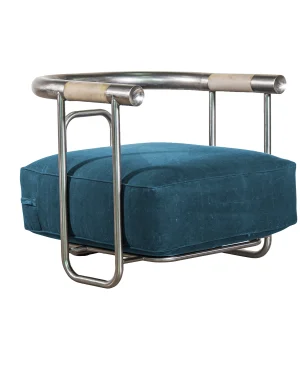
Baby Bull – Steel & Wax Canvas Lounge Chair
By Costantini Design
€9.850 -
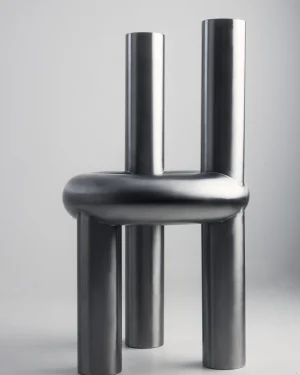
Chunk Chair – Stainless Steel
By Obscure Objects
€6.303 -

Finepianta 02 – Dining Chair
By FINEPIANTA
€1.785 -
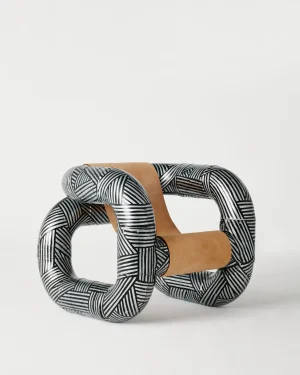
O.F.I.S Series, Tubular Armchair, Anitgoon Edition
By Lucas Muñoz Muñoz
€28.000 -
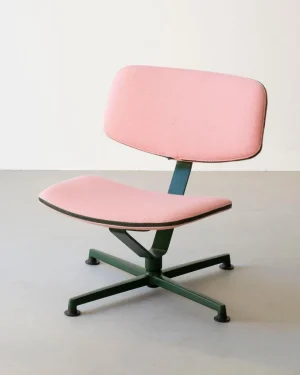 In stock
Arba – Aluminum & Steel Lounge Chair
By raawii
€1.276 This product has multiple variants. The options may be chosen on the product page -
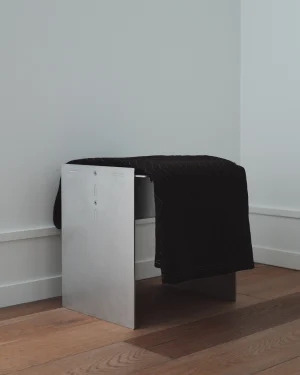
Flat Metals – Seat 01
By Estudio Material
€900 -
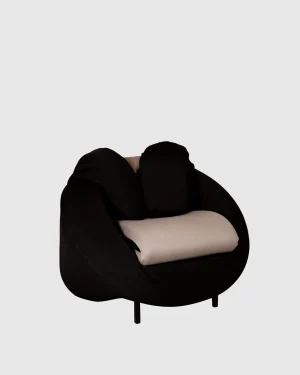
F.C Series, Forma Curva 03 Armchair
By Lucas Muñoz Muñoz
€6.500 -
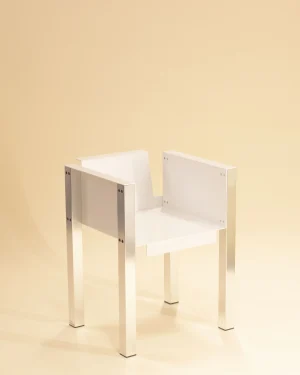
A2 – Aluminum Armchair
By Luiz Solano
€1.250 -
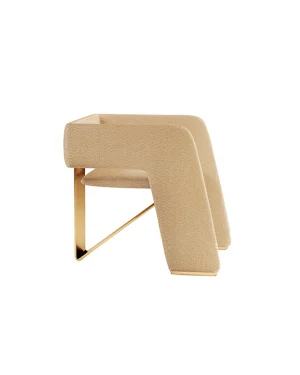
Futura Chair
By Alter Ego Studio
€3.900 This product has multiple variants. The options may be chosen on the product page -
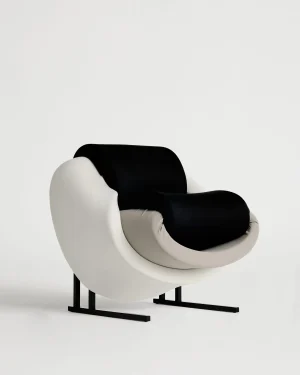
F.C Series, Formas Curvas 02 Armchair
By Lucas Muñoz Muñoz
€6.200 -
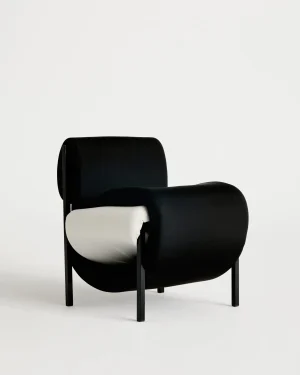 In stock
F.C Series, Forma Curva 01
By Lucas Muñoz Muñoz
€4.000 -
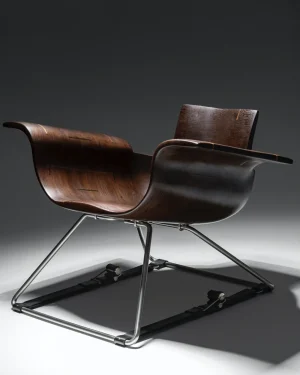 In stock
Roadster Armchair with Footstool
By Szostak Atelier
Price Upon Request -
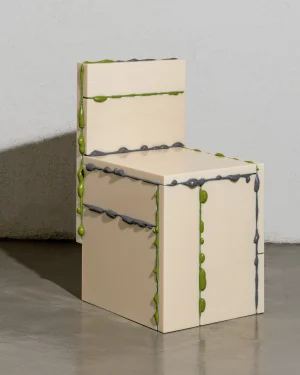 In stock
B. S. P Series – Recycled Plastic Chair
By Atelier SOHN
Price Upon Request -
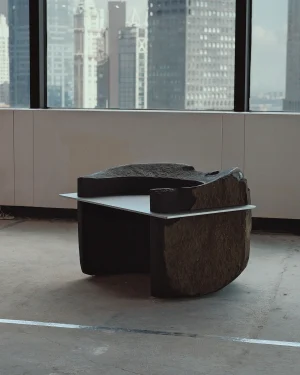
Basalt Seat 01
By Estudio Material
Price Upon Request -
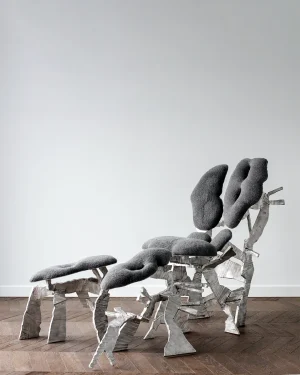
Insect Lounger – Recycled Cast Aluminum
By BY JAMPS
Price Upon Request -
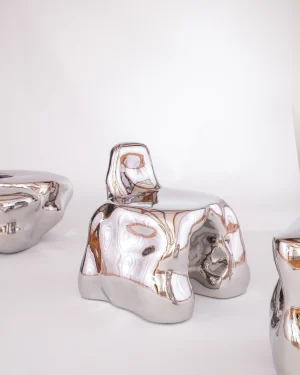
Surface Chair – Mirror Polished Stainless Steel
By studio NAWA
Price Upon Request -
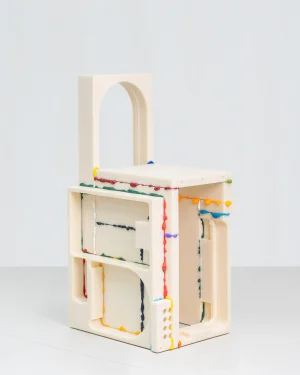
B. S. P Series “the Original”
By Atelier SOHN
Price Upon Request -
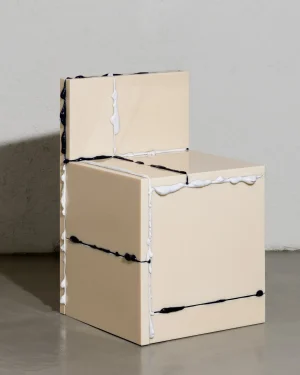
B. S. P Series – Recycled Plastic Chair
By Atelier SOHN
Price Upon Request
Futuristic chairs read as objects from a near future rather than a particular decade, built by studios working in metal, aluminum, stainless steel and recycled material, often finished in chrome or reflective surfaces that catch light instead of absorbing it. Welding, metal casting, press moulding and 3D printing stand in for traditional joinery, so a seat can curve, cantilever or fold in ways wood rarely allows. The result sits closer to sculpture than to a conventional dining chair, even when it carries weight just as well.
What defines the futuristic style in a chair
A futuristic chair tends to strip away ornament and let the silhouette do the talking: a single sweeping shell, an exposed frame, a surface that looks poured or pressed rather than upholstered. Color stays restrained, often beige, ivory, off-white, white or light gray, with the occasional amber accent, so the form reads clearly against most interiors. Where metal is left bare, the finish itself becomes the decoration, whether brushed steel, polished chrome or a reflective coat that doubles as a mirror.
Materials and techniques behind the range
Metal in its various grades, aluminum, stainless steel and plain steel, carries the bulk of this style because it holds a cantilever or a thin profile without bulking out the frame. Some studios build from recycled plastic or other by-product and recycled material, pressing or moulding it into seat shells that keep the same clean geometry while using less virgin stock. Laser cutting shows up where a frame needs sharp, repeatable edges, and textilework or upholstery appears on pieces that pair a hard shell with a softer seat pad.
- Open editions, for chairs made to a repeatable standard and restocked over time
- Limited editions, produced in a fixed run and not remade once sold through
- Unique pieces, each one differing slightly from the next because of how it was formed or finished
How to choose one for your room
Start with seat height and depth relative to the table or desk it will sit at, since a sculptural profile still needs to meet the body at a working height. Reflective and chrome finishes draw attention, so a single chair can anchor a room on its own, while a set of several benefits from a quieter tone such as off-white or light gray. Check whether the frame is solid metal or a lighter shell on a metal base, since that affects both how it feels to sit in and how much floor space it visually occupies.
Scale matters more with this style than with a traditionally upholstered chair, because an exaggerated curve or a wide cantilever can read very differently in a small room than in an open one. Placing a single statement chair near a window lets reflective or chrome surfaces pick up daylight through the day. For dining and desk settings, pay attention to armrest height against the table edge before committing to a shape you cannot easily adjust.
Where these chairs work
Living rooms and studies suit a single sculptural chair used as a reading or accent seat, while a run of matching futuristic chairs can carry a dining table or a conference table that wants a consistent, forward-looking line. Entryways and landings benefit from a lightweight metal or recycled-material chair that reads as an object even when it is rarely sat in. Anyone assembling a full room around this language can look across futuristic furniture or futuristic lighting to keep materials and finishes consistent from seating to surfaces.
Caring for metal, chrome and reflective finishes
Bare and chromed metal resists daily wear well but shows fingerprints and dust more readily than fabric, so a soft, dry or barely damp cloth kept close by helps maintain the reflective quality. Avoid abrasive cleaners on polished or reflective coats, since they can dull the finish permanently. Pieces made from recycled plastic or other by-product material generally wipe clean with mild soap and water and hold their color without fading indoors.
For a broader look at seating in this language, the full range of chairs on ADORNO spans wood, upholstery and metal, while every futuristic piece across furniture, lighting and objects follows the same material logic. Those building out a dining space might also compare against dining room chairs or the plainer lines found among metal chairs before settling on a final shape.
How do I choose a futuristic chair?
Look at the silhouette first, since futuristic chairs lean on sculptural form more than ornament. Then check the material, as metal and reflective finishes carry a different weight and presence than upholstered pieces.
What materials are futuristic chairs usually made from?
Most are worked in metal, aluminum, steel, or chrome, sometimes finished to a reflective surface. Some studios use recycled plastic or by-product materials shaped through press moulding or 3D printing.
How do I care for a metal or chrome futuristic chair?
Wipe metal and chrome surfaces with a dry or slightly damp cloth, and avoid abrasive cleaners that dull the finish. Keep reflective surfaces away from direct sun and moisture to prevent streaking or oxidation over time.
What size or seat height should I expect?
Seat heights generally follow standard dining or lounge proportions, around 17 to 19 inches for dining use and lower for lounge seating. For exact dimensions on a specific piece, chat with the maker on the piece's page.
Which rooms suit a futuristic chair?
Their sculptural lines work as a focal point in living rooms, entryways, or studies, and bring contrast into dining spaces built around wood or stone. They read equally well alone or grouped as a set.
What are ADORNO's shipping, returns, and authenticity policies?
Shipping is insured and worldwide. Returns are accepted within 14 days, excluding made-to-order pieces, and every piece arrives with a certificate of authenticity alongside a lowest-price guarantee.