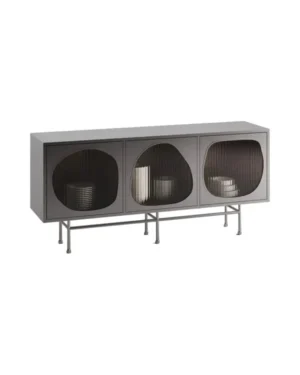
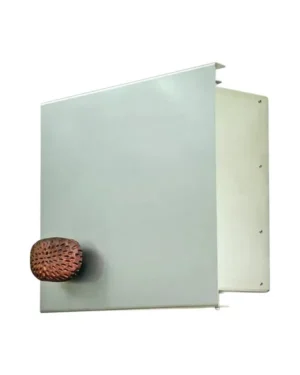
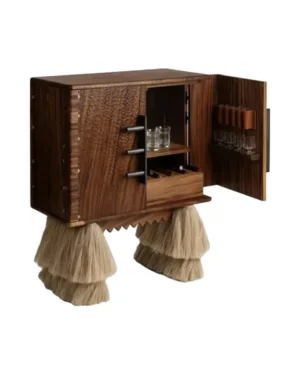
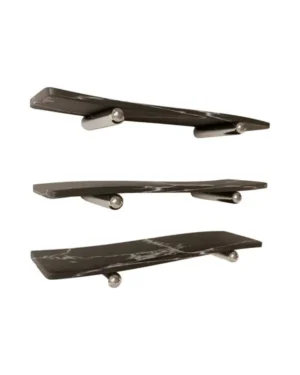
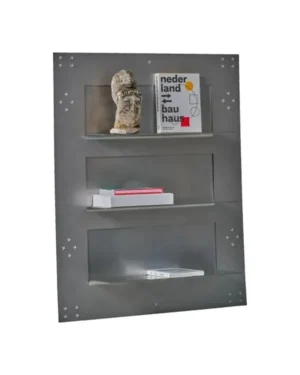
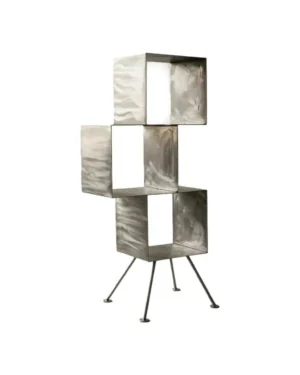








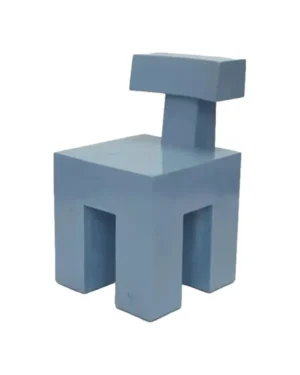
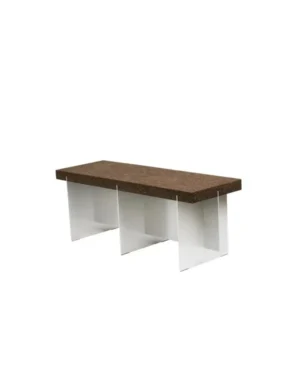














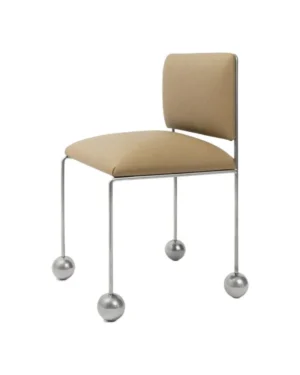
-
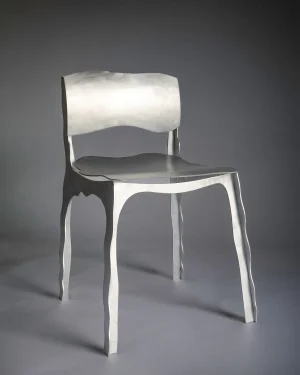
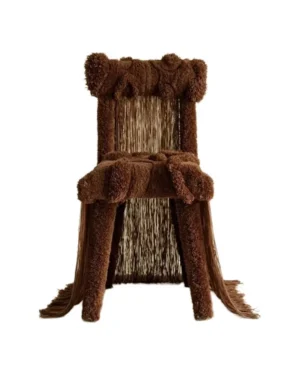
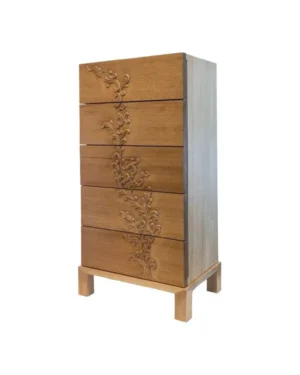
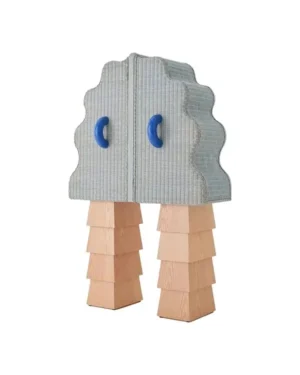
Contemporary Vanity Chair V2
By Six Dots Design
€920 -

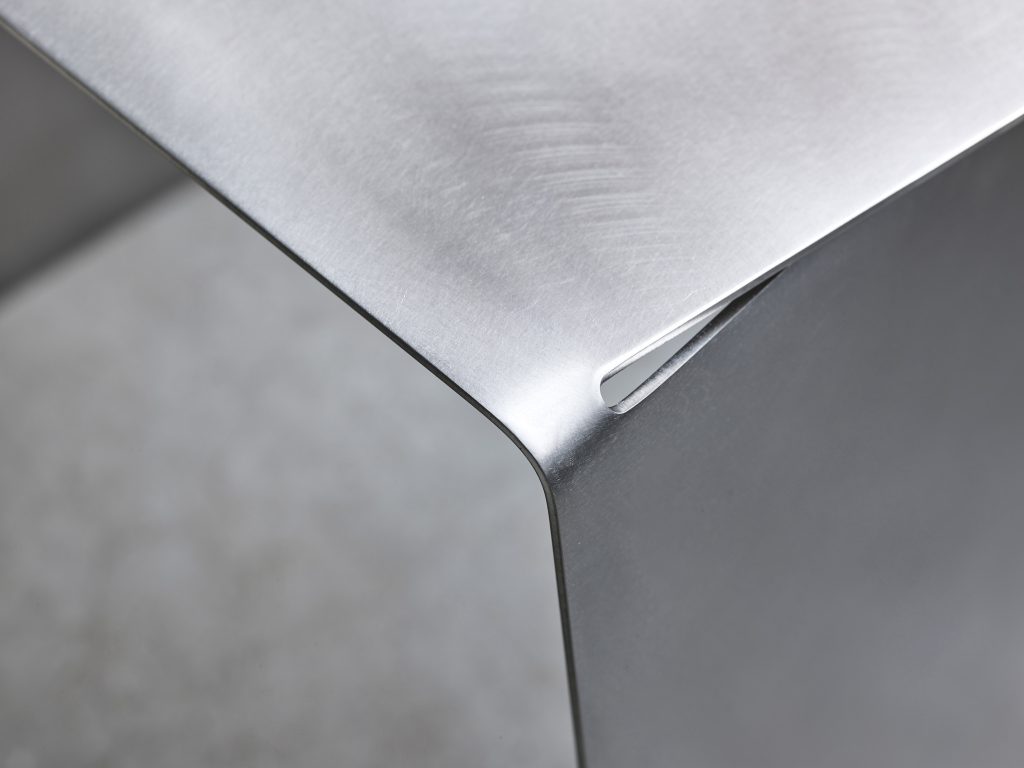
Camber – stainless Steel Stool
By Paul Coenen
€539 -

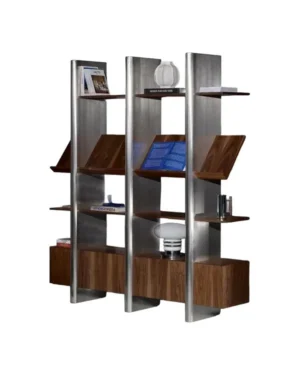
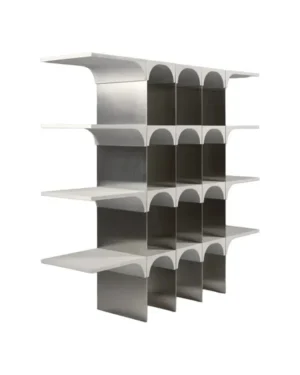
Stack 131 – Raw Aluminium
By studio MOTO
€3.360 -

Camber – Stainless Steel Bench
By Paul Coenen
€818 -

Camber – Stainless Steel Chair
By Paul Coenen
€1.121 -
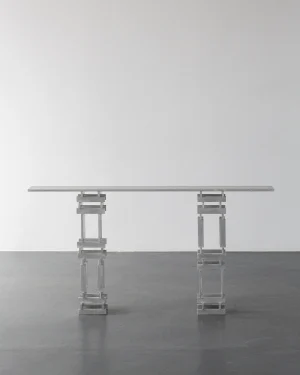
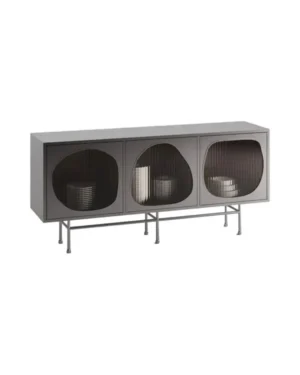
Rainy Sundays Console
By Thomas Gayet
€3.120 -
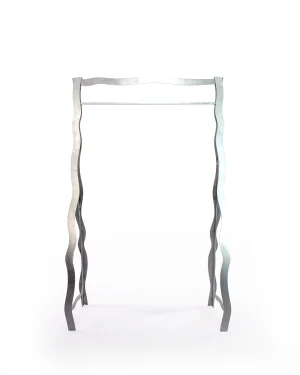
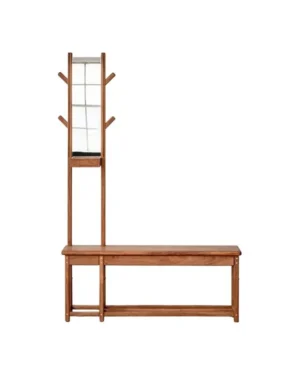
Contemporary Vanity Hanging Rail
By Six Dots Design
€1.150 - €1.350 This product has multiple variants. The options may be chosen on the product page -
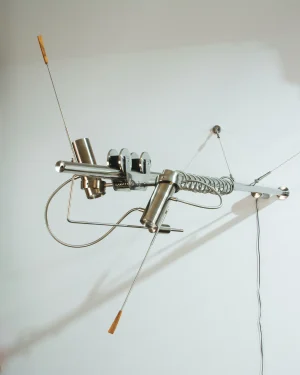
Steel Arm Sconce Lamp
By Szostak Atelier
€8.900 -

Stack 088 – Raw Aluminium Shelf
By studio MOTO
€3.920 -

Stack 051 – Raw Aluminium
By studio MOTO
€1.390 -
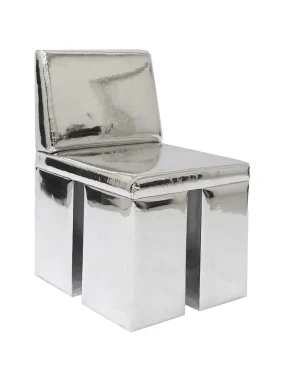
Object106 – Upholstered Chairs
By NG DESIGN
€585 - €1.115 This product has multiple variants. The options may be chosen on the product page -
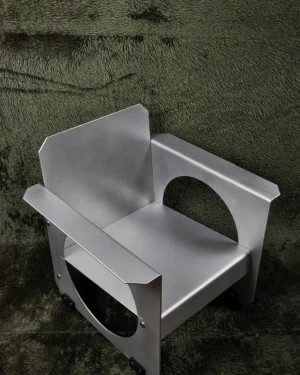
D400 Armchair – Matte Aluminium
By MLK Furniture
€2.290 -
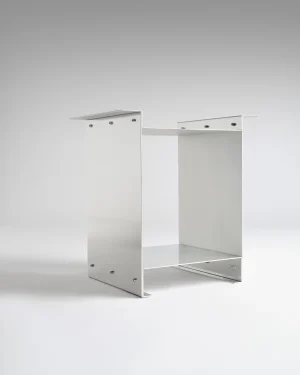
Wing Side Table in Polished Aluminum
By Obscure Objects
€340 -

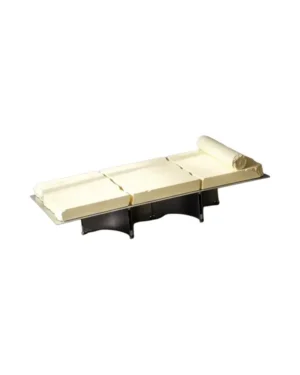
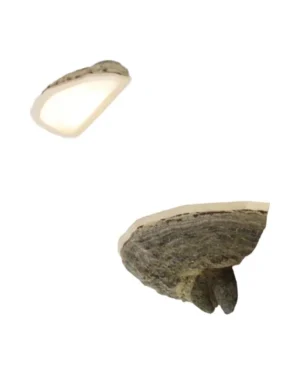
Cork X 01 Side Table in Cork and Aluminum
By Robert Megel
€599 -

Broken Wing Stool
By Obscure Objects
€290 -
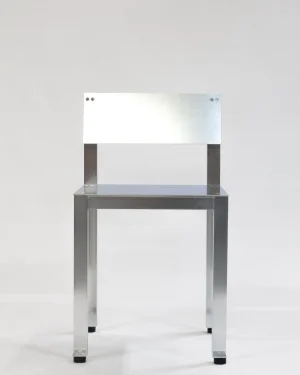
Canto – Aluminum Dining Chair
By Luiz Solano
€840 -
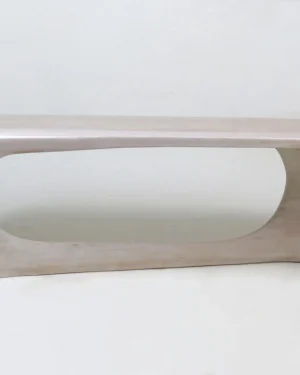
N2v – Cherry Wood Bench
By Aaron Scott
€5.400 -
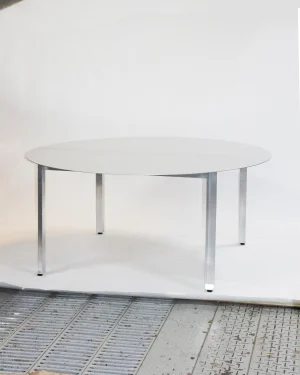
Canto – Aluminum Round Table / Desk
By Luiz Solano
€1.180 - €1.680 This product has multiple variants. The options may be chosen on the product page -
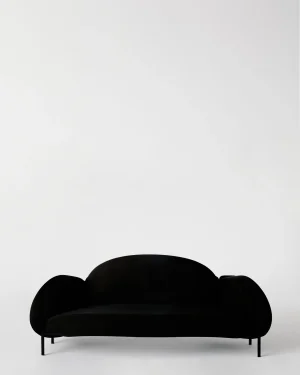 In stock
B.F.M.F Series, 180º Vertical Sofa
By Lucas Muñoz Muñoz
€22.000 -
 In stock
Tronco Bench – Stainless Steel Bench
By Nitush and Aroosh
€5.000 -
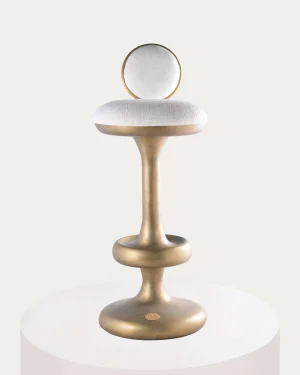
Atom Barstool
By Nama Home
€3.300 -
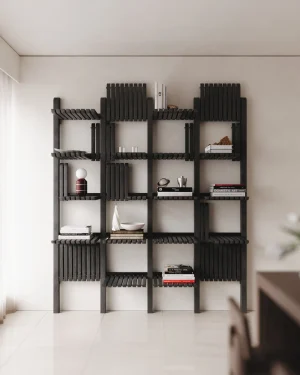
Gate – Modular Shelving System Black Stained
By SVITANOK
€5.000 - €13.450 This product has multiple variants. The options may be chosen on the product page -

Eoli Credenza In White Onyx, Postmodern Sideboard/cabinet
By Panorammma Atelier
€24.900 -
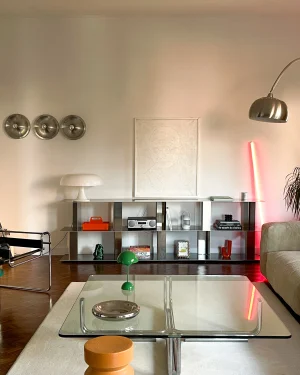
Stack 086
By studio MOTO
€2.725 -
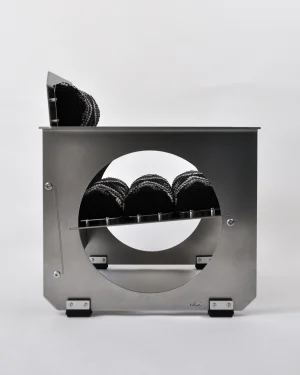
D400 Armchair – Black Mamba – Matte Stainless Steel
By MLK Furniture
€7.590 -

Stack 127 – Raw Aluminium
By studio MOTO
€5.590 -
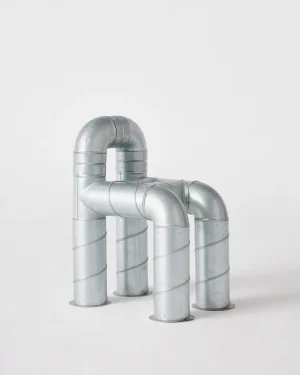
O.F.I.S Series, Steel Chair
By Lucas Muñoz Muñoz
€1.200 -

Stack 029 – Raw Aluminium Shelf
By studio MOTO
€3.760 -
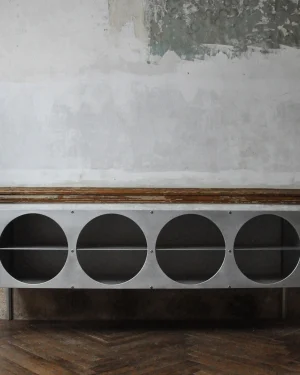
D400 Console – Matte Aluminium
By MLK Furniture
€4.700 -

O.f.i.s Series, Tubular Armchair
By Lucas Muñoz Muñoz
€18.000 -
 In stock
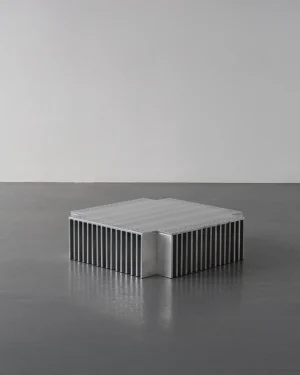
Cpu Low Coffee Table
By Thomas Gayet
€3.300 -

Bent Ultron Wall Shelf
By form & eisen
€167 - €296 This product has multiple variants. The options may be chosen on the product page -

Stack 175 – Raw Aluminium Shelf
By studio MOTO
€5.830 -
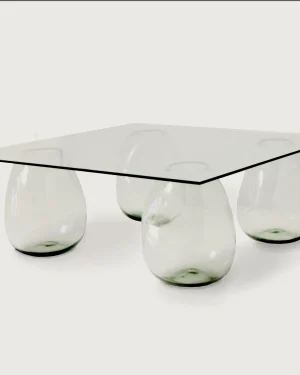
Bubble Glass Coffee Table
By Panorammma Atelier
€6.400 -
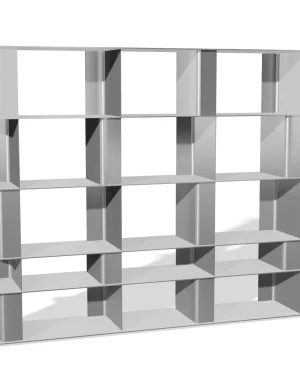
Stack 246 – Raw Modular Aluminium Shelf
By studio MOTO
€4.780 -
 In stock
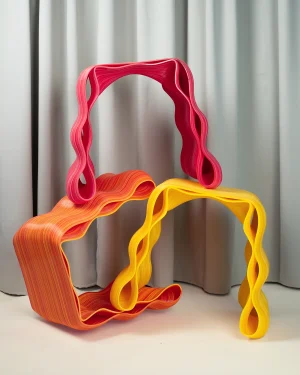
Stouek – Bio Plastic Stool
By BLUBA Studio
€284 This product has multiple variants. The options may be chosen on the product page -

Stack 021 – Raw Aluminium
By studio MOTO
€5.890 -
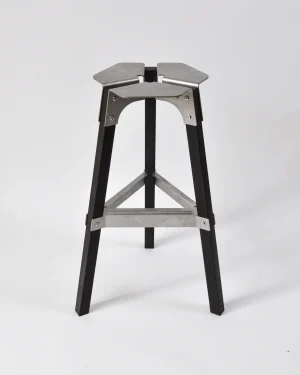
Trinity300 High Stool – Matte Stainless Steel & Ebonized Oak Wood
By MLK Furniture
€1.290 -
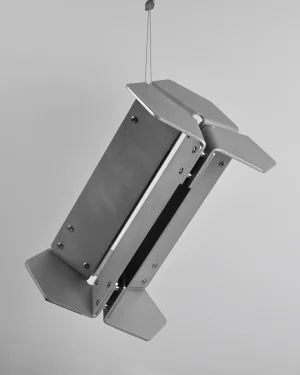
Trilateral 310 Stool – Matte Aluminium
By MLK Furniture
€550 -
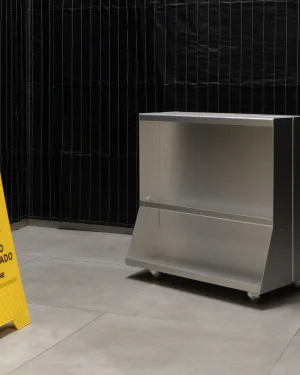 In stock
Bar Cart – Sandblasted Aluminum
By andykim.global
€1.850 -
 In stock
Lasso Coffee Table
By Nitush and Aroosh
€4.250 -

Stack 048 – Raw Aluminium
By studio MOTO
€1.520 -
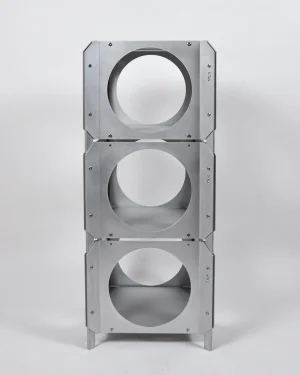
D300 Shelves – Matte Aluminum
By MLK Furniture
€860 - €3.160 This product has multiple variants. The options may be chosen on the product page -
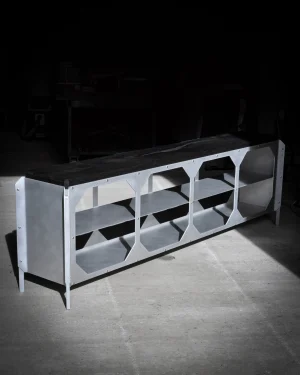
Jnk540 Console – Matte Aluminium / Ebonized Oak Wood
By MLK Furniture
€7.200 -
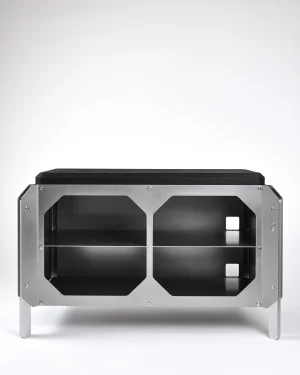
Jnk330 Console – Matte Stainless Steel / Ebonized Oak Wood
By MLK Furniture
€2.500 -
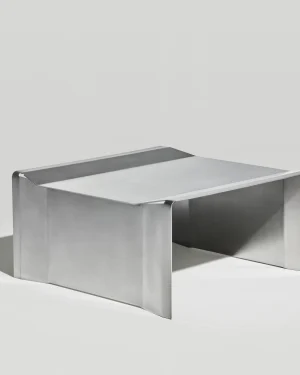
Camber – Coffee Table
By Paul Coenen
€1.615 -
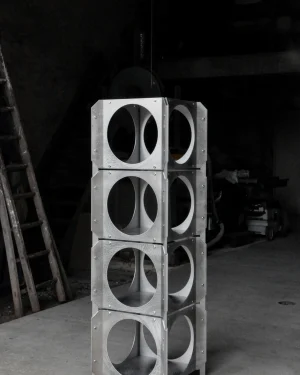 In stock
D300 Shelves “zebra Edition” – Matte Aluminum
By MLK Furniture
€3.960 -
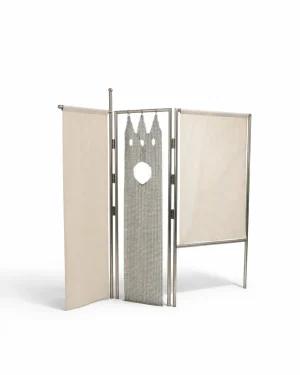
Gonfalon Paravent, Room Divider In Textile And Metal
By Panorammma Atelier
€7.400 -
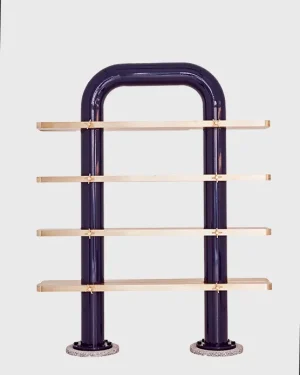 In stock
Temporal Collection – Brass / Steel Shelf
By Lucas Muñoz Muñoz
€55.000 -
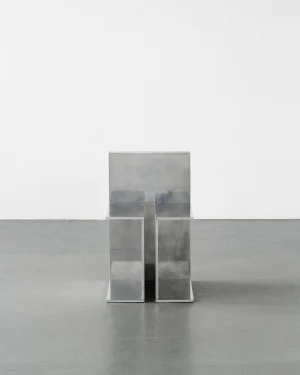
Lille Split Chair
By Thomas Gayet
€2.300 -
 In stock
Pneumatic Chair 2
By Szostak Atelier
€5.990 This product has multiple variants. The options may be chosen on the product page -
 In stock
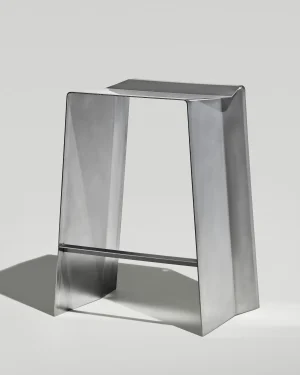
Camber – Bar Stool
By Paul Coenen
€685 -
 In stock
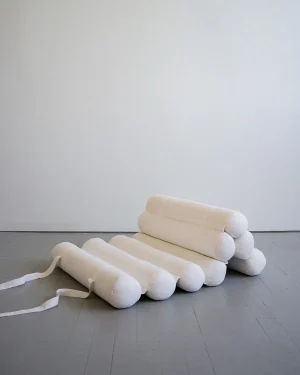
Camille – Versatile Pouf
By Atelier Alz
€1.000 -
 In stock
Eclipse Upholstered Stool With Metal Base
By Toro Manifesto
€1.620
Futuristic furniture reads as a study in surface and structure: aluminum, stainless steel and chrome worked into forms that look poured or printed rather than joined. Studios behind these pieces favor metal casting, laser cutting, 3D printing and digital fabrication alongside more traditional metalwork, so a single chair or table can carry both a machined edge and a hand-finished one. The result sits apart from wooden furniture and its grain-led warmth, leaning instead on reflection, cool temperature and geometry.
What defines the futuristic style
Across furniture working in this style, form tends to lead: curved shells, cantilevered legs, surfaces that fold rather than meet at a seam. Polished stainless steel and chrome throw light across a room instead of absorbing it, while brushed aluminum softens that same reflectiveness into something closer to brushed metal or pewter. Cork and yarn show up less often, usually as a textile or upholstered contrast that keeps a metal frame from feeling cold underfoot or against skin.
Color stays restrained. Silver, gold, black, clear and off-white recur because they let the material's finish do the work rather than competing with it. Where green or brown appears, it tends to sit on a cast or carved element, a nod to semi-precious stone inlays or patinated metal rather than paint.
Materials, finishes and techniques found here
- Metals: aluminum, stainless steel, chrome, polished stainless steel, worked through metalwork, metal casting or laser cutting
- Soft materials: yarn and cork, used for upholstery, webbing or acoustic panels against a metal frame
- Stone: semi-precious stone, shaped by stone carving for inlays, tabletops or small objects
- Making: 3D printing and digital fabrication alongside hand-finished metalwork, producing both open editions and unique pieces
Related styles sit close by without overlapping fully: minimalist furniture shares the restraint but drops the sculptural curve, while modern furniture and contemporary furniture cover a broader range of material and silhouette.
How to choose a piece
Scale matters more with reflective metal than with matte wood, since a large polished surface amplifies a room's light and visual noise. In a small space, a single chromed or aluminum piece reads as a feature; several together can tip a room toward a showroom feel. Standard seat and table heights still apply here, so measure against existing furniture before committing to a sculptural silhouette that may read taller or lower than expected.
Finish is worth checking closely: a brushed surface hides fingerprints and light scratches better than a mirror polish, which shows every mark but gives the sharpest reflection. If a piece is a unique or one-off casting, expect small variations in surface and weight from one to the next, since no two castings or carved stone inlays come out identical.
Where it fits in a room
These pieces anchor living room settings well, particularly as a console, side table or accent chair that can carry visual weight without taking up floor space the way an upholstered sofa does. They also suit entryways and dining areas where a reflective or sculptural object acts as a focal point rather than a backdrop. For a fuller scheme, futuristic lighting, lamps, accessories and decor extend the same material language into smaller objects around the room.
Care for metal and stone surfaces
Polished stainless steel and chrome show fingerprints and water spots quickly; wipe with a soft, dry cloth and avoid abrasive cleaners that dull the shine. Aluminum develops a light oxide layer over time that mutes its brightness slightly, which is normal and not a defect. Semi-precious stone elements can stain or scratch, so keep them away from acidic liquids and direct, sustained scraping. Cork and yarn upholstery benefit from regular vacuuming and should stay out of direct sun, which fades both color and fiber over years.
To see the full range as it changes, the futuristic style page gathers every piece currently carrying this attribute, from seating to small objects, across the studios working in these materials and techniques.
How do I choose a futuristic furniture piece?
Start with the material: polished metals and chrome read as cool and reflective, while cork or yarn soften the same forms. Match the finish to the room's light and the silhouette to the space available.
What materials are futuristic furniture pieces made from?
Most are built in aluminum, stainless steel or chrome, often laser cut or cast for exact, geometric forms. Some studios mix in cork, yarn or semi-precious stone for texture against the metal.
How do I care for metal and polished furniture?
Wipe polished metal and chrome with a soft, dry cloth to avoid scratching the surface, and keep aluminum away from abrasive cleaners. Cork and yarn elements need only occasional dusting and distance from direct moisture.
What size or height should I expect from these pieces?
Sizes follow standard furniture proportions, chairs and tables at typical seat and table heights, with exact measurements listed on each piece's page. Sculptural forms can vary, so check dimensions before ordering.
Which rooms suit futuristic furniture best?
Living rooms and entryways carry the bold geometry well, while a single chrome or cast piece can anchor a study or bedroom without crowding it. The style reads best with open space around it.
How does shipping, returns and authenticity work on ADORNO?
Shipping is insured and worldwide. Returns are accepted within 14 days, excluding made-to-order pieces, and every piece arrives with a certificate of authenticity backed by a lowest-price guarantee.