




















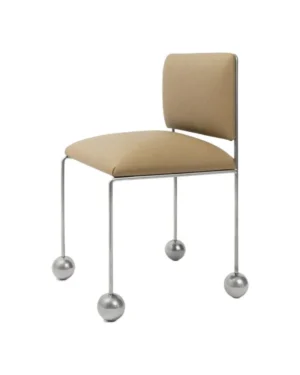

-

Sunrise End Table
By Objectry
€363 -
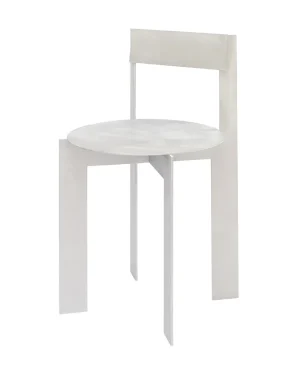
Object111 – Aluminum Chair
By NG DESIGN
€333 -
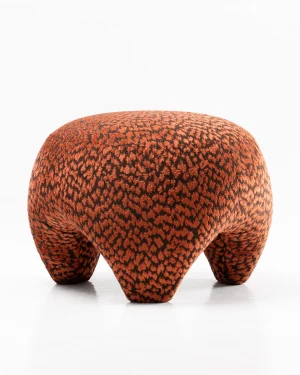
Django Velvet Ottoman in Textile
By Odditi
€990 -
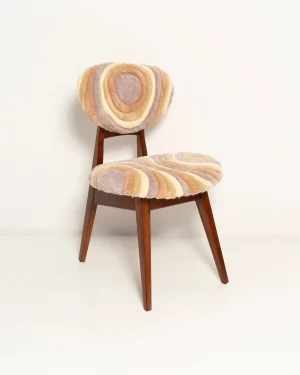
Mid Century Mushroom Chair Hand Tufting Beige Wool
By Vintola Studio
€1.600 -

Nemo and Dory Side Table in Reclaimed Teak Wood
By Studio Indigene
€1.600 -
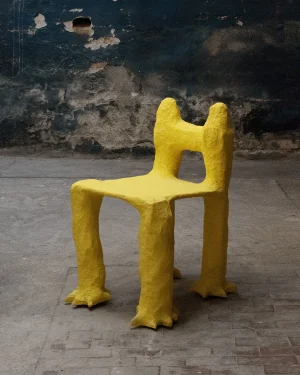 In stock
Zampa
By Jonathan Bocca
€2.700 -

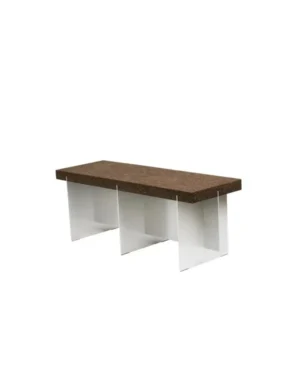
White Plinth Side Table in Paper Pulp and Cement
By Donatas Žukauskas
€1.050 -

Camber – Stainless Steel Chair
By Paul Coenen
€1.121 -
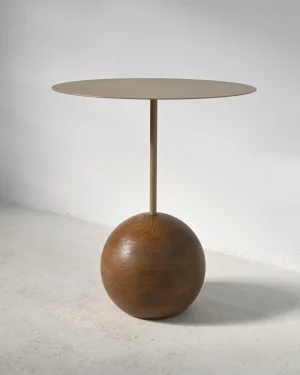
An Su Side Table in Steel and Ash Wood
By SALAK Studio
€690 -
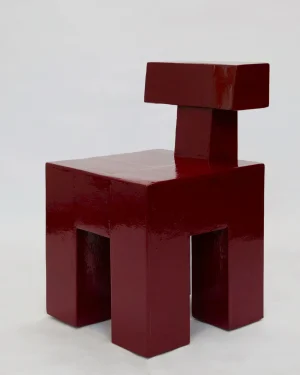
The Practice Chair
By Studio Fabius Clovis
€2.200 This product has multiple variants. The options may be chosen on the product page -
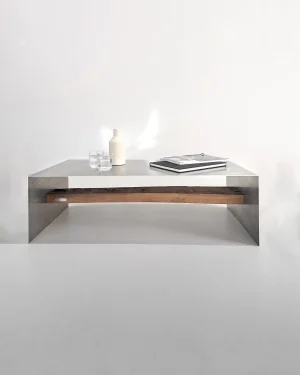 In stock
Matted Aluminum Coffee Table
By case studios
€660 -
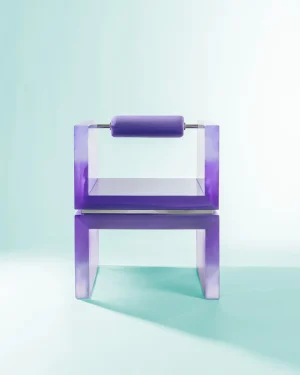
“quantum” Chair
By Adrian Cruz
€9.200 -
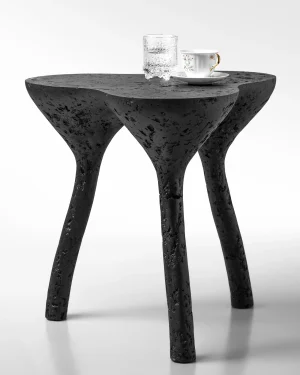
Solid Black Stone Coffee Table in Cast Stone
By Donatas Žukauskas
€1.450 -
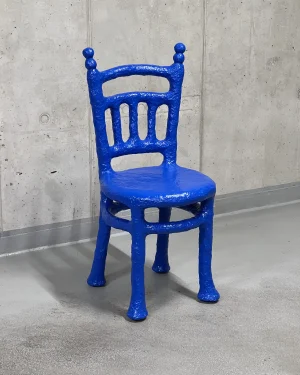
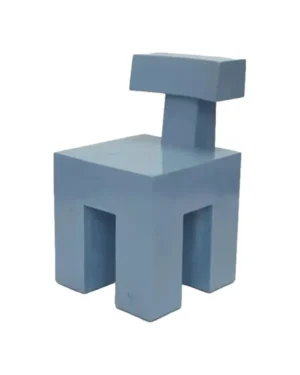
Blue Papier-mâché Chess Chair
By David Čáp
€1.000 -
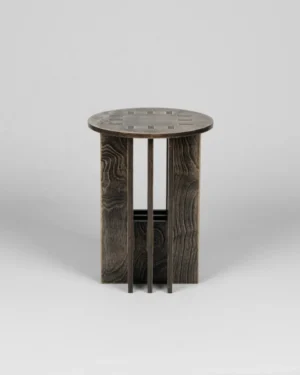 In stock
Plus01 Medium Side Table in Birch Wood
By 301 Design Studio
€800 This product has multiple variants. The options may be chosen on the product page -
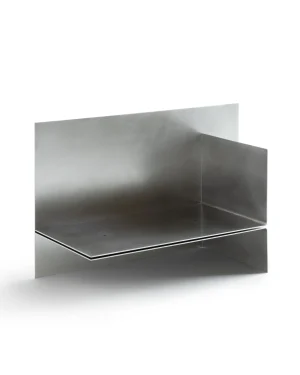
Polysemy Silver Side Table in Stainless Steel
By So Koizumi
€1.200 -
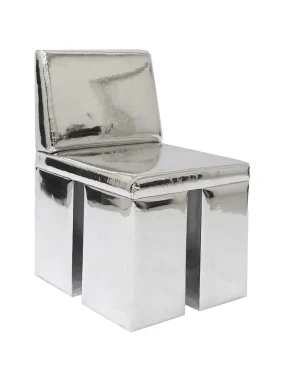
Object106 – Upholstered Chairs
By NG DESIGN
€585 - €1.115 This product has multiple variants. The options may be chosen on the product page -
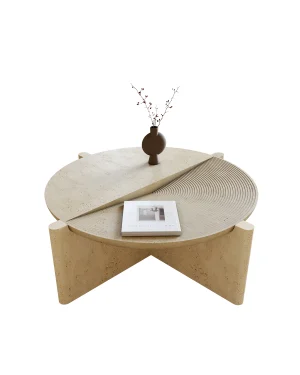
Arkhe No 1 – Round Travertine Coffee Table
By Studio Kali
€6.170 -
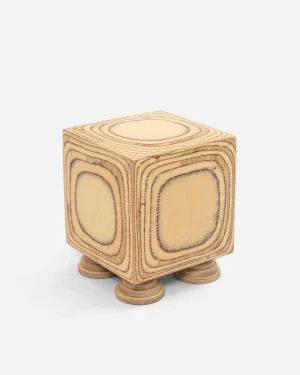 In stock
Boxy Stool No. 1
By Molor Tumen-Ulzii
€1.200 -
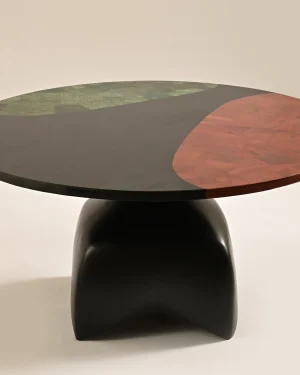
Jasper – Cast Aluminum & Stone Coffee Table
By LMNOH
€3.800 -
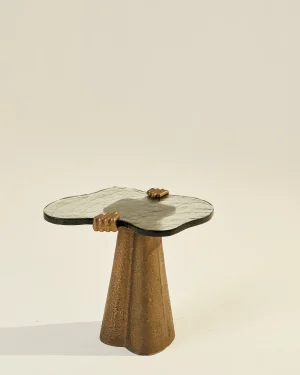
Paws Side Table in Cast Aluminum and Cast Glass
By LMNOH
€1.950 -
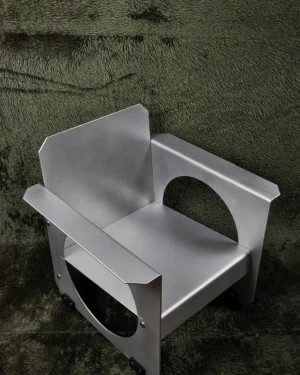
D400 Armchair – Matte Aluminium
By MLK Furniture
€2.290 -
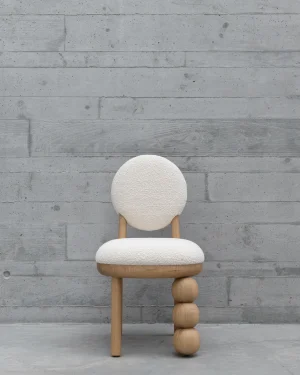
The Three Ball Leg Chair
By Joana Teixeira
€2.200 -
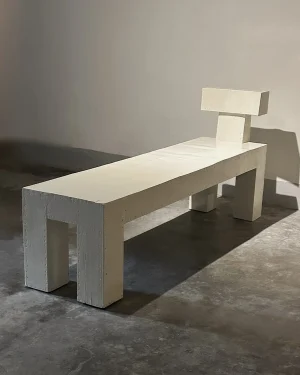
Practice Chaise Lounge
By Studio Fabius Clovis
€2.728 -
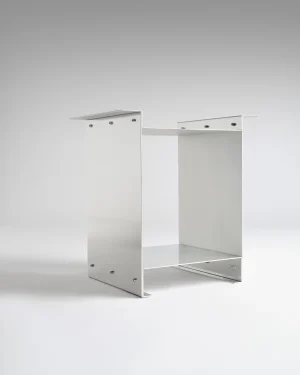
Wing Side Table in Polished Aluminum
By Obscure Objects
€340 -

Su Side Table in Steel and Ash Wood
By SALAK Studio
€590 -

Lumbarchair Accent Chair
By FlatFlat
€429 -
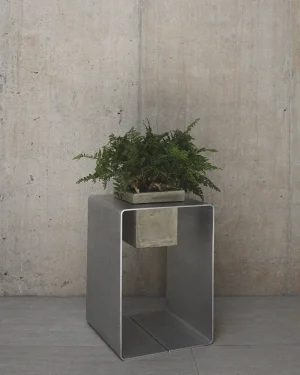
ST001-02 Side Table in Stainless Steel and Concrete
By NAVE
€990 -

Cherry Side Table in Steel and Wood
By SALAK Studio
€590 -
 In stock
Knot Low Stool / Side Table In Solid Ash Wood
By Luis Gimeno Design
€800 -

Super Jardim Armchair
By Cultivado em Casa
€4.549 This product has multiple variants. The options may be chosen on the product page -

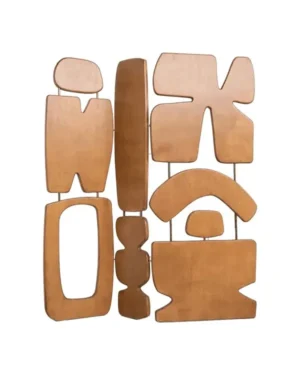
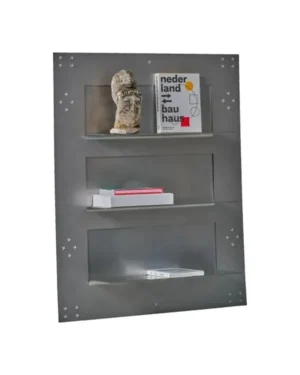
Ju – Modular Wall Shelf
By PROSA
€1.285 This product has multiple variants. The options may be chosen on the product page -
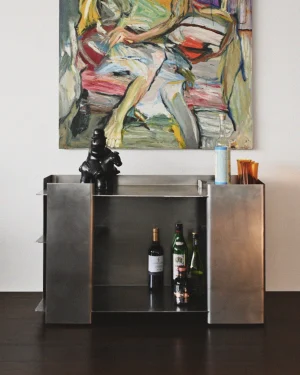
Stainless Steel Bar Cart
By NAVE
€2.900 -
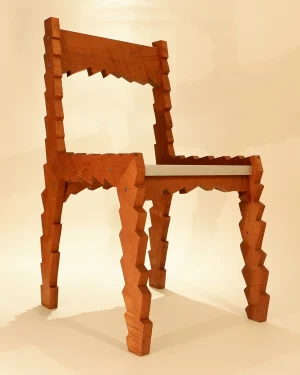
Shocking Chair – Stained Oak Wood Dining Chair
By Josh Page Studio
€940 -
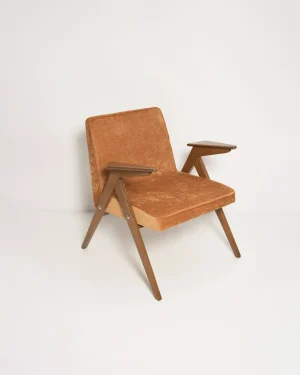
1960s Upholstered Armchair
By Vintola Studio
€1.300 -
 In stock
Matted Aluminum Coffee Table (blackwood)
By case studios
€719 -
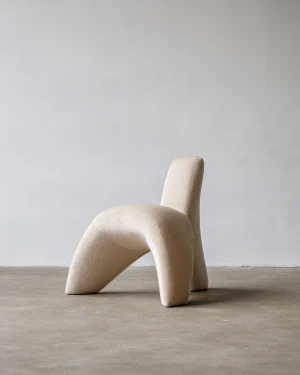
Sokil Armchair
By ZEMNA
€1.780 -

002 – Coffee Table
By OFAA
€1.500 -
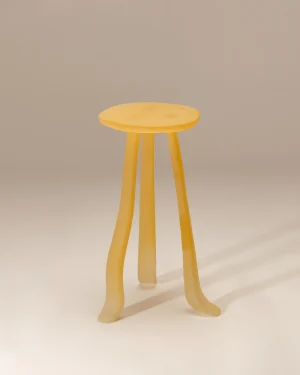
Lung 1.0 Honey Matte Side Table in Resin
By Szymon Keller
€2.200 - €2.400 This product has multiple variants. The options may be chosen on the product page -
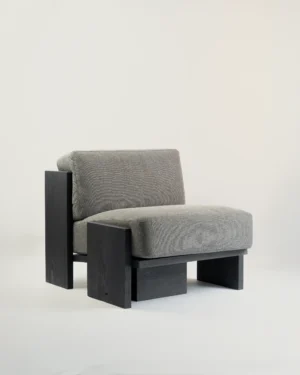 In stock
Brut Lounge Chair | Re-enchantment
By małe dobra
€1.500 -
 In stock
Pressure Stool in Aluminum
By TIM TEVEN
€484 -
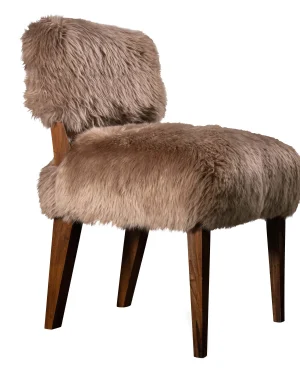
Bruno Ovino – Modern Dining Chair In Exotic Wood And Sheepskin
By Costantini Design
€1.748 -

Broken Wing Stool
By Obscure Objects
€290 -
 In stock
Knot – Stool / Side Table – Solid Ash Wood
By Luis Gimeno Design
€800 -
 In stock
Knot – Stool / Side Table – Solid Ash Wood
By Luis Gimeno Design
€890 -

Bd15 Stool
By EQUILIBRI-FURNITURE
€300 -
 In stock
Loungechair
By FlatFlat
€515 -

Lapis – Lounge Foam Chair
By Pablo Octavio
€3.100 This product has multiple variants. The options may be chosen on the product page -
 In stock
Stool No:01
By Od Studio
€1.800 -
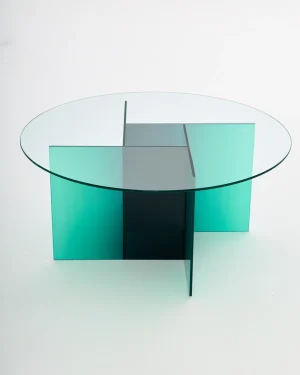 In stock
Cosmos – Green Gradient Glass Coffee Table
By Studio Monsoleil
€2.100 -
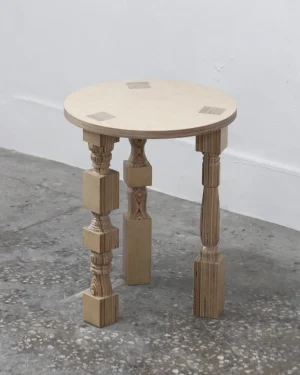 In stock
Ply Stool – Birch Plywood
By STUDIO KIMBYUNGSUB
€850 -

Dessert – Steel Chair
By SALAK Studio
€790 -
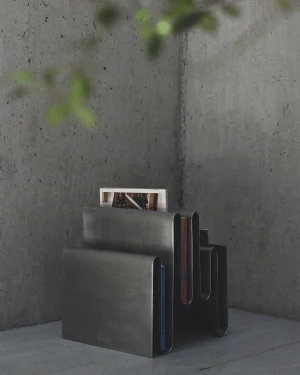
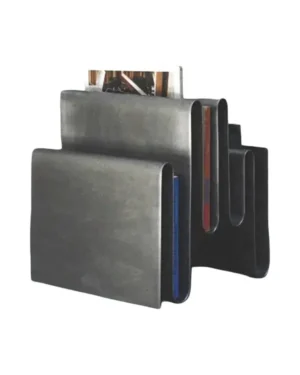
R001-01 – Stainless Steel Magazine Holder
By NAVE
€535 -

The Mingo Side Table in White Oak
By CHANDLER MCLELLAN
€2.170
Living room furniture at ADORNO covers the pieces that anchor a main room: case goods, seating frames, side tables and shelving, built from solid wood, aluminum, stainless steel and welded metal. Independent studios make them through cabinetmaking, metalwork, wood carving, upholstery and textilework, and a smaller number through 3D printing. The material and the technique together decide how a piece ages, how much weight it carries, and how it should be placed.
What the material tells you
Oak, teak, ash and cherry each carry their own grain and density. Oak is hard and pale with a visible grain that darkens slightly with age; teak holds natural oils that resist moisture; ash is pale and flexible, suited to bent or sculpted forms; cherry deepens in color under light over years. Aluminum and stainless steel bring a cooler, harder surface that resists dents and does not expand with humidity the way wood does, while painted or powder-coated metal reads closer to furniture finished in black, off-white or sienna than to raw material.
Finish tells you as much as species. A piece left in honey or natural tones shows the wood underneath; one finished in black, brown or beige and brown has been stained or lacquered, which changes how light sits on the surface but not how the piece performs structurally.
Styles and editions found in this range
The range spans minimalist furniture pared back to flat planes and straight legs, mid-century modern forms with tapered legs and visible joinery, brutalist pieces built from raw concrete-toned metal or blocky wood, and neo-industrial furniture that keeps weld lines and fixings visible. Coastal and eclectic pieces sit alongside more contemporary work, so living room furniture here ranges from quiet to assertive within the same material palette.
Some pieces are open editions, made to a repeatable design; others are limited editions or unique pieces, made in small runs or as one-offs where the studio works by hand. Where a piece is a limited or unique work, the surface and grain will differ slightly from any other example of the same design.
How to choose living room furniture for scale and placement
Living rooms call for furniture that reads at a distance, so scale matters before finish. Measure the width of the wall or seating group a piece will sit against, and check seat and table heights against the sofa or chairs already in the room: a low side table should sit close to arm height, not above it.
- Match metal tones, aluminum, steel or black-coated, rather than mixing warm and cool finishes in one grouping.
- Pair dark woods like cherry or stained oak with lighter walls to keep a room from reading heavy.
- Leave clearance for seating to pull back from a table by at least a chair's depth.
Caring for wood and metal surfaces
Care routines for living room furniture vary by material more than by style. Solid wood wants steady humidity and a wipe with a dry or barely damp cloth; standing water or direct heat will dull a finish or raise the grain over time. Oiled woods such as teak can be refreshed with occasional oil to keep the surface from graying, while lacquered or painted pieces need only dusting. Aluminum and stainless steel resist rust and generally need only a soft cloth to keep fingerprints from showing.
For the wider range of material and finish, all furniture on ADORNO extends beyond the living room into other rooms of the house, while every living room piece on ADORNO covers lighting and seating alongside case goods. Those building a single material story can look at wooden furniture or metal furniture, and those after a particular style can start from minimalist furniture or contemporary furniture.
How do I choose living room furniture that fits my space?
Start with scale and traffic flow, leaving room to walk and open doors fully. Wood and metal pieces in oak, ash, aluminum or steel carry different visual weight, so match that weight to the size of the room.
How do I care for wood and metal living room furniture?
Wipe wood with a dry or slightly damp cloth and keep it away from direct heat, which dries and cracks the grain over time. Metal pieces need only occasional dusting, though raw steel can mark with moisture.
What size should a sofa, console or coffee table be?
Coffee tables typically sit 16 to 18 inches high, roughly level with sofa seat height, with consoles running 30 to 36 inches for use behind sofas or against walls. The maker can confirm exact dimensions on the piece's page.
Can this furniture work outside the living room too?
Many pieces move easily into studies, entryways or bedrooms, since oak, ash and steel hold up across dry indoor spaces. Upholstered seating is best kept away from damp rooms or direct sun.
What is ADORNO's shipping and return policy?
Shipping is insured and sent worldwide. Returns are accepted within 14 days, except for made-to-order pieces, and every piece arrives with a certificate of authenticity.
Does ADORNO offer custom orders or price matching?
Some studios take custom requests, which the maker can confirm through Chat with the maker on the piece's page. ADORNO also offers a lowest-price guarantee.