-

Camber – Stainless Steel Bench
By Paul Coenen
€818 -
 In stock
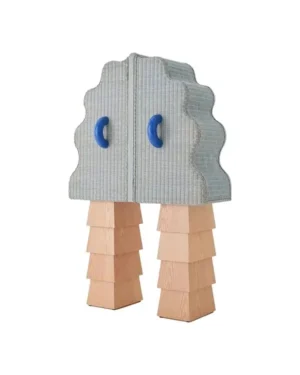
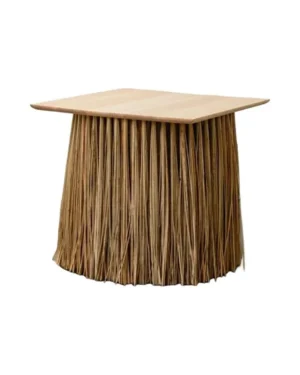
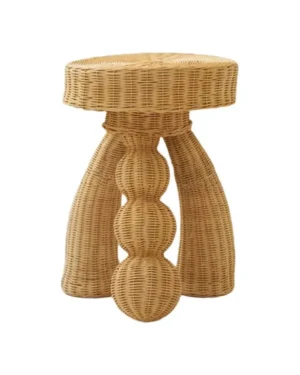
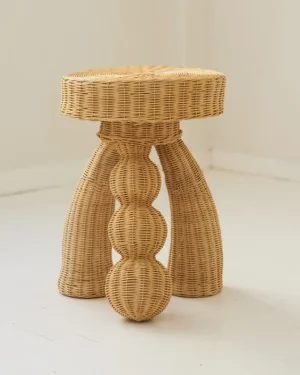
Pupa Side Table in Woven Rattan and Metal
By LØRDAG & SØNDAG
€845 -
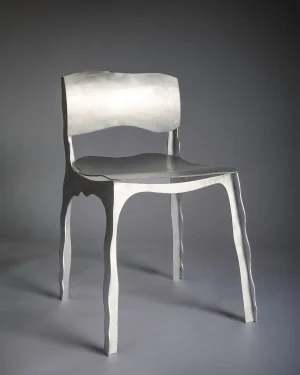
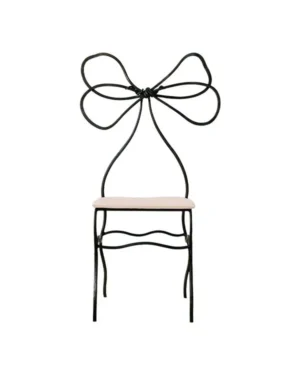
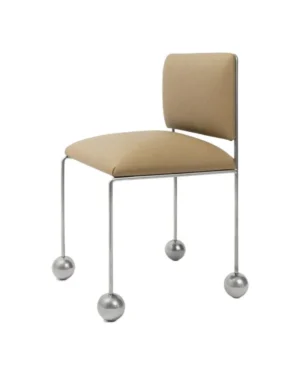
Contemporary Vanity Chair V2
By Six Dots Design
€920 -

Contemporary Stool 02
By Six Dots Design
€360 -

Camber – stainless Steel Stool
By Paul Coenen
€539 -

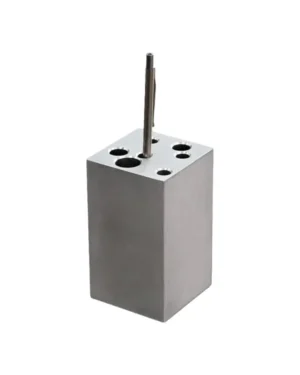
Taper – Pen Stand
By Stem
€85 - €200 This product has multiple variants. The options may be chosen on the product page -

Pressure Bench
By TIM TEVEN
€740 -

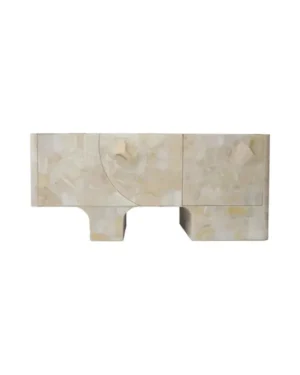
Mono Side Table in Travertine and Metal
By Yet Design Studio
€1.200 - €1.380 This product has multiple variants. The options may be chosen on the product page -

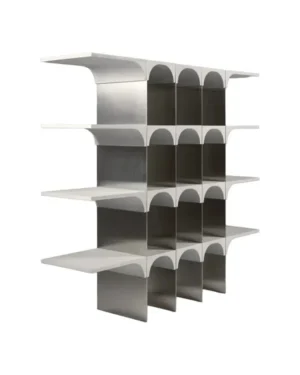
Stack 131 – Raw Aluminium
By studio MOTO
€3.360 -
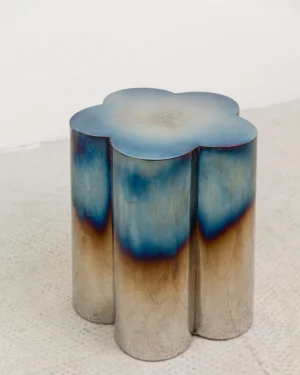
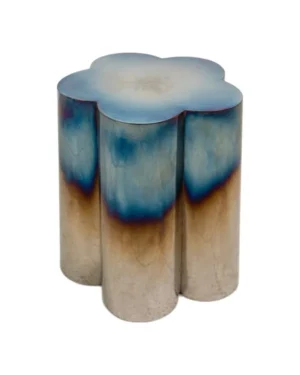
Barvinok Side Table in Heat-Treated Stainless Steel
By FURN OBJECT
€2.700 -
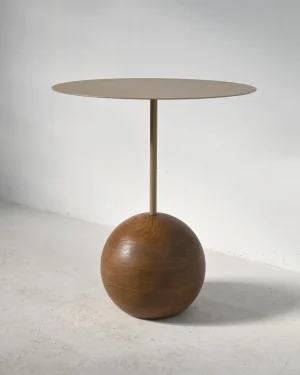
An Su Side Table in Steel and Ash Wood
By SALAK Studio
€690 -
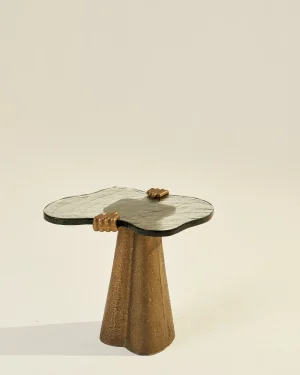
Paws Side Table in Cast Aluminum and Cast Glass
By LMNOH
€1.950 -

Fold – Bookend
By Stem
€300 - €330 This product has multiple variants. The options may be chosen on the product page -
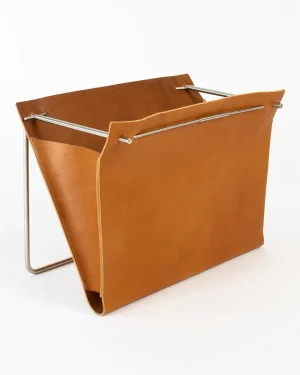
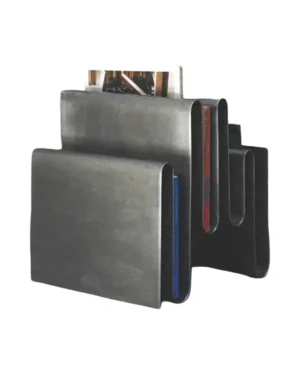
Leather Magazine Holder
By Szostak Atelier
€1.200 This product has multiple variants. The options may be chosen on the product page -
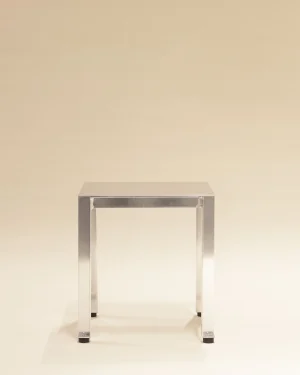
Canto Side Table in Aluminum
By Luiz Solano
€650 -
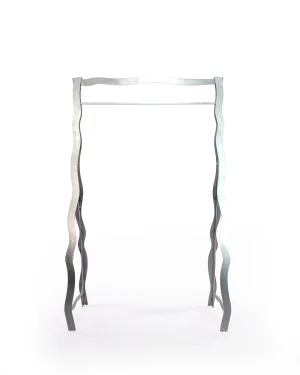
Contemporary Vanity Hanging Rail
By Six Dots Design
€1.150 - €1.350 This product has multiple variants. The options may be chosen on the product page -
 In stock
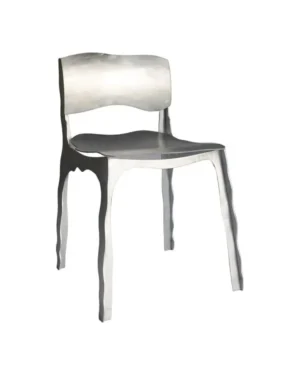
Camber – Stainless Steel Chair
By Paul Coenen
€1.121 -
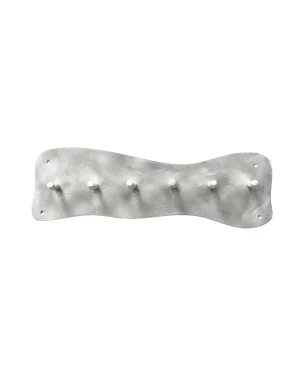
Aluminum Wall Coat Rack
By Six Dots Design
€196 -
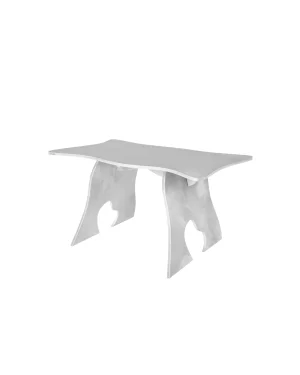
Aluminum Step Stool
By Six Dots Design
€205 -

Luna – Paper Weight
By Stem
€115 - €120 This product has multiple variants. The options may be chosen on the product page -
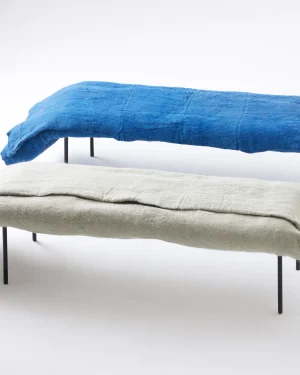
Carpet Bench – Felt / Steel
By Around the Studio
€1.700 This product has multiple variants. The options may be chosen on the product page -

Cork X 01 Side Table in Cork and Aluminum
By Robert Megel
€599 -

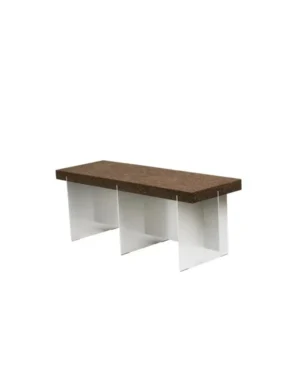
Cork X | Bench 01 – Cork / Metal Bench
By Robert Megel
€1.499 -
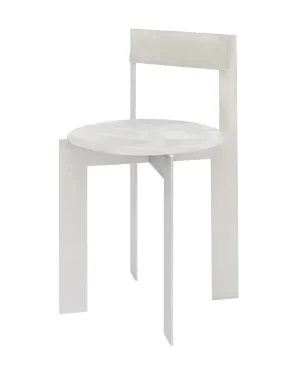
Object111 – Aluminum Chair
By NG DESIGN
€333 -
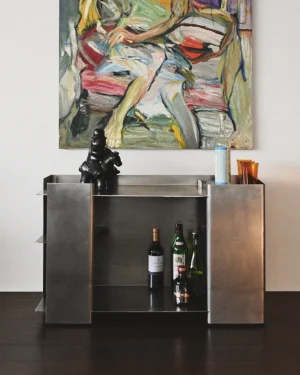
Stainless Steel Bar Cart
By NAVE
€2.900 -
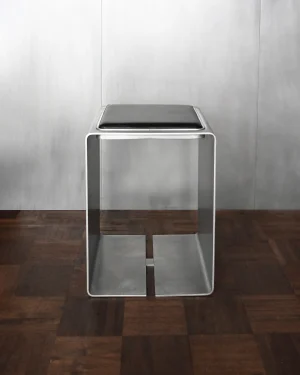
S001-10.2 Aluminum Stool
By NAVE
€500 -

Metal Tray
By BOTHI
€100 -

Lumbarchair Accent Chair
By FlatFlat
€429 -
 In stock
Loungechair
By FlatFlat
€515 -
 In stock
“catch” Hook
By Tinna Gunnarsdóttir
€230 -

Slant Book Stand – Marble, Brass and Oak Wood
By VAUST Studio
€6.600 -

Tube Bench
By Deon Rubi
€4.000 -
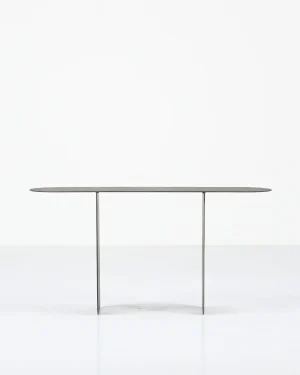
The Altar Side Table in Steel
By COSEINCORSO
€910 -
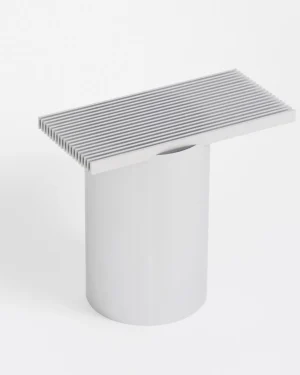 In stock
Vent Side Table in Anodized Aluminum
By Calen Knauf Studio
€1.291 -
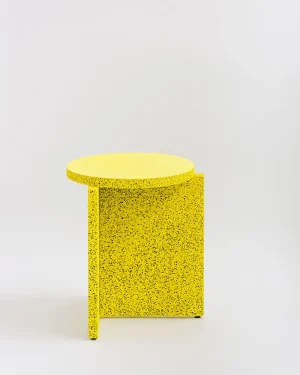
Sponge Side Table in Foamed Aluminum
By Calen Knauf Studio
€898 This product has multiple variants. The options may be chosen on the product page -
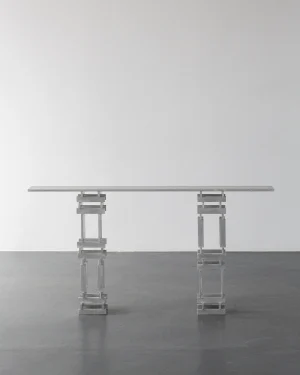
Rainy Sundays Console Table in Brushed Aluminum
By Thomas Gayet
€3.120 -
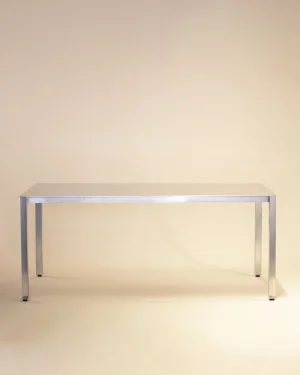
Canto Desk in Anodized Aluminum
By Luiz Solano
€1.180 - €2.000 This product has multiple variants. The options may be chosen on the product page -

Display #3 Console Table in Stainless Steel and Stone
By Georgiev Kiril
€900 -
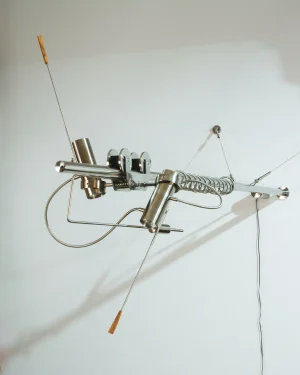
Steel Arm Sconce Lamp
By Szostak Atelier
€8.900 -
 In stock
N1 Cena — Sky-blue Wood And Aluminum Stool
By DONÓ Design
€2.100 -

N2 Cena — Sky-blue Wood And Aluminum Stool
By DONÓ Design
€2.600 -
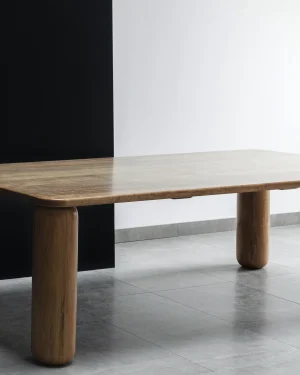
Well Grounded Dining Table in Solid Wood
By Laluz Handcraft
€5.040 -
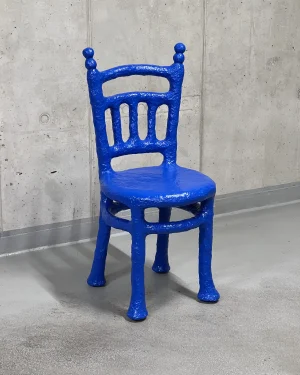
Blue Papier-mâché Chess Chair
By David Čáp
€1.000 -
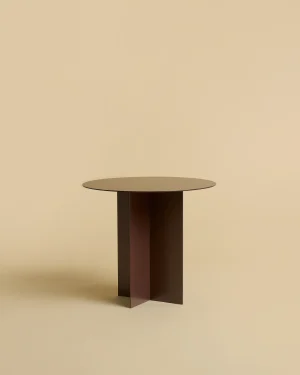
Wake Side Table in Metal
By Lebanto
€902 -
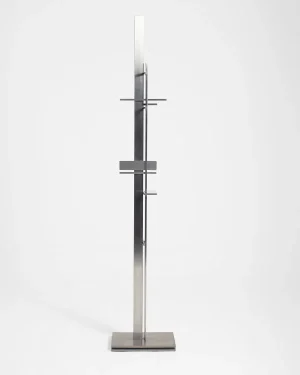
Dash – Handmade Sculptural Coat Rack
By Yet Design Studio
€1.200 - €1.380 This product has multiple variants. The options may be chosen on the product page -

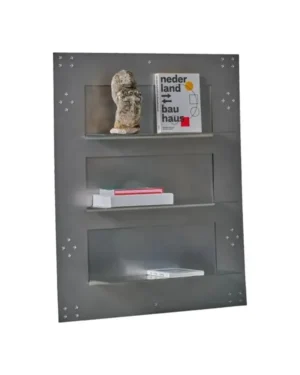
Stack 088 – Raw Aluminium Shelf
By studio MOTO
€3.920 -
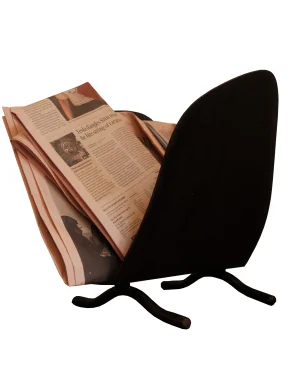
Steel Magazine Rack
By Six Dots Design
€180 -

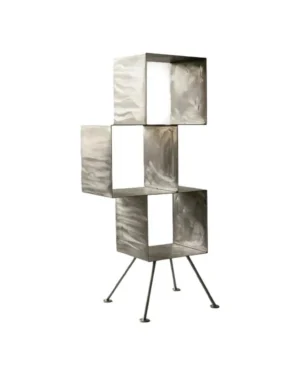
Stack 021 – Raw Aluminium
By studio MOTO
€5.890 -

Stack 051 – Raw Aluminium
By studio MOTO
€1.390 -

Imaginary Object – Steel Stool
By Joana Teixeira
€1.600 -

Orta Console Table in Stainless Steel and Glass
By Nitush and Aroosh
€3.390 -
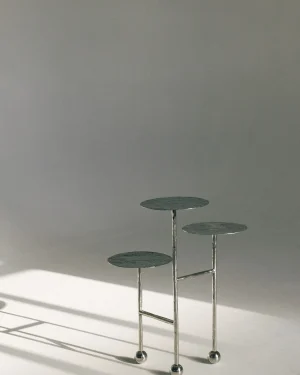
Liquid Side Table in Steel and Brass
By FURN OBJECT
€3.000 -
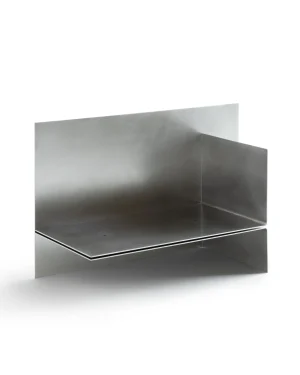
Polysemy Silver Side Table in Stainless Steel
By So Koizumi
€1.200 -
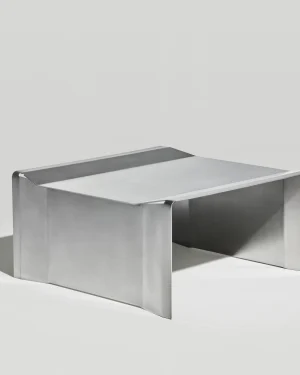
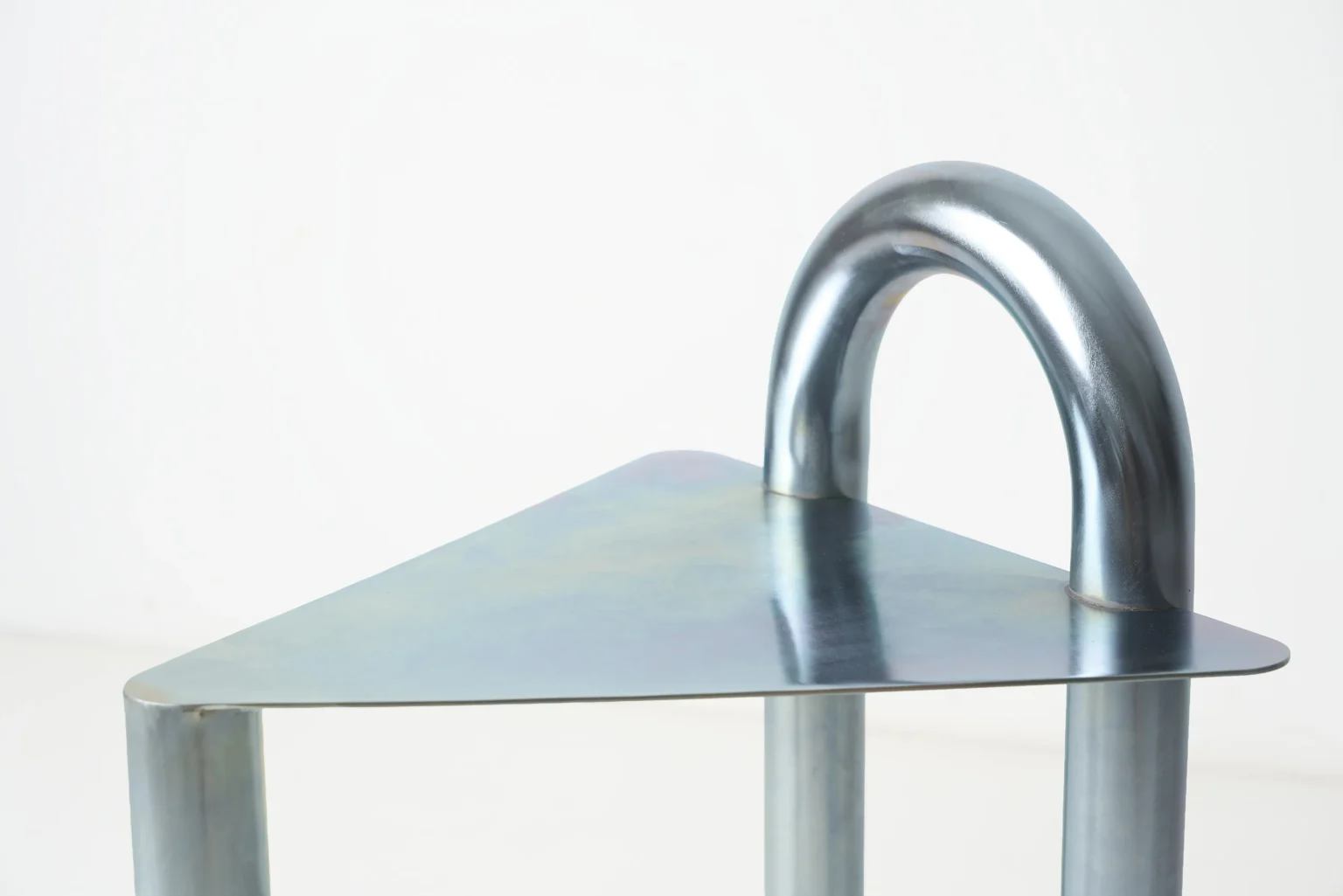
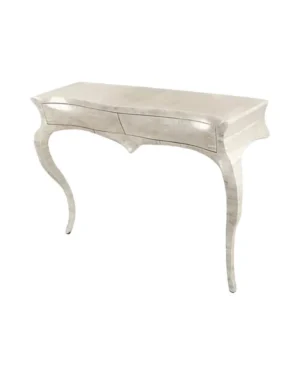
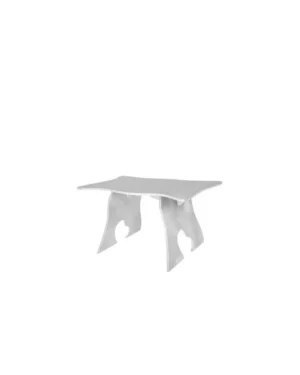
Camber Coffee Table in Stainless Steel
By Paul Coenen
€1.615
Metal furniture brings weight, cold-to-the-touch surfaces and hard edges into a room, qualities that wood or textile cannot offer. The pieces grouped here are built by studios working in aluminum, steel, brass and other metals, through welding, casting, laser cutting and electroplating. What ties them together is the material itself and the way it holds a line, a finish or a joint without softening over time.
What defines metal furniture
Metal does not flex the way wood does, so studios can press it into thin sheets, cut it into sharp profiles or cast it into solid forms that would be impossible in a softer material. A steel frame can carry a marble top without bowing. A cast aluminum base can stand on three points and stay level for decades. The material rewards precision, which is why so many of these pieces read as exact rather than organic.
Finishes, metals and techniques found here
The range on ADORNO spans raw aluminum left with its mill marks, brass that will darken into bronze tones with handling, and stainless steel polished to a near mirror. Colors run from silver and black to off-white, dark gray and yellow lacquer over a metal base. Some studios work in sand casting or metal casting, pouring molten material into a mold to get a form that laser cutting cannot reach; others weld sheet and bar stock into brutalist or neo-industrial frames.
- Raw and brushed aluminum, left pale and matte or polished to a sheen
- Brass and bronze tones that shift color as they are handled
- Stainless steel, usually polished or left with a soft brushed finish
- Painted or powder-coated steel in black, white or a single accent color
Editions vary by studio: some pieces are open editions produced on demand, others are limited editions numbered in small runs, and a few are unique pieces where no two casts or welds come out quite the same. None of this is fixed from one month to the next, since studios move in and out of the range.
How to choose a metal piece
Start with scale before finish. A console or shelving unit in heavy-gauge steel reads as a fixed point in a room, so measure the wall and the traffic path around it before anything else. Seat and table heights follow the same standards as wood or upholstered furniture, so a metal dining chair or side table should still meet the room at a comfortable working height.
Finish decides how the piece behaves with light. Polished stainless steel and chrome throw reflections and suit a room with controlled light sources; raw or matte aluminum absorbs light and sits more quietly. Brass and bronze tones warm a room the way wood does, which makes them easier to place next to timber or stone.
Where it suits the home
Metal furniture holds up well wherever a piece needs to carry weight or resist wear: a console by an entry, a dining base, a set of shelves, or seating for a living room that takes daily use. Matte and raw finishes suit a minimalist room with few other materials competing for attention, while brass or bronze tones work alongside wood, stone and textile without disappearing.
Care
Dust metal furniture with a dry or barely damp cloth; grit left on a polished surface will scratch it over time. Raw steel and iron can develop surface rust if left wet, so wipe spills promptly and keep pieces away from damp corners. Brass and bronze will tarnish with handling and air exposure; this is normal and some studios leave it unsealed on purpose, letting the surface darken into a deeper tone.
For the full range of material and finish, see every metals piece on ADORNO, or narrow by material with aluminum furniture and by type with metal seating. For the wider range of material and form, see all furniture on ADORNO.
How do I choose the right metal furniture piece?
Consider the metal's weight and finish against the room's light and traffic. Aluminum suits lighter, movable pieces, while steel and brass carry more visual and physical weight for anchor pieces.
How do I care for metal furniture?
Wipe with a dry or slightly damp cloth and avoid abrasive cleaners that scratch finishes. Raw metals may develop a patina over time, while plated or coated surfaces stay consistent with light dusting.
What size and height should metal furniture be?
Standard heights apply: tables around 28 to 30 inches, seat heights around 17 to 19 inches. Metal frames can run slimmer than wood at the same dimensions, since the material carries weight with less bulk.
Which rooms suit metal furniture?
Metal pieces work well in living rooms, dining areas and entryways, where their reflective or matte surfaces hold up against daily handling. Humid spaces suit stainless steel or treated aluminum over untreated steel.
Can I order a custom metal piece through ADORNO?
Some makers take custom requests on finish, size or color. Chat with the maker on the piece's page to confirm what is possible.
What are ADORNO's shipping, returns and authenticity policies?
Shipping is insured and worldwide. Returns are accepted within 14 days, excluding made-to-order pieces, and every piece arrives with a certificate of authenticity.