




















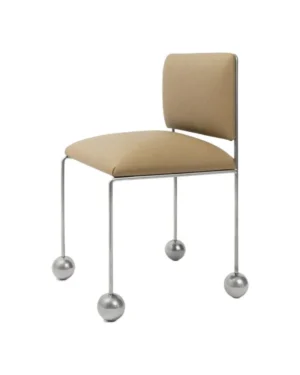

-
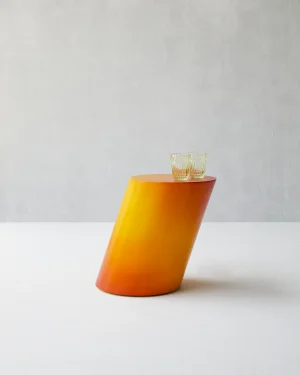
Sunrise End Table
By Objectry
€363 -
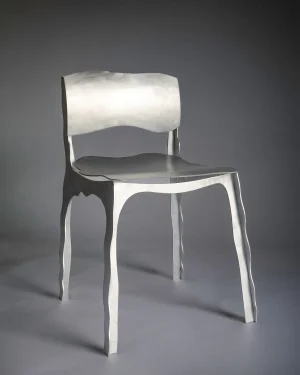
Contemporary Vanity Chair V2
By Six Dots Design
€920 -
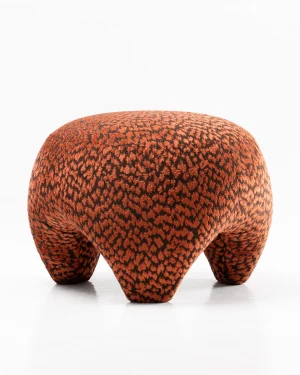
Django Velvet Ottoman in Textile
By Odditi
€990 -
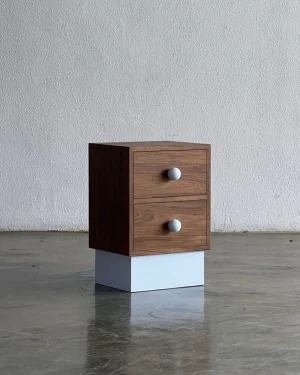
Mamun Side Table – Dusty Blue
By STUDIO KALLANG
€1.450 -

Metal Tray
By BOTHI
€100 -

Slant Book Stand – Marble, Brass and Oak Wood
By VAUST Studio
€6.600 -
 In stock
“Ollain” Coffee Table
By Tellurico Design Studio
€5.856 -

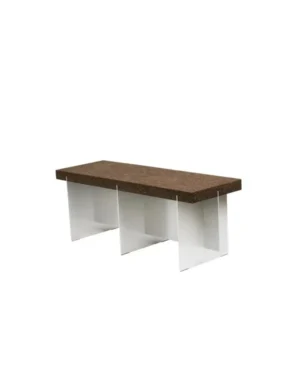
Tube Bench
By Deon Rubi
€4.000 -

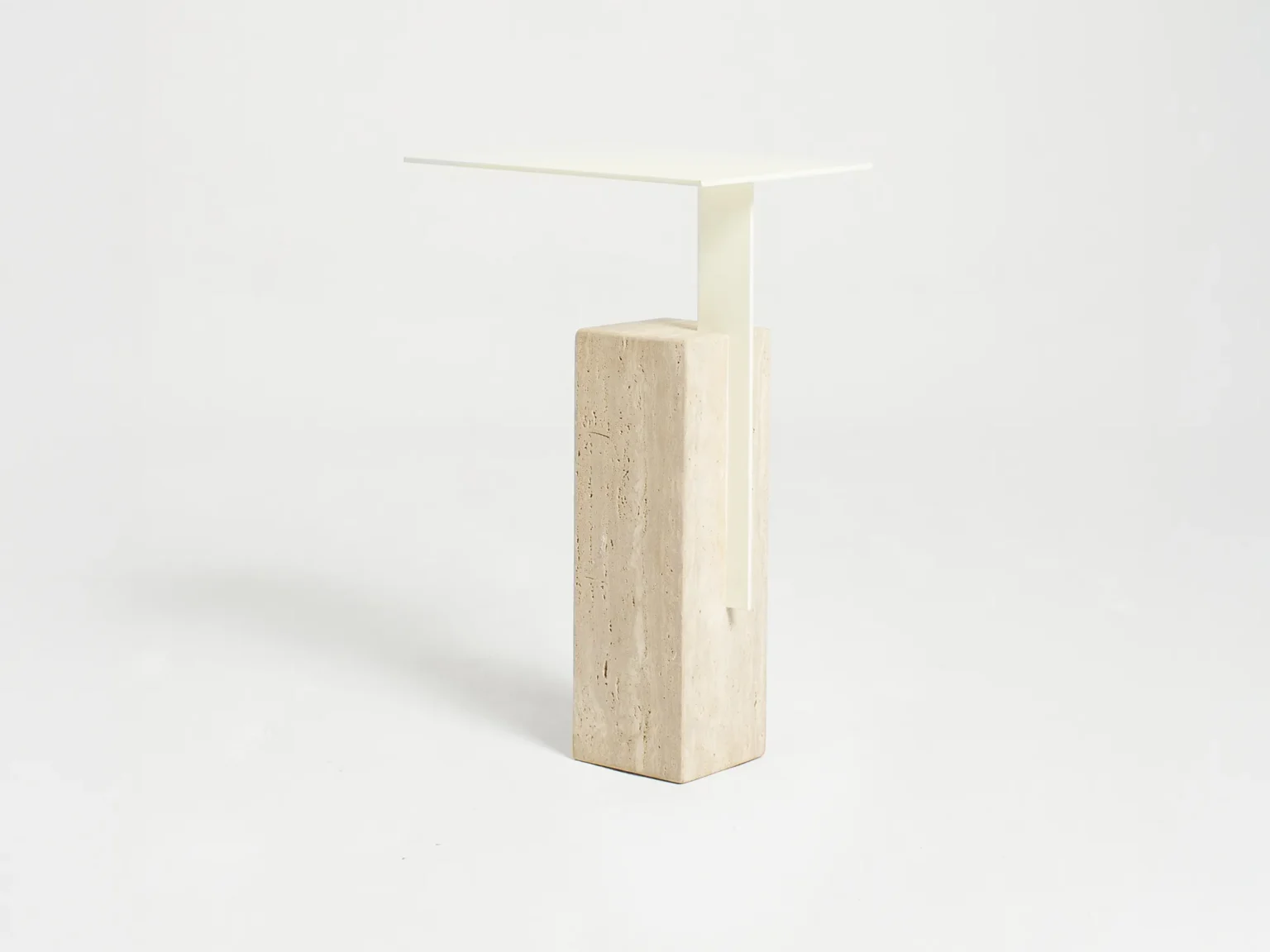
Mono Side Table in Travertine and Metal
By Yet Design Studio
€1.200 - €1.380 This product has multiple variants. The options may be chosen on the product page -
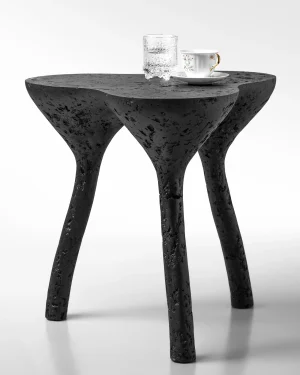
Solid Black Stone Coffee Table in Cast Stone
By Donatas Žukauskas
€1.450 -
 In stock
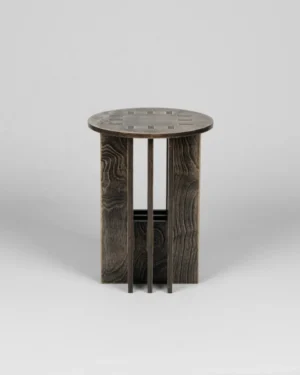
Plus01 Medium Side Table in Birch Wood
By 301 Design Studio
€800 This product has multiple variants. The options may be chosen on the product page -
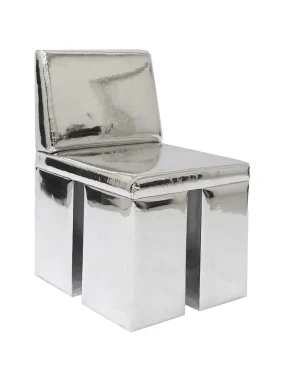
Object106 – Upholstered Chairs
By NG DESIGN
€585 - €1.115 This product has multiple variants. The options may be chosen on the product page -
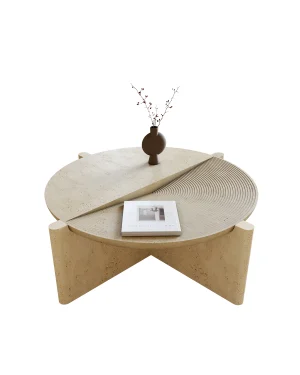
Arkhe No 1 – Round Travertine Coffee Table
By Studio Kali
€6.170 -
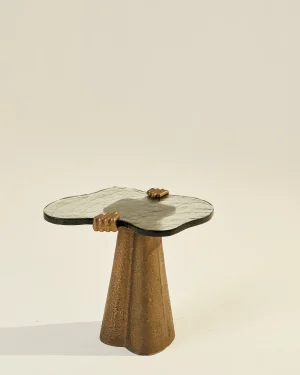
Paws Side Table in Cast Aluminum and Cast Glass
By LMNOH
€1.950 -
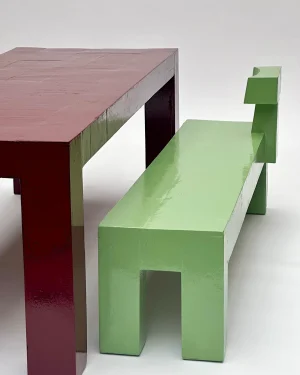
Practice Bench – Upcycled Wood
By Studio Fabius Clovis
€3.300 -
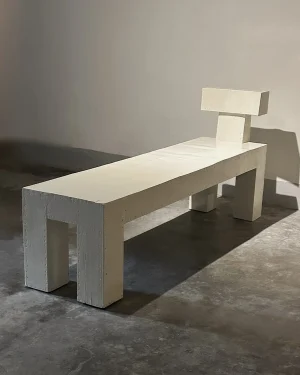
Practice Chaise Lounge
By Studio Fabius Clovis
€2.728 -
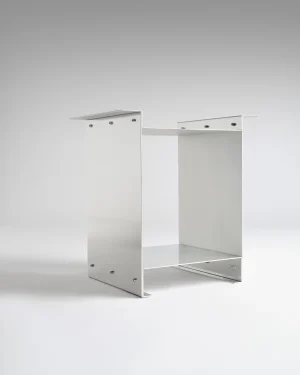
Wing Side Table in Polished Aluminum
By Obscure Objects
€340 -

Su Side Table in Steel and Ash Wood
By SALAK Studio
€590 -

Lumbarchair Accent Chair
By FlatFlat
€429 -
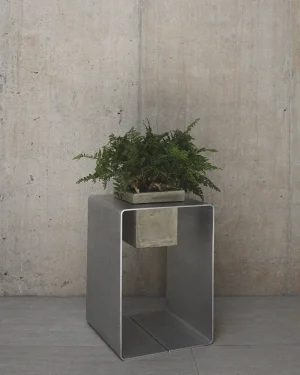
ST001-02 Side Table in Stainless Steel and Concrete
By NAVE
€990 -
 In stock
Knot Low Stool / Side Table In Solid Ash Wood
By Luis Gimeno Design
€800 -

Super Jardim Armchair
By Cultivado em Casa
€4.549 This product has multiple variants. The options may be chosen on the product page -

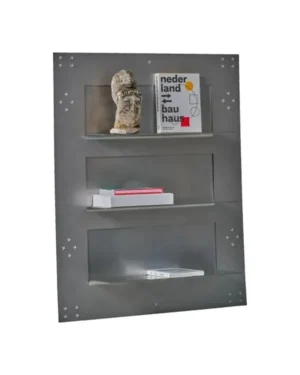
Ju – Modular Wall Shelf
By PROSA
€1.285 This product has multiple variants. The options may be chosen on the product page -
 In stock
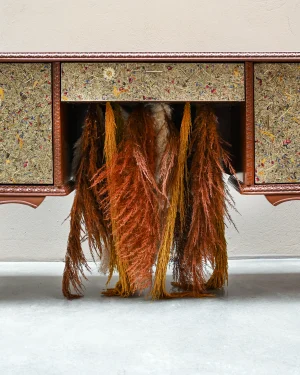
Earth Furniture Desk
By WOODTALES by Foteini Noti
€3.125 -
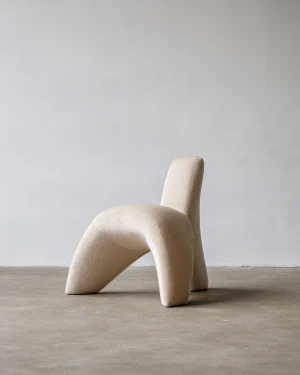
Sokil Armchair
By ZEMNA
€1.780 -

002 – Coffee Table
By OFAA
€1.500 -
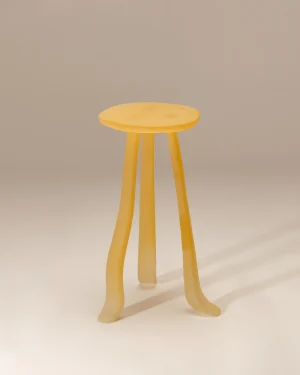
Lung 1.0 Honey Matte Side Table in Resin
By Szymon Keller
€2.200 - €2.400 This product has multiple variants. The options may be chosen on the product page -
 In stock
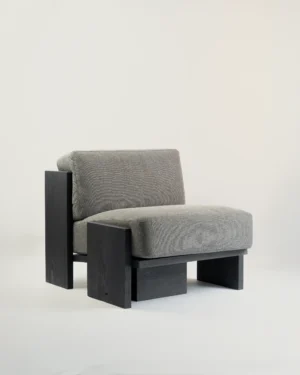
Brut Lounge Chair | Re-enchantment
By małe dobra
€1.500 -
 In stock
Pressure Stool in Aluminum
By TIM TEVEN
€484 -
 In stock
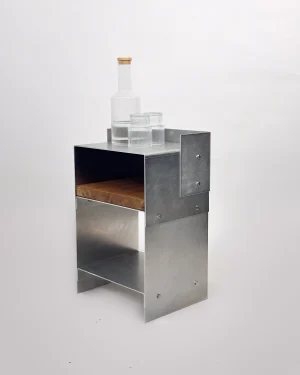
Matted Aluminium – Natural Oak Wood Night Table
By case studios
€660 -

A_forma Nightstand
By AROUND
€400 -

Broken Wing Stool
By Obscure Objects
€290 -
 In stock
Knot – Stool / Side Table – Solid Ash Wood
By Luis Gimeno Design
€800 -
 In stock
Knot – Stool / Side Table – Solid Ash Wood
By Luis Gimeno Design
€890 -

Bd15 Stool
By EQUILIBRI-FURNITURE
€300 -
 In stock
Loungechair
By FlatFlat
€515 -

Lapis – Lounge Foam Chair
By Pablo Octavio
€3.100 This product has multiple variants. The options may be chosen on the product page -

Metal Crate
By BOTHI
€145 -

Monolit Alpi Side Table in Oak Veneer and MDF
By Arbore x Cezar Moldovan
€2.188 -
 In stock
Stool No:01
By Od Studio
€1.800 -
 In stock
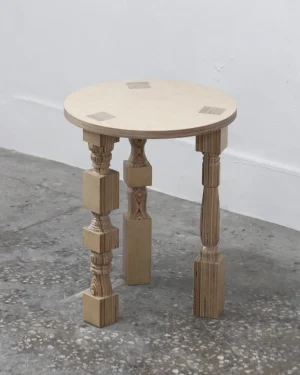
Ply Stool – Birch Plywood
By STUDIO KIMBYUNGSUB
€850 -

Dessert – Steel Chair
By SALAK Studio
€790 -
 In stock
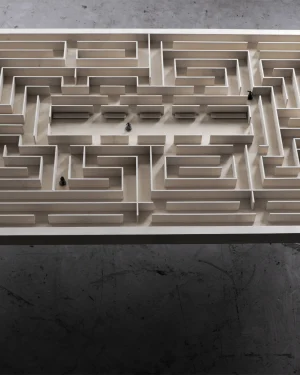
Labyrinth Table
By Benjamin Nordsmark
€9.000 -
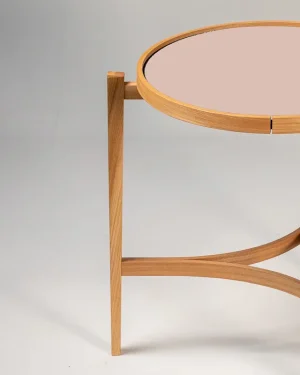
Geodetic Side Table in Oak Wood
By studiolehn
€660 -
 In stock
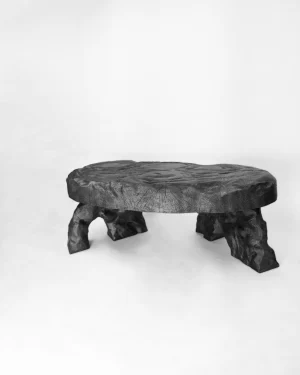
The Black Sheep Coffee Table
By Masha Volkova
€1.950 -
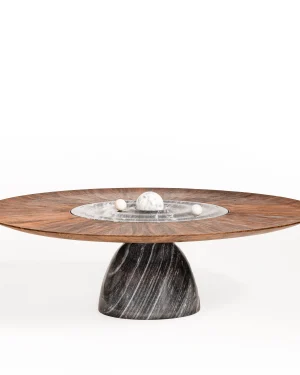
Ripple 2.0 Coffee Table
By Tectona Grandis Furniture
€2.550 -

S001-10.2 Aluminum Stool
By NAVE
€500 -
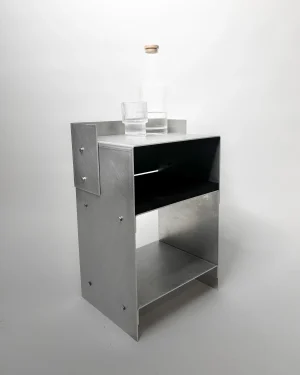 In stock
Matted Aluminium Side Table in Aluminum and Blackwood
By case studios
€530 -
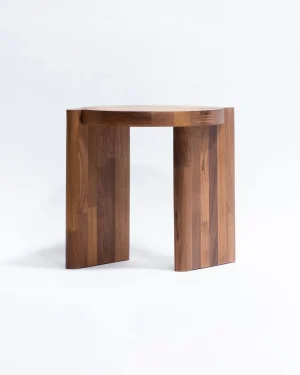
Shift Stool – Walnut
By Studio Yann Gandon
€690 -
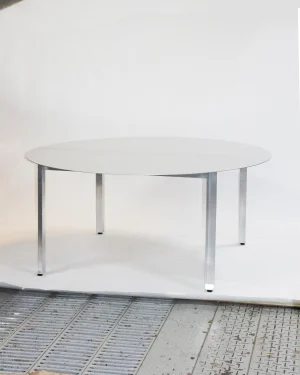
Canto – Aluminum Round Table / Desk
By Luiz Solano
€1.180 - €1.680 This product has multiple variants. The options may be chosen on the product page -

A_forma Chair
By AROUND
€900 -
 In stock
Flora Side Table in Carbon Steel
By studiomakuko.com
€600 -
5% off

Armchair Tobo
By Alter Ego Studio
€4.220€4.010 This product has multiple variants. The options may be chosen on the product page -

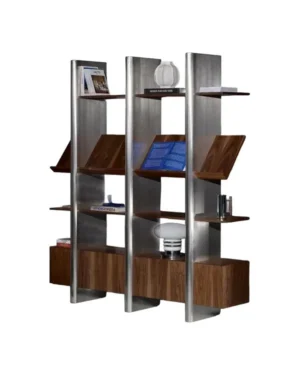
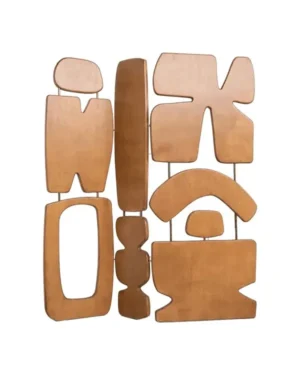
Artistica Collection – Room Divider (rei #1)
By STUDIO FP
€4.250
Contemporary furniture gathers pieces defined less by one material than by a shared instinct: clean volumes, visible structure, and a finish left to speak for itself. Independent studios working across metal, stone and wood make these pieces by hand or by small-batch fabrication, favoring form that reads as considered rather than decorated. The result sits apart from mass production, built to anchor a room rather than fill it.
What defines contemporary design in furniture
Across every contemporary piece on ADORNO, the common thread is restraint. Surfaces are flat or gently curved, joints are exposed rather than hidden, and ornament gives way to proportion. A chair or table in this register relies on the honesty of its material, whether that is the grain of oak or the cold weight of cast aluminum.
The materials and finishes found here
Metal dominates: aluminum, stainless steel and raw steel appear as sheet, tube and cast form, often finished in matte black, off-white or a deep sienna through powder coating. Oak wood brings warmth and a visible grain that deepens with age and handling. Travertine, carved or sawn into slabs, adds the irregular pitting and warm gray or off-white tone that only natural stone carries.
Working methods shape how each piece reads. Welding and metalwork give steel and aluminum pieces their joints and seams, sometimes left raw, sometimes smoothed under a powder-coated shell. Stone carving exposes the texture of travertine rather than hiding it, and upholstery or textilework softens otherwise hard-edged frames with wrapped cushions or woven seats. Laser cutting lets studios work metal into precise, repeated patterns that would be difficult by hand.
- Metals: aluminum, stainless steel, raw steel, usually powder coated in black, white, gold or dark gray
- Stone: travertine, carved and left with its natural pitting
- Wood: oak, worked through traditional cabinetmaking
- Editions: open runs alongside limited editions and occasional unique pieces
Choosing a piece for scale and placement
Start with the room's proportions rather than the piece alone. A low oak console or a stone side table reads differently in a narrow hallway than it does against a long living room wall, so measure the space before the object. Seat height, table clearance and the depth of an armchair all follow familiar domestic standards, so a contemporary profile does not mean an unfamiliar sit or reach.
Finish matters as much as form. A matte black steel frame recedes into a room and lets upholstery or art carry the color, while a travertine top or gold-finished base becomes the focal point on its own. Pair raw or powder-coated metal with wood or stone rather than more metal, so the room keeps some material contrast.
Where these pieces sit in the home
Living rooms take the largest share: consoles, coffee tables and seating built from steel, aluminum or oak suit open layouts where a single piece needs to hold visual weight. Look toward living room furniture or contemporary seating for pieces sized to that kind of room. Dining and entry spaces favor smaller-scale tables and consoles, often in travertine or powder-coated metal, where a single strong material statement is enough.
Caring for metal, stone and oak
Powder-coated aluminum and steel resist scratching and corrosion well, needing only a damp cloth and avoidance of abrasive cleaners. Travertine is porous and stains if liquids sit on it, so wipe spills quickly and avoid acidic cleaners that etch the surface. Oak tolerates daily use but changes color with light exposure and moisture, so keep it away from direct sun and standing water to preserve its grain over time.
For a wider view of material and style, metal furniture and wooden furniture break the same pieces down by material, while the full range of furniture on ADORNO spans every style beyond this one.
How do I choose a contemporary furniture piece?
Start with the material and how it ages in your space, then the proportions of the room. Metal and stone hold a cooler, architectural line, while oak softens a room over time.
What materials are used in contemporary furniture?
Pieces here favor aluminum, steel and other metals alongside oak wood and travertine, often finished in off-white, black or gold. Each material asks for different care, from dusting metal to oiling wood.
How do I care for metal, stone and wood furniture?
Wipe metal and stone with a dry or lightly damp cloth, away from abrasive cleaners that dull a powder-coated or polished surface. Oak wood benefits from occasional oiling and should stay clear of direct heat.
What size or height should I look for?
Standard tables sit around 28 to 30 inches high, chairs and seating closer to 17 to 19 inches, but proportions vary by studio. Chat with the maker on a piece's page to confirm exact dimensions.
Which rooms suit contemporary furniture?
These pieces anchor living rooms and dining areas well, with sculptural seating and tables that carry weight as a room's focal point. Many also work as statement pieces in entryways or studies.
How does shipping, returns and authenticity work at ADORNO?
Shipping is insured and worldwide, with a 14-day return policy excluding made-to-order pieces. Every piece arrives with a certificate of authenticity, backed by a lowest-price guarantee.