
-

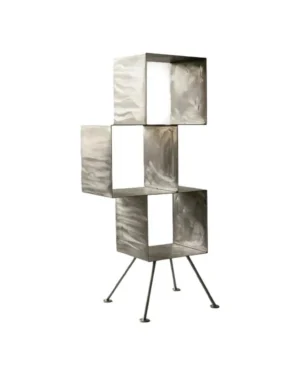
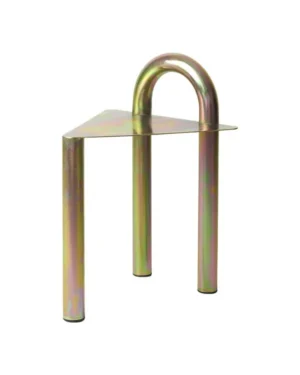
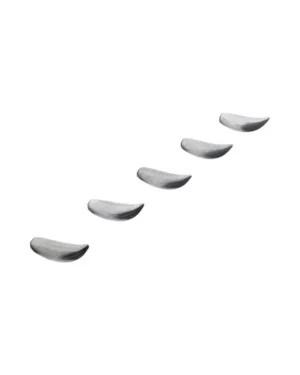
Camber – Stainless Steel Bench
By Paul Coenen
€818 -
 In stock
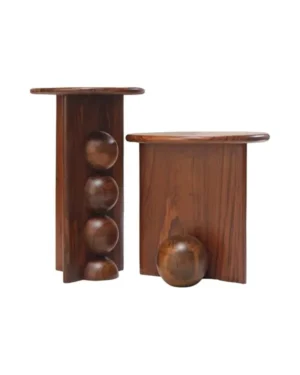
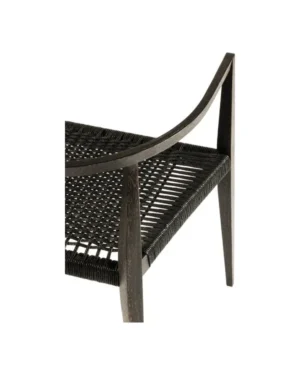
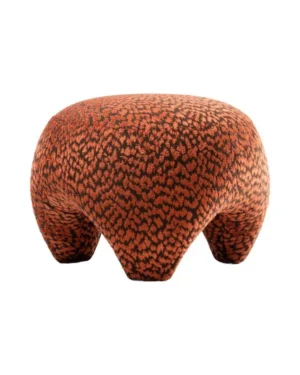
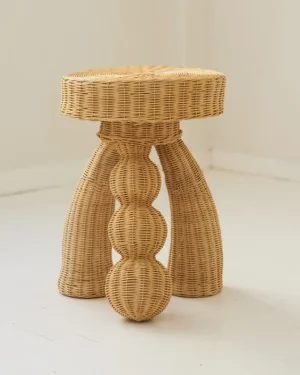
Pupa Side Table in Woven Rattan and Metal
By LØRDAG & SØNDAG
€845 -

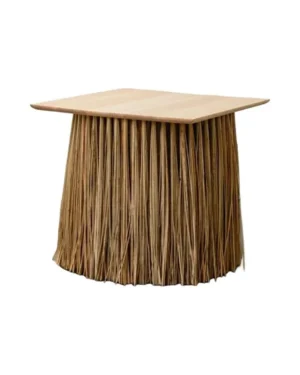
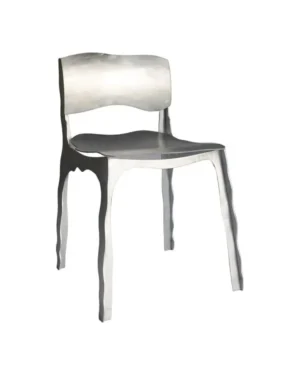
Camber – stainless Steel Stool
By Paul Coenen
€539 -

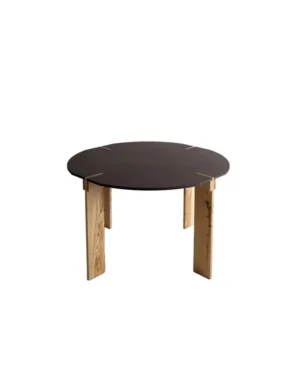
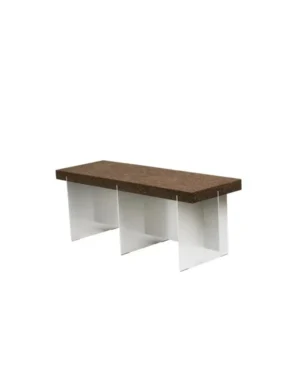
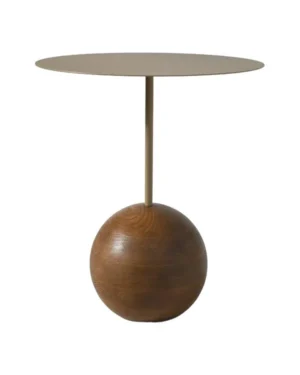
Pressure Bench
By TIM TEVEN
€740 -

Mono Side Table in Travertine and Metal
By Yet Design Studio
€1.200 - €1.380 This product has multiple variants. The options may be chosen on the product page -
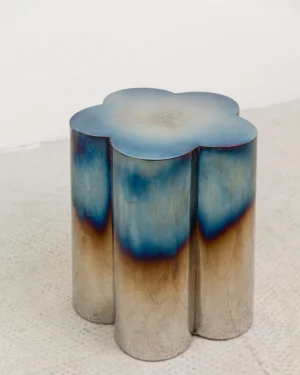
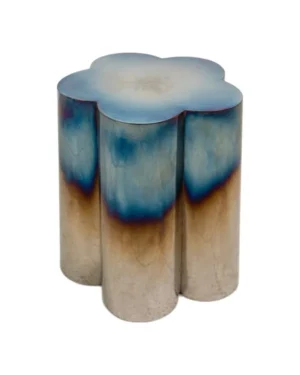
Barvinok Side Table in Heat-Treated Stainless Steel
By FURN OBJECT
€2.700 -

“Potro” Stool
By piedrafuego
€270 -
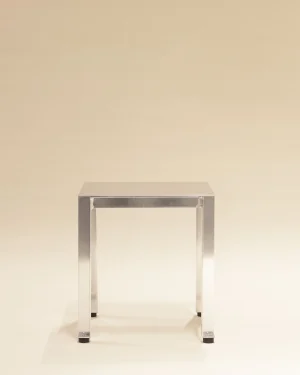
Canto Side Table in Aluminum
By Luiz Solano
€650 -

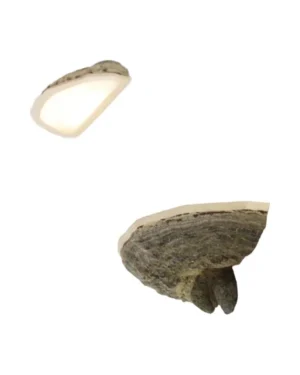
Isolation Coffee Table in Cork and Burnt Pine
By Vital Lainé
€1.800 -
 In stock
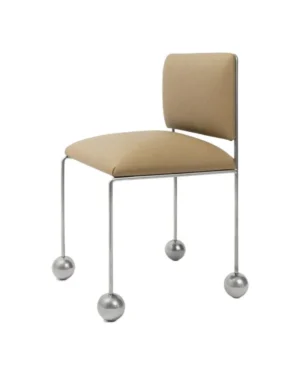
Camber – Stainless Steel Chair
By Paul Coenen
€1.121 -
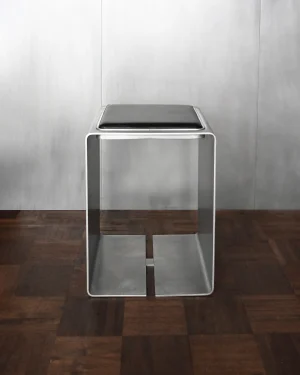
S001-10.2 Aluminum Stool
By NAVE
€500 -
 In stock
“levedad” Usb
By Tributo
€78 - €99 This product has multiple variants. The options may be chosen on the product page -

Windows of Bo Bardi Side Table in Tulip Wood
By Linde Freya Tangelder
€1.300 - €1.600 This product has multiple variants. The options may be chosen on the product page -

Slant Book Stand – Marble, Brass and Oak Wood
By VAUST Studio
€6.600 -
 In stock
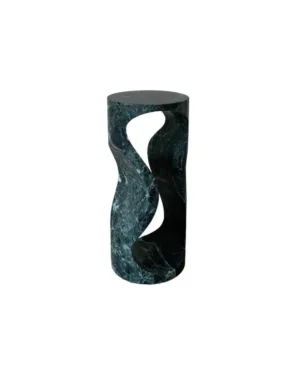
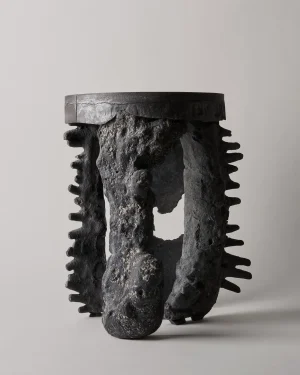
Four Elements Pedestal in Acrystal Resin
By Kajsa Melchior
€2.500 -
 In stock
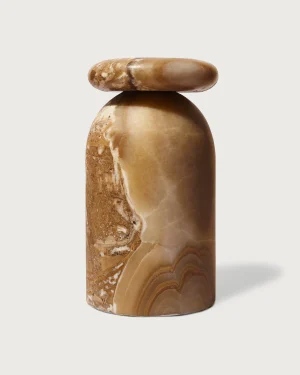
Cult Stool – Sculptural Side Table In Honey Onyx Marble Conglomerate
By Panorammma Atelier
€2.300 -
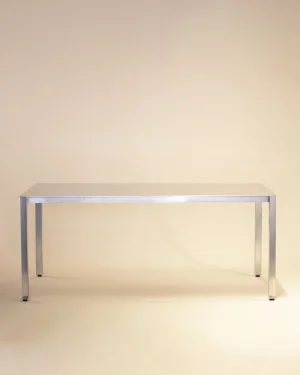
Canto Desk in Anodized Aluminum
By Luiz Solano
€1.180 - €2.000 This product has multiple variants. The options may be chosen on the product page -
5% off

Bb Chair
By CORPUS STUDIO
€9.800€9.310 -

Aster Side Table In Parota Wood
By Daniel Couttolenc
€1.975 -
 In stock
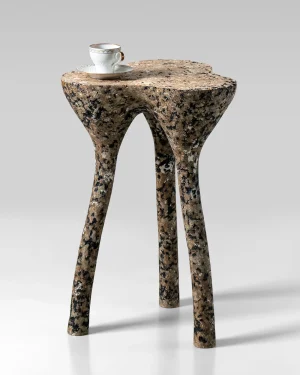
Beige Tripod Low Side Table In Paper Pulp And Cement
By Donatas Žukauskas
€1.150 -
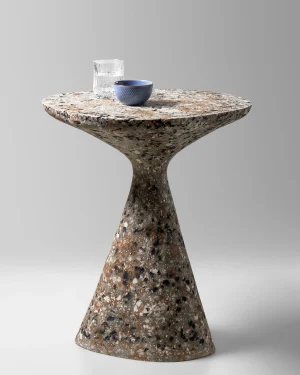
Beige Mottled Side Table In Paper Pulp And Cement
By Donatas Žukauskas
€1.100 -
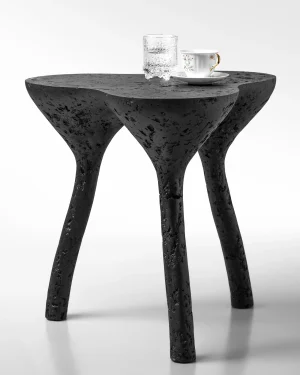
Black Tripod Coffee Table in Paper Pulp and Cement
By Donatas Žukauskas
€1.450 -
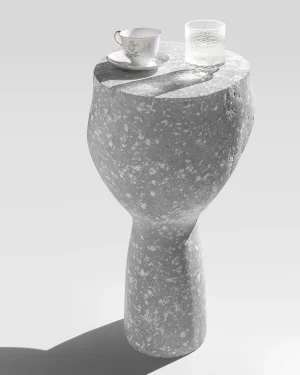
White Plinth Side Table in Paper Pulp and Cement
By Donatas Žukauskas
€1.050 -
 In stock
Volcán Side Table in Volcanic Stone
By LØRDAG & SØNDAG
€1.841 -
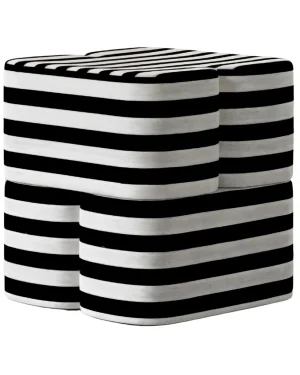
Ori Pouf
By hermhaus
€726 This product has multiple variants. The options may be chosen on the product page -

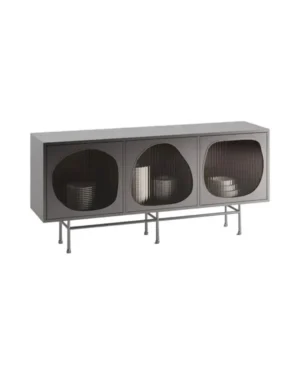
Orta Console Table in Stainless Steel and Glass
By Nitush and Aroosh
€3.390 -
 In stock
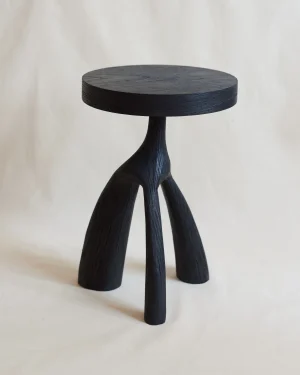
Tecolli Side Table In Burnt Oak Wood
By LØRDAG & SØNDAG
€940 -
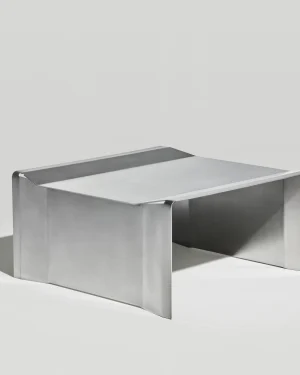
Camber Coffee Table in Stainless Steel
By Paul Coenen
€1.615 -
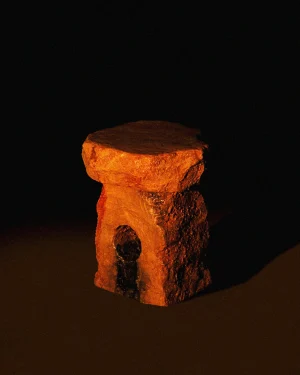 In stock
La Cauna – Escabèl 01 Stool
By Pierre Klein
€900 -
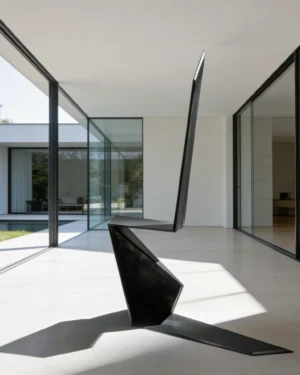
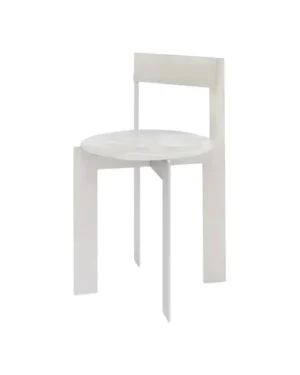
Dark Side – Aluminum Chair
By ORFEO STUDIO
€5.082 -
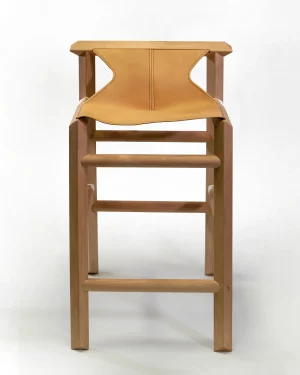
1903 – Cognac Leather And Wood Barstool
By espina corona
€890 -
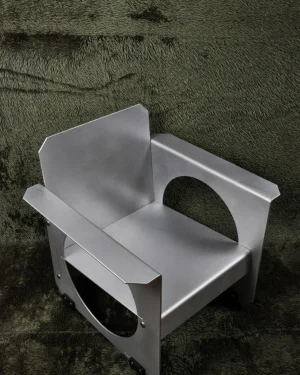
D400 Armchair – Matte Aluminium
By MLK Furniture
€2.290 -
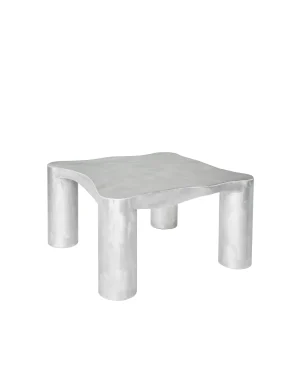
Not In Service Coffee Table in Aluminum
By Six Dots Design
€1.875 -
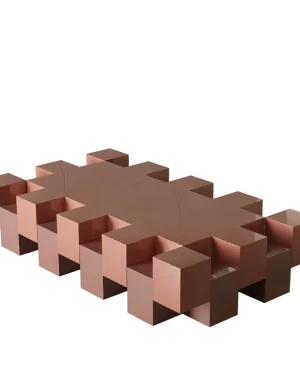
Bite Coffee Table in Lacquered MDF
By hermhaus
€5.943 This product has multiple variants. The options may be chosen on the product page -
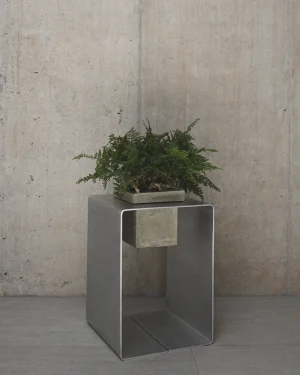
ST001-02 Side Table in Stainless Steel and Concrete
By NAVE
€990 -
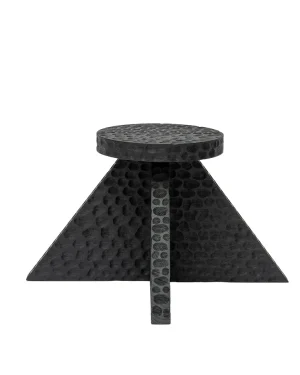
Object112 Side Table in Carved Oak Wood
By NG DESIGN
€588 -
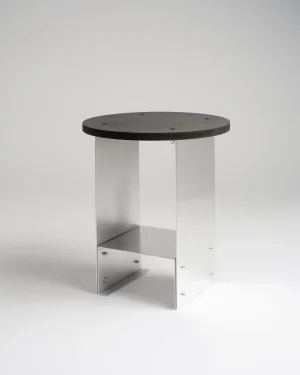
Broken Wing Stool
By Obscure Objects
€290 -
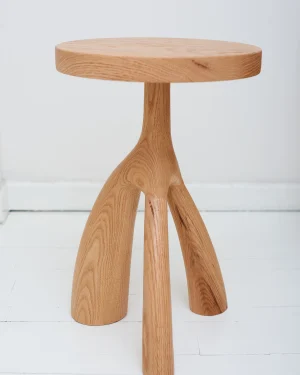
Tecolli Side Table in Natural Oak Wood
By LØRDAG & SØNDAG
€940 -
5% off

Angi Chair
By by.aman
€950€903 -
 In stock
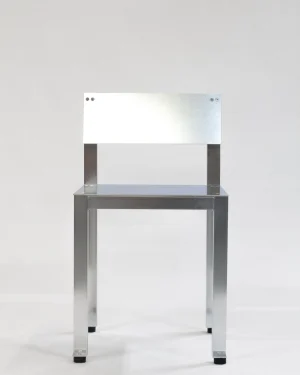
Canto – Aluminum Dining Chair
By Luiz Solano
€840 -
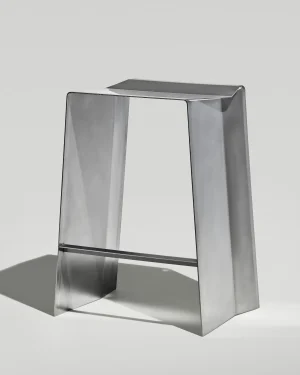
Camber – Bar Stool
By Paul Coenen
€685 -
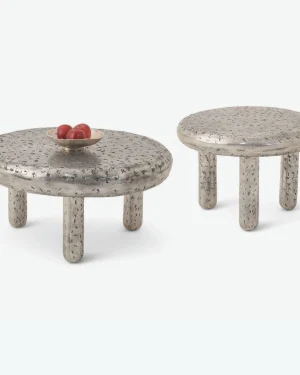
Crater Coffee Table in Cast Aluminum
By LMNOH
€2.150 -
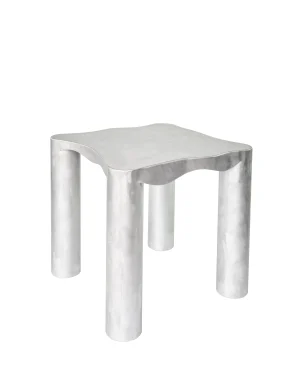
Six Dots Kitchen Dining Table in Aluminum
By Six Dots Design
€2.550 -
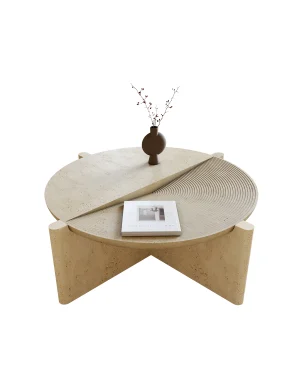
Arkhe No. 1 Round Coffee Table in Travertine
By Studio Kali
€6.170 -
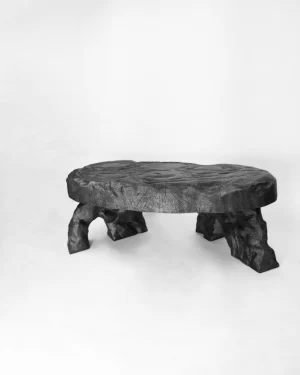 In stock
The Black Sheep Coffee Table in Burnt Pine Wood
By Masha Volkova
€2.600 -
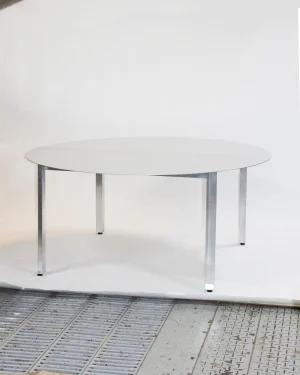
Canto Round Dining Table in Anodized Aluminum
By Luiz Solano
€1.180 - €1.680 This product has multiple variants. The options may be chosen on the product page -
 In stock
Tronco Bench – Stainless Steel Bench
By Nitush and Aroosh
€5.000 -

Mat Pouf
By hermhaus
€3.250 -
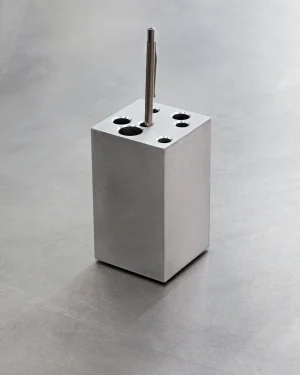
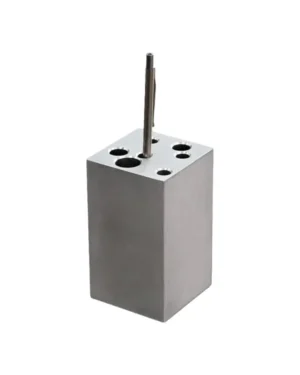
Pen Holder – Solid Aluminum Block
By PRACTICE
€142 -
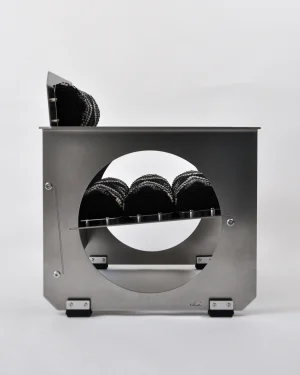
D400 Armchair – Black Mamba – Matte Stainless Steel
By MLK Furniture
€7.590 -
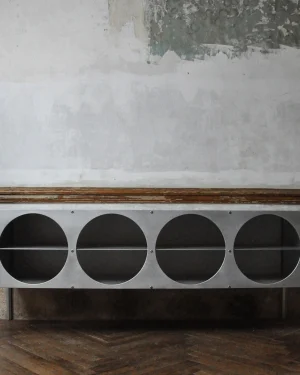
D400 Console Table in Matte Aluminum
By MLK Furniture
€4.700 -
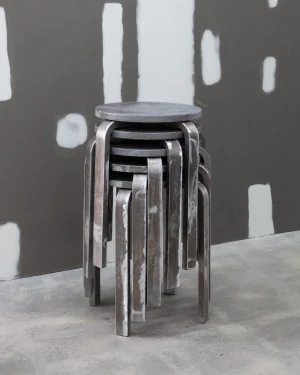
Stackable Stool 2 – Ikea-inspired Aluminum Stool
By PRACTICE
€644 -
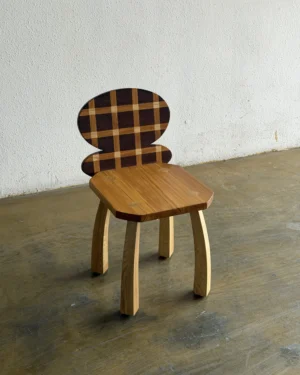
Bend Chair
By STUDIO KALLANG
€2.900 -
10% off

Untreatable Dining Table in Steel
By ORFEO STUDIO
€19.000€17.100
Brutalist furniture takes its name from béton brut, raw concrete, and carries that logic into steel, aluminum and timber: forms left heavy, surfaces left honest, the way a piece is joined or welded left visible rather than smoothed away. Studios working in this style favor mass over ornament, so a console or a stool reads as structure first and furniture second. Weight, in this case, is the point.
What gives brutalist pieces their weight
A brutalist chair or table carries its material plainly. Steel keeps its mill marks or its weld seams, cast aluminum keeps the texture of its mold, oak or walnut is left thick and square rather than tapered to look lighter than it is. Edges stay blunt, joints stay visible, and proportion does the work that decoration would do elsewhere.
Color follows the same restraint. Black, dark gray, off-white and raw brown dominate, since these are the natural colors of oxidized metal, waxed wood and unfinished stone rather than colors added afterward.
Materials, finishes and editions on ADORNO
Within every brutalist piece on ADORNO, stainless steel and aluminum lead, shaped through metalwork, welding and anodising to fix their finish and resist corrosion. Wood and cabinetmaking produce the heavier case pieces and stools, often left in ivory, beige or dark stain rather than high gloss. Leather, natural fiber and rattan appear less often but add contrast, their warmth set against cold metal or carved stone.
Stone carving and other hand methods mean some pieces are made as unique pieces or in limited editions, where a surface or a cut will not repeat; others are produced as open editions, with the same mold or template used for every piece. Either way, the material, not the print run, carries most of the character.
Choosing scale, height and placement
Scale decides whether brutalist furniture anchors a room or overwhelms it. A side table or stool in cast metal or solid wood should be sized to the seating around it, not simply the largest piece available; height matters more here than in lighter furniture, since a low, dense form reads as stable while a tall one can feel like a monument. Leave space around a heavy piece rather than pushing it to a wall, so its mass can be read from more than one angle.
Finish affects placement too. A matte black or raw aluminum surface shows fingerprints and dust more readily than a lacquered one, so pieces used daily, a dining table or a stool, benefit from finishes meant to be touched, while more sculptural forms can stay purely visual.
Rooms suited to raw materials
Living rooms take brutalist furniture well, where a single cast or welded piece, a brutalist table or a low stool, can stand against softer sofas and textiles. Entryways and dining rooms also suit the style, since a solid console or bench reads as a fixed point rather than something to rearrange. For seating specifically, the heft of brutalist seating works best in rooms with enough floor space to let a chair sit apart from the wall.
Caring for metal, wood and stone surfaces
Stainless steel and anodized aluminum need little beyond a dry or barely damp cloth; harsh cleaners can dull an anodized finish, so plain water is safer. Waxed or oiled wood benefits from reapplying oil every so often to stop it drying out, and from staying away from direct heat sources that can split a thick, solid piece. Carved stone is porous and will stain from oil or wine, so a sealant and prompt wiping matter more than on sealed surfaces.
For pieces in other woods or styles, wooden furniture and metal furniture call for similar, material-led care. The full range of furniture on ADORNO spans far beyond this one style, but the same rule holds across all of it: know the material, and the finish will outlast the trend.
How do I choose a brutalist furniture piece?
Look for raw, weighted materials such as welded steel, cast metal or solid wood left honest about its process. Pick a piece whose mass and proportion suit the room, since brutalist work tends to anchor rather than blend in.
What materials are brutalist furniture pieces made from, and how do I care for them?
Most are worked in stainless steel, aluminum, metal or solid wood, sometimes paired with leather or natural fiber. Wipe metal with a dry cloth to avoid water spots, and oil wood occasionally to keep it from drying out.
Are brutalist pieces heavy or hard to move?
Many are, since the style favors thick metal, stone or dense wood over light frames. Check weight and dimensions on the piece's page, or chat with the maker for help planning access and placement.
Which rooms suit brutalist furniture?
Living rooms and entryways take well to its weight and presence, and a single brutalist piece can hold its own in a minimalist or neutral-toned space. It also grounds rooms with natural light, which softens the material's rawness.
Does ADORNO ship brutalist furniture internationally, and can I return it?
Shipping is insured and worldwide. Pieces can be returned within 14 days, except made-to-order pieces, which are excluded.
How do I know a brutalist piece from ADORNO is authentic?
Every piece ships with a certificate of authenticity, and ADORNO offers a lowest-price guarantee. For specifics on a particular piece, use Chat with the maker on its page.