






















-
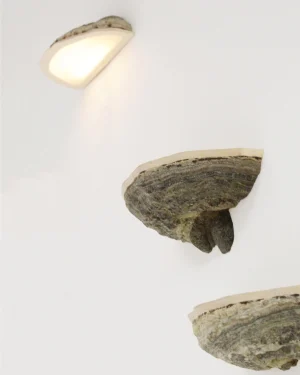 In stock
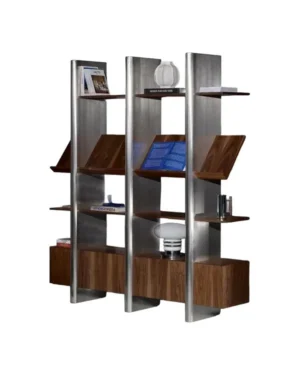
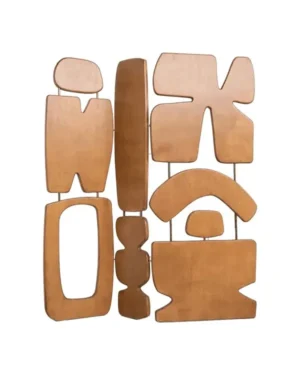
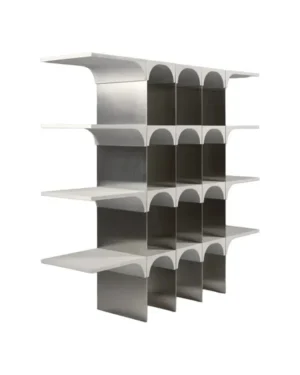
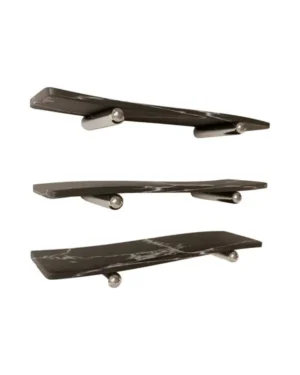
Ticka – Fungi Wall Shelf
By Olle Sahlqvist
€250 - €450 This product has multiple variants. The options may be chosen on the product page -
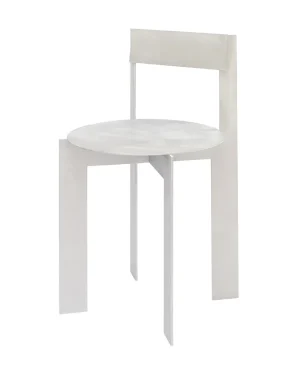
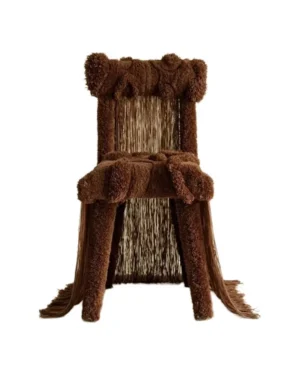
Object111 – Aluminum Chair
By NG DESIGN
€333 -
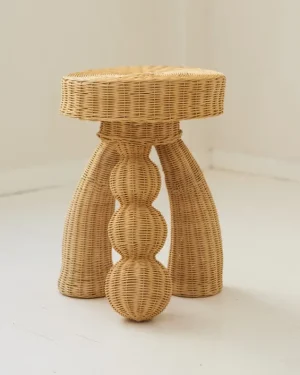 In stock
Pupa Side Table in Woven Rattan and Metal
By LØRDAG & SØNDAG
€845 -
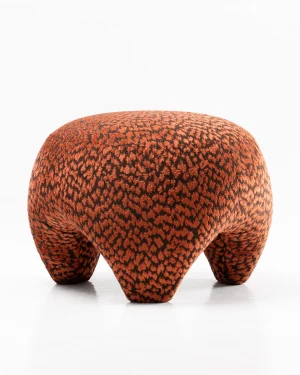
Django Velvet Ottoman in Textile
By Odditi
€990 -
 In stock
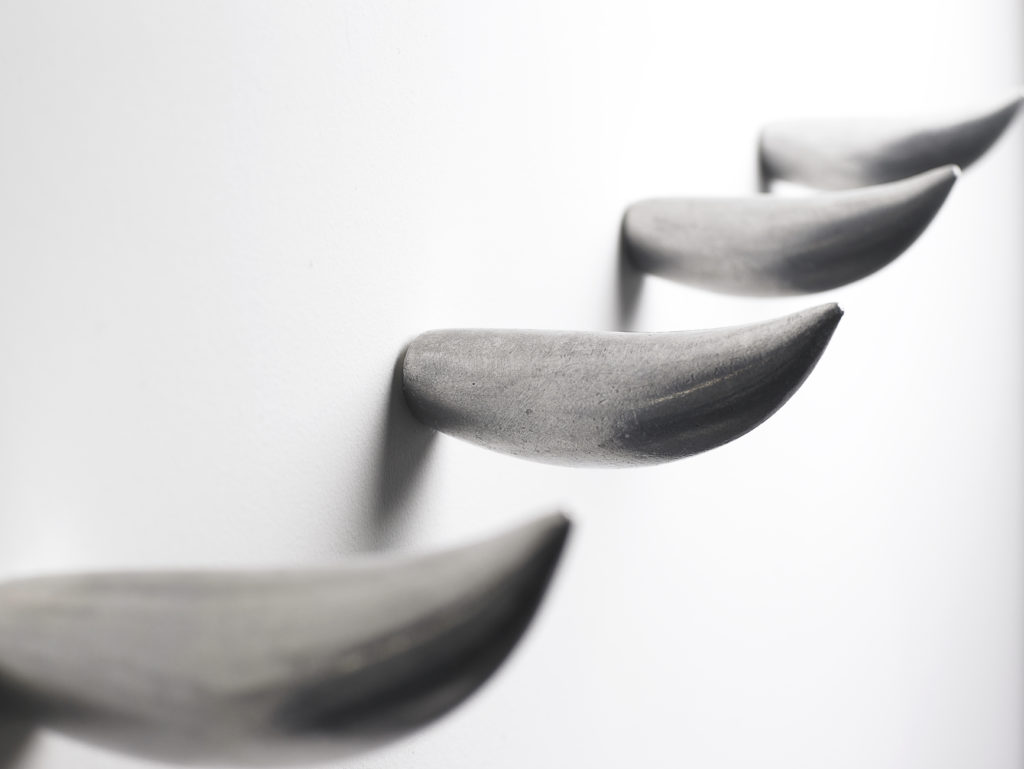
“catch” Hook
By Tinna Gunnarsdóttir
€230 -

“Potro” Stool
By piedrafuego
€270 -

Camber – stainless Steel Stool
By Paul Coenen
€539 -

Elements Set (fire, Earth, Water And Air)
By Daniel Couttolenc
€6.150 -

Pressure Bench
By TIM TEVEN
€740 -
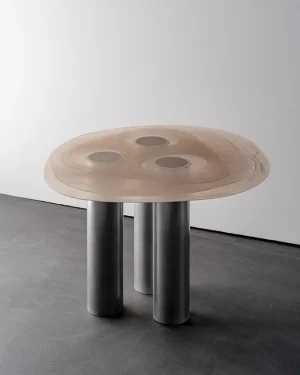
Flywater Side Table in Epoxy Resin
By Calen Knauf Studio
€2.838 -
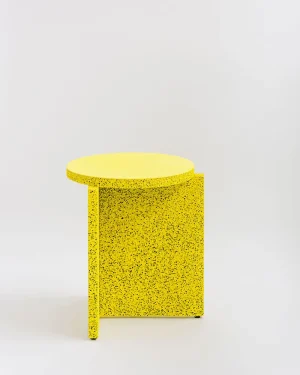
Sponge Side Table in Foamed Aluminum
By Calen Knauf Studio
€898 This product has multiple variants. The options may be chosen on the product page -

Camber – Stainless Steel Bench
By Paul Coenen
€818 -
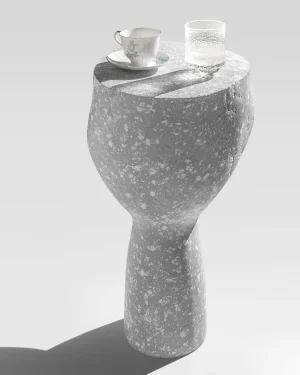
White Plinth Side Table in Paper Pulp and Cement
By Donatas Žukauskas
€1.050 -
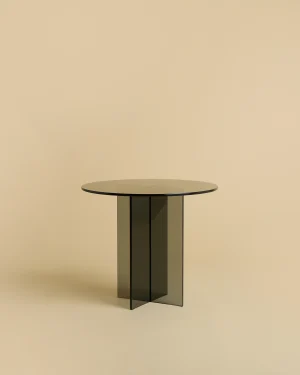
Amami Side Table in Smoked Glass
By Lebanto
€935 -

Imaginary Object – Steel Stool
By Joana Teixeira
€1.600 -

Camber – Stainless Steel Chair
By Paul Coenen
€1.121 -
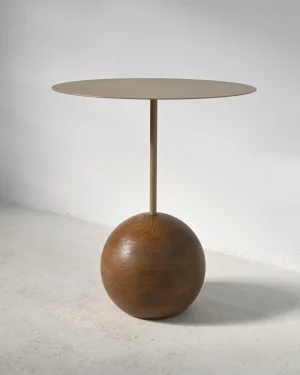
An Su Side Table in Steel and Ash Wood
By SALAK Studio
€690 -
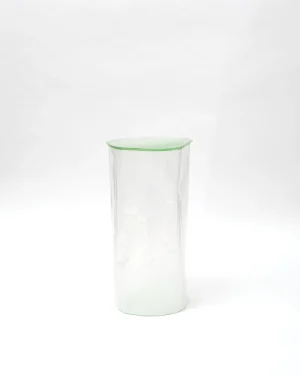
Trace Side Table in Epoxy Resin and Vellum
By Calen Knauf Studio
€340 - €380 This product has multiple variants. The options may be chosen on the product page -
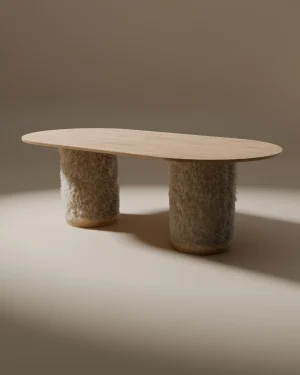
Cacu – Furry Wood Dining Table
By Joana Teixeira
€4.250 -
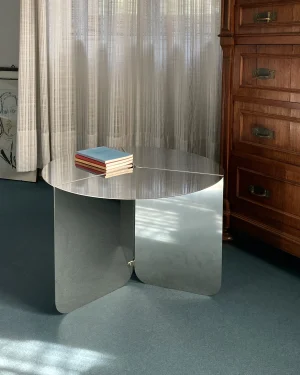 In stock
“120” Coffee Table – Stainless Steel Edition
By matteo giustozzi
€900 -
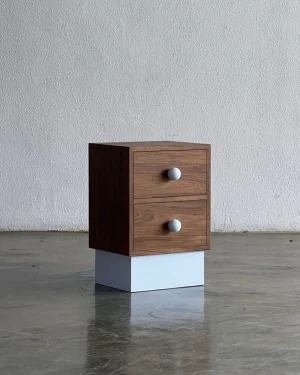
Mamun Side Table – Dusty Blue
By STUDIO KALLANG
€1.450 -
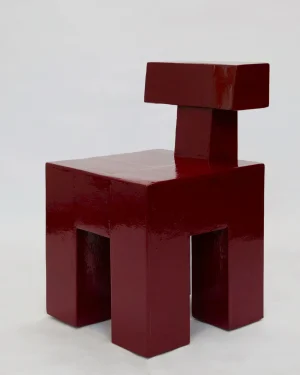
The Practice Chair
By Studio Fabius Clovis
€2.200 This product has multiple variants. The options may be chosen on the product page -

Cork X | Bench 01 – Cork / Metal Bench
By Robert Megel
€1.499 -
 In stock
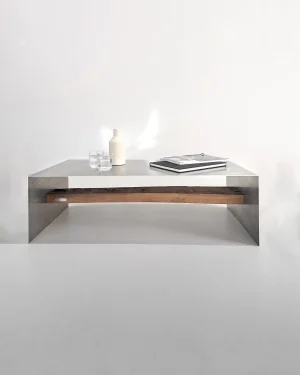
Matted Aluminum Coffee Table
By case studios
€660 -

Metal Tray
By BOTHI
€100 -

Windows of Bo Bardi Side Table in Tulip Wood
By Linde Freya Tangelder
€1.300 - €1.600 This product has multiple variants. The options may be chosen on the product page -

Tube Bench
By Deon Rubi
€4.000 -

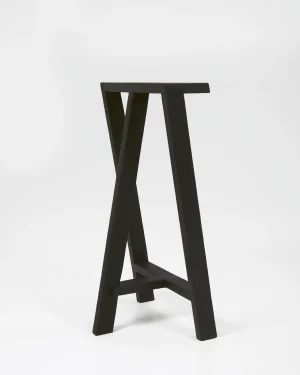
The Altar Side Table in Steel
By COSEINCORSO
€910 -
 In stock
Pausa – Minimalistic Wooden Bar Stool
By Pierre-Emmanuel Vandeputte
€179 - €319 This product has multiple variants. The options may be chosen on the product page -
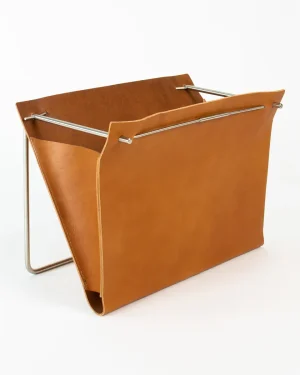
Leather Magazine Holder
By Szostak Atelier
€1.200 This product has multiple variants. The options may be chosen on the product page -
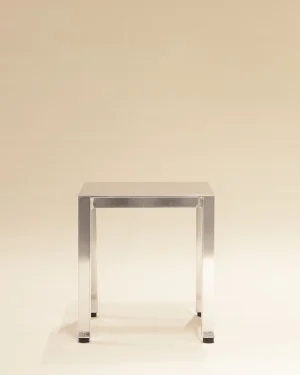
Canto Side Table in Aluminum
By Luiz Solano
€650 -
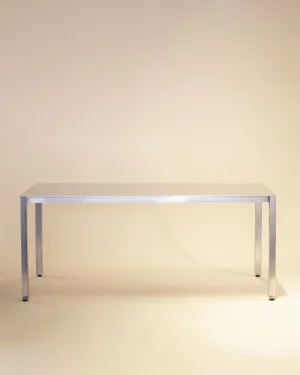
Canto – Aluminum Table / Desk
By Luiz Solano
€1.180 - €2.000 This product has multiple variants. The options may be chosen on the product page -
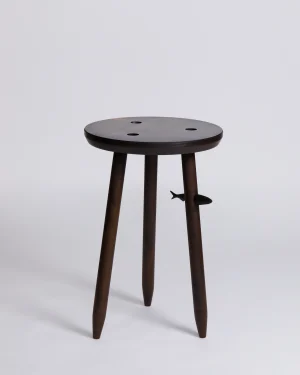 In stock
Cardume Low Stool
By Andreas Anwander
€500 This product has multiple variants. The options may be chosen on the product page -
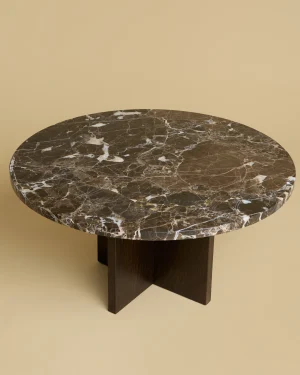
Tinian – Dark Emperador Marble Coffee Table
By Lebanto
€2.010 -
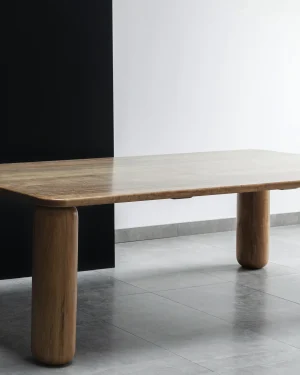
Well Grounded – Minimalist Wood Dining Table
By Laluz Handcraft
€5.040 -

Mono Side Table in Travertine and Metal
By Yet Design Studio
€1.200 - €1.380 This product has multiple variants. The options may be chosen on the product page -
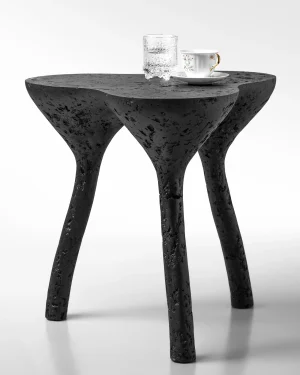
Solid Black Stone Coffee Table in Cast Stone
By Donatas Žukauskas
€1.450 -
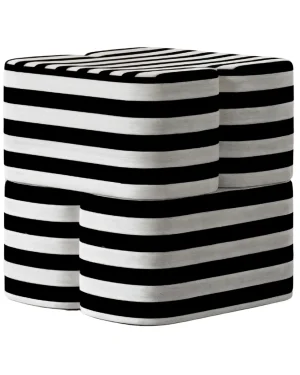
Ori Pouf
By hermhaus
€726 This product has multiple variants. The options may be chosen on the product page -
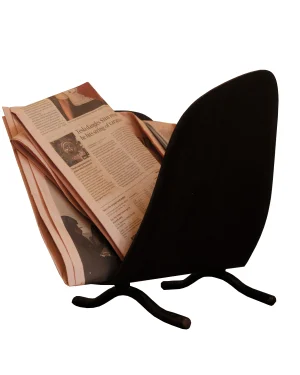
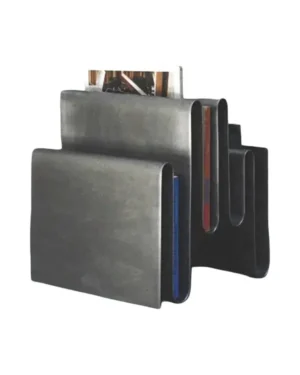
Steel Magazine Rack
By Six Dots Design
€180 -

Alice – Cloud Sofa
By Joana Teixeira
€6.850 -
 In stock
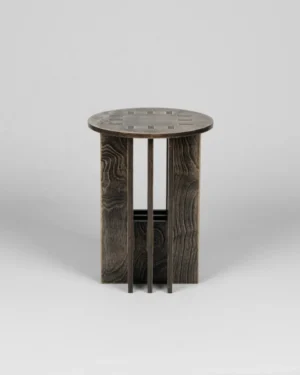
Plus01 Medium Side Table in Birch Wood
By 301 Design Studio
€800 This product has multiple variants. The options may be chosen on the product page -

Bombs Pouf
By hermhaus
€1.060 - €1.140 This product has multiple variants. The options may be chosen on the product page -
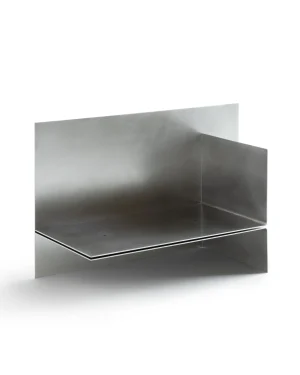
Polysemy Silver Side Table in Stainless Steel
By So Koizumi
€1.200 -
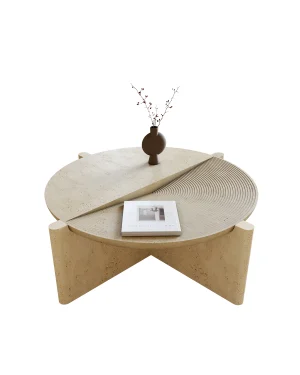
Arkhe No 1 – Round Travertine Coffee Table
By Studio Kali
€6.170 -
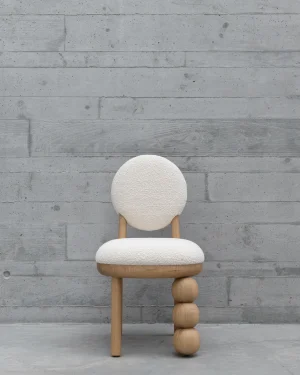
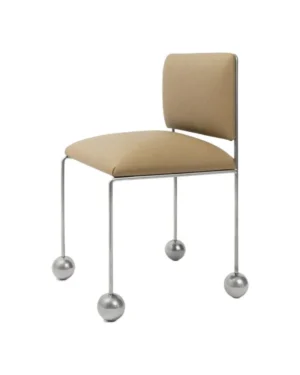
The Three Ball Leg Chair
By Joana Teixeira
€2.200 -
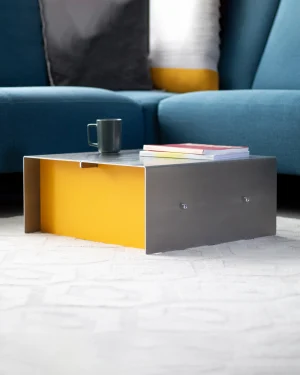
Core Aluminium Coffee Table
By Lisanne Meester
€519 This product has multiple variants. The options may be chosen on the product page -
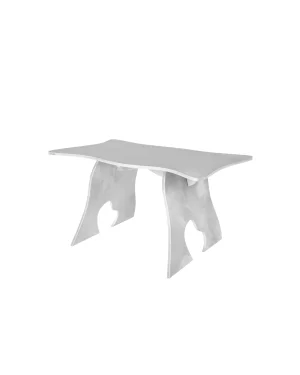
Aluminum Step Stool
By Six Dots Design
€205 -
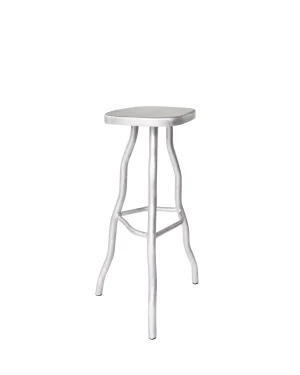
Aluminum Squiggle Bar Stool
By Six Dots Design
€595 -
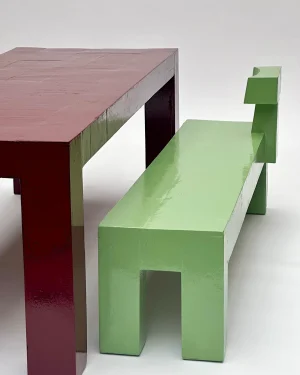
Practice Bench – Upcycled Wood
By Studio Fabius Clovis
€3.300 -
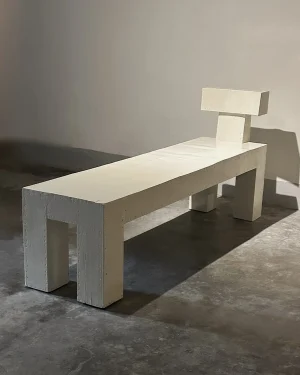
Practice Chaise Lounge
By Studio Fabius Clovis
€2.728 -

Cork X 01 Side Table in Cork and Aluminum
By Robert Megel
€599 -

Su Side Table in Steel and Ash Wood
By SALAK Studio
€590 -

Lumbarchair Accent Chair
By FlatFlat
€429 -

Cherry Side Table in Steel and Wood
By SALAK Studio
€590
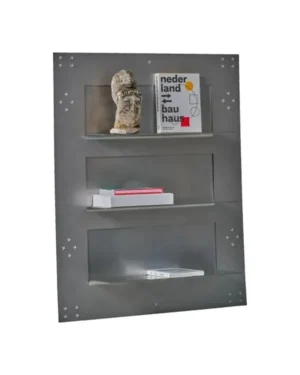
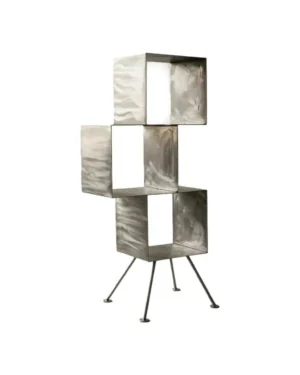
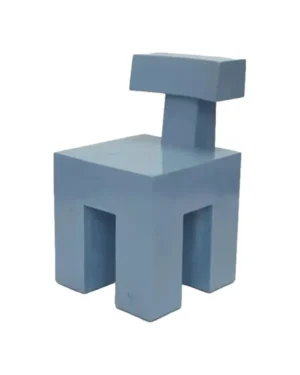
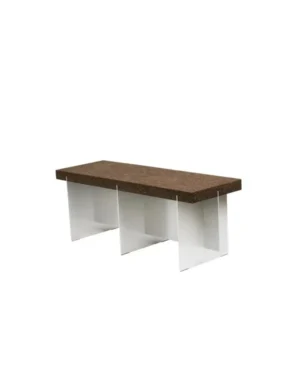
Minimalist furniture reduces a piece to the elements that carry weight and the surfaces that catch light. Studios working this way favor aluminum, stainless steel and wood over ornament, letting a single plane, a bent sheet or a turned leg do the work. The result is furniture that reads as quiet in a room but holds up under close attention to proportion and finish.
What defines minimalist furniture
Strip away molding, carving and applied detail and what remains is geometry: a flat seat, a straight rail, a cylinder for a base. Minimalist pieces depend on this restraint, which is why the choice of material matters more than in more decorated work. Metal, especially aluminum and stainless steel, offers a continuous surface that shows every weld and seam, so studios working in metalwork tend to finish joints flush rather than disguise them. Wood pieces, often pine or birch, rely on the grain itself as the only pattern, left exposed under a light oil rather than painted over.
Materials, finishes and ways of making found here
The range runs from raw aluminum left with a visible mill finish to pieces sand cast in metal, which gives a slightly textured surface that resists fingerprints better than polished chrome. Wood and cabinetmaking techniques produce case pieces and tables in pine or birch, usually finished in off-white, ivory or left close to its natural tone. Stainless steel and dark gray or black metal appear often in frames and legs, chosen for the way they disappear visually next to a pale wall. Editions vary: some pieces come from open runs, others are limited editions or unique pieces, a detail worth checking if you want something that will not reappear once sold.
- Aluminum and stainless steel, for frames and legs that stay slim without losing strength
- Pine and birch wood, for case goods and tables with visible grain
- Sand-cast metal, for bases and hardware with a matte, slightly grained surface
- Off-white, ivory, beige and brown, as the finishes that keep a piece from competing with its surroundings
How to choose a minimalist piece
Start with scale before finish. A minimalist piece has nowhere to hide an awkward proportion, so measure the space with more care than you would for something more ornamented. Standard seat and table heights still apply, but because the silhouette is so plain, even small mismatches in scale show immediately.
Finish is the second decision. A raw or brushed metal reads cooler and harder than an oiled wood surface, and will shift how the rest of the room feels. If you already own furniture in wooden furniture or metal furniture, match the new piece's tone rather than its style family, since minimalist work tends to sit comfortably alongside both Scandinavian and contemporary pieces.
Where it works in the home
Minimalist furniture suits rooms that already have strong architectural lines, where a plain table or chair lets windows, floors or a fireplace carry the visual weight. It reads particularly well in living room furniture settings, where a low aluminum console or a single wood bench can anchor a seating area without crowding it. In smaller rooms, the same restraint helps: one well-placed piece does more than several competing ones.
Care for metal and wood pieces
Stainless steel and aluminum need only a soft cloth and mild soap; avoid abrasive pads, which will dull a brushed finish permanently. Raw aluminum may darken slightly with handling, which most owners read as part of its character rather than damage. Pine and birch pieces should stay away from direct heat and standing water, and an occasional pass with wood oil keeps the surface from drying out. For related pieces in the same material family, see aluminum furniture, or look across every minimalist piece on ADORNO and the wider furniture range for scale and finish before deciding.
How do I choose a minimalist furniture piece?
Look for a clear form, one or two materials, and joints or edges left visible rather than hidden. The piece should hold its shape and function without added ornament.
What materials are minimalist furniture pieces usually made from?
Aluminum, stainless steel, and plain woods like pine or birch are common, often left in a single tone such as off-white, black, or raw metal. Finishes stay flat or matte rather than high gloss.
How do I care for wood or metal minimalist furniture?
Wipe wood with a dry or slightly damp cloth and keep it from direct heat to avoid cracking; wipe aluminum and steel with a soft cloth to prevent fingerprints and water spots.
What size or height should minimalist furniture be?
Standard heights apply: tables run around 28 to 30 inches, seating around 17 to 19 inches. The maker can confirm exact dimensions through Chat with the maker on the piece's page.
Which rooms suit minimalist furniture best?
Living rooms, entryways, and home offices benefit most, since the pared-back forms leave sightlines open and work well in smaller or transitional spaces.
Does ADORNO ship minimalist furniture worldwide and offer returns?
Yes, shipping is insured and worldwide, with a 14-day return policy excluding made-to-order pieces. Each piece includes a certificate of authenticity and a lowest-price guarantee.