





















-
 In stock
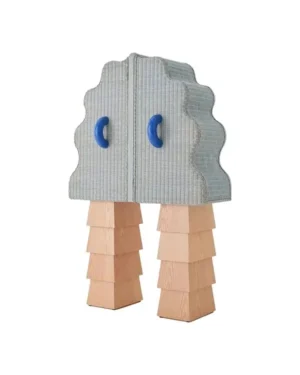
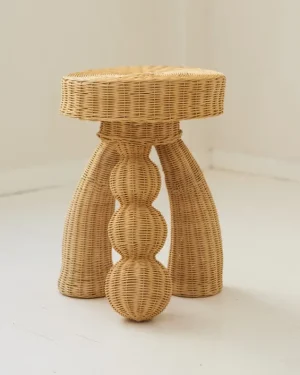
Pupa Side Table in Woven Rattan and Metal
By LØRDAG & SØNDAG
€845 -

Barvinok Side Table in Heat-Treated Stainless Steel
By FURN OBJECT
€2.700 -
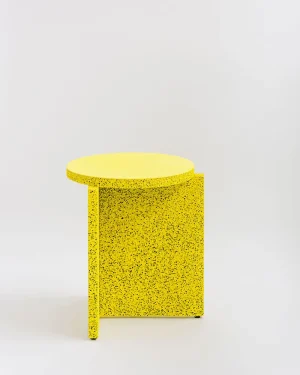
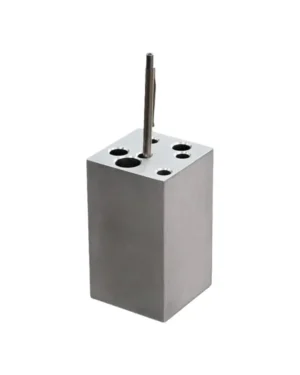
Sponge Side Table in Foamed Aluminum
By Calen Knauf Studio
€898 This product has multiple variants. The options may be chosen on the product page -

Kaila-II Side Table in Ribbed Glass
By Yugen Lab
€1.000 -
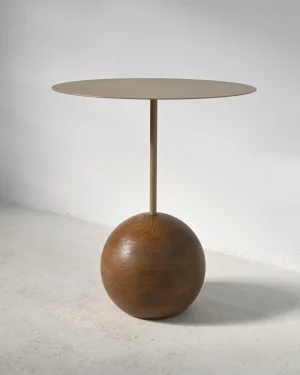
An Su Side Table in Steel and Ash Wood
By SALAK Studio
€690 -
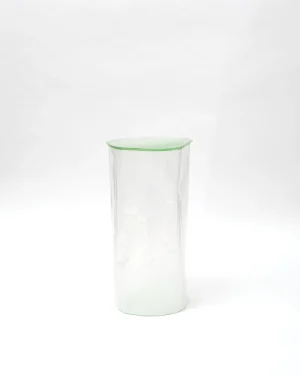
Trace Side Table in Epoxy Resin and Vellum
By Calen Knauf Studio
€340 - €380 This product has multiple variants. The options may be chosen on the product page -
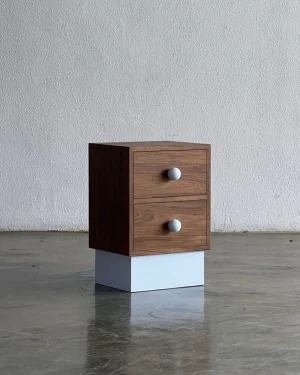
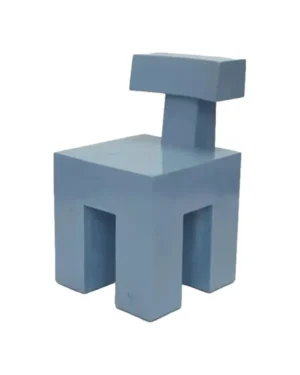
Mamun Side Table – Dusty Blue
By STUDIO KALLANG
€1.450 -
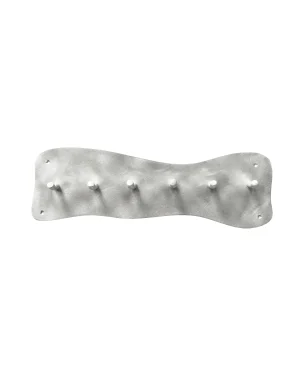
Aluminum Wall Coat Rack
By Six Dots Design
€196 -

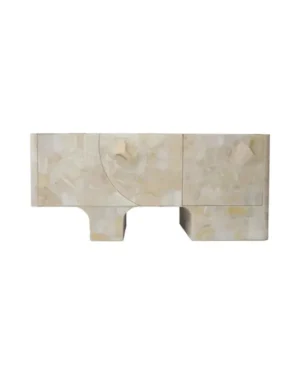
Mono Side Table in Travertine and Metal
By Yet Design Studio
€1.200 - €1.380 This product has multiple variants. The options may be chosen on the product page -

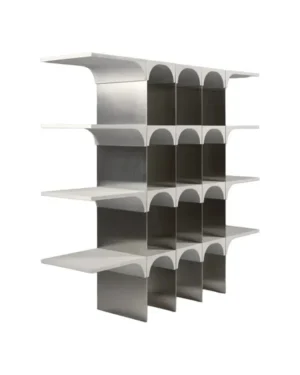
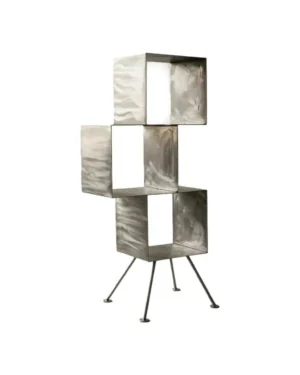
Stack 051 – Raw Aluminium
By studio MOTO
€1.390 -
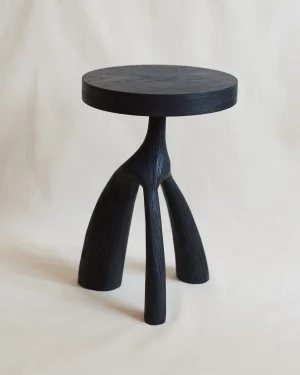 In stock
Tecolli Side Table In Burnt Oak Wood
By LØRDAG & SØNDAG
€940 -
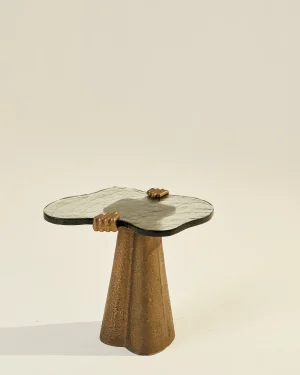
Paws Side Table in Cast Aluminum and Cast Glass
By LMNOH
€1.950 -
 In stock
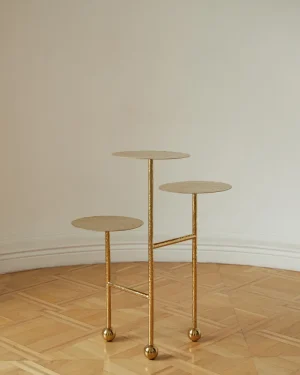
Liquid Table Tin Coated Steel
By FURN OBJECT
€3.600 -
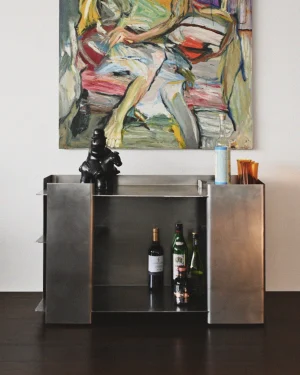
Stainless Steel Bar Cart
By NAVE
€2.900 -
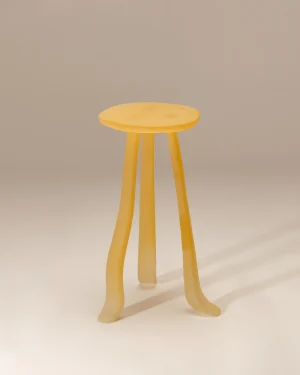
Lung 1.0 Honey Matte Side Table in Resin
By Szymon Keller
€2.200 - €2.400 This product has multiple variants. The options may be chosen on the product page -

Broken Wing Stool
By Obscure Objects
€290 -
 In stock
Obsidian Console | Burned Solid Oak
By NO AGE STUDIO
€4.060 -
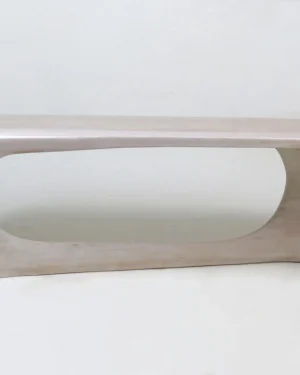
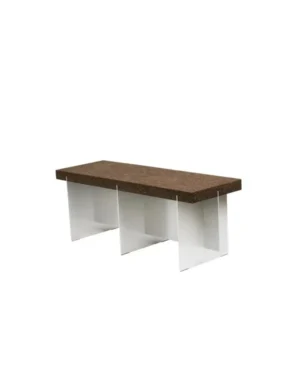
N2v – Cherry Wood Bench
By Aaron Scott
€5.400 -
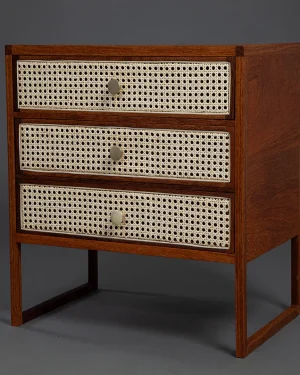
The Square Bedside Table
By am.o atelier
€1.579 -
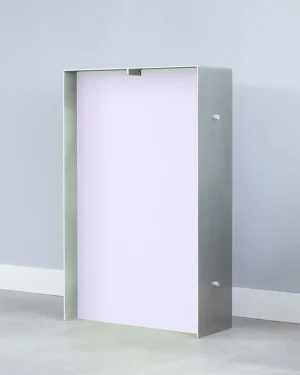
Core – Aluminium Console
By Lisanne Meester
€575 This product has multiple variants. The options may be chosen on the product page -
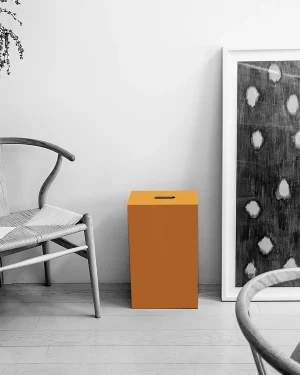
The Apple Box Side Table in Baltic Birch Plywood
By ilan
€450 This product has multiple variants. The options may be chosen on the product page -
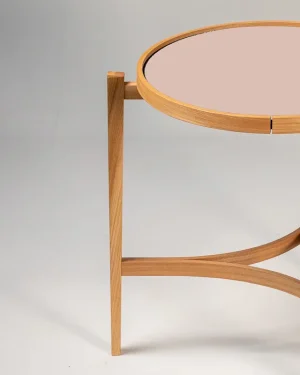
Geodetic Side Table in Oak Wood
By studiolehn
€660 -
 In stock
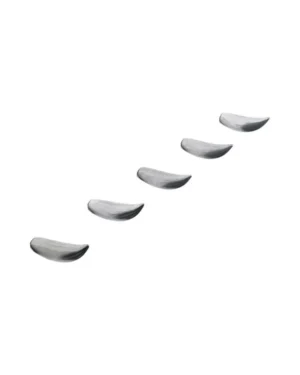
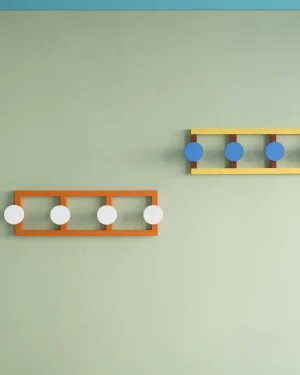
Hooks – Beech Wood Wall Hooks
By raawii
€240 - €600 This product has multiple variants. The options may be chosen on the product page -
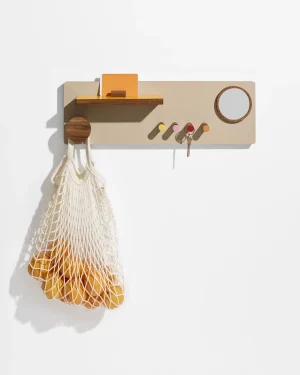
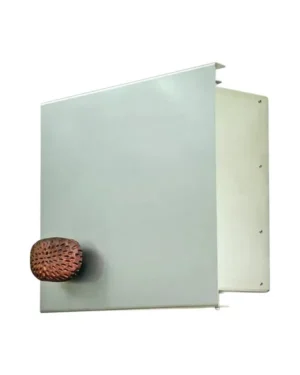
The Control Panel
By ilan
€280 This product has multiple variants. The options may be chosen on the product page -
 In stock
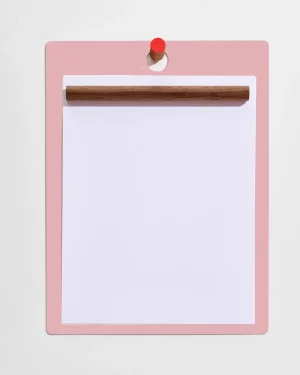
The Magnetic Clipboard
By ilan
€99 This product has multiple variants. The options may be chosen on the product page -
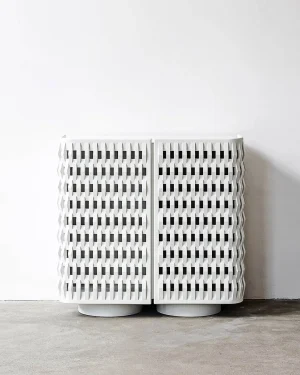
Chain Mail (two-door Cabinet)
By ZEMNA
€6.000 -

Bloc Console Table
By Rollo Studio
€8.800 -
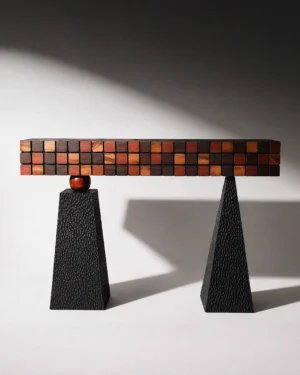
Caapora Console
By Estudio Leonardo Zanatta
€7.150 -
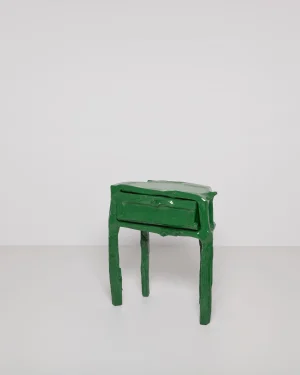 In stock
Splitted Round Cabinet Green
By Teun Zwets
€3.915 -
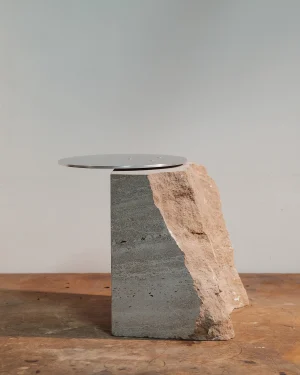
Fragments Side Table in Limestone and Aluminum
By Estudio Material
€3.300 -

Solid Black Stone Console Table – Toki Series In Cast Stone By Donatas Zukauskas
By Donatas Žukauskas
€2.150 -
 In stock
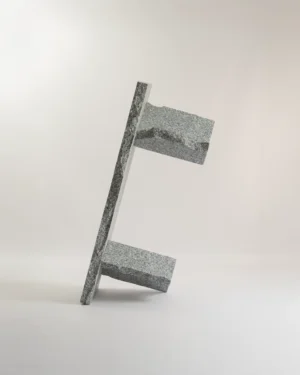
Filar Stone Bench | Re-enchantment
By małe dobra
€1.400 -

All Direction – Coat Stand
By Metalmorphosis Studio
€974 -

Kokeshi Bench
By Luis Gimeno Design
€10.800 -
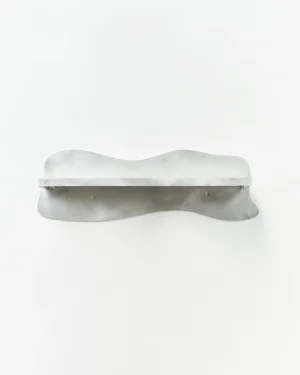
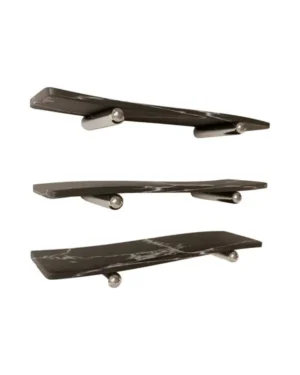
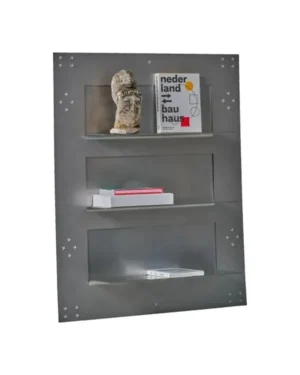
Aluminum Wave Shelf
By Six Dots Design
€84 - €420 This product has multiple variants. The options may be chosen on the product page -
 In stock
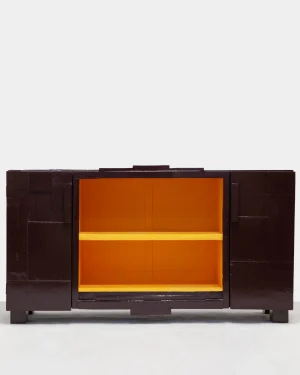
Practice Semi-open Credenza
By Studio Fabius Clovis
€8.900 -
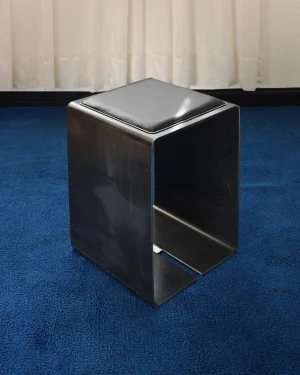
S001-10 Raw Steel Stool
By NAVE
€450 -
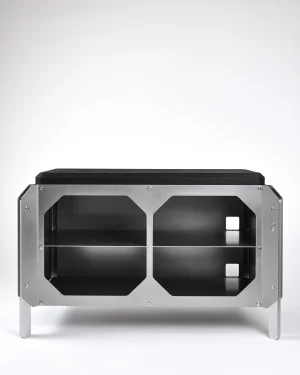
Jnk330 Console – Matte Stainless Steel / Ebonized Oak Wood
By MLK Furniture
€2.500 -

Side Piece Side Table in Extruded Aluminum
By Deon Rubi
€2.200 -
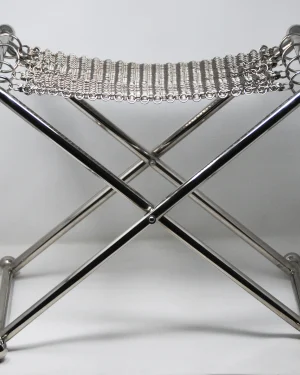
Chainmail Camping Stool
By Panorammma Atelier
€1.990 -
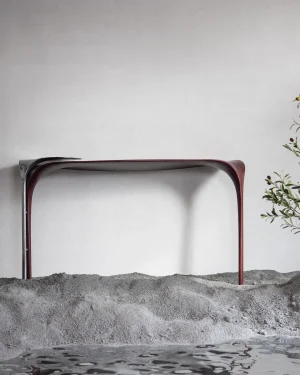
Maris Console Table
By House of Creatomy
€1.444 -

Bleo Pedestal
By Daniel Couttolenc
€3.695 -

Orta Sculptural Console
By Nitush and Aroosh
€3.390 -
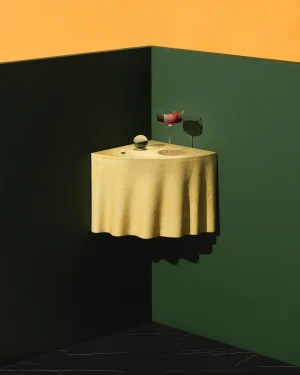 In stock
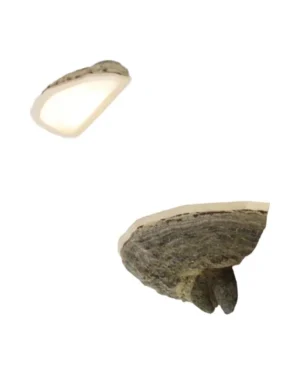
DUK x Reishi Edition Wall-Mounted Corner Table
By Studio TOOJ
€2.900 -
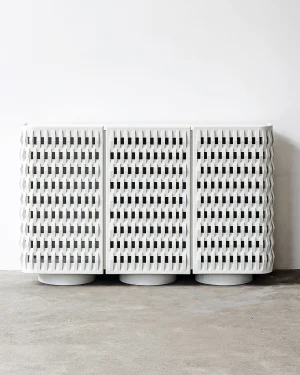
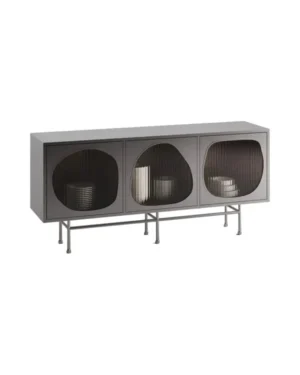
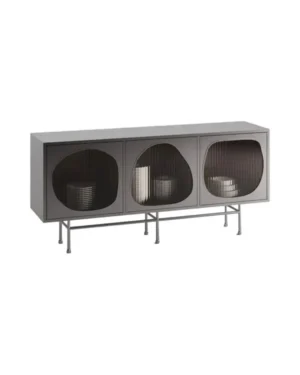
Chain Mail (three-door Cabinet)
By ZEMNA
€8.000 -

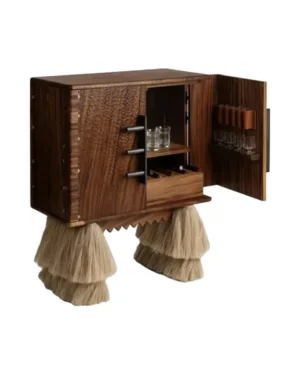
Custom Carmen Bar Cabinet
By Comité de Proyectos
€10.475 -
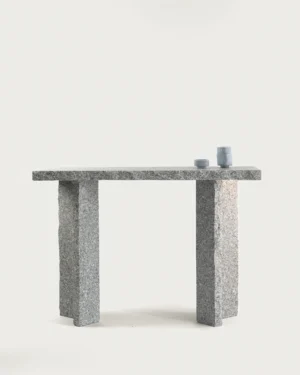 In stock
Filar Stone Console | Re-enchantment
By małe dobra
€2.000 -
 In stock
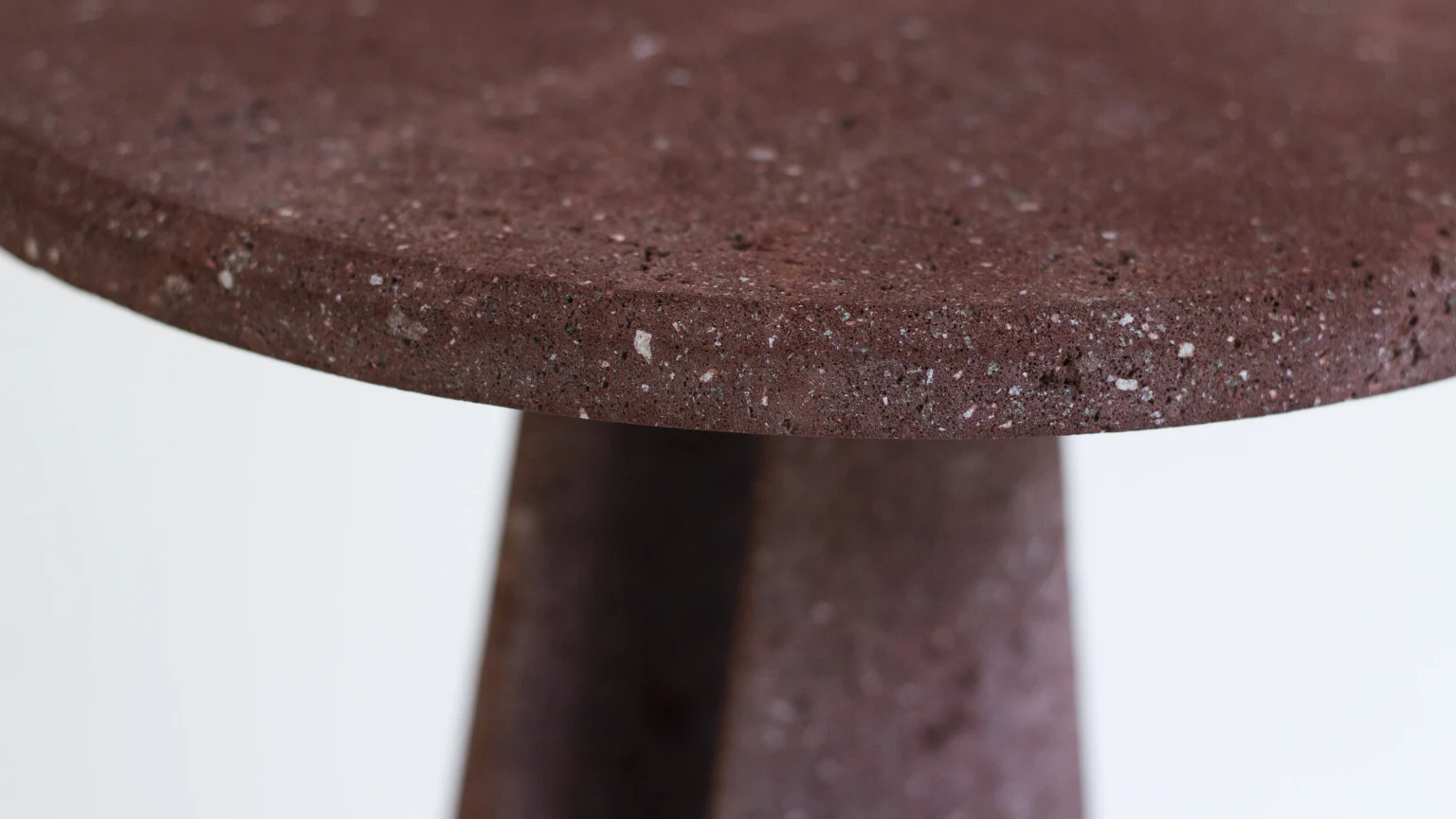
Volcán Side Table in Volcanic Stone
By LØRDAG & SØNDAG
€1.841 -
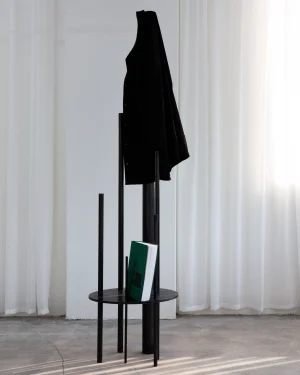
Standing Hanger – Sculptural Free-standing Coat Rack
By PRACTICE
€1.135 -

Mastro – Pinho De Riga Coat Stand
By Estúdio Simbiose
€1.350 -
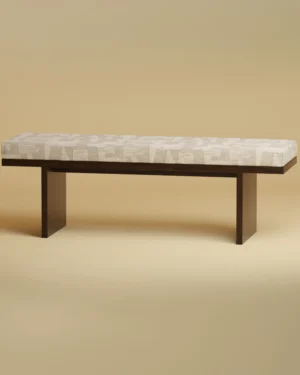
Wooden Bench – Aros Series In Smoked Oak
By Lebanto
€4.200 -
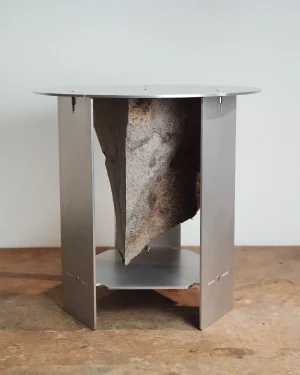 In stock
Fuera de Lugar Side Table in Natural Stone and Aluminum
By Estudio Material
€1.900 -

Junco Stool
By Daniel Couttolenc
€1.500 This product has multiple variants. The options may be chosen on the product page -

Onmyōdō Wenge Slatted Wood Bench
By Brett Paulin
€2.703
Entryway furniture on ADORNO gathers consoles, benches, hooks and small tables built to take the first and last weight of the day: keys, coats, bags, shoes. Independent studios make these pieces from stainless steel, oak and other woods, glass, resin and natural fiber, choosing processes that suit a piece used daily and seen daily. The result favors material presence over ornament, so the entry reads as considered rather than cluttered.
What defines entryway furniture in material and form
Metal pieces, usually stainless steel or steel worked through metalwork, hold a hallway's traffic without bulk; a welded frame or a folded sheet can carry a bowl of keys and a stack of mail on a footprint thinner than wood allows. Oak and other woods, shaped through wood and cabinetmaking or wood carving, bring warmth and a grain that deepens with handling over years. Glass, often glass-cast, adds a surface that reflects light back into a space that rarely has much of its own, while resin, cast into consoles or trays, holds color and translucence that wood and metal cannot.
Finishes, colors and the editions behind them
Color in the entry tends toward restraint: black, dark gray, off-white and beige and brown dominate, with red or green used sparingly as a single accent piece rather than a palette. Honey tones show up in oiled or waxed oak, where the finish is left open enough to show the wood underneath. Styles run from minimalist and contemporary pieces with flat planes and little hardware, through mid-century modern and brutalist forms built around visible joinery or rough-cast surfaces, to eclectic or maximalist pieces that lean on texture, weaving, or stone carving for presence. Some of these pieces are open edition, made as needed; others are produced as limited editions or as unique, one-off pieces, a distinction worth checking before buying if the piece's singularity matters to you.
How to choose a piece for a hallway or entry
Scale before finish: measure the clear wall width and the depth a door swing or walking path allows before anything else. A console or table under table height, usually around waist level, keeps sightlines open in a narrow hall, while anything deeper than the path's clearance will catch coats and shoulders.
- Height: a bench seat sits lower than a table top; a shelf for keys or a mirror ledge sits higher, around shoulder or eye level.
- Finish: matte and oiled surfaces hide daily scuffs better than high gloss in a zone with wet shoes and bags.
- Placement: a piece that floats off the floor, on splayed or thin legs, reads lighter in a tight entry than one that sits flush to the ground.
Pair material against what the space already carries. A plaster or painted hallway can take a heavier oak or stone-carved form, where a hall lined in wood paneling often asks for a cooler counterpoint in steel or glass, which you can browse further among metal furniture and wooden furniture.
Rooms and placement beyond the front door
These same forms move easily into mudrooms, narrow hallways, and the foot of a staircase, anywhere a surface needs to hold objects in transit rather than at rest. A console that works in an entry often works again as a sofa-side surface, so it is worth looking across living room furniture for the same scale in a different context. For a narrower footprint specifically built for entry use, entryway tables and entryway side tables cover the smaller end of the range.
Care by material
Oak and other woods want a dry cloth and occasional oil or wax, away from direct heat sources near a door. Steel and stainless steel take a damp cloth and resist most daily wear but can show fingerprints on polished finishes. Glass and resin surfaces should avoid abrasive cleaners, which dull the cast surface over time. For the full range of entry-specific pieces, including lighting and accessories that sit on or near these surfaces, the entryway room page and the broader furniture category are worth reviewing together.
How do I choose entryway furniture?
Start with what the space needs to do: hold keys and coats, steady a bag, or simply greet a room. Oak and steel pieces suit daily use, while glass or resin pieces work best in lighter-traffic corners.
What materials are entryway furniture pieces made from?
Expect oak and other woods, stainless steel and welded metals, cast glass and resin, and woven natural fiber. Each material is worked differently, through wood and cabinetmaking, metalwork, stone carving or casting.
How do I care for wood or metal entryway pieces?
Wipe oak and other woods with a dry or barely damp cloth and keep them from direct heat, which dries and cracks the grain. Steel and metal pieces need only occasional dusting and a dry environment to resist corrosion.
What size or height should an entryway table be?
Most entryway tables and consoles sit between console height and standard table height, low enough to drop keys on without blocking a doorway. For an exact measurement on a specific piece, chat with the maker on its page.
Can entryway furniture work in other rooms?
Yes, consoles, benches and small cabinets made for entryways often suit hallways, living rooms or bedrooms equally well. Scale and material matter more than the room label on the piece.
Does ADORNO ship entryway furniture worldwide and offer returns?
Shipping is insured and covers worldwide delivery. Pieces can be returned within 14 days, except made-to-order pieces, and each arrives with a certificate of authenticity and ADORNO's lowest-price guarantee.