-
 In stock
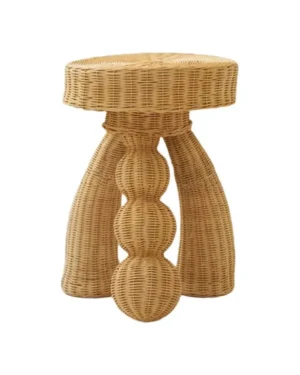
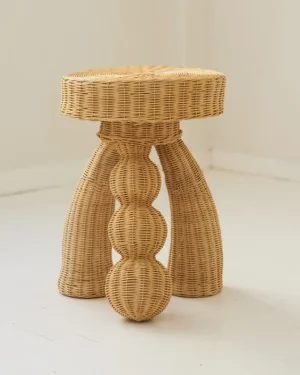
Pupa Side Table in Woven Rattan and Metal
By LØRDAG & SØNDAG
€845 -

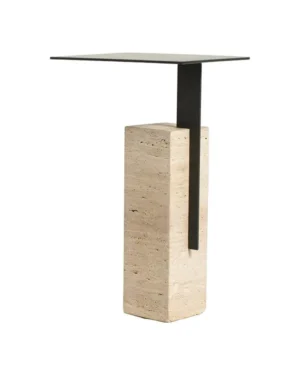
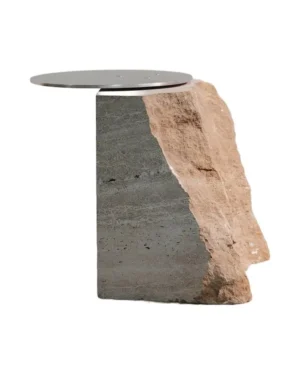
Mono Side Table in Travertine and Metal
By Yet Design Studio
€1.200 - €1.380 -
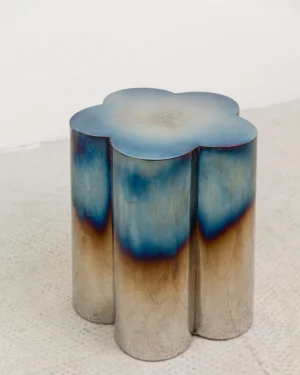
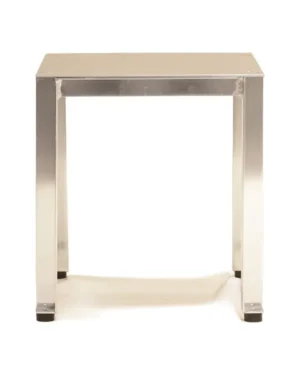
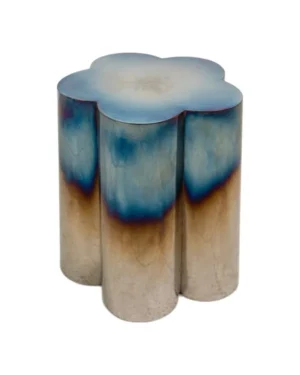
Barvinok Side Table in Heat-Treated Stainless Steel
By FURN OBJECT
€2.700 -
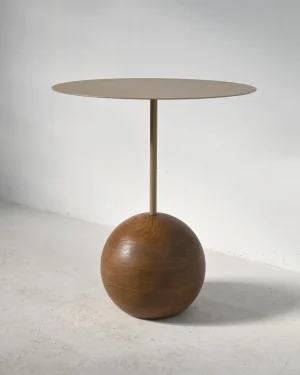
An Su Side Table in Steel and Ash Wood
By SALAK Studio
€690 -
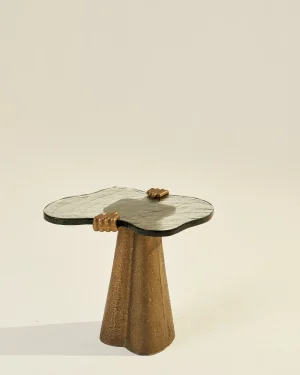
Paws Side Table in Cast Aluminum and Cast Glass
By LMNOH
€1.950 -
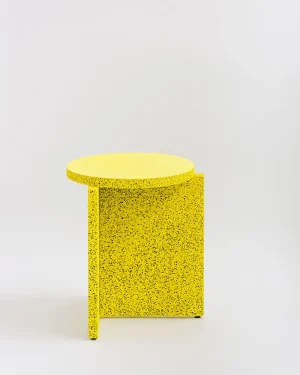
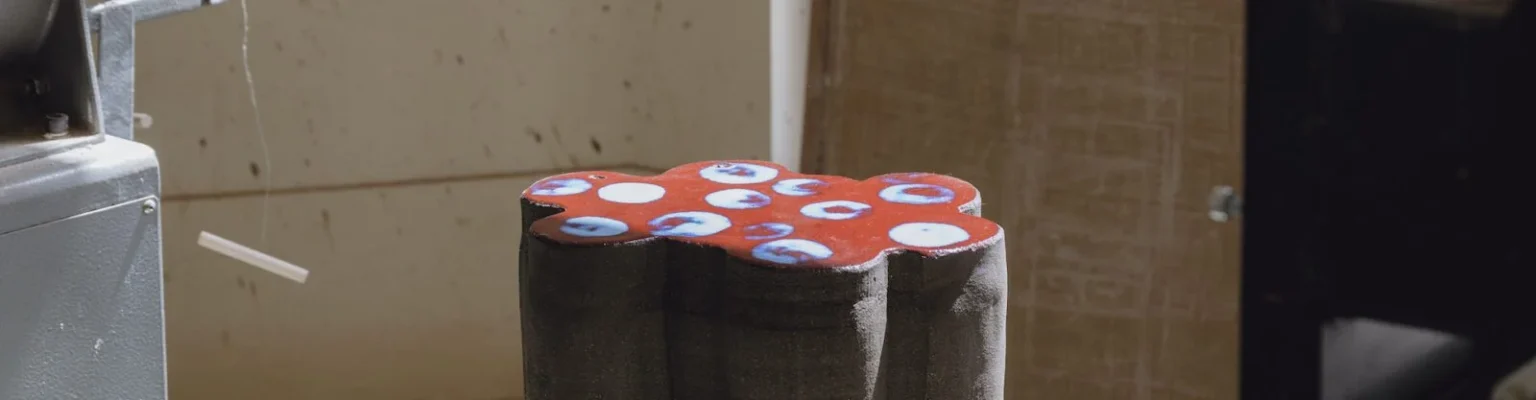
Sponge Side Table in Foamed Aluminum
By Calen Knauf Studio
€898 -

Aster Side Table In Parota Wood
By Daniel Couttolenc
€1.975 -
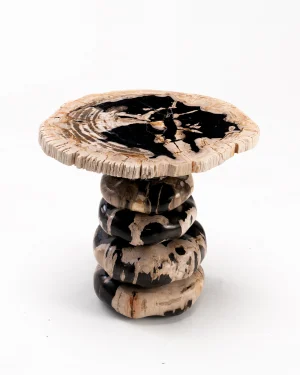
Dwayne Johnson Side Table in Petrified Wood
By Odditi
€1.480 -

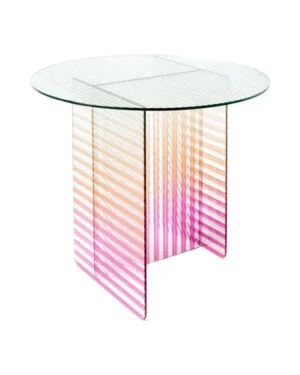
Kaila-II Side Table in Ribbed Glass
By Yugen Lab
€1.000 -
 In stock
Volcán Side Table in Volcanic Stone
By LØRDAG & SØNDAG
€1.841 -
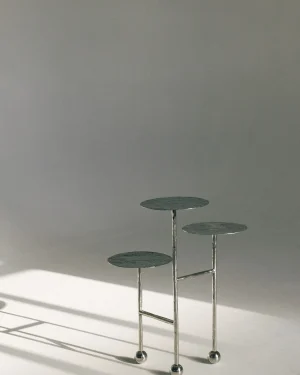
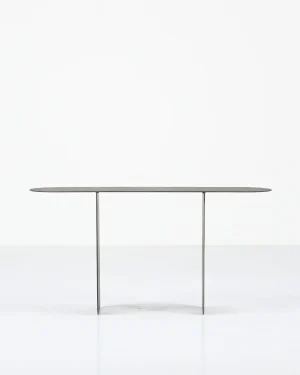
Liquid Side Table in Steel and Brass
By FURN OBJECT
€3.000 -
 In stock
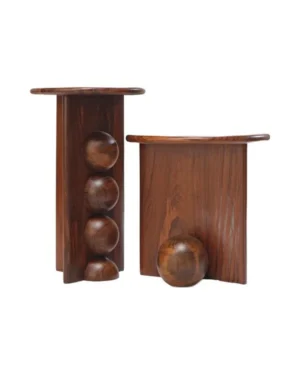
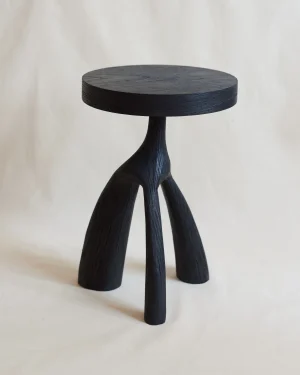
Tecolli Side Table In Burnt Oak Wood
By LØRDAG & SØNDAG
€940 -
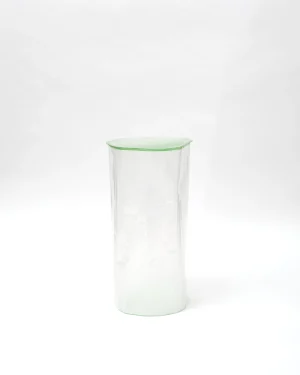
Trace Side Table in Epoxy Resin and Vellum
By Calen Knauf Studio
€340 - €380 -
 In stock
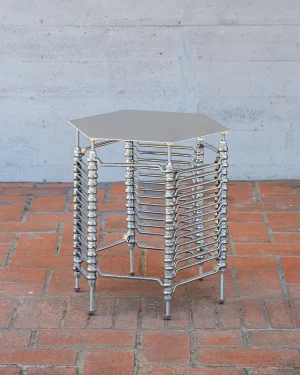
Wrench A Side Table in Aluminum and Iron
By Iyo Hasegawa
€1.600 -
 In stock
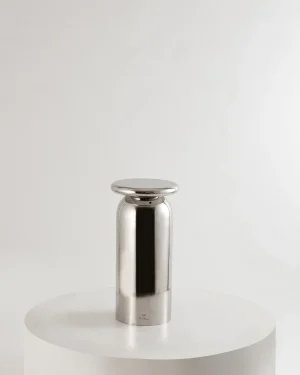
Scuba Side Table in Steel
By Nama Home
€1.840 -
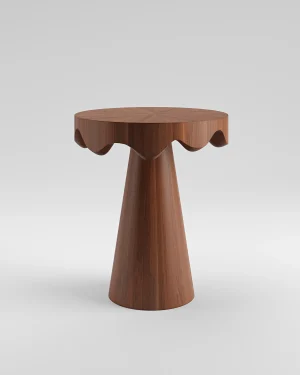
Dripotlé Side Table in Mahogany
By Studio TOOJ
€4.500 -
 In stock
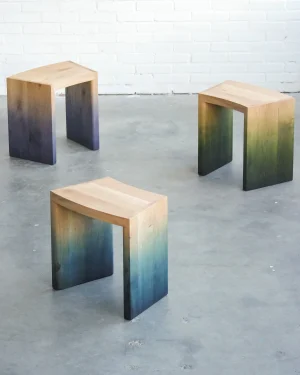
Dawn – Stool
By Studio Onno Adriaanse
€732 -
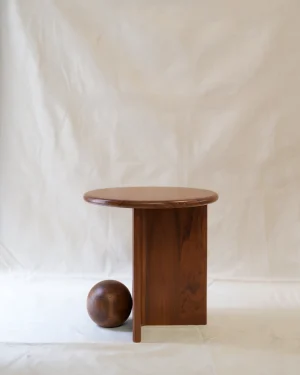
Dory Side Table in Teak Wood
By Studio Indigene
€850 -
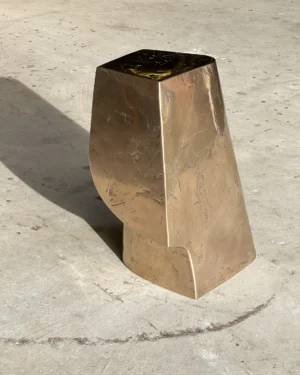
Palm Table Il – Handmade Bronze Side Table
By Vogel Studio
€7.800 - €8.800 -
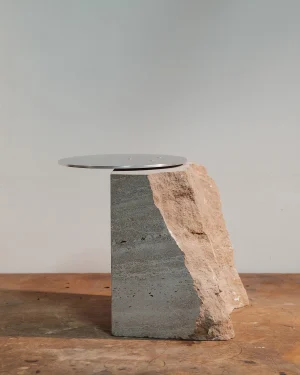
Fragments Side Table in Limestone and Aluminum
By Estudio Material
€3.300 -
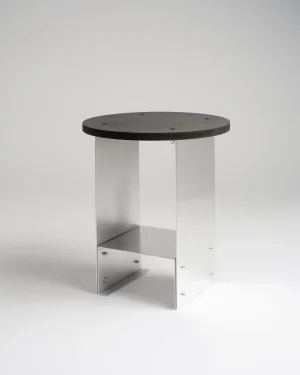
Broken Wing Stool
By Obscure Objects
€290 -
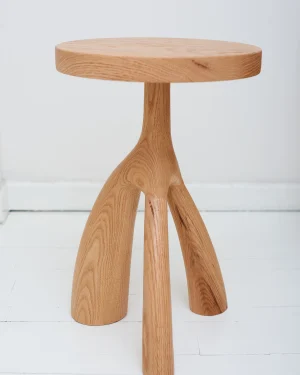
Tecolli Side Table in Natural Oak Wood
By LØRDAG & SØNDAG
€940 -
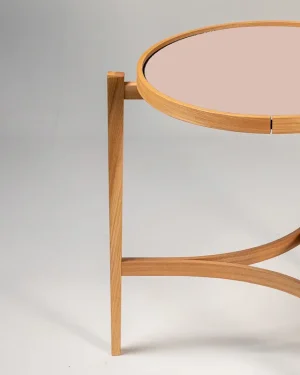
Geodetic Side Table in Oak Wood
By studiolehn
€660 -
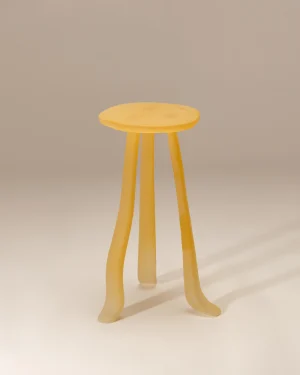
Lung 1.0 Honey Matte Side Table in Resin
By Szymon Keller
€2.200 - €2.400 -
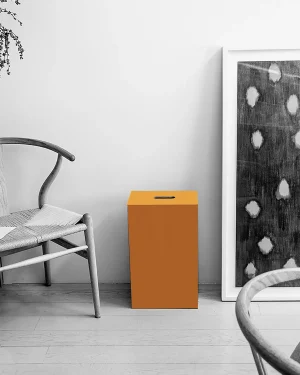
The Apple Box Side Table in Baltic Birch Plywood
By ilan
€450 -
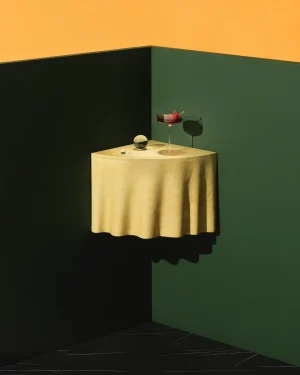 In stock
DUK x Reishi Edition Wall-Mounted Corner Table
By Studio TOOJ
€2.900 -

Junco Stool
By Daniel Couttolenc
€1.500 -
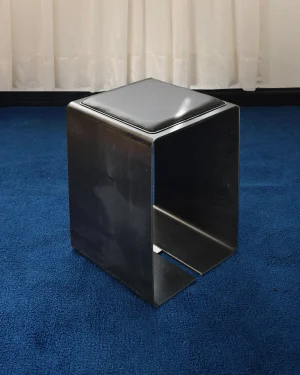
S001-10 Raw Steel Stool
By NAVE
€450 -
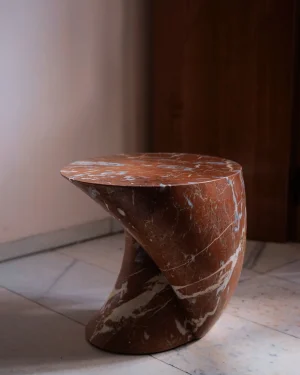 In stock
Departed Side Table in Rosso Francia Marble
By Studio TOOJ
€9.600 -
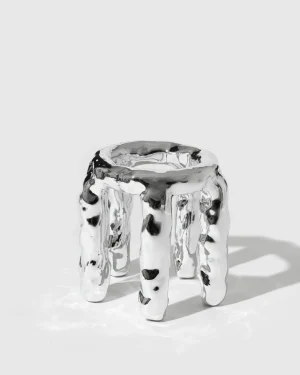
Crest And Trough Series – Chrome Stool / Side Table
By Dongwook Choi
€2.600 -
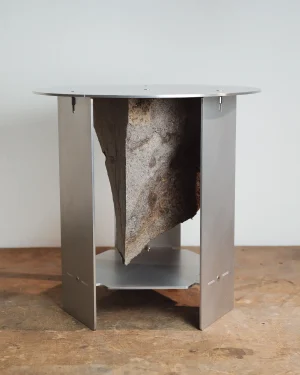 In stock
Fuera de Lugar Side Table in Natural Stone and Aluminum
By Estudio Material
€1.900 -
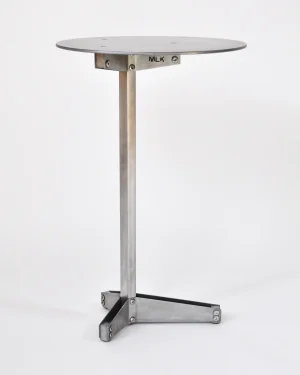 In stock
HEX400 Side Table in Aluminum
By MLK Furniture
€1.890 -
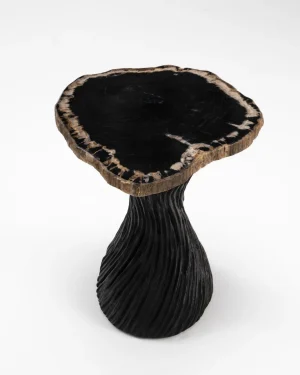 In stock
Twisted Fantasy Side Table in Petrified Wood and Acacia
By Odditi
€1.490 -
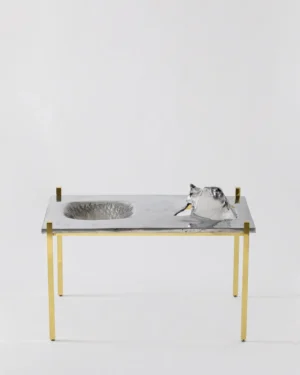 In stock
Binary Lunar Edition Side Table in Cast Aluminum and Brass
By Wanderart
€9.300 -
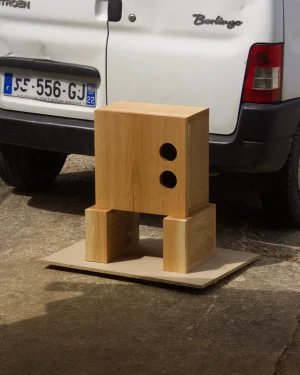 In stock
Sensitive Wood Side Table in Oak Wood
By Vital Lainé
€1.700 -
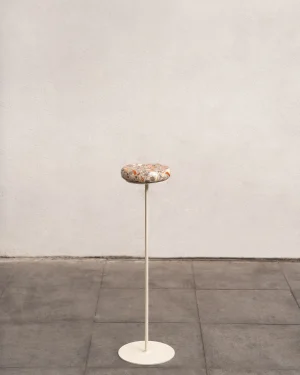
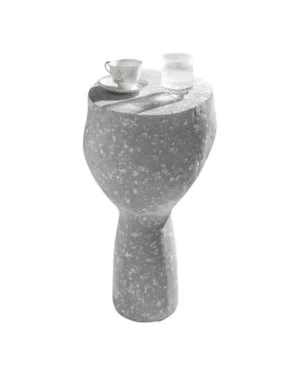
Brut Tall Side Table in Terrazzo
By Assimply Studio
€350 -
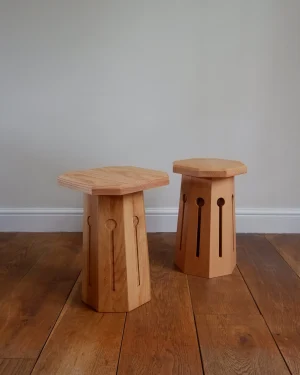
Algers Side Table in Beech and Oak Wood
By Josh Page Studio
€990 - €1.030 -
 In stock
Coral Circle Side Table in Concrete
By clasik.studio
€1.350 -
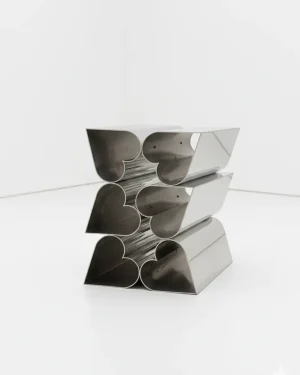
Side Piece Side Table in Extruded Aluminum
By Deon Rubi
€2.200 -
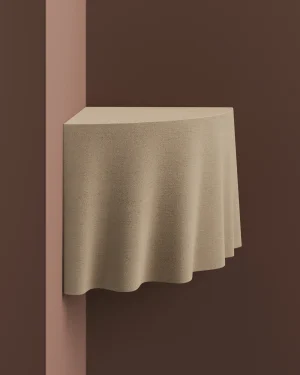
Duk Side Table in Quartz Sand
By Studio TOOJ
€2.800 -
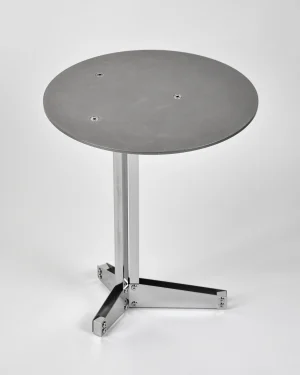
3SQ400 Side Table in Matte and Mirror Stainless Steel
By MLK Furniture
€2.190 -
 In stock
Orange With Green Tape Wowtable Side Table in Epoxy Resin
By Calen Knauf Studio
€273 -

Coklat XL Side Table in Teak and Sungkai Wood
By STUDIO KALLANG
€2.735 -
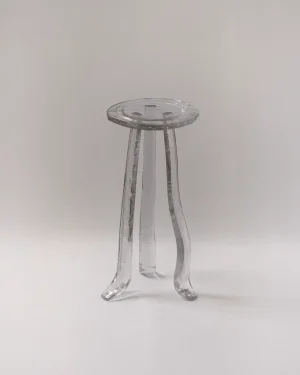
Lung 1.0 Side Table in Resin
By Szymon Keller
€2.000 - €2.400 -

Scallop Side Table in Solid Oak
By Deya
€1.055 -
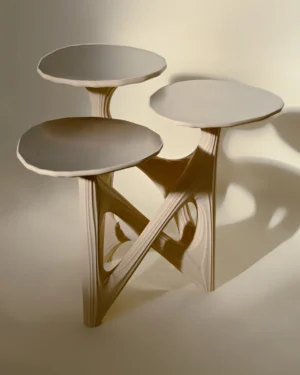
Dendria Side Table In Biopolymer And Stainless Steel
By diploria studio
€3.800 -
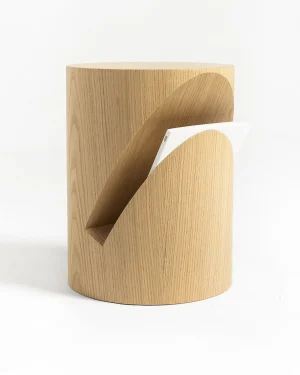
Mola Side Table in Oak Veneer and Plywood
By Yet Design Studio
€1.570 -
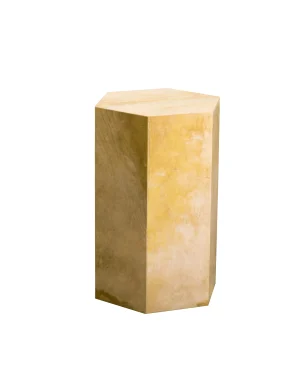 In stock
Pergamino Hex Side Table in Parchment and Wood
By Costantini Design
€1.840 -
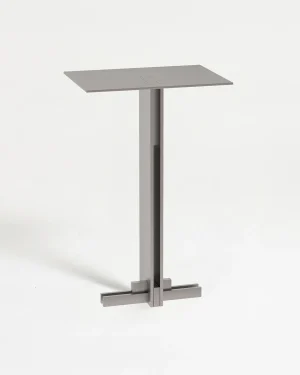
Apex Side Table in Painted Steel and Stainless Steel
By Yet Design Studio
€1.015 - €1.300 -
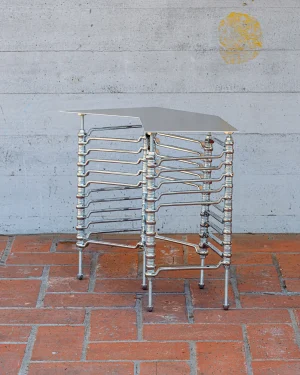 In stock
Wrench C Side Table in Aluminum and Iron
By Iyo Hasegawa
€1.500 -
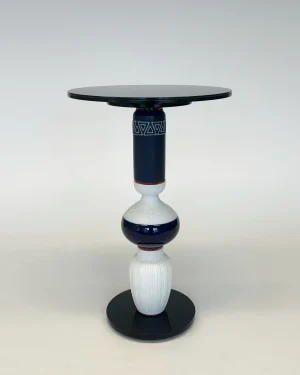 In stock
Angels Side Table in Glazed Clay and Glass
By Andreas Berlin
€3.500 -
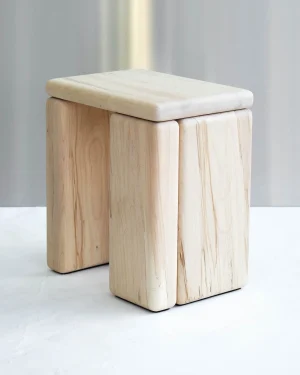
Timber – Maple Stool
By Studio Onno Adriaanse
€992 -
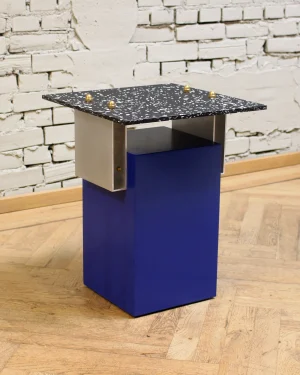 In stock
Build Side Table in Recycled Plastic and Aluminum
By Lisanne Meester
€1.399 -
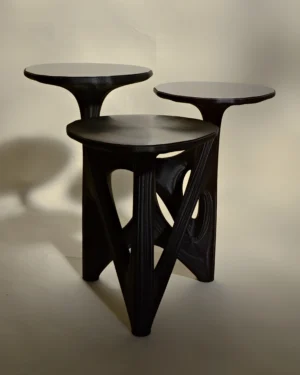
Dendria Side Table In Biopolymer And Stainless Steel
By diploria studio
€3.800
Entryway side tables meet the first objects set down at the door: keys, mail, a bowl, a bag. Studios working in oak and other hardwoods, stone carvers, resin casters, and metalworkers shaping aluminum and steel all make pieces for this spot, so the material and the technique vary more than the size. What holds the group together is scale: small enough to step around, solid enough to take daily use without complaint.
What defines an entryway side table
An entryway table works harder than most small furniture. It takes the drop of a bag, the weight of a tray, sometimes a lamp, and it does this standing in a narrow or high-traffic spot rather than beside a sofa or a bed. That use shapes the choices studios make: a top wide enough to hold a catch-all dish, a base narrow enough to leave a path clear, and a finish that can shrug off scuffs from coats and boots brushing past.
Materials, finishes, and ways of making
Oak is cut and joined by cabinetmakers into tables that darken and gain grain contrast over years of handling. Stone, usually marble or a dense granite, is carved into blocky or rounded forms that read as heavy and permanent, though marble will stain if liquids sit on it and asks for a sealed or honed finish near a door. Cast metal pieces, in aluminum or steel, are welded or poured into slender frames or sculptural bases, finished bare, blackened, or painted in tones from off-white to black. Glass tops and resin-cast bodies appear too, often paired with a metal or wood base, and natural fiber is occasionally woven into a tabletop or shelf for a lighter, textured surface. Across all of this, pieces turn up as open editions, limited editions, and unique pieces, so the same material can be common or hard to repeat depending on how it was made.
Choosing a table for an entryway
Start with the path, not the piece: measure what has to pass by, coats, strollers, a second person, and leave enough clearance before settling on width or depth. Height matters more here than in a living room, since most entryway tables are used standing, so a top close to counter height tends to feel right for setting things down without bending. Oak and painted metal read as warmer and more forgiving of daily contact, while stone and raw metal read as cooler and more architectural, a useful cue when matching a table to the rest of the room.
Where these tables sit and how to care for them
Beyond the front door, the same scale and sturdiness suit a narrow hallway, a stair landing, or a mudroom bench end, anywhere a surface needs to hold daily items without claiming floor space. Oak wants an occasional wipe with a damp cloth and a yearly oil or wax if it is left unsealed, away from direct heat that can dry and crack the wood. Stone benefits from a sealant reapplied periodically and from wiping spills quickly, since wine, ink, and even water can leave marks on porous surfaces. Metal pieces mostly need dusting and a dry cloth, with bare steel or aluminum protected from standing water to avoid oxidation.
For a broader look at scale and placement beyond the door, see all side tables or the wider range of entryway pieces on ADORNO. Oak specifically is easiest to compare through the wooden side tables, while cast and welded forms sit within the metal side tables. Those furnishing a hallway alongside a bench or mirror can also look at entryway furniture more broadly, or at dedicated entryway tables built at console scale.
How do I choose an entryway side table?
Look at the depth of the space first, since entryways are often narrow, then choose a material that reads solid against daily use. Stone or cast metal holds up to keys, bags, and bumps better than lighter woods.
What materials are best for entryway side tables?
Oak wood, natural stone, and cast or welded metal are common choices, each suited to frequent contact and changing weather carried in from outside. Glass and resin pieces add a lighter, more reflective note near a door.
How do I care for an entryway side table?
Wipe oak with a dry or slightly damp cloth and avoid standing water, which can mark the grain. Seal natural stone against salt and moisture, and dust metal regularly to keep its finish even.
What height should an entryway side table be?
Most entryway side tables sit between 20 and 26 inches, low enough to pass beside comfortably but tall enough to hold a lamp, bowl, or stack of mail at a glance.
Can an entryway side table be used in other rooms?
Yes, the same scale that suits a hallway also works beside a sofa, bed, or armchair, so a table bought for the entry can move with a room as needs change.
Does ADORNO ship entryway side tables worldwide and accept returns?
Shipping is insured and worldwide, and pieces can be returned within 14 days, except made-to-order tables. Each arrives with a certificate of authenticity, and ADORNO offers a lowest-price guarantee.