






















-
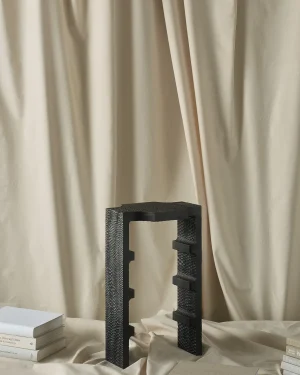 In stock
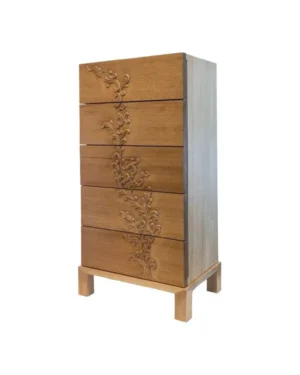
Side Book Side Table in Hand-Carved Walnut
By Mantas Lesauskas
€3.200 - €3.300 This product has multiple variants. The options may be chosen on the product page -
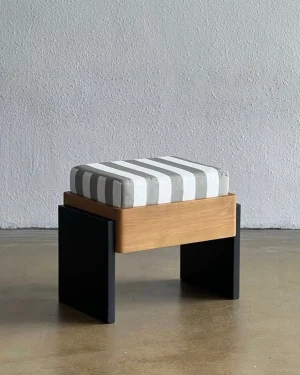
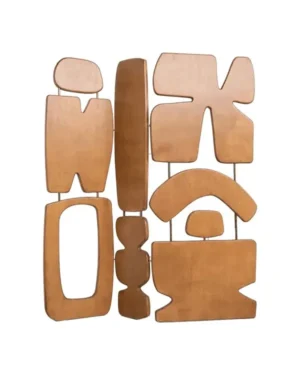
Striped Teak Ottoman
By STUDIO KALLANG
€1.025 -

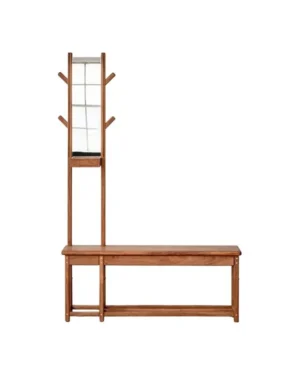
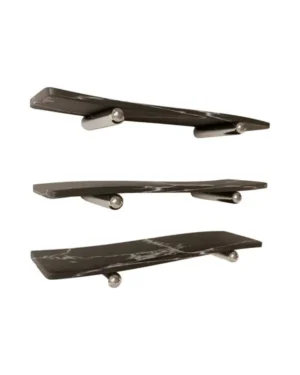
Slant Book Stand – Marble, Brass and Oak Wood
By VAUST Studio
€6.600 -
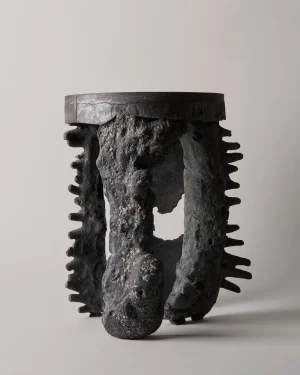 In stock
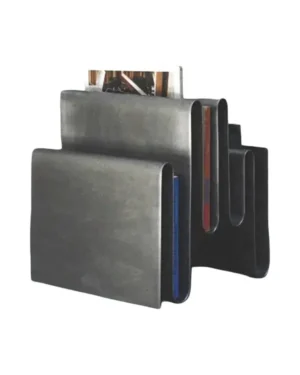
“Four Elements” Pedestal – Black
By Kajsa Melchior
€2.500 -

TRN Model 3 Side Table in Solid Ash Wood
By Pani Jurek STUDIO
€1.065 This product has multiple variants. The options may be chosen on the product page -

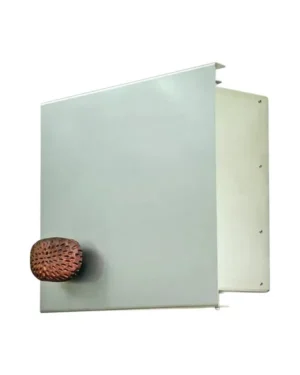
The Altar Side Table in Steel
By COSEINCORSO
€910 -
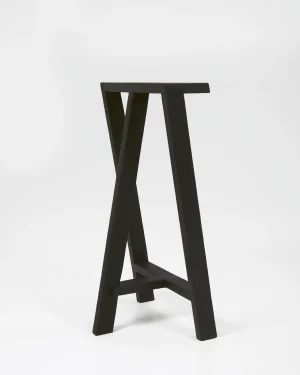 In stock
Pausa – Minimalistic Wooden Bar Stool
By Pierre-Emmanuel Vandeputte
€179 - €319 This product has multiple variants. The options may be chosen on the product page -
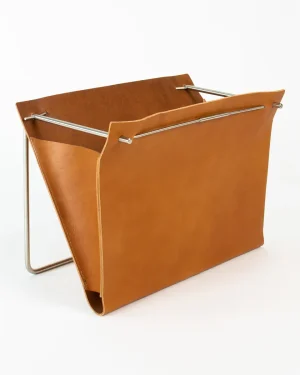
Leather Magazine Holder
By Szostak Atelier
€1.200 This product has multiple variants. The options may be chosen on the product page -
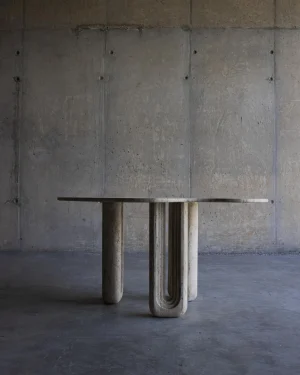 In stock
Amazonas Stone Table High
By Studio Ayres
€2.738 -
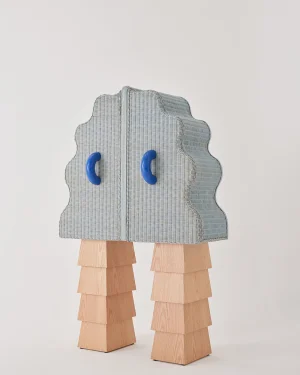
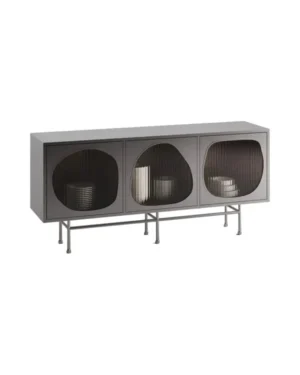
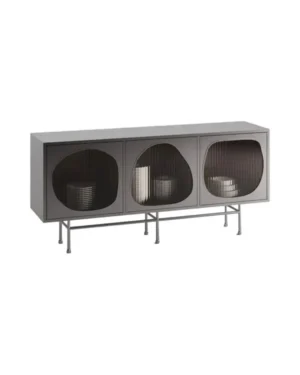
Ventura Cabinet
By Joyful Objects, Yes!
€6.900 This product has multiple variants. The options may be chosen on the product page -
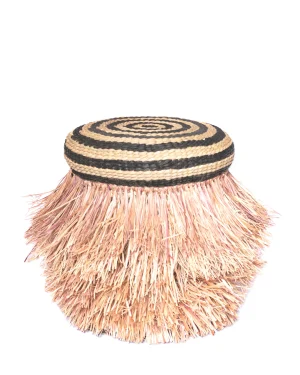
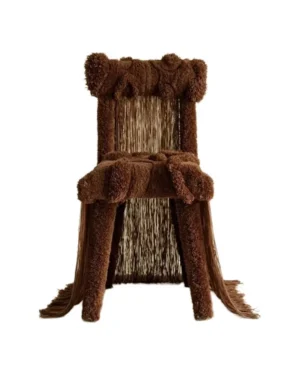
Feel Ambiguity – Textured Stool No. 2
By Lyk Carpet
€528 -
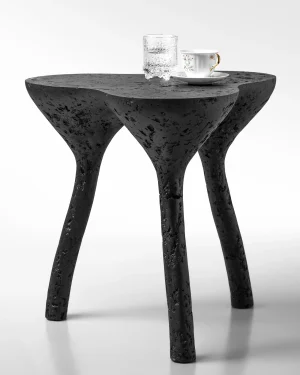
Solid Black Stone Coffee Table in Cast Stone
By Donatas Žukauskas
€1.450 -
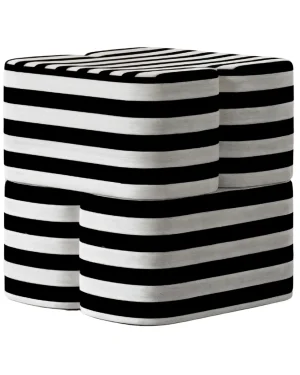
Ori Pouf
By hermhaus
€726 This product has multiple variants. The options may be chosen on the product page -
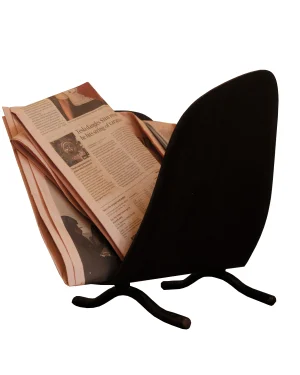
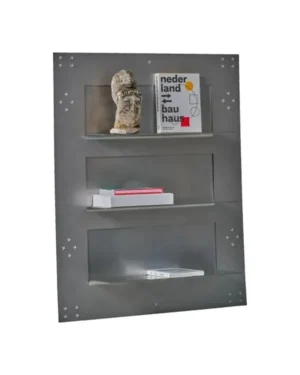
Steel Magazine Rack
By Six Dots Design
€180 -
 In stock
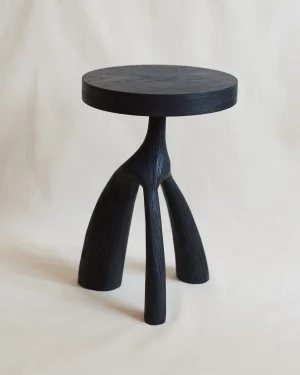
Tecolli Side Table In Burnt Oak Wood
By LØRDAG & SØNDAG
€940 -
 In stock
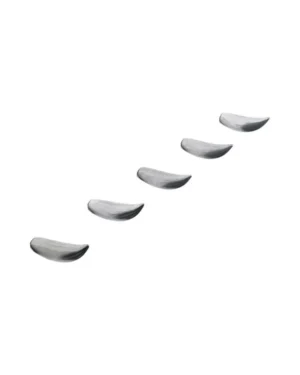
6 Stk Knstrkt – Stoneware Organizer
By STUDIO BERG
€155 -
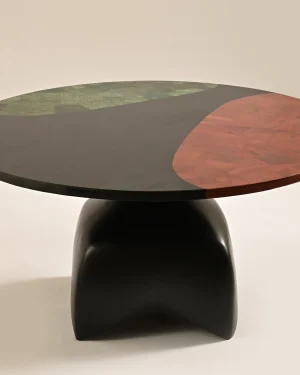
Jasper – Cast Aluminum & Stone Coffee Table
By LMNOH
€3.800 -
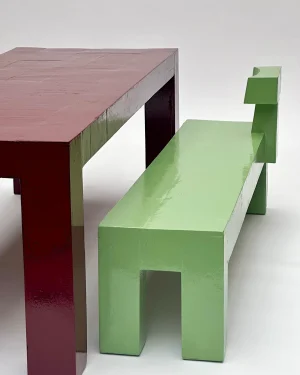
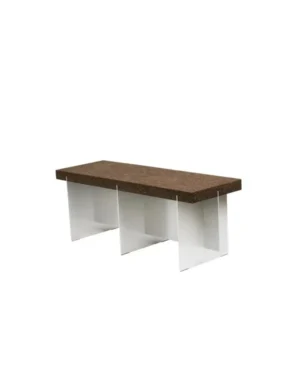
Practice Bench – Upcycled Wood
By Studio Fabius Clovis
€3.300 -
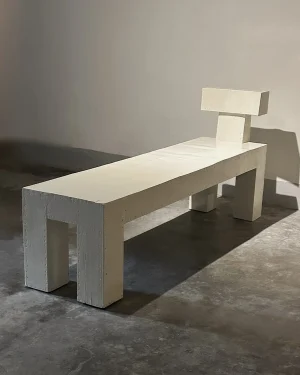
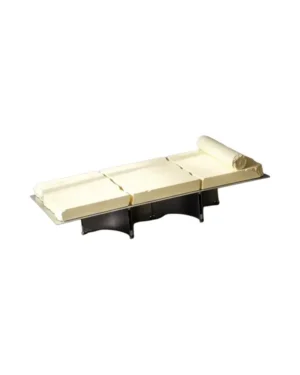
Practice Chaise Lounge
By Studio Fabius Clovis
€2.728 -

Su Side Table in Steel and Ash Wood
By SALAK Studio
€590 -

Cherry Side Table in Steel and Wood
By SALAK Studio
€590 -
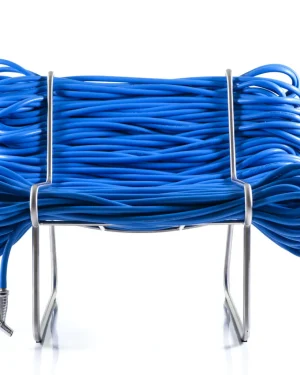
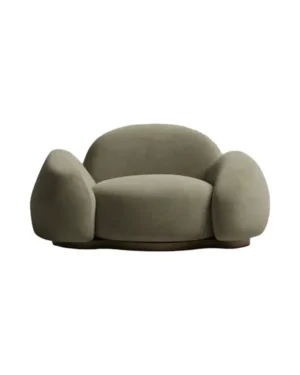
Super Jardim Armchair
By Cultivado em Casa
€4.549 This product has multiple variants. The options may be chosen on the product page -
 In stock
Matted Aluminum Coffee Table (blackwood)
By case studios
€719 -
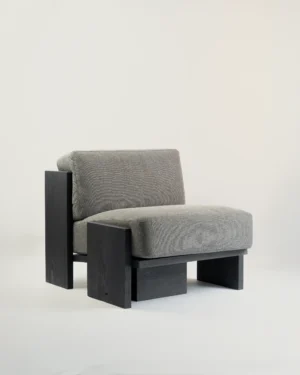 In stock
Brut Lounge Chair | Re-enchantment
By małe dobra
€1.500 -
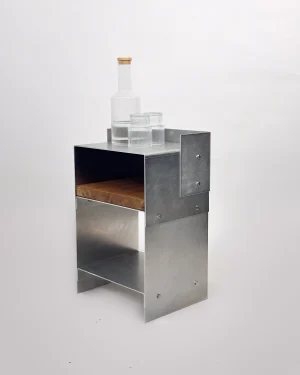 In stock
Matted Aluminium – Natural Oak Wood Night Table
By case studios
€660 -

Broken Wing Stool
By Obscure Objects
€290 -
 In stock
Obsidian Console | Burned Solid Oak
By NO AGE STUDIO
€4.060 -

SONIAH Bench
By FAINA
€7.830 This product has multiple variants. The options may be chosen on the product page -

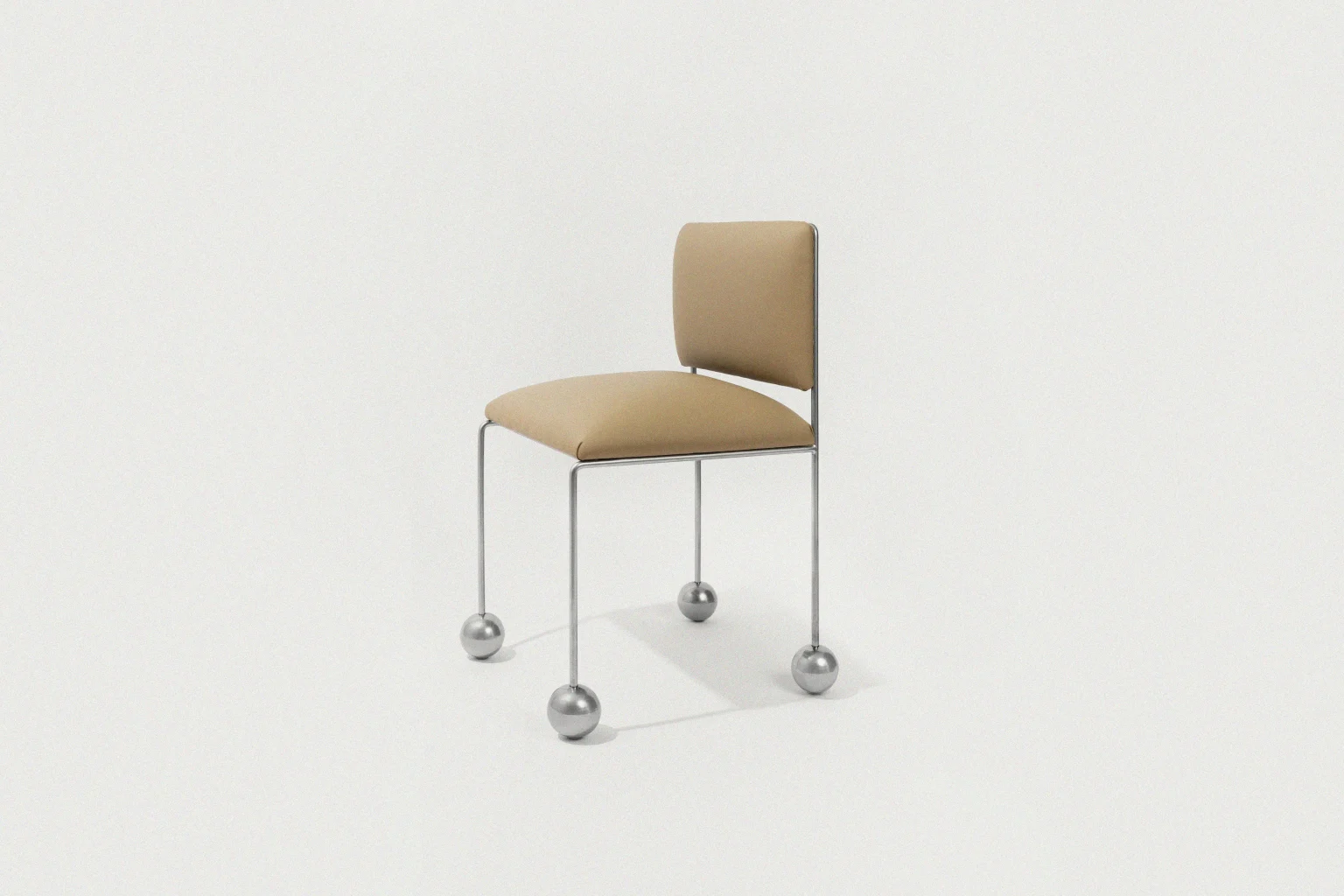
Dessert – Steel Chair
By SALAK Studio
€790 -
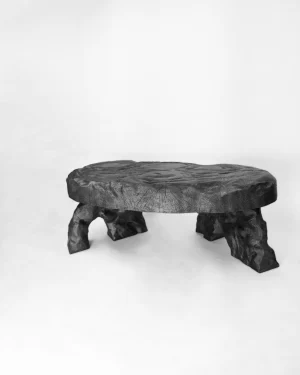 In stock
The Black Sheep Coffee Table
By Masha Volkova
€1.950 -
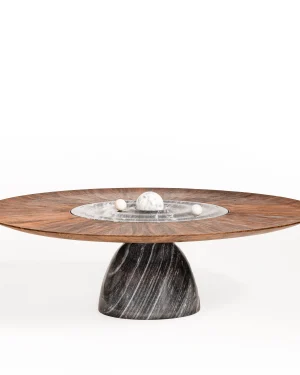
Ripple 2.0 Coffee Table
By Tectona Grandis Furniture
€2.550 -

S001-10.2 Aluminum Stool
By NAVE
€500 -
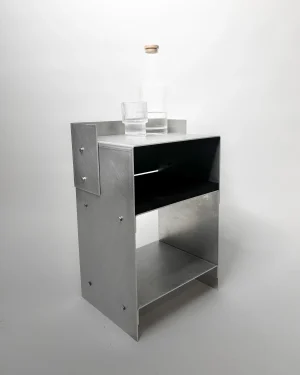 In stock
Matted Aluminium Side Table in Aluminum and Blackwood
By case studios
€530 -

A_forma Chair
By AROUND
€900 -
 In stock
Flora Side Table in Carbon Steel
By studiomakuko.com
€600 -

Succession stool
By FARG & BLANCHE
€4.500 -
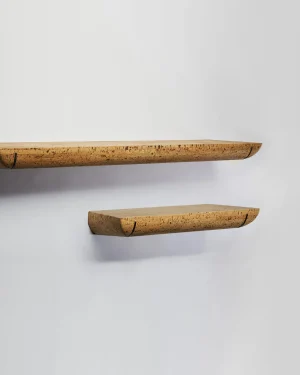 In stock
Mortaise Shelf – Cork
By Clemence Birot
€384 - €509 This product has multiple variants. The options may be chosen on the product page -
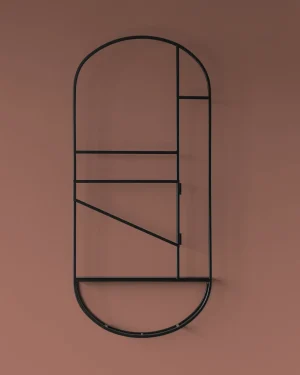 In stock
Foldwork – Valet – Wall Mounted Clothes Holder, Towel Rack, Coat Hanger
By STUDIO BERG
€334 This product has multiple variants. The options may be chosen on the product page -
 In stock
Volyk – Hand Sculpted Bench
By FAINA
€6.000 This product has multiple variants. The options may be chosen on the product page -
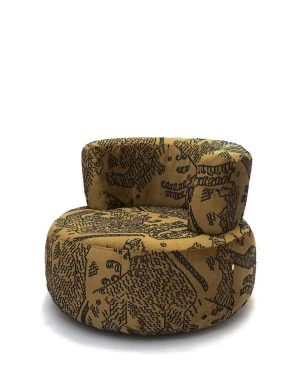
Object051 – Dedar Fabric Armchair
By NG DESIGN
€2.095 -

Twist Stool
By Yet Design Studio
€1.200 This product has multiple variants. The options may be chosen on the product page -
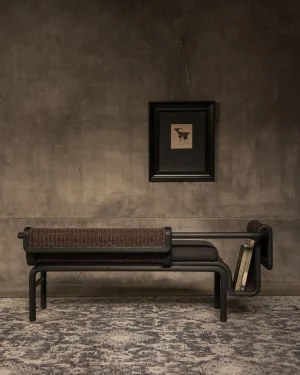
Rahi Gallery Bench
By Project 810
€1.800 This product has multiple variants. The options may be chosen on the product page -
 In stock
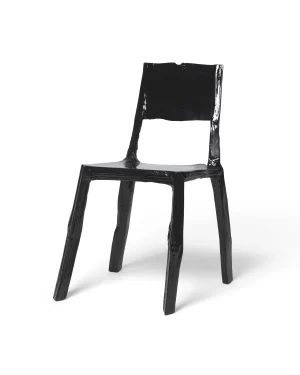
Splitted Dining Chair Black
By Teun Zwets
€1.765 -

Bloc Console Table
By Rollo Studio
€8.800 -
 In stock
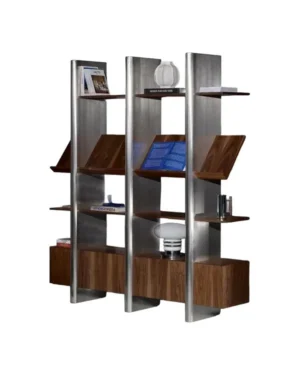
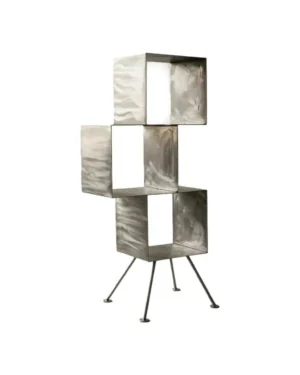
Enclave Shelving Unit
By Arbore x Cezar Moldovan
€18.450 -
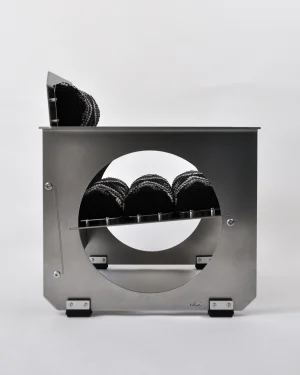
D400 Armchair – Black Mamba – Matte Stainless Steel
By MLK Furniture
€7.590 -
 In stock
Yakisugi Burnt Wood Coffeetable
By case studios
€2.190 -

Arco Massiva — Ebony Wood, Cast Aluminum And Velvet Chair
By DONÓ Design
€2.729 -
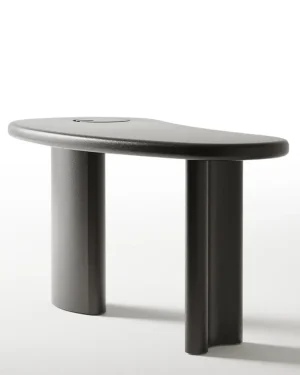
Flow Desk – Lacquered on Wood
By hermhaus
€11.235 This product has multiple variants. The options may be chosen on the product page -
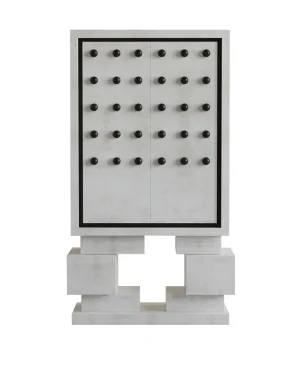
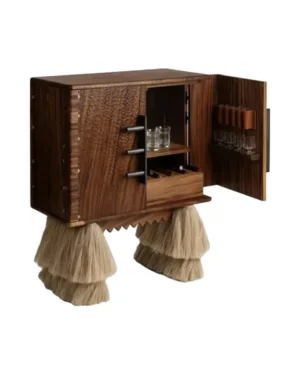
Sculpt – Bar Cabinet
By hermhaus
€4.829 This product has multiple variants. The options may be chosen on the product page -

Ginkgo Chair
By Luke Crouch Studio
€2.550 -
 In stock
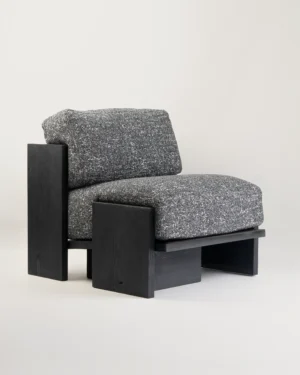
Brut Lounge Chair | 2.0 Edition
By małe dobra
€1.500 -
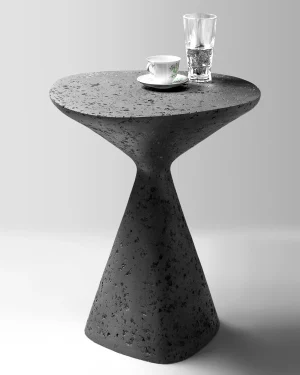
Black Mottled Side Table in Paper Pulp and Cement
By Donatas Žukauskas
€1.100 -
 In stock
Block Lounge
By Heaps & Woods
€4.250 - €4.475 This product has multiple variants. The options may be chosen on the product page
Black furniture on ADORNO draws its depth from the material underneath: oak and walnut darkened by stain or by charring, steel and aluminum finished matte or blackened, leather and upholstery dyed to a flat, light-absorbing tone. Independent studios reach this color through different routes, from traditional joinery to metalwork to the Japanese technique of charring wood known as shou sugi ban, so the black itself never looks quite the same twice. What holds the range together is restraint: a color that reads as weight and outline rather than decoration.
What defines black furniture
Black is a neutral, but it behaves differently from white or beige. It absorbs light instead of bouncing it, which means a black cabinet or chair tends to recede into shadow at dusk and sharpen into silhouette by day. Grain, joinery and welds still show through a black finish, so a charred oak table and a lacquered one carry the same color but a different texture underfoot and hand. Because the tone hides less than pale wood does, any imperfection in the making tends to be deliberate rather than accidental.
Materials, finishes and techniques in the range
The pieces found under this color come from a mix of materials and methods, each handling black on its own terms.
- Wood: oak, ash, maple and walnut, darkened by stain, pigment or charring, worked through wood carving, joinery and cabinetmaking.
- Metal: aluminum and stainless steel, matte or semi-gloss, shaped through metalwork into frames, legs and hardware.
- Leather and textile: black hides and woven upholstery, built through leatherwork and weaving over seating and case pieces.
Styles range from minimalist furniture with flat, unbroken surfaces to brutalist and radical pieces that use black to make mass and joints legible, through to boho chic and eclectic work that pairs black frames with pattern or natural fiber. Editions vary by studio: some pieces are open editions made to order, others are limited runs or unique pieces where the color itself is part of a one-off treatment.
How to choose a black piece
Scale matters more with black than with lighter woods, since a large black cabinet or sofa holds visual weight a pale equivalent would not. In small rooms, a single black anchor, a sideboard or a lounge chair, tends to read as intentional, while several heavy black pieces together can flatten a room's sense of depth. Standard heights still apply: seat heights around 17 to 19 inches, dining or work surfaces near 29 to 30 inches, so proportion should guide the decision as much as finish.
Finish is worth checking closely. Matte black shows fingerprints and dust less than a glossy lacquer, but a charred or oiled wood surface will mark and patina with handling in ways a sealed finish will not. Where a piece sits near a window, consider how much the material fades or dries out under direct sun, which affects wood and leather differently than metal.
Where it works and how to care for it
Black furniture suits living room furniture arrangements built around a light-toned floor or wall, where the color acts as punctuation rather than background. It also carries well in studies, dining rooms and entryways, any space where a single dark form benefits from contrast rather than company.
Care depends on the material more than the color. Oiled or charred wood wants occasional reoiling and a dry cloth rather than water; stainless steel and aluminum wipe clean but show fingerprints under matte finishes; black leather should stay out of direct heat and be conditioned rather than left to dry out. For the full range of tones and materials nearby, the furniture category and every black piece on ADORNO page both widen the view, while wooden furniture and metal furniture narrow it back down to a single material.
How do I choose a black furniture piece?
Start with the finish: matte black recedes into a room, while lacquered or polished black reflects light and reads sharper. Match that finish, and the material under it, to how the room is already lit and used.
How do I care for black furniture?
Dust regularly, since black surfaces show lint and fingerprints more than lighter tones. Wood takes an oil or wax suited to its finish, metal needs a dry cloth, and leather benefits from an occasional conditioner.
Does black furniture fade or scratch over time?
Dark stains and lacquers can show scratches and fading from direct sun more visibly than lighter finishes. Charred wood, by contrast, develops a deeper, weathered black with age rather than wearing thin.
What size or height should I look for?
Standard heights apply regardless of color: dining tables run around 28 to 30 inches, seating around 17 to 19 inches. For exact dimensions on a specific piece, chat with the maker on the piece's page.
Which rooms suit black furniture?
Black furniture anchors a room rather than filling it, which suits living rooms, studies and entryways where one grounded piece can carry the space. In smaller rooms, pair it with lighter walls or flooring to avoid closing it in.
What are ADORNO's shipping, returns and authenticity policies?
Shipping is insured and worldwide. Returns are accepted within 14 days, excluding made-to-order pieces. Every piece comes with a certificate of authenticity, backed by a lowest-price guarantee.