







-
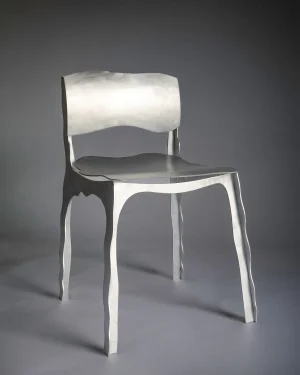
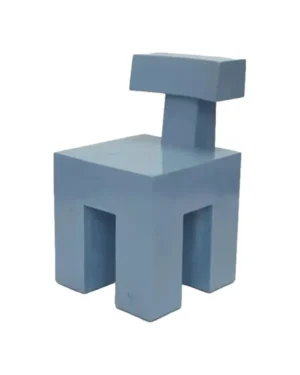
Contemporary Vanity Chair V2
By Six Dots Design
€920 -
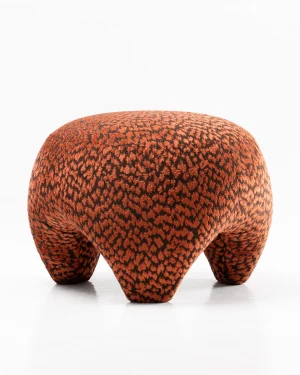
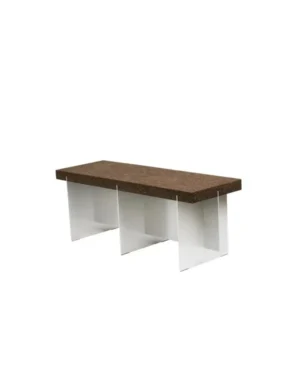
Django Velvet Ottoman in Textile
By Odditi
€990 -

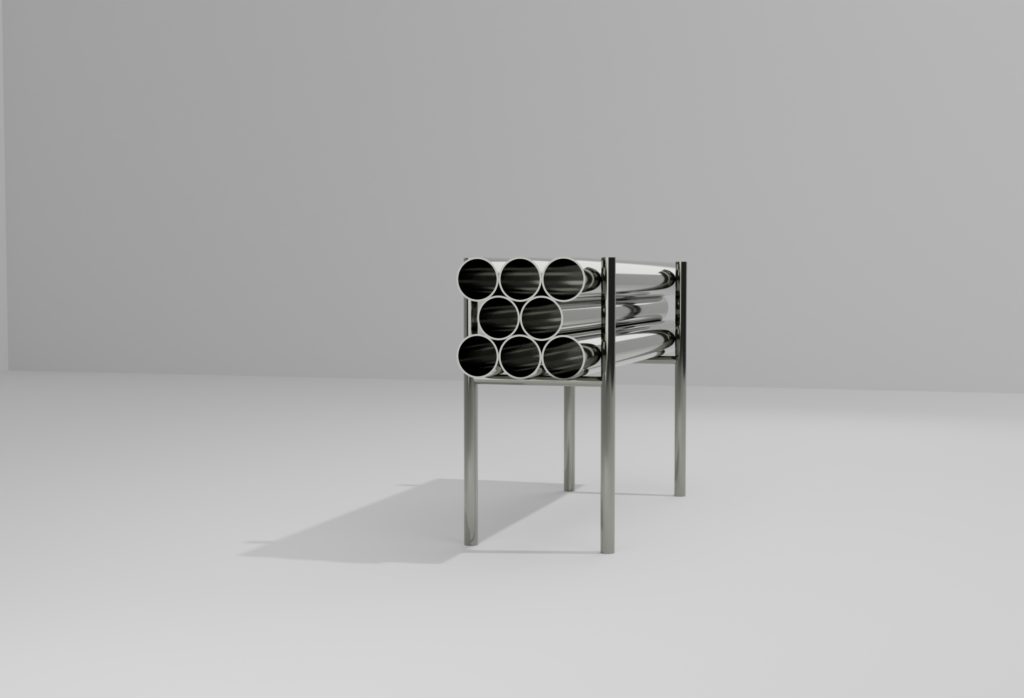
Tube Bench
By Deon Rubi
€4.000 -
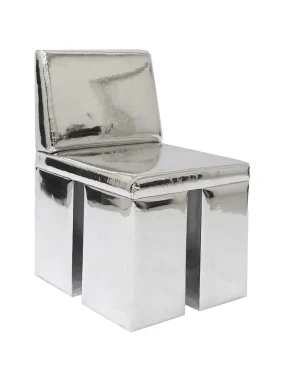
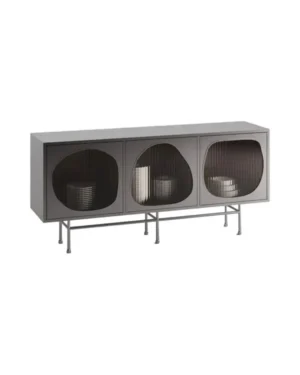
Object106 – Upholstered Chairs
By NG DESIGN
€585 - €1.115 This product has multiple variants. The options may be chosen on the product page -
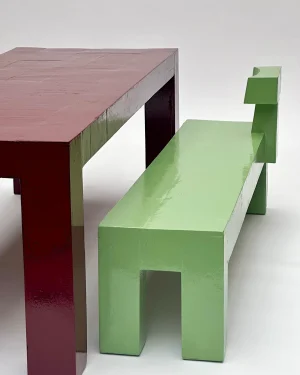
Practice Bench – Upcycled Wood
By Studio Fabius Clovis
€3.300 -
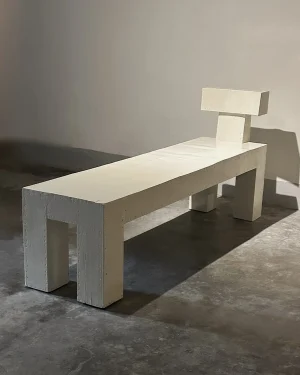
Practice Chaise Lounge
By Studio Fabius Clovis
€2.728 -

Lumbarchair Accent Chair
By FlatFlat
€429 -
 In stock
Knot Low Stool / Side Table In Solid Ash Wood
By Luis Gimeno Design
€800 -

Super Jardim Armchair
By Cultivado em Casa
€4.549 This product has multiple variants. The options may be chosen on the product page -
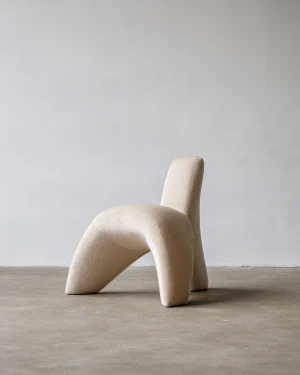
Sokil Armchair
By ZEMNA
€1.780 -
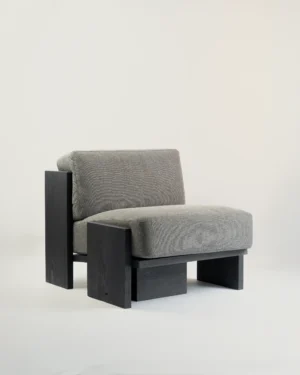 In stock
Brut Lounge Chair | Re-enchantment
By małe dobra
€1.500 -
 In stock
Pressure Stool in Aluminum
By TIM TEVEN
€484 -

Broken Wing Stool
By Obscure Objects
€290 -
 In stock
Knot – Stool / Side Table – Solid Ash Wood
By Luis Gimeno Design
€800 -
 In stock
Knot – Stool / Side Table – Solid Ash Wood
By Luis Gimeno Design
€890 -

Bd15 Stool
By EQUILIBRI-FURNITURE
€300 -
 In stock
Loungechair
By FlatFlat
€515 -

Lapis – Lounge Foam Chair
By Pablo Octavio
€3.100 This product has multiple variants. The options may be chosen on the product page -
 In stock
Stool No:01
By Od Studio
€1.800 -
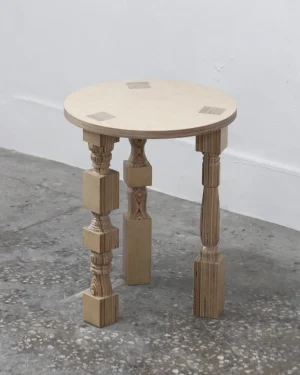 In stock
Ply Stool – Birch Plywood
By STUDIO KIMBYUNGSUB
€850 -

Dessert – Steel Chair
By SALAK Studio
€790 -

S001-10.2 Aluminum Stool
By NAVE
€500 -
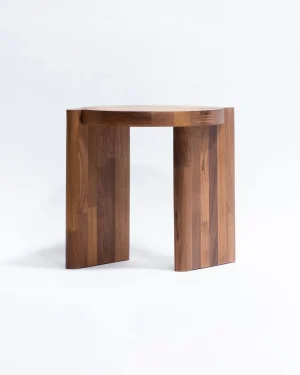
Shift Stool – Walnut
By Studio Yann Gandon
€690 -

A_forma Chair
By AROUND
€900 -
5% off

Armchair Tobo
By Alter Ego Studio
€4.220€4.010 This product has multiple variants. The options may be chosen on the product page -

010 – Lounge Chair
By OFAA
€3.000 -
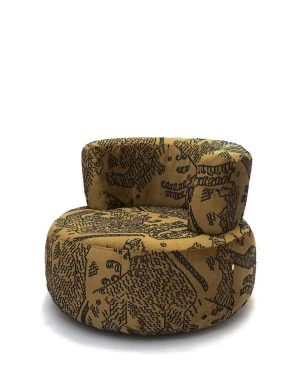
Object051 – Dedar Fabric Armchair
By NG DESIGN
€2.095 -
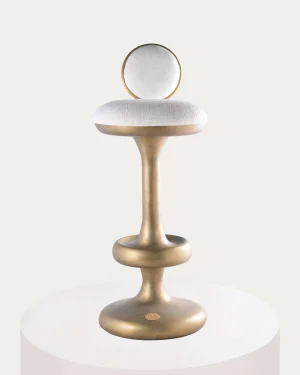
Atom Barstool
By Nama Home
€3.300 -
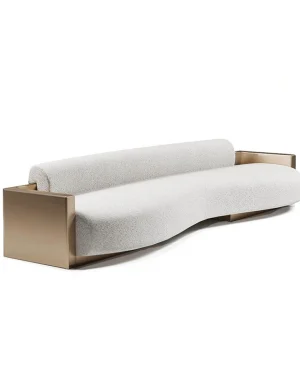
Assembly Sofa
By Alter Ego Studio
€8.890 - €9.650 This product has multiple variants. The options may be chosen on the product page -
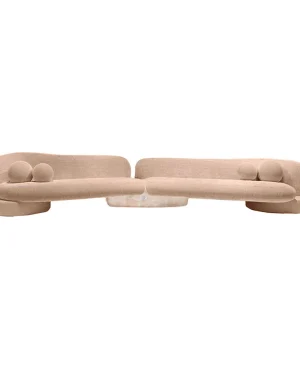
Mode Sofa – Modular
By Alter Ego Studio
€12.200 - €14.900 This product has multiple variants. The options may be chosen on the product page -
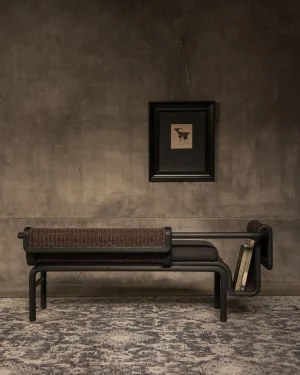
Rahi Gallery Bench
By Project 810
€1.800 This product has multiple variants. The options may be chosen on the product page -
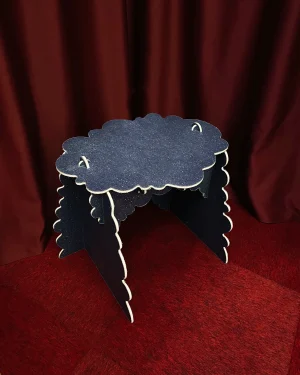 In stock
Really Rococo Blue Stool
By Studio Ebba Lindgren
€1.040 -
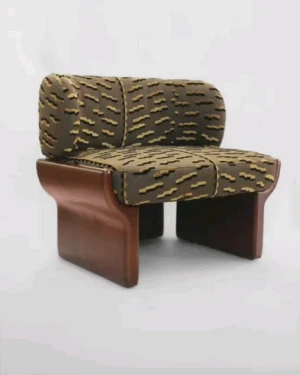
Lucky Armchair Tiger Mountain
By Alter Ego Studio
€5.220 -

Blotti Daybed
By Marie-Marie Defour
€7.000 -

Katamaran Rocking Chair
By Viktor Palnychenko
€4.400 -
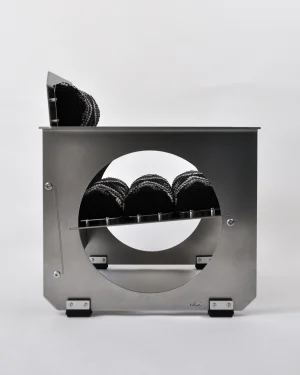
D400 Armchair – Black Mamba – Matte Stainless Steel
By MLK Furniture
€7.590 -

Arco Massiva — Ebony Wood, Cast Aluminum And Velvet Chair
By DONÓ Design
€2.729 -

Encantaria Sofa
By Estudio Leonardo Zanatta
€16.000 -

Kut – Accent Chair
By SABAN FURKAN
€3.400 -
 In stock
Vintola Dining Chair, Tiger Mountain Velvet – Dedar, Walnut Wood
By Vintola Studio
€1.400 -

Tronco Pouf
By Nitush and Aroosh
€950 -
 In stock
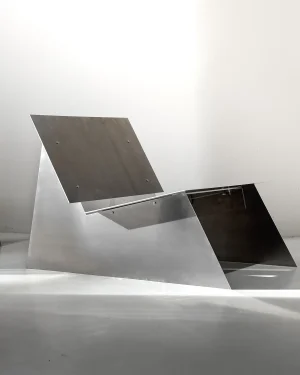
Aluminium Lounge Chair
By case studios
€1.571 -

High Heels – Oak Wood And Fabric Armchair
By Deya
€5.180 -

L4 Stool – Aluminum / Rope
By Lucas Cambier
€1.500 -

Trama – Stool in Cast Aluminum
By Joana Teixeira
€1.680 - €1.980 This product has multiple variants. The options may be chosen on the product page -

Cassette – Upholstered Bar Chair
By Alter Ego Studio
€2.880 -

Butter Chair
By Ryan Mercer
€2.537 -

Binario II – Accent Chair
By SABAN FURKAN
€3.600 -
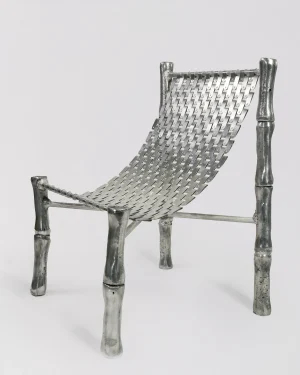
Bone Chair – Aluminum Lounge Chair
By BY JAMPS
€4.000 -
 In stock
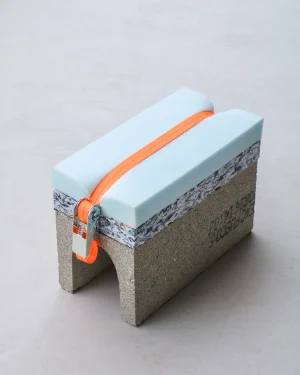
Le Rebond / Low Stool // Reimagined Textile
By FabBRICK
€672 -

Estratos Chair
By Aldo Montes de Oca
€2.500 -
 In stock
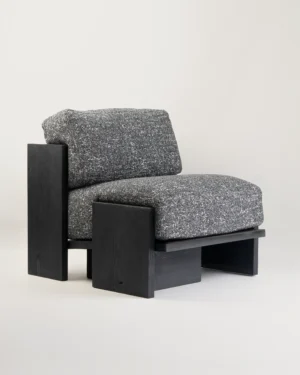
Brut Lounge Chair | 2.0 Edition
By małe dobra
€1.500 -
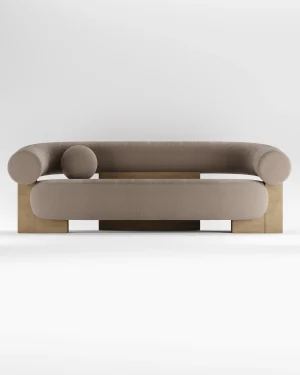
Cassette – Upholstered Sofa
By Alter Ego Studio
€9.950 -
 In stock
Block Lounge
By Heaps & Woods
€4.250 - €4.475 This product has multiple variants. The options may be chosen on the product page
Contemporary seating brings together steel, aluminum, wood, leather and wool worked by studios that favor clean lines, exposed joinery and finishes left honest rather than disguised. A lounge chair, a bench or a dining chair in this group reads as deliberate: a welded steel frame, a laser-cut panel, a leather sling pulled taut across a cantilever. The pieces share a method as much as a look, built to hold weight without excess and to age without losing their shape.
What defines a contemporary chair or bench
The style sets itself apart from Mid-Century Modern by what it leaves out. Legs taper rather than turn, upholstery sits flush instead of buttoned, and metal is often left in its powder-coated or raw state rather than hidden under skirting. Studios working this way favor geometry you can read at a glance: a single curved shell, a frame bent from one length of tube, a seat and back cut from one sheet.
Color tends toward restraint, too. Black, white, off-white and beige carry the frame; a run in sienna, red or light purple appears as an accent rather than the whole piece. Gold shows up on hardware or a welded detail more often than across an entire seat.
Materials, finishes and editions found here
What sells fastest in this group, in rough order, points to the materials doing the heaviest lifting:
- Aluminum and stainless steel, powder-coated or left brushed, for frames and outdoor-capable pieces
- Textile and wool upholstery, often felted or woven, over foam or webbing
- Wood and cabinetmaking, usually paired with metal legs or a steel base
- Leather, full-grain or treated, stretched or upholstered by hand
- Welded and laser-cut metalwork for sculptural frames and bases
Editions run from open runs, made to standing specification, through limited editions in smaller numbers, to unique pieces where no two frames or upholstery cuts match exactly. Where a piece is a one-off, the listing says so; otherwise treat it as a repeatable design rather than a singular object. The wooden seating and metal seating groups narrow the same style down by material, if one surface matters more to you than the rest.
Choosing a piece for scale, height and placement
Start with seat height before finish: a dining chair sits close to eighteen inches, a lounge chair lower, closer to sixteen, to let the back recline. Measure the clearance under a table or desk before choosing arms, since a wide steel or aluminum armrest can add several inches on each side.
Scale the frame to the room rather than to the piece alone. A chair with a broad steel base reads as heavier than its actual footprint, so leave more floor around it than you would around a slim wood-legged chair. Keep finishes consistent within a seating group: matching the metal tone across chairs and a side table, or repeating one upholstery color across a bench and a pair of lounge chairs, holds a room together without extra effort.
Where contemporary seating works
Dining chairs in this style pair well with tables in oak, stone or powder-coated steel, since the plain lines of both don't compete. Lounge chairs and benches suit a living room where the frame can stand clear of the wall and be seen in the round; a bench also works in an entry or at the foot of a bed. Pieces in stainless steel, aluminum or weather-rated textile extend to a covered terrace, where the same restraint reads just as well outdoors. For a fuller sense of how the style carries across other rooms, the living room seating group and the wider Contemporary style are worth a look alongside this one.
Caring for metal, wood, leather and textile
Powder-coated aluminum and steel need only a damp cloth; avoid abrasives that can scratch through the coating and expose bare metal to moisture. Raw or brushed steel benefits from an occasional wipe with a dry cloth to keep fingerprints and moisture from sitting on the surface.
Wood frames should stay away from direct heat and sustained damp, which can warp a tight joint over time; a light oil or wax suited to the species keeps the grain from drying out. Leather wants a soft cloth and a leather-specific conditioner rather than household cleaners, while wool and textile upholstery holds up best with regular vacuuming and prompt attention to spills before they set. For the full range of seating built this way, the seating category covers every style alongside contemporary seating.
How do I choose contemporary seating for my space?
Start with the room's main material and tone, then pick a frame or upholstery that sits well against it. Contemporary pieces favor clean lines, so let the shape, not pattern, carry the room.
What materials are used in contemporary seating?
Expect aluminum, steel and wood frames paired with leather, textile or wool upholstery, often finished by welding, powder coating or hand upholstery. Each material ages differently, so check care notes before buying.
How do I care for leather, wood or metal seating?
Wipe leather with a damp cloth and keep it from direct heat, oil wood occasionally to stop it drying out, and dust metal frames to protect any powder coating or plating from scratches.
What size or height should a contemporary chair be?
Seat heights typically run 17 to 19 inches, matching standard table and counter heights. For exact dimensions on a specific piece, chat with the maker on its page.
Which rooms suit contemporary seating?
Living rooms, dining areas and studies all take contemporary seating well, and weather-resistant metal or treated wood versions extend to covered terraces and balconies.
How does shipping, returns and authenticity work when buying through ADORNO?
Shipping is insured and worldwide, with a 14-day return policy excluding made-to-order pieces. Every piece comes with a certificate of authenticity and ADORNO's lowest-price guarantee.