








-
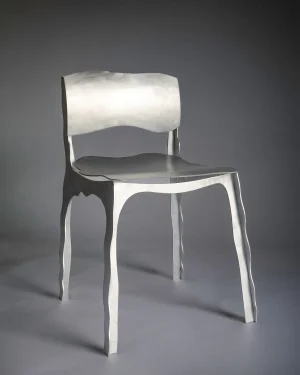
Contemporary Vanity Chair V2
By Six Dots Design
€920 -
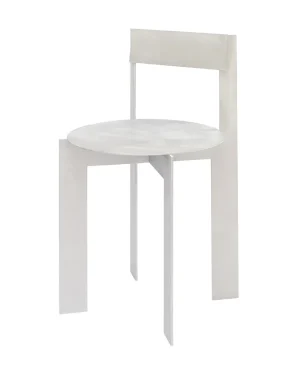
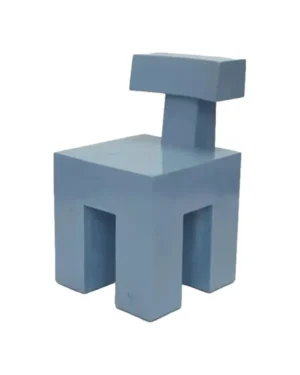
Object111 – Aluminum Chair
By NG DESIGN
€333 -

“Potro” Stool
By piedrafuego
€270 -

Elements Set (fire, Earth, Water And Air)
By Daniel Couttolenc
€6.150 -
 In stock
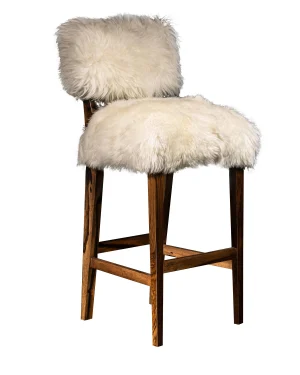
Bruno – Modern Bar Stool In Argentine Solid Wood
By Costantini Design
€1.980 This product has multiple variants. The options may be chosen on the product page -
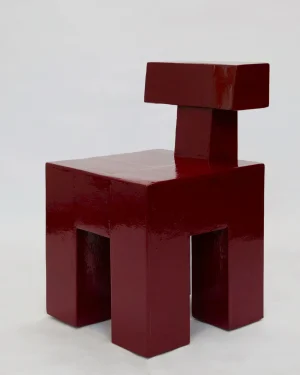
The Practice Chair
By Studio Fabius Clovis
€2.200 This product has multiple variants. The options may be chosen on the product page -
 In stock
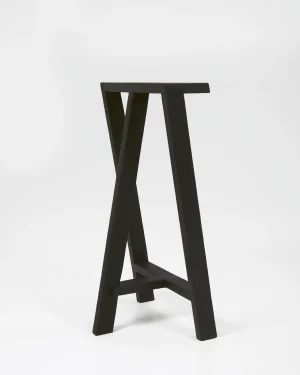
Pausa – Minimalistic Wooden Bar Stool
By Pierre-Emmanuel Vandeputte
€179 - €319 This product has multiple variants. The options may be chosen on the product page -
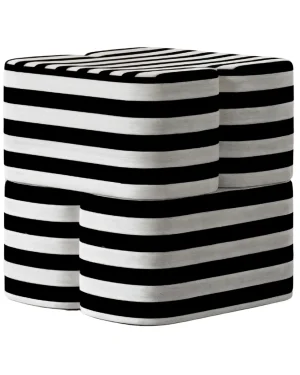
Ori Pouf
By hermhaus
€726 This product has multiple variants. The options may be chosen on the product page -

Bombs Pouf
By hermhaus
€1.060 - €1.140 This product has multiple variants. The options may be chosen on the product page -
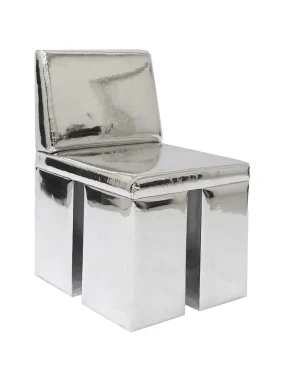
Object106 – Upholstered Chairs
By NG DESIGN
€585 - €1.115 This product has multiple variants. The options may be chosen on the product page -
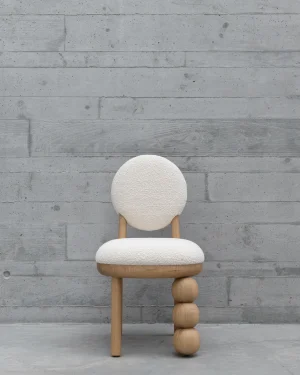
The Three Ball Leg Chair
By Joana Teixeira
€2.200 -
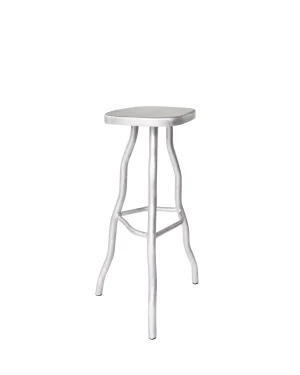
Aluminum Squiggle Bar Stool
By Six Dots Design
€595 -
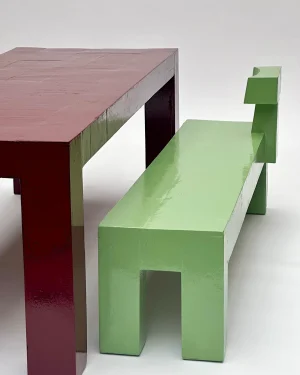
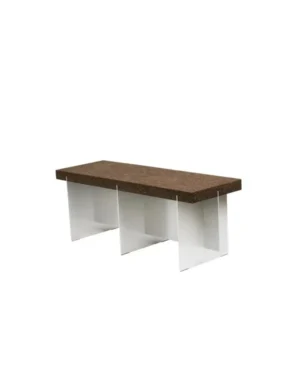
Practice Bench – Upcycled Wood
By Studio Fabius Clovis
€3.300 -
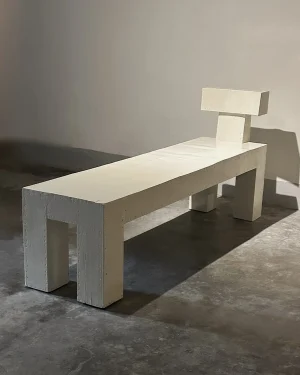
Practice Chaise Lounge
By Studio Fabius Clovis
€2.728 -

Lumbarchair Accent Chair
By FlatFlat
€429 -
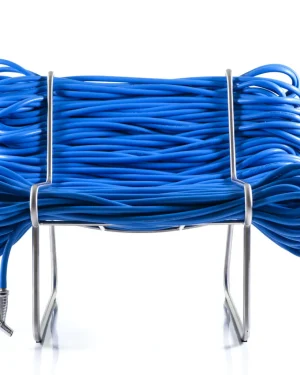
Super Jardim Armchair
By Cultivado em Casa
€4.549 This product has multiple variants. The options may be chosen on the product page -
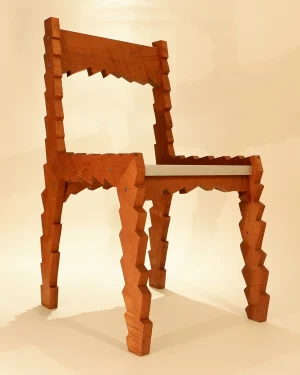
Shocking Chair – Stained Oak Wood Dining Chair
By Josh Page Studio
€940 -
 In stock
Splitted Dining Chair
By Teun Zwets
€1.765 This product has multiple variants. The options may be chosen on the product page -
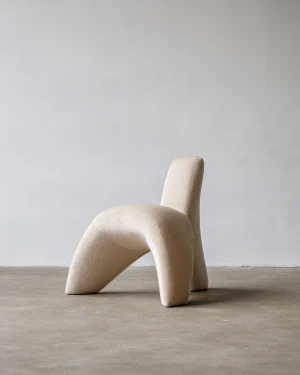
Sokil Armchair
By ZEMNA
€1.780 -
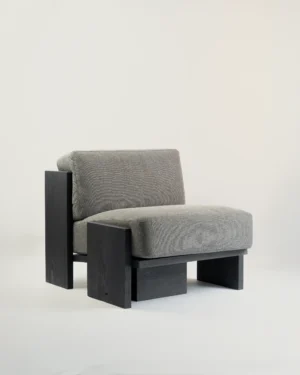 In stock
Brut Lounge Chair | Re-enchantment
By małe dobra
€1.500 -
 In stock
Pressure Stool in Aluminum
By TIM TEVEN
€484 -
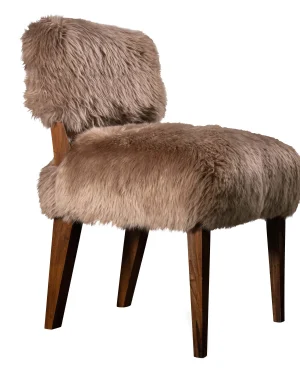
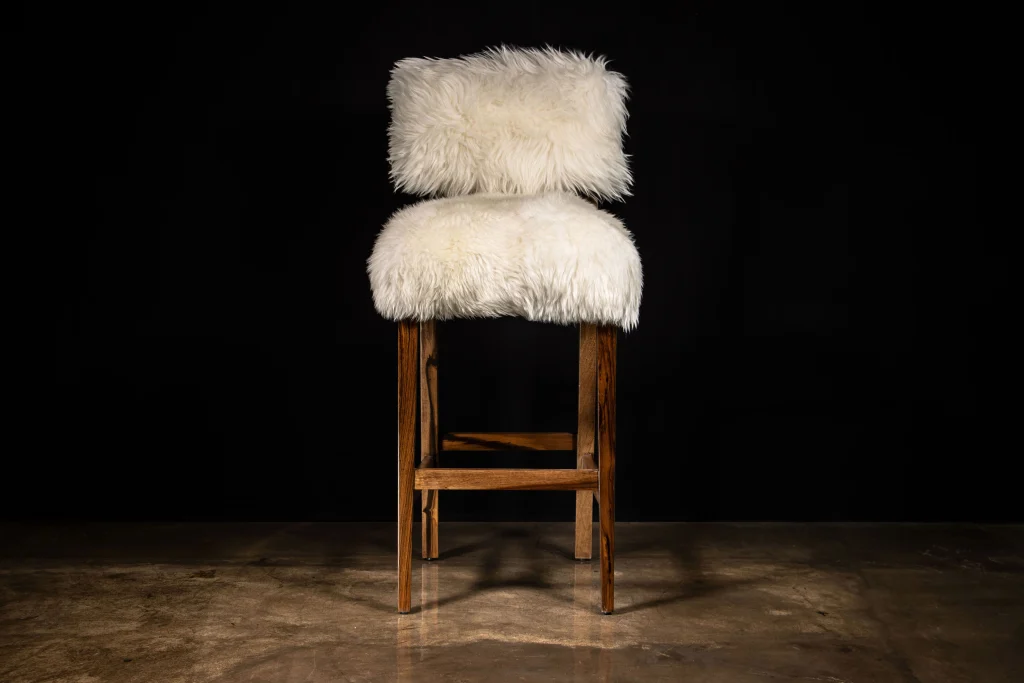
Bruno Ovino – Modern Dining Chair In Exotic Wood And Sheepskin
By Costantini Design
€1.748 -

Broken Wing Stool
By Obscure Objects
€290 -

Mid-century Heart Chair In Plushy Bordeaux, Dedar,europe, 1960s
By Vintola Studio
€1.050 -

Bd15 Stool
By EQUILIBRI-FURNITURE
€300 -
 In stock
Loungechair
By FlatFlat
€515 -

Lapis – Lounge Foam Chair
By Pablo Octavio
€3.100 This product has multiple variants. The options may be chosen on the product page -
 In stock
Stool No:01
By Od Studio
€1.800 -
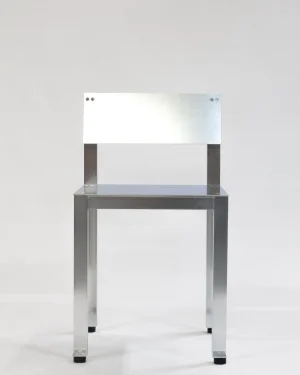
Canto – Aluminum Dining Chair
By Luiz Solano
€840 -
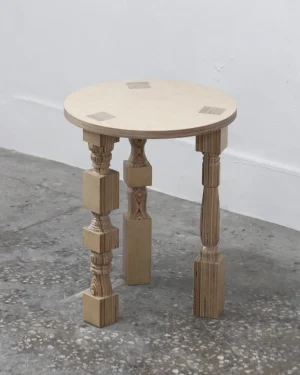 In stock
Ply Stool – Birch Plywood
By STUDIO KIMBYUNGSUB
€850 -

Dessert – Steel Chair
By SALAK Studio
€790 -

S001-10.2 Aluminum Stool
By NAVE
€500 -

A_forma Chair
By AROUND
€900 -

Wing Bench
By Obscure Objects
€1.220 -
5% off

Armchair Tobo
By Alter Ego Studio
€4.220€4.010 This product has multiple variants. The options may be chosen on the product page -

Vintola Studio Dining Chair, Casamance Nimbus Leopard Fabric
By Vintola Studio
€1.400 -

010 – Lounge Chair
By OFAA
€3.000 -

Bold Shkam Chair – Yellow
By SHAPE & SHADE
€333 -
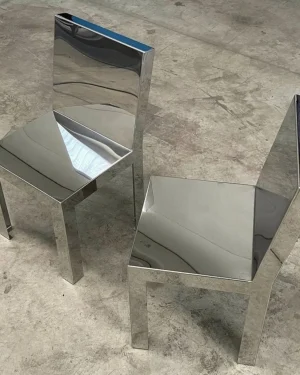
Sedia 1 – Mirror Polished Stainless Steel Chair
By Julia Chiaramonti
€5.500 -
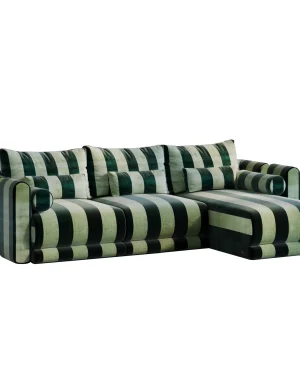
Kanz – Sofa Green & White Stripes
By hermhaus
€2.850 - €9.250 This product has multiple variants. The options may be chosen on the product page -
 In stock
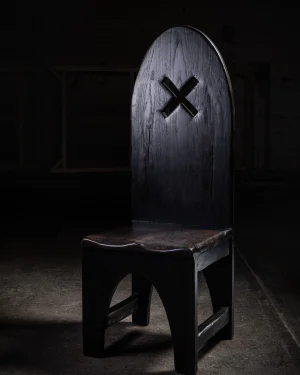
The X Chair
By NO AGE STUDIO
€2.500 -
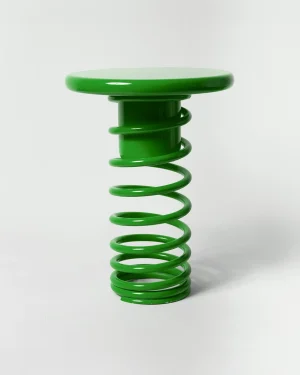
Twist Stool
By Yet Design Studio
€1.200 This product has multiple variants. The options may be chosen on the product page -
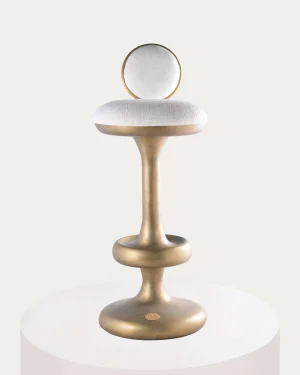
Atom Barstool
By Nama Home
€3.300 -
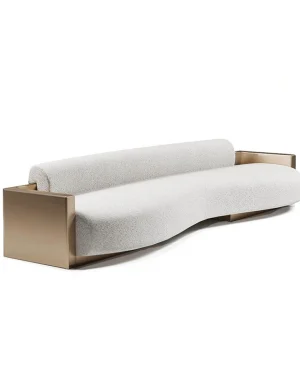
Assembly Sofa
By Alter Ego Studio
€8.890 - €9.650 This product has multiple variants. The options may be chosen on the product page -
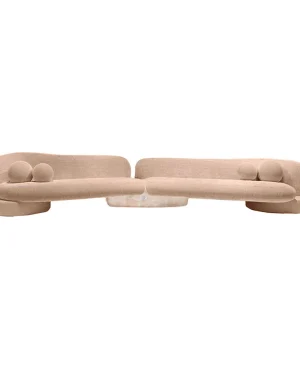
Mode Sofa – Modular
By Alter Ego Studio
€12.200 - €14.900 This product has multiple variants. The options may be chosen on the product page -
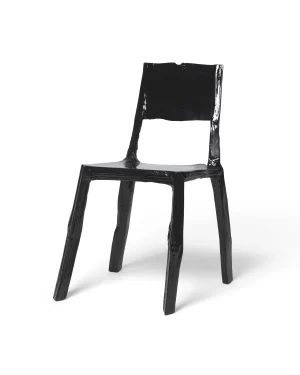 In stock
Splitted Dining Chair Black
By Teun Zwets
€1.765 -
 In stock
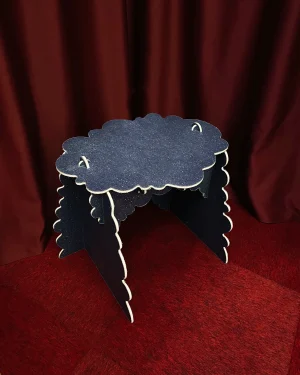
Really Rococo Blue Stool
By Studio Ebba Lindgren
€1.040 -
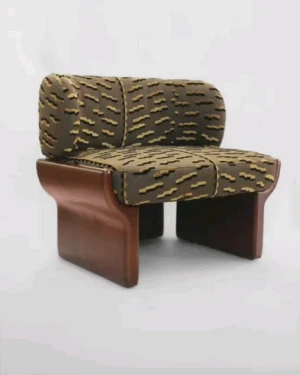
Lucky Armchair Tiger Mountain
By Alter Ego Studio
€5.220 -

Katamaran Rocking Chair
By Viktor Palnychenko
€4.400 -
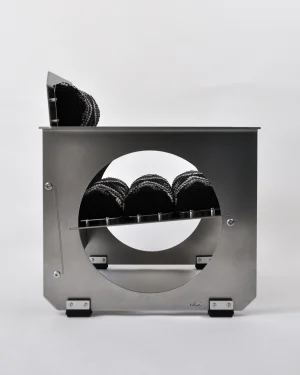
D400 Armchair – Black Mamba – Matte Stainless Steel
By MLK Furniture
€7.590 -

Arco Massiva — Ebony Wood, Cast Aluminum And Velvet Chair
By DONÓ Design
€2.729 -

Encantaria Sofa
By Estudio Leonardo Zanatta
€16.000 -
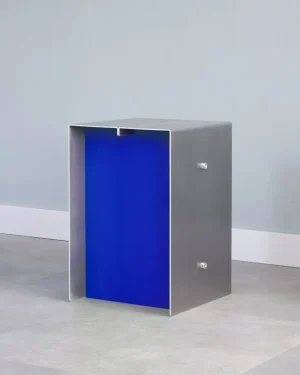
Core Aluminum Side Table / Stool
By Lisanne Meester
€399 This product has multiple variants. The options may be chosen on the product page -

Kut – Accent Chair
By SABAN FURKAN
€3.400
Modern seating gathers chairs, sofas, benches and stools built around clean lines, exposed structure and materials left close to their natural state. Studios working in aluminum, oak, maple and wool build pieces that favor a clear line over ornament, pairing welded or turned frames with upholstery that reads as considered rather than decorative. What ties the group together is restraint: a seat is allowed to show how it was made.
What defines the modern style in a chair or sofa
A modern piece states its structure. Legs are turned, bent or cast rather than hidden under skirting, and joints are visible where cabinetmaking allows it. Upholstery, where it appears, sits as a flat plane of color, often black, off-white, beige or ochre, rather than a patterned surface.
Proportion carries more weight than detail. A low back, a wide seat, a frame set a few inches off the floor, these choices do the work that carving or trim might do in an older style. The result reads as calm rather than bare.
Materials, finishes and ways of making
Aluminum frames, often powder-coated or left with a brushed finish, give a light, almost architectural weight to a chair and resist rust outdoors. Oak and maple seating relies on wood and cabinetmaking: steam-bent backs, turned legs, joinery left exposed at the seat rail. Wool and other textiles bring texture through weaving or upholstery, while leather ages into a patina that tracks how a piece is actually used.
Metalwork, laser cutting and woodturning show up across the range as structural techniques rather than surface decoration, and most pieces are made as open editions, with limited editions and unique pieces appearing where a studio works in small batches or by hand. Across seating built in metal and pieces worked in solid wood, the finish, not the ornament, signals the hand behind it.
How to choose a piece
Start with scale. A lounge chair built for a corner needs enough seat depth to read as an anchor, not an afterthought, while a dining or accent chair should leave clearance at the table or wall it sits against. Seat height around 17 to 18 inches suits most adults; lower, wider frames shift a room toward lounging rather than sitting upright.
- Match the frame finish to existing metal or wood tones in the room rather than introducing a third material.
- Choose upholstery weight for use: wool and heavier textiles hold up to daily seating, finer weaves suit lower-traffic corners.
- Leave a hand's width of clearance around arms and legs so a chair can be pulled out or walked past.
Where a piece will carry weight daily, a dining chair or a reading chair used often, favor dense foam and a tightly woven textile or leather over a loose weave.
Where modern seating works
A single chair in aluminum or oak can sit alone as a reading spot, while matched pairs or a low sofa define a living room without crowding it. Benches and stools in metal or laser-cut panels suit entryways and dining tables where a backless profile saves space. Seating built for living rooms tends toward lower profiles and softer upholstery, while pieces meant for a hallway or studio lean on harder, wipeable surfaces.
Caring for the materials
Oak and maple want a stable room, away from direct heat or damp, and an occasional wipe with a dry or barely damp cloth. Leather benefits from a leather-specific conditioner every so often to keep it from drying and cracking. Aluminum frames take a damp cloth and mild soap; avoid abrasive cleaners that can dull a powder coat. Wool and other textiles should be vacuumed on a low setting and spot-cleaned rather than soaked.
For the full range of frames and finishes, see all seating or everything filed under the Modern style. Those drawn to a quieter palette can also look at minimalist seating, which shares much of the same restraint found across modern seating as a whole.
How do I choose modern seating for a room?
Start with proportion: a low-slung lounge chair reads differently than a slim dining chair. Match the frame material and line to the furniture already in the room, then confirm scale against the space available.
What materials are used in modern seating, and how do I care for them?
Frames come in aluminum, oak, maple or welded metal, often paired with leather, wool or woven textile upholstery. Wipe metal and wood with a dry cloth, keep upholstery out of direct sun, and vacuum textiles regularly.
What size and seat height should modern seating be?
Dining and desk chairs generally sit 17 to 19 inches from the floor, while lounge chairs sit lower for a reclined angle. Check the arm height and overall footprint against the table or space it will pair with.
Which rooms suit modern seating?
Lounge chairs and sofas anchor living rooms, slim chairs work at dining tables and desks, and aluminum or weatherproof pieces hold up on covered terraces.
Can I order modern seating in a custom size or finish?
Some studios take custom requests on finish, upholstery or scale. Chat with the maker on the piece's page to confirm what is possible before ordering.
How does shipping, returns and authenticity work when buying modern seating on ADORNO?
Shipping is insured and sent worldwide, with 14 days to return pieces that are not made to order. Every purchase includes a certificate of authenticity and ADORNO's lowest-price guarantee.