








-
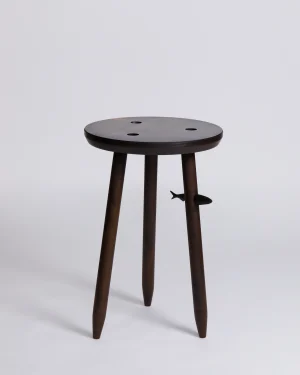 In stock
Cardume Low Stool
By Andreas Anwander
€500 This product has multiple variants. The options may be chosen on the product page -
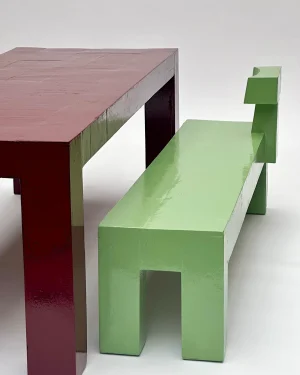
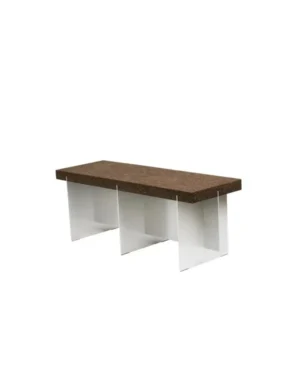
Practice Bench – Upcycled Wood
By Studio Fabius Clovis
€3.300 -
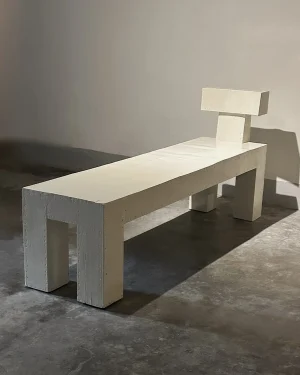
Practice Chaise Lounge
By Studio Fabius Clovis
€2.728 -
 In stock
Splitted Dining Chair
By Teun Zwets
€1.765 This product has multiple variants. The options may be chosen on the product page -
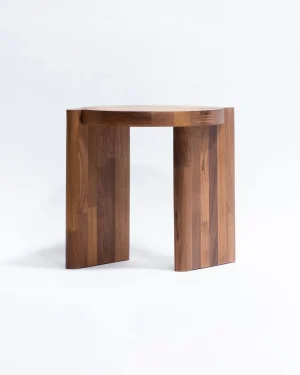
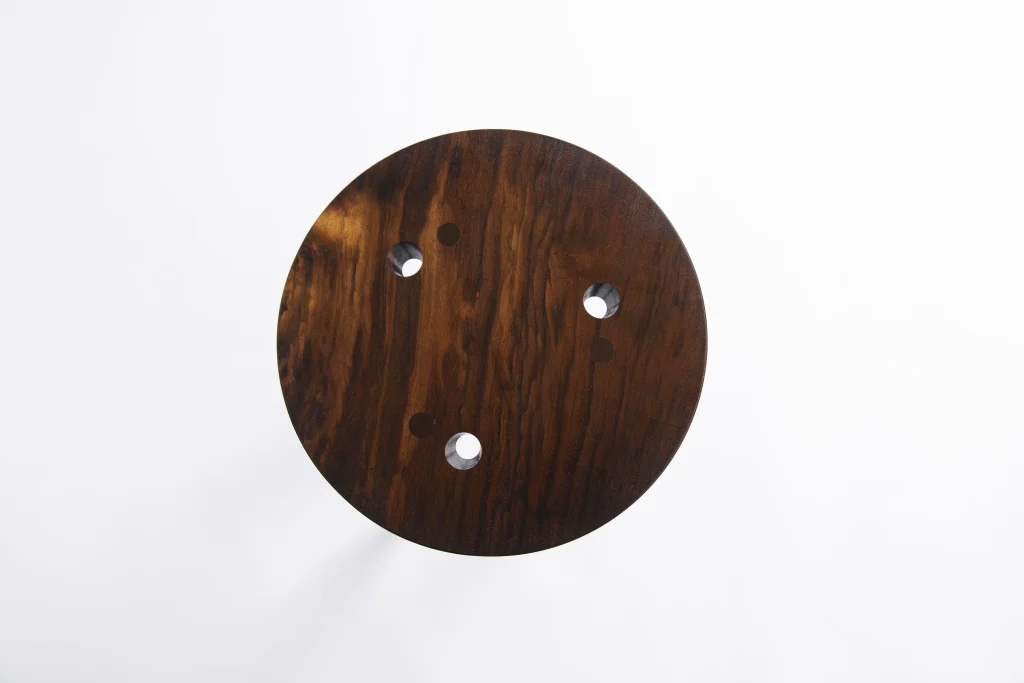
Shift Stool – Walnut
By Studio Yann Gandon
€690 -

Bold Shkam Chair – Yellow
By SHAPE & SHADE
€333 -
 In stock
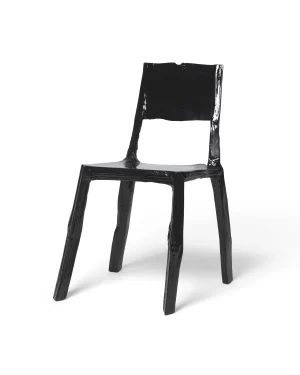
Splitted Dining Chair Black
By Teun Zwets
€1.765 -
 In stock
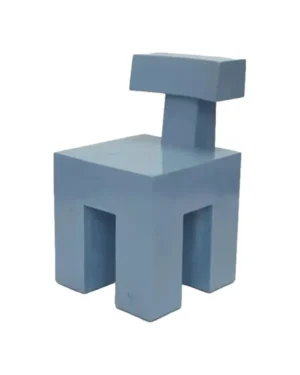
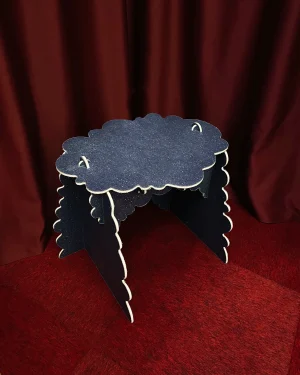
Really Rococo Blue Stool
By Studio Ebba Lindgren
€1.040 -

Katamaran Rocking Chair
By Viktor Palnychenko
€4.400 -

Encantaria Sofa
By Estudio Leonardo Zanatta
€16.000 -

Bold Shkam Chair – Red
By SHAPE & SHADE
€333 -
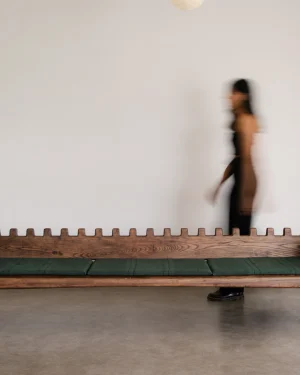
Takhat Bench
By Shivangi Vasudeva
€6.400 -
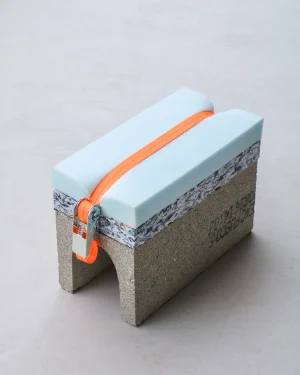 In stock
Le Rebond / Low Stool // Reimagined Textile
By FabBRICK
€672 -
 In stock
Block Lounge
By Heaps & Woods
€4.250 - €4.475 This product has multiple variants. The options may be chosen on the product page -
 In stock
Wrp-003 Stainless Steel / Cowhide Stool
By NAVE
€1.200 -

Heimatlos Chair
By em ef studio
€1.600 -
 In stock
Filar Stone Bench | Re-enchantment
By małe dobra
€1.400 -
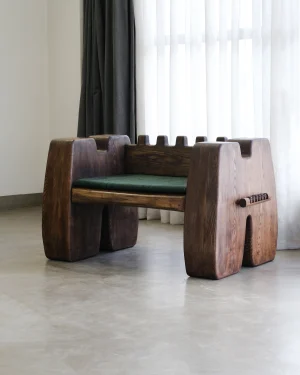
Takhat Armchair
By Shivangi Vasudeva
€5.000 -
 In stock
F20 – Armchair
By FabBRICK
€3.965 - €5.044 This product has multiple variants. The options may be chosen on the product page -
 In stock
Boni Dining Chair
By Heaps & Woods
€2.750 - €2.937 This product has multiple variants. The options may be chosen on the product page -
 In stock
Kafka Sofa
By Arbore x Cezar Moldovan
€16.200 -
 In stock
Bruna Low Stool
By Heaps & Woods
€1.344 -

Sitting Bull – Stainless Steel Accent Chair
By ORFEO STUDIO
€5.800 - €6.200 This product has multiple variants. The options may be chosen on the product page -

Knot Bench
By Studio Yann Gandon
€3.147 -
 In stock
Luna Chair
By Arbore x Cezar Moldovan
€1.988 -

Onmyōdō Wenge Slatted Wood Bench
By Brett Paulin
€2.703 -
 In stock
Nala Stool
By Heaps & Woods
€1.343 -
 In stock
Kafka Lounge Chair
By Arbore x Cezar Moldovan
€6.780 -
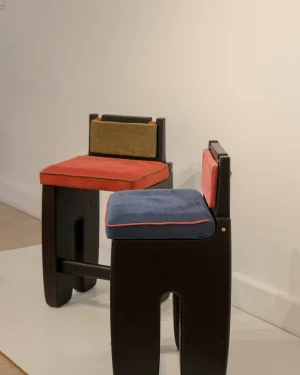
Takhat Counter Stool
By Shivangi Vasudeva
€1.750 This product has multiple variants. The options may be chosen on the product page -
 In stock
Miki Dining Chair
By Heaps & Woods
€1.531 - €1.625 This product has multiple variants. The options may be chosen on the product page -
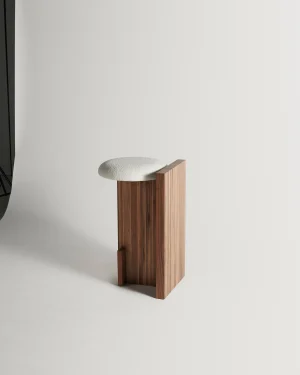
Arquivo Counter Stool
By Rosana Sousa
€2.005 -
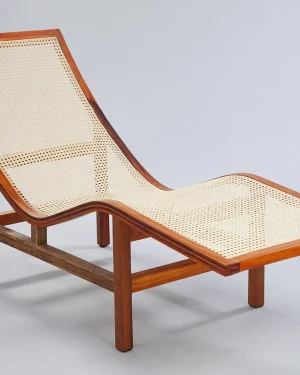
Chaise Sossego
By am.o atelier
€2.956 -
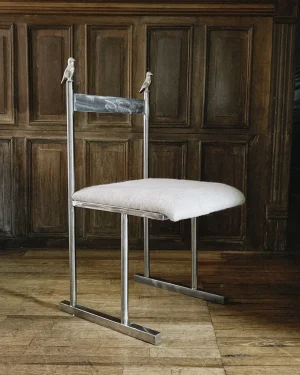
School Chair – Upcycled Materials
By Around the Studio
€1.500 -
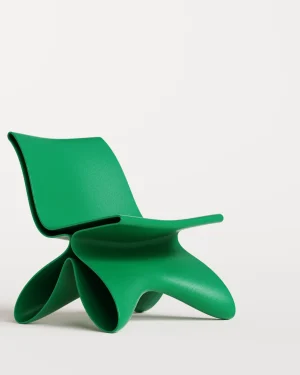
Sprout Lounge Chair
By noknok
€2.075 -
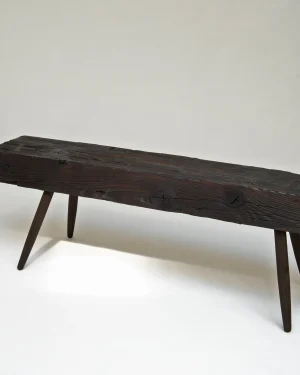
Bimschtal No 2 – Wooden Bench
By StorqueStudios
€1.457 -

Bo Armchair
By Giácomo Tomazzi Studio
€3.550 -
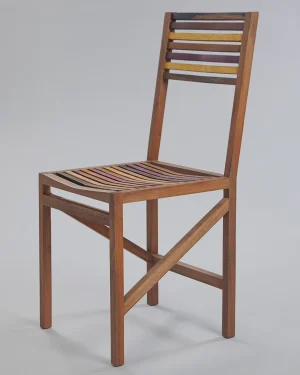
Moza Chair
By am.o atelier
€1.052 -
 In stock
Trestle Chair
By Vital Lainé
€1.000 -

Slide Chair
By Studio Yann Gandon
€1.250 -

Charcoal-drawn Papier-mâché Chair
By David Čáp
€1.000 -
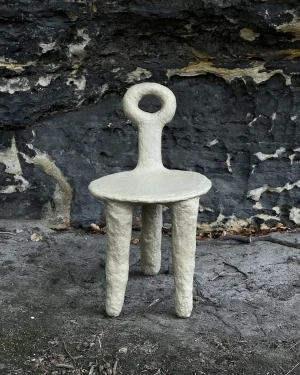
Sandstone Chair
By David Čáp
€1.000 -
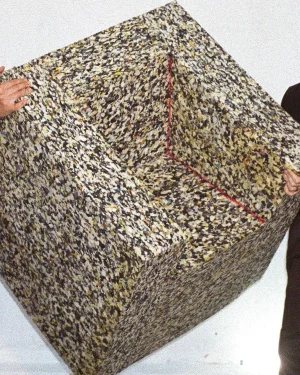
Foam Armchair
By Luiz Solano
€1.200 -
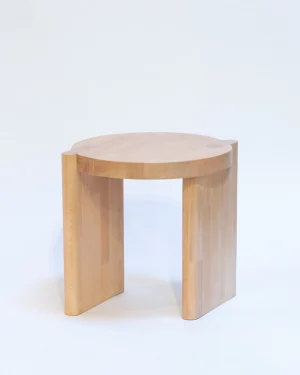
Shift Stool – Beech
By Studio Yann Gandon
€690 -
 In stock
Shift Stool – Ash – Light Purple
By Studio Yann Gandon
€550 -
 In stock
T15 Stool
By FabBRICK
€1.187 -
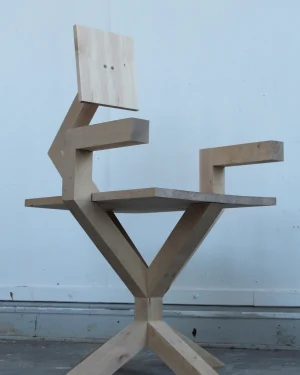
Björn Office Chair
By Olle Sahlqvist
€6.000 -
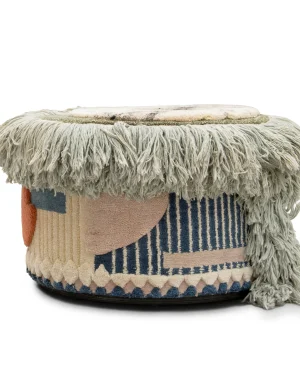 In stock
Sybille – Eclectic Fringed Pouf
By Lyk Carpet
€2.866 -
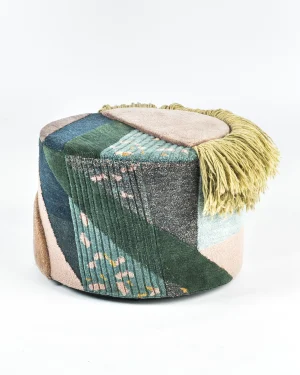 In stock
Colette – Rose, Mint And Yellow Wool Pouf
By Lyk Carpet
€2.866 -
 In stock
Shift Stool – Ash – Green
By Studio Yann Gandon
€550 -

Bold Shkam Chair – Blue
By SHAPE & SHADE
€333 -
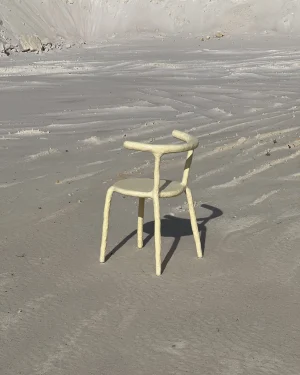 In stock
Light Yellow Papier-mâché Chair
By David Čáp
€1.000 -
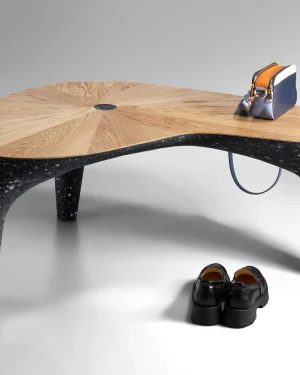
Solid Black Stone & Oak Bench – Ma Series In Cast Stone By Donatas Zukauskas
By Donatas Žukauskas
€4.100 -
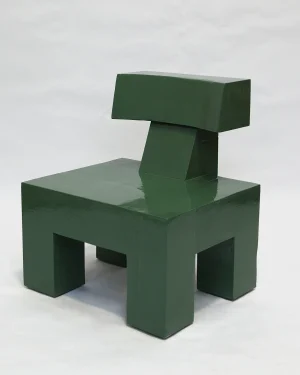 In stock
Practice Lounge Chair
By Studio Fabius Clovis
€2.895 -
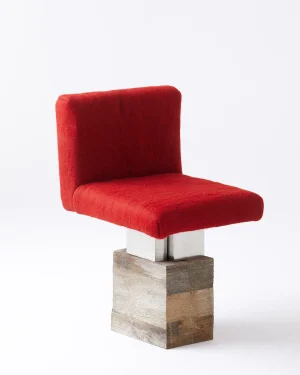
Tbilisi Street Chair – Upcycled Materials
By Around the Studio
€1.500
Sustainable seating gathers chairs, stools and benches built from materials chosen for how they age, regenerate or get a second life: oak and walnut grown and felled with an eye on the forest, teak left to silver outdoors, rattan woven by hand, plywood pressed into light shells, and reclaimed or recycled material reworked into new frames. Studios working this way favor joinery over glue, natural oils over heavy lacquer, and finishes that can be repaired rather than replaced. The result is seating that carries weight honestly and shows its material plainly, instead of hiding it under upholstery or paint.
What defines sustainable seating
Wood sits at the center of this group, usually oak or walnut worked through cabinetmaking and joinery that favors mortise-and-tenon or dowel joints over screws and adhesive. Rattan and cane appear through weaving, stretched across bent frames to make a seat that flexes slightly and breathes in a way solid wood cannot. Plywood is steamed and pressed into curved shells, using less material than a solid-wood equivalent while keeping a chair light enough to lift with one hand. Recycled material, whether reclaimed timber, reworked metal or repurposed textile, shows up where a studio wants to shorten the distance between an old object and a new one.
The range on ADORNO
Within seating, the sustainable group runs from open-grained oak and walnut chairs to teak benches meant for a terrace, rattan and cane seats built through hand-knotting and weaving, and plywood or recycled-material stools finished through hand-building or light upholstery. Colors stay close to the material: beige, sand, off-white and brown dominate, with black and dusty pink or light green appearing on upholstered cushions and lacquered details rather than on the frame itself. Editions vary by studio and by technique, from open editions produced in small cabinetmaking workshops to unique pieces and limited editions where a frame or weave cannot easily be repeated. For the full spread of sustainable work beyond seating, the sustainable style page and sustainable furniture cover tables, storage and lighting made the same way.
How to choose a piece
Start with scale: a dining chair needs a seat height close to standard table height, while a lounge chair or stool can sit lower and wider for a more relaxed posture. Check the finish next, oiled wood will darken and show marks faster than a lacquered surface, which stays sealed but can chip at the edges over years of use. Rattan and woven seats ask for a dry, covered placement unless the studio states otherwise, since damp air slackens the weave over time.
- For a dining set, match chair height and depth to the table rather than to the room.
- For a reading corner, a lower, deeper seat in oak, walnut or plywood suits longer sitting.
- For a terrace or sunroom, teak and rattan tolerate light and air changes better than lacquered wood.
Where it fits in a room
Oak and walnut chairs read well around a dining table or desk, where their joinery and grain stay visible at close range. Rattan and plywood pieces suit a living room or sunroom, where their lighter weight makes them easy to move between a sofa grouping and a window. Wooden benches made from reclaimed or recycled material work equally at an entryway, a dining table end, or a terrace, since their finish is built to handle changing light and foot traffic rather than one fixed setting. Anyone working through a wider wooden seating selection will find these sustainable pieces sitting alongside non-certified wood chairs, distinguished mainly by their sourcing and joinery rather than their look.
Caring for wood, rattan and recycled material
Oiled wood benefits from a yearly reapplication to keep moisture from drying out the grain, while lacquered surfaces need only a soft cloth and mild soap. Rattan and cane should stay out of direct, sustained sun, which turns the fiber brittle, and away from standing water, which encourages mold in the weave. Recycled-material frames vary by what they were made from, so a quick check of the specific finish, metal, reclaimed wood or reworked textile, tells you whether it wants oil, wax or nothing at all.
How do I choose sustainable seating?
Look at what the piece is made from and how it was built. Wood grown and joined with care, recycled material given new form, or rattan woven by hand all lower impact while carrying weight for years.
How do I care for sustainable seating?
Wood and plywood want a dry cloth and steady humidity, away from direct heat. Rattan and woven fibers prefer indoor use and a light vacuum; recycled materials follow the care of their base material.
What size and height works for sustainable seating?
Dining chairs typically sit 17 to 19 inches at the seat, lounge chairs lower for recline. The maker can confirm exact dimensions through Chat with the maker on the piece's page.
Which rooms suit sustainable seating?
Dining chairs anchor eating areas, lounge chairs and accent seats soften living rooms, and pieces in weather-resistant wood or rattan can extend to covered terraces.
Are sustainable seating pieces handmade or limited editions?
Some are hand-built or hand-knotted in small runs, others are open editions; this varies by maker, who can confirm it through Chat with the maker on the piece's page.
What are ADORNO's shipping and return policies?
Shipping is insured and worldwide. Returns are accepted within 14 days, except for made-to-order pieces. Each piece arrives with a certificate of authenticity, backed by a lowest-price guarantee.