





















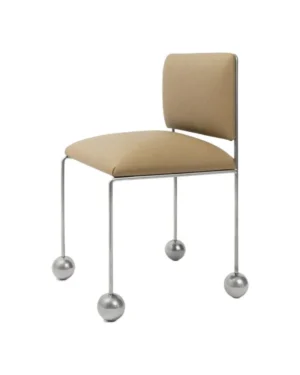
-
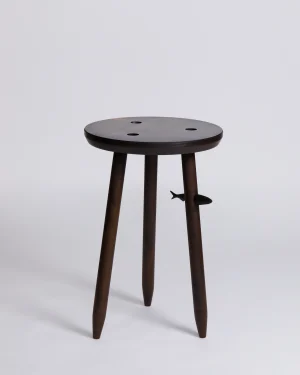 In stock
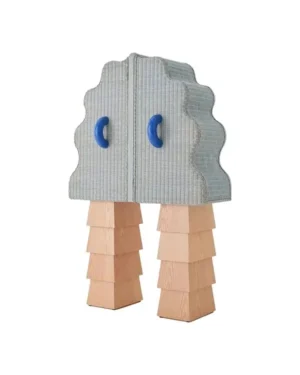
Cardume Low Stool
By Andreas Anwander
€500 This product has multiple variants. The options may be chosen on the product page -
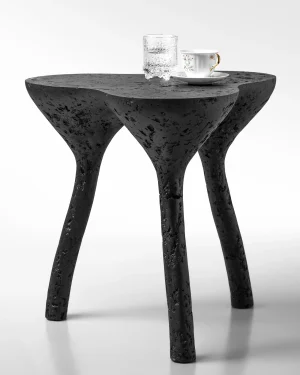
Solid Black Stone Coffee Table in Cast Stone
By Donatas Žukauskas
€1.450 -

Mono – Dining Table Long
By Assimply Studio
€5.820 -
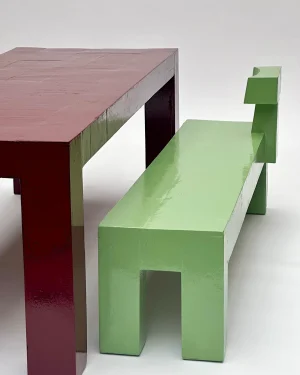
Practice Bench – Upcycled Wood
By Studio Fabius Clovis
€3.300 -
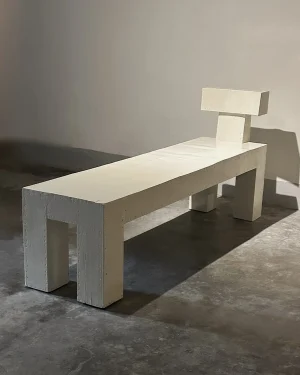
Practice Chaise Lounge
By Studio Fabius Clovis
€2.728 -
 In stock
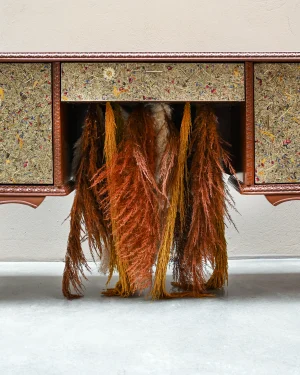
Earth Furniture Desk
By WOODTALES by Foteini Noti
€3.125 -
 In stock
Splitted Dining Chair
By Teun Zwets
€1.765 This product has multiple variants. The options may be chosen on the product page -

Monolit Alpi Side Table in Oak Veneer and MDF
By Arbore x Cezar Moldovan
€2.188 -
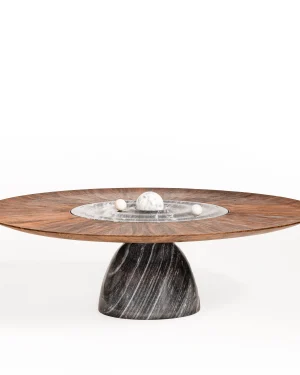
Ripple 2.0 Coffee Table
By Tectona Grandis Furniture
€2.550 -
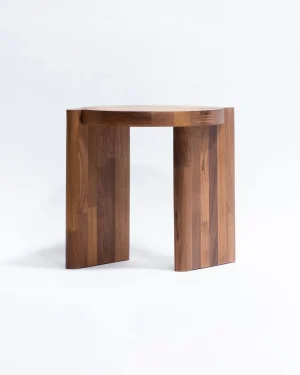
Shift Stool – Walnut
By Studio Yann Gandon
€690 -

Meadows Side Table in Mahogany and Stainless Steel
By BOTHI
€1.820 - €2.315 This product has multiple variants. The options may be chosen on the product page -

Bold Shkam Chair – Yellow
By SHAPE & SHADE
€333 -
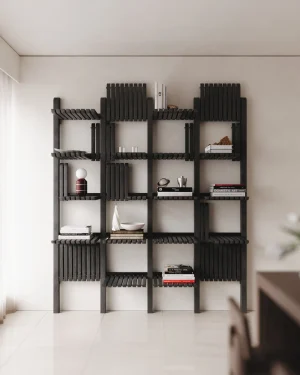
Gate – Modular Shelving System Black Stained
By SVITANOK
€5.000 - €13.450 This product has multiple variants. The options may be chosen on the product page -
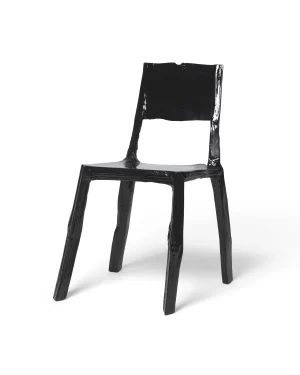 In stock
Splitted Dining Chair Black
By Teun Zwets
€1.765 -
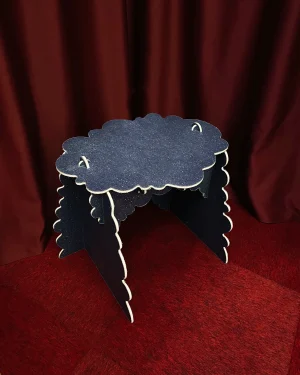 In stock
Really Rococo Blue Stool
By Studio Ebba Lindgren
€1.040 -

Katamaran Rocking Chair
By Viktor Palnychenko
€4.400 -
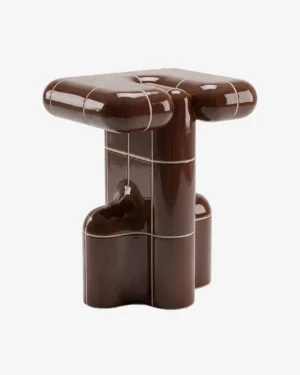
U-001 Cacao Side Table in 3D-Printed PLA
By Rollo Studio
€1.620 -

Encantaria Sofa
By Estudio Leonardo Zanatta
€16.000 -

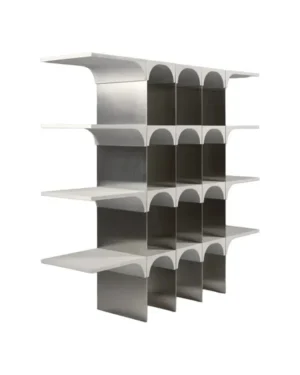
Stack 029 – Raw Aluminium Shelf
By studio MOTO
€3.760 -
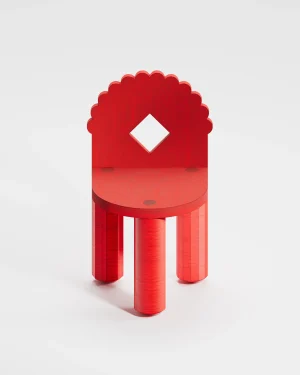
Bold Shkam Chair – Red
By SHAPE & SHADE
€333 -
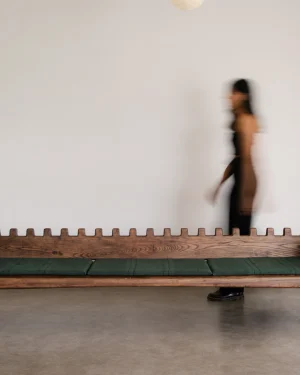
Takhat Bench
By Shivangi Vasudeva
€6.400 -
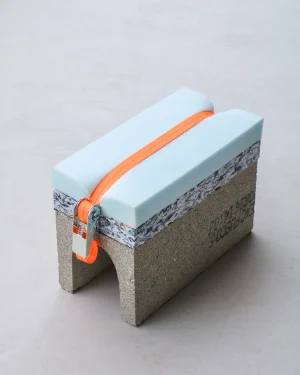 In stock
Le Rebond / Low Stool // Reimagined Textile
By FabBRICK
€672 -
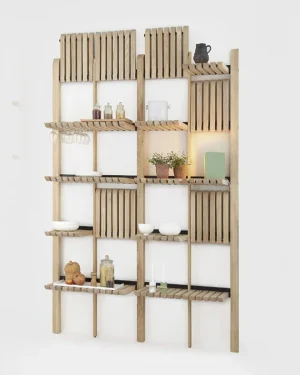
Gate – Modular Shelving System Natural Ashwood
By SVITANOK
€4.220 - €11.370 This product has multiple variants. The options may be chosen on the product page -
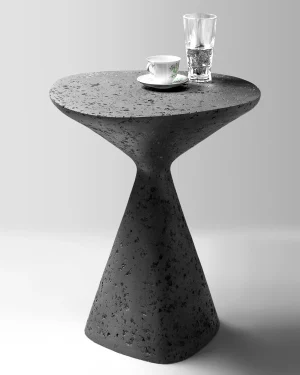
Black Mottled Side Table in Paper Pulp and Cement
By Donatas Žukauskas
€1.100 -
 In stock
Block Lounge
By Heaps & Woods
€4.250 - €4.475 This product has multiple variants. The options may be chosen on the product page -
 In stock
Wrp-003 Stainless Steel / Cowhide Stool
By NAVE
€1.200 -

Heimatlos Chair
By em ef studio
€1.600 -
 In stock
Gala Shelf
By Heaps & Woods
€475 -
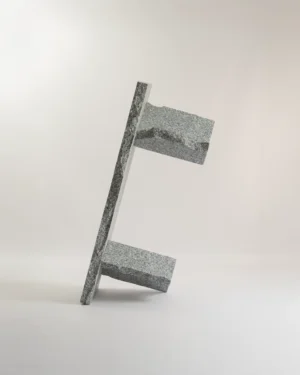 In stock
Filar Stone Bench | Re-enchantment
By małe dobra
€1.400 -
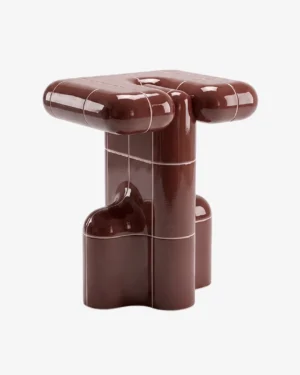
U-001 Garnet Side Table in 3D-Printed PLA
By Rollo Studio
€1.620 -
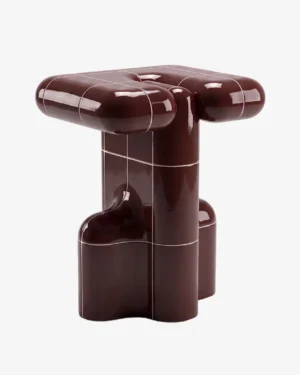
U-001 Oxide Side Table in 3D-Printed PLA
By Rollo Studio
€1.620 -
 In stock
T60 Table
By FabBRICK
€9.965 - €11.385 This product has multiple variants. The options may be chosen on the product page -
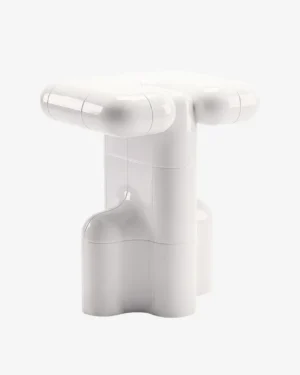
U-001 Chalk Side Table in 3D-Printed PLA
By Rollo Studio
€1.620 -
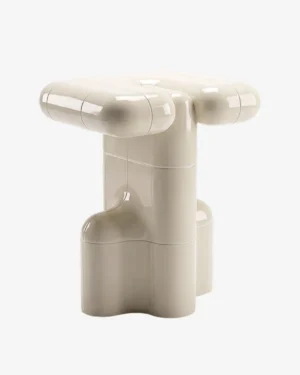 In stock
U-001 Cream Side Table in 3D-Printed PLA
By Rollo Studio
€1.620 -
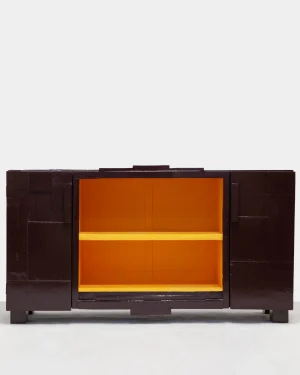 In stock
Practice Semi-open Credenza
By Studio Fabius Clovis
€8.900 -
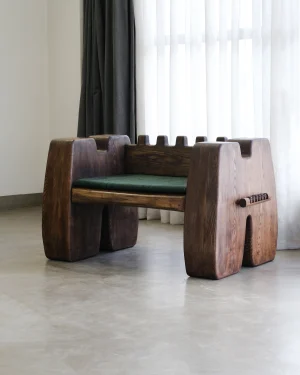
Takhat Armchair
By Shivangi Vasudeva
€5.000 -
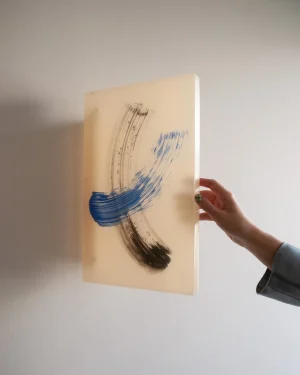
Future Heirlooms Cabinet
By Studio Ebba Lindgren
€1.200 This product has multiple variants. The options may be chosen on the product page -

Dendê Dining Table
By Assimply Studio
€5.200 -
 In stock
F20 – Armchair
By FabBRICK
€3.965 - €5.044 This product has multiple variants. The options may be chosen on the product page -
 In stock
Boni Dining Chair
By Heaps & Woods
€2.750 - €2.937 This product has multiple variants. The options may be chosen on the product page -
 In stock
Kafka Sofa
By Arbore x Cezar Moldovan
€16.200 -
 In stock
Bruna Low Stool
By Heaps & Woods
€1.344 -
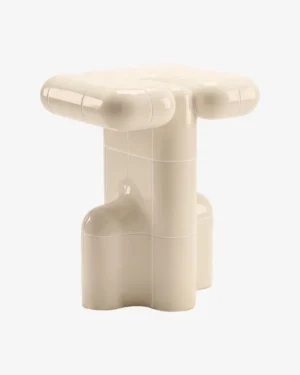
U-001 Ivory Side Table in 3D-Printed PLA
By Rollo Studio
€1.620 -

Sitting Bull – Stainless Steel Accent Chair
By ORFEO STUDIO
€5.800 - €6.200 This product has multiple variants. The options may be chosen on the product page -
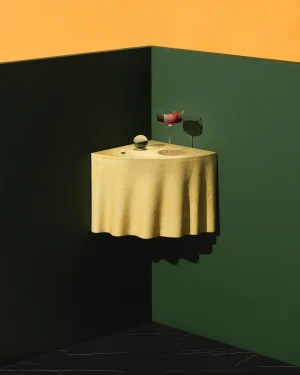 In stock
DUK x Reishi Edition Wall-Mounted Corner Table
By Studio TOOJ
€2.900 -

Knot Bench
By Studio Yann Gandon
€3.147 -
 In stock
Luna Chair
By Arbore x Cezar Moldovan
€1.988 -
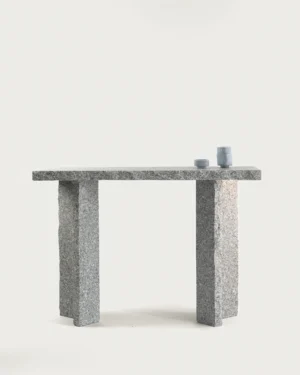 In stock
Filar Stone Console | Re-enchantment
By małe dobra
€2.000 -

Mastro – Pinho De Riga Coat Stand
By Estúdio Simbiose
€1.350 -

Onmyōdō Wenge Slatted Wood Bench
By Brett Paulin
€2.703 -
 In stock
Nala Stool
By Heaps & Woods
€1.343 -
 In stock
Kafka Lounge Chair
By Arbore x Cezar Moldovan
€6.780 -
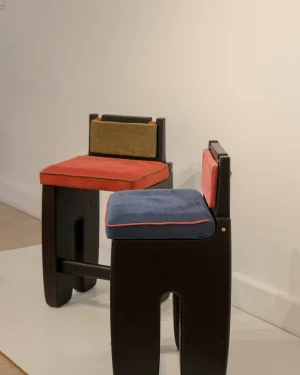
Takhat Counter Stool
By Shivangi Vasudeva
€1.750 This product has multiple variants. The options may be chosen on the product page -
 In stock
Miki Dining Chair
By Heaps & Woods
€1.531 - €1.625 This product has multiple variants. The options may be chosen on the product page
Sustainable furniture on ADORNO gathers pieces made from recycled material, reclaimed wood, stone, cardboard, paper pulp and cast concrete, built by independent studios who choose process and source over speed. Some work is hand-built or stone-carved, some relies on mould making or biofabrication, and some comes from cabinetmakers shaping plywood or solid timber with standard joinery. What unites the range is intent: material chosen for its origin and its ability to age well, not for how cheaply it can be replaced.
What makes furniture sustainable
A piece earns the word through its material and its making, not through a label. Recycled aluminum, reclaimed oak or pine, paper pulp pressed into shape, and concrete cast in reusable molds all reduce what gets pulled from the ground to make something new. Lacquer finishes, where used, tend to be low-VOC or water-based, and studios working this way often favor open editions or small limited runs over mass production, so tooling and material waste stay low.
Materials, finishes and techniques found here
The range runs from raw to refined. Concrete casting gives stools and side tables a cool, matte surface that reads heavy and stays put. Hand-building and stone carving produce surfaces with visible tool marks and slight asymmetry, proof of a hand rather than a mold. Plywood and solid wood pieces, shaped through cabinetmaking or metalwork joinery, show grain and seams that mass-produced furniture hides.
- Structural materials: recycled metal, wood, stone, concrete, cardboard, paper pulp
- Finishes and colors: black, gray, white, beige, dusty pink, light green, yellow
- Editions: open editions, limited editions, unique pieces
Color on sustainable pieces tends toward the muted end, grays, beiges and soft greens drawn from the raw material rather than applied over it, though lacquered pieces in black or yellow do turn up where a studio wants a harder, reflective surface.
How to choose a piece
Start with scale before finish. A concrete coffee table or a stone stool carries real weight, so measure the floor space and the door it needs to pass through before it arrives. Seat and table heights follow the usual conventions, roughly 45 centimeters for a chair, 72 to 75 for a dining or work table, so a sustainable piece will sit comfortably alongside furniture already in the room.
Finish matters as much as form. A raw concrete or carved stone surface reads differently under daylight than under lamplight, so consider where the piece will stand before settling on a tone. For a wood piece specifically, grain direction and the warmth of the finish are worth seeing in person or in detailed photographs, and the range of wooden furniture on ADORNO shows how differently oak, walnut and reclaimed timber take a finish.
Where these pieces sit in a room
Stone and concrete pieces anchor a living room as a coffee table or a low bench, holding their ground visually even in a sparse layout. Lighter cardboard, paper pulp or plywood pieces suit a reading corner or a bedroom, where less structural weight is needed and the material's lightness becomes part of the appeal. For a dining or work surface, the sustainable tables made from these same materials follow the same logic of visible material and honest joinery, and pair well with seating from the broader living room furniture range.
Care and longevity
Wood wants a stable room, away from direct heat and extremes of humidity, and an occasional wipe with a dry or barely damp cloth. Concrete can stain if liquid sits on an unsealed surface, so a coaster or sealant extends its life. Stone resists daily wear well but etches under acidic spills, so quick cleanup matters more than heavy scrubbing. Treated this way, these pieces are built to outlast trends, which is close to the point of choosing them in the first place. For the full range of material and technique across the site, the furniture category and the dedicated sustainable design style page both track what is currently available.
How do I choose a sustainable furniture piece?
Start with the material: recycled content, wood, stone or cardboard each carry different weight and finish. Match it to how the room is used and how much upkeep you want to give it.
What materials are used in sustainable furniture and how do I care for them?
Recycled materials, wood, stone, cardboard, paper pulp and concrete are common, each needing different care. Wood wants occasional oiling, stone resists heat but stains, cardboard and paper pulp stay dry, concrete needs a sealant check over time.
What size or height should I look for?
Standard heights apply: seating around 17 to 19 inches, dining tables near 29 to 30 inches, console tables lower. Exact dimensions vary by piece, so chat with the maker on the piece's page to confirm.
Which rooms suit sustainable furniture?
Living rooms and dining rooms take well to larger wood, stone or concrete pieces, while cardboard and paper pulp pieces suit lighter-use spaces like bedrooms or studies. Material choice should follow the room's daily wear.
Is sustainable furniture on ADORNO handmade or made to order?
Many pieces come from hand-building, stone carving or biofabrication, and some are made to order. Chat with the maker on the piece's page to confirm technique and lead time.
How does shipping, returns and authenticity work on ADORNO?
Shipping is insured and worldwide, with a 14-day return policy excluding made-to-order pieces. Every piece includes a certificate of authenticity, backed by a lowest-price guarantee.