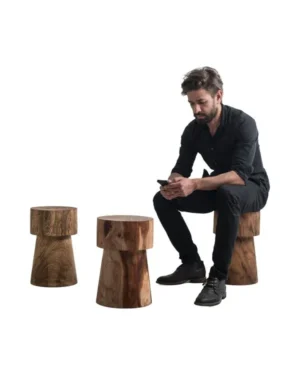
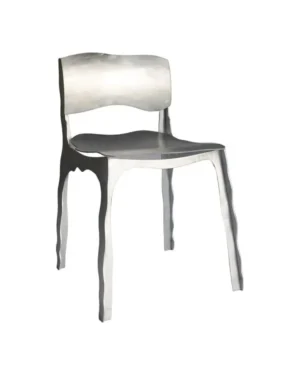
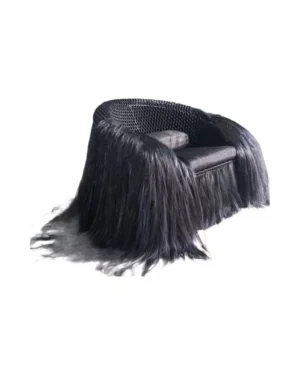
-

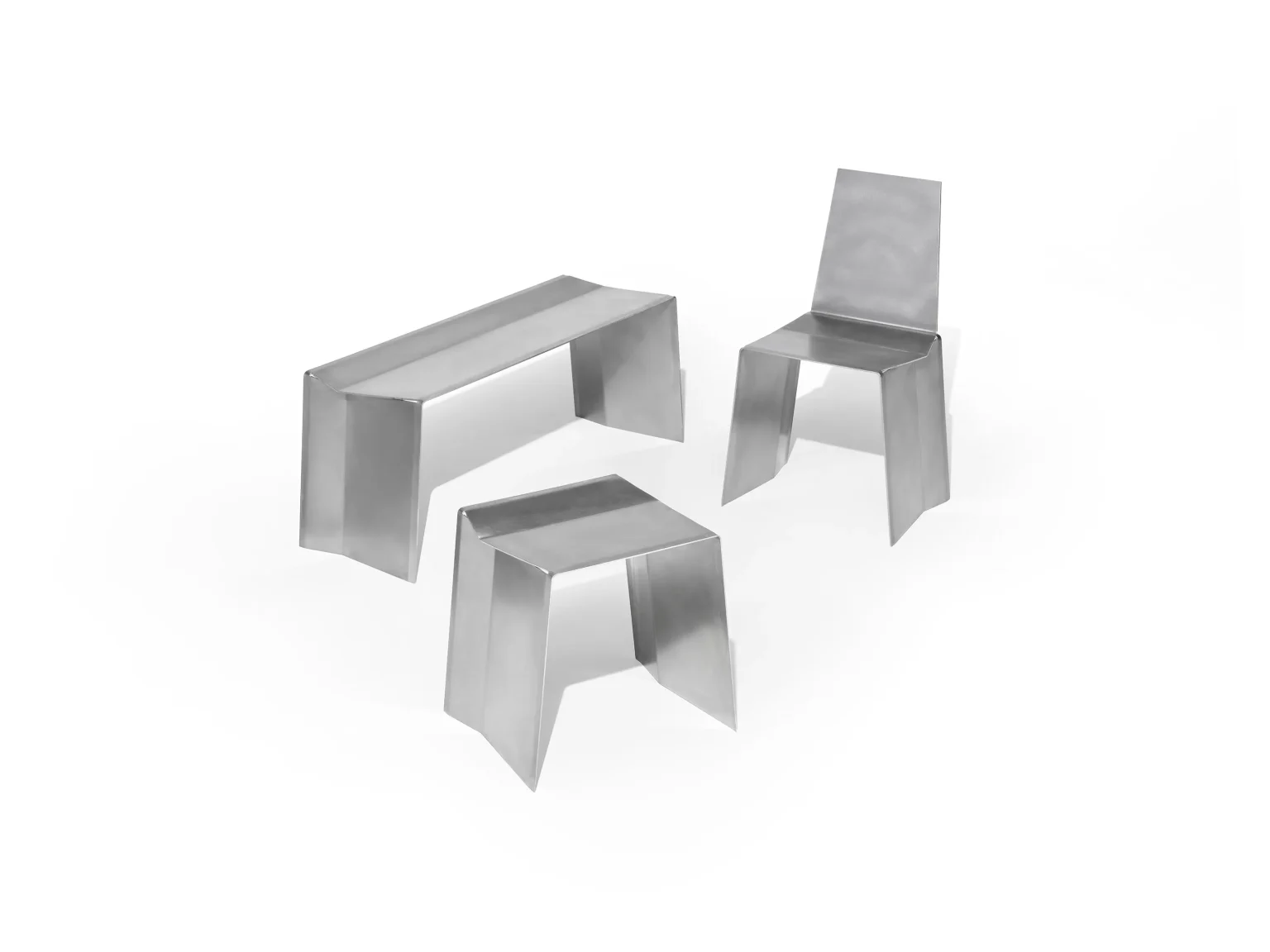
Camber – Stainless Steel Bench
By Paul Coenen
€818 -

Camber – stainless Steel Stool
By Paul Coenen
€539 -

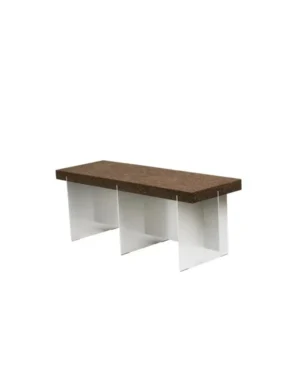
Pressure Bench
By TIM TEVEN
€740 -

Elements Set (fire, Earth, Water And Air)
By Daniel Couttolenc
€6.150 -
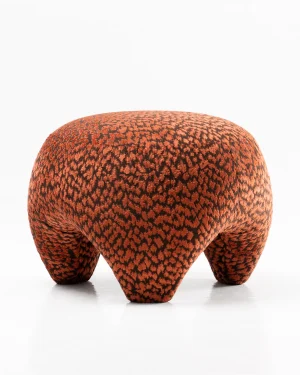 In stock
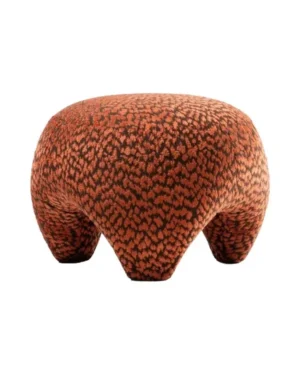
Django Sculptural Ottoman In Sienna Earth Textured Velvet
By Odditi
€990 -

“Potro” Stool
By piedrafuego
€270 -
 In stock
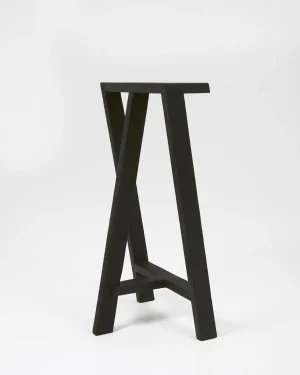
Pausa – Minimalistic Wooden Bar Stool
By Pierre-Emmanuel Vandeputte
€179 - €319 -
 In stock
Camber – Stainless Steel Chair
By Paul Coenen
€1.121 -

Bombs Pouf
By hermhaus
€1.060 - €1.140 -
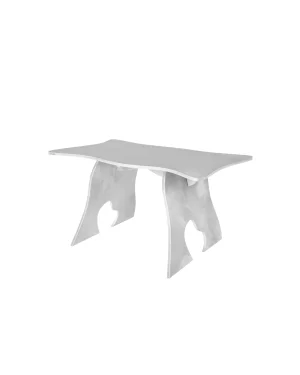
Aluminum Step Stool
By Six Dots Design
€205 -
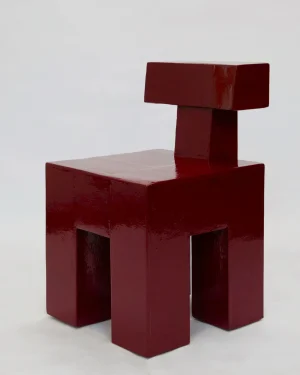
The Practice Chair
By Studio Fabius Clovis
€2.200 -

Cork X | Bench 01 – Cork / Metal Bench
By Robert Megel
€1.499 -
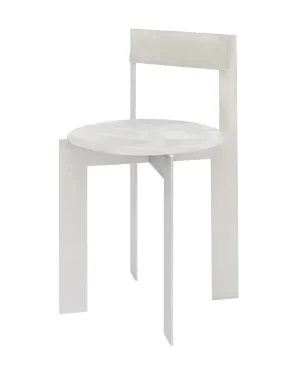
Object111 – Aluminum Chair
By NG DESIGN
€333 -
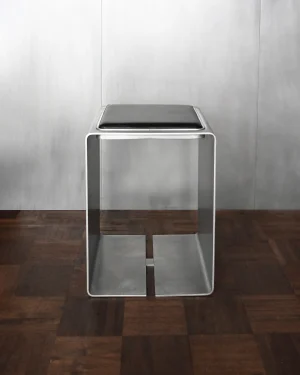
S001-10.2 Aluminum Stool
By NAVE
€500 -

Lumbarchair Accent Chair
By FlatFlat
€429 -
 In stock
Loungechair
By FlatFlat
€515 -

Tube Bench
By Deon Rubi
€4.000 -
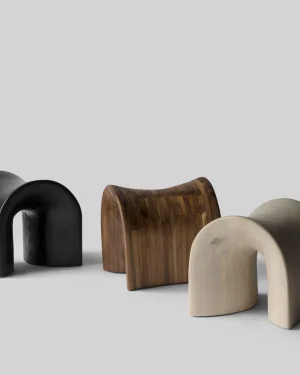
Toro – Modern Minimalist Wooden Stool
By Daniel Couttolenc
€2.850 -
 In stock
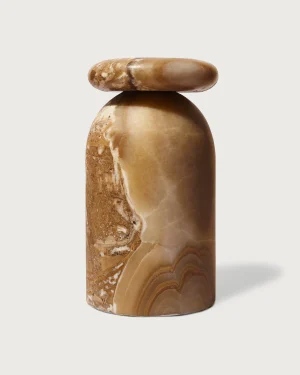
Cult Stool – Sculptural Side Table In Honey Onyx Marble Conglomerate
By Panorammma Atelier
€2.300 -
 In stock
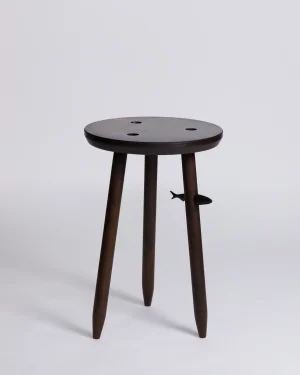
Cardume Low Stool
By Andreas Anwander
€500 -
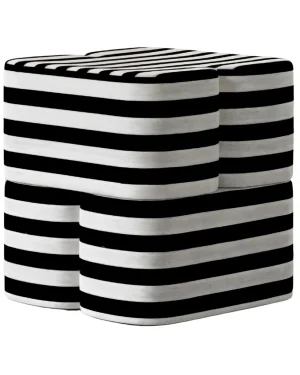
Ori Pouf
By hermhaus
€726 -
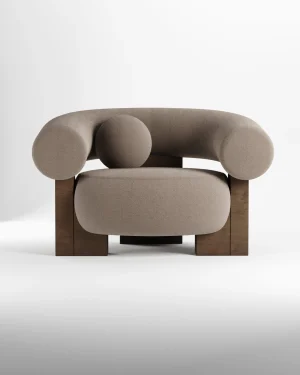
Cassette – Upholstered Lounge Chair
By Alter Ego Studio
€5.860 -
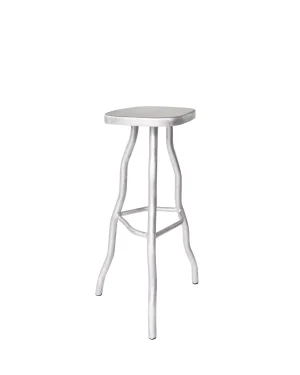
Aluminum Squiggle Bar Stool
By Six Dots Design
€595 -
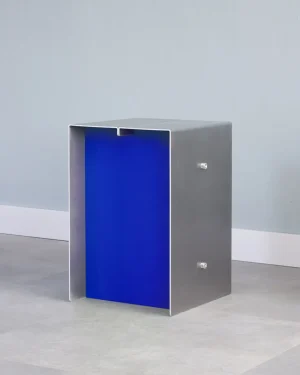
Core Aluminum Side Table / Stool
By Lisanne Meester
€399 -
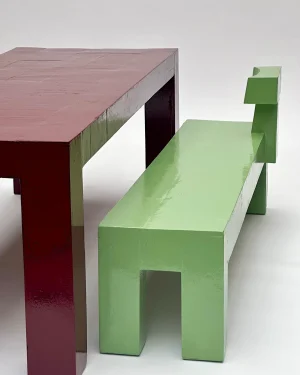
Practice Bench – Upcycled Wood
By Studio Fabius Clovis
€3.300 -
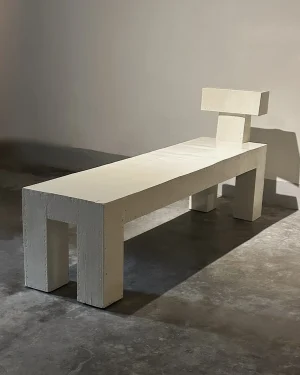
Practice Chaise Lounge
By Studio Fabius Clovis
€2.728 -
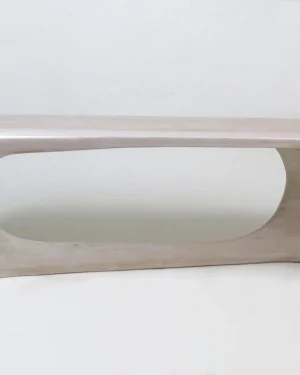
N2v – Cherry Wood Bench
By Aaron Scott
€5.400 -

Twisted – Velvet Armchair
By Deya
€4.302 -
 In stock
Knot Low Stool / Side Table In Solid Ash Wood
By Luis Gimeno Design
€800 -
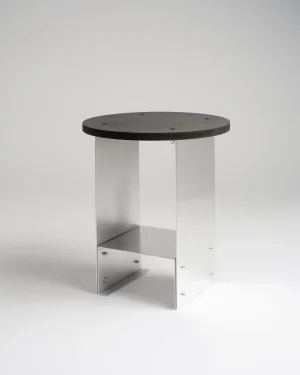
Broken Wing Stool
By Obscure Objects
€290 -
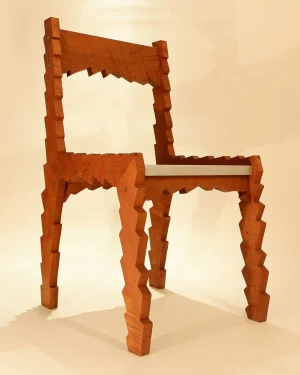
Shocking Chair – Stained Oak Wood Dining Chair
By Josh Page Studio
€940 -
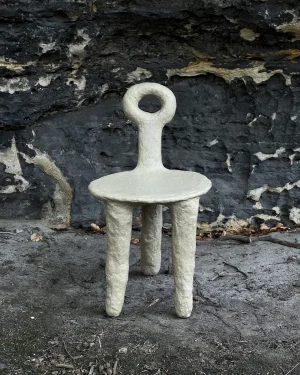
Sandstone Chair
By David Čáp
€1.000 -

Ondo Stool
By Deya
€1.055 -

A_forma Chair
By AROUND
€900 -
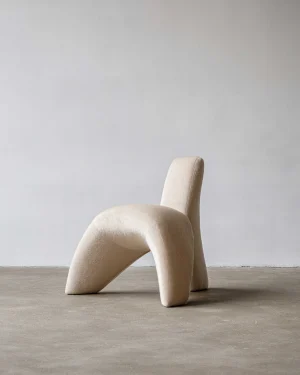
Sokil Armchair
By ZEMNA
€1.780 -
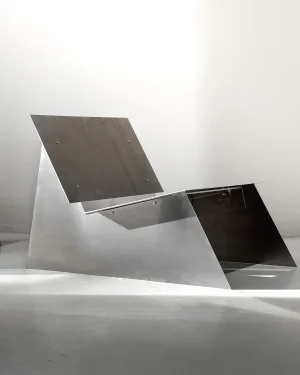 In stock
Aluminium Lounge Chair
By case studios
€1.690 -

Bd15 Stool
By EQUILIBRI-FURNITURE
€300 -

Alice – Cloud Sofa
By Joana Teixeira
€6.850 -
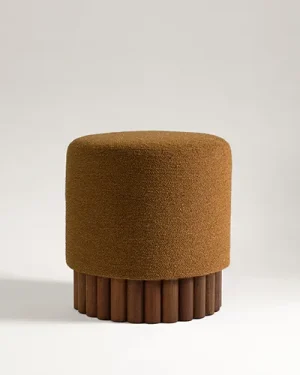
Loto Pouf In Boucle
By Peca Mobiliario
€1.553 - €1.627 -
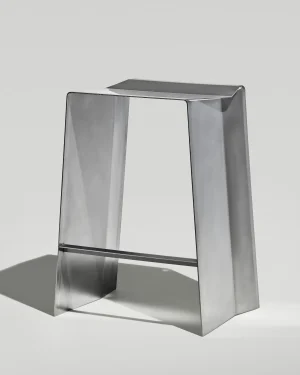
Camber – Bar Stool
By Paul Coenen
€685 -

Vaga Chair
By Rosana Sousa
€2.820 -
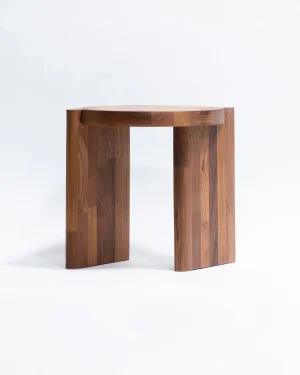
Shift Stool – Walnut
By Studio Yann Gandon
€690 -

Bold Shkam Chair – Yellow
By SHAPE & SHADE
€333 -
 In stock
Bruna Low Stool
By Heaps & Woods
€1.344 -

010 – Lounge Chair
By OFAA
€3.000 -
 In stock
Núcleo Massiva — Ebony Wood And Resin Chair
By DONÓ Design
€2.271 -

Arco Massiva — Ebony Wood, Cast Aluminum And Velvet Chair
By DONÓ Design
€2.729 -
 In stock
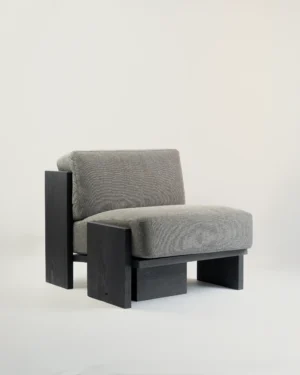
Brut Lounge Chair | Re-enchantment
By małe dobra
€1.500 -
 In stock
Tronco Bench – Stainless Steel Bench
By Nitush and Aroosh
€5.000 -
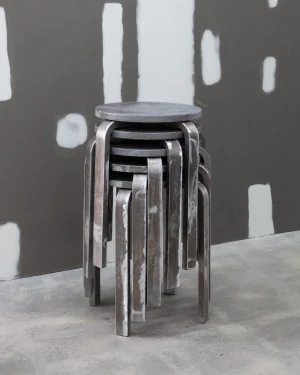
Stackable Stool 2 – Ikea-inspired Aluminum Stool
By PRACTICE
€644 -
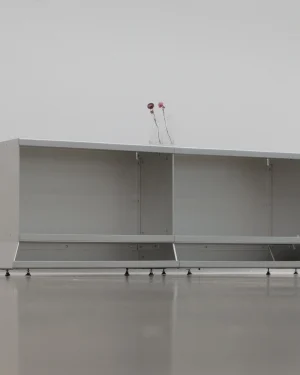 In stock
Aluminum Bench With Storage
By andykim.global
€2.217 -
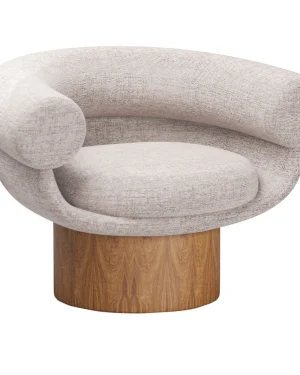
Bowl Armchair
By Alter Ego Studio
€5.500 - €5.550 -
 In stock
Shift Stool – Ash – Light Pink
By Studio Yann Gandon
€550 -
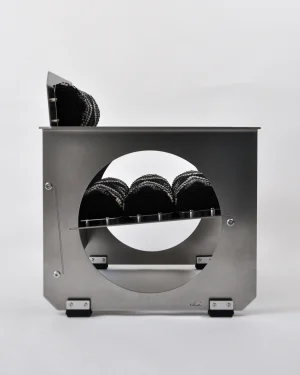
D400 Armchair – Black Mamba – Matte Stainless Steel
By MLK Furniture
€7.590
Minimalist seating strips a chair or stool down to what holds weight and what holds a body: a frame, a seat, a joint. The studios working in this register favor aluminum, powder lacquered metal, stainless steel and solid wood, often Maple or Parota, over applied ornament, letting a single bent tube or a planed edge carry the whole design. Pieces arrive through metalwork, wood and cabinetmaking, upholstery and powder coating, each technique chosen to keep the line clean rather than to hide it.
What defines minimalist seating
A minimalist chair reads as one gesture rather than a set of parts. Legs taper instead of flare, joints sit flush, and any upholstery is pulled tight over a frame rather than padded into soft shapes. Color stays close to the material itself: black, silver, off-white, beige and ochre recur because they let the form, not the finish, hold attention.
Where ornament would normally sit, these studios leave the material to speak. A weld is ground smooth, a seam is stitched flat, a wood joint is cut to disappear. The result carries weight without announcing how.
Materials, finishes and editions on ADORNO
The range runs from cold-rolled metal and aluminum, bent or welded into low stools and dining chairs, to solid wood pieces built through traditional wood and cabinetmaking and finished to show the grain rather than mask it. Textile appears mainly as upholstery, woven or stitched over a bare frame, usually in a single tone. Powder lacquered metal brings matte, scratch-resistant color to otherwise plain forms.
- Open editions, produced in small ongoing runs by independent studios
- Limited editions, numbered or bound to a short production window
- Unique pieces, made once and not repeated
For a wider look at wood-based frames and seats, wooden seating gathers studios working mainly in solid timber, while metal seating covers aluminum, steel and lacquered frames in more depth.
How to choose a minimalist chair or stool
Scale matters more here than in heavily upholstered seating, since there is no padding to soften proportions. Measure the space a chair will occupy when pulled out, not just where it sits pushed in, and check seat height against the table, desk or counter it will meet. Standard dining seat heights sit around 18 inches, with lounge chairs lower and bar stools higher.
Finish is the second decision. A raw or lightly waxed wood will darken and show marks over years; a powder-coated or lacquered metal frame resists scuffing and stays closer to its original tone. Decide whether you want a seat that visibly ages or one that holds its finish, and choose material accordingly.
Placement follows the same logic as the form itself: one or two pieces, given room to stand apart from other furniture, read as intended. Crowding minimalist seating against heavier, more decorated pieces tends to cancel the effect.
Rooms suited to minimalist seating
Dining areas and home offices benefit most directly, since a plain frame does not compete with a table or desk already carrying visual weight. In a living room, a single lounge chair or a pair of stools can anchor a seating group without crowding it; see living room seating for pieces sized for that use. Entryways and reading corners suit a lighter stool or side chair, chosen for the line it draws against a wall rather than for storage or bulk.
Caring for metal, wood and textile frames
Metal and lacquered finishes need only a damp cloth and, for bare steel or aluminum, an occasional wipe with a dry cloth to prevent fingermarks from settling. Solid wood seating should stay away from direct heat and standing water, which can split or stain the grain; an occasional application of wood oil keeps the surface even. Upholstered seats benefit from regular vacuuming and prompt blotting of spills before they set into the weave.
For a broader view across materials and finishes in this style, every minimalist piece on ADORNO sits alongside lighting and tables that follow the same restrained approach, and the full range of chairs, stools and benches is kept under seating.
How do I choose a minimalist chair?
Look for a single clear material, aluminum, wood or lacquered metal, and a form reduced to its frame and support. The fewer the joints and finishes, the easier it sits in most rooms.
What materials are minimalist chairs usually made from?
Aluminum, stainless steel, powder lacquered metal and woods like maple or parota are common, often left in one tone. Metal needs only a wipe down, wood benefits from occasional oiling to resist drying out.
What size or height should a minimalist chair be?
Standard seat height runs sixteen to eighteen inches, close to table height for dining use. For exact measurements on a specific piece, use Chat with the maker on its page.
Which rooms suit minimalist seating best?
Dining areas, living rooms and entryways all take well to a pared-back chair, since its plain lines leave space for other objects to stand out. It also works alone, as a quiet accent piece.
Do you ship minimalist seating worldwide, and what if I need to return it?
Shipping is insured and sent worldwide. Returns are accepted within 14 days, except for made-to-order pieces, which are excluded.
Can I be sure a piece is authentic, and will I get the best price?
Every piece ships with a certificate of authenticity, and ADORNO offers a lowest-price guarantee across its catalog.