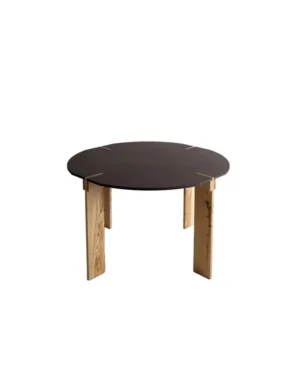
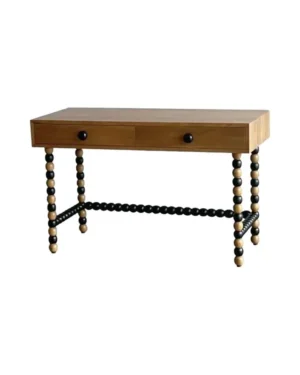
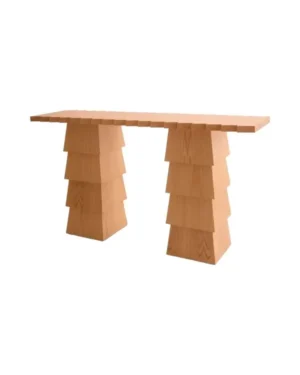
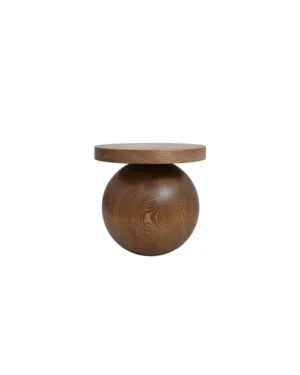
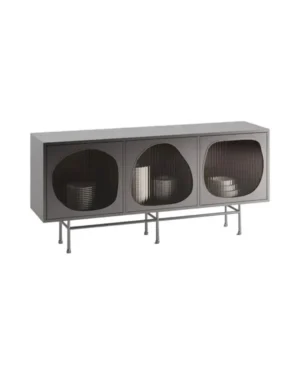
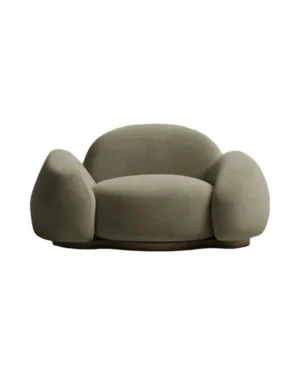
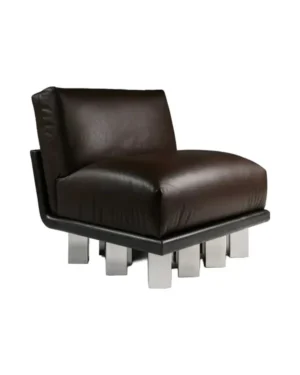
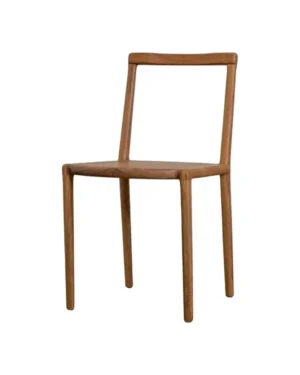
-
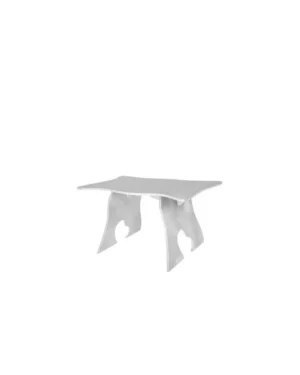
An Su Side Table in Steel and Ash Wood
By SALAK Studio
€690 -
 In stock
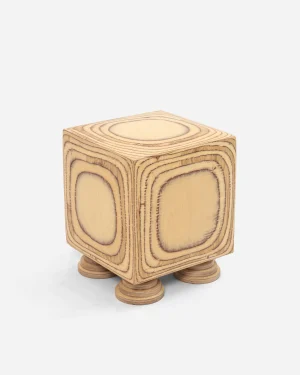
Boxy Stool No. 1
By Molor Tumen-Ulzii
€1.500 -

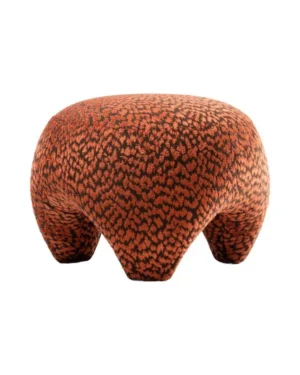
Bombs Pouf
By hermhaus
€1.060 - €1.140 -
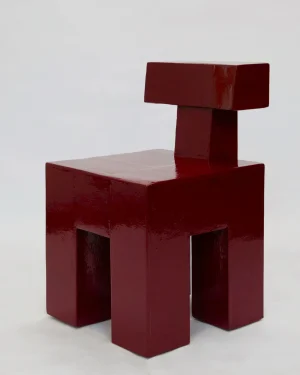
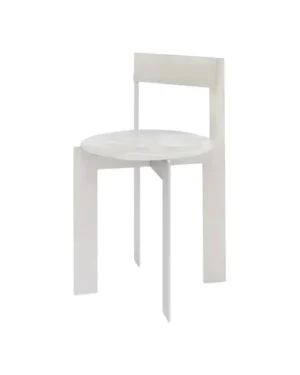
The Practice Chair
By Studio Fabius Clovis
€2.200 -
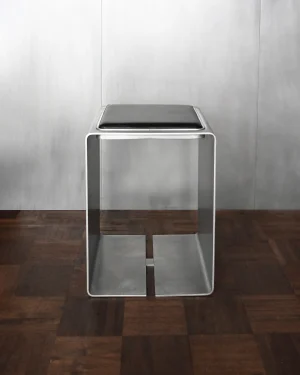
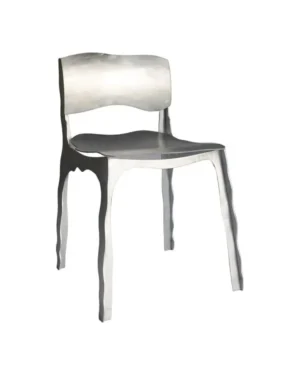
S001-10.2 Aluminum Stool
By NAVE
€500 -
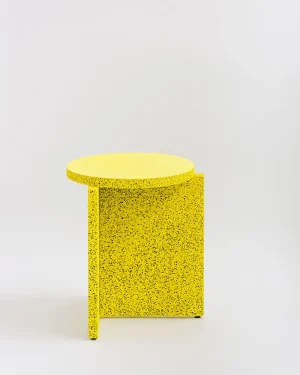
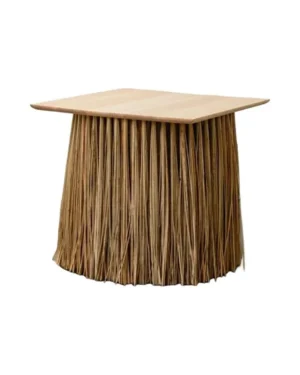
Sponge Side Table in Foamed Aluminum
By Calen Knauf Studio
€898 -

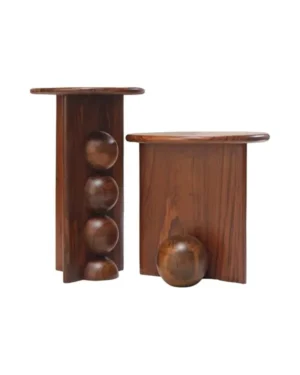
Aster Side Table In Parota Wood
By Daniel Couttolenc
€1.975 -
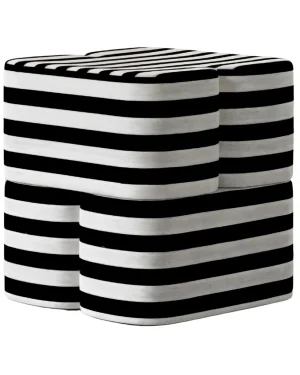
Ori Pouf
By hermhaus
€726 -

Klar Coffee Table in Tempered Glass
By hermhaus
€3.508 -
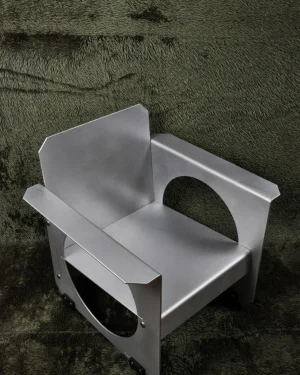
D400 Armchair – Matte Aluminium
By MLK Furniture
€2.290 -
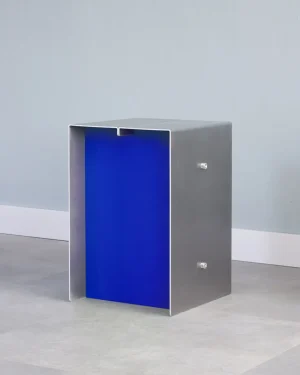
Core Aluminum Side Table / Stool
By Lisanne Meester
€399 -
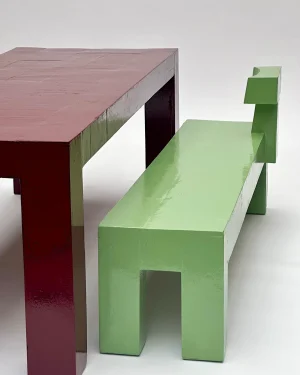
Practice Bench – Upcycled Wood
By Studio Fabius Clovis
€3.300 -
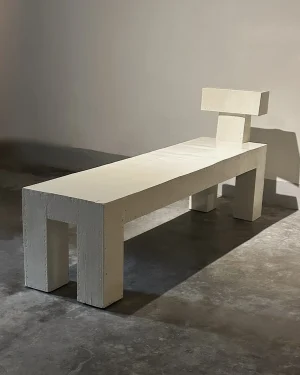
Practice Chaise Lounge
By Studio Fabius Clovis
€2.728 -
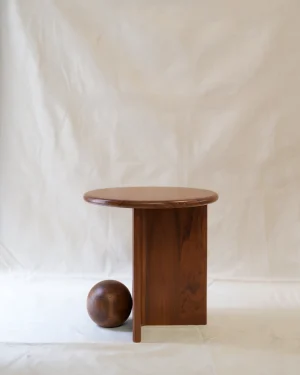
Dory Side Table in Teak Wood
By Studio Indigene
€850 -
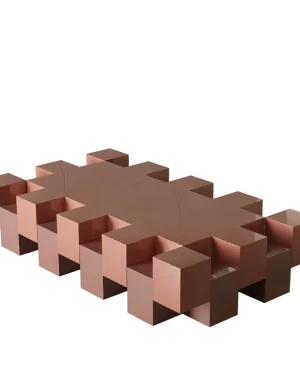
Bite Coffee Table in Lacquered MDF
By hermhaus
€5.943 -

Su Side Table in Steel and Ash Wood
By SALAK Studio
€590 -
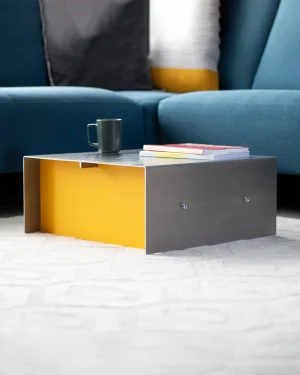
Core Coffee Table in Polished Aluminum and Stainless Steel
By Lisanne Meester
€519 -
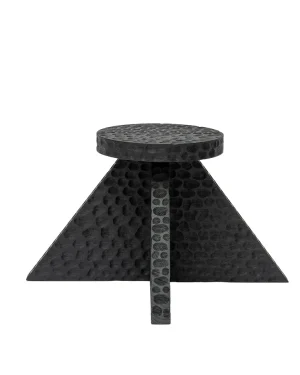
Object112 Side Table in Carved Oak Wood
By NG DESIGN
€588 -
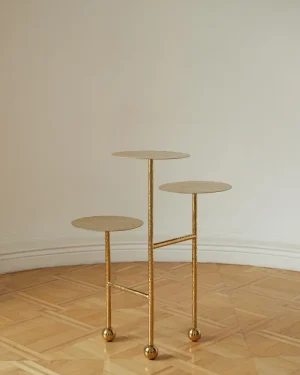 In stock
Liquid Pedestal in Tin-Coated Steel
By FURN OBJECT
€3.600 -
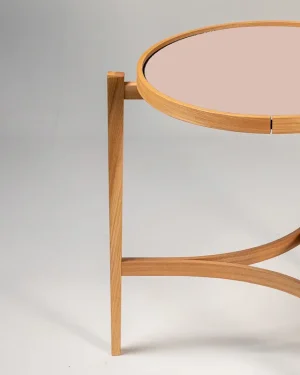
Geodetic Side Table in Oak Wood
By studiolehn
€660 -
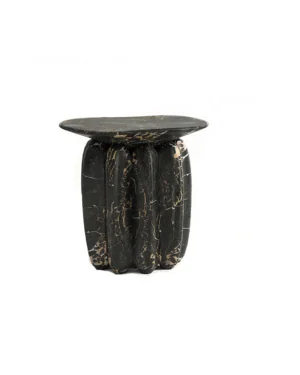
Bolero Side Table in Marble
By Alter Ego Studio
€7.260 - €8.240 -

Bold Shkam Chair – Yellow
By SHAPE & SHADE
€333 -

A_Forma Nightstand in MDF
By AROUND
€400 -

Hook Console Table in Stone-Textured Lacquered MDF
By hermhaus
€3.632 -

Phylum Dining Table in Marble, Travertine and Oak
By CMX | Furniture
€23.707 -
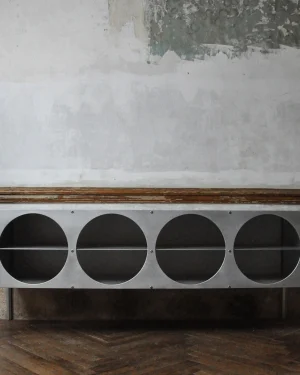
D400 Console Table in Matte Aluminum
By MLK Furniture
€4.700 -
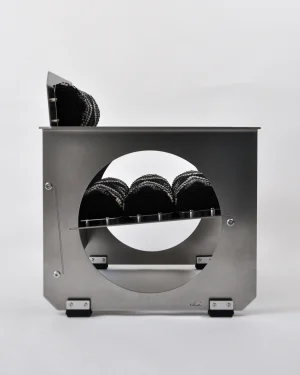
D400 Armchair – Black Mamba – Matte Stainless Steel
By MLK Furniture
€7.590 -
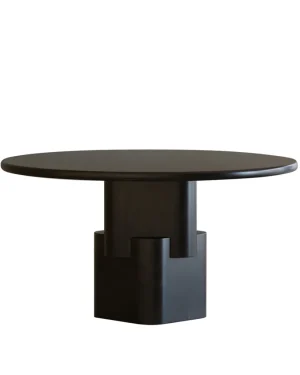
Hook Dining Table in Stone-Textured Lacquered MDF
By hermhaus
€3.632 -
 In stock
Heimatlos Chair
By em ef studio
€1.600 -
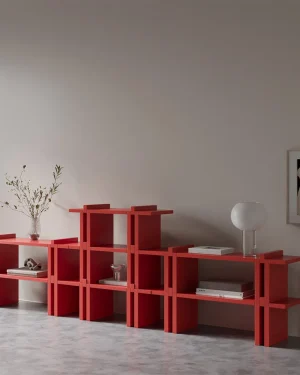
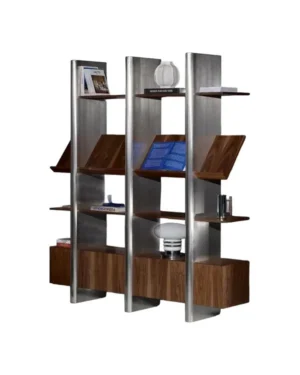
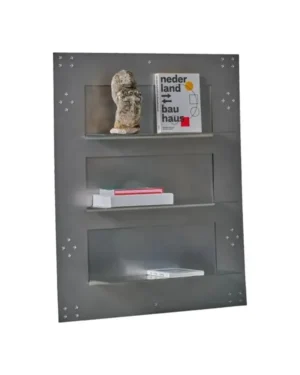
Pin – Modular Shelf System
By hermhaus
€1.114 - €1.776 -

Kut – Accent Chair
By SABAN FURKAN
€3.400 -
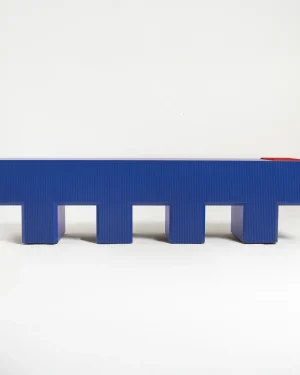
Lego Bench With Storage Slot
By Yet Design Studio
€2.990 -
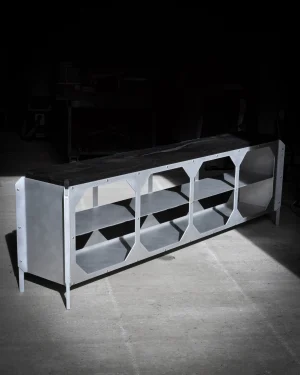
JNK540 Console Table in Aluminum and Ebonized Oak
By MLK Furniture
€7.200 -

Moort Coffee Table in Steel and Pine Wood
By SALAK Studio
€1.990 -
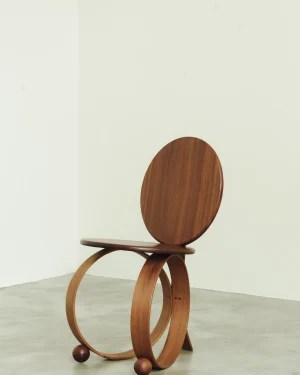
Yara – Bent Wood Chair
By PROSA
€3.200 -
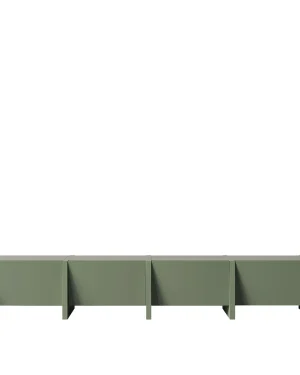
Bevel Low Console
By hermhaus
€3.405 - €4.024 -
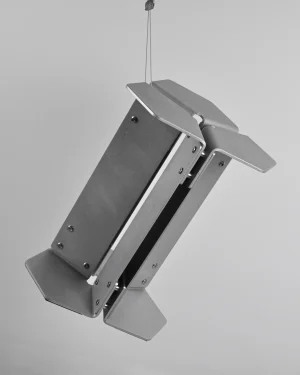
Trilateral 310 Stool – Matte Aluminium
By MLK Furniture
€550 -
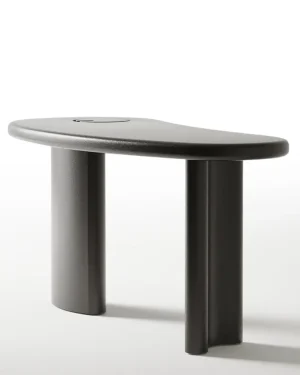
Flow Desk in Lacquered Oak
By hermhaus
€11.235 -
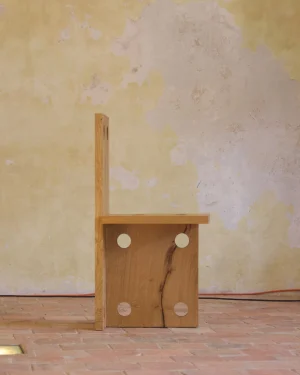 In stock
Sensitive Wood – Domino Chair
By Vital Lainé
€1.000 -
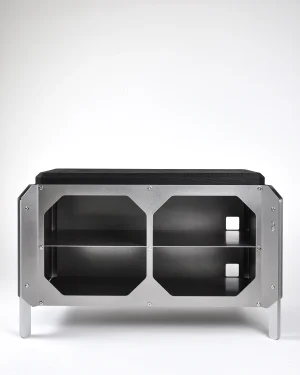
JNK330 Console Table in Stainless Steel and Ebonized Oak
By MLK Furniture
€2.500 -
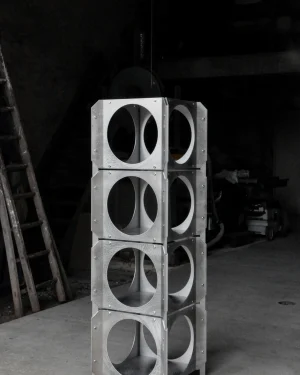 In stock
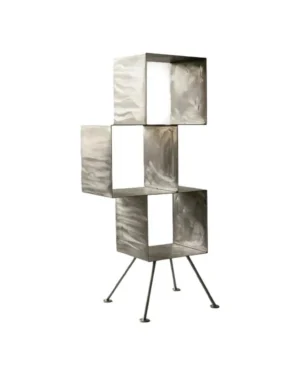
D300 Shelves “zebra Edition” – Matte Aluminum
By MLK Furniture
€3.960 -
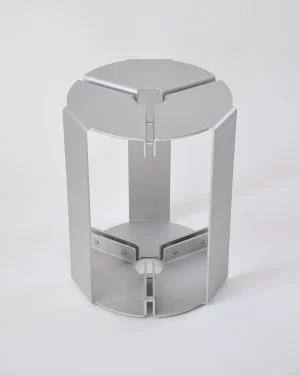 In stock
Rln 350 Stool – Matte Aluminium
By MLK Furniture
€550 -
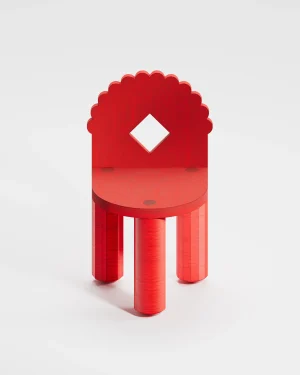
Bold Shkam Chair – Red
By SHAPE & SHADE
€333 -
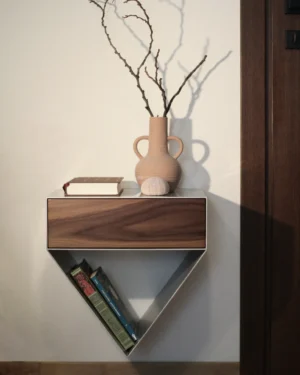
Agave – Nightstand
By Atelier Nienē
€1.300 -
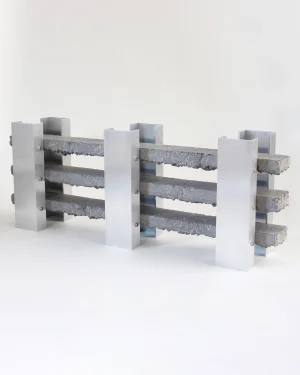
Junction Low Table & Shelves
By Lisanne Meester
€1.399 -
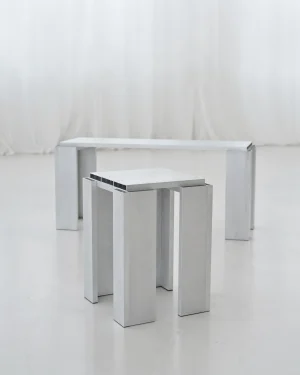
Al01 Aluminum Stool
By NOSTUDIO
€750 -
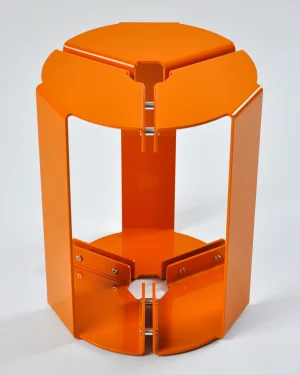 In stock
Rln 350 Stool – Orange Powder Coated
By MLK Furniture
€550 -

Taes Coffee Table in Oak and Walnut
By Mokko
€7.480 - €11.150 -

Rise Coffee Table in Textured Lacquered MDF
By hermhaus
€3.860 -
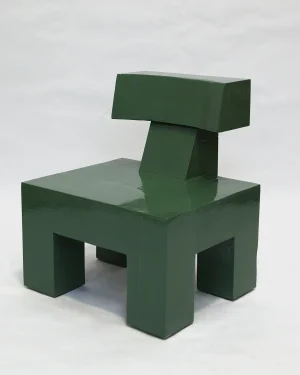 In stock
Practice Lounge Chair
By Studio Fabius Clovis
€2.895 -
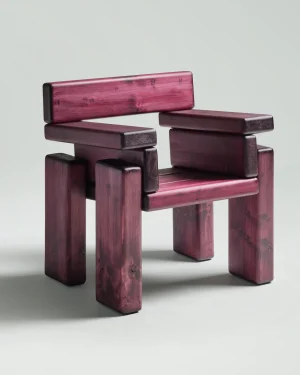
Timber – Pine Armchair
By Studio Onno Adriaanse
€3.224 -
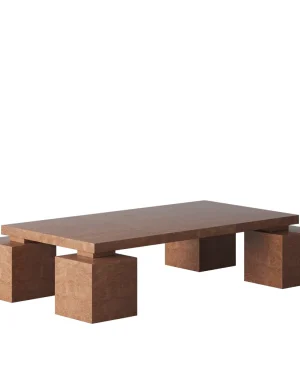
Asos Coffee Table in MDF and Wood Veneer
By hermhaus
€3.157 -
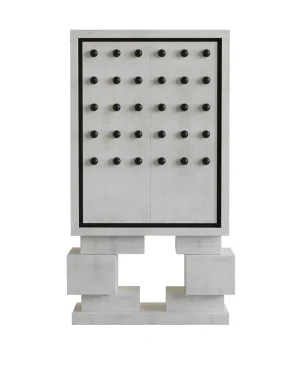
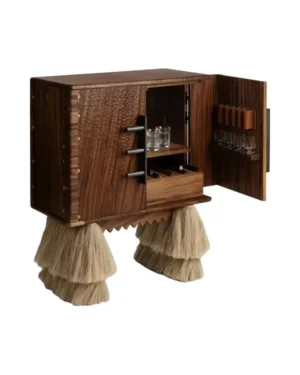
Sculpt – Bar Cabinet
By hermhaus
€4.829 -
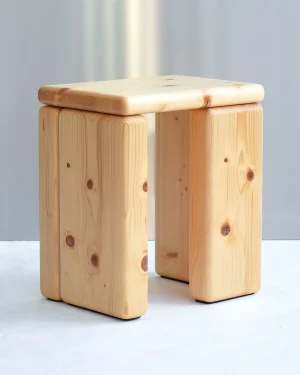 In stock
Timber – Pine Stool
By Studio Onno Adriaanse
€678
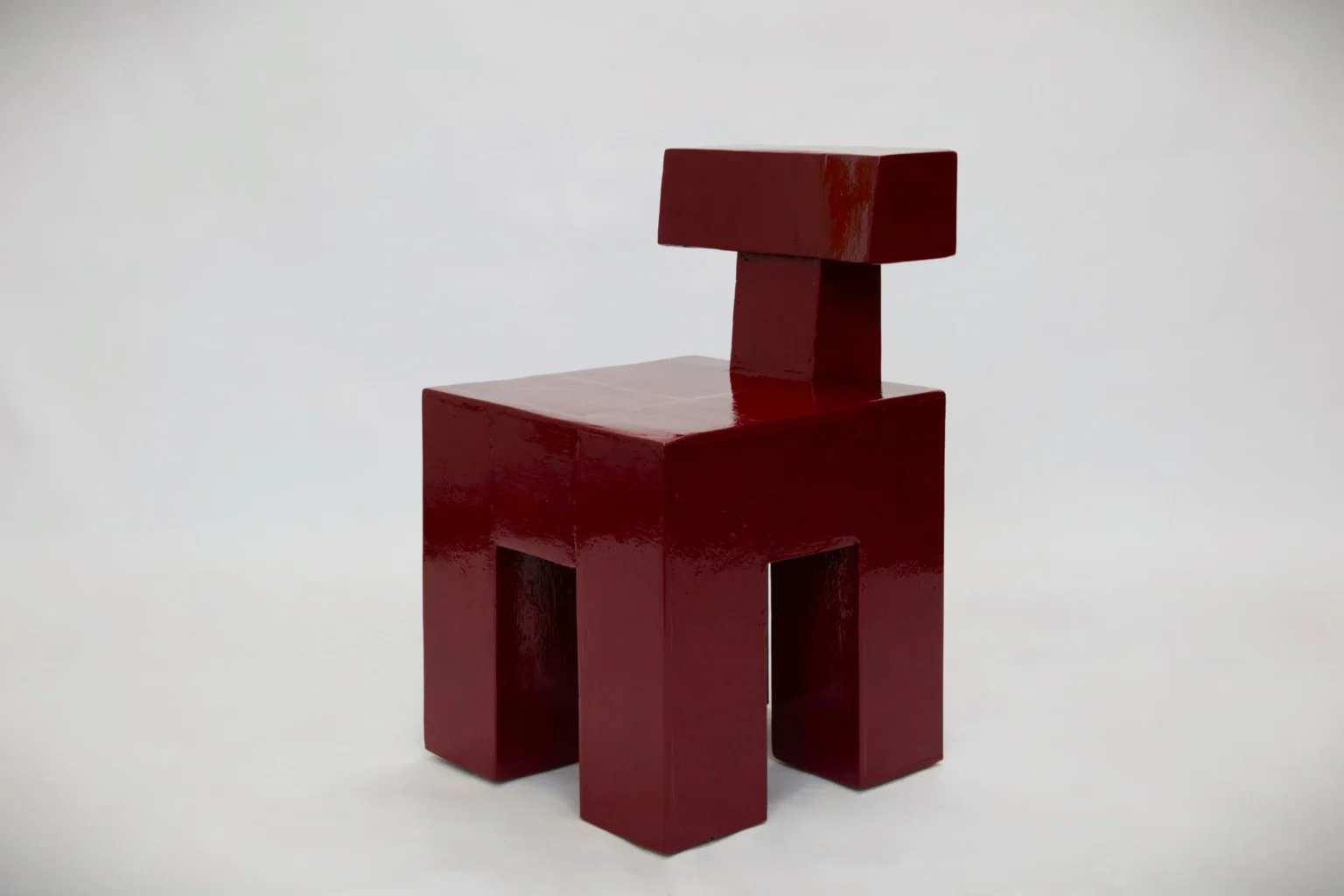
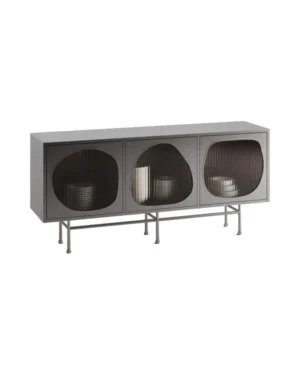
Geometrical furniture is built from shapes that stay legible at a distance: cubes, cylinders, triangles and flat planes, assembled so the joinery or welding reads as part of the design rather than something hidden. Studios working in steel, plywood, oak and lacquered wood favor this language because straight lines and clean angles let the material itself carry the piece, with little applied ornament. The result sits closer to sculpture than to decoration, though every piece still seats, holds or lights something.
What gives geometrical pieces their structure
Hard angles and repeated modules ask more of a material than a curved silhouette does. Welded steel and stainless steel hold a cube or triangular frame without sagging, which is why so much of this furniture leans on metalwork. Plywood and solid oak are cut and jointed through wood and cabinetmaking, layered or stacked so that the grain runs across each plane rather than wrapping a single curved form.
Lacquer and hand-painted finishes often sit on top of these structures, turning a sharp edge into a flat block of black, ochre or dusty pink. Aluminum, left raw or brushed, does the same with cooler, more reflective light. Because the geometry is doing the visual work, finish and color tend to be kept simple: black, white, gray, beige and gold recur more often than pattern.
The range of materials, finishes and editions
Across the furniture category, geometrical pieces come from a fairly consistent set of materials and methods:
- Steel, stainless steel, aluminum and metal generally, shaped through welding and metalwork into frames, shelving and angular seating
- Plywood and oak wood, worked through cabinetmaking, wood carving or woodturning into tables, stools and case pieces
- Lacquer, hand painting and upholstery, used to finish or soften an otherwise hard-edged form
- Styles that range from minimalist and contemporary to mid-century modern, art deco, brutalist and neo-industrial, all built on the same underlying grid of squares, circles and triangles
Editions vary by maker: some studios produce these shapes as open editions, others limit a run or finish a piece once as a unique object. Where that matters to you, check the listing for each piece rather than assuming either way.
How to choose a geometrical piece
Start with scale. A cube-based side table or a triangular shelf reads very differently at knee height than it does at eye level, so measure the space it will occupy before the shape itself. Standard heights still apply underneath the geometry: a side table near a sofa arm, a dining table at a seated working height, a lamp base low enough not to compete with sightlines.
Finish is the second decision. Raw or brushed metal and pale oak sit quietly against most walls, while black lacquer, gold-finished metalwork or a dusty pink lacquer panel behaves more like an accent and asks for a plainer room around it. Placement follows from there: a single geometrical stool or side table can anchor an otherwise plain corner, while a room already full of pattern is better served by one clean metal or wood form rather than several.
Where geometrical furniture works
These pieces suit rooms where a clear outline has space to register: a living room with a bare wall behind a sideboard, a reading corner with one angular armchair, an entryway where a geometric mirror or console is the first thing seen. In a living room already carrying soft upholstery and textiles, a steel or lacquered geometrical table gives the eye somewhere flat to rest; browse living room furniture for pieces built on that scale. Smaller geometrical forms, including geometrical side tables and seating, work well where a single strong shape is wanted rather than a full suite.
Caring for metal, wood and lacquer
Steel and stainless steel pieces generally need only a dry or barely damp cloth; standing water left on a seam can start corrosion over time, so wipe spills promptly. Oak and plywood respond to humidity, expanding and contracting slightly across seasons, and benefit from being kept away from direct heat sources and sudden temperature swings. Lacquered and hand-painted surfaces show scratches more readily than raw wood or brushed metal, so lift rather than drag these pieces across a floor.
For a wider sense of how these shapes appear across materials, metal furniture and wooden furniture show the same geometrical language in different weights, and every geometrical piece on ADORNO spans furniture, lighting and seating built on these same principles.
How do I choose a geometrical furniture piece?
Look at how the shape sits in the room first, cubes and angles read as sculpture, while rounded geometry softens a space. Match the material, steel and aluminum feel precise, wood and lacquer feel warmer.
What materials are geometrical furniture pieces usually made from?
Steel, aluminum and stainless steel hold sharp angles and clean lines well, while oak wood and plywood suit faceted or paneled forms. Lacquer and metal finishes often sharpen the geometry further.
How do I care for geometrical furniture?
Wipe metal and lacquered surfaces with a dry or slightly damp cloth, avoiding abrasives that dull the finish. Wood pieces benefit from stable humidity and occasional oiling to prevent cracking along joints and edges.
What size or height should I expect from geometrical furniture?
Sizes follow standard furniture proportions, tables at typical dining or coffee table height, seating built for average body dimensions. Exact measurements vary by piece, so check the specific listing for details.
Which rooms suit geometrical furniture best?
Living rooms and entryways let angular forms stand as focal points, while studies and dining areas benefit from their structured lines. Geometrical lighting and side tables work well as supporting accents throughout the home.
How does shipping, returns and authenticity work when buying from ADORNO?
Shipping is insured and worldwide, with a 14-day return policy excluding made-to-order pieces. Every piece comes with a certificate of authenticity and ADORNO offers a lowest-price guarantee.