







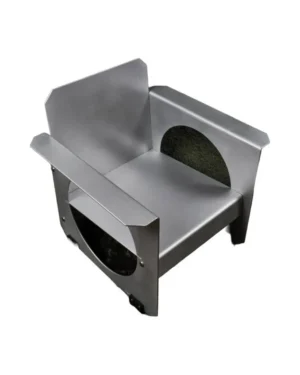


-
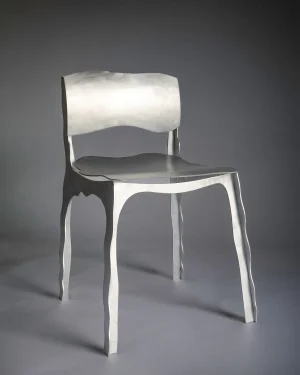
Contemporary Vanity Chair V2
By Six Dots Design
€920 -

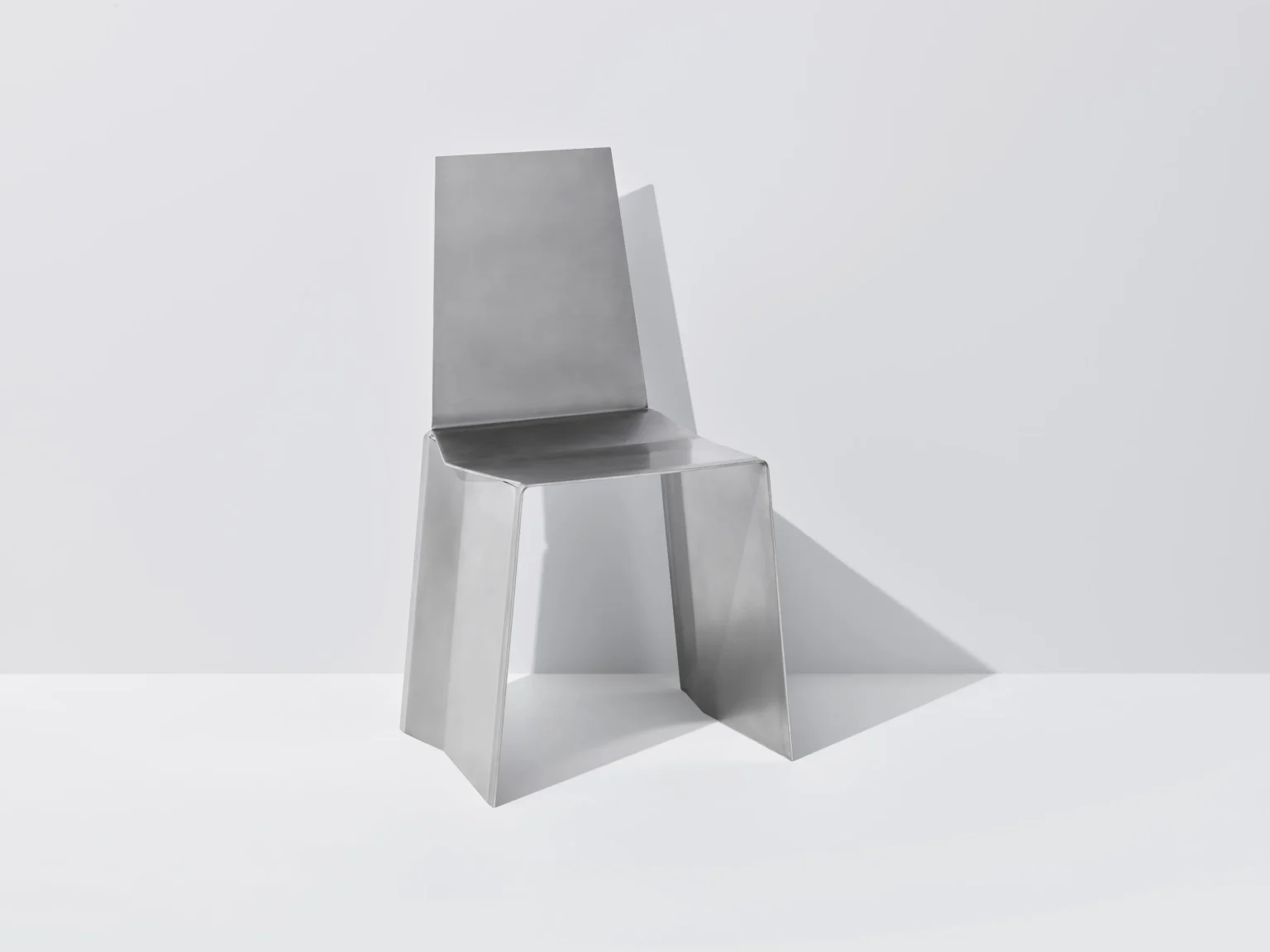
Camber – Stainless Steel Chair
By Paul Coenen
€1.121 -

Lapis – Lounge Foam Chair
By Pablo Octavio
€3.100 This product has multiple variants. The options may be chosen on the product page -

Dessert – Steel Chair
By SALAK Studio
€790 -
 In stock
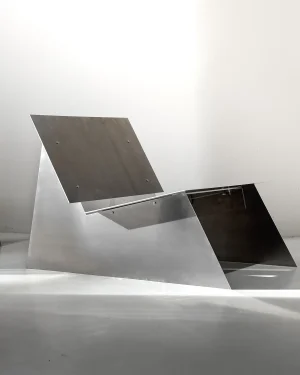
Aluminium Lounge Chair
By case studios
€1.571 -

Lapis – Lounge Chair With Ottoman
By Pablo Octavio
€4.150 This product has multiple variants. The options may be chosen on the product page -
 In stock
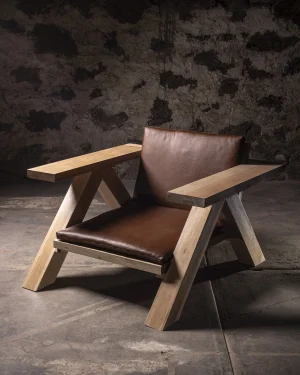
Ttr – Oak Lounge Chair
By NO AGE STUDIO
€2.500 -
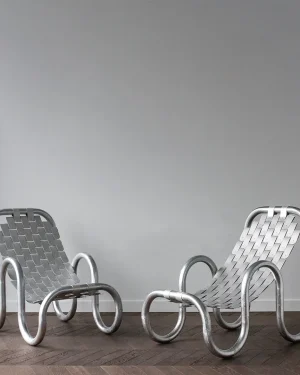
Chainlink – Outdoor Chair
By BY JAMPS
€1.250 -

Invisible Chair No. 1 – Steel Wall Chair
By lee hyokk
€2.070 -
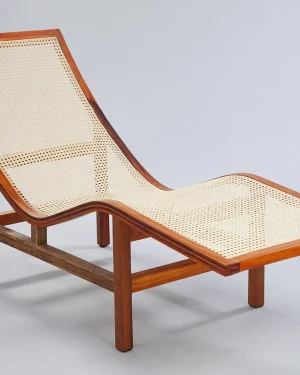
Chaise Sossego
By am.o atelier
€2.956 -
 In stock
Boni Lounge
By Heaps & Woods
€2.750 - €2.938 This product has multiple variants. The options may be chosen on the product page -
 In stock
Danik’s Felt Armchair & Ottoman Set
By Danik Uderbekov
€3.200 -
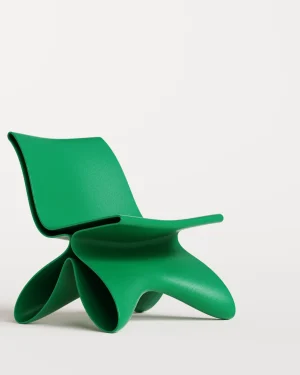
Sprout Lounge Chair
By noknok
€2.075 -
 In stock
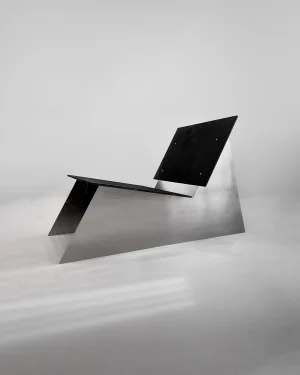
Aluminium Blackwood Lounge Chair
By case studios
€1.571 -
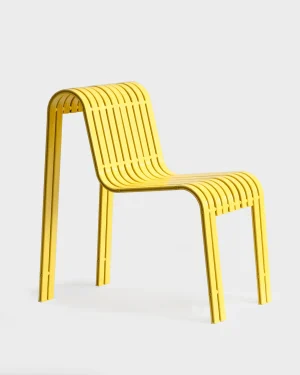
Slide Chair
By Studio Yann Gandon
€1.250 -
 In stock
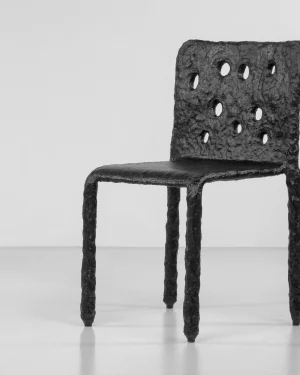
ZTISTA Chair
By FAINA
€1.900 This product has multiple variants. The options may be chosen on the product page -

Lapis – Foam Stool & Bench Set
By Pablo Octavio
€2.950 This product has multiple variants. The options may be chosen on the product page -
 In stock
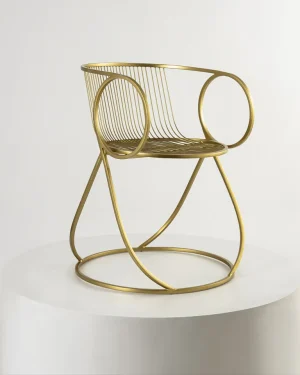
Ohio – Iron Sculptural Chair
By Nama Home
€1.360 - €1.450 This product has multiple variants. The options may be chosen on the product page -
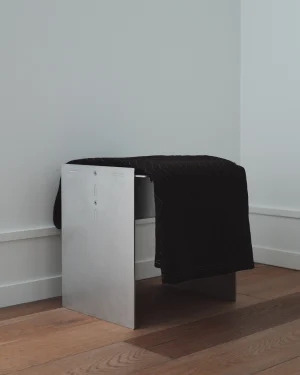
Flat Metals – Seat 01
By Estudio Material
€900 -
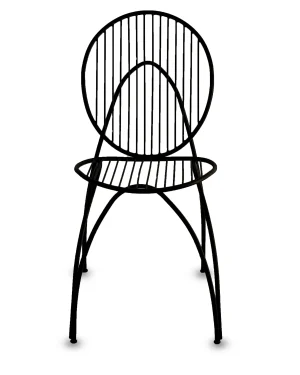
Petalo Dining Chair
By Pablo Sinan Design
€1.700 -
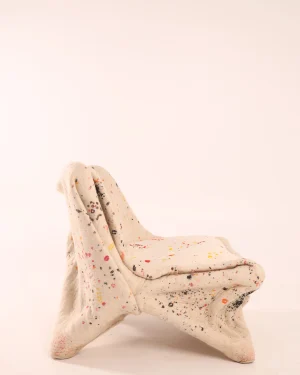 In stock
10 Nodes Felt Armchair – Danik Wool
By Danik Uderbekov
€3.000 -
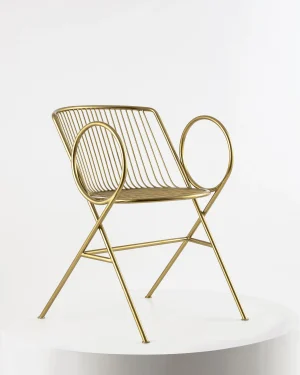 In stock
O2 – Iron Chair
By Nama Home
€1.360 This product has multiple variants. The options may be chosen on the product page -
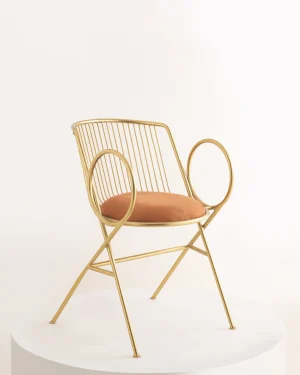 In stock
O2 – Padded Iron Chair
By Nama Home
€1.450 This product has multiple variants. The options may be chosen on the product page -
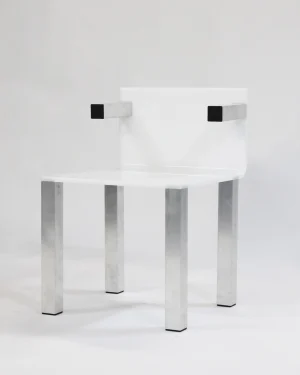
Acrilar – Acrylic Chair With Aluminum Armrest
By Luiz Solano
€1.250 -

Fos Leonor Bamboo Chair
By Daniel Orozco Estudio
€2.306 -
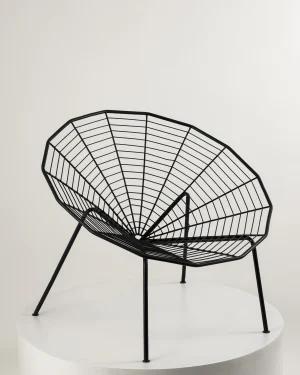
Spidey – Iron Lounge Chair
By Nama Home
€2.725 -
 In stock
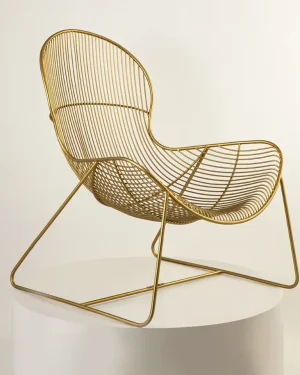
Balena – Iron Lounger
By Nama Home
€2.270 This product has multiple variants. The options may be chosen on the product page -
 In stock
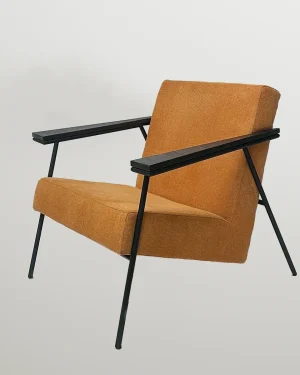
Shody – Mid-century Wooden Armchair With Padded Fabric Upholstery
By SVITANOK
€1.400 This product has multiple variants. The options may be chosen on the product page -
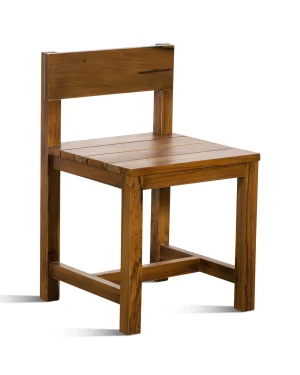
Serrano – Rosewood Dining Chair
By Costantini Design
€1.030 -
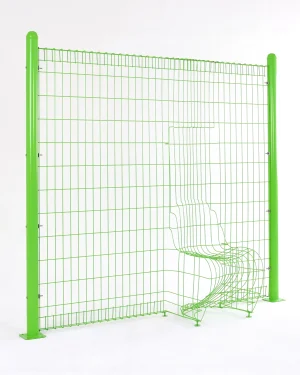
Invisible Panton Chair
By lee hyokk
Price Upon Request -
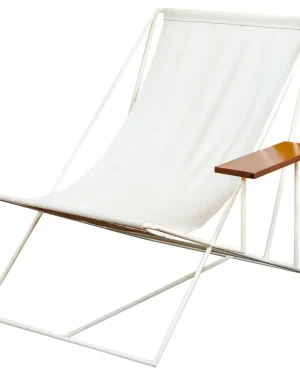
Transat – Lounge Chair
By Fi
€3.500 -
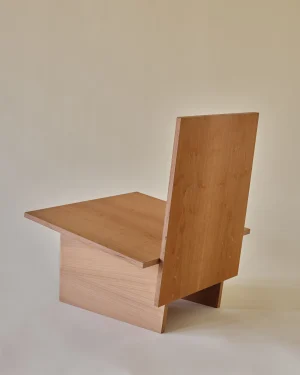 Sold
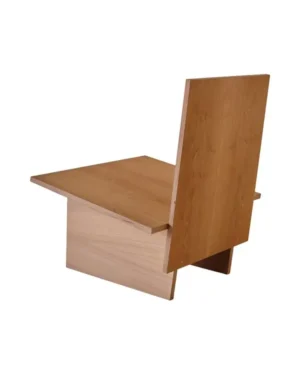
SoldDon – Minimalist Cherry Plywood Lounge Chair
By Mock Studio
€1.200 -
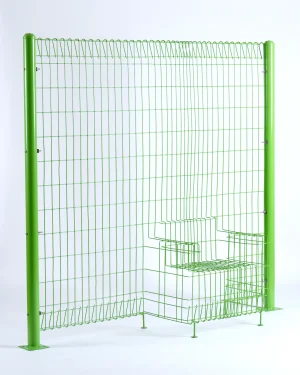
Invisible Chair No. 2 – Steel Wall Armchair
By lee hyokk
€2.470 -

Fos Chair Flor
By Daniel Orozco Estudio
€2.238
Outdoor chairs made for terraces, gardens and covered porches rely on materials that hold up outdoors: powder-coated aluminum, welded steel, stone and treated wood, shaped by studios working in metalwork, carving and cabinetmaking. These pieces favor weight, drainage and resistance to sun and damp over upholstery, though some include weather-rated foam. The result is seating that stays outside through a season or lives there year-round, depending on the finish.
What defines an outdoor chair
An outdoor chair is built to shed water and resist corrosion, not to match an indoor dining set. Aluminum and stainless steel are chosen for their resistance to rust; powder coating adds a layer of color, usually in tones such as black, sand, off-white or apple green, that also protects the metal underneath. Stone chairs, carved or cast, carry their own weight and stay put in wind, while wood pieces depend on species and finish for how they age.
The range on ADORNO
Across outdoor seating on ADORNO, metal dominates: aluminum and steel frames, welded or laser cut, then powder coated in a flat or satin finish. Stone appears in sculptural, carved forms suited to a fixed spot rather than a chair that moves often. Wood, where it is used outdoors, is typically a species chosen for weather resistance and left to gray naturally or sealed to hold its tone.
Styles run from Minimalist and Contemporary frames with clean lines to Neo-Industrial and Mid-Century Modern silhouettes that reference older outdoor furniture typologies. Some studios work in Open Editions, producing a steady run of a single design; others work in Limited Editions or as Unique Pieces, where no two chairs carry quite the same surface. The outdoor dining chairs and outdoor accent chairs found here draw on the same materials and techniques, scaled differently for table seating or standalone placement.
How to choose an outdoor chair
Scale and seat height matter more outdoors than indoors, since these pieces often sit near a table, a low ledge or open ground rather than against a wall. A chair meant for dining should match the height of an outdoor table; one meant for a lounge corner can sit lower and deeper.
- Match the finish to exposure: full sun and salt air call for marine-grade aluminum or stainless steel over untreated wood or bare steel.
- Consider weight: a heavier stone or cast metal chair resists wind but is harder to move; a lighter aluminum frame can be carried indoors for winter.
- Check color against the surrounding hardscape and planting, since bright tones like apple green or light yellow read differently against stone paving than against greenery.
For a covered porch or shaded courtyard, wood and stone hold their own without direct sun degrading a finish. In fully exposed gardens or rooftops, powder-coated metal tends to outlast other materials.
Placement, rooms and care
Outdoor chairs suit terraces, gardens, courtyards, rooftops and covered porches, and increasingly sunrooms or conservatories that bridge indoor and outdoor use. Paired with an outdoor table, they anchor a dining area; set alone or in pairs, they mark a reading corner or a spot to take in a view.
Metal chairs benefit from an occasional wipe and a dry cover over winter to protect the powder coating from chipping. Stone should be checked for pooling water, which can stain porous surfaces over time, and wood benefits from a yearly oil or sealant if a studio has not already finished it for exposure. For the full range of weather-ready furniture beyond seating, see outdoor furniture, or look across every outdoor piece on ADORNO. For comparison with seating made for interior rooms, the full chairs category spans every material and room this way.
How do I choose an outdoor chair?
Start with the frame material, since it carries the weight of weather as much as the body. Match the finish to its setting, a bare terrace, a planted courtyard, a poolside, so the chair ages the way the space around it does.
What materials are outdoor chairs usually made from?
Aluminum and stainless steel resist rust and stay light enough to move. Powder-coated steel adds color and a harder shell, while stone and certain woods, sealed or weathered on purpose, suit fixed, permanent seating.
How do I care for an outdoor chair?
Rinse metal frames to clear salt and grit, and let powder coating shed rain on its own. Wood benefits from occasional oiling, and stone from a periodic wipe or seal to resist staining.
What height and size should an outdoor chair be?
Most outdoor dining chairs sit near standard dining height, around 18 inches, to pair with outdoor tables, while lounge chairs sit lower and deeper for reclining. A maker can confirm exact measurements through Chat with the maker.
Can outdoor chairs be used indoors as well?
Yes, weather-resistant materials like aluminum, steel, and sealed wood hold up equally well in covered interiors, so many outdoor chairs move easily between a terrace and a sunroom or kitchen.
How does buying an outdoor chair through ADORNO work?
Shipping is insured and worldwide, with a 14-day return policy on all but made-to-order pieces. Each chair ships with a certificate of authenticity, backed by ADORNO's lowest-price guarantee.