-
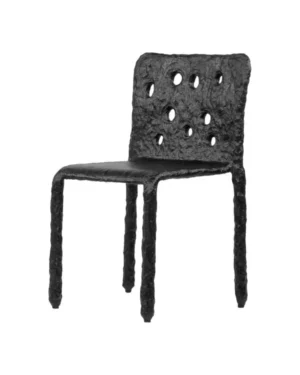
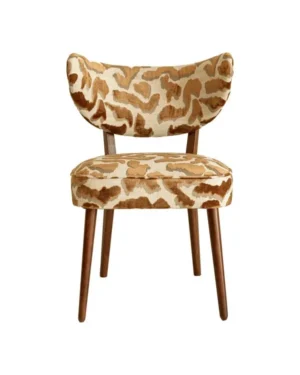
Contemporary Vanity Chair V2
By Six Dots Design
€920 -
 In stock
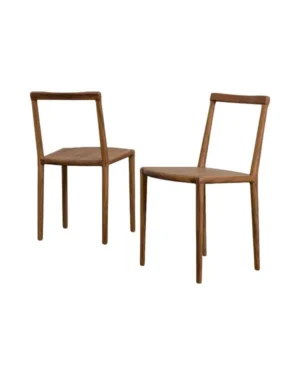
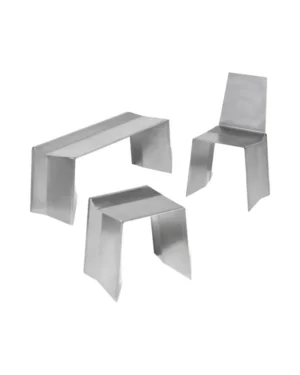
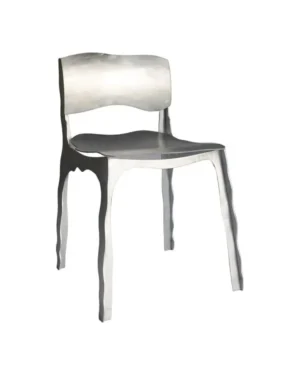
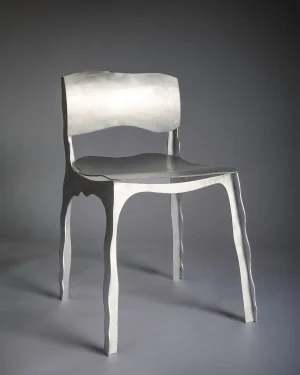
Camber – Stainless Steel Chair
By Paul Coenen
€1.121 -

Invisible Chair No. 1 – Steel Wall Chair
By lee hyokk
€2.070 -
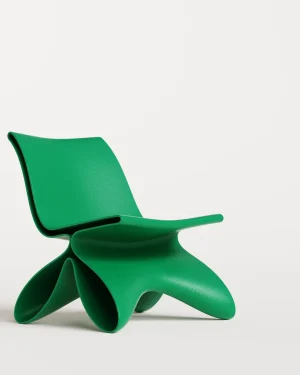
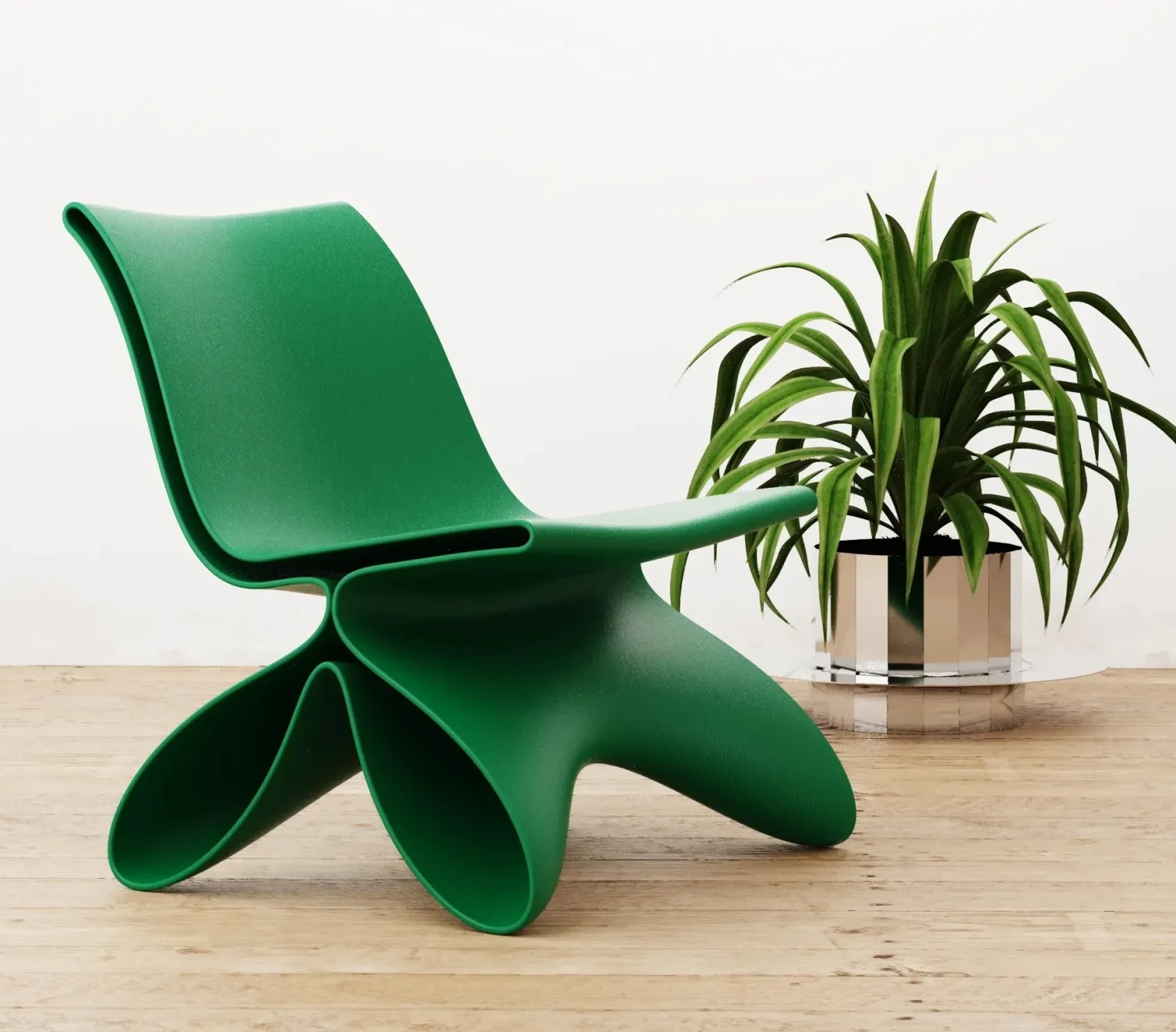
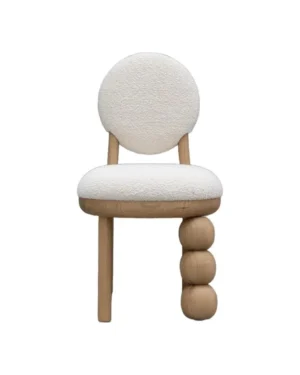
Sprout Lounge Chair
By noknok
€2.075 -
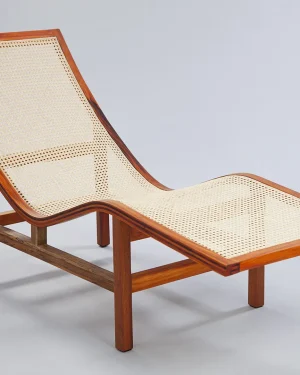
Chaise Sossego
By am.o atelier
€2.956 -
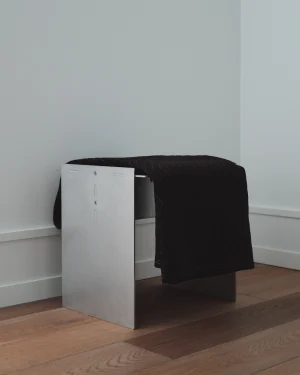
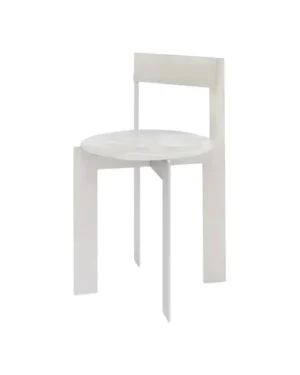
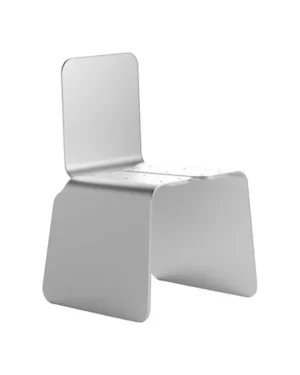
Flat Metals – Seat 01
By Estudio Material
€900 -
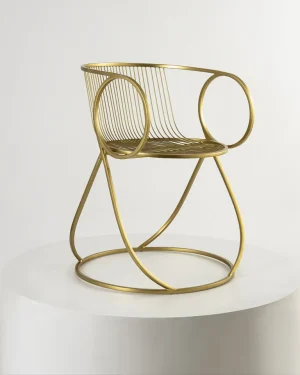 In stock
Ohio – Iron Sculptural Chair
By Nama Home
€1.360 - €1.450 -
5% off
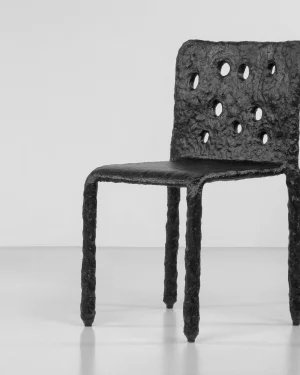 In stock
ZTISTA Chair
By FAINA
€1.900€1.805 -
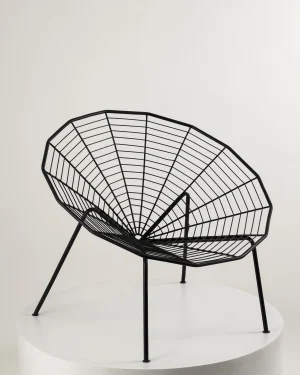
Spidey – Iron Lounge Chair
By Nama Home
€2.725 -
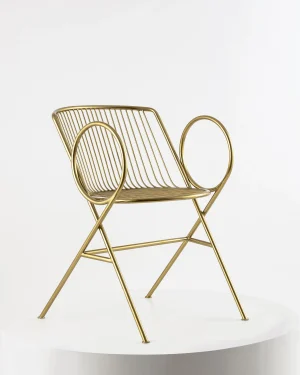 In stock
O2 – Iron Chair
By Nama Home
€1.360 -
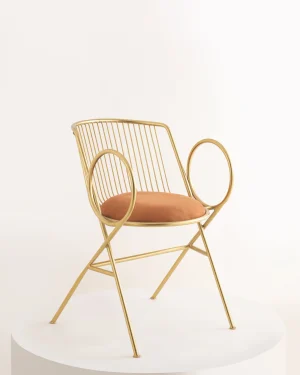 In stock
O2 – Padded Iron Chair
By Nama Home
€1.450 -
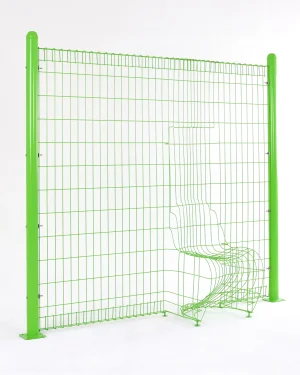 Sold
Invisible Panton Chair
By lee hyokk
Price Upon Request -
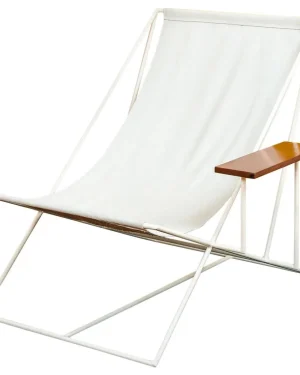 Sold
Transat – Lounge Chair
By Fi
€3.500 -
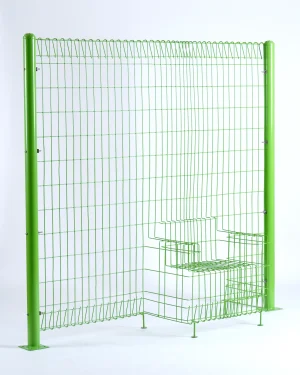 Sold
Invisible Chair No. 2 – Steel Wall Armchair
By lee hyokk
€2.470 -
 Sold
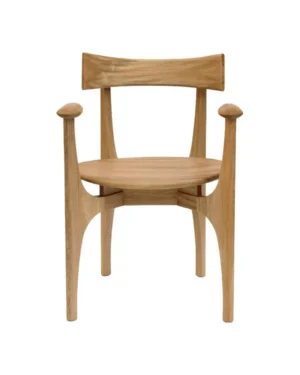
Fos Chair Flor
By Daniel Orozco Estudio
€2.238
Outdoor accent chairs are built to hold a shape and a season at once, made in metals and finishes that shrug off rain, salt air and direct sun rather than fabrics meant for a living room. Studios working in stainless steel, aluminum, powder-coated iron and recycled plastic weld, laser-cut or steam-bend the frames, then leave them bare or dress them in outdoor-grade suede. The result sits as comfortably on a terrace as it does as a sculptural object near a pool or a garden wall.
What defines an outdoor accent chair
Weather resistance comes first, style second. A frame in stainless steel or powder-coated aluminum will not rust the way raw iron can, and a seat in synthetic or treated suede holds color and shape through repeated sun exposure in a way that indoor upholstery cannot. Many pieces lean toward pared-back, contemporary or Art Deco silhouettes, where a single bent tube or a flat laser-cut panel carries the whole form without extra padding or joinery.
The range of materials, finishes and editions
Across the wider group of accent chairs, the outdoor pieces draw on a narrower, tougher set of materials and treatments:
- Frames in steel, iron, aluminum, stainless steel or recycled plastic
- Finishes in powder-coated black, charcoal, off-white, gold or copper
- Styles ranging from minimalist and contemporary to Art Deco and futuristic silhouettes
- Techniques including metalwork, welding, powder coating, laser cutting and upholstery in weather-rated suede
- Open editions alongside limited editions and occasional unique pieces
Because the group changes as pieces sell, think of these as the directions you will find rather than a fixed inventory: a given season might favor laser-cut aluminum over welded iron, or apple green powder coat over charcoal.
How to choose one
Scale against your own outdoor floor plan before anything else. A chair with a wide, low seat reads as a lounge piece and needs room to pull out; a tighter, upright frame works better tucked against a railing or beside a small table. Seat height should sit close to standard indoor proportions, generally in the sixteen to eighteen inch range, so the chair pairs comfortably with an outdoor table or stands alone without feeling perched.
Finish matters as much as shape. A matte powder coat in charcoal or black hides water spotting better than a polished metal; raw or brushed stainless steel will show salt residue near the coast and needs more frequent wiping down. If you already own aluminum accent chairs or other metal seating nearby, matching the metal tone keeps a terrace or balcony from reading as mismatched.
Where they sit well
These chairs anchor a balcony corner, flank an outdoor dining table, or stand alone on a terrace as a reading spot. Paired with a low side table they work as an evening seat; pulled up to a larger surface they function alongside outdoor dining chairs for extra seating when guests arrive. For a broader look at frames built for the same conditions, the full range of outdoor chairs spans both accent and dining use.
Caring for the frame and upholstery
Rinse metal frames with fresh water after exposure to salt air, and dry fully before storing through winter to prevent corrosion at welds and joints. Powder-coated surfaces hold up well with mild soap and a soft cloth; avoid abrasive cleaners that can scratch through the coating and expose bare metal underneath. Outdoor suede and synthetic upholstery should be brushed free of debris and kept covered during long stretches of rain, since standing water can work into seams over time.
For the complete picture of what else is built for exterior use, from tables to broader metal accent chairs, the full set of outdoor pieces on ADORNO covers seating, tables and lighting built to the same standard.
How do I choose an outdoor accent chair?
Start with the material your climate demands: powder-coated aluminum or stainless steel for coastal air, iron or steel where weather is milder. Then let the silhouette answer how much visual weight the spot can carry.
What material is best for outdoor accent chairs?
Aluminum and stainless steel resist rust and stay light enough to move, while powder-coated steel and iron offer more heft and a matte, weathered finish over time. Recycled plastic shrugs off moisture with no upkeep at all.
How do I care for a metal outdoor chair?
Rinse off dust, pollen and salt with fresh water, dry it, and check powder coating yearly for scratches that could let moisture reach bare metal. Store cushions or suede upholstery indoors during wet seasons.
What size is an outdoor accent chair?
Most sit at standard seat height, around 17 to 19 inches, with frames sized to fit a patio corner or flank a side table. Exact dimensions vary by piece, so chat with the maker on the piece's page.
Where can outdoor accent chairs be used?
Terraces, courtyards, poolside decks and covered porches all suit them, and many hold their own indoors in a sunroom or conservatory. Pair one with an outdoor table or let it stand alone as a quiet anchor.
How does buying through ADORNO work?
Shipping is insured and worldwide, with a 14-day return policy excluding made-to-order pieces. Every chair arrives with a certificate of authenticity, and ADORNO offers a lowest-price guarantee.