-
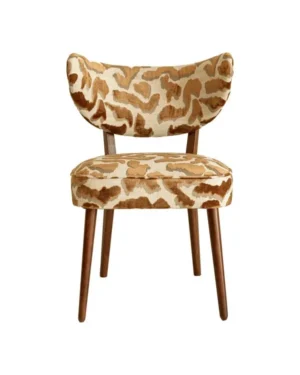
Contemporary Vanity Chair V2
By Six Dots Design
€920 -
 In stock
Camber – Stainless Steel Chair
By Paul Coenen
€1.121 -
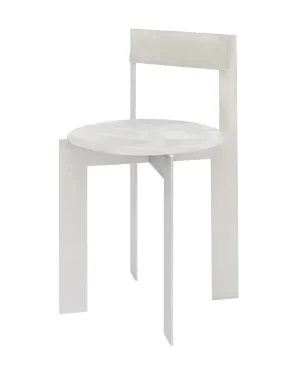
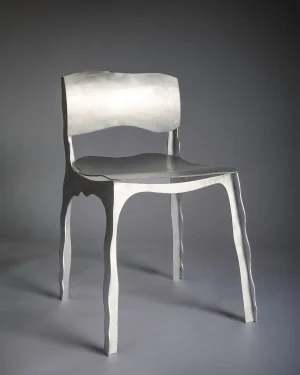
Object111 – Aluminum Chair
By NG DESIGN
€333 -
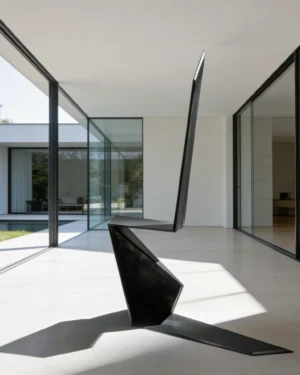
Dark Side – Aluminum Chair
By ORFEO STUDIO
€5.082 -

Honey – Squiggle Oak Wood Chair
By Deya
€1.492 -
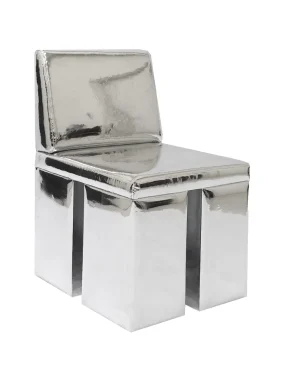
Object106 – Upholstered Chairs
By NG DESIGN
€585 - €1.115 This product has multiple variants. The options may be chosen on the product page -
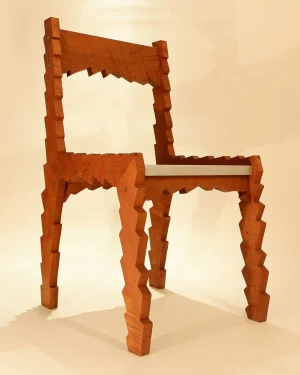
Shocking Chair – Stained Oak Wood Dining Chair
By Josh Page Studio
€940 -
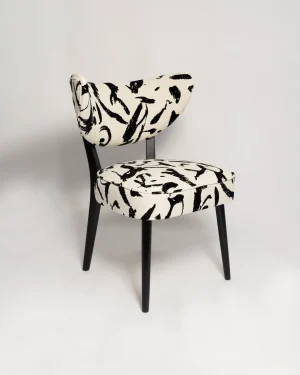
Retro Dining Chair
By Vintola Studio
€1.200 -
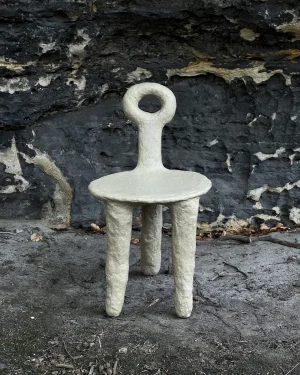
Sandstone Chair
By David Čáp
€1.000 -
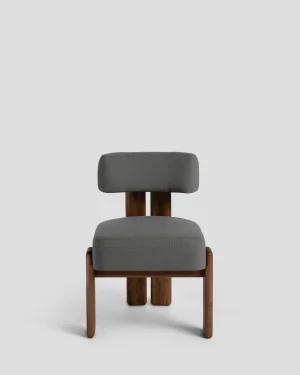
De La Paz Dining Chair
By Comité de Proyectos
€2.380 -
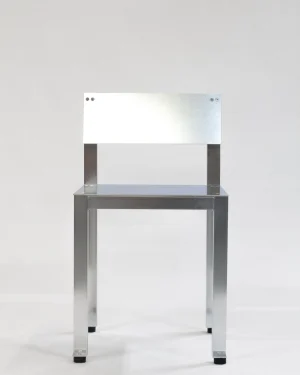 In stock
Canto – Aluminum Dining Chair
By Luiz Solano
€840 -

Vaga Chair
By Rosana Sousa
€2.820 -
 In stock
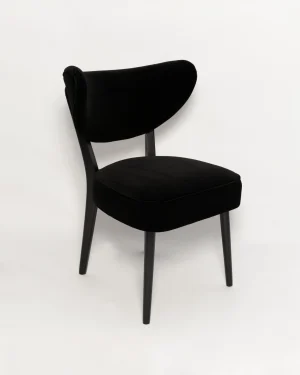
Núcleo Massiva — Ebony Wood And Resin Chair
By DONÓ Design
€2.271 -
 In stock
Retro Dining Chair
By Vintola Studio
€1.160 - €1.200 This product has multiple variants. The options may be chosen on the product page -

Arco Massiva — Ebony Wood, Cast Aluminum And Velvet Chair
By DONÓ Design
€2.729 -
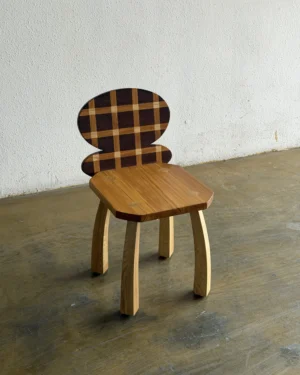
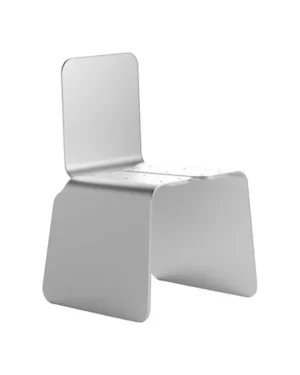
Bend Chair
By STUDIO KALLANG
€2.900 -
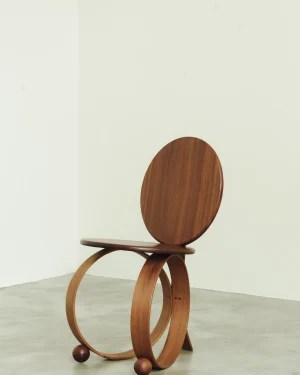
Yara – Bent Wood Chair
By PROSA
€3.200 -
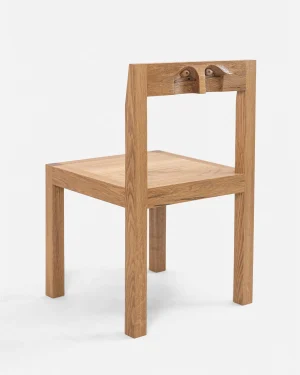
Stele – Oak Wood Chair
By Molor Tumen-Ulzii
€3.000 -
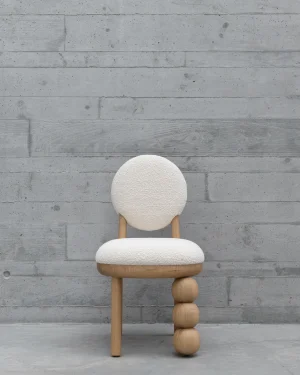
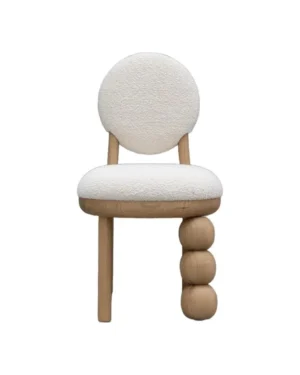
The Three Ball Leg Chair
By Joana Teixeira
€2.200 -
 In stock
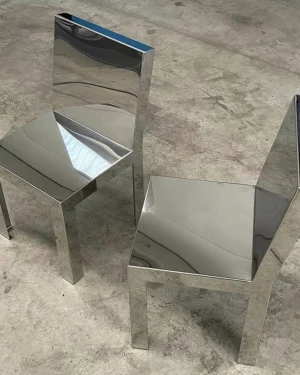
Sedia 1 – Mirror Polished Stainless Steel Chair
By Julia Chiaramonti
€5.500 -
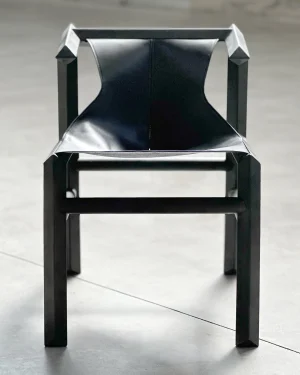
1901 – Black Leather And Wood Dining Chair
By espina corona
€890 -
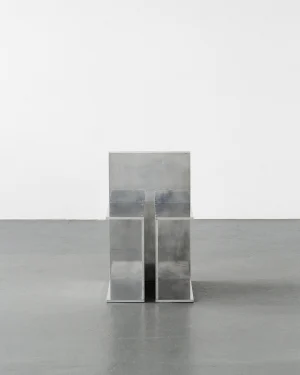 In stock
Lille Split Chair
By Thomas Gayet
€2.300 -
 In stock
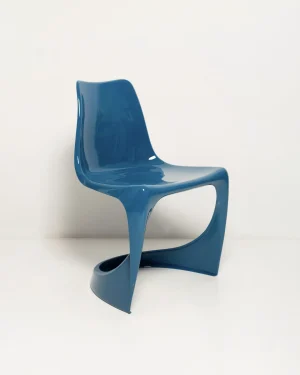
Sea Blue Cado Chair
By Vintola Studio
€900 -
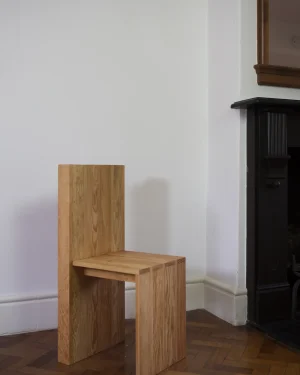
La Curva – Minimalist Wood Chair
By Jaclyn Pappalardo
€940 -
 In stock
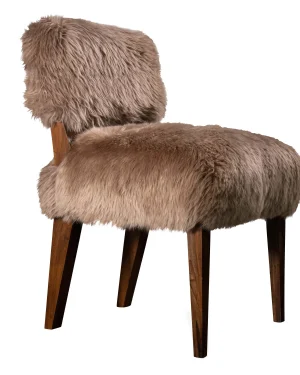
Bruno Ovino – Modern Dining Chair In Exotic Wood And Sheepskin
By Costantini Design
€1.748 -
 In stock
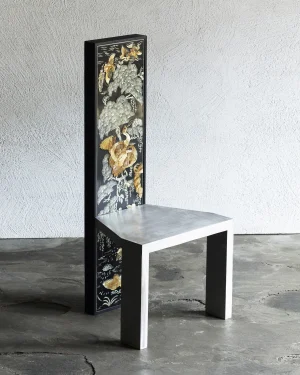
Narrative 001 – Stainless Steel / Wood Chair
By STUDIO KIMBYUNGSUB
€8.000 -
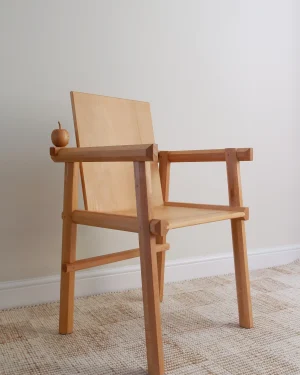
Apple Chair – Beech Wood Arm Chair
By Josh Page Studio
€1.710 -
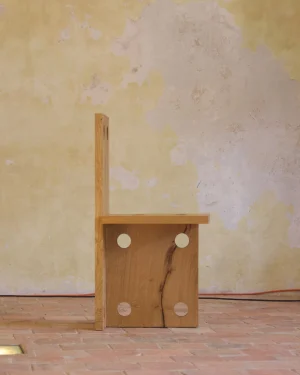 In stock
Sensitive Wood – Domino Chair
By Vital Lainé
€1.000 -
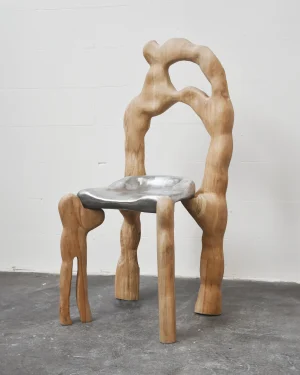 In stock
Tpf Series (the Parasitic Factors) _no.03
By Sai.E Studio
€6.500 -
 In stock
Post & Rung Chair
By Luke Crouch Studio
€1.550 -
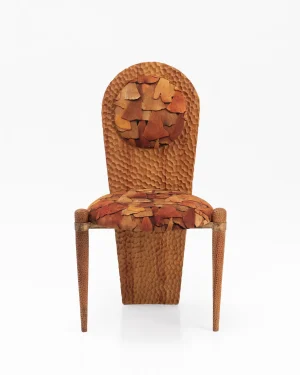
Naughty By Nature – Sculptural Chair
By Odditi
€1.180 -

Poppy – Sculptural Oak Chair
By Deya
€1.640 -
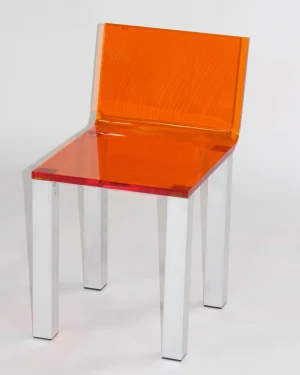 In stock
Acrilar – Acrylic Chair I
By Luiz Solano
€840 This product has multiple variants. The options may be chosen on the product page -
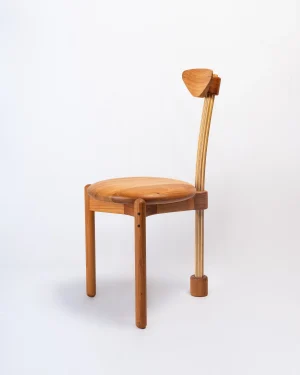
Pipa – Peroba Do Campo Wood Chair
By Estúdio Simbiose
€1.450 -
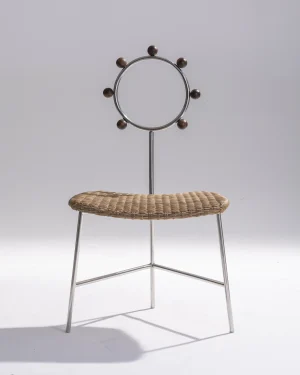
Sol – Stainless Steel And Wicker Chair
By Giácomo Tomazzi Studio
€1.350 -
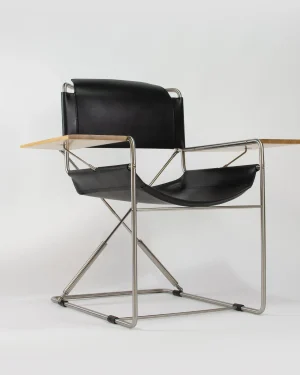 In stock
Pneumatic Chair 2
By Szostak Atelier
€5.990 This product has multiple variants. The options may be chosen on the product page -
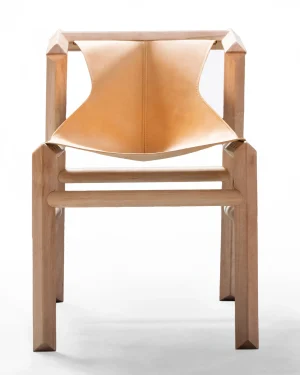
1901 – Cognac Leather And Wood Dining Chair
By espina corona
€890 -

Fly Chair
By Tiago Curioni
€1.920 -
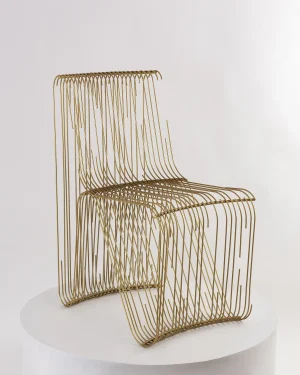
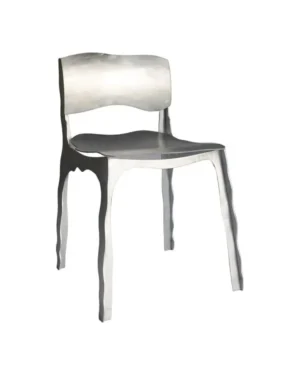
Glitch – Stainless Steel Chair
By Nama Home
€3.630 -
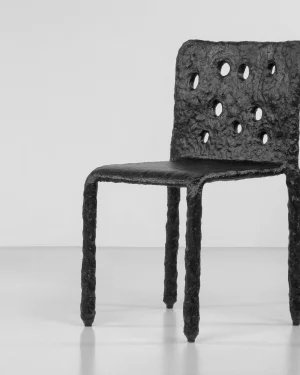 In stock
ZTISTA Chair
By FAINA
€1.900 This product has multiple variants. The options may be chosen on the product page -
 In stock
Toptun Chair
By FAINA
€1.980 This product has multiple variants. The options may be chosen on the product page -
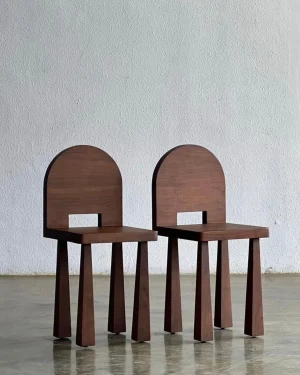
Luna – Teak Dining Chair
By STUDIO KALLANG
€1.025 -
 In stock
Boni Dining Chair
By Heaps & Woods
€2.750 - €2.937 This product has multiple variants. The options may be chosen on the product page -
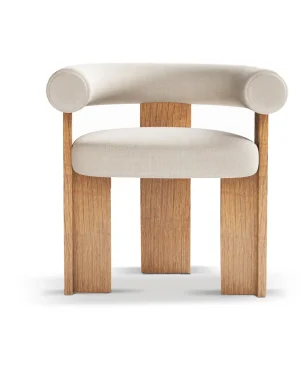
Cassette – Upholstered Armchair
By Alter Ego Studio
€2.215 -
 In stock
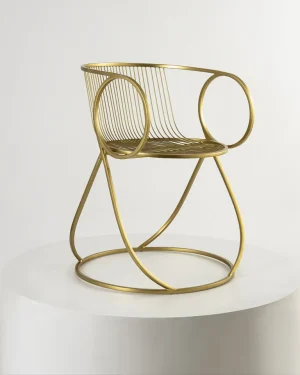
Ohio – Iron Sculptural Chair
By Nama Home
€1.360 - €1.450 This product has multiple variants. The options may be chosen on the product page -
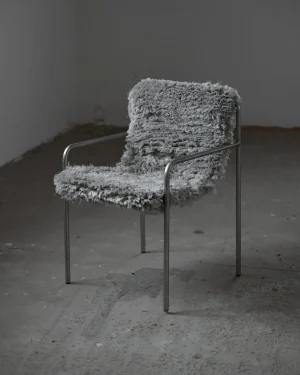
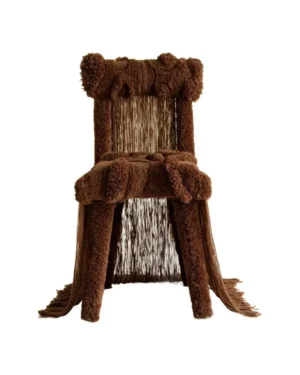
Dessert Shaggy – Steel Chair With Handmade Fabric
By SALAK Studio
€1.500 -
 In stock
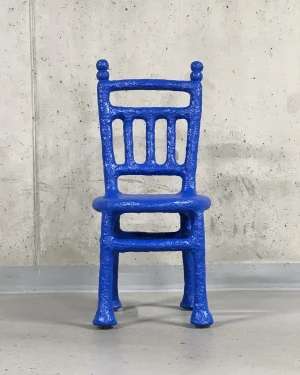
Chess Chair 2 Blue
By David Čáp
€1.000 -
 In stock
Gi Chair
By PROSA
€1.400 This product has multiple variants. The options may be chosen on the product page -
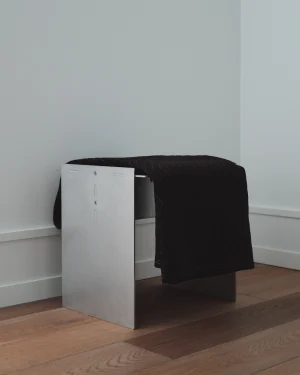
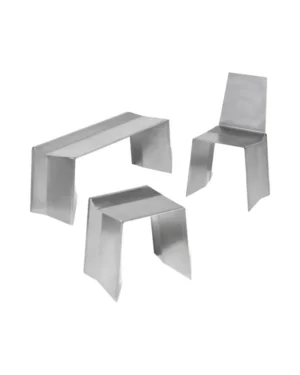
Flat Metals – Seat 01
By Estudio Material
€900 -
 In stock
Gi Armchair
By PROSA
€1.900 This product has multiple variants. The options may be chosen on the product page -
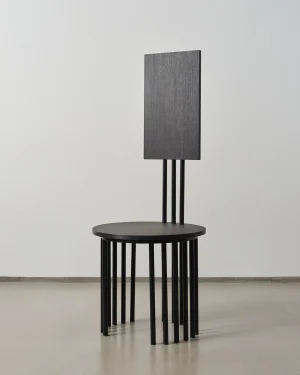
Reina Chair
By Studio Mohs
€1.614 -

Rian Bullhorn Chair
By Semigood Design
€3.229 This product has multiple variants. The options may be chosen on the product page -
 In stock
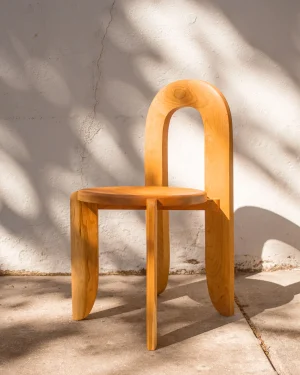
Con Pan
By Aileen De La Ree Valencia
€2.555 -
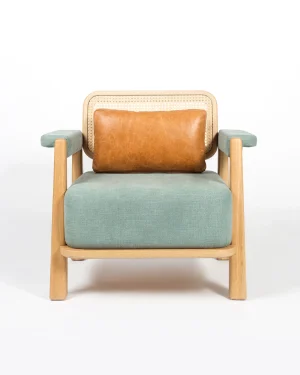
Toledo Armchair
By Comité de Proyectos
€3.000 - €3.600 This product has multiple variants. The options may be chosen on the product page
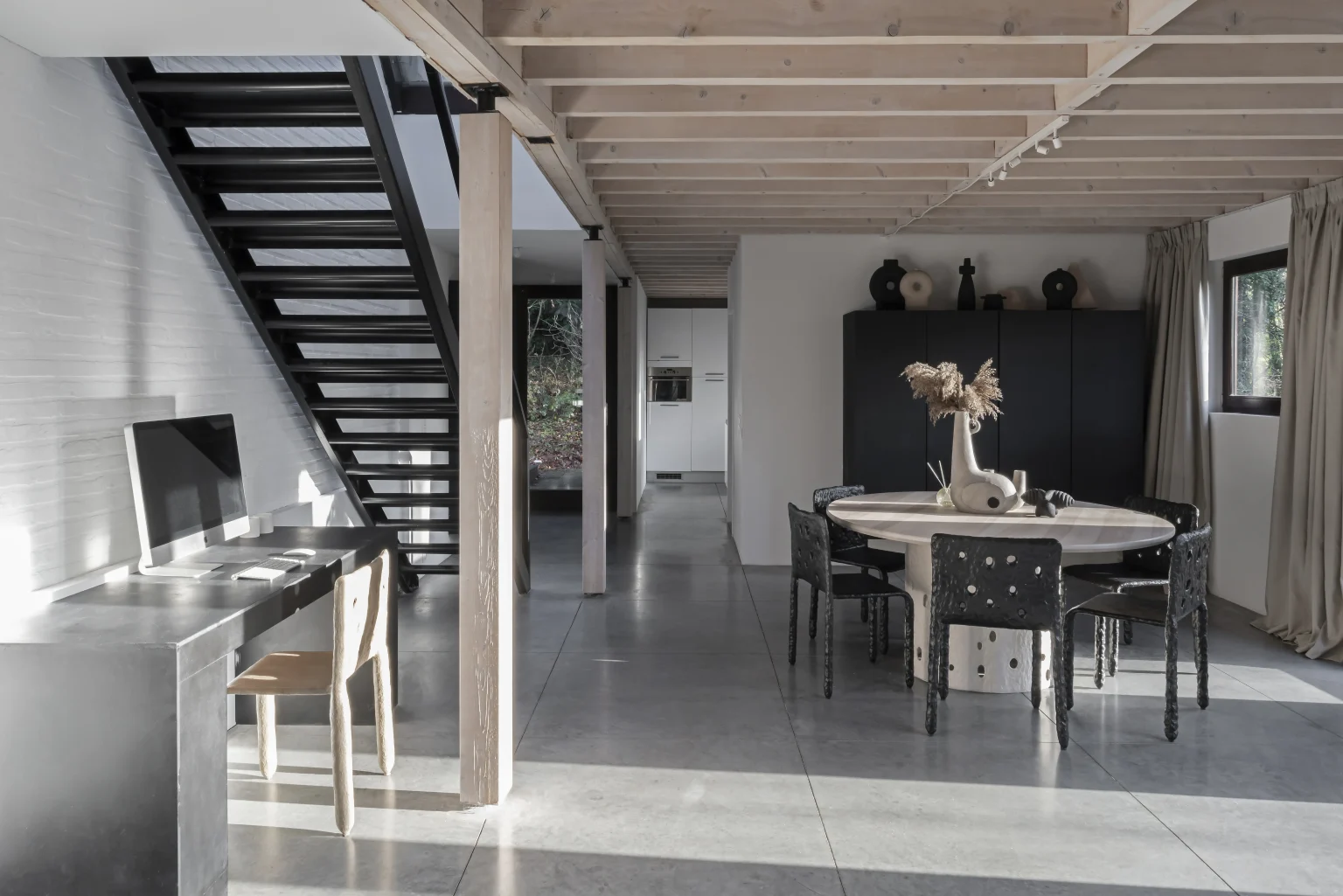
Dining room accent chairs break the symmetry of a matched chair set, bringing a different silhouette, material or color to the head of the table or a single side. Studios build them in oak and teak for warmth, in aluminum and stainless steel for a harder edge, and in pressed paper pulp for a lighter, molded form, using joinery, metalwork, upholstery and hand-building to get there. The result sits apart from the rest of the suite, carrying its own weight in the room.
Materials and the way they age
Oak and white oak darken slightly with light and years of handling, their grain staying visible under a thin oil or lacquer finish. Teak holds up to kitchen humidity and resists staining better than softer woods, which is part of why dining pieces favor it. Pine is lighter in both weight and tone, and shows wear faster, a trait some studios leave exposed rather than sand away.
Aluminum and stainless steel chairs carry none of that softening; a reflective or brushed finish stays constant, and welded or bent frames take daily pulling-out and pushing-in without loosening. Paper pulp, hand-built and set, gives a chair unusual lightness and a matte, almost chalky surface that reads differently from wood or metal across a table.
Finishes, styles and editions
Color ranges from black, sand and beige through amber, light brown, red and violet, depending on whether the studio is staining wood, powder-coating metal or dyeing an upholstery textile. Style runs from Bauhaus proportions and Minimalist frames through Art Deco curves, Brutalist mass, Neo-Industrial hardware and Radical or Futuristic forms that depart from the standard dining chair altogether.
Some of these chairs are open editions, made to a standing design whenever ordered. Others are limited editions, produced in a fixed run, or unique pieces, each one hand-built or carved so that no two are identical. All three kinds sit within accent chairs more broadly, with wood, metal and aluminum forming their own smaller groups within wooden accent chairs and metal accent chairs.
Choosing scale, height and finish
Dining room accent chairs have to match the table height they sit at, with seat height and armrest clearance in line with the rest of the set even when the frame or back looks nothing alike. Measure the seat width too: a chair built for visual weight can crowd a narrow table if it is wider than its neighbors.
Finish matters as much as shape. A dark oak or black-stained chair against a pale table reads as a deliberate break; a matching tone keeps the difference to form alone. Metal chairs next to upholstered or wood seating tend to read as a harder accent, useful where the rest of the room leans soft.
Where they work and how to keep them
Beyond the head of the table, a single dining room accent chair holds its own at a writing desk, a console, or an empty corner that needs a seat without needing a full suite. Pulled slightly out from the table, it can work as a stand-alone seat the rest of the time.
Wood wants a stable room, away from direct heat and extremes of humidity, with an occasional wipe and oil to keep the finish even. Metal needs little beyond dusting and a dry cloth. Paper pulp pieces should stay away from standing water and heavy wiping, since the material is porous by nature.
For a wider view of what else furnishes the room, see dining room pieces on ADORNO or look through dining room chairs for sets built to match rather than contrast.
How do I choose a dining room accent chair?
Start with the table's existing lines, then pick a chair that contrasts rather than matches, through material, silhouette or color. A single standout chair at the head of the table reads as intentional, not mismatched.
What materials are dining room accent chairs made from?
Oak, teak and pine appear often, along with aluminum and stainless steel for harder lines. Wood warms with handling over years, while metal holds a cooler, more constant finish.
How do I care for a wood or metal accent chair?
Wipe wood with a dry or barely damp cloth and keep it from direct heat to avoid cracking. Metal needs only occasional dusting, though steel can be wiped with a mild, non-abrasive cleaner.
What size and seat height should a dining accent chair be?
Standard dining seat height runs between 18 and 20 inches, with armrests low enough to tuck under most tables. For exact measurements on a specific chair, chat with the maker on the piece's page.
Can an accent chair work with my existing dining chairs?
Yes, one or two placed at the ends of a table or along a bench break up a uniform set without disrupting it. Shared wood tones or a repeated metal finish keep the room cohesive.
How does shipping, returns and authenticity work on ADORNO?
Shipping is insured and sent worldwide. Returns are accepted within 14 days, excluding made-to-order pieces, and every chair arrives with a certificate of authenticity alongside a lowest-price guarantee.