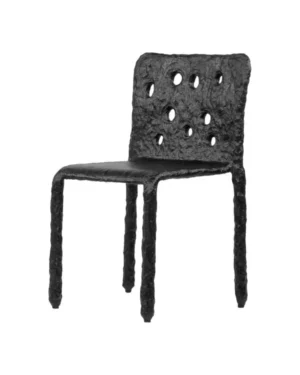
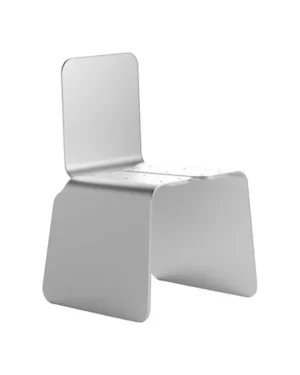
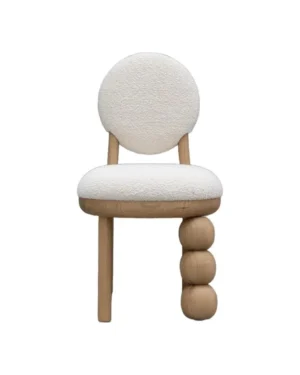
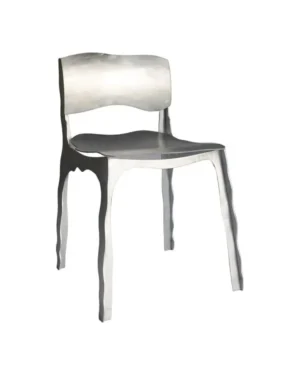
-
Contemporary Vanity Chair V2
By Six Dots Design
€920 -
 In stock
Camber – Stainless Steel Chair
By Paul Coenen
€1.121 -
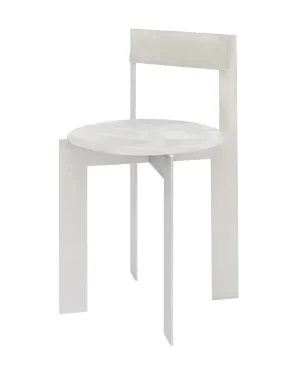
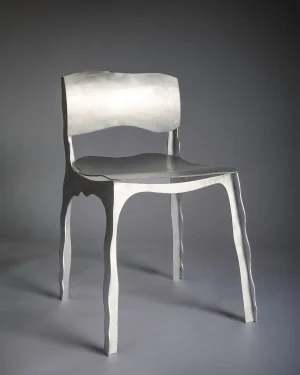
Object111 – Aluminum Chair
By NG DESIGN
€333 -

Lumbarchair Accent Chair
By FlatFlat
€429 -
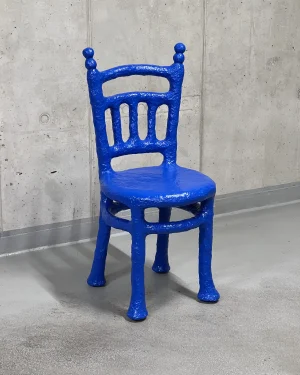
Blue Papier-mâché Chess Chair
By David Čáp
€1.000 -
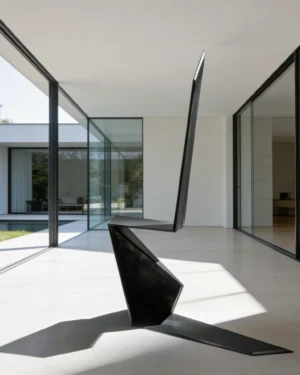
Dark Side – Aluminum Chair
By ORFEO STUDIO
€5.082 -

Invisible Chair No. 1 – Steel Wall Chair
By lee hyokk
€2.070 -

Chainmail Sculptural Chair, Nickel Plated Steel Finish, Hand Linked Mesh
By Panorammma Atelier
€4.200 -
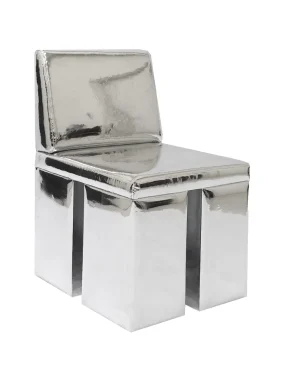
Object106 – Upholstered Chairs
By NG DESIGN
€585 - €1.115 This product has multiple variants. The options may be chosen on the product page -
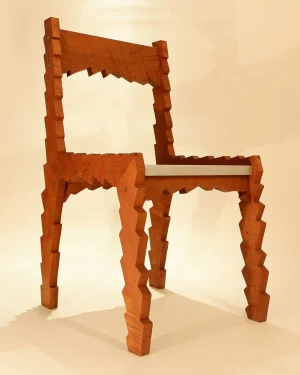
Shocking Chair – Stained Oak Wood Dining Chair
By Josh Page Studio
€940 -

Xb-70 V Armchair
By Mantas Lesauskas
€2.400 -
 In stock
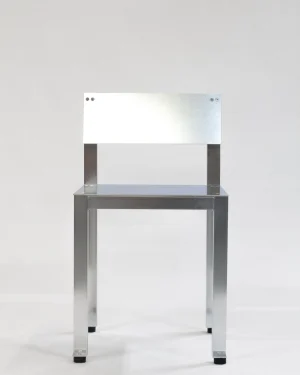
Canto – Aluminum Dining Chair
By Luiz Solano
€840 -
 In stock
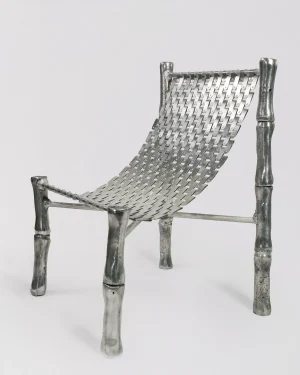
Bone Chair – Aluminum Lounge Chair
By BY JAMPS
€4.000 -

Ripple Chair
By LMNOH
€1.250 -

Arco Massiva — Ebony Wood, Cast Aluminum And Velvet Chair
By DONÓ Design
€2.729 -
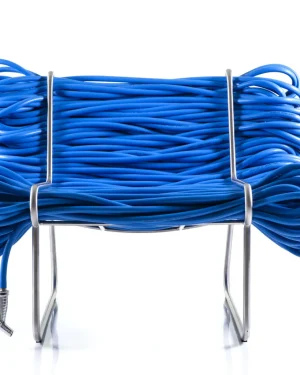
Super Jardim Armchair
By Cultivado em Casa
€4.549 This product has multiple variants. The options may be chosen on the product page -

Kut – Accent Chair
By SABAN FURKAN
€3.400 -
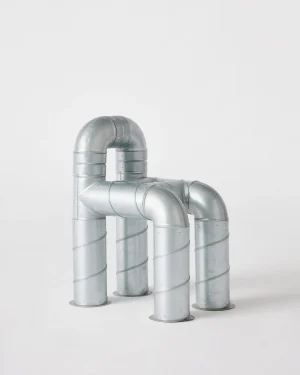 In stock
O.F.I.S Series, Steel Chair
By Lucas Muñoz Muñoz
€1.200 -
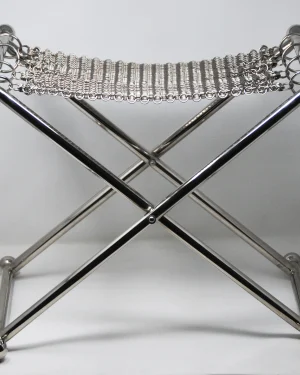 In stock
Chainmail Camping Stool
By Panorammma Atelier
€1.990 -
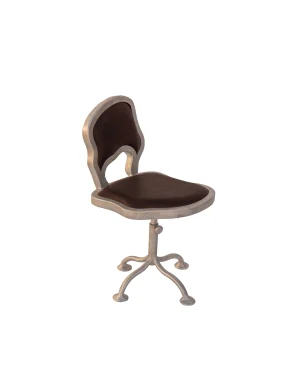
Office Chair
By Six Dots Design
€2.450 -
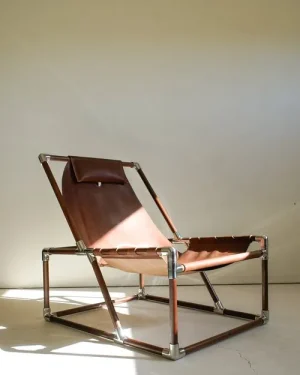
Marina Sling – Lounge Chair
By CHANDLER MCLELLAN
€2.588 -
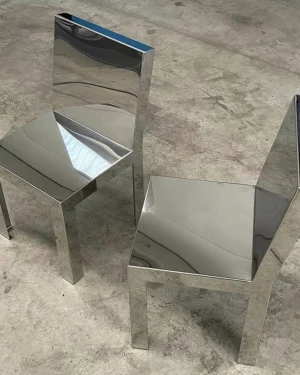 In stock
Sedia 1 – Mirror Polished Stainless Steel Chair
By Julia Chiaramonti
€5.500 -
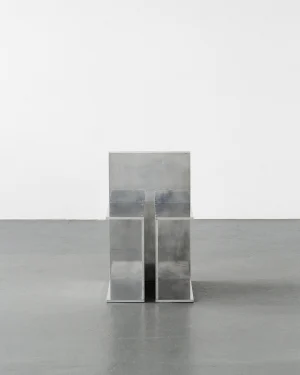 In stock
Lille Split Chair
By Thomas Gayet
€2.300 -

Boom Accent Chair
By ASUL-STUDIO
€2.000 -
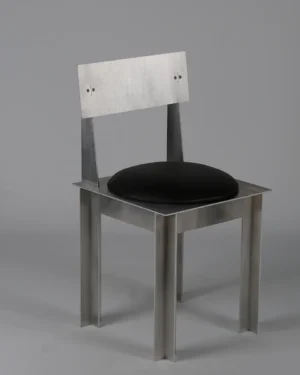 In stock
Plus Chair
By 301 Design Studio
€1.000 -

Sitting Bull – Stainless Steel Accent Chair
By ORFEO STUDIO
€5.800 - €6.200 This product has multiple variants. The options may be chosen on the product page -

Rounded Edges Aluminum Chair
By LESORR
€1.273 This product has multiple variants. The options may be chosen on the product page -
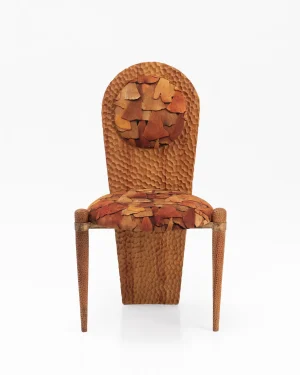
Naughty By Nature – Sculptural Chair
By Odditi
€1.180 -
 In stock
Pink Papier-mâché Chair
By David Čáp
€1.000 -
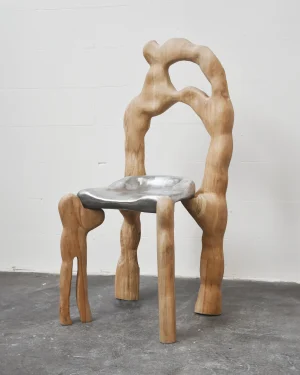 In stock
Tpf Series (the Parasitic Factors) _no.03
By Sai.E Studio
€6.500 -
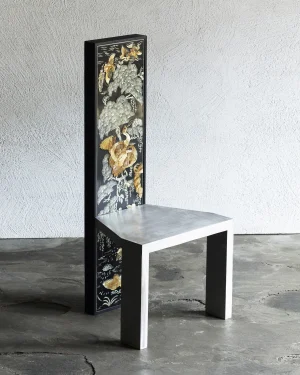 In stock
Narrative 001 – Stainless Steel / Wood Chair
By STUDIO KIMBYUNGSUB
€8.000 -
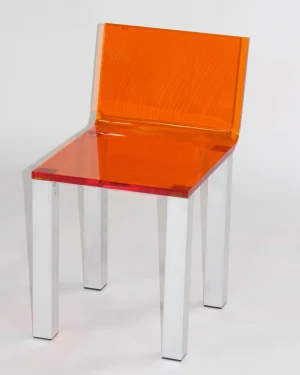 In stock
Acrilar – Acrylic Chair I
By Luiz Solano
€840 This product has multiple variants. The options may be chosen on the product page -
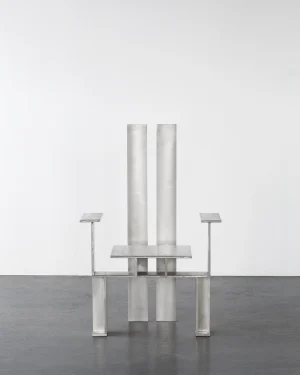 In stock
Relatively Comfy Armchair
By Thomas Gayet
€2.900 -

Slide Stool / Chair
By Ziroru Studio
€1.360 -
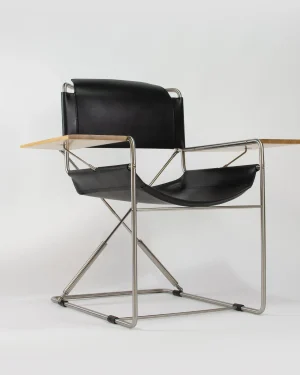 In stock
Pneumatic Chair 2
By Szostak Atelier
€5.990 This product has multiple variants. The options may be chosen on the product page -
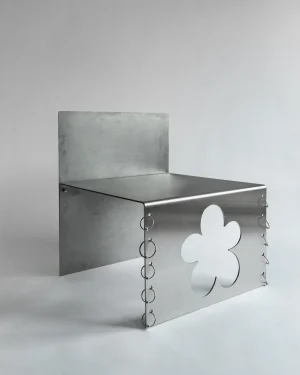 In stock
Pierced Cosmic Flower Chair
By LAÔMA ATELIER
€983 -
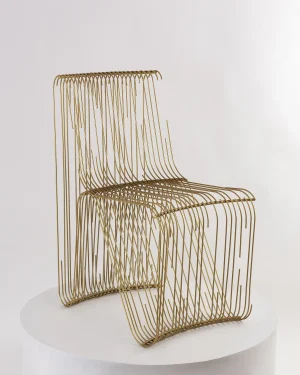
Glitch – Stainless Steel Chair
By Nama Home
€3.630 -
 In stock
Tpf Series (the Parasitic Factors) _no.01
By Sai.E Studio
€4.800 -

Linea Chair – Prototype 02
By DFdesignLab
€6.000 -
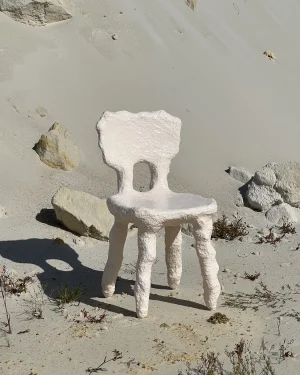
Crispy Chicken Light Orange Papier-mâché Chair
By David Čáp
€1.000 -
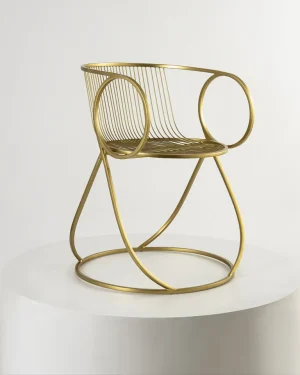 In stock
Ohio – Iron Sculptural Chair
By Nama Home
€1.360 - €1.450 This product has multiple variants. The options may be chosen on the product page -
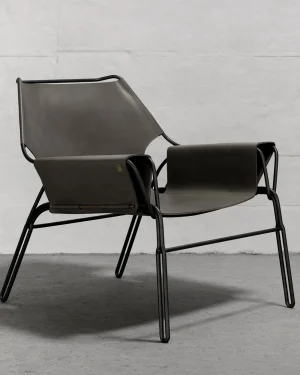 In stock
Perfidia_02 – Thick Leather Sling Lounge Chair In Black Steel
By ANDEAN
€4.542 This product has multiple variants. The options may be chosen on the product page -
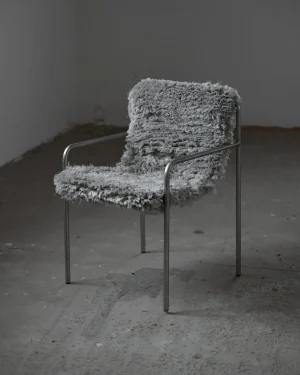
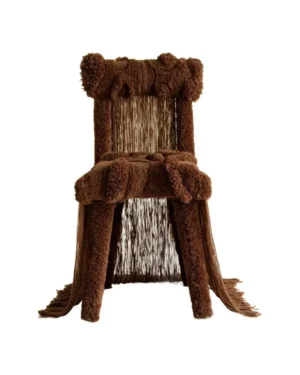
Dessert Shaggy – Steel Chair With Handmade Fabric
By SALAK Studio
€1.500 -
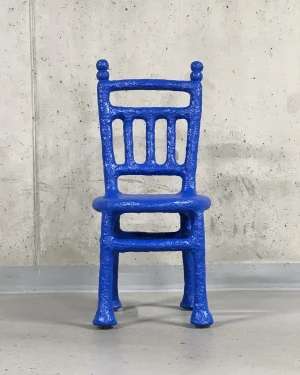 In stock
Chess Chair 2 Blue
By David Čáp
€1.000 -

Binario II – Accent Chair
By SABAN FURKAN
€3.600 -
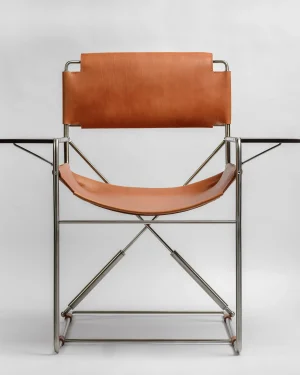 In stock
Pneumatic Chair – Unique Piece
By Szostak Atelier
€9.000 -
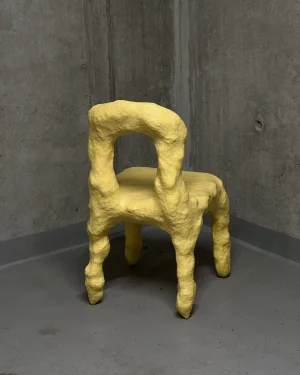
Textured Yellow Papier-mâché Chair
By David Čáp
€1.000 -
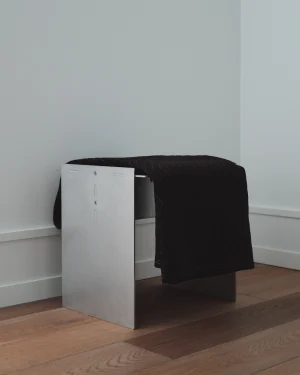
Flat Metals – Seat 01
By Estudio Material
€900 -
 In stock
Tronco Chair
By Nitush and Aroosh
€4.750 -
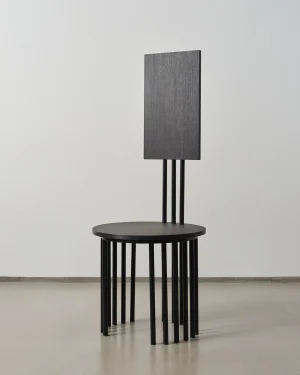
Reina Chair
By Studio Mohs
€1.614 -
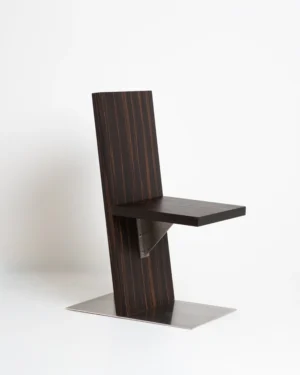
F – Accent Chair
By SABAN FURKAN
€3.600 -
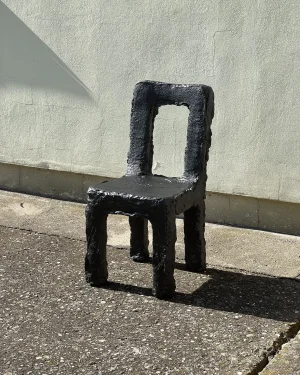
Black Dough Chair
By David Čáp
€1.000 -
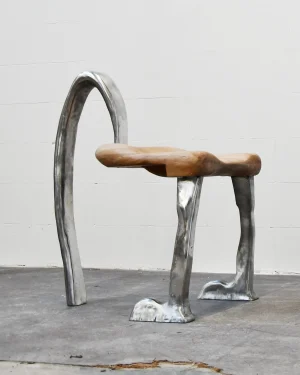 In stock
Tpf Series (the Parasitic Factors) _no.02
By Sai.E Studio
€5.200 -
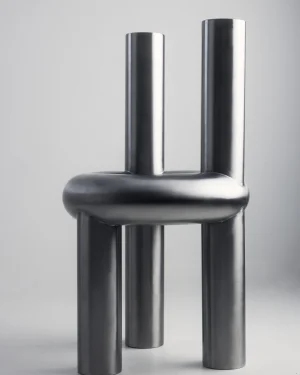
Chunk Chair – Stainless Steel
By Obscure Objects
€6.303
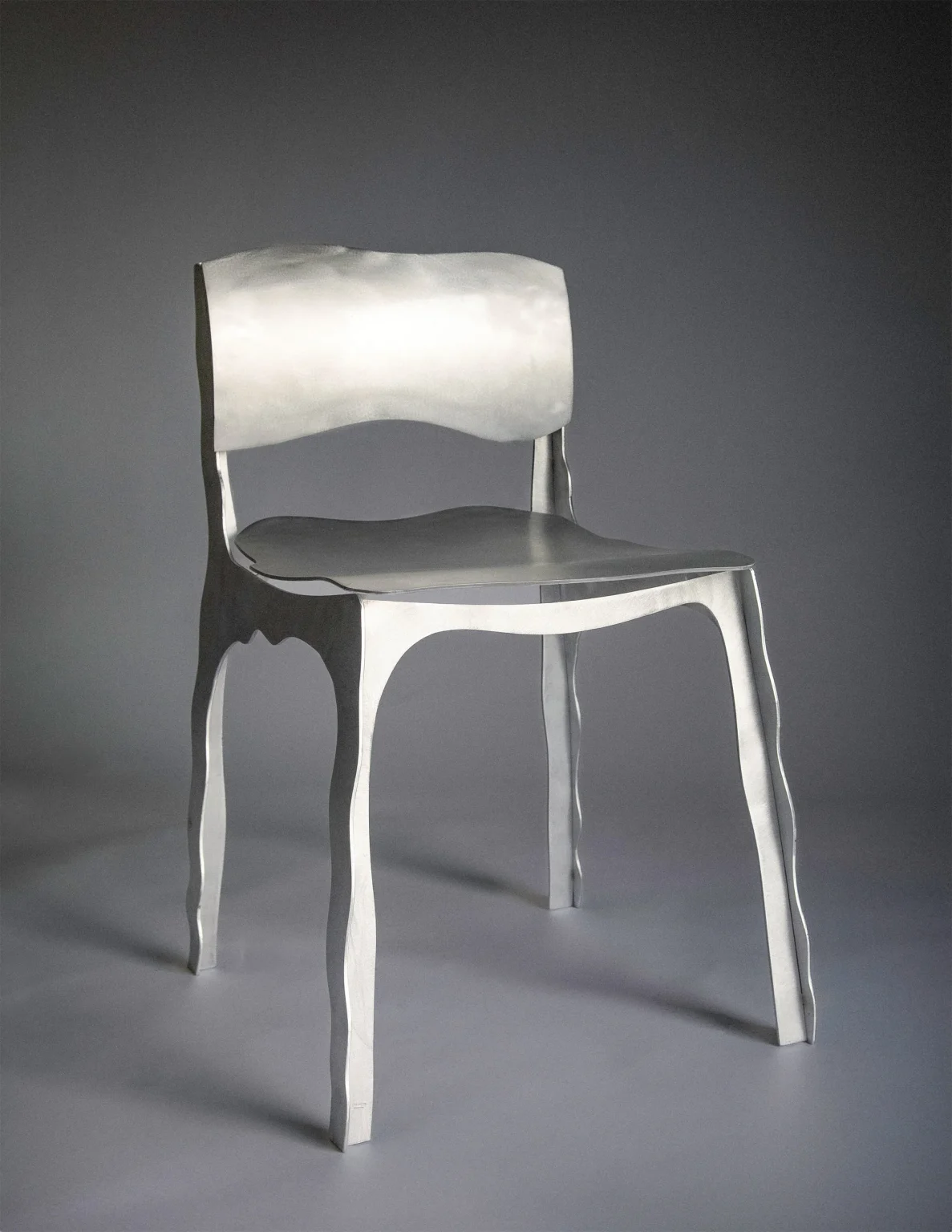
Metal accent chairs bring a cold, reflective material into rooms usually dominated by wood and textile, built from steel, aluminum or bronze and shaped through welding, laser cutting or powder coating. Independent studios work the metal into frames that range from open mesh shells to solid, slab-like seats, each one standing on its own structural logic rather than hidden joinery. They sit alongside the wider world of accent chairs on ADORNO, though worked in a harder material than wood or cane.
What defines a metal accent chair
Steel and aluminum dominate the category for different reasons. Steel welds into straight, heavy sections that hold a square edge and carry weight without flexing, suiting chairs built from flat bar or box tube. Aluminum takes to casting and sheet work, staying light enough to lift one-handed while resisting rust outdoors, which is why studios working mainly in this metal keep a dedicated range of aluminum accent chairs. Bronze and patinated steel appear less often, chosen for the way their surfaces darken and mark with handling over years, a slow change rather than a flaw.
Finishes, colors and styles
Powder coating gives most metal accent chairs their color, locking in black, apple green, amber or blue in a hard, even layer that resists chipping better than paint. Reflective and matte finishes sit at opposite ends: one throws light across a room, the other absorbs it and hides fingerprints. Styles range from neo-industrial frames that leave welds visible to brutalist forms bent into blunt geometry, with surrealist and futuristic shapes appearing where studios push the material past its usual straight lines. Editions vary by studio, from open runs produced to order to one-off pieces where the welding is finished entirely by hand.
How to choose a metal accent chair
Scale matters more with metal than with upholstered forms, since a slim steel frame can look sparse in a large room while a solid cast aluminum seat can crowd a small one. Standard seat height sits near eighteen inches, though sculptural metal chairs sometimes run lower or higher to suit their silhouette rather than a dining table. Check the finish against its surroundings: a reflective surface multiplies light and visual noise in a busy room, while a matte black or bronze finish reads quietly against wood floors or plaster walls. Compared with wooden accent chairs, metal frames hold sharper edges and tolerate damp rooms better, which widens where they can sit.
Where they work best
A metal chair reads well in living rooms as a single sculptural counterpoint among upholstered living room accent chairs, or paired at a console as a structural bookend. In a dining room, a chair in matte steel or bronze holds its ground against wood tables without competing with place settings. Entryways and reading nooks also suit a metal frame, where its hard surface takes daily use, wet umbrellas, dropped keys, without staining the way fabric or wood would.
Caring for metal seating
Steel and bronze benefit from a dry cloth and occasional wax to slow surface oxidation, especially in humid rooms or near open windows. Aluminum needs little beyond regular dusting, since its natural oxide layer already protects it against corrosion. Avoid abrasive cleaners on powder-coated surfaces, which can dull the color coat and expose the metal beneath. For pieces left outdoors or in sunrooms, check welds and joints yearly, since expansion and moisture over time can loosen fittings that were originally welded tight. For a wider look at the material across lighting, tables and objects, see every metal piece on ADORNO.
How do I choose a metal accent chair?
Decide whether the chair needs to carry weight daily or sit mostly for effect, then match the metal to that: steel for a heavier, planted feel, aluminum for something lighter to move.
How do you care for a metal accent chair?
Wipe steel and aluminum with a dry or lightly damp cloth, avoiding abrasive cleaners on powder-coated surfaces. Bronze and patinated steel darken naturally over years, which is expected rather than damage.
Are metal accent chairs comfortable to sit in?
Comfort depends on the shell, not the metal itself. Solid, slab-like seats suit short use, while studios sometimes pair mesh or shaped frames with cushions for longer sitting.
What size is a metal accent chair?
Sizes vary by studio and design, from compact mesh shells to larger slab-seated frames. Check with the maker directly using Chat with the maker on the piece's page for exact dimensions.
Which rooms suit a metal accent chair?
Their hard, reflective surface stands out against wood and textile, so they work well in living rooms, entryways or reading corners where one piece is meant to read as a counterpoint.
What happens if I need to return a metal accent chair?
Returns are accepted within 14 days, except for made-to-order pieces. Every order ships insured worldwide and arrives with a certificate of authenticity.