-
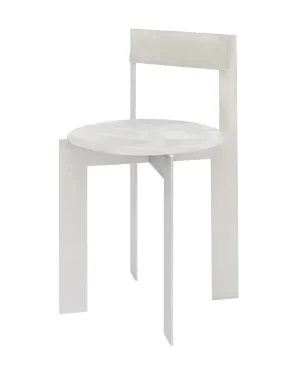
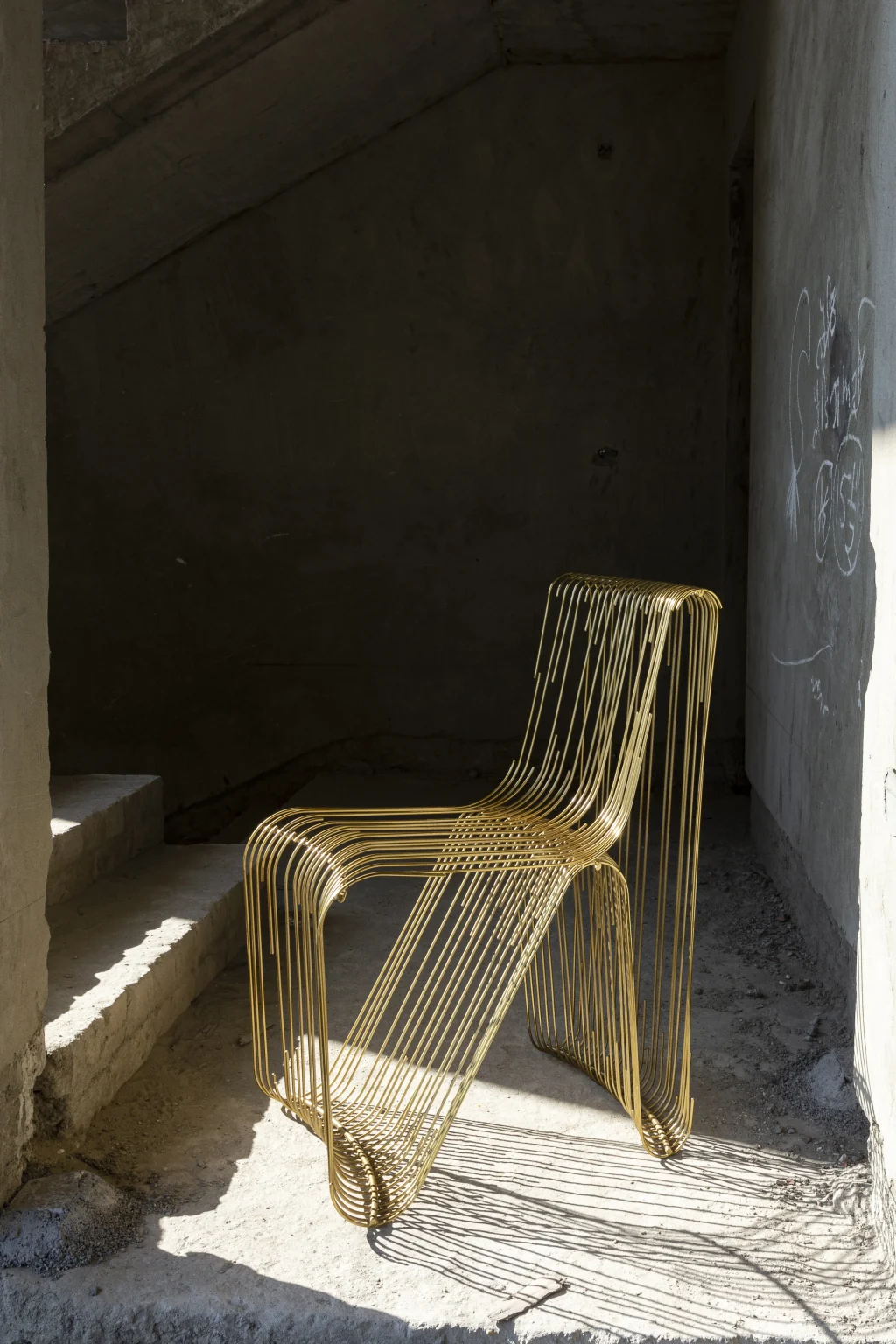
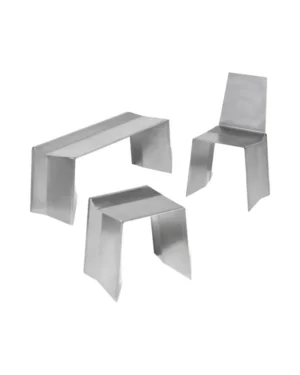
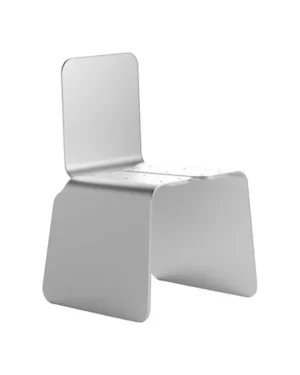
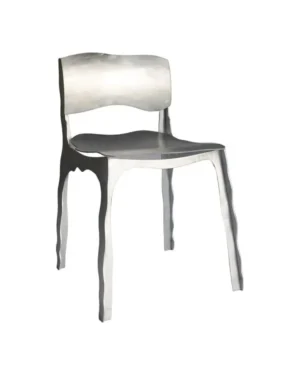
Object111 – Aluminum Chair
By NG DESIGN
€333 -
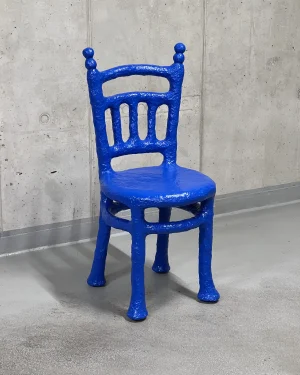
Blue Papier-mâché Chess Chair
By David Čáp
€1.000 -
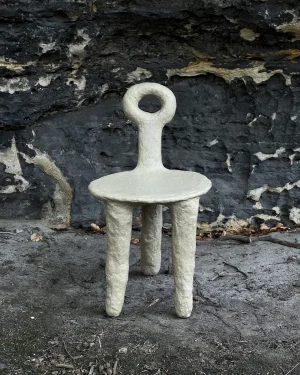
Sandstone Chair
By David Čáp
€1.000 -
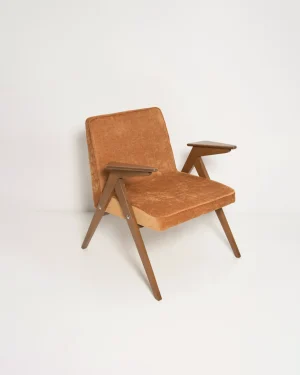
1960s Upholstered Armchair
By Vintola Studio
€1.300 -
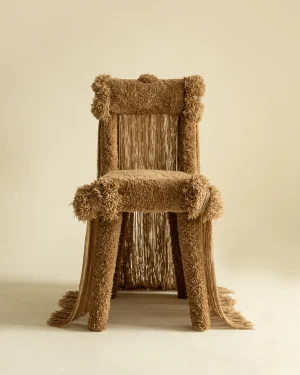
Tufting Brown Chair
By Vintola Studio
€2.500 -

Mid-century Heart Chair In Plushy Bordeaux, Dedar,europe, 1960s
By Vintola Studio
€1.050 -
 In stock
Vintola Studio Dining Chair, Casamance Nimbus Leopard Fabric
By Vintola Studio
€1.400 -
 In stock
Be Careful Chair
By Ryan Mercer
€2.537 -

Kut – Accent Chair
By SABAN FURKAN
€3.400 -

Butter Chair
By Ryan Mercer
€2.537 -
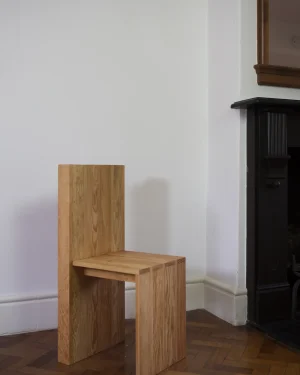
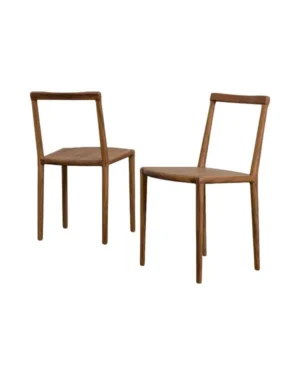
La Curva – Minimalist Wood Chair
By Jaclyn Pappalardo
€940 -
 In stock
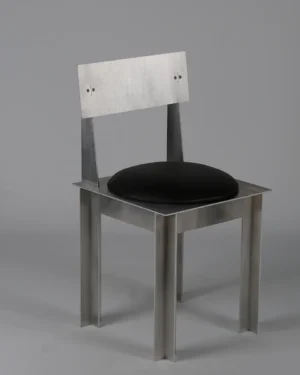
Plus Chair
By 301 Design Studio
€1.000 -
 In stock
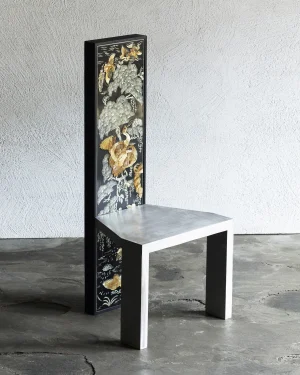
Narrative 001 – Stainless Steel / Wood Chair
By STUDIO KIMBYUNGSUB
€8.000 -
 In stock
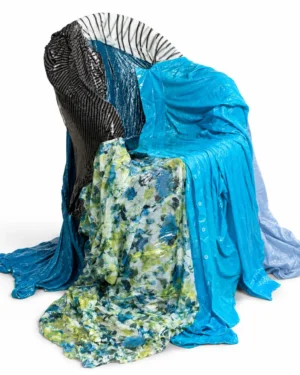
Messy Chair I
By Maria Zakioso
€6.000 -
 In stock
Tufting Dark Brown Chair
By Vintola Studio
€2.500 -
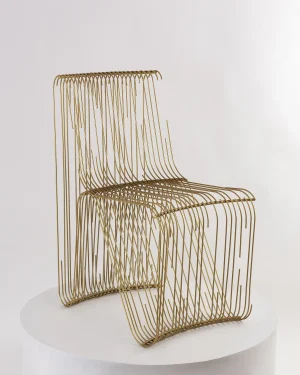
Glitch – Stainless Steel Chair
By Nama Home
€3.630 -
 In stock
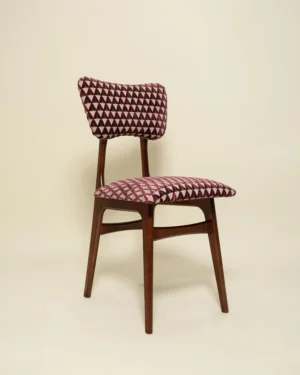
Mid Century Butterfly Chair, Amuleto Rubino, Dedar, 1960
By Vintola Studio
€1.050 -
 In stock
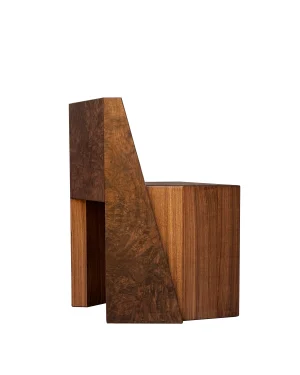
Koza – Accent Chair
By Pablo Sinan Design
€2.000 -
 In stock
Mid Century Mushroom Chair, Amoir Fou, Dedar, By J. Kedziorek, 1960s
By Vintola Studio
€1.050 -

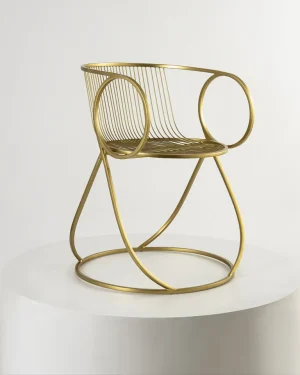
Linea Chair – Prototype 02
By DFdesignLab
€6.000 -
 In stock
Ohio – Iron Sculptural Chair
By Nama Home
€1.360 - €1.450 This product has multiple variants. The options may be chosen on the product page -

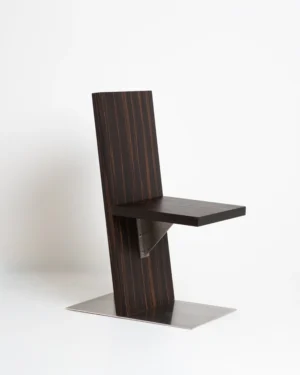
Binario II – Accent Chair
By SABAN FURKAN
€3.600 -
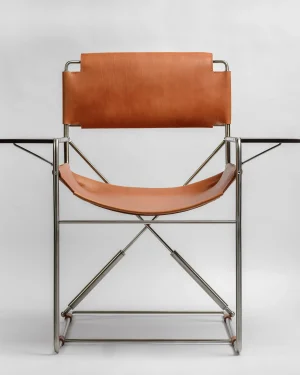
F – Accent Chair
By SABAN FURKAN
€3.600 -
 In stock
Pneumatic Chair – Unique Piece
By Szostak Atelier
€9.000 -
 In stock
Tronco Chair
By Nitush and Aroosh
€4.750 -

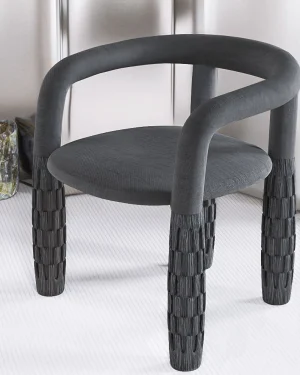
Manikin – Stone Stool
By Alter Ego Studio
€9.220 - €16.620 This product has multiple variants. The options may be chosen on the product page -
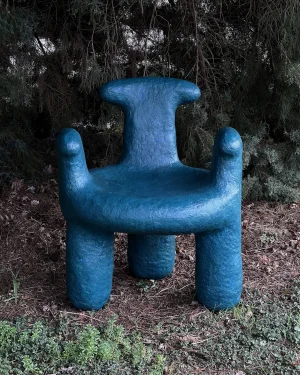
Mascot Armchair
By Alter Ego Studio
€4.580 This product has multiple variants. The options may be chosen on the product page -
Chunky Armchair Dark Turquoise
By David Čáp
€1.500 -
 In stock
Non – Rocking Chair
By Vital Lainé
€800 -
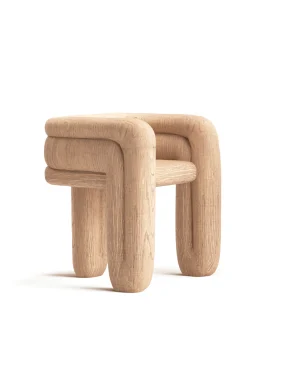
Enigma – Oak Chair
By Alter Ego Studio
€6.300 - €7.000 This product has multiple variants. The options may be chosen on the product page -

Arcy Dining Chair
By Alter Ego Studio
€2.650 This product has multiple variants. The options may be chosen on the product page -
 In stock
Lime Tufted Chair
By Vintola Studio
€2.500 -
 In stock
Mid Century Butterfly Chair, Bacara Bordeaux, Dedar, 1960
By Vintola Studio
€1.050 -
 In stock
Triangle Chair
By Natalie Waldram
€1.400 -
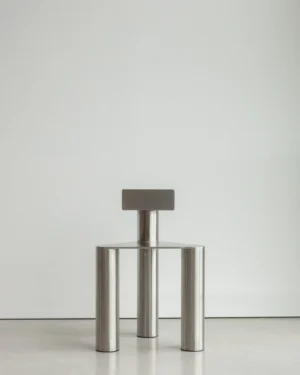
La Chaise — Trépieds Collection
By Olive®
€1.200 -
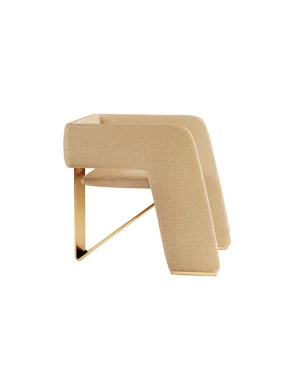
Futura Chair
By Alter Ego Studio
€3.900 This product has multiple variants. The options may be chosen on the product page -
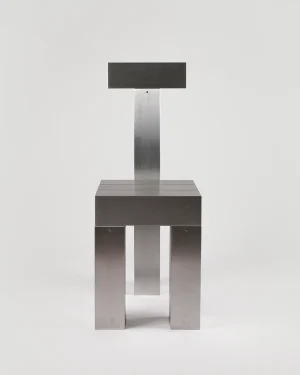
Garriga Chair
By Lucas Cambier
€3.500 -
 In stock
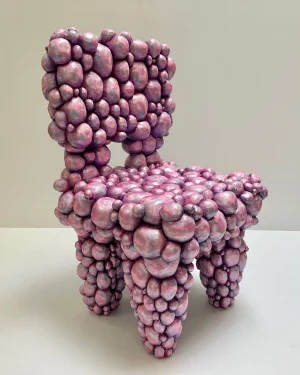
Only Impermanence Lasts
By Theo A. Rosenblum
€6.008 -
 In stock
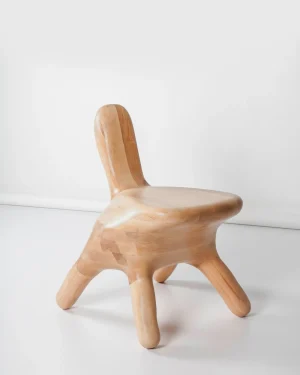
Shape N.2 Chair
By Anna Bera
€4.400 -
 In stock
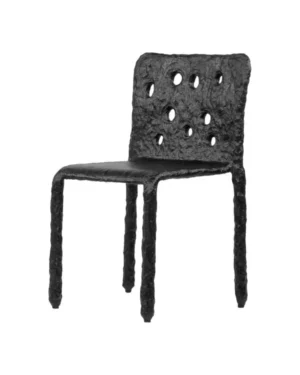
Charcoal-drawn Papier-mâché Chair
By David Čáp
€1.000 -
 In stock
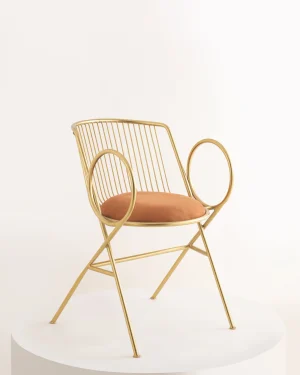
O2 – Padded Iron Chair
By Nama Home
€1.450 This product has multiple variants. The options may be chosen on the product page -
 In stock
Mid Century Mushroom Chair, Nouvelles Vagues Rubins Velvet, Dedar, By J. Kedziorek, 1960s
By Vintola Studio
€1.050 -
 In stock
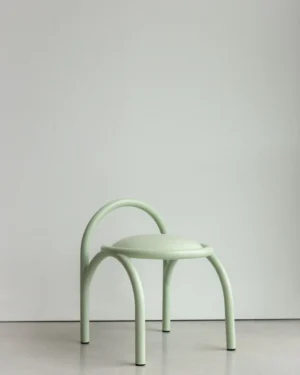
La Chaise — Tubes Collection
By Olive®
€1.100 -
 In stock
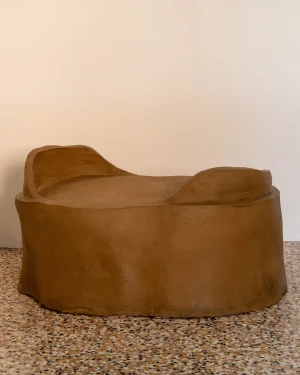
Confidente
By Studio Terre
€3.200 -
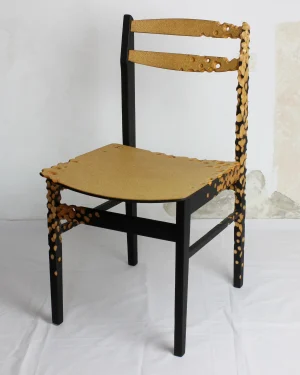
N1 Chair
By Gábor Góbi
€1.990 -
 In stock
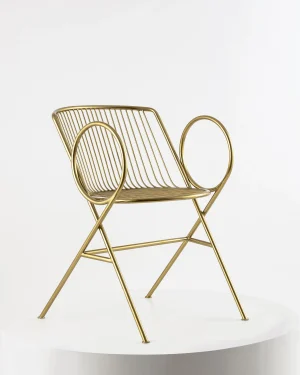
O2 – Iron Chair
By Nama Home
€1.360 This product has multiple variants. The options may be chosen on the product page -
 Sold
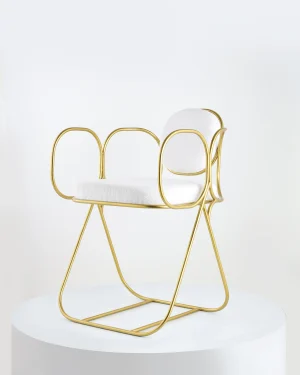
Lisa – Upholstered Iron Chair
By Nama Home
€1.450 This product has multiple variants. The options may be chosen on the product page -
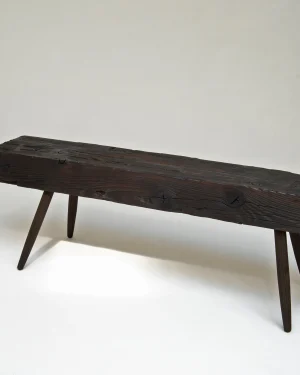 In stock
Bimschtal No 2 – Wooden Bench
By StorqueStudios
€1.457 -
 In stock
Alux Chair
By Spero Furniture
€530 -
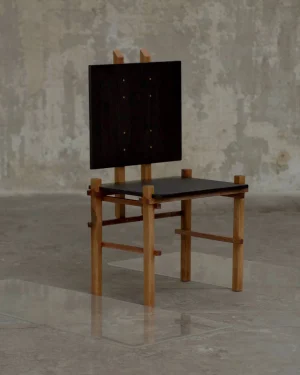 In stock
Lava – Symmetrical Wooden Chair
By Jaclyn Pappalardo
€1.285 -
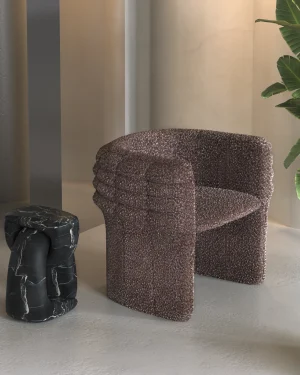
Ruffle Armchair
By Alter Ego Studio
€3.980 - €4.420 This product has multiple variants. The options may be chosen on the product page -

Plush Dining Chair
By Alter Ego Studio
€1.980 This product has multiple variants. The options may be chosen on the product page -
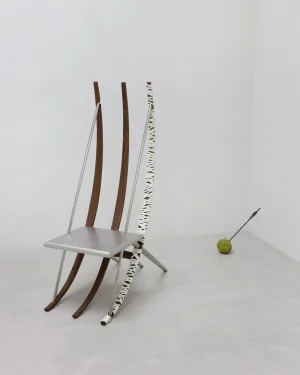 In stock
Bow Chair
By Undress House
Price Upon Request -
 Sold
Iele Chair
By Crina Arghirescu Rogard
Price Upon Request
Unique accent chairs bring together one-off seats where the maker's hand stays visible in the finished piece: a weld left slightly uneven, a seam pulled tight by hand, a surface built up layer by layer rather than molded. Studios working in wood, steel and textile each approach the chair as a single object rather than a prototype for a run. The result is a body of work defined less by one look than by one condition: no two pieces made the same way twice.
What makes an accent chair a unique piece
A chair earns the designation of unique piece when it is hand-built, upholstered or finished as an individual object, not pulled from a mold or cut in batches. Wood frames are joined and shaped by cabinetmakers who adjust each one to the grain in front of them. Steel and aluminum are welded and finished by hand, so a frame can carry a visible seam or a patina that will not repeat. Paper pulp and papier-mâché pieces are built up over days, drying unevenly in ways that leave each shell faintly different from the next.
Materials, finishes and techniques found here
Wood remains the most common base, worked through cabinetmaking and veneering into frames that take on color and grain from the species chosen, then sealed or oiled to suit daily use. Steel, stainless steel and aluminum appear through metalwork, their surfaces left raw, brushed or painted depending on the studio. Textile and wool are upholstered or tufted over these frames, sometimes stretched tight for a clean line, sometimes left loose for a softer silhouette.
Color runs from quiet neutrals, beige, sand and beige-and-brown combinations, to stronger tones: bordeaux, amber, cobalt blue, sage. Hand-building and papier-mâché techniques sit alongside more traditional upholstery and wood and cabinetmaking, so the same chair category can hold a sculptural paper-pulp shell next to a tufted wool seat on a turned wood leg. Across all of it, the throughline is Minimalist restraint, Neo-Industrial rawness or Mid-Century Modern proportion, rather than a single house style.
How to choose one
Scale matters before color. A chair meant to anchor a reading corner can sit lower and deeper than one meant for occasional seating near a dining table, where a higher seat and firmer back make it easier to get in and out. Measure the seat height against the pieces already in the room, and check arm height against any side table it will sit next to.
Finish should answer the room's light as much as its palette. Pale wood and sand or beige textile open up a dim corner; a cobalt blue or bordeaux upholstery reads as a deliberate accent against plainer walls. Placement follows the same logic as other accent chairs: one strong piece per room holds attention better than several competing for it.
Where these chairs work
Living rooms take them as a second or third seat, angled away from a sofa to open up conversation. Bedrooms use them as a quiet perch near a window rather than a full seating group. Studios and entryways, where floor space is tight, suit a single sculptural chair that needs no companion piece. For dining settings specifically, see the dining room accent chairs, built to the firmer proportions that table use demands.
Living with the material
Wood frames want a stable room, away from direct heat, and an occasional wipe with a dry or barely damp cloth; oil finishes can be refreshed yearly as the surface dulls. Steel and aluminum tolerate more handling but show fingerprints and should be dusted rather than scrubbed. Textile and wool benefit from rotation out of direct sun, which keeps dye colors from fading unevenly over time. Those drawn to a particular material can look further among wooden accent chairs, metal accent chairs, or across unique furniture more broadly for one-off pieces beyond seating.
How do I choose a one-of-a-kind accent chair?
Start with material and silhouette rather than trend: wood and steel frames read sturdy and architectural, while upholstered or tufted forms soften a room. Let the chair stand apart instead of matching existing furniture.
How do I care for the material of a unique accent chair?
Wood wants occasional oiling and a steady temperature, away from direct heat. Textile and wool benefit from regular light vacuuming, while steel and aluminum frames just need a dry cloth to stay clean.
What size or height should an accent chair be?
Most accent chairs sit between 17 and 19 inches at the seat, close to dining height, and work best with a little clearance on each side so the silhouette stays visible.
Which rooms suit a unique accent chair?
Living rooms and bedrooms are the classic settings, though a sculptural chair also holds its own in an entryway or a quiet corner, standing as an object as much as a seat.
Are these chairs handmade and truly one-off?
Many are hand-built, upholstered or finished by hand, using techniques like metalwork, veneering or papier-mâché, and each is a unique piece rather than part of a series.
What about shipping, returns and authenticity when buying through ADORNO?
Shipping is insured and worldwide, returns are accepted within 14 days except on made-to-order pieces, each chair comes with a certificate of authenticity, and ADORNO offers a lowest-price guarantee.