-
 In stock
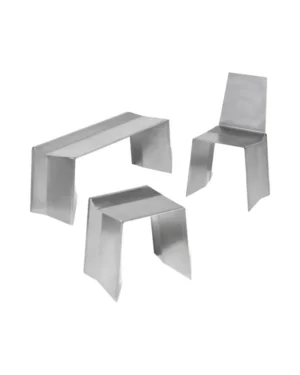
Camber – Stainless Steel Chair
By Paul Coenen
€1.121 -
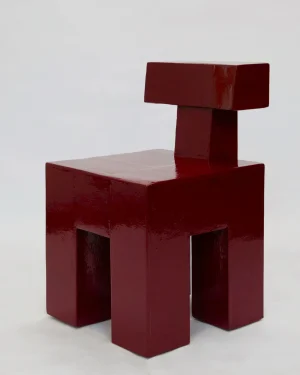
The Practice Chair
By Studio Fabius Clovis
€2.200 This product has multiple variants. The options may be chosen on the product page -
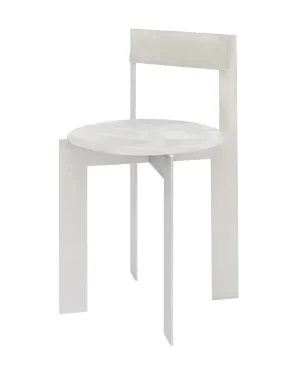
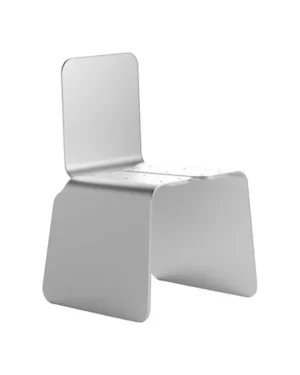
Object111 – Aluminum Chair
By NG DESIGN
€333 -

Lumbarchair Accent Chair
By FlatFlat
€429 -
 In stock
“your Skin” Chair
By Tributo
€2.180 -
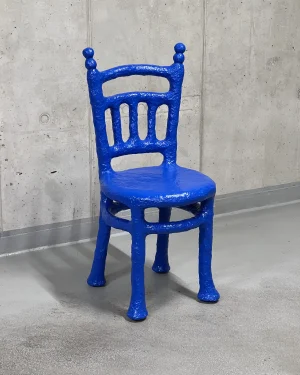
Blue Papier-mâché Chess Chair
By David Čáp
€1.000 -
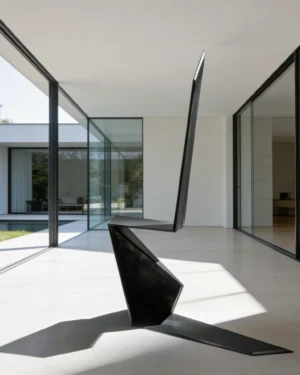
Dark Side – Aluminum Chair
By ORFEO STUDIO
€5.082 -

Honey – Squiggle Oak Wood Chair
By Deya
€1.492 -

Invisible Chair No. 1 – Steel Wall Chair
By lee hyokk
€2.070 -
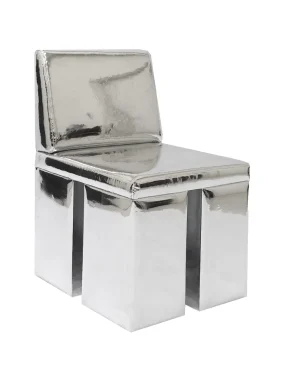
Object106 – Upholstered Chairs
By NG DESIGN
€585 - €1.115 This product has multiple variants. The options may be chosen on the product page -

The Andes Huntsman Chair
By CHANDLER MCLELLAN
€3.695 -
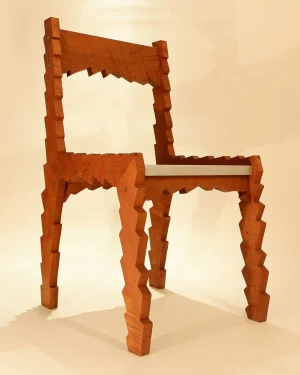
Shocking Chair – Stained Oak Wood Dining Chair
By Josh Page Studio
€940 -
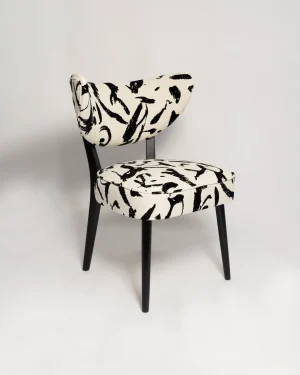
Retro Dining Chair
By Vintola Studio
€1.200 -
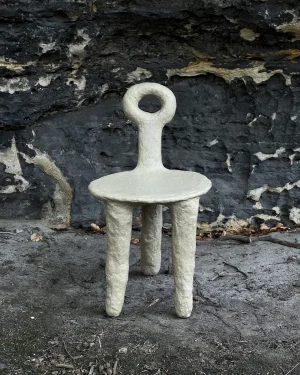
Sandstone Chair
By David Čáp
€1.000 -
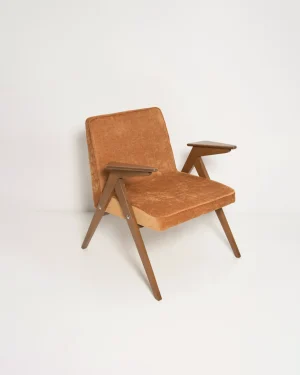
1960s Upholstered Armchair
By Vintola Studio
€1.300 -

“quantum” Chair
By Adrian Cruz
€9.200 -

Vaga Chair
By Rosana Sousa
€2.820 -
 In stock
Núcleo Massiva — Ebony Wood And Resin Chair
By DONÓ Design
€2.271 -
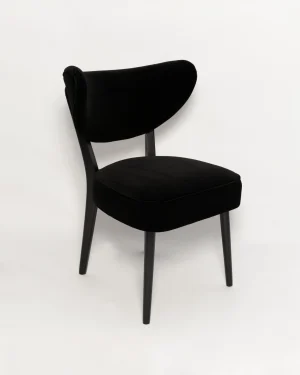 In stock
Retro Dining Chair
By Vintola Studio
€1.160 - €1.200 This product has multiple variants. The options may be chosen on the product page -

Arco Massiva — Ebony Wood, Cast Aluminum And Velvet Chair
By DONÓ Design
€2.729 -
 In stock
Be Careful Chair
By Ryan Mercer
€2.537 -

Icpalli
By Kresta Studio
€1.930 -
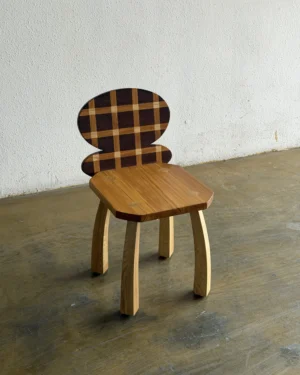
Bend Chair
By STUDIO KALLANG
€2.900 -

Super Jardim Armchair
By Cultivado em Casa
€4.549 This product has multiple variants. The options may be chosen on the product page -

Kut – Accent Chair
By SABAN FURKAN
€3.400 -
 In stock
O.F.I.S Series, Steel Chair
By Lucas Muñoz Muñoz
€1.200 -
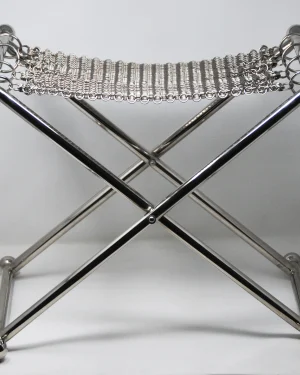 In stock
Chainmail Camping Stool
By Panorammma Atelier
€1.990 -
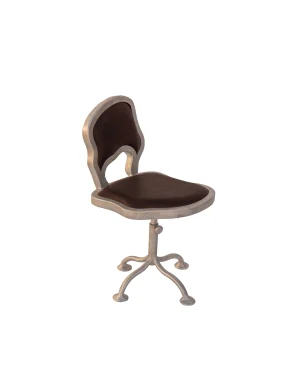
Office Chair
By Six Dots Design
€2.450 -

Ginkgo Chair
By Luke Crouch Studio
€2.550 -
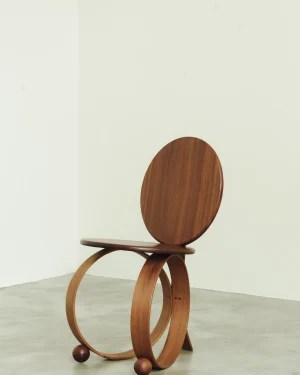
Yara – Bent Wood Chair
By PROSA
€3.200 -
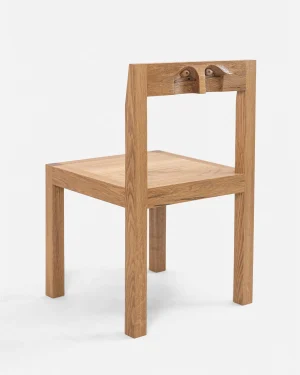
Stele – Oak Wood Chair
By Molor Tumen-Ulzii
€3.000 -
 In stock
Block Lounge
By Heaps & Woods
€4.250 - €4.475 This product has multiple variants. The options may be chosen on the product page -
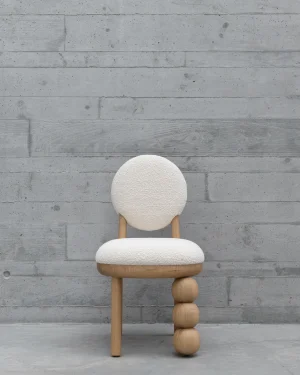
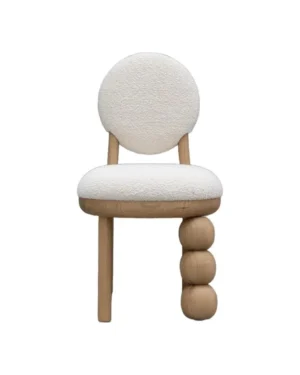
The Three Ball Leg Chair
By Joana Teixeira
€2.200 -
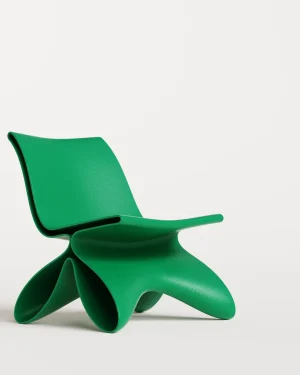
Sprout Lounge Chair
By noknok
€2.075 -
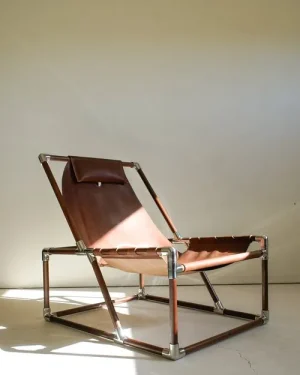
Marina Sling – Lounge Chair
By CHANDLER MCLELLAN
€2.588 -
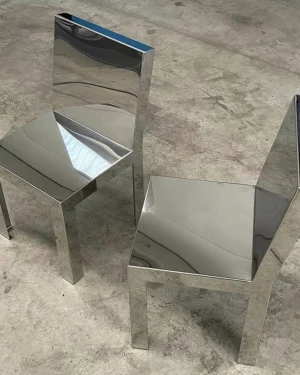 In stock
Sedia 1 – Mirror Polished Stainless Steel Chair
By Julia Chiaramonti
€5.500 -
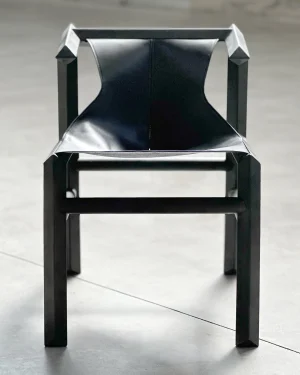
1901 – Black Leather And Wood Dining Chair
By espina corona
€890 -
 In stock
Lille Split Chair
By Thomas Gayet
€2.300 -
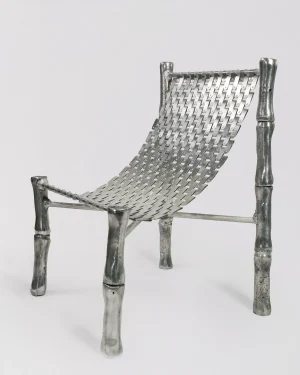 In stock
Bone Chair – Aluminum Lounge Chair
By BY JAMPS
€4.000 -
 In stock
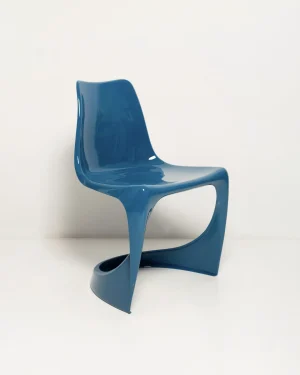
Sea Blue Cado Chair
By Vintola Studio
€900 -

Butter Chair
By Ryan Mercer
€2.537 -
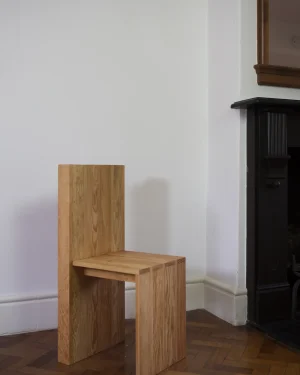
La Curva – Minimalist Wood Chair
By Jaclyn Pappalardo
€940 -
 In stock
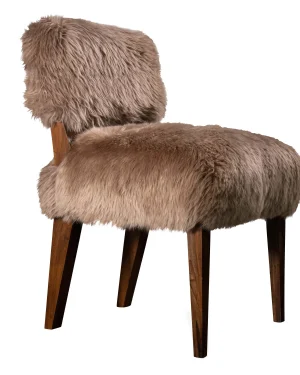
Bruno Ovino – Modern Dining Chair In Exotic Wood And Sheepskin
By Costantini Design
€1.748 -
 In stock
Poltrona 1907
By espina corona
€1.050 -
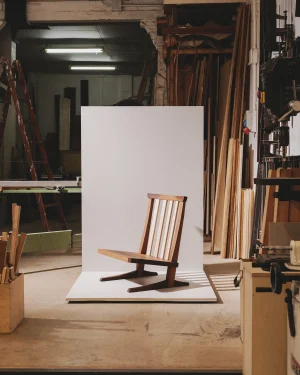
Naka Chair
By Mike Hausmann
€6.280 -

Ripple Chair
By LMNOH
€1.250 -

Sitting Bull – Stainless Steel Accent Chair
By ORFEO STUDIO
€5.800 - €6.200 This product has multiple variants. The options may be chosen on the product page -
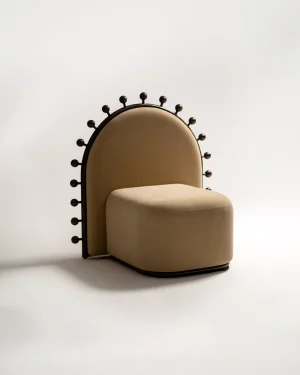
Medaillon Accent Chair
By Boo Design Studio
€3.927 -

Cas Chair
By Daniel Couttolenc
€2.250 - €2.450 This product has multiple variants. The options may be chosen on the product page -

Blotti Daybed
By Marie-Marie Defour
€7.000 -

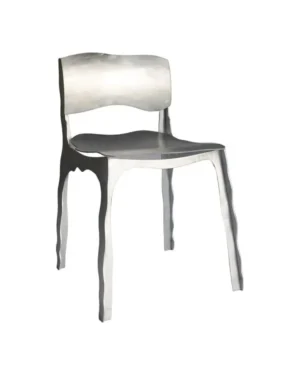
Rounded Edges Aluminum Chair
By LESORR
€1.273 This product has multiple variants. The options may be chosen on the product page -
 In stock
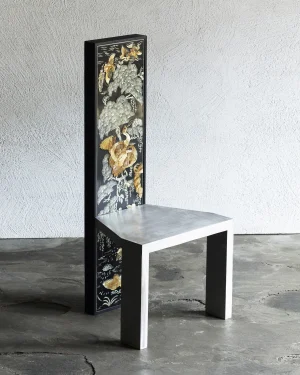
Narrative 001 – Stainless Steel / Wood Chair
By STUDIO KIMBYUNGSUB
€8.000 -
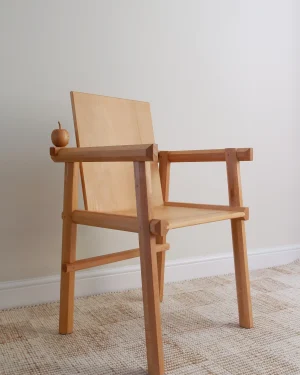
Apple Chair – Beech Wood Arm Chair
By Josh Page Studio
€1.710 -
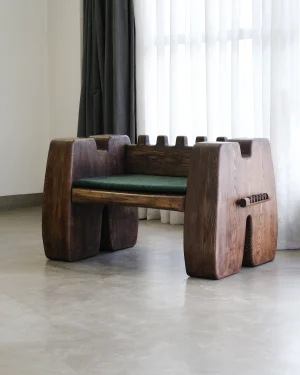
Takhat Armchair
By Shivangi Vasudeva
€5.000
Living room accent chairs are built to stand apart from a sofa rather than match it, which is why studios turn to contrasting materials and bolder silhouettes when making them. A seat in oak, walnut, steel or aluminum, upholstered in wool or leather or left bare, reads as a single object the eye lands on. Welding, wood carving, upholstery and tufting all show up here, because a chair meant to hold a room on its own has to carry a visible point of view.
What sets an accent chair apart from everyday seating
An accent chair is sized and shaped to be noticed, not to disappear into a seating group. Where a sofa aims for comfort across hours, an accent chair often works with a tighter frame, a sculptural back, or an asymmetric arm that would feel strange multiplied across three cushions. That same logic shows up across styles as different as mid-century modern, brutalist and neo-industrial, each handling scale and mass in its own way.
The frame carries most of this character. Steel and aluminum bent or welded into a continuous line give a chair a drawn, linear quality, while a wood frame in oak or walnut reads heavier and warmer, its grain doing the work that color does on an upholstered piece. Leather or wool upholstery, tufted or left smooth, adds a third register: soft where the frame is hard, matte where metal is reflective.
Materials, finishes and editions found among the chairs
The range on ADORNO shifts as studios release and retire work, but certain materials and methods recur. Aluminum and stainless steel chairs tend toward welding and metalwork, often in black, bronze or brushed finishes that hold up against daily handling. Wood and cabinetmaking produce oak and walnut frames, sometimes carved, that darken and settle with age rather than wear out. Wool and leather pieces rely on upholstery, tufting and leatherwork, arriving in beige, amber, apple green, yellow, green or brown depending on the studio's palette that season.
- Styles span minimalist, eclectic, surrealism, radical, brutalist, mid-century modern, neo-industrial and futuristic takes on the same basic form.
- Editions range from open runs to limited editions and unique pieces, so availability and exclusivity vary chair by chair.
- Finishes move between raw or painted metal, oiled or lacquered wood, and upholstery in wool or leather.
For a closer look at frame material specifically, wooden accent chairs and metal accent chairs each gather pieces built around one construction method rather than mixing several.
How to choose an accent chair for a living room
Scale matters more than style once a chair has to share a room with a sofa and a coffee table. A seat height close to standard dining height, around 17 to 19 inches, will feel at home near most sofas, while anything lower leans toward a lounge chair and asks for more floor space around it. Measure the corner or gap the chair is meant to fill before choosing a width, since an accent chair that crowds a walkway stops doing its job.
Finish is the second decision. A dark walnut or black steel frame reads quietly against pale walls and flooring, while a lighter oak or a brighter wool upholstery works as the room's one loud note. Place the chair where it gets seen on entry, not tucked behind a door, and let it sit slightly apart from the main seating group so its shape stays legible.
Caring for wood, metal, wool and leather chairs
Wood frames want a stable room, away from direct heat sources and sudden humidity swings that can open the grain or loosen joints. A light wax or oil, reapplied occasionally, keeps oak and walnut from drying out. Metal frames in steel or aluminum need little beyond an occasional wipe, though raw or blackened finishes can mark with moisture and benefit from a dry cloth rather than water.
Wool upholstery holds up to regular use but should be vacuumed and kept out of strong, direct sun, which fades color unevenly over time. Leather softens and develops a patina with handling, so occasional conditioning matters more than frequent cleaning. For other seating built around the same living room logic, living room seating and the wider run of living room furniture cover chairs, sofas and tables sized for the same rooms.
How do I choose an accent chair for my living room?
Start with how the seat will be used, for reading, extra guest seating or as a visual anchor, then match scale to the room and frame material to the rest of your furniture.
What materials are best for living room accent chairs?
Wood frames in oak or walnut bring warmth and age well, while steel and aluminum suit a sparer look. Leather and wool upholstery add texture and soften hard surfaces.
How do I care for an upholstered or wood accent chair?
Vacuum fabric or wool upholstery regularly and treat spills immediately. Wipe wood frames with a dry cloth and keep them away from direct heat or sustained sunlight.
What size accent chair fits a living room?
Standard seat heights sit between 17 and 19 inches, close to sofa height, so the chair reads as part of the seating group rather than apart from it.
Can an accent chair work in other rooms too?
Yes, the same chairs suit bedrooms, studies or entryways. Look at scale and frame material rather than room labels when deciding where a piece will sit best.
What about shipping, returns and authenticity at ADORNO?
Shipping is insured and worldwide. Returns are accepted within 14 days, excluding made-to-order pieces, and every chair comes with a certificate of authenticity.