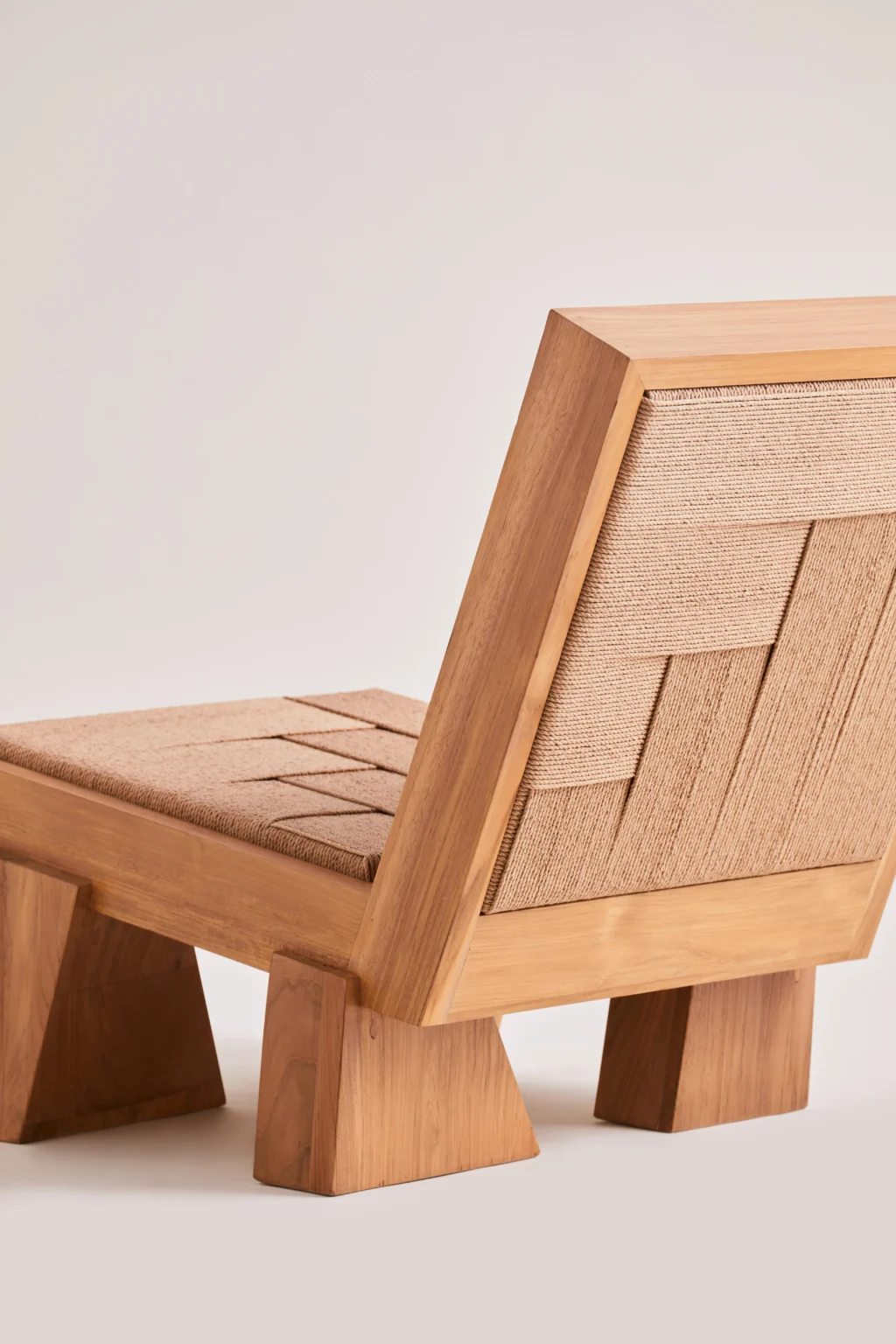
-
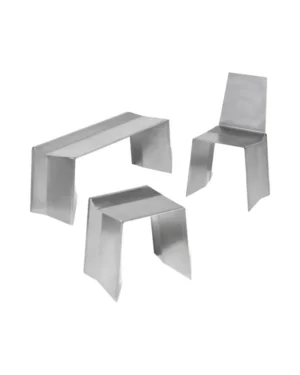
The Practice Chair
By Studio Fabius Clovis
€2.200 This product has multiple variants. The options may be chosen on the product page -
 In stock
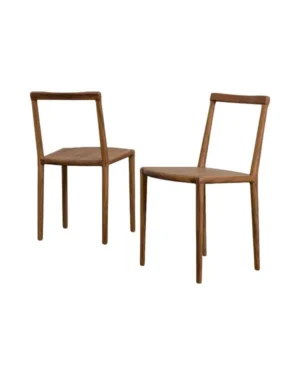
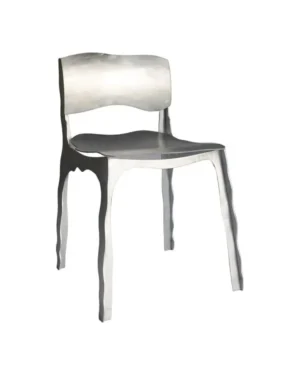
“your Skin” Chair
By Tributo
€2.180 -
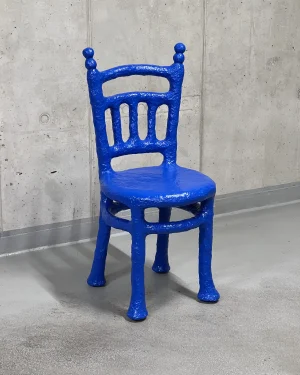
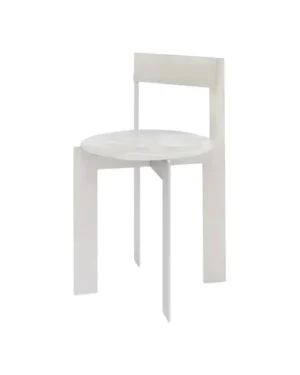
Blue Papier-mâché Chess Chair
By David Čáp
€1.000 -

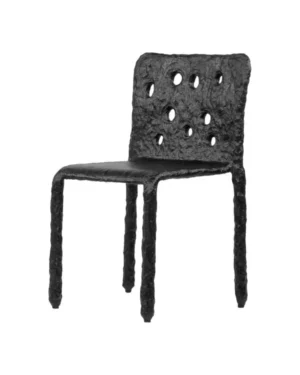
Honey – Squiggle Oak Wood Chair
By Deya
€1.492 -

The Andes Huntsman Chair
By CHANDLER MCLELLAN
€3.695 -
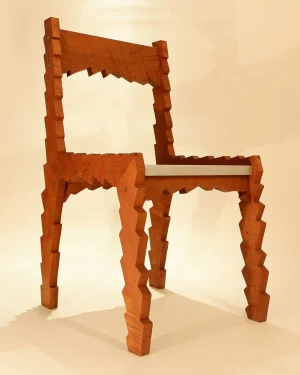
Shocking Chair – Stained Oak Wood Dining Chair
By Josh Page Studio
€940 -
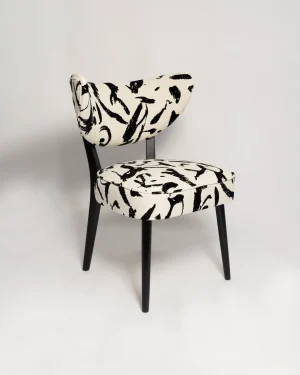
Retro Dining Chair
By Vintola Studio
€1.200 -
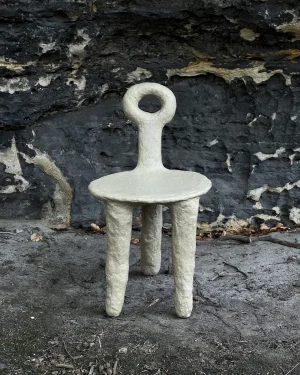
Sandstone Chair
By David Čáp
€1.000 -
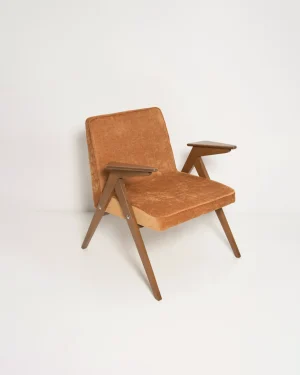
1960s Upholstered Armchair
By Vintola Studio
€1.300 -

Xb-70 V Armchair
By Mantas Lesauskas
€2.400 -

Mid-century Heart Chair In Plushy Bordeaux, Dedar,europe, 1960s
By Vintola Studio
€1.050 -
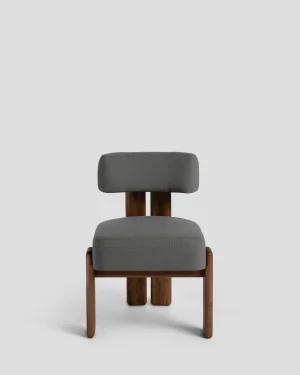
De La Paz Dining Chair
By Comité de Proyectos
€2.380 -

Vaga Chair
By Rosana Sousa
€2.820 -
 In stock
Vintola Studio Dining Chair, Casamance Nimbus Leopard Fabric
By Vintola Studio
€1.400 -

Icpalli
By Kresta Studio
€1.930 -
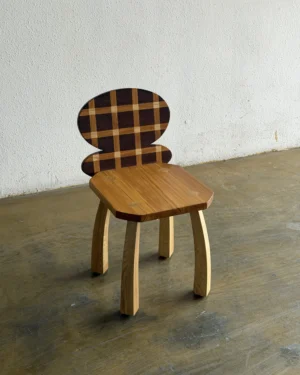
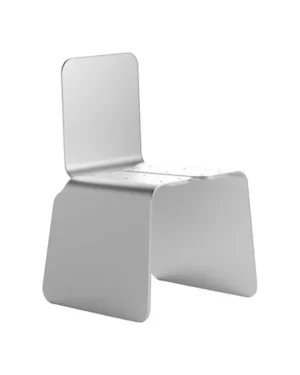
Bend Chair
By STUDIO KALLANG
€2.900 -

Kut – Accent Chair
By SABAN FURKAN
€3.400 -
 In stock
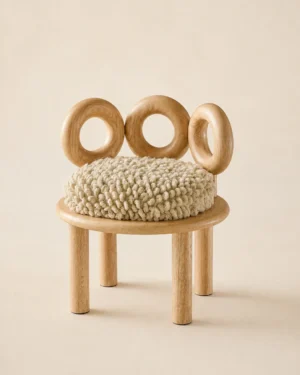
Hooop Accent Chair
By Joyful Objects, Yes!
€2.700 This product has multiple variants. The options may be chosen on the product page -

Ginkgo Chair
By Luke Crouch Studio
€2.550 -
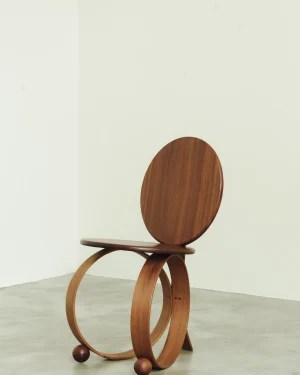
Yara – Bent Wood Chair
By PROSA
€3.200 -
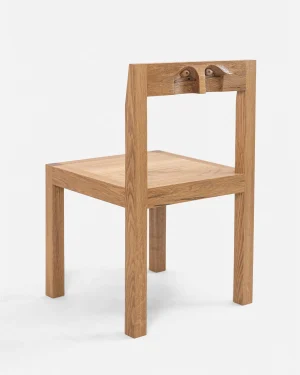
Stele – Oak Wood Chair
By Molor Tumen-Ulzii
€3.000 -
 In stock
Block Lounge
By Heaps & Woods
€4.250 - €4.475 This product has multiple variants. The options may be chosen on the product page -
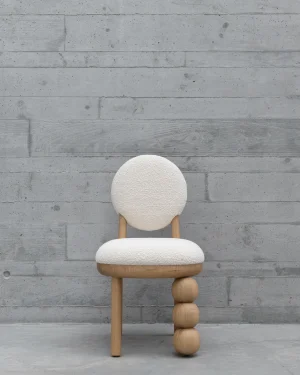
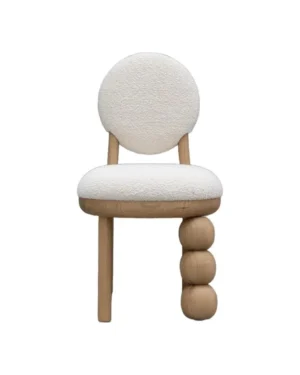
The Three Ball Leg Chair
By Joana Teixeira
€2.200 -
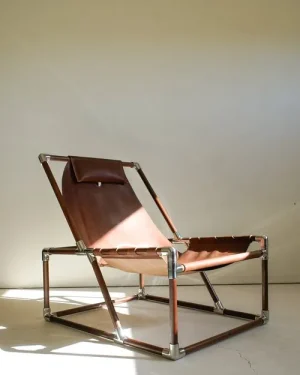
Marina Sling – Lounge Chair
By CHANDLER MCLELLAN
€2.588 -

Knot – Accent Chair – Solid Ash Wood
By Luis Gimeno Design
€1.100 -
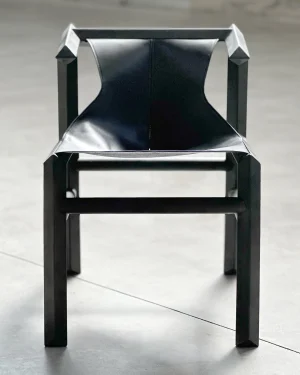
1901 – Black Leather And Wood Dining Chair
By espina corona
€890 -
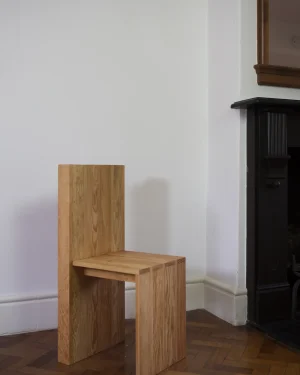
La Curva – Minimalist Wood Chair
By Jaclyn Pappalardo
€940 -
 In stock
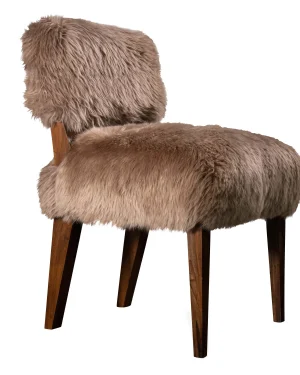
Bruno Ovino – Modern Dining Chair In Exotic Wood And Sheepskin
By Costantini Design
€1.748 -
 In stock
Poltrona 1907
By espina corona
€1.050 -
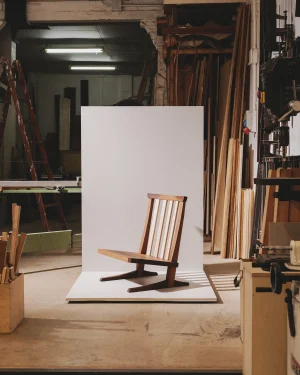
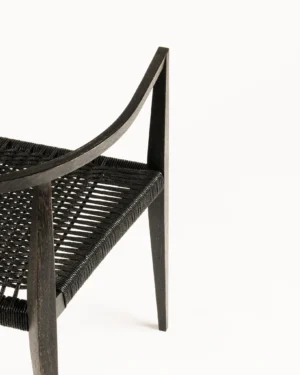
Naka Chair
By Mike Hausmann
€6.280 -
 In stock
Lehn Chair
By studiolehn
€882 - €1.046 This product has multiple variants. The options may be chosen on the product page -

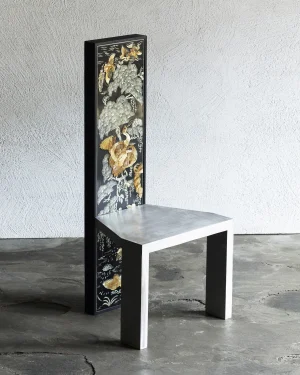
Cas Chair
By Daniel Couttolenc
€2.250 - €2.450 This product has multiple variants. The options may be chosen on the product page -
 In stock
Narrative 001 – Stainless Steel / Wood Chair
By STUDIO KIMBYUNGSUB
€8.000 -
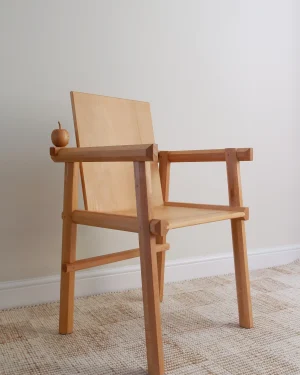
Apple Chair – Beech Wood Arm Chair
By Josh Page Studio
€1.710 -
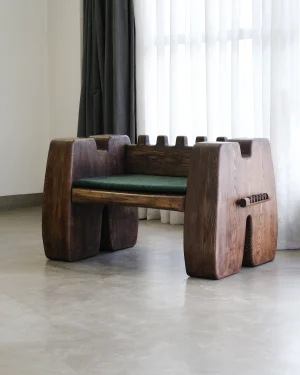
Takhat Armchair
By Shivangi Vasudeva
€5.000 -
 In stock
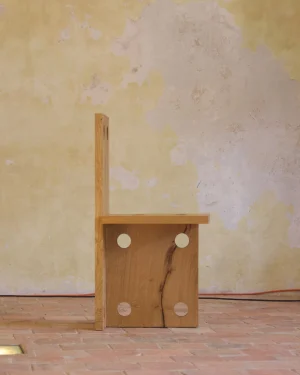
Sensitive Wood – Domino Chair
By Vital Lainé
€1.000 -
 In stock
Pink Papier-mâché Chair
By David Čáp
€1.000 -

1908 – Solid Wood & Leather Lounge Chair
By espina corona
€1.450 -
 In stock
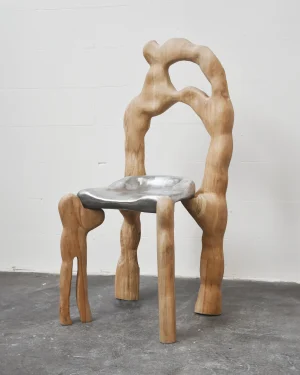
Tpf Series (the Parasitic Factors) _no.03
By Sai.E Studio
€6.500 -
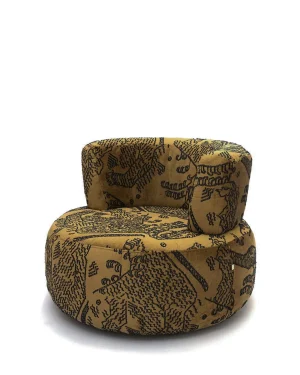
Object051 – Dedar Fabric Armchair
By NG DESIGN
€2.095 -
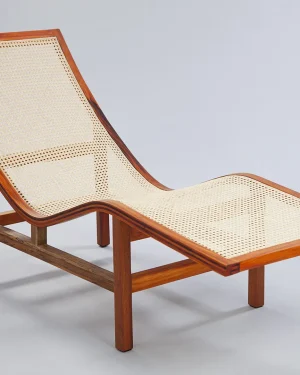
Chaise Sossego
By am.o atelier
€2.956 -
 In stock
Post & Rung Chair
By Luke Crouch Studio
€1.550 -
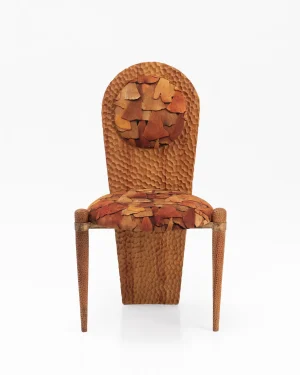
Naughty By Nature – Sculptural Chair
By Odditi
€1.180 -

Poppy – Sculptural Oak Chair
By Deya
€1.640 -
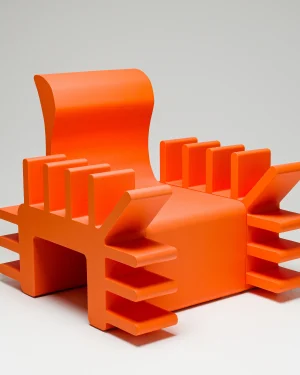 In stock
Book Monster
By JLF Design Studio
€10.000 -
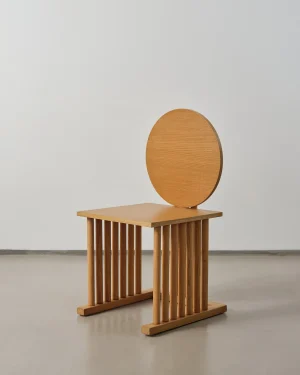
Stoa Chair
By Studio Mohs
€1.322 -
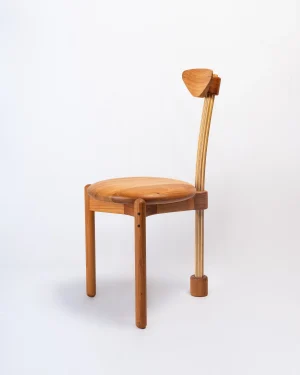
Pipa – Peroba Do Campo Wood Chair
By Estúdio Simbiose
€1.450 -
 In stock
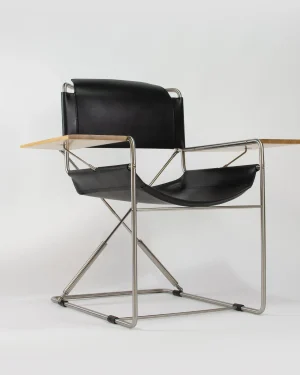
Pneumatic Chair 2
By Szostak Atelier
€5.990 This product has multiple variants. The options may be chosen on the product page -
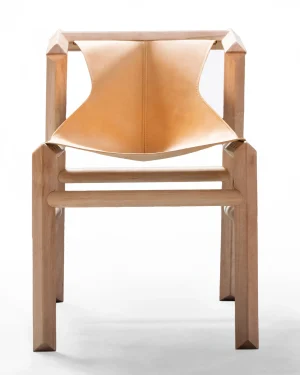
1901 – Cognac Leather And Wood Dining Chair
By espina corona
€890 -
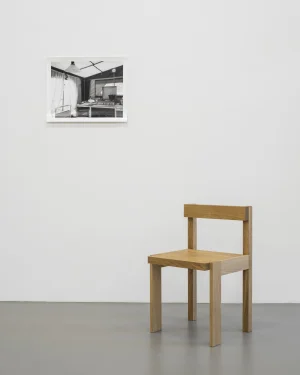
Type Chair – Oak Wood
By René Otto
€1.345 -
 In stock
Estratos Chair
By Aldo Montes de Oca
€2.500 -

2-bloom Bench
By Luke Crouch Studio
€4.090 -
 In stock
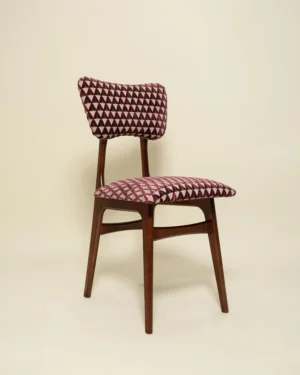
Mid Century Butterfly Chair, Amuleto Rubino, Dedar, 1960
By Vintola Studio
€1.050 -
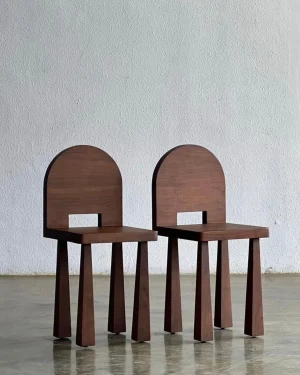
Luna – Teak Dining Chair
By STUDIO KALLANG
€1.025
Wooden accent chairs are built around solid or engineered timber, shaped by hand or machine into frames that carry weight at the seat, back and legs. Studios working in ash, oak, walnut and plywood rely on cabinetmaking, joinery and carving to join rail to leg without hiding the grain. Some pieces are produced in open runs, others in limited numbers or as unique pieces, but the wood itself stays the constant.
What defines a wooden accent chair
Wood brings a frame that flexes slightly under load instead of resisting it outright, which is why a well-jointed chair can outlast decades of daily use. Ash and oak run dense and pale, taking a clear or lightly tinted finish that lets the grain show through. Walnut sits darker and tighter in grain, often left with little more than oil to protect it. Plywood behaves differently again: thin layers pressed and glued let a maker bend the material into curved backs and seats that solid board cannot hold.
The range of woods, finishes and techniques
Across accent chairs worked in timber, the wood rarely stands alone. Seats and backs often carry upholstery in textile, woven cane or hand-built paper pulp panels finished through papier-mâché, adding color and softness against the bare frame. Finishes run from raw and oiled to painted in beige, black, bronze or deeper tones like violet and green, and styles span mid-century modern lines, rustic joinery, Bauhaus restraint, art deco curves and boho or eclectic mixes of material. Editions vary too: some chairs are produced as open runs, others as limited editions or one-off pieces where carving or hand-building rules out repetition.
How to choose a wooden accent chair
Start with scale. A chair meant to sit beside a sofa or in a reading corner should sit lower and narrower than one meant to anchor a hallway or entry. Seat height matters more than it first appears, since a few centimeters change how the chair reads next to a sofa arm or dining table.
- Match the wood tone to existing floors or case pieces rather than to other chairs alone
- Choose a carved or joined frame for a piece that will stand alone as a visual object
- Choose an upholstered seat where daily sitting matters more than the frame's silhouette
Finish matters as much as species: an oiled surface will darken and show handling over years, while a painted or lacquered frame holds its color longer but hides the grain underneath.
Where wooden accent chairs fit
Oak and ash chairs hold up well in living rooms, where their weight and warmth read as settled rather than temporary. Lighter plywood or bentwood pieces work in smaller rooms or as extra seating pulled in in for guests. Walnut and other dense woods suit dining rooms, where a sturdy joined frame takes regular use at the table without loosening. For a broader look at timber seating beyond the accent category, the full range of wooden chairs on ADORNO spans dining, lounge and occasional forms built the same way.
Caring for the wood
Solid timber moves with humidity, so keep chairs away from direct radiator heat or damp corners where joints can loosen over time. An oiled or waxed finish benefits from reapplication every year or two, while a painted or lacquered surface mainly needs a dry or lightly damp cloth. Wipe spills promptly, since standing water can darken or raise the grain on an unsealed surface. For the full span of timber pieces beyond seating, the complete wood material page on ADORNO covers tables, lighting and objects worked in the same species and techniques.
How do I choose a wooden accent chair?
Start with the wood and finish: pale ash or oak for a lighter frame, dark walnut for density, painted or upholstered seats for added color. Match the style, from rustic joinery to art deco curves, to the room around it.
How do I care for a wooden accent chair?
Keep wood away from direct heat and damp, and wipe with a dry or barely damp cloth. Oiled finishes benefit from occasional reoiling, while painted or lacquered surfaces just need regular dusting.
What size is a wooden accent chair?
Most sit at standard chair height, with seats built to support everyday use rather than lounging. Exact dimensions vary by frame and maker, so check the specific piece or chat with the maker for details.
Which rooms suit wooden accent chairs?
Solid frames anchor a living room corner or reading nook, while lighter plywood or cane-backed pieces suit bedrooms and smaller spaces. Dining and entry areas also take well to a single, sturdy wooden chair.
Are wooden accent chairs solid wood or engineered?
Both appear here: solid ash, oak or walnut shaped through cabinetmaking and carving, alongside plywood pressed and glued into curved frames. Each behaves differently, with solid wood showing grain and plywood allowing tighter bends.
What are ADORNO's shipping and return policies?
Shipping is insured and worldwide, with a 14-day return policy, though made-to-order pieces are excluded. Every piece arrives with a certificate of authenticity, backed by a lowest-price guarantee.