









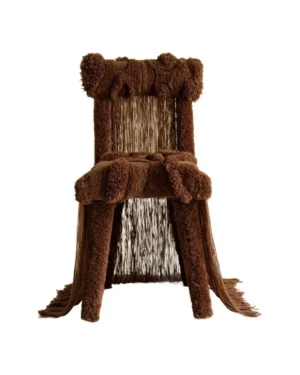
-
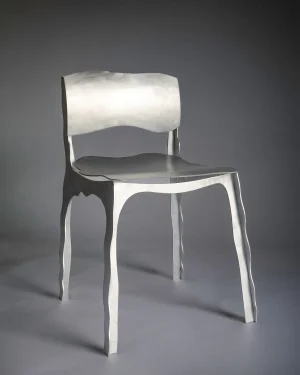
Contemporary Vanity Chair V2
By Six Dots Design
€920 -
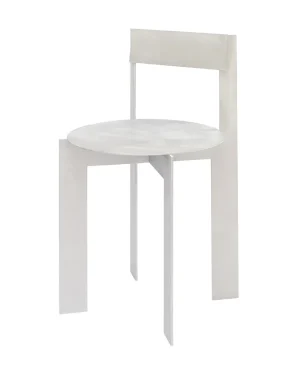
Object111 – Aluminum Chair
By NG DESIGN
€333 -
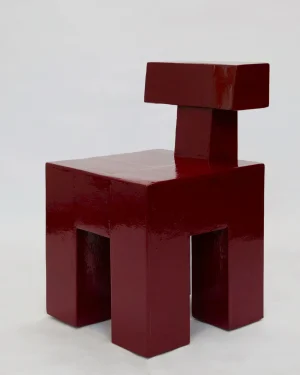
The Practice Chair
By Studio Fabius Clovis
€2.200 This product has multiple variants. The options may be chosen on the product page -
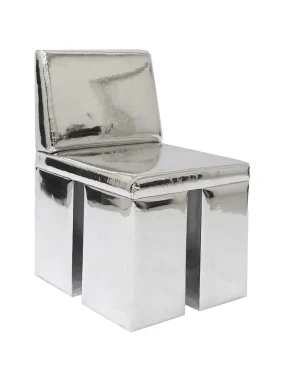
Object106 – Upholstered Chairs
By NG DESIGN
€585 - €1.115 This product has multiple variants. The options may be chosen on the product page -
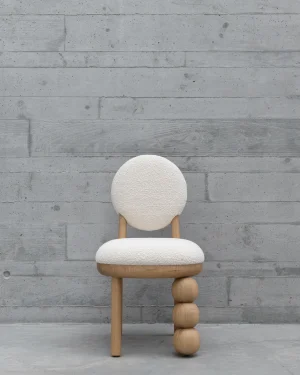
The Three Ball Leg Chair
By Joana Teixeira
€2.200 -

Lumbarchair Accent Chair
By FlatFlat
€429 -

Super Jardim Armchair
By Cultivado em Casa
€4.549 This product has multiple variants. The options may be chosen on the product page -
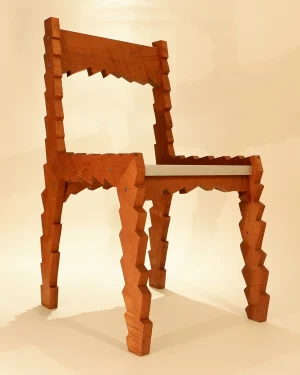
Shocking Chair – Stained Oak Wood Dining Chair
By Josh Page Studio
€940 -
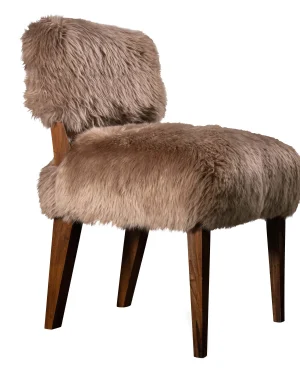
Bruno Ovino – Modern Dining Chair In Exotic Wood And Sheepskin
By Costantini Design
€1.748 -

Mid-century Heart Chair In Plushy Bordeaux, Dedar,europe, 1960s
By Vintola Studio
€1.050 -
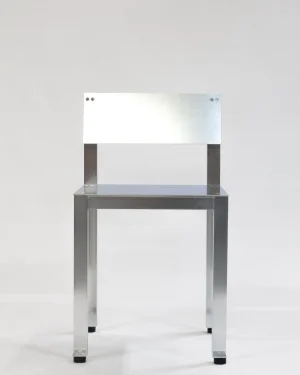
Canto – Aluminum Dining Chair
By Luiz Solano
€840 -

Vintola Studio Dining Chair, Casamance Nimbus Leopard Fabric
By Vintola Studio
€1.400 -
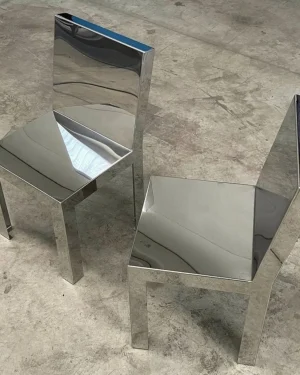
Sedia 1 – Mirror Polished Stainless Steel Chair
By Julia Chiaramonti
€5.500 -

Arco Massiva — Ebony Wood, Cast Aluminum And Velvet Chair
By DONÓ Design
€2.729 -

Kut – Accent Chair
By SABAN FURKAN
€3.400 -

Binario II – Accent Chair
By SABAN FURKAN
€3.600 -
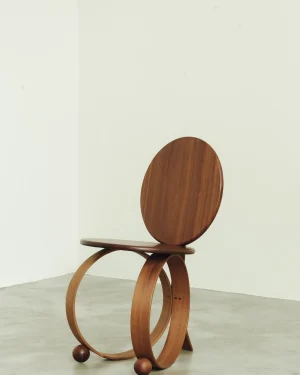
Yara – Bent Wood Chair
By PROSA
€3.200 -
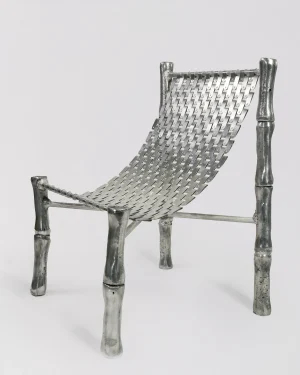
Bone Chair – Aluminum Lounge Chair
By BY JAMPS
€4.000 -

Estratos Chair
By Aldo Montes de Oca
€2.500 -
 In stock
Block Lounge
By Heaps & Woods
€4.250 - €4.475 This product has multiple variants. The options may be chosen on the product page -
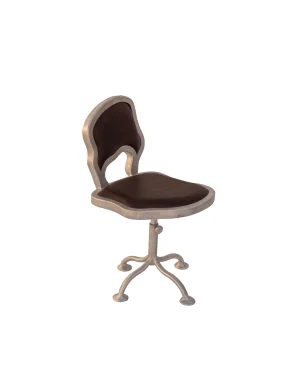
Office Chair
By Six Dots Design
€2.450 -
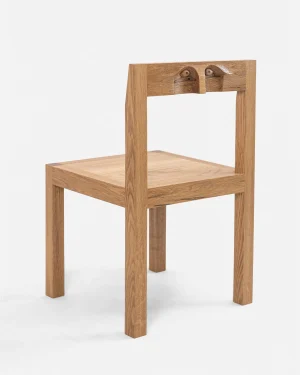
Stele – Oak Wood Chair
By Molor Tumen-Ulzii
€3.000 -
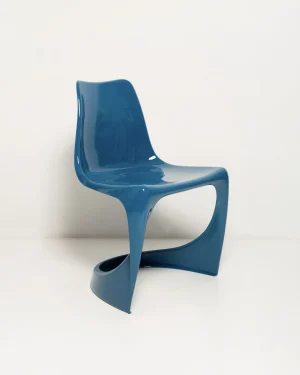
Sea Blue Cado Chair
By Vintola Studio
€900 -

Cas Chair
By Daniel Couttolenc
€2.250 - €2.450 This product has multiple variants. The options may be chosen on the product page -
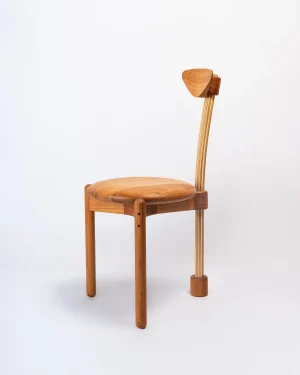
Pipa – Peroba Do Campo Wood Chair
By Estúdio Simbiose
€1.450 -

Bo Armchair
By Giácomo Tomazzi Studio
€2.300 -
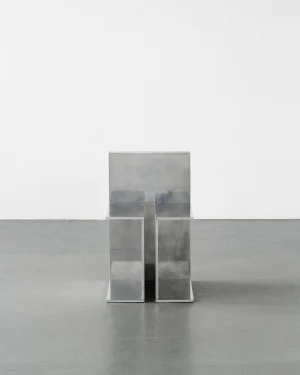
Lille Split Chair
By Thomas Gayet
€2.300 -
 In stock
Pneumatic Chair 2
By Szostak Atelier
€5.990 This product has multiple variants. The options may be chosen on the product page -

Sitting Bull – Stainless Steel Accent Chair
By ORFEO STUDIO
€5.800 - €6.200 This product has multiple variants. The options may be chosen on the product page -
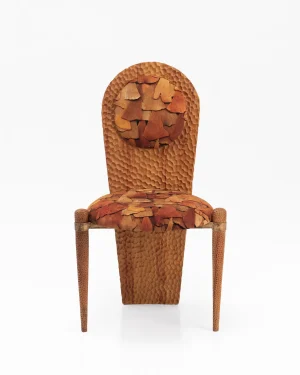
Naughty By Nature – Sculptural Chair
By Odditi
€1.180 -
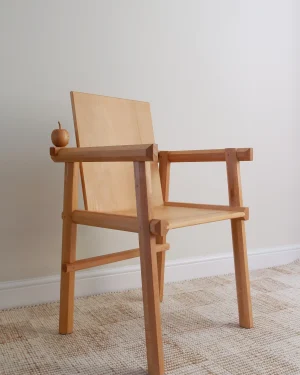
Apple Chair – Beech Wood Arm Chair
By Josh Page Studio
€1.710 -
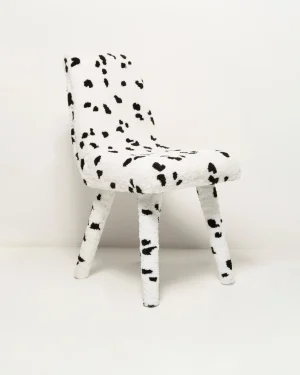
Cruella Dalmatian Chair
By Vintola Studio
€1.600 -
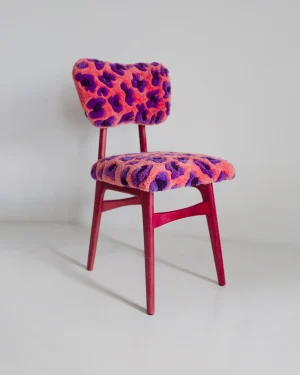
Butterfly Chair Pink Leopard Tufting Wool
By Vintola Studio
€1.600 -
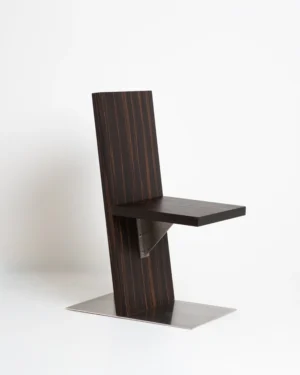
F – Accent Chair
By SABAN FURKAN
€3.600 -
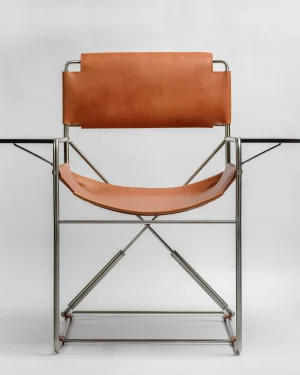
Pneumatic Chair – Unique Piece
By Szostak Atelier
€9.000 -

Poppy – Sculptural Oak Chair
By Deya
€1.640 -

Honey – Squiggle Oak Wood Chair
By Deya
€1.492 -
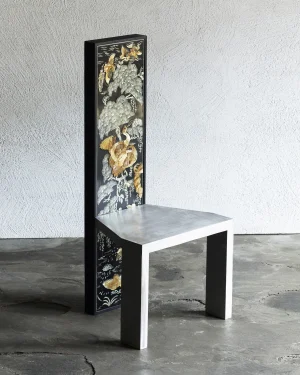
Narrative 001 – Stainless Steel / Wood Chair
By STUDIO KIMBYUNGSUB
€8.000 -

Slide Stool / Chair
By Ziroru Studio
€1.360 -

Invisible Chair No. 1 – Steel Wall Chair
By lee hyokk
€2.070 -
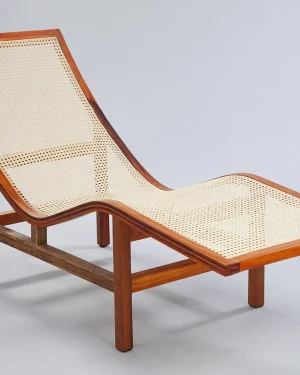
Chaise Sossego
By am.o atelier
€2.956 -

Mid Century Mushroom Chair, Amoir Fou, Dedar, By J. Kedziorek, 1960s
By Vintola Studio
€1.050 -

Núcleo Massiva — Ebony Wood And Resin Chair
By DONÓ Design
€2.271 -
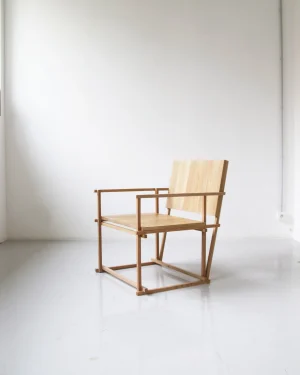
Arles Armchair
By Lahana Alice
€1.390 -
 In stock
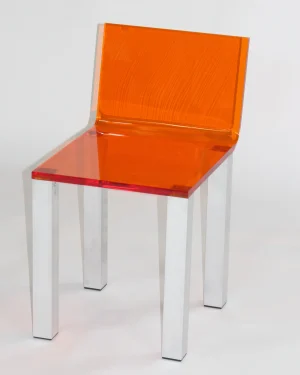
Acrilar – Acrylic Chair I
By Luiz Solano
€840 This product has multiple variants. The options may be chosen on the product page -
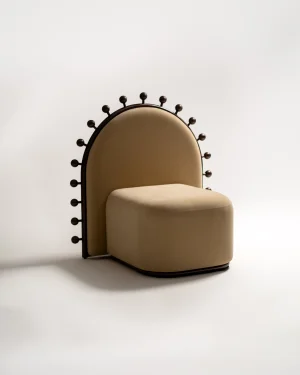
Medaillon Accent Chair
By Boo Design Studio
€3.927 -
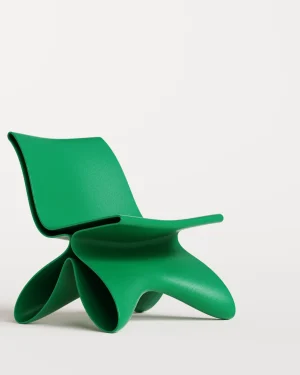
Sprout Lounge Chair
By noknok
€2.075 -
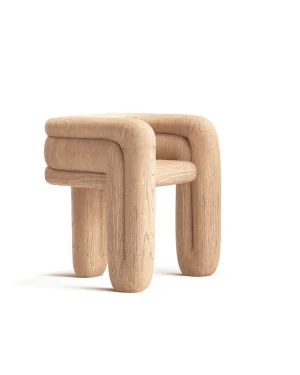
Enigma – Oak Chair
By Alter Ego Studio
€6.300 - €7.000 This product has multiple variants. The options may be chosen on the product page -
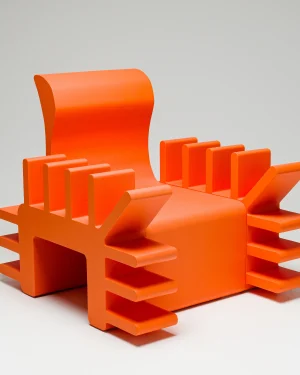
Book Monster
By JLF Design Studio
€10.000 -
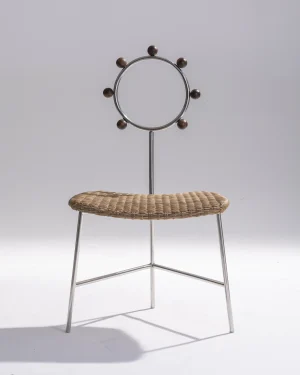
Sol – Stainless Steel And Wicker Chair
By Giácomo Tomazzi Studio
€1.350 -
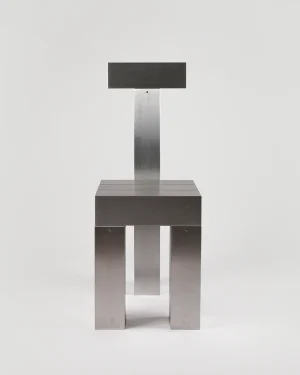
Garriga Chair
By Lucas Cambier
€3.500 -
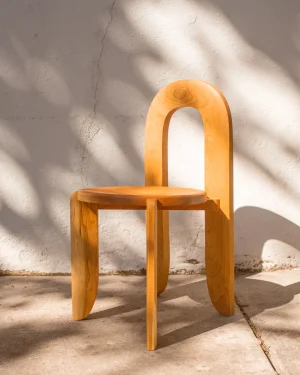
Con Pan
By Aileen De La Ree Valencia
€2.555 -
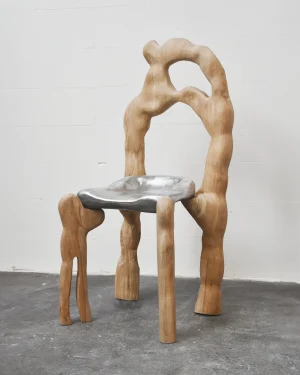
Tpf Series (the Parasitic Factors) _no.03
By Sai.E Studio
€6.500 -
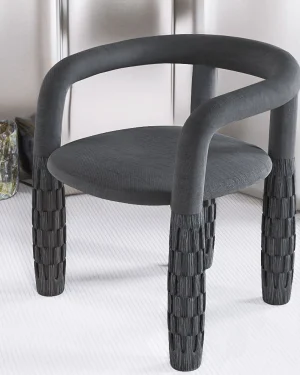
Mascot Armchair
By Alter Ego Studio
€4.580 This product has multiple variants. The options may be chosen on the product page
Modern accent chairs read as single, deliberate objects within a room: one chair with a clear silhouette, a frame in wood or metal, and a seat finished in leather or textile. Studios working in welding, joinery and upholstery build these forms today, pairing aluminum or stainless steel frames with oak, walnut or wool-covered cushions. The material used tells you how the piece will age and how to place it.
What defines the frame and the seat
Metal frames, usually aluminum or stainless steel, give an accent chair a thin profile and a cool surface that holds its line without bulk. Wood frames, most often oak or walnut, bring warmth and visible grain, and darken slightly or lighten at touch points over years of handling. Seats arrive upholstered in leather, which stretches a little and develops a patina, or in textile, which keeps color steadier under direct light but marks more easily.
Most pieces are made as open editions, repeated to the same specification over time, though a smaller number of studios produce one-off chairs as single, unrepeated pieces. Both approaches use the same joinery, welding and upholstery techniques; the difference is in how many times the frame is cut.
Finishes and colors across the range
Black and off-white remain the two colors studios return to most, since both sit against almost any wall or floor without competing with the furniture around them. Beyond that pair, the range extends to apple green, amber, burgundy and bronze, along with matte coatings on metal that resist fingerprints better than a gloss finish. A single chair in a strong color can work as the one note of contrast in an otherwise quiet room; two or more in the same hue read as a set instead.
Choosing scale, height and placement
When choosing modern accent chairs for scale, height and placement, treat seat height as the first measurement, keeping it close to the height of a nearby sofa so a conversation group sits level rather than staggered. Measure the depth of the chair against the corner or wall it will occupy, leaving space for arms to clear a doorway or side table. In a living room, a pair set either side of a window reads differently from a single chair angled toward a sofa, so decide on the view before fixing a spot.
Where these chairs suit a room
Modern accent chairs suit living rooms, bedrooms and entry nooks in different ways, depending on frame weight and seat height. Accent chairs built for living rooms tend to be sized to sit beside a sofa without crowding it, taking the heaviest daily use. Bedrooms suit a smaller frame, often in wood or a soft textile, set beside a window or at the foot of the bed. Entryways and landings call for a single chair light enough to move, usually in metal rather than wood.
Caring for wood, metal and upholstered seats
Oak and walnut frames want a dry cloth and an occasional pass of furniture oil to keep the grain from drying out; keep them away from direct radiator heat, which pulls moisture from wood and can open small cracks at the joints. Aluminum and stainless steel need only a wipe to keep dust from dulling the surface, and matte coatings should be cleaned without abrasive pads. Leather seats benefit from a conditioner every few months, while textile covers do best with a vacuum brush and prompt attention to spills before they set.
For frames built entirely in timber, wooden accent chairs show grain and joinery up close, while metal accent chairs favor a thinner, cooler line. Both sit within the wider range of accent chairs on ADORNO, alongside every piece in this style across the gallery, from seating to lighting and tables, all sharing the same clear forms and visible materials.
How do I choose a modern accent chair?
Look at the frame and silhouette first: a clean line in wood or metal suits a pared-back room, while a sculptural curve or bold upholstery works as a standalone statement.
What materials are modern accent chairs made from?
Common choices include oak, walnut and metal frames paired with leather or textile upholstery, sometimes finished in matte or bold color for contrast against neutral rooms.
How do I care for the material?
Wipe wood and metal frames with a dry or slightly damp cloth and keep them from direct heat; vacuum textile upholstery regularly and treat leather with a conditioner every few months.
What size or seat height should I look for?
Most accent chairs sit between standard dining and lounge height, so check seat height and depth against nearby furniture to keep proportions balanced in the room.
Which rooms suit a modern accent chair?
They anchor a living room corner, add a second seat in a bedroom, or bring a sculptural moment to an entryway or home office without crowding the space.
How does buying through ADORNO work, including shipping and returns?
Shipping is insured and worldwide, each piece arrives with a certificate of authenticity, and a 14-day return policy applies except on made-to-order pieces; for specifics on a chair, chat with the maker on its page.