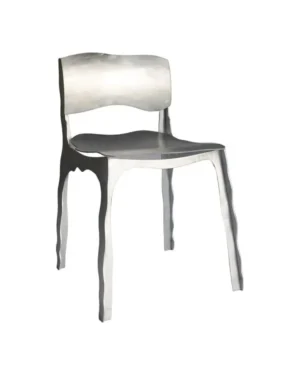
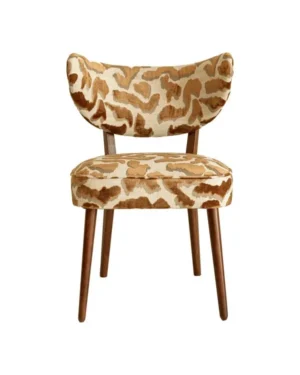
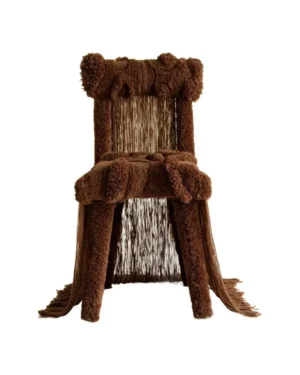
-
 In stock
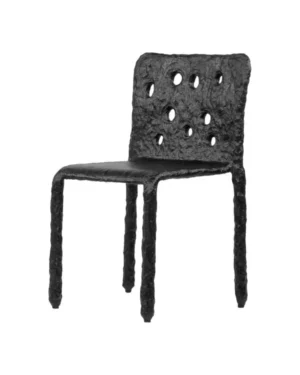
Núcleo Massiva — Ebony Wood And Resin Chair
By DONÓ Design
€2.271 -
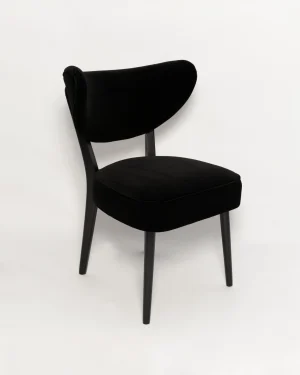 In stock
Retro Dining Chair
By Vintola Studio
€1.160 - €1.200 This product has multiple variants. The options may be chosen on the product page -

Arco Massiva — Ebony Wood, Cast Aluminum And Velvet Chair
By DONÓ Design
€2.729 -

Super Jardim Armchair
By Cultivado em Casa
€4.549 This product has multiple variants. The options may be chosen on the product page -
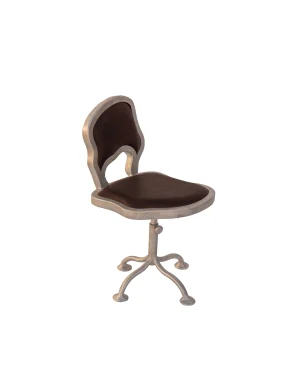
Office Chair
By Six Dots Design
€2.450 -

Ginkgo Chair
By Luke Crouch Studio
€2.550 -
 In stock
Block Lounge
By Heaps & Woods
€4.250 - €4.475 This product has multiple variants. The options may be chosen on the product page -
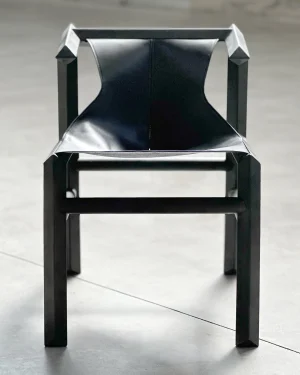
1901 – Black Leather And Wood Dining Chair
By espina corona
€890 -
 In stock
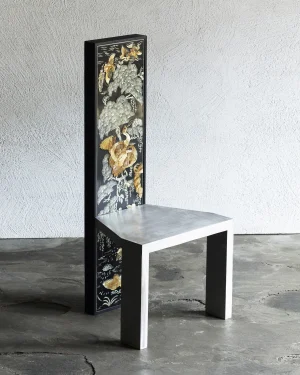
Narrative 001 – Stainless Steel / Wood Chair
By STUDIO KIMBYUNGSUB
€8.000 -
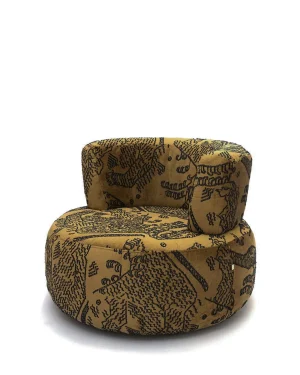
Object051 – Dedar Fabric Armchair
By NG DESIGN
€2.095 -
 In stock
Post & Rung Chair
By Luke Crouch Studio
€1.550 -
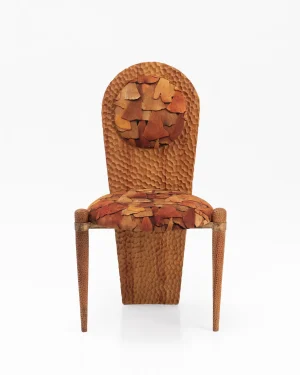
Naughty By Nature – Sculptural Chair
By Odditi
€1.180 -
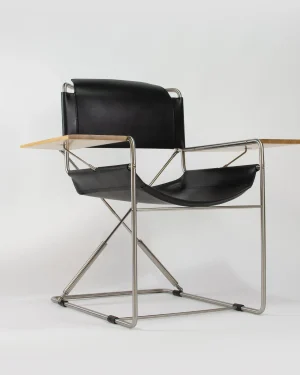 In stock
Pneumatic Chair 2
By Szostak Atelier
€5.990 This product has multiple variants. The options may be chosen on the product page -

2-bloom Bench
By Luke Crouch Studio
€4.090 -
 In stock
Boni Dining Chair
By Heaps & Woods
€2.750 - €2.937 This product has multiple variants. The options may be chosen on the product page -
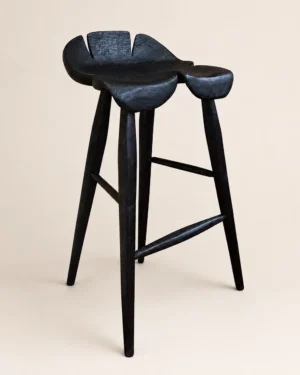
Flower Counter Stool
By Luke Crouch Studio
€2.450 -
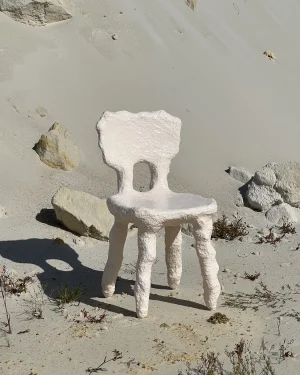
Crispy Chicken Light Orange Papier-mâché Chair
By David Čáp
€1.000 -
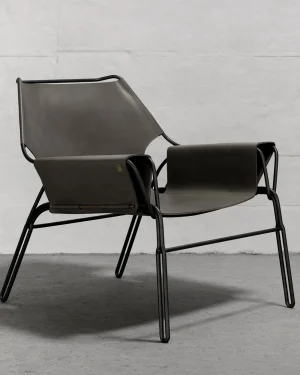 In stock
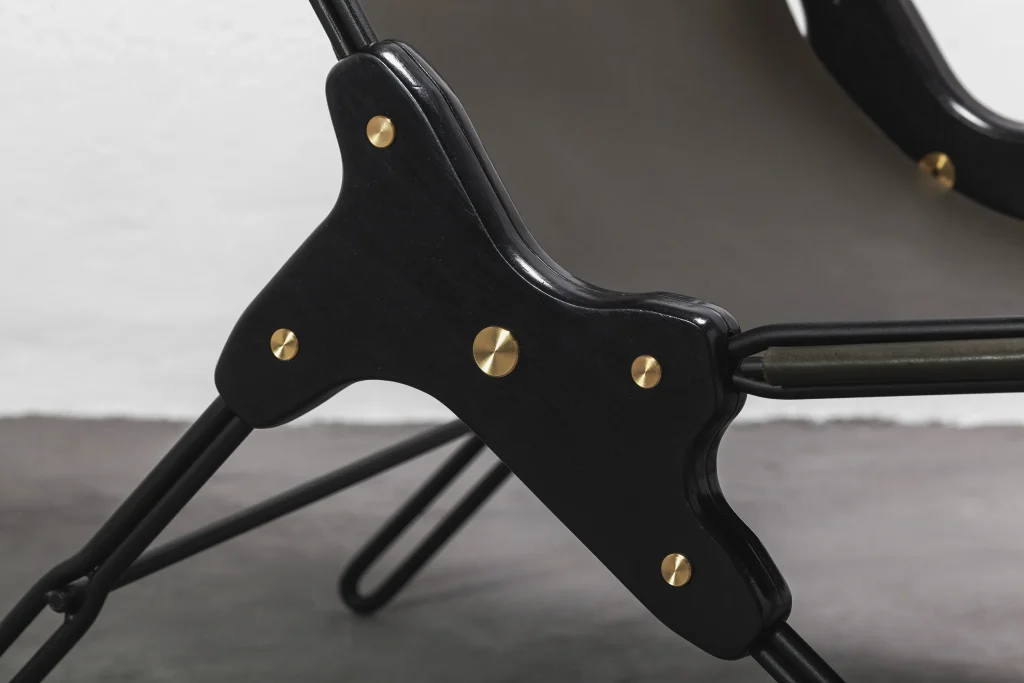
Perfidia_02 – Thick Leather Sling Lounge Chair In Black Steel
By ANDEAN
€4.542 This product has multiple variants. The options may be chosen on the product page -

Ginkgo Counter Stool
By Luke Crouch Studio
€2.350 -
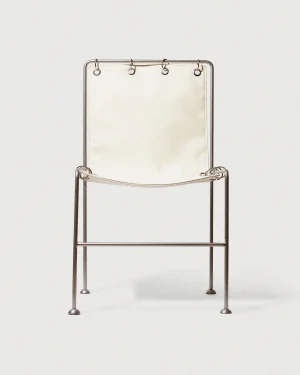
Institution Sculptural Chair, White Lamb Leather
By Panorammma Atelier
€1.990 -

Dumb Chair
By Jumbo
€12.400 -
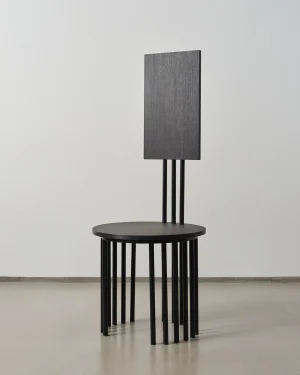
Reina Chair
By Studio Mohs
€1.614 -

Manikin – Stone Stool
By Alter Ego Studio
€9.220 - €16.620 This product has multiple variants. The options may be chosen on the product page -
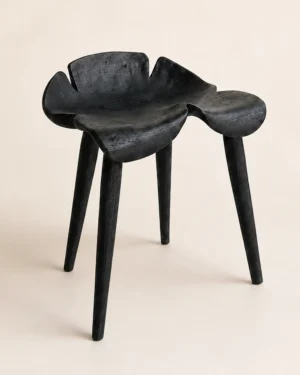
Flower Stool
By Luke Crouch Studio
€2.150 -
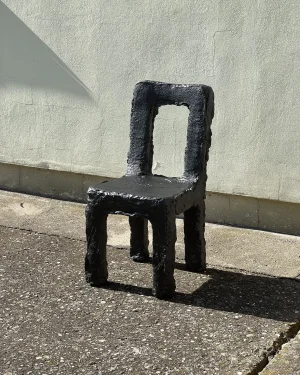
Black Dough Chair
By David Čáp
€1.000 -
 In stock
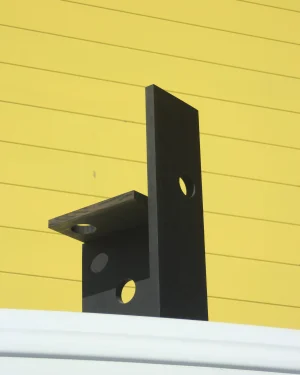
O Chair – Oak Dining Chair
By Vital Lainé
€800 -

Bo Armchair
By Giácomo Tomazzi Studio
€2.300 -
 In stock
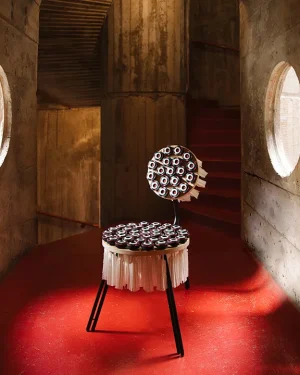
56 Petecas Chair
By Cultivado em Casa
€3.590 -
 In stock
Charcoal-drawn Papier-mâché Chair
By David Čáp
€1.000 -
 In stock
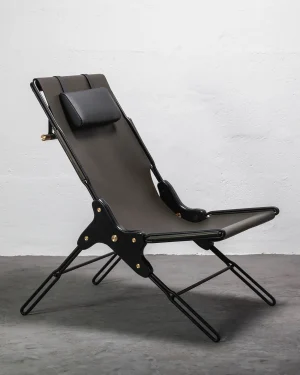
Perfidia_01 – Thick Leather Sling Lounge Chair In Black Steel
By ANDEAN
€4.133 This product has multiple variants. The options may be chosen on the product page -
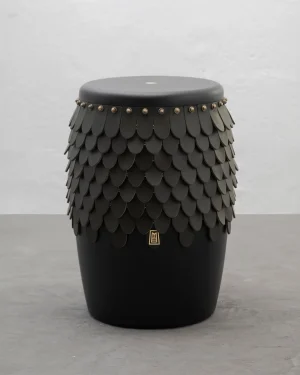 In stock
Sitiera_01 Solid Wood Stool, With Olivo Thick Leather Accents, And Aged Bronze
By ANDEAN
€2.495 -

Angulo Burnt Oak Chair
By Toro Manifesto
€1.780 -
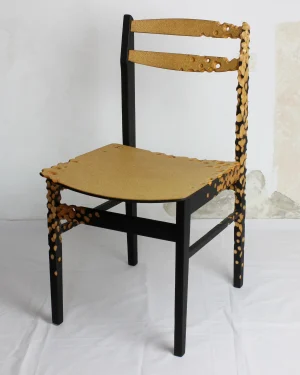
N1 Chair
By Gábor Góbi
€1.990 -
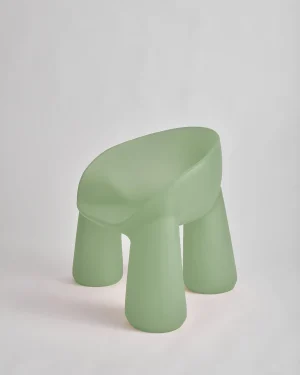
Jojo – Resin Chair
By Joyful Objects, Yes!
€4.500 This product has multiple variants. The options may be chosen on the product page -
 In stock
Alux Chair
By Spero Furniture
€530 -
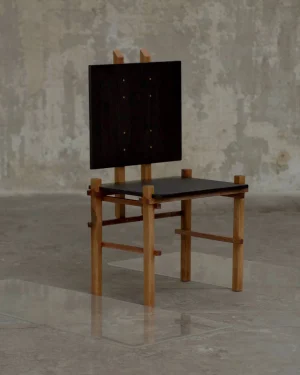 In stock
Lava – Symmetrical Wooden Chair
By Jaclyn Pappalardo
€1.285 -
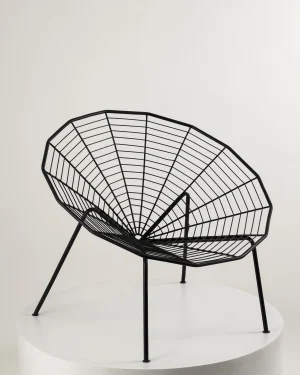
Spidey – Iron Lounge Chair
By Nama Home
€2.725 -
 In stock
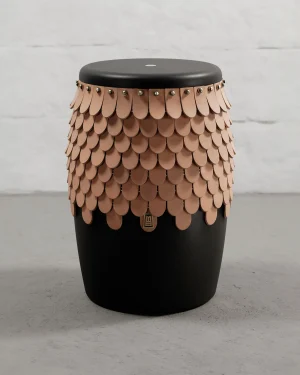
Sitiera_01 Solid Wood Stool, With Thick Leather Accents, Aged Bronze
By ANDEAN
€2.495 - €3.743 This product has multiple variants. The options may be chosen on the product page -
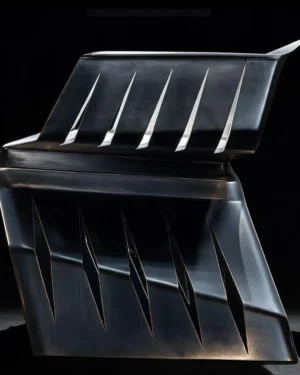
Haereticus Chair
By ORFEO STUDIO
€4.672 -
 Sold
Black Grill Papier-mâché Chair
By David Čáp
€1.000 -
 Sold
Sulky Sand Chair
By Rollo Studio
€6.100 -
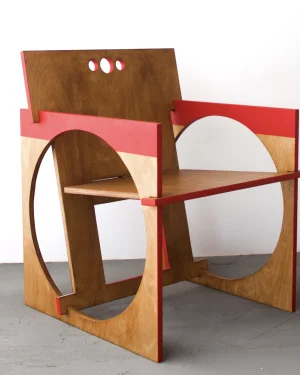
Sedia Tonda
By Edoardo Lietti Studio
€1.110 - €1.300 This product has multiple variants. The options may be chosen on the product page -
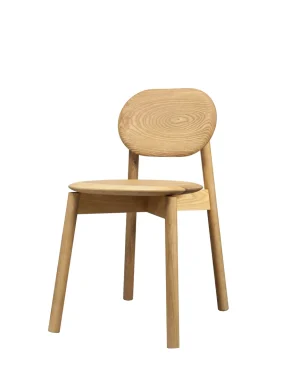 Sold
Rua Cha – Minimalist Ash Wood Chair
By Clementine Caurier
€360 This product has multiple variants. The options may be chosen on the product page -
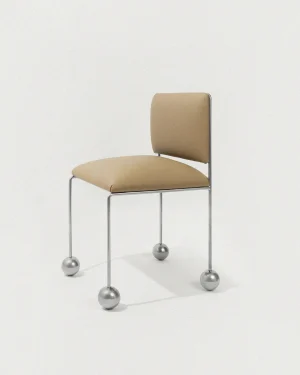
Ball Foot Sculptural Chair, Vegan Leather
By Panorammma Atelier
€2.100 This product has multiple variants. The options may be chosen on the product page -
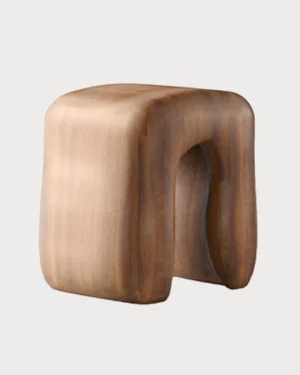
Manikin – Wooden Stool
By Alter Ego Studio
€2.920 This product has multiple variants. The options may be chosen on the product page -
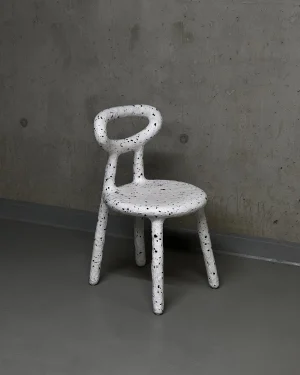 Sold
Stracciatella Papier-mâché Chair
By David Čáp
€1.000 -
 Sold
Lunatro – Wood & Marble Chair
By Studio Mohs
€4.050 -
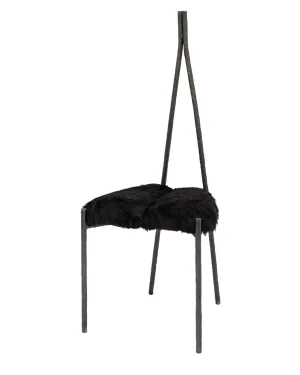
Object117 – Sculptural Chair
By NG DESIGN
Price Upon Request -

The Walky Chair
By Design VA
€3.995 - €5.740 This product has multiple variants. The options may be chosen on the product page -
 In stock
“Sand in Motion” Pleat Chair I
By Rive Roshan
€9.000 -
 Sold
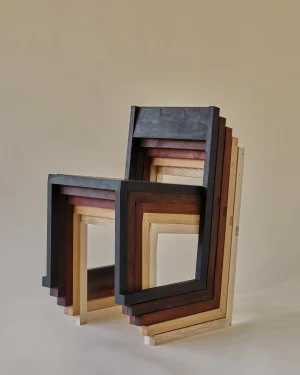
Stacking Chair
By Mock Studio
€1.200 -
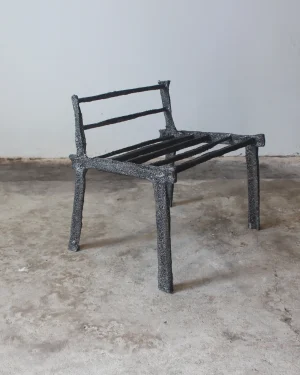
Melancholy Chair – Aluminium
By Saturday Yard Work
Price Upon Request -
 Sold
“Kau” Chair
By Angela Damman
€10.600
Black accent chairs hold a room together, a single dark anchor among lighter wood and pale upholstery. Studios build them from oak and other solid woods, cast and worked aluminum, leather, resin and woven rattan, each material taking black differently: a matte stain that keeps the grain visible, a powder-coated frame with a hard edge, a leather seat that deepens with wear. Making ranges from traditional joinery and wood carving to metalwork, upholstery and hand-knotting, so the color sits on a wide range of forms.
What black does in this kind of chair
Black is not a single finish. On oak and other solid woods it can be a stain that still lets grain and tool marks show through, or a dense pigment that flattens the surface into near-uniform dark. On aluminum, black usually means powder coating or anodizing, both of which resist scratches better than paint alone. Leather takes black as a natural dye that will fade unevenly at points of contact, while resin and cast pieces hold their black as part of the material itself, so chips show lighter underneath.
The range of materials and styles
Within this color, the construction and style vary as much as anywhere in the category. Frames appear in solid oak or other wood, cast and worked aluminum, resin, and leather-wrapped steel, with rattan sometimes woven over a black frame for contrast. Styles run from minimalist chairs with plain, unbroken lines to neo-industrial and brutalist forms built from visible joints and raw edges, with art deco, eclectic, surrealist and conceptual pieces turning up where a studio wants the chair to read as sculpture first and seat second. Editions range from open runs to limited editions and unique pieces, so availability depends on how a given studio chooses to work.
For a broader look at construction before narrowing by color, the wooden accent chairs, metal accent chairs and aluminum accent chairs groupings show how each material behaves across colors, black included.
Choosing a chair by scale, height and finish
Start with where the chair needs to carry weight visually. A dark seat against a pale floor or wall reads stronger than the same chair in a room already heavy with dark tones, so consider the surrounding palette before the chair itself. Seat height should match how the chair will be used: lower, deeper seats suit a reading corner, while a firmer, slightly higher seat works better pulled up to a table.
- Matte finishes hide dust and fingerprints better than gloss black.
- Open, slender frames keep a small room from feeling closed in, even in a dark color.
- Upholstered black seats pair more easily with patterned textiles than solid wood or metal ones.
Where these chairs work
Black accent chairs suit living rooms where one dark seat can offset a sofa and rug without matching them exactly, and work equally well pulled to a dining table as an occasional extra seat. In a bedroom, a single chair in black gives a reading corner a fixed point against softer linens. For room-specific browsing, the living room accent chairs and dining room accent chairs groupings separate pieces by where they are meant to sit, while the minimalist accent chairs group narrows by form rather than color.
Care by material
Oak and other solid woods finished in black benefit from an occasional wipe with a dry or barely damp cloth, since standing water can mark a stained surface. Leather should be kept from direct sun, which dries and cracks black dye faster than lighter colors show. Aluminum and resin need little beyond regular dusting, though scratches on powder-coated frames expose the metal underneath and are worth touching up early. For the full range of accent chairs before narrowing by color, see all accent chairs, and for black across other furniture and lighting, the black pieces on ADORNO and black furniture groupings extend the search beyond chairs alone.
How do I choose a black accent chair?
Look at the frame material first: oak or solid wood brings warmth, aluminum or metal reads sharper, leather adds weight. Black ties into most palettes, so let silhouette and scale guide the final choice.
What are black accent chairs made of?
Common frames include oak and other woods, cast or worked aluminum, resin, and rattan, often paired with black leather or upholstery. Black can come from the material itself, a stain, or a painted or powder-coated finish.
How do I care for a black accent chair?
Dust wood and metal frames regularly and keep them from direct heat or damp, which dulls finishes and warps joinery. Wipe leather with a dry cloth and condition occasionally; vacuum woven or upholstered seats to keep black fabric from fading.
What size should an accent chair be?
Most accent chairs sit lower and smaller than a sofa, scaled for a corner or alongside a table rather than full-time lounging. Check seat height and depth against the space before deciding, since proportions vary by frame and style.
Which rooms suit a black accent chair?
Black grounds a living room corner, reads quietly in a bedroom reading nook, and holds its own at a dining table without competing with other finishes. It works as a single statement or repeated across a few chairs for rhythm.
How does shipping, returns and authenticity work at ADORNO?
Shipping is insured and worldwide, with a 14-day return policy excluding made-to-order pieces. Every piece comes with a certificate of authenticity, and ADORNO offers a lowest-price guarantee.