













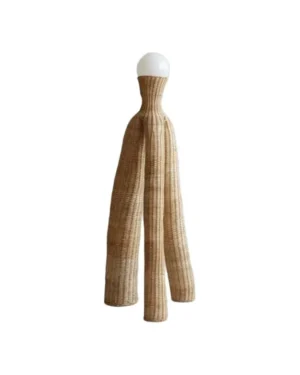



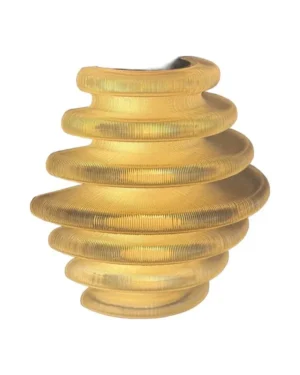

-
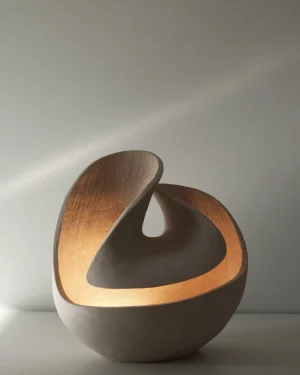
Athari Table Lamp in Ceramic
By Andrei Clontea STUDIO
€900 -
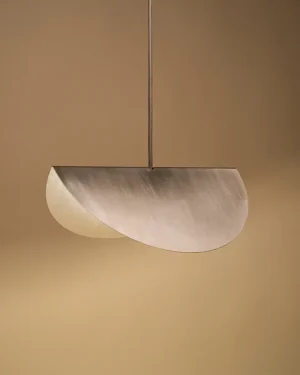
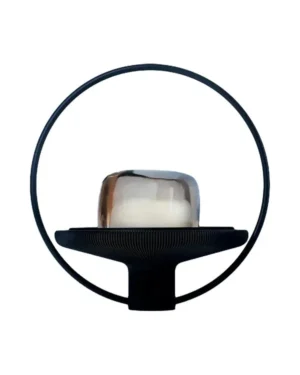
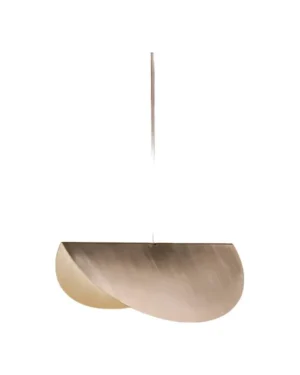
Two Circles Pendant Lamp in Stainless Steel
By Georgiev Kiril
€490 -
 In stock
Object 02 Sconce in Nylon and Sand
By Hot Wire Extensions
€1.460 This product has multiple variants. The options may be chosen on the product page -
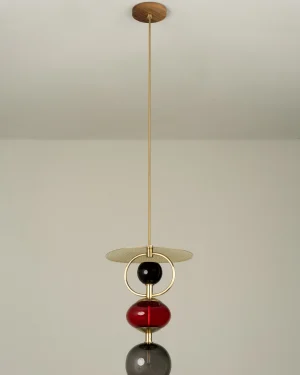
Vitrea Pendant Lamp in Glass and Brass
By Isabel Moncada
€3.802 This product has multiple variants. The options may be chosen on the product page -
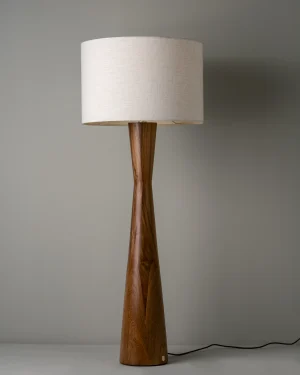
Sabina Floor Lamp in Parota Wood
By Isabel Moncada
€3.802 -
 In stock
Caterina Table Lamp in Earthenware
By mattina moderna
€585 This product has multiple variants. The options may be chosen on the product page -
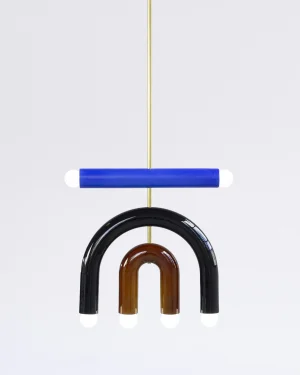
Trn / Model D1 Pendant Lamp in Ceramic
By Pani Jurek STUDIO
€1.080 This product has multiple variants. The options may be chosen on the product page -

Trn / Model A1 Pendant Lamp in Ceramic
By Pani Jurek STUDIO
€470 This product has multiple variants. The options may be chosen on the product page -
 In stock
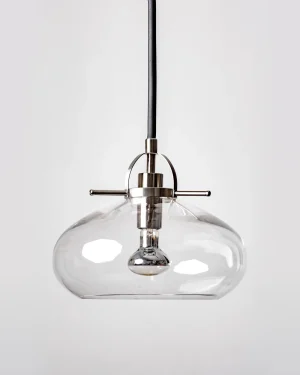
Art Deco Pendant Lamp in Glass and Stainless Steel
By Szostak Atelier
€1.000 This product has multiple variants. The options may be chosen on the product page -

Strikha Table Lamp in Clay
By FAINA
€1.820 -

Mātra Table Lamp in Ceramic
By Andrei Clontea STUDIO
€800 -

Arc Table Lamp in Stainless Steel
By Paul Coenen
€479 -
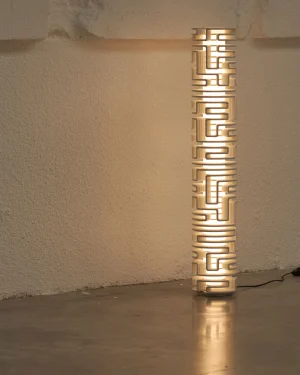
Maze Floorstander Floor Lamp in Recycled Plastic
By Stijn van Aardenne
€1.447 -
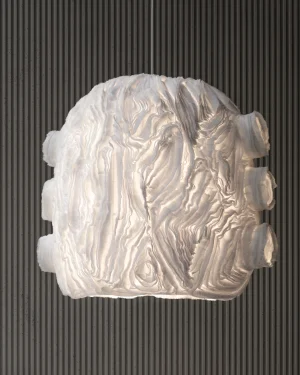
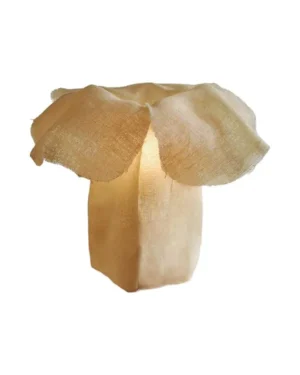
Idea Sluhach Pendant Lamp in Muslin and Metal
By FAINA
€1.950 -
 In stock
Thalie Vi Table Lamp Sheer Fabric
By Atelier Alz
€200 - €300 This product has multiple variants. The options may be chosen on the product page -
 In stock
O.f.i.s Series Table Lamp in Pipe, Rod And Brick
By Lucas Muñoz Muñoz
€280 -

Trn / Model D2 Pendant Lamp in Ceramic
By Pani Jurek STUDIO
€1.080 This product has multiple variants. The options may be chosen on the product page -
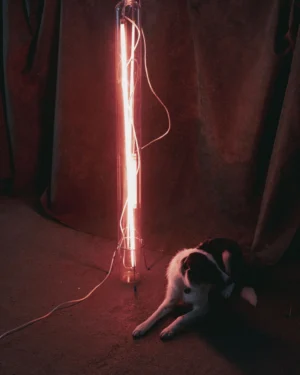 In stock
Äther Wall Lamp In Borosilicate Glass
By TUNK I Busra Tunc
€850 -
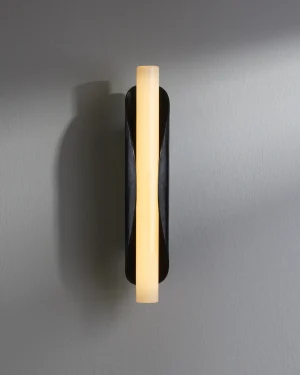
Taco De Luz Wall Sconce in Black Patinated Brass
By Studio Aristotelis Barakos
€980 -
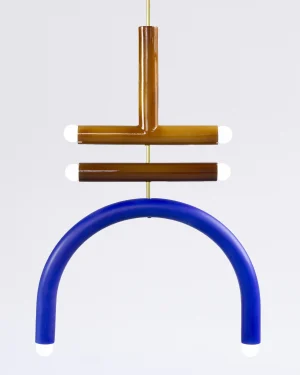
Trn / Model F2 Pendant Lamp in Ceramic
By Pani Jurek STUDIO
€1.600 This product has multiple variants. The options may be chosen on the product page -
 In stock
Astēri Table Lamp in Clay
By Andrei Clontea STUDIO
€1.200 -
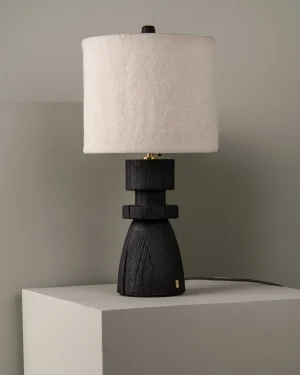
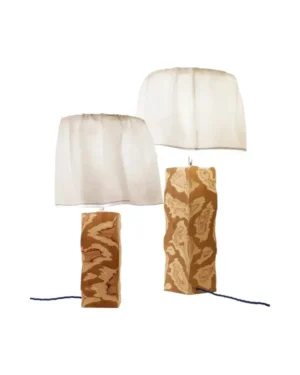
Mezquite Table Lamp in Burned Pinewood and Natural Linen
By Isabel Moncada
€2.925 -
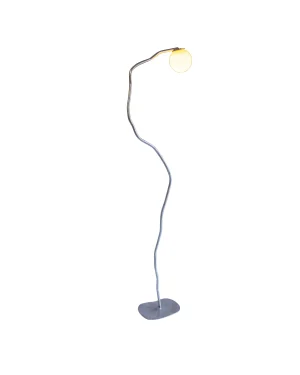
Free Form Floor Lamp in Aluminum
By Six Dots Design
€1.400 -
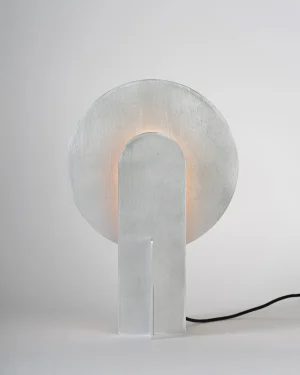
Aurora Table Lamp in Aluminum
By Hasik Design Studio
€700 -
 In stock
Y30 Ceiling Lamp in Blown Glass and Brass
By Clara Viladecans
€786 This product has multiple variants. The options may be chosen on the product page -
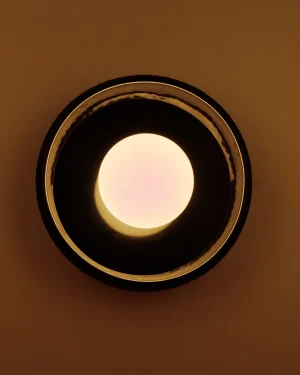
Macrame Wall Sconce in Ceramic
By Saadia Design
€332 -
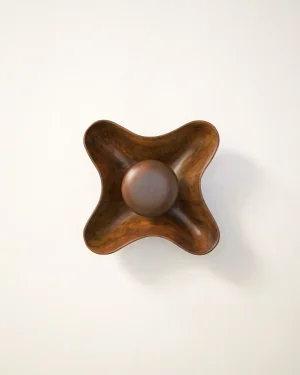
Compass Sconce in Teak Wood
By Studio Indigene
€550 -
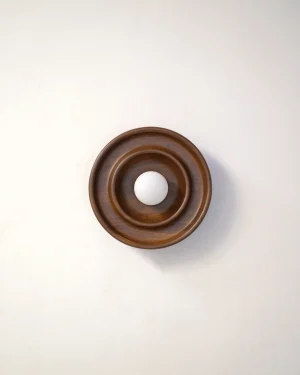
Discus Sconce in Teak Wood
By Studio Indigene
€450 -
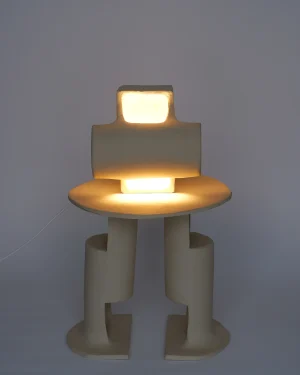
Accre Table Lamp in Ceramic
By Ia Kutateladze
€580 This product has multiple variants. The options may be chosen on the product page -
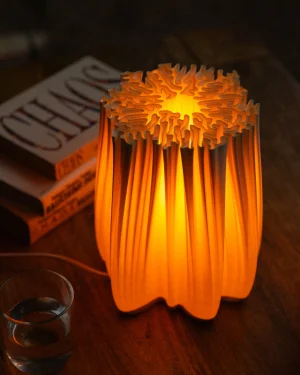 In stock
S X 1 Table Lamp In Ivory White Bio Polymer
By diploria studio
€235 -
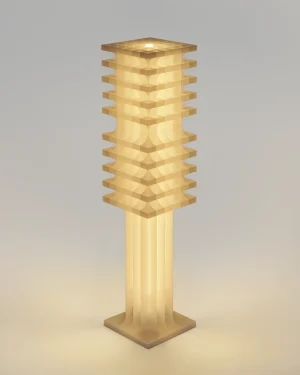
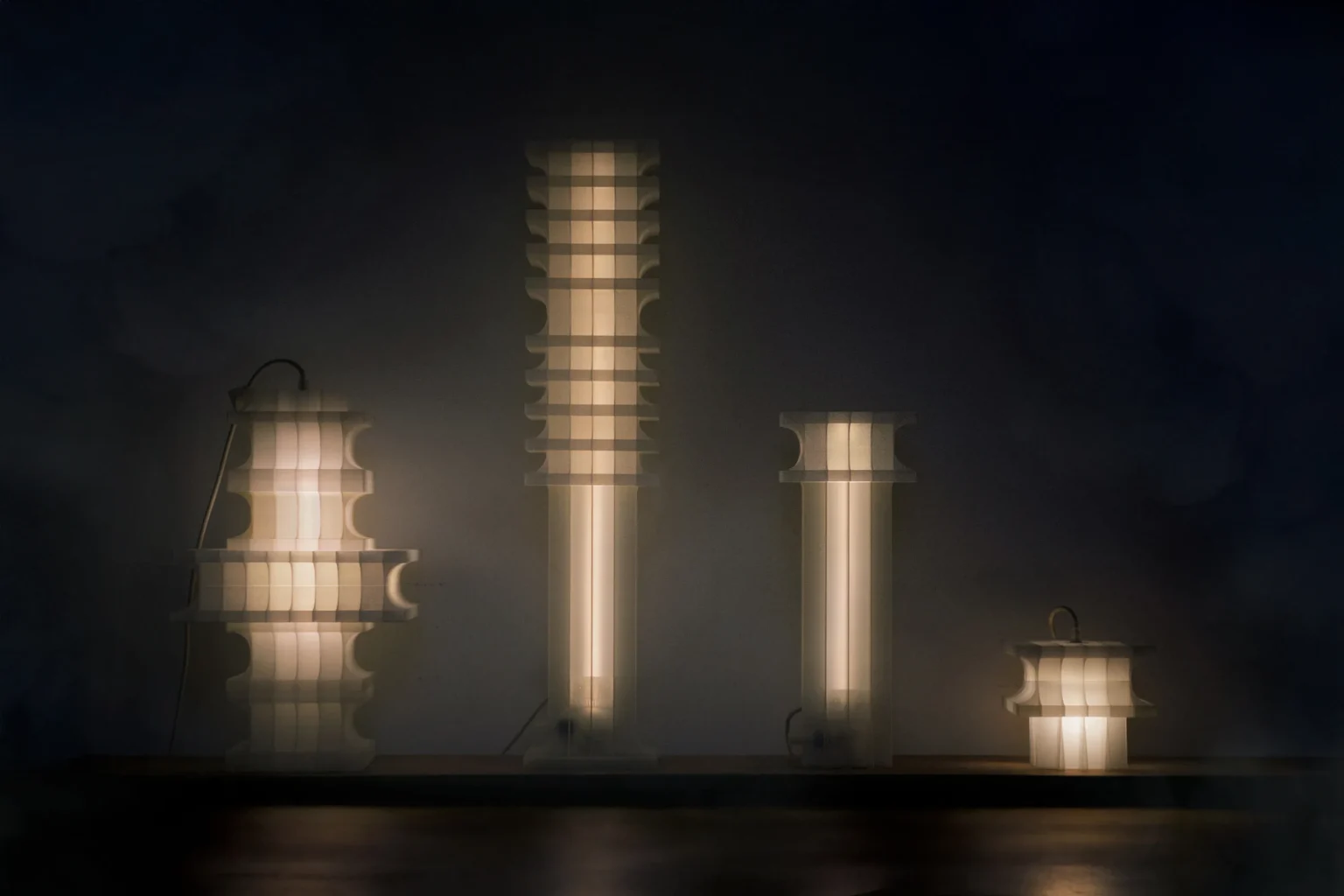
Citadel Floor Lamp in 3D Printed PLA
By Ultramar Studio
€1.260 -

Paten Wall Sconce in Teak Wood
By Studio Indigene
€450 -

Trn / Model C2 Pendant Lamp in Ceramic
By Pani Jurek STUDIO
€880 This product has multiple variants. The options may be chosen on the product page -

Rotonda Table Lamp in Resin
By Adrian Cruz
€2.420 -
 In stock
Sluren Table Lamp in Blown Glass
By Sara Sjöbäck
€1.450 - €1.850 This product has multiple variants. The options may be chosen on the product page -

Trn / Model B2 Pendant Lamp in Ceramic
By Pani Jurek STUDIO
€625 This product has multiple variants. The options may be chosen on the product page -

Trn / Model B3 Pendant Lamp in Ceramic
By Pani Jurek STUDIO
€625 This product has multiple variants. The options may be chosen on the product page -
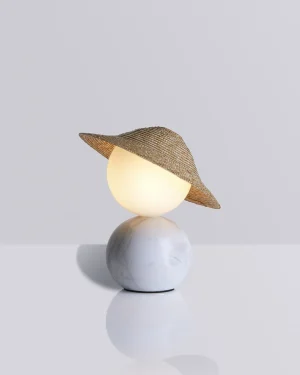 In stock
Théros 0.2 Table Lamp in Blown Glass and Marble
By Studio Aristotelis Barakos
€950 -
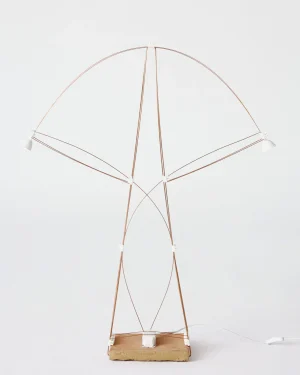 In stock
B.a.r.e Series Table Lamp in Brick, Copper and Plastics
By Lucas Muñoz Muñoz
€300 -
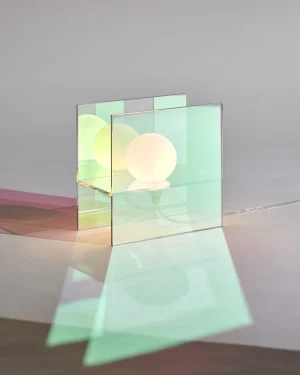 In stock
Euphoria Table Lamp in Coloured Glass
By Studio Monsoleil
€800 -
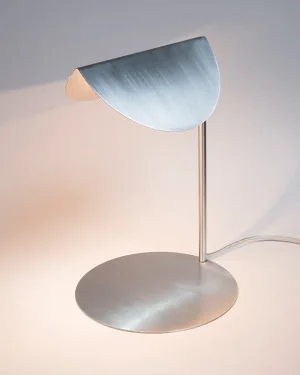
Two Circles Table Lamp in Stainless Steel
By Georgiev Kiril
€690 -
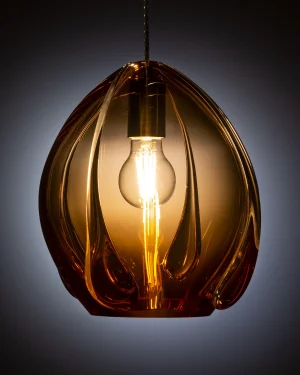
Glass Drops Fire Opal Pendant Lamp in Blown Glass
By Georgiev Kiril
€1.050 -
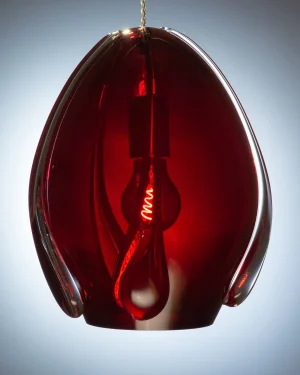
Glass Drop Pendant Lamp in Blown Glass
By Georgiev Kiril
€1.050 -
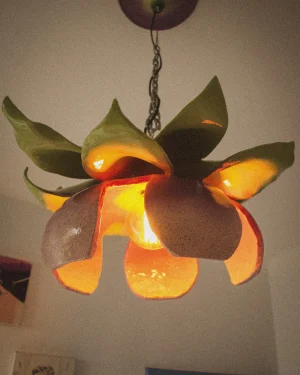
Amaryllis Ceiling Lamp in Glazed Ceramic
By UAU Studio
€1.300 -

Nuit Table Lamp in Teak Wood
By Studio Indigene
€400 -
 In stock
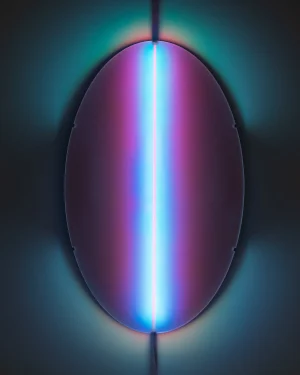
Aurora Frosted Wall Sconce in Acrylic and Aluminum
By Catrinel Sabaciag
€1.352 -
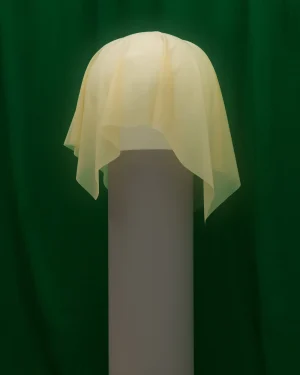 In stock
Fetish Carnmarina Floor Lamp in Plastics
By Pierre Klein
€1.250 -
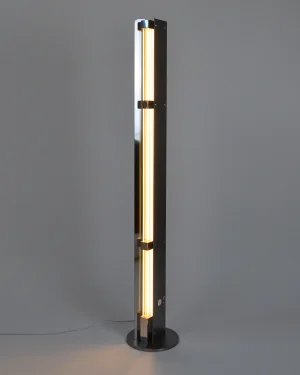 In stock
Ne1200/145 Floor Lamp in Acrylic and Stainless Steel
By MLK Furniture
€1.490 -
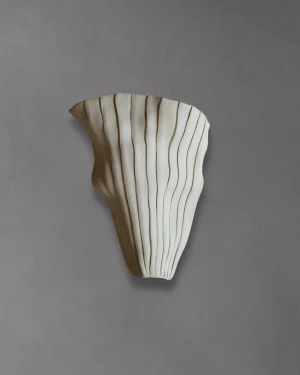 In stock
Tenderness Wall Sconce in Stoneware
By Studio Ēeme
€750 - €800 This product has multiple variants. The options may be chosen on the product page -
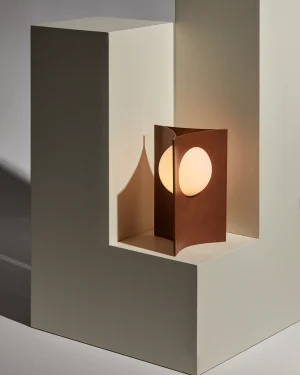
Hecate Table Lamp in Leather and Glass
By Studio Aristotelis Barakos
€480 This product has multiple variants. The options may be chosen on the product page -
 In stock
L’Été Ceramic Wall Light
By Katia Langeard
€350 This product has multiple variants. The options may be chosen on the product page -
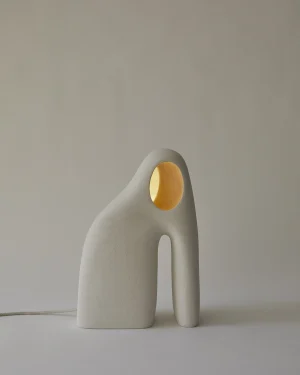
Nomad Ⅱ:02 Table Lamp in Stoneware
By SK - Sofia Karnukaeva
€2.480 -
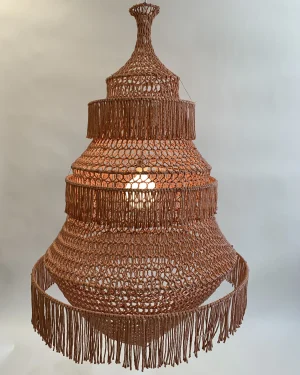
Typha Pendant Lamp in Cotton Rope
By Annie Legault
€1.907 -
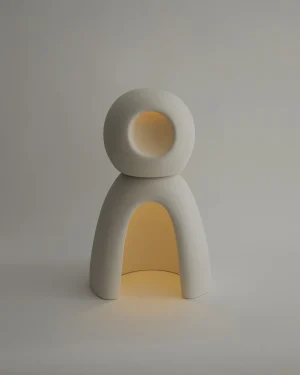
Nomad Ⅱ:09 Table Lamp in Ceramics and Stoneware
By SK - Sofia Karnukaeva
€2.780
Minimalist lighting is defined by restraint rather than absence: a single material, a clean line, a form that gives light without asking for attention. Studios working this way favor brass, steel, ceramic and glazed clay, shaped into cylinders, discs and spheres with no extra ornament. The result is a fixture that reads as sculpture when it is off and as a quiet source of light when it is on.
What defines minimalist lighting
A minimalist fixture is built from one or two materials, finished plainly, and left to stand on its proportions rather than its decoration. Brass is left polished or allowed to darken; steel is given a matte or brushed surface; ceramic is glazed in a single tone. The silhouette does the work: a straight stem, a flat shade, a rounded base.
This approach suits both table and floor lighting, and it carries into wall and pendant forms as well. Because there is little surface detail to distract from it, the quality of the joint between base and shade, or the weight of the material in hand, becomes more noticeable than in a busier piece.
Materials, finishes and ways of making
The range on ADORNO within this style draws on a handful of recurring materials and techniques, each handled with the same plain hand:
- Brass and stainless steel, cut, folded or turned through metalwork, left raw, brushed or lacquered
- Ceramic and clay, built and glazed by hand, in beige, black, brown or cobalt blue
- Natural fiber shades, worked through textilework for a softer, diffused light
- Pieces made through digital fabrication or 3D printing, where the same plain geometry is achieved by newer means
Editions vary by studio and by material. Some fixtures are produced as open editions in small batches; others, particularly in hand-built ceramic or hand-finished metal, exist as limited editions or unique pieces, since no two glazes or hand-folds come out quite the same.
How to choose a piece
Scale matters more in a minimalist fixture than in an ornate one, because there is nothing else to balance the eye. A floor lamp with a slim stem can look underweight next to a large sofa; a wide ceramic base can overwhelm a small side table. Measure the surface or the floor area a piece will occupy before deciding on height and footprint.
Finish is the second decision. A warm brass or glazed ceramic tone will sit comfortably against wood and stone, while brushed steel reads cooler and pairs well with glass and concrete. Where a room already carries pattern or color, a plain metal or clay fixture gives it somewhere to rest; where the room is already pared back, a natural fiber shade can soften the light without adding visual noise.
Where it works
A single well-placed fixture does more for a room than several competing ones. In a living room, a floor lamp beside a reading chair or a low table lamp set apart from an overhead source lets the light fall at seating height rather than down onto heads. Minimalist lighting also suits entryways, bedside tables and work surfaces, anywhere a single clear source is more useful than a wash of overhead light.
For living spaces specifically, pairing a fixture from lighting made for living rooms with a plain side table keeps the whole corner consistent in tone.
Caring for metal, ceramic and natural fiber
Brass will darken and spot with handling and air; a soft cloth and occasional polish will keep it even, or it can be left to form a natural patina. Steel and aluminum finishes wipe clean with a damp cloth and should be dried to avoid water spots. Glazed ceramic is stable but should be dusted rather than scrubbed, and natural fiber shades are best kept dry and out of direct sun, which can fade and weaken the fiber over time.
For the full range of plain, material-led fixtures, see all lighting on ADORNO, or narrow by material through metal lighting and ceramic lighting. The same restrained approach appears across other rooms, including minimalist tables and the wider set of minimalist pieces on ADORNO.
How do I choose a minimalist lighting piece?
Look at the form first, a single clean silhouette in brass, steel or ceramic does more work than added detail. Pick a shape that holds its own with the light off, then confirm warmth and brightness suit the room.
What materials are minimalist lighting pieces made from?
Brass, steel, ceramic and glazed clay are common, often left in one finish rather than mixed. Each ages differently: brass darkens, steel stays cool and constant, ceramic holds its glaze indefinitely with basic dusting.
How do I care for metal or ceramic lighting?
Wipe metal with a dry or barely damp cloth to avoid water spotting, and let brass develop its own patina rather than polishing it bright. Dust ceramic shades gently and keep them away from direct impact.
What size or height should a minimalist light fixture be?
Scale depends on the room and the fixture's placement, a maker can confirm exact dimensions and recommended hanging height through Chat with the maker on the piece's page.
Which rooms suit minimalist lighting best?
Living rooms and bedrooms take well to a single considered source, while kitchens and workspaces often need one minimalist fixture paired with a secondary light for task brightness.
How does shipping, returns and authenticity work on ADORNO?
Shipping is insured and worldwide. Returns are accepted within 14 days, except on made-to-order pieces, and every piece arrives with a certificate of authenticity alongside a lowest-price guarantee.