



-
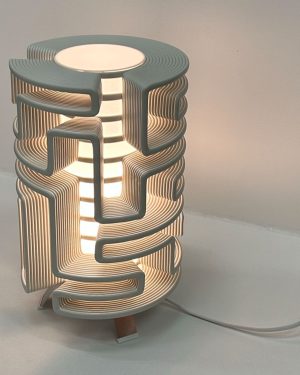
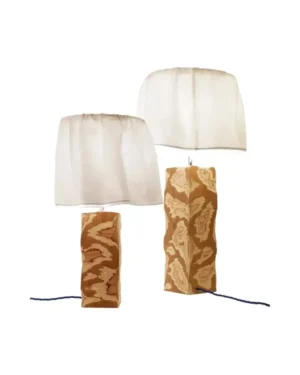
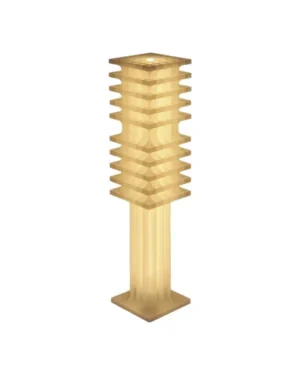
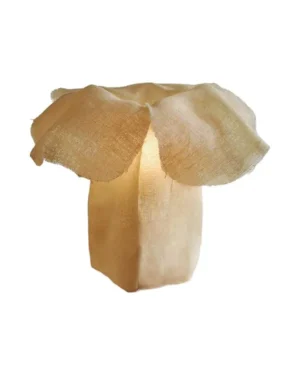
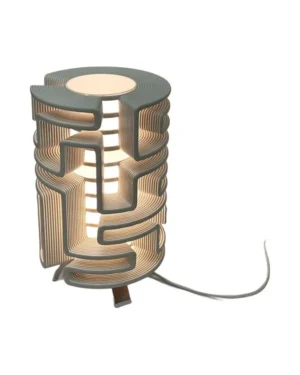
Maze Table Lamp in Recycled Plastic
By Stijn van Aardenne
€227 -
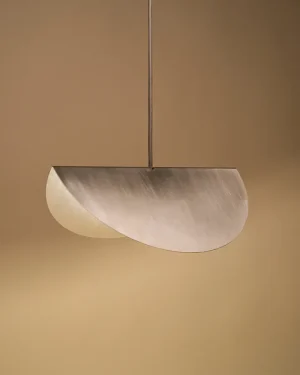
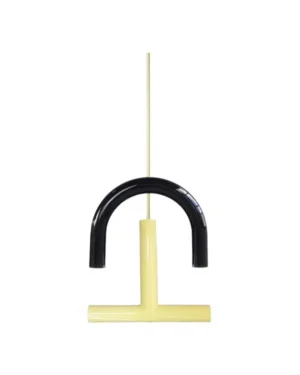
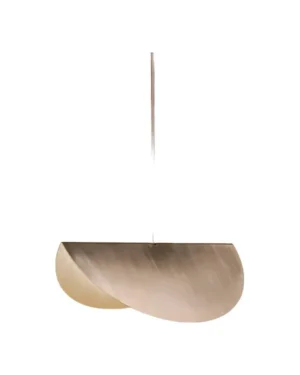
Two Circles Pendant Lamp in Stainless Steel
By Georgiev Kiril
€490 -
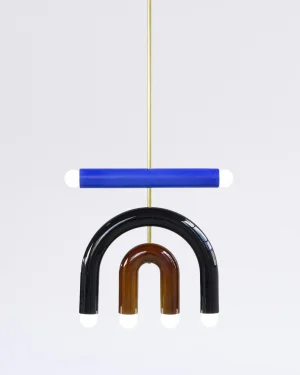
Trn / Model D1 Pendant Lamp in Ceramic
By Pani Jurek STUDIO
€1.080 This product has multiple variants. The options may be chosen on the product page -
 In stock
Coral Table Lamp in Clay and Ceramic
By Dzovag Kotchian
€900 -
 In stock
Pe 02 Table Lamp In Polished Aluminum
By BuRRo
€110 -
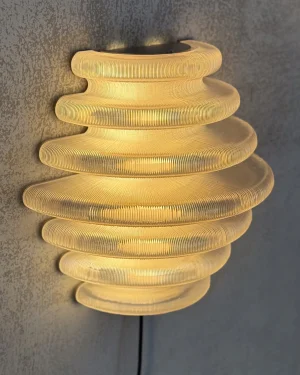
Hive Wall Lamp In Recycled Plastic And Stainless Steel
By Stijn van Aardenne
€805 -
15% off
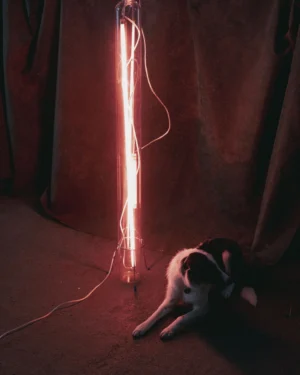
Äther Wall Lamp In Borosilicate Glass
By TUNK I Busra Tunc
€850€723 -
5% off

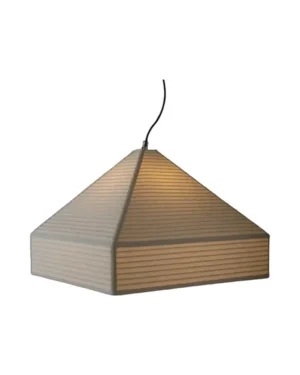
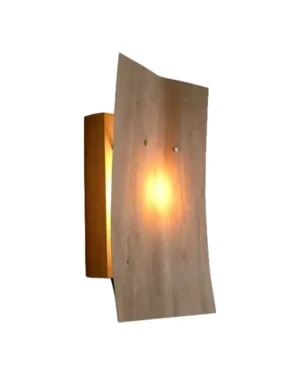
Held in Tension No. 01 Wall Sconce in Metal and Paper
By Aysenur Dagdelen
€170€162 -
 In stock
O.f.i.s Series Table Lamp in Pipe, Rod And Brick
By Lucas Muñoz Muñoz
€280 -

Trn / Model D2 Pendant Lamp in Ceramic
By Pani Jurek STUDIO
€1.080 This product has multiple variants. The options may be chosen on the product page -

Trn / Model E1 Pendant Lamp in Ceramic
By Pani Jurek STUDIO
€1.430 This product has multiple variants. The options may be chosen on the product page -
 In stock
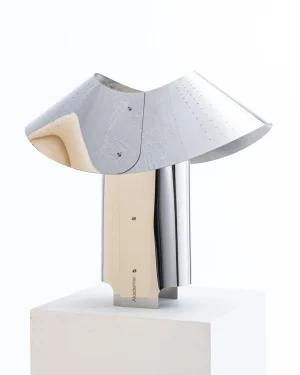
Fold Table Lamp In Stainless Steel
By Akademie
€1.200 -
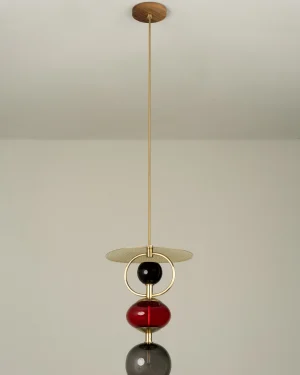
Vitrea Pendant Lamp in Glass and Brass
By Isabel Moncada
€3.802 This product has multiple variants. The options may be chosen on the product page -
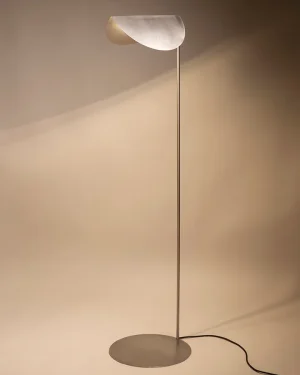
Two Circles No. 1 Floor Lamp in Stainless Steel
By Georgiev Kiril
€995 -
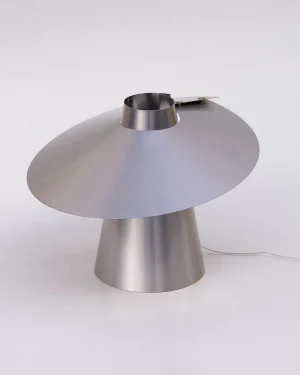 In stock
Pa 02 Table Lamp In Polished Aluminum
By BuRRo
€110 -

Arc Table Lamp in Stainless Steel
By Paul Coenen
€479 -

Pleated Sconce In Stainless Steel And Polyester
By BOTHI
€330 This product has multiple variants. The options may be chosen on the product page -

Hoja Table Lamp in Steel
By Natural Urbano - Sebastián Beltrán
€335 -

Trn / Model A1 Pendant Lamp in Ceramic
By Pani Jurek STUDIO
€470 This product has multiple variants. The options may be chosen on the product page -

Trn / Model C2 Pendant Lamp in Ceramic
By Pani Jurek STUDIO
€880 This product has multiple variants. The options may be chosen on the product page -
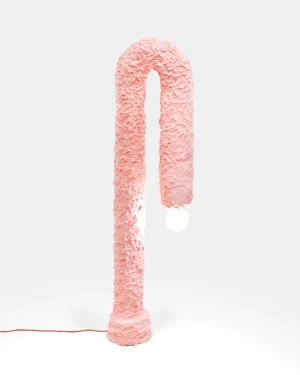 In stock
Lampadulure Pink Floor Lamp in Metal
By BehaghelFoiny Studio
€1.700 -

Trn / Model B2 Pendant Lamp in Ceramic
By Pani Jurek STUDIO
€625 This product has multiple variants. The options may be chosen on the product page -
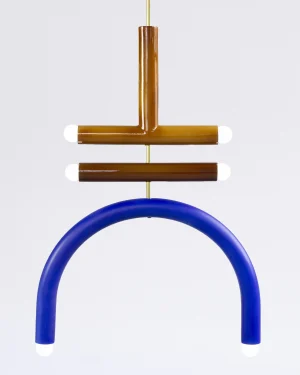
Trn / Model F2 Pendant Lamp in Ceramic
By Pani Jurek STUDIO
€1.600 This product has multiple variants. The options may be chosen on the product page -

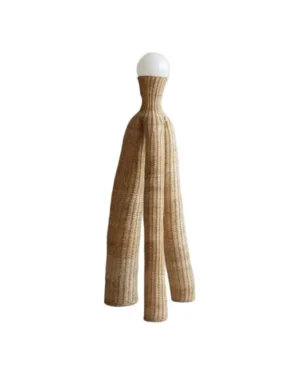
Deas Floor Lamp In Aluminum And Rattan
By Calen Knauf Studio
€1.360 -
 In stock
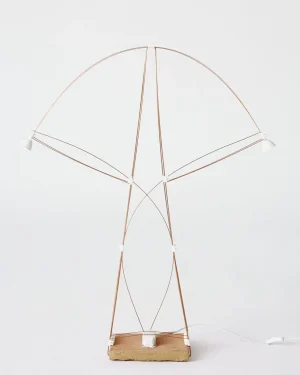
B.a.r.e Series Table Lamp in Brick, Copper and Plastics
By Lucas Muñoz Muñoz
€300 -
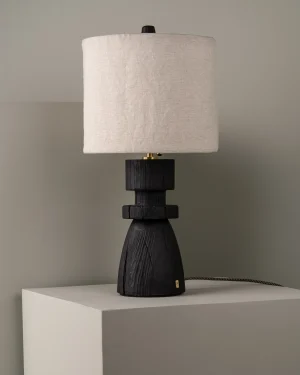
Mezquite Table Lamp in Burned Pinewood and Natural Linen
By Isabel Moncada
€2.925 -
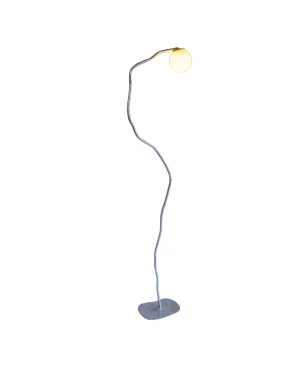
Free Form Floor Lamp in Aluminum
By Six Dots Design
€1.400 -
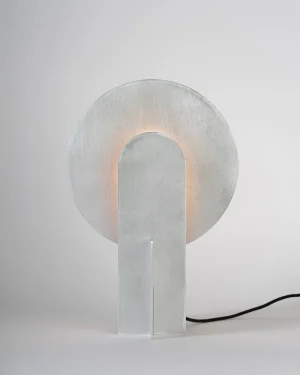
Aurora Table Lamp in Aluminum
By Hasik Design Studio
€700 -
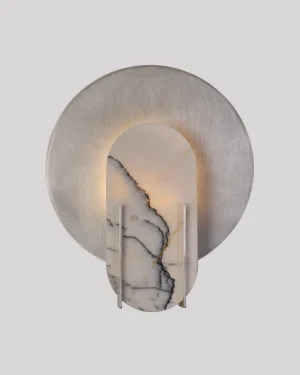
Alice Wall Lamp in Illuminated Marble
By Hasik Design Studio
€1.225 -
 In stock
Y30 Ceiling Lamp in Blown Glass and Brass
By Clara Viladecans
€786 This product has multiple variants. The options may be chosen on the product page -
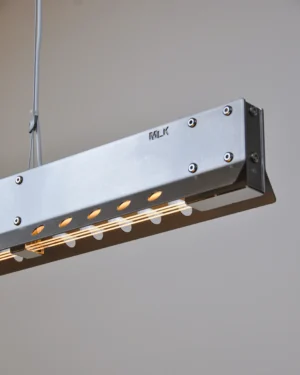
Ne1250/145 Pendant Lamp In Steel And Acrylic
By MLK Furniture
€1.390 -
 In stock
Mushroom Floor Lamp in Stainless Steel
By Nitush and Aroosh
€2.500 This product has multiple variants. The options may be chosen on the product page -
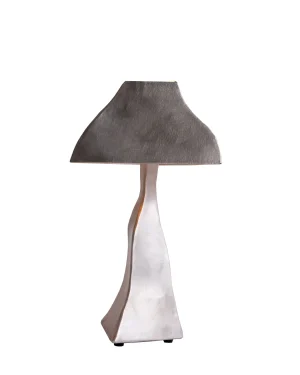
Paper Table Lamp in Aluminum
By Six Dots Design
€920 -
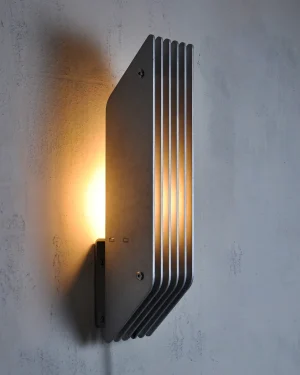 In stock
Rln460 Wall Lamp in Matte Aluminium
By MLK Furniture
€390 -
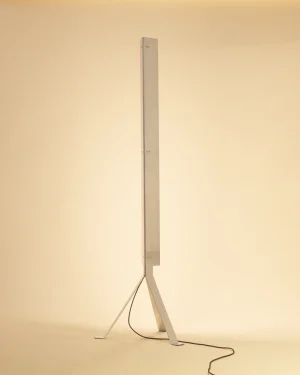
L1 High Floor Lamp in Aluminum
By Luiz Solano
€1.200 -
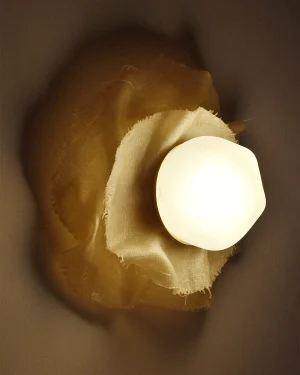
Liora II Wall Sconce in Glass, Brass and Fabric
By Atelier Alz
€350 -

Light Bucket Challenge II Floor Lamp in Metal and Thread
By Severija Inčirauskaitė-Kriaunevičienė
€4.500 -

Trn / Model C1 Pendant Lamp in Ceramic
By Pani Jurek STUDIO
€880 This product has multiple variants. The options may be chosen on the product page -

The Queen Ceiling Lamp in Gold-leaf and Rust Steel
By Mammalampa
€3.133 -

Lampadulure Purple Floor Lamp in Metal and Plaster Composite
By BehaghelFoiny Studio
€3.000 -
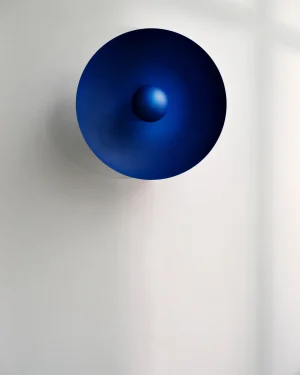 In stock
Blue Moon Wall Lamp in Aluminum
By Anne Nowak
€1.675 -
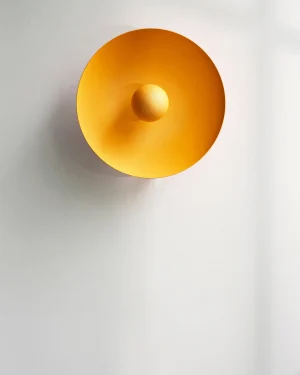 In stock
Sun Wall Lamp in Aluminum
By Anne Nowak
€1.340 -
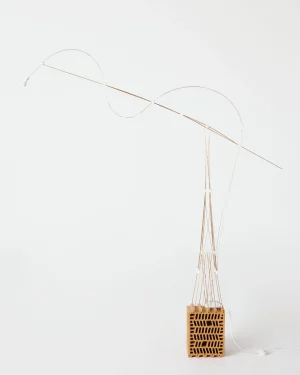 In stock
B.A.R.E Series ‘Tall’ Floor Lamp in Brick and Copper
By Lucas Muñoz Muñoz
€780 -
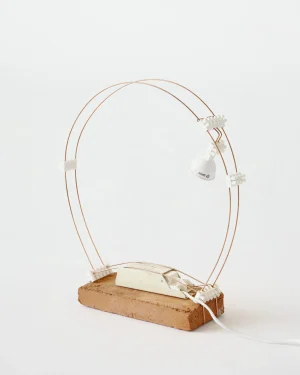 In stock
B.A.R.E Series ‘Small Circular’ Table Lamp in Brick and Copper
By Lucas Muñoz Muñoz
€225 -
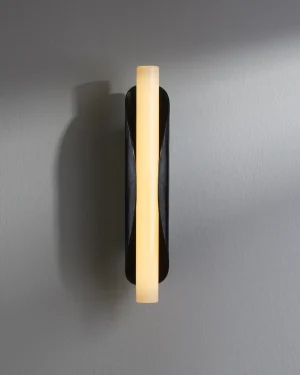
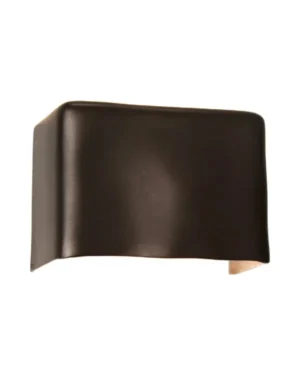
Taco De Luz Wall Sconce in Black Patinated Brass
By Studio Aristotelis Barakos
€980 -

Trn / Model B3 Pendant Lamp in Ceramic
By Pani Jurek STUDIO
€625 This product has multiple variants. The options may be chosen on the product page -
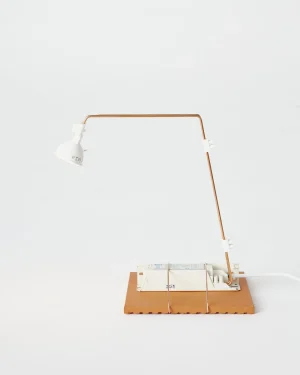 In stock
B.A.R.E Series ‘Small Simple’ Table Lamp in Brick and Copper
By Lucas Muñoz Muñoz
€150 -
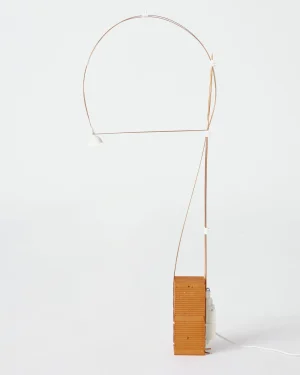 In stock
B.A.R.E Series Table Lamp in Brick and Copper
By Lucas Muñoz Muñoz
€250 -
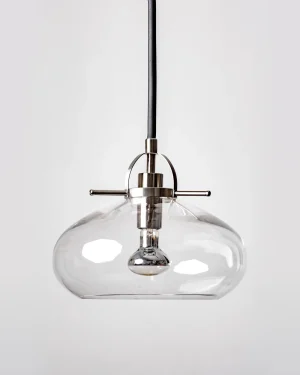 In stock
Art Deco Pendant Lamp in Glass and Stainless Steel
By Szostak Atelier
€1.000 This product has multiple variants. The options may be chosen on the product page -
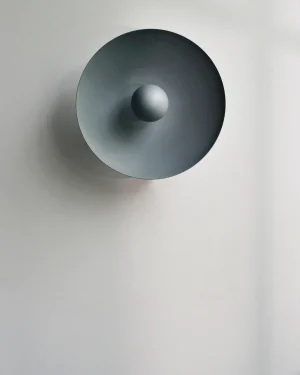 In stock
Grey Moon Wall Lamp in Aluminum
By Anne Nowak
€1.675 -
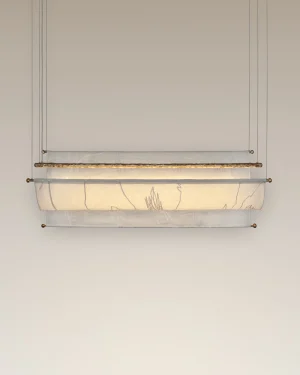
Aria Pendant Lamp In Brass
By Stem
€4.150 -
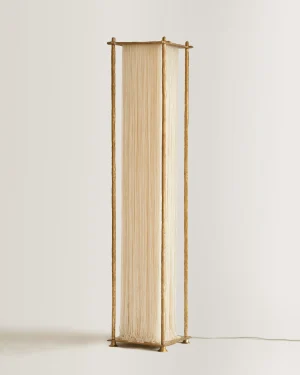
Ito Floor Lamp In Brass And Cotton Thread
By Stem
€6.050 -
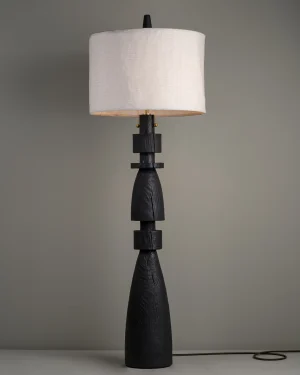
Mezquite Floor Lamp in Pinewood, Linen and Brass
By Isabel Moncada
€4.095 -
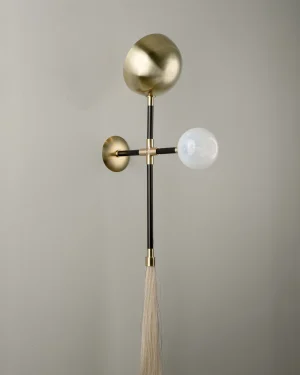
Gogo Wall Sconce in Brass, Blown Glass and Natural Fibers
By Isabel Moncada
€2.880 - €4.036 This product has multiple variants. The options may be chosen on the product page
Metal lighting on ADORNO covers fixtures where brass, aluminum, steel and other metals form the body, the shade and the joinery, not just the hardware. Studios working this way turn to metalwork, sand casting and patination to get a surface that reads as considered rather than incidental, and to sculpting and digital fabrication where a form needs to hold a sharper line. The result is a lamp or pendant that keeps its shape and its finish for decades, which is part of why the material keeps reappearing in collectible design.
What defines metal as a lighting material
Metal carries weight differently than ceramic or glass: a brass arm can cantilever further, a steel base can anchor a tall floor lamp without bulk, and aluminum can be shaped thin without losing rigidity. These properties let designers draw lighting as line and plane rather than as mass, which is why so much metal lighting reads as architectural first and decorative second.
Finish does most of the talking. Raw or lacquered brass reads warm and will darken slightly with handling unless sealed; patinated surfaces are pushed toward bronze, black or verdigris on purpose and will keep shifting subtly with light and air; powder-coated steel and anodized aluminum hold a flat, even color that resists fingerprints and scratching. None of these are faults, they are simply different ways the same metal ages.
The range on ADORNO
Within every metal piece on ADORNO, the material shows up in several registers at once. Sand-cast bases sit next to sheet metal folded and welded into shades; some pieces are sculpted or 3D printed for a form that would be hard to achieve by hand, others are patinated piece by piece so no two finishes land identically.
- Materials and finishes: brass, aluminum, steel, blackened or lacquered metal, sometimes paired with ceramic or glass elements
- Colors: black, brown, cobalt blue, denim, pink and beige lacquers alongside bare metal tones
- Styles: Art Deco and Mid-Century Modern profiles, Space Age and Neo-Industrial forms, and pared-back contemporary shapes
- Editions: open editions made in ongoing runs, limited editions produced in fixed numbers, and unique pieces finished one at a time
Where a piece is patinated or hand-finished, expect small variation from one example to the next. That is the trade-off for a surface that was worked rather than molded and sprayed.
How to choose a metal light
Scale first: a slim brass floor lamp will disappear in a large room, while an oversized pendant in steel will dominate a small one. Measure the ceiling height before choosing a hanging fixture, since metal shades often read heavier visually than their actual weight, and leave enough drop for the light source to sit below eye level at a seated height.
Finish should answer to the room's other metals. Warm brass sits naturally with wood and brass hardware already in a space; blackened or patinated steel reads better against stone, concrete or pale walls where it can act as a line drawing rather than competing for warmth. Matching every metal surface in a room is rarely necessary, but two very different metal temperatures side by side can feel unresolved.
Where metal lighting works
A sculptural floor lamp in steel or aluminum holds its own in a living room as a standing object, independent of the seating around it; see the range built specifically for that setting under living room lighting. Smaller brass sconces and task lamps suit studies, hallways and bedside tables, where their directional light does practical work without needing much floor or surface space. For a pared-back palette, pieces drawn from contemporary lighting tend to let the metal's own finish carry the piece, with little added ornament.
Care
Dust metal fixtures with a dry or barely damp cloth; abrasive cleaners will dull a patina or scratch a powder-coated surface. Raw brass can be left to tarnish naturally or kept bright with an occasional polish, but not both within the same piece, since polishing removes a patina that took time to form. Keep metal lighting away from damp bathrooms and direct weather unless a piece is specified for that use, since most finishes here are built for interior conditions.
For table and desk formats specifically, the metal lamps range narrows the same material story down to a single scale, and the wider lighting category sets it beside the ceramic, glass and wood fixtures it is most often placed with.
How do I choose a metal light fixture?
Match the metal's finish to how the room reads: brushed or matte surfaces soften light, polished brass or steel throws sharper reflections. Consider whether the piece sits alone or alongside other metal furniture nearby.
Does metal lighting need special care?
Dust with a dry or slightly damp cloth, and keep raw brass or steel away from excess moisture to slow natural tarnish. Lacquered or powder-coated finishes need no more than regular cleaning.
Will metal lighting tarnish or change color over time?
Unlacquered brass and steel darken and develop patina with age and handling, which most owners consider part of the material's character rather than a flaw. Sealed or coated finishes stay closer to their original tone.
What size or height should I choose for metal lighting?
Pendant and chandelier height depends on ceiling height and the surface below, so check a piece's listed dimensions and chat with the maker to confirm proportions and hanging height for the room.
Which rooms suit metal lighting best?
Metal fixtures hold their own in kitchens, living rooms and entryways, where their reflective or matte surfaces add weight without softness. Paired with warmer materials nearby, they keep a room from feeling cold.
What are ADORNO's shipping, returns and authenticity policies?
Shipping is insured and worldwide. Returns are accepted within 14 days, excluding made-to-order pieces, and every purchase includes a certificate of authenticity along with a lowest-price guarantee.