
-
Black Friday −10%
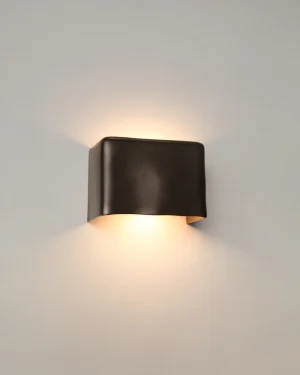
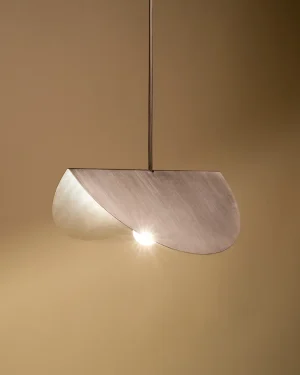
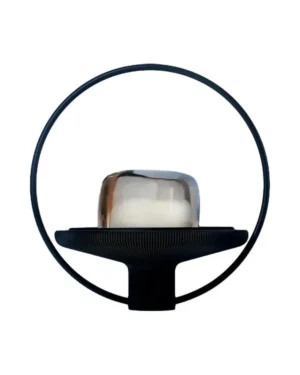
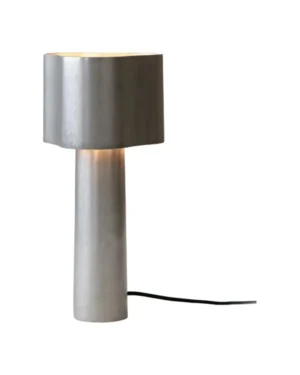
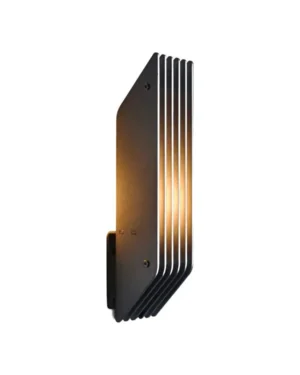
Scape Wall Lamp In Aluminum Or Brass
By Stem
€650 - €950 10% applied at checkout -

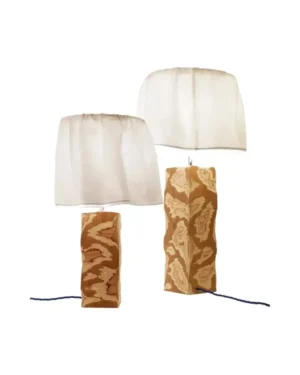
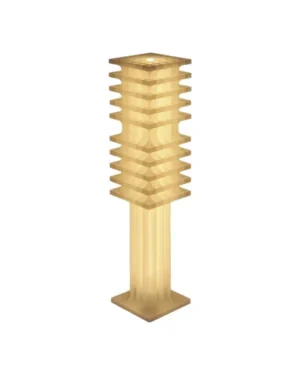
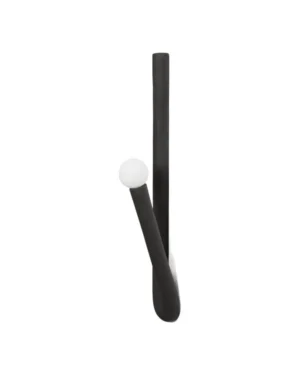
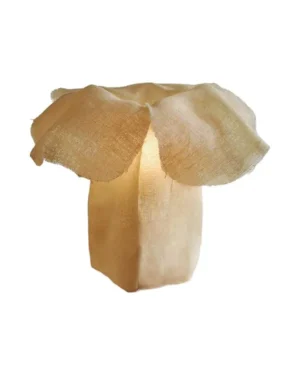
Nuit Table Lamp In Teak Wood
By Studio Indigene
€600 -
 In stock
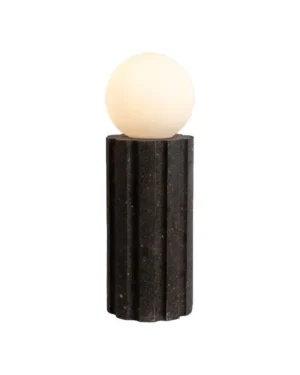
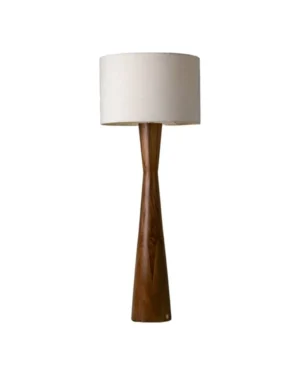
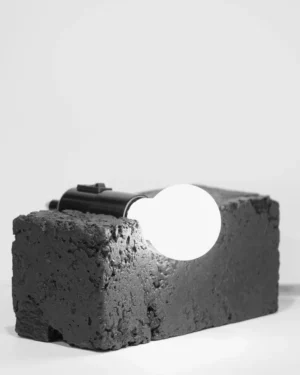
Cofit-20 Table Lamp In Coal Concrete
By Atelier Haute Cuisine
€380 -
 In stock
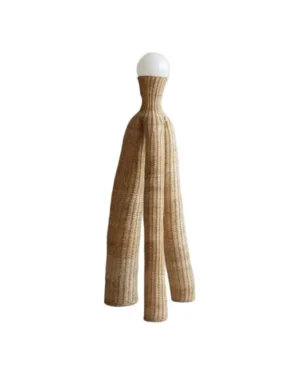
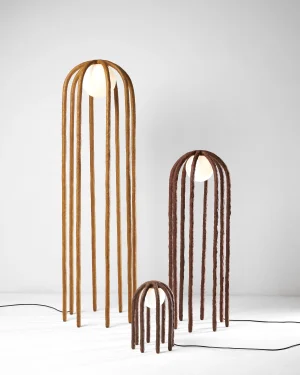
Açafrão and Urucum Floor Lamp in Anatto and Saffron
By Cultivado em Casa
€1.234 - €2.971 -
Black Friday −15%

Deas Floor Lamp In Aluminum And Rattan
By Calen Knauf Studio
€1.360 15% applied at checkout -
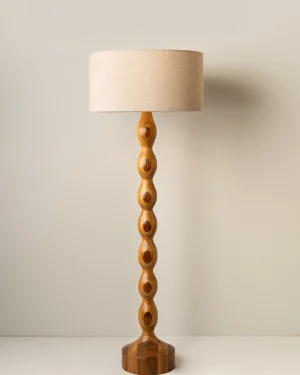
Tamarindo Floor Lamp In Parota Wood And Natural Fibers
By Isabel Moncada
€3.802 -
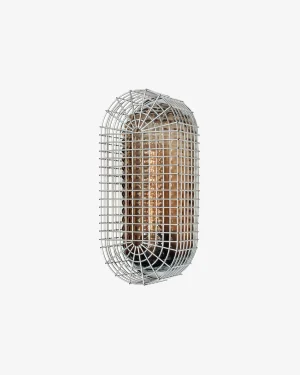
Chastity Wall Sconce In Stainless Steel And Handblown Glass
By Studio S II
€1.980 -

Onda Sconce In Raku White Ceramic
By arrived aliens
€2.200 -
 In stock
Sluren Table Lamp in Blown Glass
By Sara Sjöbäck
€1.450 - €1.850 -

Drizzle Table Lamp in Acrylic
By Kajsa Melchior
€780 -
 In stock
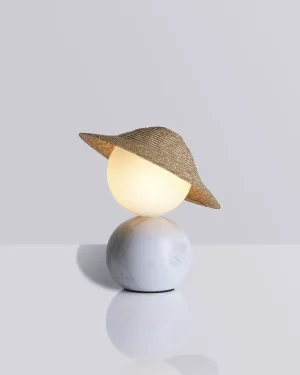
Théros 0.2 Table Lamp in Blown Glass and Marble
By Studio Aristotelis Barakos
€950 -
 In stock
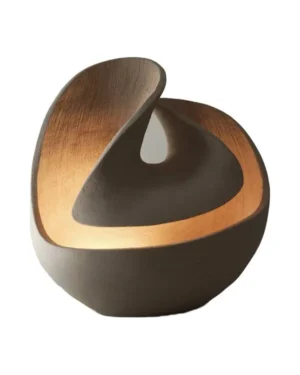
Coral Wall Lamp – Clay Sconce
By Dzovag Kotchian
€900 -
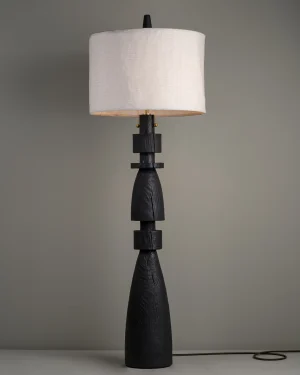
Mezquite Floor Lamp In Pinewood, Linen And Brass
By Isabel Moncada
€4.095 -

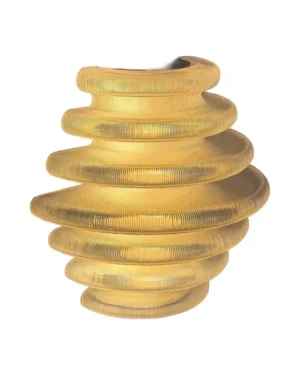
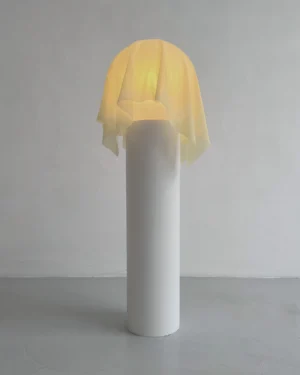
Pendulū Table Lamp In Ceramics And Gold-leaf
By Catalin Filip
€950 -
 In stock
Carnmarina Floor Lamp In Plastics
By Pierre Klein
€1.500 -

Peaceful Intuition 2.0 Floor Lamp in MDF
By Studio Fabius Clovis
€1.819 -
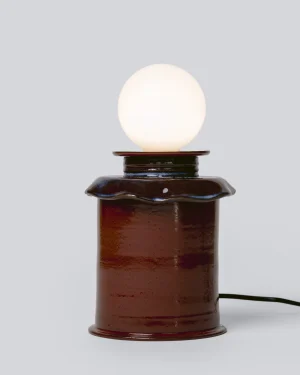
Baby Tutu Table Lamp in Glazed Stoneware
By Slō
€750 -
 In stock
Lampe Beige Large Table Lamp in Glazed Stoneware
By Huillet Lucas
€1.900 -

Knotto_01 Table Lamp In Glazed Stoneware And Synthetic Fibers
By Catalin Filip
€800 -

Fat Op No. 001 Floor Lamp In Ceramic
By Pani Jurek STUDIO
€1.539 -
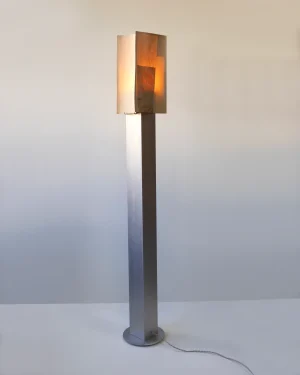
Soft Ply Floor Lamp in Wood and Aluminum
By Sheyang Li
€1.364 -
 In stock
La Bergère Table Lamp In Glazed Ceramic
By Mina Wright
€686 -
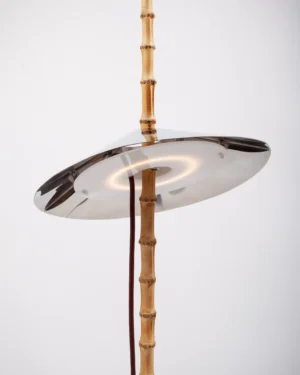
7plates Floor Lamp In Stainless Steel, Bamboo And Aluminum
By Calen Knauf Studio
€1.918 -
Black Friday −10%

Diplo Wall Sconce In Bio Plastic
By Julie Mallet Studio
€375 10% applied at checkout -
Black Friday −15%

El Joyero De Odette Table Lamp In Stoneware
By Mina Wright
€810 15% applied at checkout -
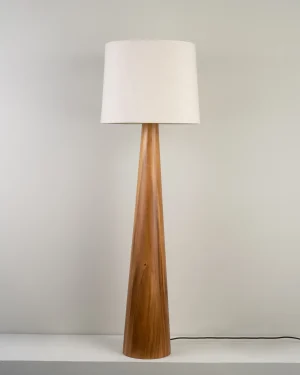
Malva Floor Lamp In Parota Wood
By Isabel Moncada
€3.802 -

Onda Black Wall Sconce In Raku Ceramic
By arrived aliens
€2.200 -

Pendulum Triptych Ceiling Lamp In Bio Plastic
By Julie Mallet Studio
€792 -
 In stock
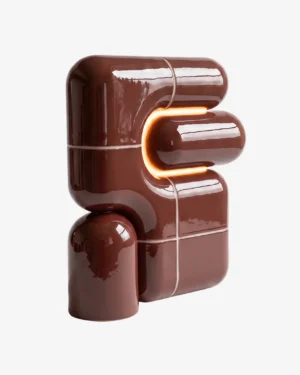
U-021 Table Lamp In Garnet Pla
By Rollo Studio
€795 -
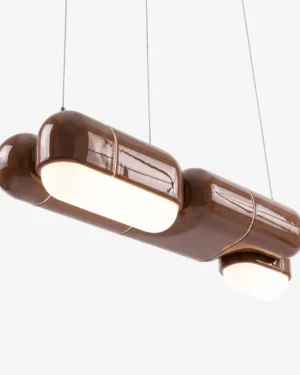
U-044 Pendant Lamp In Umber 3d Printed Pla
By Rollo Studio
€2.345 -
10% off
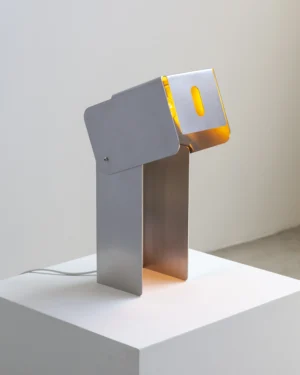
Tauri Table Lamp In Stainless Steel
By T44 design studio
€230€207 -

Exélixi Floor Lamp In Bio Plastic
By Julie Mallet Studio
€1.958 -

Citadel Large Lantern Light Sculpture
By Ultramar Studio
€1.250 -
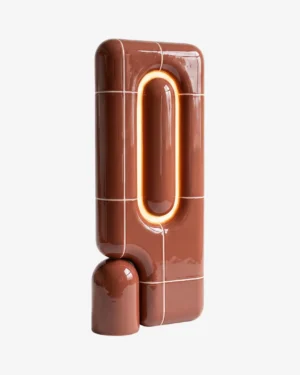
U-037 Table Lamp In Oxide Pla
By Rollo Studio
€940 -
 In stock
Voguing No. 2 Floor Lamp in Cast Aluminum
By BY JAMPS
€2.500 -
 In stock
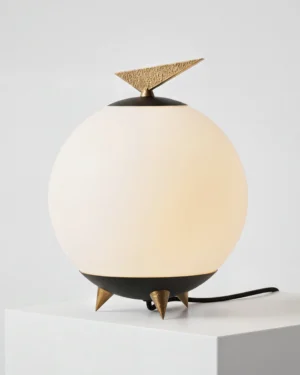
Eoni Table Lamp In Steel, Brass And White Glass
By Balance Lamp
€410 -
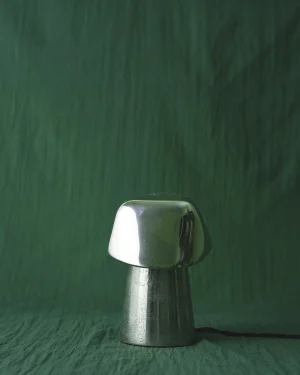
Iris Table Lamp in Aluminum
By MANUHITA
€295 -
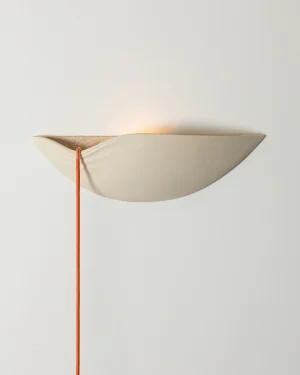
Loma Wall Sconce In Stoneware
By Catalin Filip
€450 -

Nucleation Floor Lamp in Steel
By Drusch Design
€2.760 -
 In stock
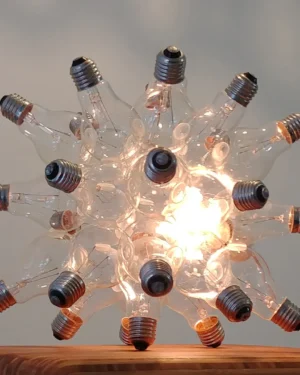
“spare” Table Lamp Constructed From 26 Lightbulbs
By JAN PAUL
€220 -
 In stock
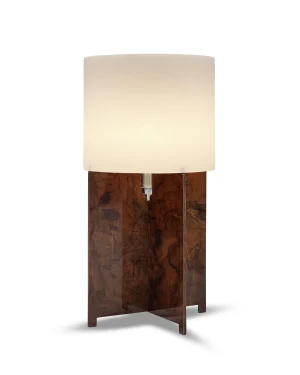
Lumix Table Lamp in Walnut Wood
By Pablo Sinan Design
€550 -
Black Friday −15%

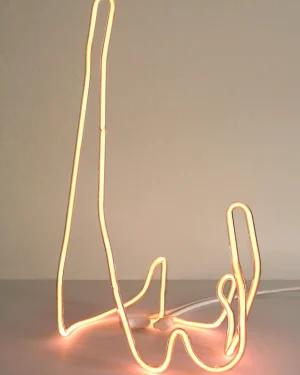
Fractical Neon Table Lamp In Glass
By Dace Sūna
€1.000 15% applied at checkout -
 In stock
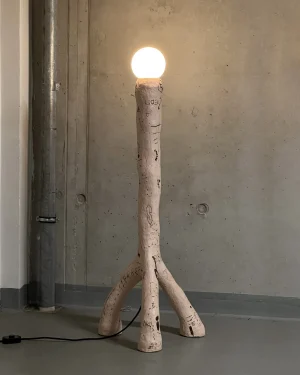
Tattooed Shining Creature Floor Lamp In Paper And Steel
By David Čáp
€1.400 -
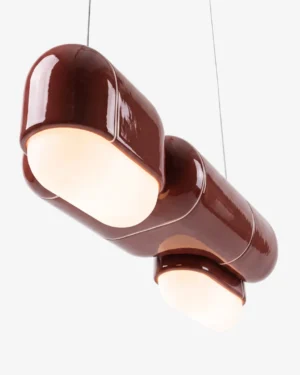
U-039 Pendant Lamp In Garnet Pla
By Rollo Studio
€1.995 -
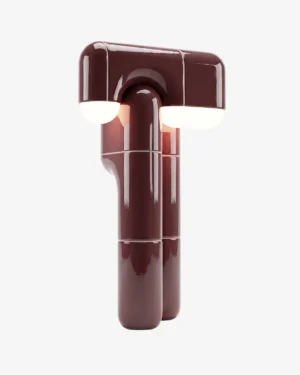
U-016 Table Lamp In Oxblood Pla
By Rollo Studio
€1.380 -

Rakis Floor Lamp In Ceramic
By Catalin Filip
€1.900 -
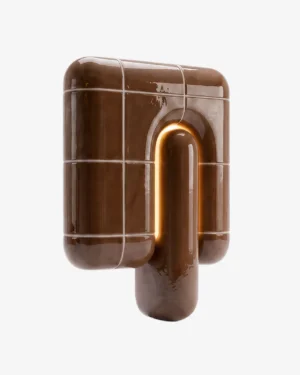
U-013 Wall Lamp In Umber Pla
By Rollo Studio
€820 -
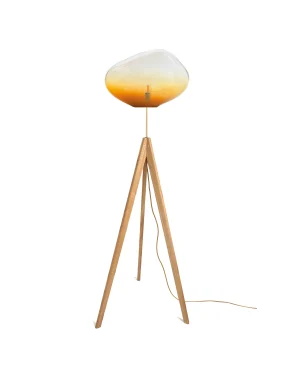
Statix Amber Iridescent Floor Lamp In Blown Glass
By ELOA - Unique Lights
€6.360 - €6.910 -
 In stock
Onda Cosmic Wall Sconce In Glazed Ceramic
By arrived aliens
€2.200 -

Vira Triptych Ceiling Lamp In Bio Plastic
By Julie Mallet Studio
€567 -
 In stock
Cave Table Lamp In Glass
By Dace Sūna
€1.500 -
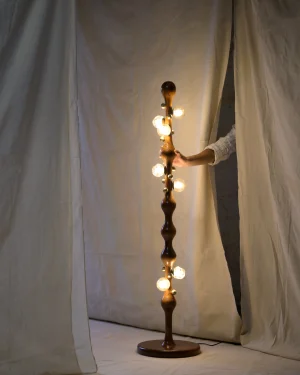
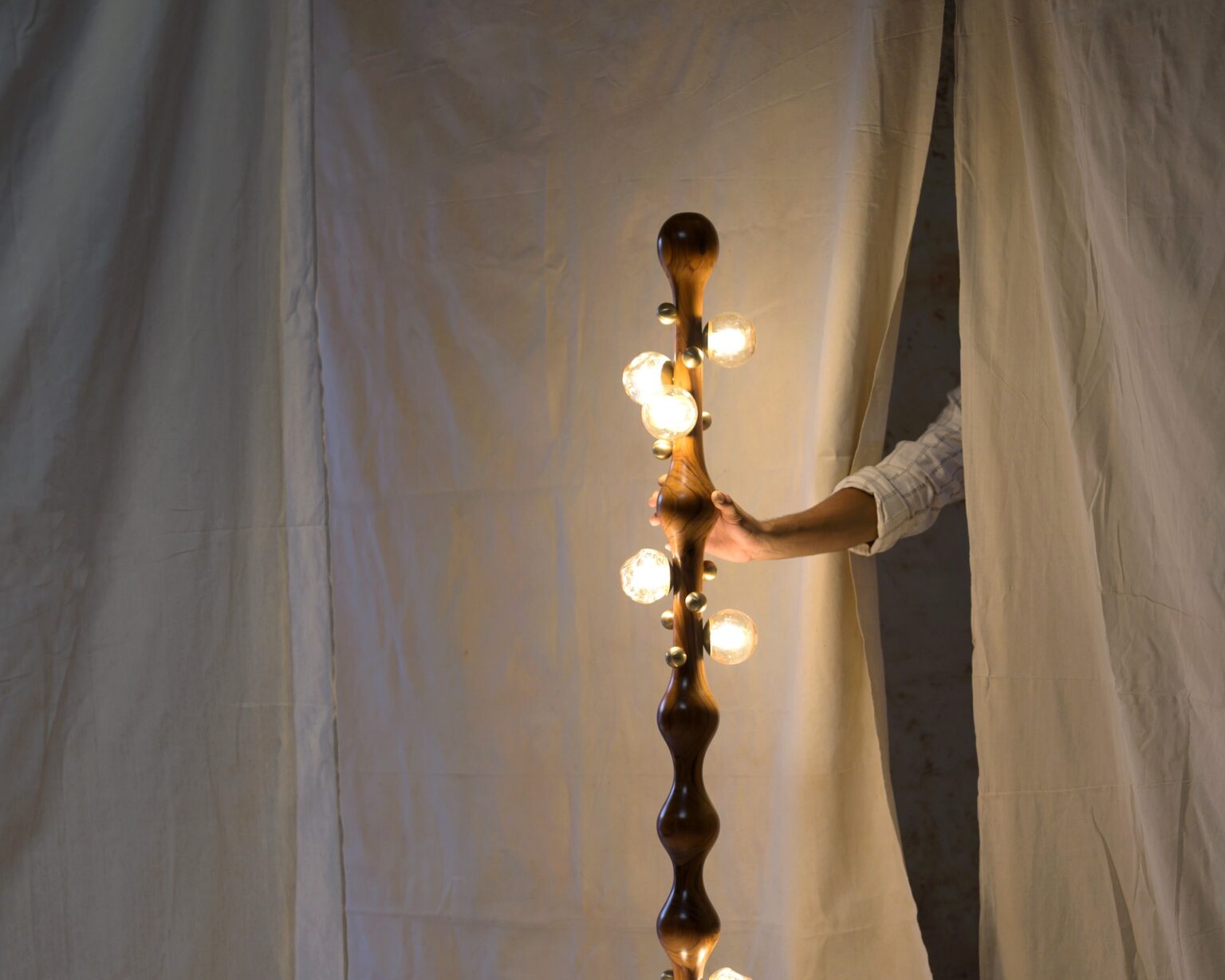
Stem – Teak Wood / Brass Floor Lamp
By Studio Indigene
€2.100 -

Mori Table Lamp In Bio Plastic
By Julie Mallet Studio
€146 -
 In stock
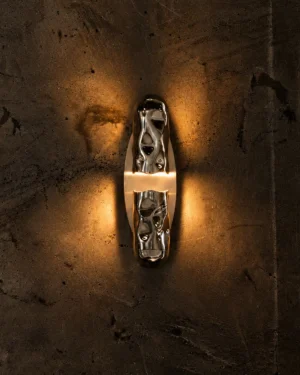
Vela Wall Sconce In Stainless Steel
By Nitush and Aroosh
€700
Reading room lighting on ADORNO favors materials that soften a single source of light into something steady enough to read by: glazed ceramic and stoneware, sand-cast brass, and blown glass shaped by hand in small studios. These pieces come from makers working in hand-building, metalwork and woodturning, who choose a material for how it holds or scatters light rather than for how it looks switched off. The result is a lamp or sconce that behaves like furniture, staying in a corner for years rather than a season.
What defines a reading lamp's material
Ceramic and stoneware bodies, built up by hand and finished with glaze, give a surface that absorbs light rather than throwing it back, which keeps glare low on the page. Glazes in sand, brown or white tend to warm a bulb's output, while a clear or gold glaze lets more of it through. Brass, often sand-cast and then patinated, darkens slightly with handling and age, taking on a bronze or silver cast that most owners prefer to polishing away.
Blown glass behaves differently again: clear glass diffuses a point source into a wider pool, while a frosted or colored finish narrows that pool and softens shadow at its edges. Beech wood bases, worked through standard cabinetmaking and woodturning, add warmth and weight at the base without competing with the shade above. None of these materials are fragile in normal use, but each asks for a slightly different kind of care, covered below.
The range of finishes, styles and editions
Within reading room lighting on ADORNO, finishes run from matte stoneware glazes to polished or patinated brass, clear to frosted or tinted blown glass, and black, white or natural wood bases. Styles span contemporary, mid-century modern, Scandinavian and more conceptual or eclectic approaches, so a studio apartment and a book-lined study can both find a fitting form. Some pieces are produced as open editions, made to a standing design, while others are limited editions or unique pieces, shaped individually enough that no two are quite alike.
- Hand-built and glazed ceramic or stoneware bodies
- Sand-cast and patinated brass fittings
- Hand-blown glass shades in clear, frosted or tinted finishes
- Turned beech wood bases and stems
How to choose a lamp for a reading corner
Start with the seat it will serve: a floor lamp or tall table lamp should put its light source roughly level with the reader's shoulder when seated, so the beam falls on the page rather than the eyes. A shade angled downward, in ceramic or metal, directs light more narrowly than an open glass form, which is useful where a reading chair sits close to other seating. Scale matters as much as height; a heavy stoneware or brass base anchors a side table without needing much footprint, while a slender wood stem suits a narrower console or shelf edge.
Finish follows the room's other metals and woods: brass pairs naturally with warmer wood tones, while a black or white ceramic body sits more quietly against painted walls. For layered light, a table lamp here works well alongside the sconces and pendants found across metal lighting or the broader range of contemporary lighting on ADORNO.
Where these pieces belong and how to keep them
Reading room lighting suits a chair by a window, a daybed, or a desk where close, even light matters more than overall brightness, though many of the same forms work equally well as living room lighting or beside a bed as bedroom lighting. Ceramic and stoneware need only a dry cloth, since damp cleaning can dull a glaze over time. Brass can be left to darken naturally or wiped with a dry cloth to slow tarnish, and blown glass should be dusted gently rather than scrubbed, to protect any hand-finished surface.
For the full range of forms built for this kind of quiet, close light, the reading room grouping on ADORNO brings together lighting alongside seating and small objects suited to the same corner.
How do I choose a lamp for a reading room?
Look at the material around the bulb before the shape of the base. Ceramic and frosted glass soften light and cut glare, while clear glass or bare brass throw a brighter, more direct pool for close work.
What is the best material for a reading lamp?
Glazed ceramic and frosted or colored glass diffuse light evenly and reduce glare on the page, which suits long reading sessions better than a hard, reflective surface.
How do I care for ceramic, brass or glass lighting?
Dust ceramic and glass with a dry or barely damp cloth, and avoid abrasive cleaners on glaze. Brass can be left to darken naturally or wiped with a soft cloth; polishing removes the patina many owners prefer to keep.
What size lamp or sconce suits a reading corner?
A table or floor lamp should place its light source roughly level with or just above shoulder height when seated, so it falls across the page rather than overhead. A maker can confirm exact dimensions through Chat with the maker on the piece's page.
Can reading room lighting work in other rooms too?
Yes. These lamps and sconces suit any corner where someone sits still for a while, including a bedroom chair, a study desk or a quiet spot in a living room.
How does shipping, returns and authenticity work on ADORNO?
Shipping is insured and worldwide. Returns are accepted within 14 days, except on made-to-order pieces, and every piece arrives with a certificate of authenticity. ADORNO also offers a lowest-price guarantee.