



















-

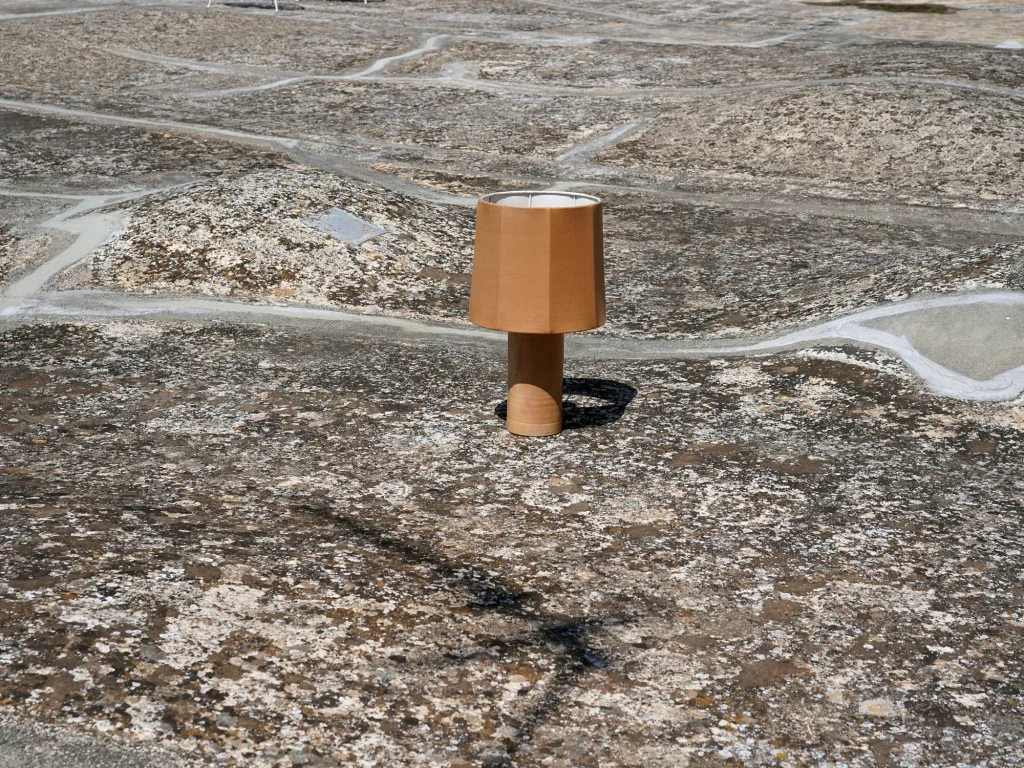
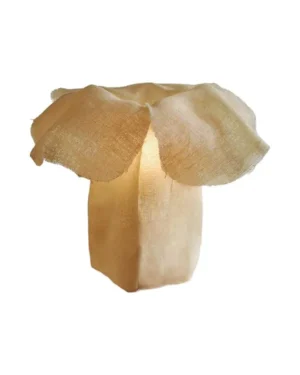
Athari Table Lamp in Ceramic
By Andrei Clontea STUDIO
€900 -
 In stock
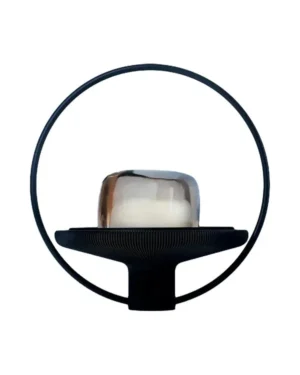
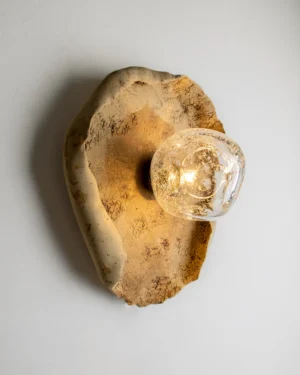
Asea No. 41 Wall Sconce in Stoneware and Blown Glass
By Ceren Gürkan
€1.000 -
 In stock
Caterina Table Lamp in Earthenware
By mattina moderna
€585 This product has multiple variants. The options may be chosen on the product page -
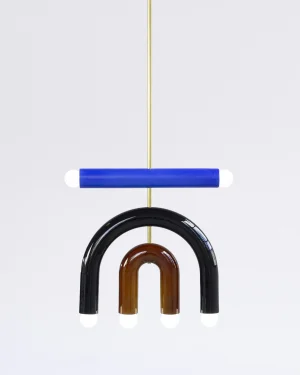
Trn / Model D1 Pendant Lamp in Ceramic
By Pani Jurek STUDIO
€1.080 This product has multiple variants. The options may be chosen on the product page -

Trn / Model A1 Pendant Lamp in Ceramic
By Pani Jurek STUDIO
€470 This product has multiple variants. The options may be chosen on the product page -
 In stock
B.A.R.E Series Table Lamp in Brick and Copper
By Lucas Muñoz Muñoz
€250 -

Strikha Table Lamp in Clay
By FAINA
€1.820 -
 In stock
Coral Table Lamp in Clay and Ceramic
By Dzovag Kotchian
€900 -

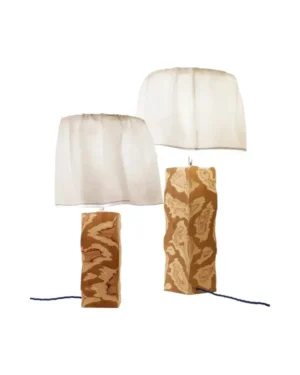
Mātra Table Lamp in Ceramic
By Andrei Clontea STUDIO
€800 -
 In stock
Asea No.40 Wall Sconce In Stoneware And Blown Glass
By Ceren Gürkan
€1.200 -

Trn / Model D2 Pendant Lamp in Ceramic
By Pani Jurek STUDIO
€1.080 This product has multiple variants. The options may be chosen on the product page -

Trn / Model E1 Pendant Lamp in Ceramic
By Pani Jurek STUDIO
€1.430 This product has multiple variants. The options may be chosen on the product page -
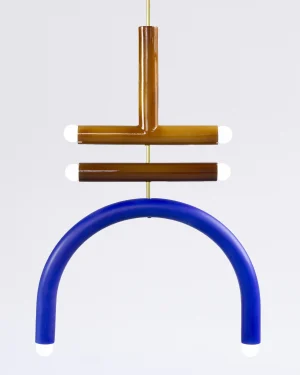
Trn / Model F2 Pendant Lamp in Ceramic
By Pani Jurek STUDIO
€1.600 This product has multiple variants. The options may be chosen on the product page -
 In stock
Astēri Table Lamp in Clay
By Andrei Clontea STUDIO
€1.200 -

Trn / Model F3 Pendant Lamp in Ceramic
By Pani Jurek STUDIO
€1.600 This product has multiple variants. The options may be chosen on the product page -
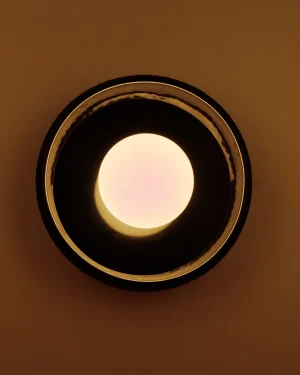
Macrame Wall Sconce in Ceramic
By Saadia Design
€332 -
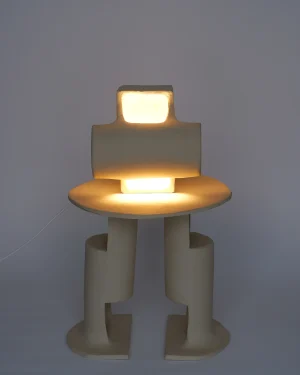
Accre Table Lamp in Ceramic
By Ia Kutateladze
€580 This product has multiple variants. The options may be chosen on the product page -
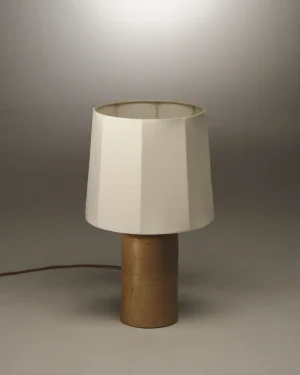
Sonora Small Table Lamp In Terracotta And Linen
By NASSI LAMPS
€1.028 This product has multiple variants. The options may be chosen on the product page -
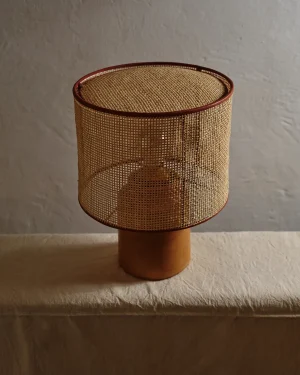
Sonora Rattan Table Lamp In Clay And Textiles
By NASSI LAMPS
€840 -
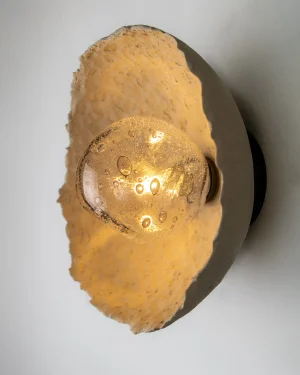 In stock
Asea No. 23 Wall Sconce in Stoneware and Blown Glass
By Ceren Gürkan
€800 -

Trn / Model C2 Pendant Lamp in Ceramic
By Pani Jurek STUDIO
€880 This product has multiple variants. The options may be chosen on the product page -

Trn / Model B2 Pendant Lamp in Ceramic
By Pani Jurek STUDIO
€625 This product has multiple variants. The options may be chosen on the product page -

Trn / Model B3 Pendant Lamp in Ceramic
By Pani Jurek STUDIO
€625 This product has multiple variants. The options may be chosen on the product page -
 In stock
B.a.r.e Series Table Lamp in Brick, Copper and Plastics
By Lucas Muñoz Muñoz
€300 -

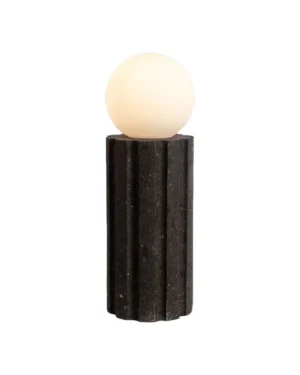
Rakis Lite Table Lamp – Black Stoneware Ceramic
By Catalin Filip
€455 -
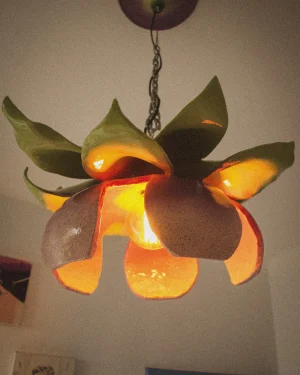
Amaryllis Ceiling Lamp in Glazed Ceramic
By UAU Studio
€1.300 -
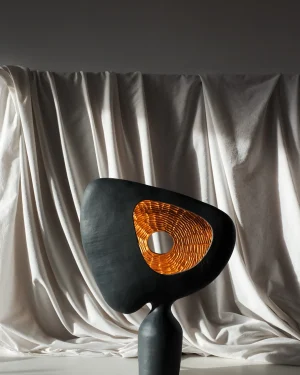
Olethros Table Lamp in Stoneware
By Andrei Clontea STUDIO
€1.000 -
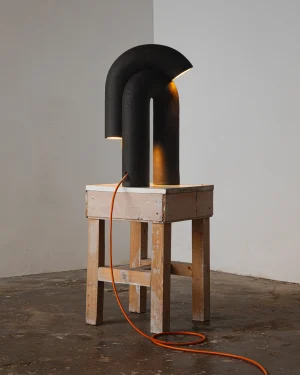
Pendulū Table Lamp In Ceramics And Gold-leaf
By Catalin Filip
€950 -
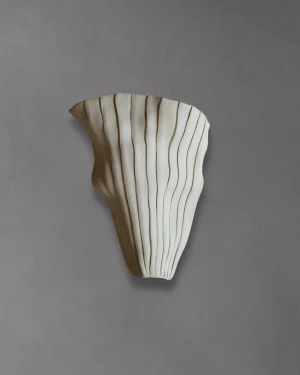 In stock
Tenderness Wall Sconce in Stoneware
By Studio Ēeme
€750 - €800 This product has multiple variants. The options may be chosen on the product page -
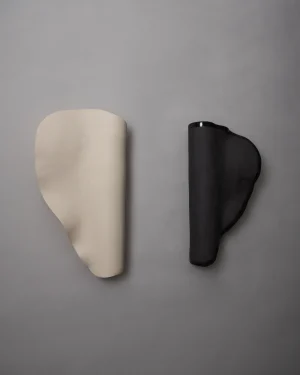
Folding and Unfolding Wall Sconce in Stoneware
By Studio Ēeme
€425 - €455 This product has multiple variants. The options may be chosen on the product page -
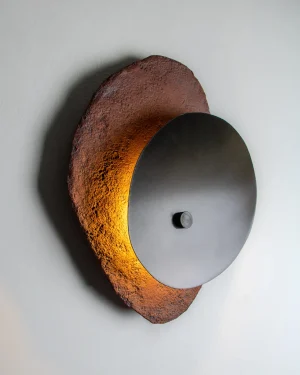
Asea No.1 Cherry Wall Sconce in Stoneware and Metal
By Ceren Gürkan
€1.000 -
 In stock
L’Été Ceramic Wall Light
By Katia Langeard
€350 This product has multiple variants. The options may be chosen on the product page -
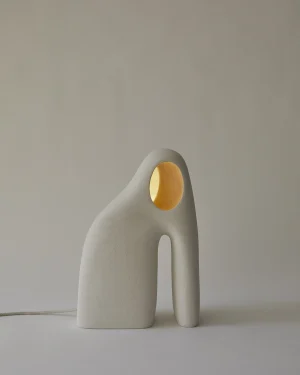
Nomad Ⅱ:02 Table Lamp in Stoneware
By SK - Sofia Karnukaeva
€2.480 -
 In stock
SONIAH Table Lamp in ZTISTA Biocomposite
By FAINA
€3.000 This product has multiple variants. The options may be chosen on the product page -

Nomad Ⅱ:09 Table Lamp in Ceramics and Stoneware
By SK - Sofia Karnukaeva
€2.780 -
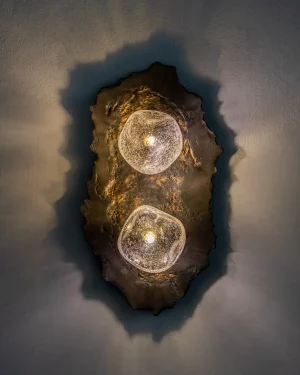
Asea No. 25 Wall Sconce in Blown Glass and Stoneware
By Ceren Gürkan
€1.100 -
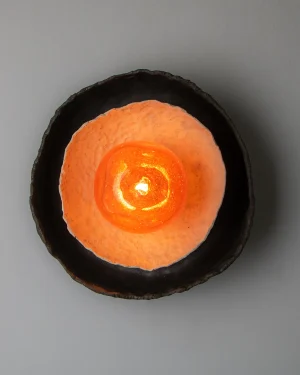
Asea No. 26 Red Wall Sconce in Blown Glass and Stoneware
By Ceren Gürkan
€1.100 -

Knotto_01 Table Lamp In Glazed Stoneware And Synthetic Fibers
By Catalin Filip
€800 -
 In stock
La Bergère Table Lamp In Glazed Ceramic
By Mina Wright
€686 -
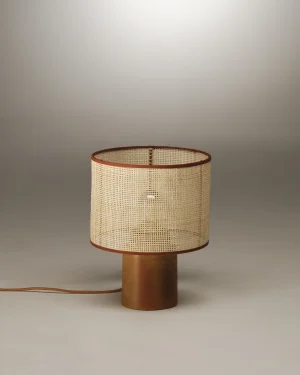
Sonora Small Table Lamp In Terracotta And Rattan
By NASSI LAMPS
€700 -

El Joyero De Odette Table Lamp In Stoneware
By Mina Wright
€770 -
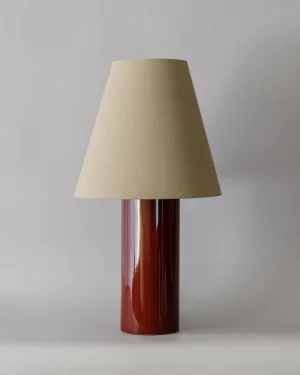
Giro Table Lamp in Ceramics and Cotton
By mattina moderna
€495 This product has multiple variants. The options may be chosen on the product page -
 In stock
Tl-1 Earth Table Lamp In Cellulose Acetate
By Juba Concepts
€592 -

Trn / Model A2 Pendant Lamp in Ceramic
By Pani Jurek STUDIO
€470 This product has multiple variants. The options may be chosen on the product page -

Black Wool Table Lamp in Biocomposite
By PletoStudio
€700 -
 In stock
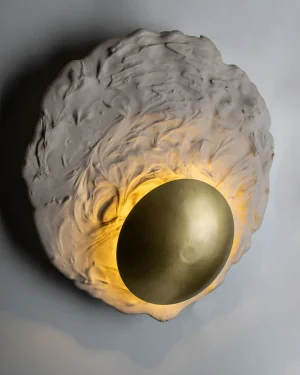
Asea No. 9 Wall Sconce in Stoneware and Brass
By Ceren Gürkan
€1.100 -

Conic 01 Wall Sconce in Porcelain and Stainless Steel
By Hanna Fastrich
€1.390 -
 In stock
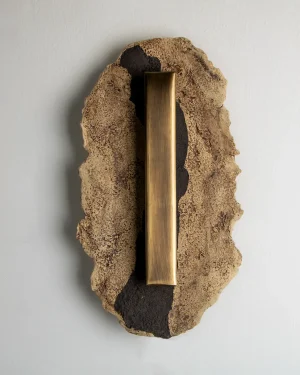
Asea No. 6 Wall Sconce in Stoneware and Brass
By Ceren Gürkan
€900 -

Lampe Beige Medium Table Lamp in Glazed Stoneware
By Huillet Lucas
€1.300 -
 In stock
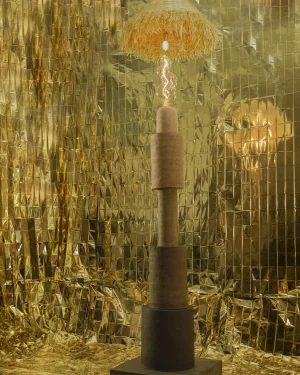
Thulani Floor Lamp in Terracotta and Rattan
By UAU Studio
€3.400 -
 In stock
Abyss No. 23 Table Lamp in Stoneware
By Ceren Gürkan
€2.500 -
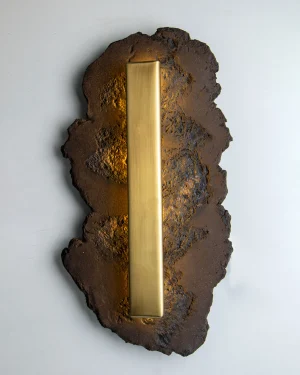 In stock
Asea No. 3 Wall Sconce in Stoneware and Brass
By Ceren Gürkan
€900 -
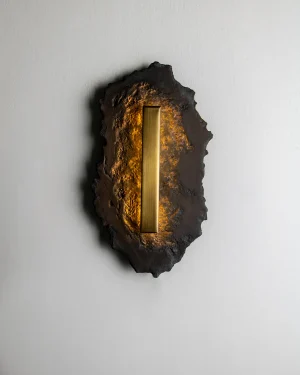 In stock
Asea No. 16 Wall Sconce in Stoneware and Brass
By Ceren Gürkan
€900 -
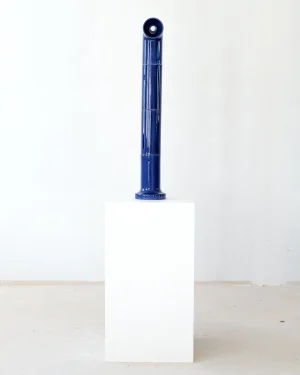
Slim Op Four Piece Floor Lamp in Ceramics and Porcelain
By Pani Jurek STUDIO
€1.045 This product has multiple variants. The options may be chosen on the product page
Ceramic lighting is lighting built from fired clay, shaped on the wheel or by hand and finished with a glaze or left raw, so the base, body or shade carries the warmth and slight irregularity of a material formed rather than machined. Independent studios working in stoneware and earthenware favor it for the way a lamp or pendant can be thrown, trimmed and glazed in a single workshop, with no two pieces from the same batch landing quite the same. The result sits closer to a vessel than a fixture, something with weight and presence even when switched off.
The clay, glazes and finishes behind these pieces
Most ceramic lighting on ADORNO starts as stoneware or earthenware clay, built by hand or thrown and shaped before a first firing. Glazing follows, and it is the glaze that does most of the visible work: a glossy cobalt blue or denim glaze catches light differently than a matte beige or raw clay body left unglazed below the shade. Some studios finish pieces using raku, pulling them from the kiln while still hot for the smoked, cracked surface that technique produces; others keep a plain stoneware finish that reads closer to stone than pottery.
Color in ceramic lighting tends to come from the glaze rather than a painted surface, which means it is fired into the clay and will not chip the way paint does. Expect a range running from black and brown through beige and light yellow to cobalt blue, denim and green, with lilac appearing less often. Brass or steel sometimes joins the clay as a stem, fitting or base, pairing a warm fired surface with a harder metal edge.
Kinds of ceramic lighting on ADORNO
Table lamps are the most common form, their ceramic bases ranging from tall cylinders to rounder, lower shapes that sit close to a side table. Ceramic lamps of this kind usually pair a thrown or hand-built base with a fabric or paper shade, so the clay carries the visual weight while the shade does the diffusing. Pendant and flush-mount fixtures appear too, among them ceramic ceiling lamps, where the fired body becomes the shade itself, casting light through glaze and clay rather than fabric.
Styles span minimalist and contemporary forms with clean, unbroken silhouettes, through mid-century modern shapes with bulb-like bodies, to art deco and boho chic pieces that lean on texture or color instead of straight lines. Editions vary by studio: some pieces are produced in open runs, others in limited editions of a fixed size, and a smaller number are unique, one-off results of a single firing that cannot be exactly repeated.
Choosing a piece: scale, height, finish and placement
Scale matters more with ceramic lighting than with metal or glass, since a thick clay base reads as heavier than its actual size. A lamp meant for a side table should sit low enough that the shade stays below eye level when seated; a floor-standing piece needs enough footprint to feel stable rather than top-heavy. Matte and raw finishes absorb light and soften a room, while glossy glazes throw small reflections and suit a spot where some sparkle is welcome.
- Pair a dark glaze, black or brown, with pale walls so the base reads as an object rather than disappearing into shadow.
- Use a pale or light yellow glaze where you want the lamp to lift a darker corner.
- Group two or three smaller ceramic bases at different heights instead of relying on one large fixture.
Where ceramic lighting works and how to care for it
Table lamps with ceramic bases suit a living room console, a bedside table or a reading corner, anywhere a soft, low source of light is wanted rather than overhead glare. For a fuller look at placement near seating, living room lighting covers how low sources work alongside larger fixtures. Ceramic pairs naturally with other fired or thrown objects in a room, which is worth remembering if you also collect ceramic accessories or vases.
Glazed surfaces wipe clean with a damp cloth and need no polish or oil. Unglazed or raw clay sections are more porous and can mark if left wet, so keep them away from damp surfaces and direct steam. For the wider range of fired-clay pieces beyond lighting, the full set of ceramic work on ADORNO sits alongside the rest of the lighting category, from cast brass to hand-blown glass.
How do I choose a ceramic lamp?
Look at the glaze and form first: matte stoneware suits quiet rooms, glossy glazes catch more light and read brighter. Match the base's weight and footprint to the surface it will sit on.
How do you clean and care for ceramic lighting?
Dust with a dry or barely damp cloth; avoid soaking the base since unglazed clay can absorb water. Keep it away from sudden temperature swings, which can stress the glaze and cause fine cracks.
Is ceramic lighting fragile?
Fired clay is hard but brittle, so it chips or cracks if dropped or knocked against a hard edge. Once glazed and fired, it holds up well to everyday handling and years of use.
What size ceramic lamp should I get for a table or room?
A table lamp generally sits with its shade at eye level when seated, so the base plus shade runs about 24 to 34 inches tall. For exact measurements on a specific piece, chat with the maker on its page.
Which rooms suit ceramic lighting best?
The warm, matte quality of fired clay suits bedrooms, living rooms and reading corners where light should feel soft rather than clinical. Bathrooms and kitchens need pieces rated for damp or heat, so check that before buying.
What happens if I need to return a ceramic lamp?
ADORNO offers a 14-day return policy, though made-to-order pieces are excluded. Shipping is insured and worldwide, and every piece arrives with a certificate of authenticity.